
The Allure of Indian Silk: Why It Captivates Fashionistas Worldwide

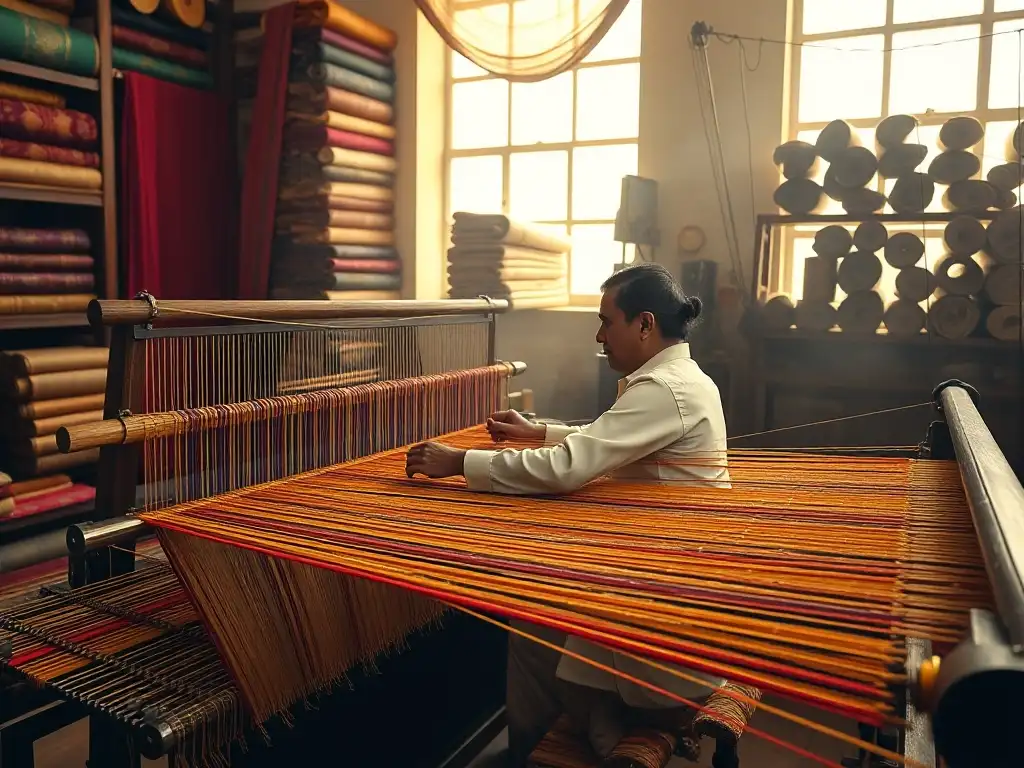
Welcome to Ancient India History, where we embark on an enthralling journey through the vibrant tapestry of India’s past. Dive into the allure of Indian silk, a material that has not only adorned royalty but has also woven its way into the hearts of fashion enthusiasts around the globe. What makes this exquisite textile so significant in the annals of history?
As we unravel the stories behind its creation and cultural impact, prepare to be captivated by the rich heritage that continues to influence modern fashion. Join us as we explore the fascinating journey of Indian silk and discover the secrets that lie beneath its shimmering surface!
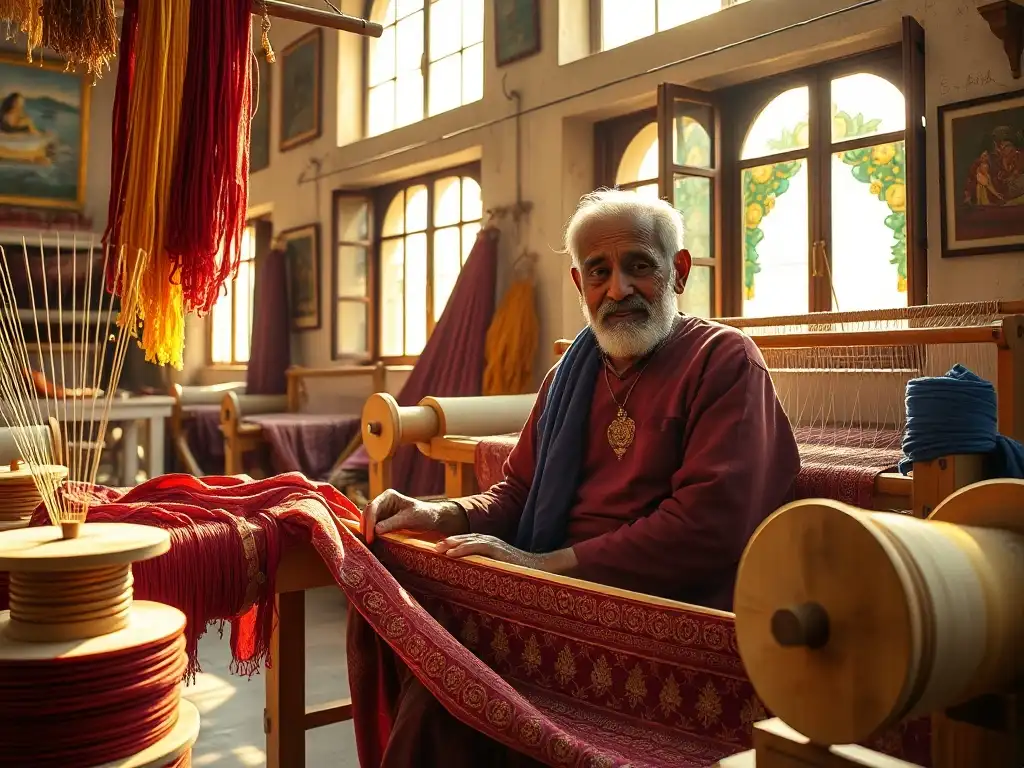
Exploring the world of Indian silk unveils a tapestry woven with rich history, cultural significance, and artistic mastery that has captivated fashion enthusiasts across the globe. Renowned for its luxurious texture and stunning patterns, Indian silk is more than just a fabric; it embodies centuries of craftsmanship, tradition, and the vibrant heritage of various Indian civilizations. From the intricate designs of Kanchipuram sarees to the delicate draping of Banarasi silk, this article delves into the Indian silk history and significance, shedding light on why it continues to allure fashionistas worldwide.
Introduction to Indian Silk History and Significance
The allure of Indian silk lies not only in its aesthetic appeal but also in its deep-rooted connections to India's cultural heritage. The history of silk in India dates back thousands of years, intertwining with significant events, trade routes, and artistic expressions that have shaped the fabric into a symbol of elegance and status.
The significance of silk extends beyond fashion; it plays a pivotal role in rituals, festivals, and even in the economy of various regions, making it a vital aspect of Indian identity. Understanding the history and significance of Indian silk is essential for anyone looking to appreciate its beauty and authenticity when considering purchasing this exquisite textile.
The Rich History of Indian Silk
Indian silk has a storied past that reflects the ingenuity and artistry of its weavers. Tracing back to ancient times, the production of silk in India has evolved through various dynasties and cultural influences. This section explores the origins and historical context that have contributed to the prominence of Indian silk in the global textile market.
Origins of Silk Production in India
The origins of silk production in India can be traced back to around 3000 BCE, with archaeological evidence suggesting the presence of silk in the ancient civilization of the Indus Valley. The sericulture process, which involves the cultivation of silkworms and the extraction of silk fibers, began in regions like Assam and Bihar. Over the centuries, various dynasties, such as the Mauryas and the Guptas, played a crucial role in refining silk production techniques and expanding trade networks. Indian silk became a sought-after commodity along the Silk Road, connecting India to markets in Persia, Rome, and beyond.
Evolution of Silk Weaving Techniques
The evolution of silk weaving techniques in India showcases the remarkable craftsmanship of artisans. Different regions developed their unique styles, characterized by intricate patterns and vibrant colors. For instance, the Banarasi silk is famous for its elaborate brocade work, while Kanchipuram silk is celebrated for its durability and rich colors. The introduction of new technologies and techniques during the medieval period further enhanced the quality and variety of silk textiles produced in India. Today, these traditional methods are preserved by skilled artisans, ensuring the continued relevance of Indian silk in contemporary fashion.
By understanding the Indian silk history and significance, one can appreciate not only the beauty of these textiles but also the cultural narratives they carry, making them a timeless choice for fashionistas around the world.
The Significance of Indian Silk in Fashion
Indian silk holds a revered position in the world of fashion, celebrated not only for its luxurious texture and vibrant colors but also for its rich cultural heritage. The fabric has been woven into the very fabric of Indian society for thousands of years, symbolizing wealth, status, and artistry. From ancient royal courts to modern-day fashion runways, silk has transcended time, becoming a staple in both traditional and contemporary wardrobes.
The allure of Indian silk is rooted in its versatility. It can be crafted into a plethora of garments, including sarees, lehengas, and scarves, making it suitable for various occasions—from weddings to everyday wear. Moreover, the intricate craftsmanship involved in silk production and weaving adds to its significance. Each piece tells a story, representing the skills of artisans and the traditions of their regions.
Additionally, Indian silk's significance extends beyond fashion; it plays a crucial role in the local economy by providing livelihoods for countless weavers. As such, choosing Indian silk is not only a fashionable choice but also a socially responsible one, supporting traditional crafts and promoting sustainable practices.
Cultural Symbolism of Indian Silk
Silk in India is often associated with prosperity and celebration. Historically, it has been used in various ceremonies such as weddings and religious festivals, symbolizing purity and auspiciousness. Different regions in India have their unique silk weaving traditions, each carrying its own cultural symbolism and significance. For instance, wearing a Banarasi silk saree is often seen as a mark of elegance and tradition, while Kanchipuram silk is synonymous with South Indian bridal wear.
The motifs and designs found in Indian silk fabrics are also deeply symbolic. Many patterns draw inspiration from nature, mythology, and spirituality, reflecting the diverse heritage of the regions they come from. This intricate relationship between silk and culture enhances its allure, making it more than just a fabric—it's a representation of India's rich history and artistic expression.
Indian Silk in Contemporary Fashion
In recent years, Indian silk has made a significant impact on contemporary fashion, both nationally and internationally. Designers are now incorporating traditional silk fabrics into modern silhouettes, creating a fusion that appeals to the younger generation. The resurgence of interest in handloom textiles has led to a renewed appreciation for Indian silk, with fashionistas embracing its unique qualities.
Moreover, the global fashion industry has started recognizing the value of sustainable and ethically sourced materials. Indian silk, often produced through artisanal methods, aligns with these values, making it a preferred choice among conscious consumers. Fashion weeks in major cities around the world often feature collections that celebrate Indian silk, showcasing its timeless beauty and versatility.
As brands and designers continue to innovate, Indian silk remains a powerful symbol of heritage and modernity, captivating fashion enthusiasts across the globe.
Types of Indian Silk and Their Unique Qualities
Indian silk comes in various types, each with its unique characteristics, production methods, and cultural significance. Understanding these varieties can help consumers appreciate the craftsmanship behind each piece and make informed purchasing decisions.
Banarasi Silk
Banarasi silk is one of the most luxurious and sought-after varieties of Indian silk, originating from Varanasi, Uttar Pradesh. Renowned for its intricate brocade work, Banarasi silk sarees often feature elaborate motifs inspired by Mughal art, including floral patterns and geometric designs. The use of gold and silver zari enhances the opulence of the fabric, making it a popular choice for weddings and festive occasions.
The production of Banarasi silk involves a meticulous weaving process that can take weeks to complete, resulting in stunning, heavy fabrics that drape beautifully. This silk type is not only a fashion statement but also a testament to the rich heritage of Indian craftsmanship.
Kanchipuram Silk
Kanchipuram silk, hailing from Tamil Nadu, is another prestigious variety known for its vibrant colors and durability. Traditionally used in bridal attire, Kanchipuram silk sarees are characterized by their contrasting borders and intricate designs, often depicting motifs of temples and nature. The texture is slightly coarse compared to other silks, which adds to its strength and longevity.
The weaving of Kanchipuram silk is a labor-intensive process, requiring skilled artisans to create pieces that often become family heirlooms. This silk embodies the essence of South Indian culture and is cherished for its grandeur and elegance.
Tussar Silk
Tussar silk, also known as wild silk, is produced from the cocoons of wild silkworms found in the forests of India. It is valued for its rich, textured appearance and natural golden hue. Unlike other silks, Tussar is lightweight and breathable, making it an ideal choice for warmer climates.
Tussar silk is often used in contemporary fashion, appreciated for its eco-friendly production methods and unique aesthetic. The fabric’s earthy tones and raw finish lend a rustic charm to garments, making it a favorite among designers focusing on sustainable fashion. Additionally, Tussar silk beautifully showcases traditional Indian weaving techniques, affirming its place in the rich tapestry of Indian textiles.
How to Buy Authentic Indian Silk
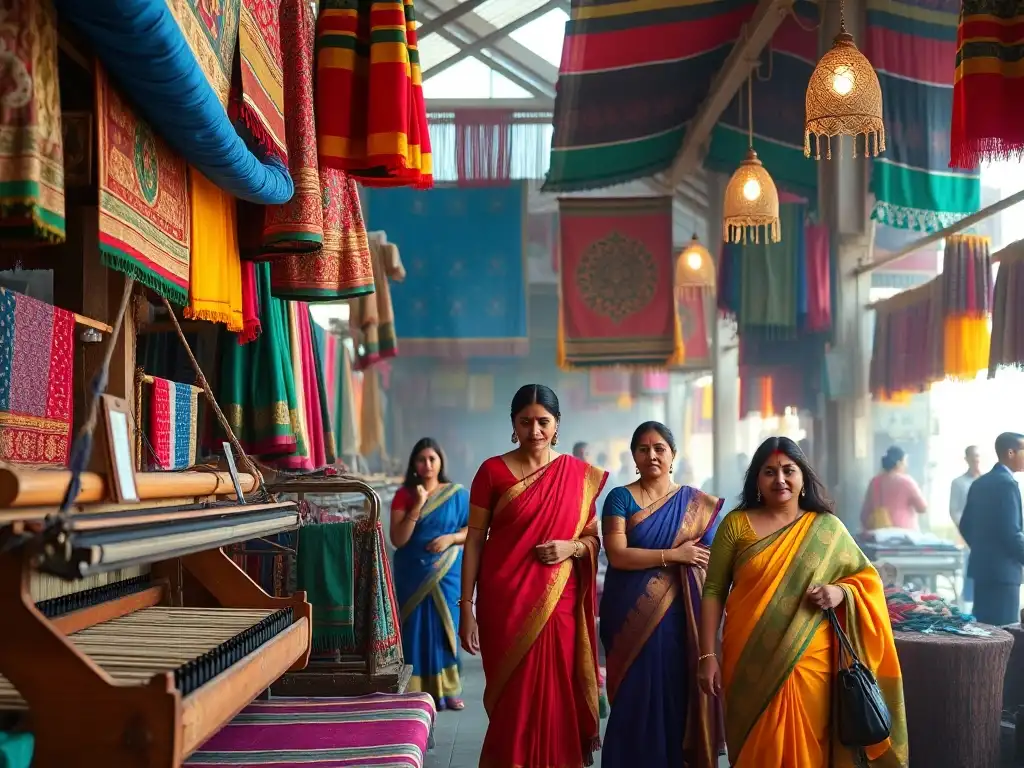
When embarking on a journey to purchase authentic Indian silk, it is essential to arm yourself with knowledge about the different types of silk available, the techniques of weaving, and the regions known for their silk production. Indian silk has a rich heritage, with each type boasting its own unique characteristics, patterns, and craftsmanship. Here are some key points to consider when buying Indian silk:
- Understand the Types of Indian Silk: Familiarize yourself with various types such as Banarasi, Kanchipuram, Tussar, and Mysore silk. Each type has unique attributes, from the intricate brocade of Banarasi to the lustrous finish of Kanchipuram.
- Check for Authenticity: Look for certifications or labels that indicate the silk's authenticity. Genuine Indian silk often comes with a tag that details its origin and quality.
- Feel the Fabric: Authentic silk has a soft, luxurious feel and a natural sheen. If possible, touch the fabric to assess its quality.
- Examine the Weave: High-quality silk should have a tight weave with no loose threads or imperfections. Inspect both sides of the fabric to ensure consistency.
- Ask about the Dyeing Process: Natural dyes are often used in authentic Indian silk, giving the fabric rich and vibrant colors. Inquire about the dyeing methods to ensure they align with traditional practices.
Identifying Genuine Indian Silk
Identifying genuine Indian silk can be challenging, but several techniques can help you distinguish between authentic silk and its synthetic counterparts. Here are some key indicators:
- Burn Test: When burned, real silk will produce a smell similar to burnt hair, while synthetic fibers will emit a chemical odor. Additionally, real silk will leave behind a fine ash, while synthetic fibers will melt into a hard bead.
- Water Test: A drop of water should bead on the surface of genuine silk, while it will be absorbed quickly by faux silk. This test helps reveal the fabric's breathability.
- Price Point: Genuine Indian silk is often more expensive than synthetic alternatives. If the price seems too good to be true, it likely is.
- Luster and Texture: Authentic silk should have a natural sheen that reflects light beautifully. It should feel smooth and cool to the touch, unlike synthetic fabrics that may feel overly slick.
Recommended Retailers for Authentic Indian Silk
When seeking authentic Indian silk, it’s crucial to rely on reputable retailers known for their quality and integrity. Here are a few recommended options:
- Chandni Chowk, Delhi: This bustling market is famous for its wide range of silk fabrics and traditional weaves. Many local artisans and shops offer genuine silk directly from weavers.
- Kanchipuram Silk Sarees: Specific boutiques in Kanchipuram specialize in the region's famous silk sarees, ensuring authenticity and quality. Look for shops with a strong local reputation.
- Online Retailers: Websites like Fabindia and Utsav Fashion are known for their commitment to authentic Indian textiles, offering a wide selection of Indian silk products with detailed descriptions and customer reviews.
- Regional Handloom Stores: Many states in India have government-run handloom stores that offer authentic silk products. These stores often provide certifications of authenticity.
Caring for Indian Silk: Maintenance Tips
Caring for Indian silk is paramount to preserving its beauty and longevity. With proper care, your silk garments can remain vibrant and luxurious for years. Here are essential maintenance tips:
- Avoid Direct Sunlight: Store silk away from direct sunlight to prevent fading. Use breathable garment bags for long-term storage.
- Handle with Care: Silk is delicate, so handle it gently to avoid snags or damage. When wearing, be mindful of sharp objects or rough surfaces.
- Regular Cleaning: Dust off silk items regularly to keep them looking their best. For heavily soiled items, professional dry cleaning is recommended.
Washing and Storing Indian Silk
When it comes to washing and storing Indian silk, special care is required:
- Washing: Handwashing is ideal for silk. Use lukewarm water with a mild detergent specifically formulated for silk. Gently agitate the water without scrubbing, and rinse thoroughly without twisting or wringing the fabric.
- Drying: Never hang silk to dry in direct sunlight. Lay it flat on a clean towel to absorb excess water, then reshape it and let it air dry in a shaded area.
- Storage: When storing silk items, fold them carefully and place them in a cool, dry place. Use acid-free tissue paper between folds to prevent creasing and maintain shape.
Repairing Silk Items
Repairing silk items can be delicate work, but it can extend the life of your cherished garments:
- Sewing: For small tears, use a needle and thread that matches the silk's color. Sew the tear using a slip stitch for a nearly invisible repair.
- Ironing: If your silk fabric has wrinkles, use a low heat setting on your iron. Place a thin cloth between the iron and the silk to prevent direct contact.
- Professional Repair: For significant damage or intricate repairs, consider taking your silk items to a professional tailor or a specialized textile restorer to ensure the best results without compromising the fabric’s integrity.
Conclusion: Embracing the Allure of Indian Silk
The history and significance of Indian silk is woven deeply into the fabric of the nation’s cultural identity. From the opulent silks of the Indus Valley Civilization to the exquisite weaves of modern times, Indian silk has remained a symbol of luxury, artistry, and heritage. Each piece tells a story, reflecting the craftsmanship and devotion of artisans who have honed their skills through generations.
In today’s global fashion landscape, Indian silk continues to captivate fashionistas and collectors alike, offering not just aesthetic appeal but also a connection to a rich tradition. Its versatility allows it to transcend seasons and trends, making it a timeless choice for various occasions. Whether draped elegantly as a saree or styled in modern silhouettes, Indian silk embodies elegance and sophistication.
As we embrace the allure of Indian silk, it’s essential to recognize its journey and the artisans behind its creation. Supporting authentic silk products helps sustain this age-old craft, ensuring that the legacy of Indian silk continues to thrive in the modern world.
Call to Action: Explore and Shop Authentic Indian Silk
Ready to experience the charm of Indian silk for yourself? 🌟 Dive into a world of vibrant colors, intricate patterns, and luxurious textures by exploring collections from various regions of India. Whether you're looking for the classic Banarasi silk saree, the delicate Kanjivaram, or the lightweight Chanderi, there’s something for everyone.
Here’s how you can get started:
- Visit Local Artisans: Seek out fairs or exhibitions that showcase authentic silk products made by local artisans.
- Online Shopping: Browse reputable online platforms that specialize in Indian textiles for a wide array of silk options.
- Educate Yourself: Learn about the different types of silk, their origins, and the unique weaving techniques that make each piece special.
Take the first step in enriching your wardrobe with genuine Indian silk. Discover the beauty and craftsmanship that has enchanted fashion enthusiasts worldwide for centuries. Embrace this incredible textile and wear a piece of history that signifies elegance and cultural richness. Happy shopping! 🛍️
- Introduction to Indian Silk History and Significance
- The Rich History of Indian Silk
- The Significance of Indian Silk in Fashion
- Types of Indian Silk and Their Unique Qualities
- How to Buy Authentic Indian Silk
- Caring for Indian Silk: Maintenance Tips
- Conclusion: Embracing the Allure of Indian Silk
- Call to Action: Explore and Shop Authentic Indian Silk
Frequently Asked Questions
What is the significance of Indian silk in historical contexts?
Indian silk has been a symbol of wealth and status since ancient times, playing a crucial role in trade, culture, and art across various civilizations.
How did ancient civilizations utilize silk?
Ancient civilizations, particularly during the Indus Valley civilization, used silk for clothing and ceremonial purposes, showcasing their advanced weaving techniques and artistic flair.
What are the different types of Indian silk fabrics?
There are several types of Indian silk, including Mysore silk, Banarasi silk, and Tussar silk, each known for its unique weaving patterns and cultural significance.
How has the silk trade evolved over time in India?
The silk trade in India has evolved from ancient trade routes to modern times, adapting to market demands while maintaining traditional craftsmanship that appeals to fashion enthusiasts.
Why is Indian silk so popular among fashionistas today?
Indian silk captivates fashionistas due to its luxurious texture, vibrant colors, and the craftsmanship involved, making it a preferred choice for high-end fashion and sustainable clothing.
Final Reflection: The Timeless Allure of Indian Silk
The enchanting world of Indian silk continues to weave its magic in contemporary fashion, reminding us that its rich history and cultural significance are as relevant today as ever. As fashionistas around the globe embrace the elegance and versatility of Indian silk, we are reminded that this exquisite fabric is not merely a trend but a testament to centuries of craftsmanship and artistry. The allure of Indian silk transcends time, connecting us to a vibrant heritage that enriches our modern wardrobes.
The impact of Indian silk on the cultural and social landscape is profound, influencing not just fashion but also the way we perceive craftsmanship and sustainability in the textile industry. The intricate patterns and stories woven into each piece serve as a reminder of the artisans' dedication and the cultural narratives they preserve. As we don our silk garments, we participate in a legacy that honors tradition while embracing innovation.
> “Fashion is the armor to survive the reality of everyday life.” — Bill Cunningham. This quote encapsulates how Indian silk empowers us to express our individuality while remaining rooted in a rich cultural tapestry.
As we reflect on the significance of Indian silk, I invite you to consider how you can incorporate its beauty and history into your own life. Explore the stories behind the fabrics you wear, support artisans who keep these traditions alive, and allow the elegance of Indian silk to inspire your personal style. In doing so, you not only celebrate a timeless art form but also contribute to a sustainable future that honors the past. Let the allure of Indian silk guide you on a journey of appreciation and connection, enriching your wardrobe and your life.
Unveil the Elegance of Indian Silk Today!
Thank you for diving into the captivating world of Indian silk with us! We hope you’ve discovered the rich history and unending allure that makes this fabric a favorite among fashion enthusiasts. Now, it’s time to take those insights and transform them into action!
Here are a few steps you can take to immerse yourself in the beauty of Indian silk:
- Explore local stores or online boutiques to find stunning pieces of Indian silk apparel and accessories that will make a statement in your wardrobe.
- Attend local artisan fairs or fabric exhibitions to witness the craftsmanship behind Indian silk firsthand while supporting talented artisans.
- Share your newfound knowledge with friends and family—initiate a conversation about the unique characteristics of Indian silk and discuss why it deserves a prominent place in modern fashion.
Which piece of Indian silk are you most excited to add to your collection, and how do you plan to style it to highlight its beauty?