
Chandragupta Maurya's Economic Policies: Paving the Way for Prosperity

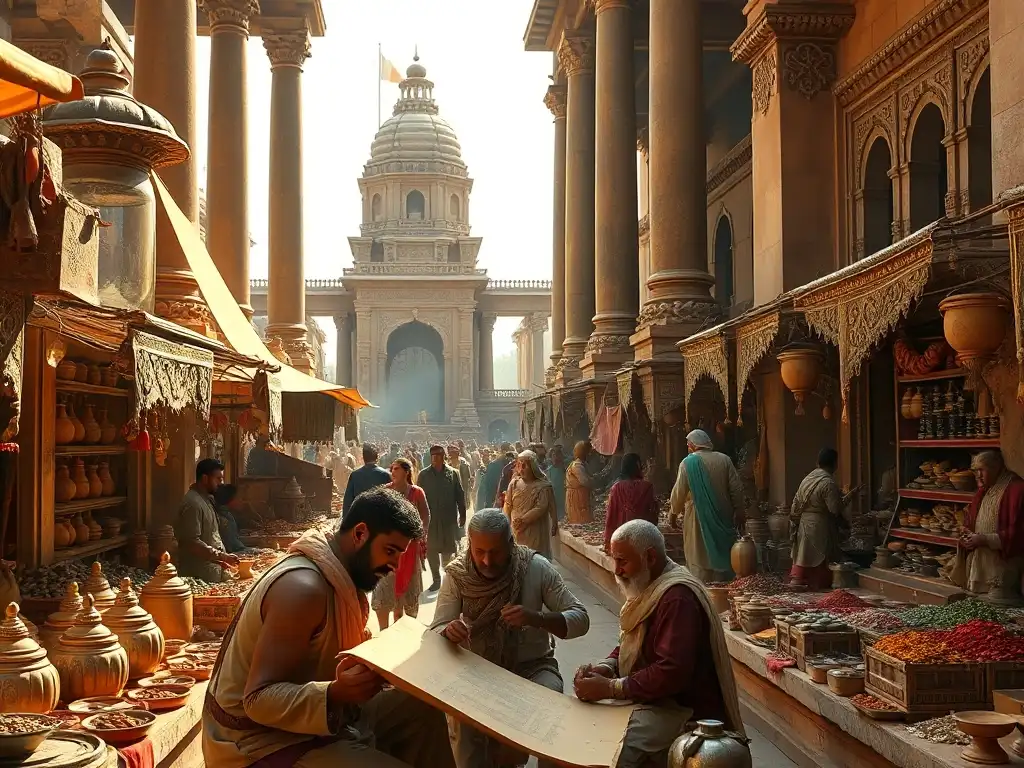
Welcome to Ancient India History, where we delve into the fascinating tapestry of India's past, revealing the incredible stories of its civilizations. Today, we embark on an enlightening journey through the life and impact of Chandragupta Maurya, a pivotal figure whose economic policies laid the foundation for prosperity in ancient India. As you explore this article, prepare to uncover how his strategies not only transformed the Maurya Empire but also influenced generations to come. Join us as we unlock the secrets of a remarkable era that shaped a nation!
Chandragupta Maurya, a pivotal figure in ancient Indian history, is best known for establishing the Maurya Empire in the 4th century BCE. His reign marked a significant turning point in the subcontinent's political landscape, characterized by military conquests and strategic alliances. However, it is his economic policies that laid the groundwork for the empire's prosperity and stability.
This article delves into the various aspects of Chandragupta Maurya's economic strategies, exploring how they contributed to the wealth and sustainability of his empire. By analyzing his fiscal measures, trade regulations, and agricultural developments, we can gain insight into the sophisticated governance that supported one of ancient India's most formidable dynasties.
The Importance of Economic Policies in the Maurya Empire
The economic policies implemented during Chandragupta Maurya’s reign were crucial in fostering a thriving empire. An effective economy not only supported the military but also ensured the well-being of the citizens, creating a stable environment for growth. Key elements of his economic framework included:
- Agricultural Reforms: Enhancements in agricultural practices increased food production, which was vital for a growing population.
- Trade Regulation: Establishing trade routes and regulating commerce helped in wealth accumulation and cultural exchange.
- Taxation Systems: A well-structured taxation system provided the necessary revenue for state operations and public welfare.
These policies formed the backbone of the Maurya Empire, allowing it to flourish in a competitive and diverse landscape.
Chandragupta's Taxation System
Chandragupta Maurya’s taxation policies were sophisticated and aimed at balancing the needs of the state with the welfare of the populace. The taxation system included:
- Land Revenue: A significant portion of the state’s income came from land taxes, which were levied based on the agricultural output.
- Trade Duties: Taxes on goods traded within and outside the empire ensured that commerce contributed to the treasury.
- Cottage Industry Taxation: Small industries and crafts were also taxed, encouraging local production and trade.
These measures not only generated revenue but also fostered a sense of responsibility among the citizens toward their contributions to the empire.
Agricultural Advancements and Their Impact
Agriculture was the cornerstone of Chandragupta’s economic policies. His administration took several steps to improve agricultural productivity:
- Irrigation Projects: Development of irrigation facilities increased arable land and boosted crop yields.
- Crop Diversification: Encouraging farmers to grow a variety of crops reduced dependency on single crops and mitigated risks associated with crop failures.
- Support for Farmers: Providing resources and support for farmers enhanced agricultural output, directly contributing to the empire's food security.
The emphasis on agriculture not only fed the population but also supported trade, as surplus production could be exchanged for other goods.
Trade and Commerce in the Maurya Empire

Chandragupta Maurya recognized the importance of trade in enhancing the empire’s wealth. His economic policies included:
- Establishment of Trade Routes: The creation of efficient trade routes facilitated commerce both within the empire and with neighboring regions.
- Regulation of Markets: Standardizing weights and measures helped in fair trade practices and boosted merchant confidence.
- Foreign Trade Relations: Engaging with foreign traders allowed the Maurya Empire to import luxury goods while exporting local products.
These strategies not only enriched the treasury but also integrated the empire into global trade networks, enhancing cultural exchanges.
Conclusion
Chandragupta Maurya's economic policies were instrumental in shaping a prosperous and enduring empire. By focusing on agriculture, fostering trade, and implementing a fair taxation system, he ensured the Maurya Empire's stability and growth. Understanding these policies provides valuable insights into the governance and economic strategies that allowed ancient Indian civilizations to thrive amidst challenges, setting a precedent for future rulers.
- The Importance of Economic Policies in the Maurya Empire
- Chandragupta's Taxation System
- Agricultural Advancements and Their Impact
- Trade and Commerce in the Maurya Empire
- Conclusion
Introduction to Chandragupta Maurya and His Economic Vision
Chandragupta Maurya, the founder of the Maurya Empire in ancient India, is a pivotal figure whose reign marked a significant turning point in Indian history. His economic vision laid the groundwork for a prosperous and unified state, setting a precedent for governance and economic management that would influence subsequent rulers. Emphasizing state control, trade expansion, and agrarian reforms, Chandragupta's economic policies were instrumental in consolidating his power and fostering a robust economy.
Overview of Chandragupta Maurya's Reign
Chandragupta Maurya ascended to power around 321 BCE after overthrowing the Nanda dynasty, with the assistance of his mentor and strategist, Chanakya (also known as Kautilya). His reign lasted until approximately 297 BCE and witnessed the establishment of one of the largest empires in ancient India, covering much of the Indian subcontinent.
- Administrative Reforms: Chandragupta implemented a centralized administrative framework, delegating powers to local governors and ensuring efficient tax collection. This system minimized corruption and improved resource allocation.
- Military Expansion: His military conquests not only expanded the empire but also secured trade routes crucial for economic prosperity. The Maurya Empire's vast territory facilitated the movement of goods and resources across regions.
- Trade and Commerce: Chandragupta recognized the importance of trade for economic growth. He established trade relations with other kingdoms and regions, thereby integrating local economies into a larger, thriving marketplace.
- Innovation in Agriculture: The Mauryan administration promoted agricultural practices by introducing irrigation systems and crop rotation techniques, which increased yields and supported population growth.
Chandragupta's reign is often regarded as a golden period of economic stability, which laid the foundation for the subsequent flourishing of arts, culture, and science in ancient India.
Significance of Economic Policies in Ancient India
Chandragupta Maurya's economic policies were not merely a means to consolidate power; they were instrumental in shaping the socio-economic landscape of ancient India. The significance of these policies can be broken down into several key aspects:
- State Control of Resources: By asserting control over resources and their distribution, Chandragupta ensured that wealth was generated and utilized for the common good. This approach minimized disparities and fostered a sense of unity among diverse communities.
- Taxation System: A well-structured taxation system was established, which included various forms of taxes on agriculture, trade, and crafts. This system was not merely punitive; it was designed to redistribute wealth and fund public projects, such as roads and irrigation.
- Promotion of Trade: The Mauryan Empire's extensive network of roads and trade routes, both overland and maritime, facilitated commerce. Goods such as textiles, spices, and precious stones were traded, enhancing economic interdependence among regions.
- Legal Framework: The legal reforms instituted under Chandragupta, as outlined in the Arthashastra by Chanakya, provided a clear framework for commerce, property rights, and dispute resolution, instilling confidence in traders and farmers alike.
- Cultural Flourishing: The economic stability fostered by Chandragupta's policies contributed to a cultural renaissance. Wealth generated from trade and agriculture supported the arts, architecture, and educational institutions, most notably the famed Nalanda University.
Chandragupta Maurya's economic policies were foundational in creating a prosperous empire and establishing principles that would resonate throughout Indian history. His vision of a coordinated economy not only strengthened the Maurya Empire but also influenced future generations of rulers in their approach to governance and economic management.
Key Economic Policies of Chandragupta Maurya
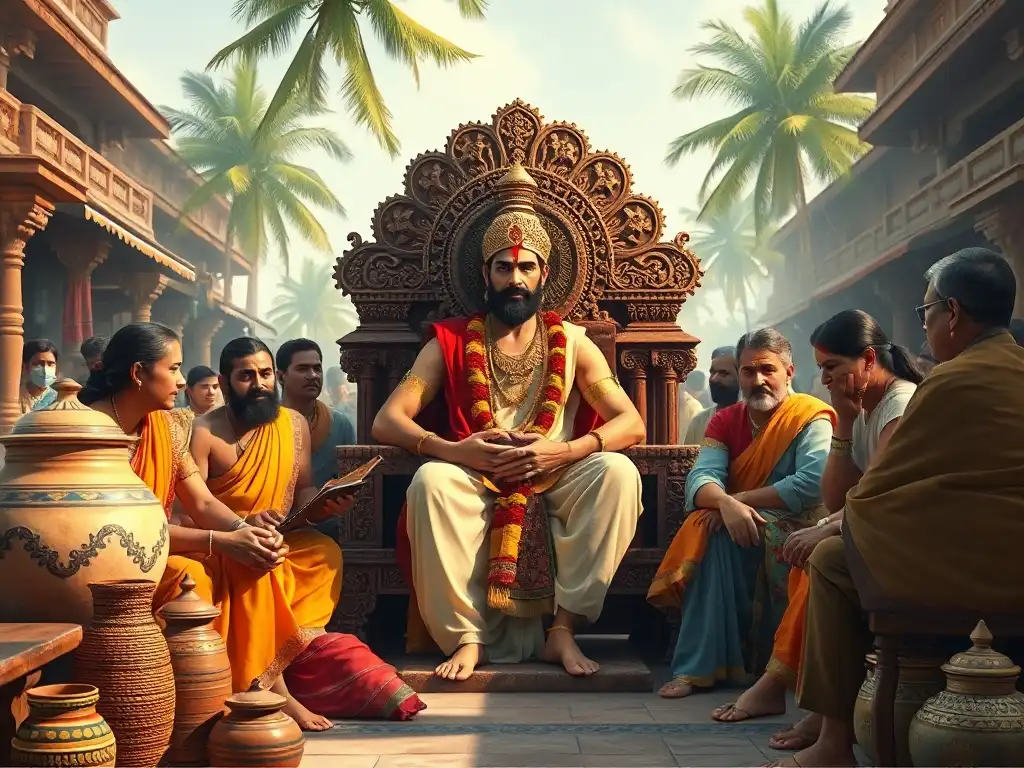
Chandragupta Maurya, the founder of the Maurya Empire, implemented several key economic policies that played a crucial role in establishing a prosperous and stable state. His understanding of governance and economics laid the groundwork for the future expansion and success of the Mauryan dynasty. This section explores the fundamental economic strategies employed by Chandragupta Maurya, focusing on centralized administration, taxation, and trade regulations.
Centralized Administration and Economic Control
Chandragupta Maurya established a centralized administration that allowed for more effective control over the vast territories of his empire. This approach included the following aspects:
- Bureaucratic Structure: The Mauryan Empire was divided into provinces, each governed by officials appointed by Chandragupta. These officials were responsible for implementing the emperor's policies and ensuring the efficient collection of taxes and management of resources.
- Standardization of Weights and Measures: To facilitate trade and commerce, Chandragupta introduced standardized weights and measures. This promoted fairness in transactions and encouraged merchants to engage in trade without fear of exploitation.
- Surveillance and Law Enforcement: A system of spies and informants was established to monitor both local officials and the populace. This helped to maintain order and ensure compliance with economic regulations, which was vital for the empire's stability.
- Resource Management: Chandragupta's administration focused on the efficient management of resources, including agricultural production and natural resources. By optimizing these resources, the empire could sustain its economic needs and support its military apparatus.
Overall, the centralized administration under Chandragupta Maurya was instrumental in fostering economic growth and maintaining order, setting a precedent for subsequent rulers.
Taxation Strategies and Revenue Generation
Taxation was a cornerstone of Chandragupta Maurya's economic policies and was designed to ensure a steady flow of revenue to support the empire's infrastructure and military. Key strategies included:
- Agricultural Taxation: The majority of the empire's revenue was derived from agriculture. Chandragupta implemented a system where farmers paid a fixed percentage of their produce as tax, typically around 25%. This ensured that the state received adequate resources while allowing farmers to retain a substantial portion of their harvest.
- Trade Tariffs: To enhance revenue from commerce, Chandragupta imposed tariffs on goods traded within the empire. These tariffs were strategically designed to promote local industries while generating income for the state.
- Land Revenue System: The introduction of a systematic land revenue assessment allowed the government to track land ownership and productivity. This facilitated more accurate tax collection and ensured that the state benefited from agricultural surpluses.
- Incentives for Compliance: Chandragupta offered incentives for timely tax payments and compliance with regulations. This included reduced tax rates for loyal subjects and assistance for farmers facing difficulties, fostering a cooperative relationship between the state and its citizens.
Through these taxation strategies, Chandragupta Maurya was able to generate significant revenue, which was crucial for financing public works, military campaigns, and maintaining state authority.
Trade and Commerce Regulations
Chandragupta Maurya recognized the importance of trade and commerce as engines of economic growth. His policies focused on creating a favorable environment for merchants and traders, which included:
- Market Regulation: The Mauryan administration established regulations for markets to ensure fair trade practices. This included setting prices for essential commodities and providing protection to merchants from extortion.
- Infrastructure Development: Chandragupta invested in the development of roads and trade routes, facilitating easier movement of goods across the empire. This infrastructure not only promoted commerce but also enhanced communication and military mobility.
- State Control of Key Industries: Certain industries, such as salt and iron production, were closely monitored by the state. By controlling these vital sectors, Chandragupta could ensure quality, regulate prices, and enhance state revenues.
- Promotion of International Trade: Chandragupta’s policies encouraged trade with neighboring regions, including the Hellenistic kingdoms. This not only brought wealth into the empire but also facilitated cultural exchange and the introduction of new products.
By strategically regulating trade and commerce, Chandragupta Maurya fostered an environment conducive to economic prosperity, ensuring the Mauryan Empire became a significant player in regional and international trade networks.
Agricultural Policies Promoting Prosperity

Chandragupta Maurya’s reign marked a transformative period in ancient Indian history, particularly in terms of agricultural policies that laid the groundwork for economic prosperity. Understanding his economic strategies, especially those focused on agriculture, reveals how he effectively harnessed the agrarian resources of his empire to benefit both the state and its citizens.
Land Revenue System under Chandragupta Maurya
One of the most significant aspects of Chandragupta Maurya's economic policies was the establishment of a structured land revenue system. The land revenue system facilitated the collection of taxes from farmers, which was crucial for the empire's treasury.
- Taxation Structure: The land tax was typically set at 25% of the total agricultural produce. This rate was considered reasonable, ensuring that farmers retained enough surplus to sustain their households while contributing to the state.
- Centralized Administration: The Mauryan Empire implemented a centralized administrative framework that streamlined tax collection. Officials, known as Amatyas, were appointed to oversee the collection process, ensuring efficiency and fairness in taxation.
- Revenue Use: The revenue generated from agriculture was utilized for public works, including irrigation projects, road construction, and the maintenance of military forces. This multifaceted use of agricultural revenue not only sustained the state but also improved the overall infrastructure.
Agricultural Innovations and Techniques
Chandragupta Maurya’s era also witnessed several agricultural innovations that significantly enhanced productivity.
- Irrigation Systems: The Mauryan administration invested in advanced irrigation techniques, including canals and reservoirs, which allowed farmers to cultivate larger areas of land and increased crop yields.
- Crop Rotation: Introducing crop rotation practices ensured that the soil remained fertile and productive. This method maximized land use and reduced the risk of crop failure due to soil depletion.
- Use of Fertilizers: The use of organic fertilizers was encouraged, improving soil quality and boosting agricultural output. This practice not only enriched the soil but also promoted sustainable farming practices.
Impact on Agricultural Productivity
The agricultural policies instituted by Chandragupta Maurya had a profound impact on the productivity of the agrarian sector.
- Increased Yields: The combination of a fair taxation system, improved irrigation, and innovative farming techniques led to a significant increase in agricultural yields. It is estimated that crop production during his reign saw an increase of 30% compared to previous periods.
- Economic Stability: Enhanced agricultural productivity contributed to economic stability within the empire. The surplus production allowed for trade, both locally and with neighboring regions, fostering a more interconnected economy.
- Social Impact: The prosperity brought about by these agricultural policies improved the living standards of the peasantry. As farmers thrived, they could invest in better tools and techniques, leading to a cycle of continuous improvement in agricultural practices.
The agricultural policies under Chandragupta Maurya were instrumental in promoting prosperity within his empire. By establishing a fair land revenue system, encouraging agricultural innovations, and ensuring a supportive framework for farmers, he paved the way for a flourishing economy that had lasting impacts on ancient Indian civilization.
Role of Guilds and Craftsmen in the Economy
The economy of ancient India under Chandragupta Maurya was significantly influenced by the role of guilds and craftsmen. These organized groups contributed to trade, manufacturing, and the overall economic structure, providing a framework for specialization and economic cooperation. The guilds, known as "shrenis," were instrumental in regulating trade practices, ensuring quality control, and fostering the welfare of their members.
Formation and Function of Guilds
The formation of guilds in ancient India can be traced back to the early urban centers, particularly during the Mauryan period. Guilds were formed based on various crafts and trades, allowing artisans to unite for mutual benefits. The primary functions of these guilds included:
- Regulation of Trade: Guilds established rules and practices that governed trade, ensuring fairness and integrity among members. They acted as watchdogs against malpractice, thus enhancing consumer trust.
- Quality Control: By maintaining high standards, guilds ensured that products met specific criteria. This quality assurance helped in building a reputation for local crafts and goods, which was crucial for trade both domestically and internationally.
- Economic Support: Guilds provided financial assistance to their members during times of hardship. This support could range from loans to collective bargaining for better wages and working conditions.
- Skill Development: Guilds were responsible for training new craftsmen, ensuring the transmission of skills and techniques through apprenticeships. This focus on education helped in maintaining a skilled workforce that could adapt to changing economic demands.
The influence of guilds extended beyond just economic aspects; they played a crucial role in social organization and community building. Guild members often participated in social and religious activities, further solidifying their bonds and enhancing cooperation.
Contributions of Artisans to Economic Growth
Artisans were the backbone of the economic framework established by Chandragupta Maurya. Their contributions were multifaceted, impacting various sectors of the economy:
- Production of Goods: Artisans specialized in various crafts—metalwork, textiles, pottery, and more—producing goods that were essential for both local consumption and trade. For instance, the textile industry thrived, with artisans creating intricate fabrics that were highly sought after.
- Trade Expansion: The products crafted by artisans were not only consumed locally but also traded with foreign lands. The Mauryan Empire established trade routes that connected India with regions like Central Asia and the Mediterranean, significantly enhancing economic interactions.
- Cultural Exchange: The craftsmanship of artisans facilitated cultural exchanges through trade. Unique goods often carried cultural significance, promoting the exchange of ideas, art forms, and technologies between different civilizations.
- Employment Generation: Artisans contributed to employment generation by creating job opportunities not only for themselves but also for laborers and apprentices. This influx of workforce led to urbanization, with cities becoming vibrant hubs of economic activity.
- Tax Revenue: As guilds and artisans thrived, they also contributed to the state’s revenue through taxes. The economic activities generated by these groups provided a substantial tax base, which was essential for the Mauryan administration's functioning.
The economic policies of Chandragupta Maurya, coupled with the contributions of guilds and craftsmen, laid a robust foundation for prosperity in ancient India. The thriving artisan community not only enhanced the economy but also enriched the cultural tapestry of the Mauryan Empire, showcasing the intricate relationship between economic practices and societal development.
Infrastructure Development and Economic Growth
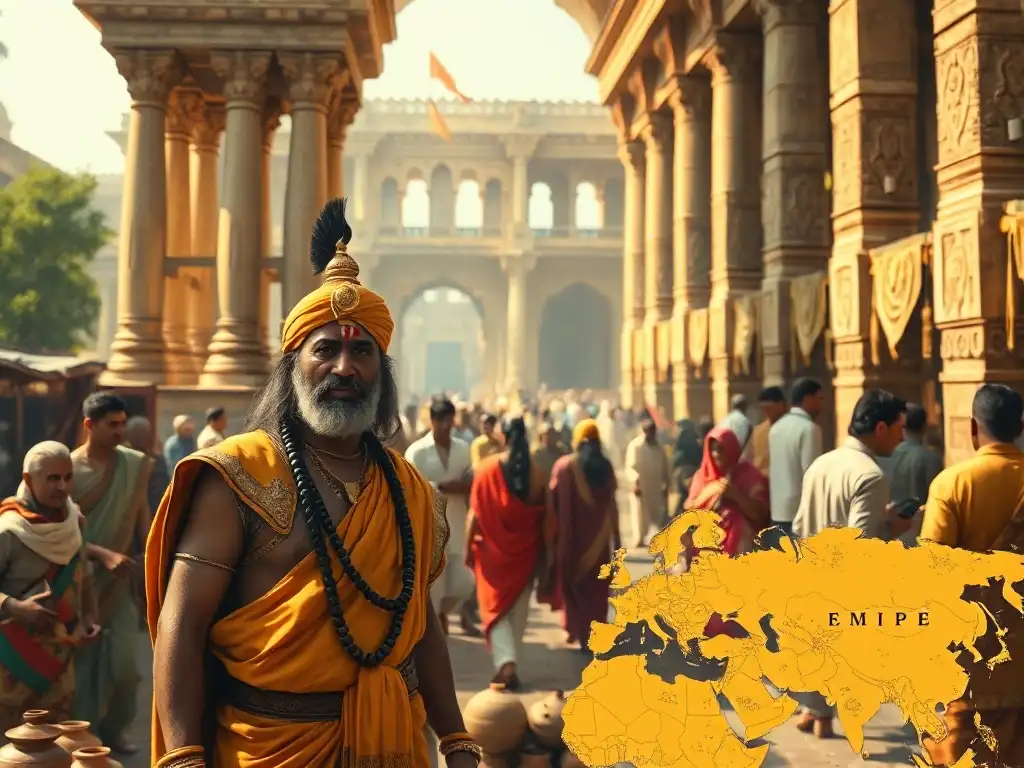
Chandragupta Maurya's reign marked a transformative period in ancient India, particularly in terms of infrastructure development that laid the foundation for economic growth. His approach to infrastructure was strategic, focusing on enhancing trade routes, urban centers, and agricultural productivity. These policies not only facilitated commerce but also reinforced the stability of his empire, contributing to a thriving economy.
Road Construction and Trade Facilitation
One of the most significant aspects of Chandragupta Maurya's economic policies was his emphasis on road construction and the facilitation of trade. During his rule, extensive road networks were established, connecting major cities and regions across the empire.
- Key Features of Road Construction:
- Standardized Design: Roads were meticulously constructed with a focus on durability and ease of travel. The use of stones and packed earth ensured that they could withstand the elements.
- Way Stations: Along these routes, way stations (or 'dharamshalas') were established to provide rest and resources for travelers. This promoted trade by making long-distance travel safer and more feasible.
- Market Access: Improved roads enabled merchants to access markets easily, stimulating local economies and allowing for a wider distribution of goods.
By enhancing trade routes, Chandragupta Maurya not only supported local economies but also integrated regional markets into a cohesive economic framework. The flourishing trade led to increased revenues for the state, which were critical for maintaining the empire’s vast administrative machinery.
Urban Planning and Economic Centers
Chandragupta Maurya's vision for urban planning was revolutionary for his time. He recognized the importance of cities as economic hubs and took significant steps to develop urban centers that would serve as focal points for trade, culture, and governance.
- Characteristics of Urban Planning:
- Strategic Locations: Cities were often situated near rivers or trade routes, maximizing their potential for commerce.
- Planned Layouts: Urban centers featured organized layouts with designated areas for trade, residential zones, and public spaces. This structured approach facilitated efficient management and served the needs of the populace.
- Economic Diversification: Cities like Pataliputra, the capital, became melting pots of various industries, including textiles, metallurgy, and agriculture. This diversification fostered a vibrant economy.
- Impact on the Economy:
- Job Creation: The establishment of urban centers created numerous job opportunities, attracting skilled labor from rural areas.
- Cultural Exchange: These cities became centers of cultural exchange, further driving economic growth through the introduction of new ideas and technologies.
Chandragupta Maurya's urban planning not only laid the groundwork for economic prosperity but also led to the rise of a robust administrative system that managed these growing urban populations effectively.
The economic policies of Chandragupta Maurya, particularly in infrastructure development and urban planning, were instrumental in paving the way for prosperity in ancient India. His focus on enhancing trade through road construction and developing vibrant urban centers created a foundation that would support the Mauryan Empire for centuries to come.
Diplomacy and Economic Expansion
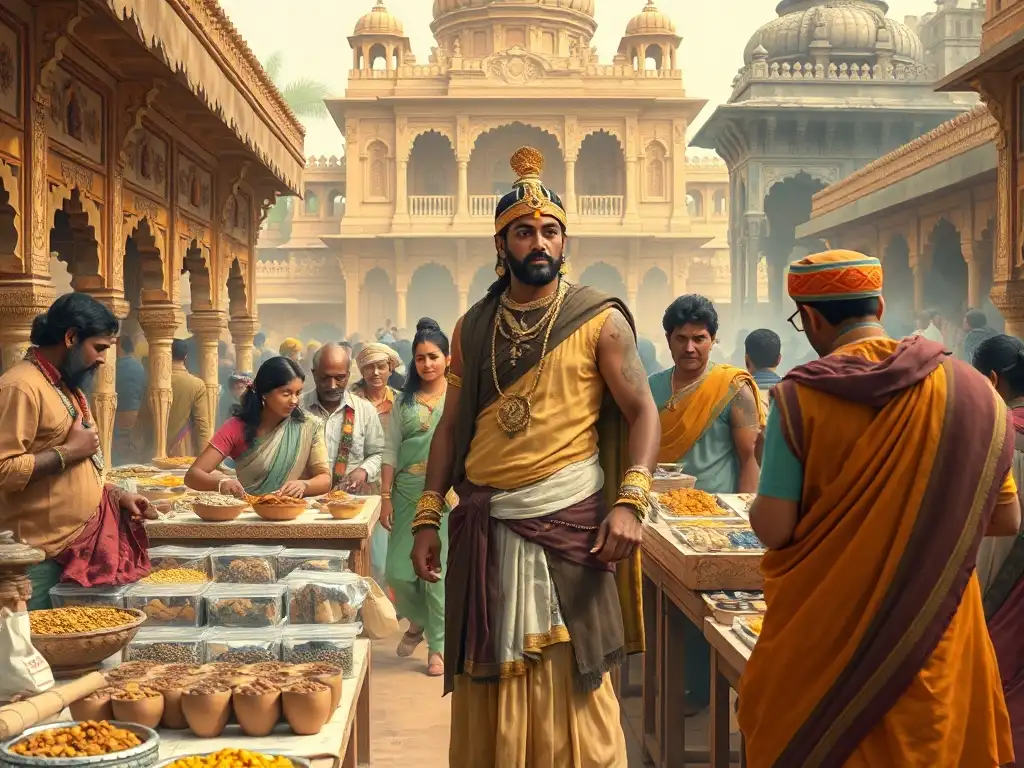
Alliances and Trade Relations with Neighboring Kingdoms
Chandragupta Maurya's diplomatic strategies were instrumental in establishing a robust economic framework for the Mauryan Empire. By forging strong alliances and enhancing trade relations with neighboring kingdoms, Chandragupta not only secured political stability but also stimulated economic growth.
- Strategic Alliances:
- Nanda Dynasty: Early on, Chandragupta allied with various regional powers to overthrow the Nanda Dynasty, which provided him with a foothold in the region. This alliance allowed for the consolidation of resources and military support.
- Western Kingdoms: Chandragupta also formed alliances with kingdoms to the west, including those in present-day Afghanistan. These alliances facilitated not only military support but also opened up trade routes that were critical for economic expansion.
- Trade Relations:
- Silk Route: Under Chandragupta's reign, the Mauryan Empire became a pivotal player in the Silk Route trade. He established trade links that connected India with Central Asia, facilitating the exchange of goods such as silk, spices, and precious stones.
- Maritime Trade: The Mauryan Empire also engaged in maritime trade, particularly with regions across the Arabian Sea. This trade brought wealth into the empire and allowed for the exchange of cultural and economic ideas.
By prioritizing diplomatic relations, Chandragupta Maurya laid a solid foundation for economic growth, ensuring that the Mauryan Empire thrived through both military might and commercial success.
Economic Impact of Diplomacy on Mauryan Prosperity
The economic impact of Chandragupta Maurya's diplomatic efforts was profound and multifaceted. His strategies not only brought immediate wealth but also facilitated long-term economic stability and growth.
- Increased Revenue:
- The establishment of trade routes led to a significant increase in tax revenues. The Mauryan state implemented a structured tax system that capitalized on the flourishing trade, ensuring a steady flow of income into the royal treasury.
- The collection of taxes on trade goods, alongside agricultural revenues, allowed for substantial infrastructure development, including roads and trade facilities.
- Cultural Exchange and Innovation:
- The diplomatic ties fostered by Chandragupta enabled cultural exchanges that enriched the Mauryan economy. The introduction of new agricultural techniques and crafts from allied regions contributed to improved productivity and innovation.
- The influx of diverse cultures also led to a broader marketplace, where ideas and goods could be exchanged freely, further stimulating economic activity.
- Stabilization of the Empire:
- By securing alliances through diplomacy, Chandragupta Maurya minimized conflicts with neighboring states, creating a more stable environment for trade and commerce. This stability attracted merchants and traders, enhancing economic interactions within the empire.
- The establishment of a unified currency system under Chandragupta facilitated trade across vast distances, simplifying transactions and promoting economic integration across the Mauryan territories.
Chandragupta Maurya's economic policies, deeply interwoven with his diplomatic initiatives, played a crucial role in transforming the Mauryan Empire into one of the most prosperous and influential civilizations of ancient India. The foundation he laid through alliances and trade relations not only enriched the empire during his reign but also set the stage for the continued prosperity of future generations.
Challenges and Reforms in Economic Policies
Economic Challenges Faced by Chandragupta Maurya
Chandragupta Maurya, the founder of the Maurya Empire, faced significant economic challenges during his ascent to power and throughout his reign. These challenges were multifaceted and stemmed from both internal and external factors. Among the primary issues were:
- Decline of Trade Routes: The fragmentation of trade routes due to the instability caused by regional powers hindered economic growth. The lack of a unified political structure made it difficult for merchants to thrive and trade effectively.
- Resource Scarcity: The regions under Chandragupta's control were often plagued by food shortages, which affected agricultural productivity. Natural calamities, such as droughts and floods, exacerbated these issues, leading to famine and discontent among the populace.
- High Taxation: Previous rulers had imposed heavy taxes on the agrarian society, leading to widespread discontent. The burden on farmers and laborers caused economic strain and limited overall productivity.
- Military Expenses: The need to maintain a strong military presence to defend against invasions from nomadic tribes and rival kingdoms led to significant expenditures. This further strained the economy, diverting resources from essential public works and infrastructure.
These challenges necessitated a comprehensive approach to reform that would stabilize and enhance the economic situation in the Maurya Empire.
Reforms Implemented to Address Economic Issues
In response to the economic challenges, Chandragupta Maurya implemented a series of reforms aimed at revitalizing the economy and ensuring the prosperity of his empire. These reforms were pivotal in laying the foundation for a robust economic system. Key initiatives included:
- Standardization of Weights and Measures: To facilitate trade, Chandragupta standardized weights and measures across his empire, promoting fair trading practices and enhancing market efficiency. This encouraged merchant activity and bolstered local economies.
- Agricultural Reforms: Recognizing the importance of agriculture, Chandragupta focused on improving irrigation systems and agricultural techniques. By promoting the use of advanced farming methods and tools, he aimed to increase crop yields and ensure food security.
- Tax Revisions: While taxation was necessary for revenue, Chandragupta sought to implement a more equitable tax system. He introduced moderate tax rates and ensured that tax collection was fair, alleviating the burdens on farmers and encouraging economic growth.
- Promotion of Trade: Chandragupta actively encouraged trade by securing trade routes and establishing trade agreements with neighboring regions. This not only improved the flow of goods but also stimulated economic interactions with foreign markets.
- Infrastructure Development: Significant investments were made in infrastructure, including the construction of roads and ports. This facilitated transportation and communication across the empire, making it easier for goods and services to move efficiently.
- Economic Advisors: Chandragupta surrounded himself with knowledgeable advisors, including the famous Chanakya (Kautilya), who provided insights on economic strategies. Their guidance was instrumental in implementing policies that promoted trade and economic stability.
Through these reforms, Chandragupta Maurya laid the groundwork for a prosperous economy, effectively addressing the challenges he faced. His economic policies not only strengthened the Maurya Empire but also contributed to its lasting legacy in ancient Indian history.
Legacy of Chandragupta Maurya's Economic Policies
Long-term Economic Impact on Ancient India
Chandragupta Maurya’s economic policies laid a robust foundation for the prosperity of ancient India, influencing various aspects of economic life. One of the most significant aspects of his governance was the establishment of a centralized administration that allowed for efficient tax collection and resource allocation. This centralized system ensured that revenues from agriculture, trade, and crafts were systematically collected, which in turn facilitated the development of infrastructure, such as roads and irrigation systems.
The introduction of a standardized tax system was pivotal. It not only increased state revenue but also provided stability for farmers and merchants, as they were aware of their tax obligations. This predictability encouraged agricultural production and trade, leading to a thriving economy. The emergence of a merchant class during this period can be attributed to the favorable economic environment fostered by Chandragupta's policies.
Moreover, his administration actively promoted trade, both domestic and international. By establishing trade routes and ensuring the safety of merchants, Chandragupta Maurya enabled the exchange of goods, ideas, and culture. This not only enhanced economic prosperity but also facilitated a cultural exchange that enriched Indian civilization.
| Economic Aspect | Description |
|---|---|
| Taxation System | Standardized and efficient tax collection promoting stability. |
| Infrastructure | Development of roads and irrigation, enhancing productivity. |
| Trade Promotion | Safe trade routes stimulating both domestic and international trade. |
| Merchant Class | Emergence of a prosperous merchant class due to favorable conditions. |
Chandragupta’s economic policies contributed to the long-term sustainability of the Mauryan Empire, which saw a flourishing economy that supported arts, sciences, and culture. The wealth generated during his reign allowed for patronage of scholars and artists, thus fostering a rich cultural heritage that would last for centuries.
Influence on Successors and Future Dynasties
The economic strategies implemented by Chandragupta Maurya had a profound influence on his successors, notably his grandson, Ashoka, who expanded upon these policies to further enhance the prosperity of the empire. Ashoka’s reign is often regarded as the golden age of the Mauryan Empire, and his implementation of welfare-oriented policies can be traced back to the economic foundations laid by Chandragupta.
Ashoka’s commitment to trade and commerce, along with his promotion of Buddhism, contributed to a cultural and economic renaissance. His edicts, which emphasized moral governance and the welfare of the populace, were underpinned by the economic stability initiated by Chandragupta. The promotion of trade relations with foreign powers expanded during Ashoka’s rule, leading to increased wealth and cultural exchange.
The economic policies of Chandragupta also set a precedent for future dynasties, such as the Gupta Empire, which adopted similar principles of centralized governance and state involvement in economic affairs. The Guptas are known for their wealth and prosperity, which can be attributed to the foundational work of the Mauryan Empire.
The legacy of Chandragupta Maurya's economic policies is evident in the sustained prosperity of ancient India and the influence it exerted on subsequent rulers. The principles of effective governance, taxation, trade promotion, and infrastructure development established during his reign served as a model for future dynasties, ensuring that the economic fabric of ancient India remained strong and resilient.
Conclusion: The Enduring Prosperity of Chandragupta Maurya's Economic Policies
Chandragupta Maurya's economic policies have left an indelible mark on the landscape of ancient Indian history. By establishing a centralized administration and a comprehensive taxation system, he laid the groundwork for a prosperous economy that would support the Mauryan Empire for centuries. His strategies not only enhanced agricultural productivity but also stimulated trade and commerce, creating a well-oiled economic machine that benefitted various segments of society. The legacy of these policies continues to resonate, illustrating the significance of effective governance in fostering economic stability and growth.
Summary of Key Contributions to Ancient Indian Economy
Chandragupta Maurya's reign (circa 321–297 BCE) is characterized by several pivotal contributions to the ancient Indian economy:
- Centralized Administration:
- Established a bureaucratic structure that streamlined governance, allowing for effective tax collection and resource management.
- Taxation System:
- Implemented a fair and systematic taxation approach, which included land revenue and trade duties, ensuring a steady flow of income to the state.
- Infrastructure Development:
- Invested in essential infrastructure, such as roads and irrigation systems, which facilitated trade and improved agricultural output.
- Promotion of Trade:
- Encouraged both internal and external trade, expanding markets and enhancing economic interactions with neighboring regions.
- Support for Artisans and Merchants:
- Offered protections and incentives for artisans and merchants, leading to the growth of crafts and commerce, which were crucial for urban development.
- Agricultural Reforms:
- Focused on improving agricultural techniques and productivity, which formed the backbone of the Mauryan economy.
These key contributions not only transformed the economic landscape of ancient India but also set a precedent for future empires.
Reflection on the Importance of Economic Policies in Historical Context
The economic policies of Chandragupta Maurya serve as a compelling illustration of how strategic governance can lead to widespread prosperity. In the historical context of ancient India, where regional rulers often struggled with economic instability, Chandragupta's approach demonstrated the potential of a unified economic strategy.
-
Long-term Impact:
The Mauryan economic policies had a ripple effect that extended beyond his reign, influencing subsequent dynasties and their approaches to governance and economic management.
-
Comparative Analysis:
When compared to other contemporary civilizations, such as the Roman Empire, the Mauryan economic strategies highlight the diverse methods of governance and economic management in the ancient world. Each civilization's approach to economic policies reflected its unique challenges and societal needs.
-
Lessons for Modern Governance:
The principles underlying Chandragupta Maurya's economic policies remain relevant today. Effective governance, infrastructure development, and support for trade and agriculture continue to be critical components of economic success in modern states.
The economic policies instituted by Chandragupta Maurya not only fostered prosperity during his empire but also provided a framework that highlights the crucial relationship between governance and economic health throughout history. The study of these policies offers valuable insights into the complexities of managing an economy and the enduring impact of effective leadership.
Frequently Asked Questions
What were Chandragupta Maurya's economic policies?
Chandragupta Maurya implemented strategic economic policies that focused on agriculture, trade, and taxation to enhance the prosperity of his empire.
How did Chandragupta Maurya contribute to trade?
Under his rule, trade routes were established and market regulations ensured fair practices, leading to increased commerce with neighboring regions.
What role did taxation play in his economic strategies?
Chandragupta Maurya's taxation system was designed to be fair yet effective, ensuring that the state revenue was sufficient to support public infrastructure and defense.
How did his policies impact the common people?
His economic policies aimed at improving the living standards of the common people by promoting agricultural productivity and creating job opportunities through trade.
What legacy did Chandragupta Maurya leave in terms of economics?
Chandragupta Maurya's economic policies laid the foundation for the Maurya Empire's prosperity and influenced subsequent rulers in the region, shaping future economic practices.
Final Reflection: The Enduring Legacy of Chandragupta Maurya's Economic Policies
Chandragupta Maurya's economic policies remain remarkably relevant today, as they highlight the profound impact of strategic governance on national prosperity. In a world where economic stability and growth are paramount, the lessons drawn from Maurya's era serve as a powerful reminder that thoughtful policies can lay the groundwork for a thriving society. The principles of trade, taxation, and statecraft that he implemented resonate with contemporary discussions about economic reform and development.
The influence of Chandragupta Maurya's economic strategies can still be felt in modern governance and economic practices. His approach to resource management and infrastructure development not only transformed his empire but also set a precedent for future leaders. As historian R.C. Majumdar noted, Chandragupta's reign marked the beginning of a new era in Indian history, where economic prosperity was intricately linked to effective governance.
This observation underscores the ongoing relevance of his policies in shaping the socio-economic landscape of India and beyond.
As we reflect on the significance of Chandragupta Maurya's economic policies, let us take a moment to consider how we can apply these timeless lessons in our own lives and communities. In a rapidly changing world, we are called to think critically about the economic decisions we make and their broader implications. Embrace the spirit of innovation and responsibility that characterized Maurya's reign, and strive to contribute to a future where prosperity is accessible to all. Together, we can honor the legacy of Chandragupta Maurya by fostering economic policies that promote growth, equity, and sustainability for generations to come.
Ignite Your Curiosity and Take Action!
Thank you for exploring the insightful world of Chandragupta Maurya’s economic policies! You've discovered how visionary leadership can create a foundation for prosperity in ancient India. Now, it's time to utilize this knowledge and make a meaningful impact today!
Here are a few ways you can take action and enhance your understanding:
- Explore Further: Dive into related topics such as the culture of the Maurya Empire or its trade practices. Broaden your perspective on how these policies influenced society.
- Share Your Insights: Participate in a discussion group or share your thoughts on social media. Convey what you've learned and inspire others to appreciate India’s rich history.
- Engage with Your Community: Visit a local museum or attend a lecture focused on Indian history. Immerse yourself in the stories that shape our past.
What aspect of Chandragupta Maurya’s legacy motivates you the most to promote economic growth in your community?