
The Rise of Chandragupta Maurya: From Humble Beginnings to Emperor of India

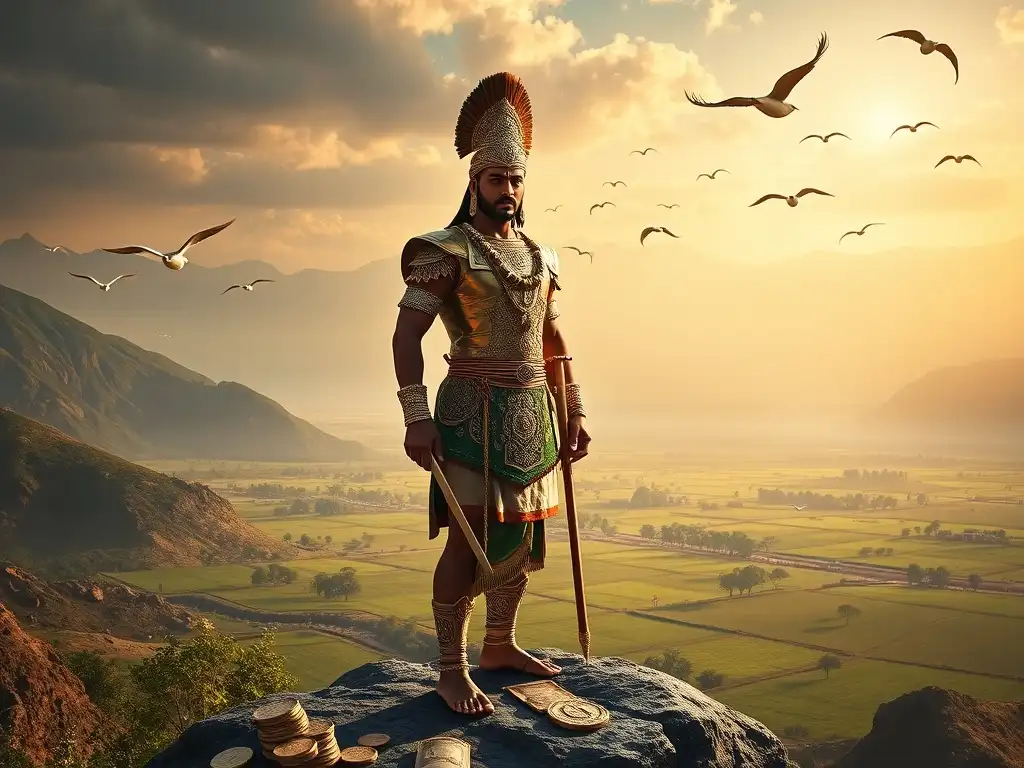
Welcome to Ancient India History, where we take you on a captivating journey through the rich tapestry of ancient Indian civilizations. Delve into the remarkable historical significance of Chandragupta Maurya as we uncover his transformation from humble beginnings to the powerful emperor who played a pivotal role in unifying India. What strategies did he employ to rise to prominence, and how did his reign shape the course of Indian history? Prepare to explore the fascinating story of Chandragupta and the enduring legacy he left behind. Continue reading to unravel the mysteries of this key historical figure!
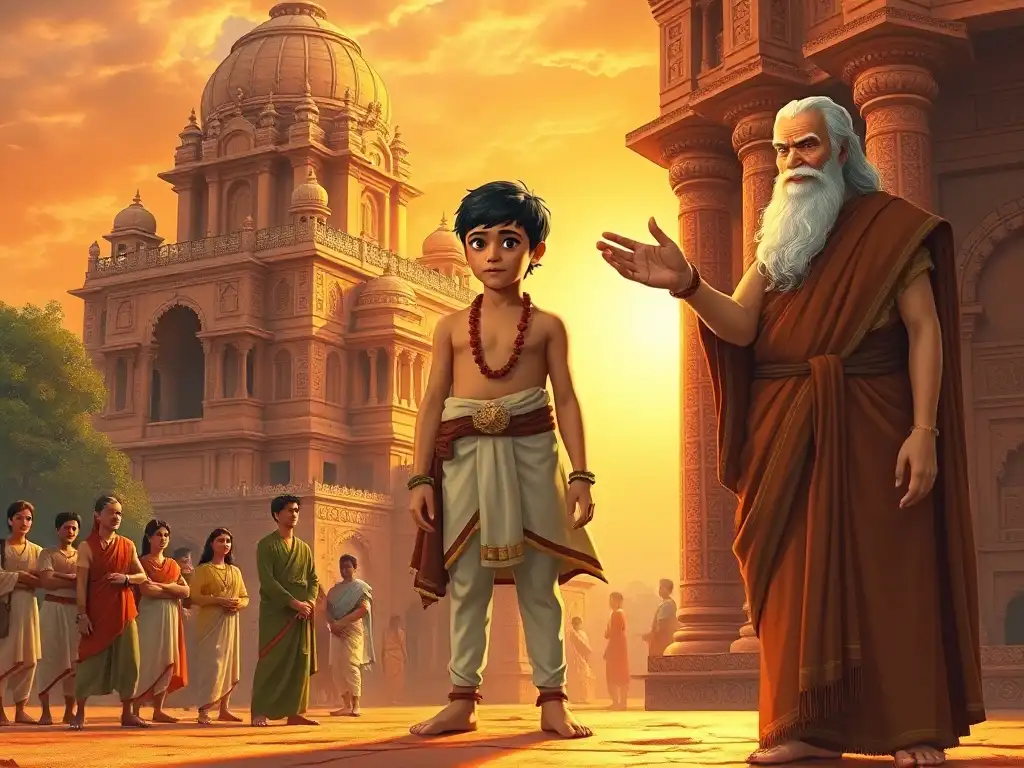
Exploring the historical significance of Chandragupta Maurya offers a fascinating glimpse into the emergence of one of ancient India's most formidable leaders. Rising from relatively obscure origins, Chandragupta established the Maurya Empire, which would become one of the largest empires in Indian history. His journey from a humble beginning to the throne is not only a tale of personal ambition and leadership but also a reflection of the socio-political transformations occurring in ancient India during his time. This article delves into the life, achievements, and legacy of Chandragupta Maurya, highlighting his pivotal role in shaping India's historical landscape.
Introduction to Chandragupta Maurya
Overview of Chandragupta Maurya's Life
Chandragupta Maurya was born around 340 BCE, and his early life remains shrouded in mystery. He is often credited with founding the Maurya Empire around 322 BCE after overthrowing the Nanda Dynasty. His rise to power was marked by significant military conquests and strategic alliances. Under the guidance of his mentor, Chanakya, also known as Kautilya, he employed a combination of diplomacy and warfare to establish his authority across the Indian subcontinent.
Importance of Chandragupta Maurya in Ancient Indian History
Chandragupta's historical significance extends beyond mere conquest. He is recognized for unifying a fragmented India, setting the stage for economic prosperity and cultural flourishing. His reign marked the introduction of efficient administrative practices and the promotion of trade routes that facilitated cultural exchanges. The Maurya Empire, under his leadership, laid down the foundations for subsequent rulers, notably his grandson, Ashoka, who would further expand the empire and promote Buddhism.
Early Life and Humble Beginnings
Chandragupta Maurya's Background and Family
Chandragupta was born into a humble family, with some accounts suggesting he was of the Kshatriya (warrior) class. His lineage is often debated, but it is widely accepted that his early environment was far from opulent. This modest background provided him with a unique perspective on leadership and governance, shaping his future decisions as a ruler.
Influences in His Early Life
Several factors influenced Chandragupta's early life, including the teachings of his mentor, Chanakya. After a series of personal losses, including the fall of his family to the Nanda Dynasty, he found guidance in Chanakya, who envisioned a united India. This mentorship played a crucial role in molding Chandragupta's ambitions and strategies.
Socio-political Context of Ancient India During His Youth
During Chandragupta's formative years, ancient India was characterized by political fragmentation and the presence of powerful kingdoms like the Nandas. The socio-political landscape was tumultuous, with frequent battles for power, which provided the perfect backdrop for Chandragupta's rise. The discontent among the populace against the Nanda rule presented an opportunity for Chandragupta to rally support and initiate his quest for power, ultimately leading to the establishment of the Maurya Empire.
The Formation of the Maurya Empire
The formation of the Maurya Empire marks a significant turning point in ancient Indian history. Established in the 4th century BCE, this empire arose from the fragmented political landscape that had followed the decline of the Nanda Dynasty. Chandragupta Maurya, the founder, began his journey from humble origins, capitalizing on the discontent among the populace and the weakened state of the Nanda rulers.
Chandragupta's early alliances and strategic military tactics allowed him to garner support from various regional factions. The pivotal moment in the formation of the Maurya Empire came when he successfully overthrew the Nanda Dynasty around 321 BCE, establishing his rule over a vast territory that included much of northern India. This unification not only laid the groundwork for a centralized administration but also set the stage for cultural and economic prosperity throughout the region.
The Unification of India Under Chandragupta Maurya
Chandragupta Maurya's unification of India was a remarkable feat, considering the diverse and often rival kingdoms that existed at the time. By employing a combination of military strength, strategic marriages, and diplomacy, he managed to consolidate power and extend his influence across the Indian subcontinent.
His first major conquest was the overthrow of the Nanda Dynasty, which allowed him to gain control over the wealthy region of Magadha. Following this victory, Chandragupta expanded his empire by defeating the various smaller kingdoms in the north, including the territories of present-day Punjab, Haryana, and parts of modern-day Uttar Pradesh. His vision of a unified India was further realized through the establishment of a centralized administration that facilitated governance and enabled efficient resource management across his empire.
Key Events Leading to the Establishment of the Maurya Dynasty
Several key events played a crucial role in the establishment of the Maurya Dynasty. Initially, the inspiration for Chandragupta's rise came from Chanakya, a learned Brahmin and strategist who sought to avenge the humiliation faced by his kingdom under the Nandas. This partnership was instrumental in devising the strategies needed to dismantle the Nanda rule.
Following the overthrow of the Nandas, Chandragupta's acquisition of Pataliputra (modern-day Patna) as the capital marked a significant milestone. This fortified city became the administrative heart of the Maurya Empire and a hub of economic activities. Additionally, the Maurya Empire's legitimacy was solidified through the establishment of trade routes and alliances with neighboring kingdoms, further ensuring its stability and growth.
Chandragupta's Relationship with Chanakya
The relationship between Chandragupta Maurya and Chanakya is often viewed as a crucial element in the rise of the Maurya Empire. Chanakya, also known as Kautilya, was not only a mentor but also a strategist and philosopher, whose guidance was vital for Chandragupta’s ascension to power.
Their bond was forged in a common goal: to remove the Nanda Dynasty from power. Chanakya's wisdom in political affairs and his knowledge of warfare provided Chandragupta with the necessary tools to navigate the complexities of statecraft. Together, they formulated strategies that encompassed both military tactics and administrative reforms, laying a strong foundation for the Maurya Dynasty. Chanakya's influential work, the Arthashastra, later became a significant treatise on governance and economics, reflecting the principles they applied during their rule.
Chandragupta Maurya's Reign as Emperor
Chandragupta Maurya’s reign as emperor was characterized by significant political, social, and economic development. His leadership transformed the Maurya Empire into one of the most formidable states in ancient India. Under his rule, the principles of governance and administration were redefined, promoting stability and growth.
Governance and Administration of the Maurya Empire
The governance system established by Chandragupta was highly organized and effective. He implemented a centralized bureaucracy that ensured efficient administration across the vast empire. The empire was divided into provinces, each governed by appointed officials who were responsible for maintaining law and order, collecting taxes, and overseeing local affairs.
Chandragupta also emphasized the importance of justice and public welfare, which garnered him the loyalty of his subjects. He instituted various policies aimed at improving agricultural productivity and infrastructure, contributing to the overall prosperity of the empire. The emphasis on a fair legal system and the promotion of trade further facilitated the economic stability of the Maurya Empire.
Military Campaigns and Conquests
Chandragupta's reign was marked by several military campaigns that expanded the empire's territory. His most notable conquest was against the Macedonian satraps following Alexander the Great's invasion of India. Chandragupta skillfully capitalized on the weakening of Greek control in the region, securing significant territories in the northwest, including parts of modern-day Pakistan.
These campaigns not only enhanced his power but also helped to establish a reputation for the Maurya Empire as a dominant military force. The strategic use of war elephants, infantry, and cavalry allowed Chandragupta to effectively engage and defeat rival kingdoms, further solidifying his rule and expanding the reach of his empire.
Economic Policies and Trade Under Chandragupta Maurya
Chandragupta Maurya's economic policies played a pivotal role in the prosperity of his empire. He recognized the importance of trade and commerce, fostering an environment conducive to economic growth. The establishment of trade routes facilitated not only the exchange of goods but also cultural interactions between different regions.
His administration focused on agricultural development, which was crucial for sustaining the growing population of the empire. Policies promoting irrigation and land management practices led to increased agricultural yields. Additionally, the Maurya Empire saw the introduction of standardized weights and measures, which streamlined trade practices and contributed to economic stability.
Through these initiatives, Chandragupta Maurya laid the groundwork for a flourishing economy, enhancing the overall wealth and power of the Maurya Empire during his reign.
Chandragupta Maurya's Historical Significance
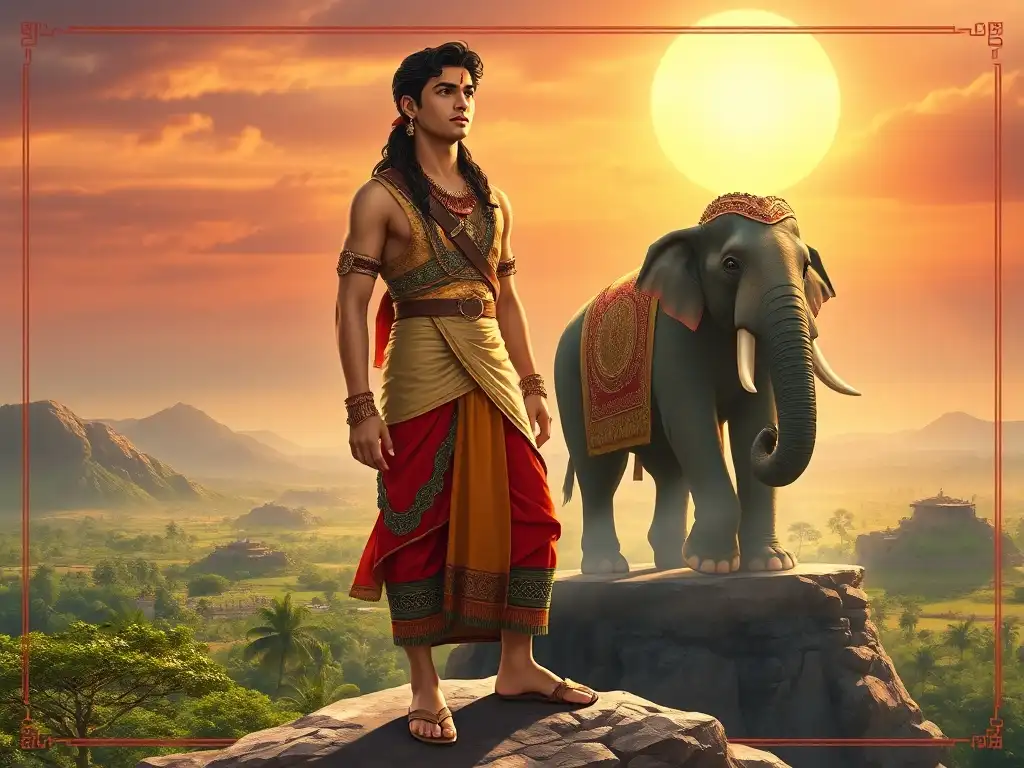
Chandragupta Maurya holds a pivotal place in Indian history as the founder of the Maurya Empire, which marked the beginning of a new era in the Indian subcontinent. His rise from humble beginnings to becoming an emperor illustrates a remarkable narrative of ambition and strategic prowess. Chandragupta's historical significance lies not only in his military conquests but also in his ability to unify a fragmented India into a cohesive political entity.
He laid the groundwork for a centralized administration, which would later serve as a model for subsequent dynasties. Furthermore, his establishment of the Maurya Empire set the stage for cultural and economic growth, influencing the historical trajectory of the region for centuries to come.
Contributions to Indian Culture and Society
Chandragupta Maurya's reign brought about transformative changes in Indian culture and society. He emphasized the importance of governance and administration, introducing systems that promoted trade, agriculture, and economic stability. His support for various religious and cultural practices fostered an environment of tolerance and diversity. Notably, his advisor, Chanakya (Kautilya), authored the Arthashastra, an ancient treatise on statecraft and economics, which reflects the sophisticated political and economic thought of the time. This work not only influenced governance in his era but also left an enduring legacy on Indian political philosophy.
In addition to administration, Chandragupta's reign saw advancements in art and architecture. The construction of stupas and other religious monuments during his time contributed to the rich cultural heritage of India. Moreover, his efforts to promote Buddhism after conversion in later years played a vital role in the spread of the religion, establishing a cultural link that resonated throughout Asia.
Legacy of Chandragupta Maurya in Indian History
Chandragupta Maurya's legacy is profound and multifaceted, shaping not only the political landscape of ancient India but also influencing its cultural and economic contexts. His establishment of the Maurya Empire heralded a period of unprecedented stability and prosperity, which enabled the flourishing of trade routes and facilitated cultural exchanges. The administrative systems he implemented endured well beyond his reign, influencing subsequent dynasties, including the Gupta Empire.
Moreover, Chandragupta's legacy is immortalized through the various stories and legends that surround his life. The narrative of his rise against the Nanda dynasty and his alliance with Alexander the Great showcases his strategic acumen and adaptability. Today, he is often depicted as a symbol of courage and resilience, representing the spirit of unification and strength in Indian history.
How Chandragupta Maurya Influenced Future Empires
The impact of Chandragupta Maurya extended far beyond his own empire, influencing future Indian empires such as the Gupta and Mughal dynasties. His administrative innovations, including the centralization of power and the establishment of a bureaucratic system, served as a blueprint for governance in later states. The Mauryan model of administration, which emphasized efficiency and accountability, became a reference point for rulers who sought to emulate his success.
Moreover, the diplomatic strategies employed by Chandragupta, including alliances and treaties, set a precedent for future Indian kings. His ability to navigate complex political landscapes and maintain stability in a diverse empire provided valuable lessons for subsequent leaders. The cultural and religious tolerance promoted during his reign also inspired later rulers to adopt similar policies, fostering a sense of unity amidst diversity in the Indian subcontinent.
Conclusion: The Enduring Impact of Chandragupta Maurya
Chandragupta Maurya's enduring impact on Indian history cannot be overstated. His legacy as the founder of the Maurya Empire represents a significant turning point in the subcontinent's historical narrative. The systems of governance, cultural patronage, and economic policies he established laid the foundation for a flourishing civilization that would resonate for centuries. His life story, marked by ambition and determination, continues to inspire generations, emphasizing the importance of leadership and vision in shaping history.
Reflection on Chandragupta Maurya's Life and Achievements
Reflecting on Chandragupta Maurya's life reveals a complex individual whose achievements transcended mere military success. His journey from obscurity to emperor embodies the spirit of resilience and strategic thinking. The challenges he faced, including the overthrow of the Nanda dynasty and the establishment of a vast empire, highlight his exceptional capabilities as a leader. His commitment to fostering a stable society through effective governance and cultural integration showcases his understanding of the multifaceted nature of leadership.
Importance of Studying Chandragupta Maurya in Understanding Ancient India
Studying Chandragupta Maurya is essential for understanding the dynamics of ancient Indian history. His contributions to political thought, culture, and society provide valuable insights into the complexities of governance and the interplay of diverse cultures within the Indian subcontinent. By examining his life and achievements, historians can better appreciate the foundations of modern Indian society and the historical precedents set by his rule. Furthermore, his legacy continues to resonate in contemporary discussions about leadership, unity, and cultural heritage, making his story relevant to today's world.
Further Reading and Resources on Chandragupta Maurya
For those interested in delving deeper into the life and significance of Chandragupta Maurya, a wealth of literature and resources is available. These materials not only explore his rise to power but also provide insights into the socio-political landscape of ancient India during his reign. Here’s a curated list of recommended readings and resources that will enhance your understanding of this pivotal historical figure.
Recommended Books and Articles
-
"The Mauryan Empire" by Romila Thapar
This comprehensive book offers an in-depth analysis of the Mauryan Empire, contextualizing Chandragupta's role within the broader framework of Indian history. Thapar’s scholarly approach provides valuable insights into the socio-economic conditions of the time.
-
"Chandragupta Maurya: The Rise of an Emperor" by R. S. Sharma
Sharma's work focuses specifically on Chandragupta Maurya, detailing his early life, strategies, and the establishment of the empire. This book is essential for understanding the political maneuvers that led to his rise.
-
"Ashoka: The Search for Truth" by Charles Allen
While primarily centered on Ashoka, this book also provides significant context about Chandragupta Maurya, especially regarding the legacy he left for his grandson and the subsequent Mauryan rulers.
-
Articles in Academic Journals
- "The Impact of Chandragupta Maurya on Indian History" - An analysis of his influence on subsequent Indian dynasties.
- "Chandragupta Maurya: A Historical Perspective": - This article discusses the historical sources that chronicle his life and reign.
Documentaries and Educational Resources on Ancient India
-
"The Story of India" (BBC Documentary Series)
Presented by historian Michael Wood, this documentary series provides an engaging overview of India's history, including episodes that focus on the Mauryan Empire and Chandragupta's significance.
-
"Ancient India: The Mauryan Empire" (YouTube Educational Videos)
Several educational channels on YouTube have created informative videos detailing the rise of the Mauryan Empire, including animated timelines and visual aids that help bring Chandragupta’s story to life.
-
Online Courses on Ancient Indian History
Platforms such as Coursera and edX offer courses that cover ancient Indian history, including specific modules on the Mauryan Empire and its key figures, enabling learners to explore topics in a structured format.
-
Podcasts on Indian History
- "The History of India Podcast" features episodes dedicated to the Mauryan period, discussing Chandragupta Maurya's legacy and historical significance in a conversational format.
These resources provide a multifaceted view of Chandragupta Maurya's life and his enduring impact on Indian history, catering to various learning styles and preferences. Whether you're a student, a history enthusiast, or simply curious about ancient India, these readings and audiovisual materials will enrich your understanding of this remarkable emperor.
- Introduction to Chandragupta Maurya
- Early Life and Humble Beginnings
- The Formation of the Maurya Empire
- Chandragupta Maurya's Reign as Emperor
- Chandragupta Maurya's Historical Significance
- Conclusion: The Enduring Impact of Chandragupta Maurya
- Further Reading and Resources on Chandragupta Maurya
Frequently Asked Questions
What was the historical significance of Chandragupta Maurya?
Chandragupta Maurya is known for founding the Maurya Empire, which marked a pivotal shift in Indian history by unifying a large part of the Indian subcontinent under a single administration.
How did Chandragupta Maurya rise to power?
Chandragupta Maurya began as a humble leader and gained power through strategic alliances, military conquests, and the support of notable figures like Chanakya, who provided political guidance.
What were the major achievements of Chandragupta Maurya?
His major achievements include the establishment of a centralized government, the expansion of the empire, and the introduction of administrative reforms that laid the groundwork for subsequent rulers.
How did Chandragupta's reign influence later Indian history?
Chandragupta's reign set a precedent for imperial governance in India, influencing later dynasties and contributing to the growth of political stability and economic prosperity in the region.
What was the relationship between Chandragupta Maurya and Buddhism?
Chandragupta Maurya had a significant relationship with Buddhism, especially later in life when he became a follower of Jainism, which influenced the religious landscape of ancient India during and after his reign.
Final Reflection: The Enduring Legacy of Chandragupta Maurya
Chandragupta Maurya's journey from a humble beginnings to the emperor of India is a powerful reminder of the potential for greatness that lies within us all. In a world where the narratives of success often overshadow the struggles that precede them, Chandragupta's story stands as a testament to resilience, ambition, and the transformative power of leadership. His historical significance is not merely a tale of conquest but a reflection of how vision and determination can shape the course of history.
The influence of Chandragupta Maurya extends far beyond his reign; it resonates through the cultural and social fabric of India today. His establishment of the Mauryan Empire laid the groundwork for governance, administration, and economic prosperity that would influence generations. The principles he championed continue to inspire leaders and thinkers, reminding us that true power lies in the ability to unite and uplift.
As Mahatma Gandhi once said, "> The future depends on what we do in the present." This quote encapsulates the ongoing relevance of Chandragupta's legacy, urging us to reflect on our actions and their potential impact on the world.
As we contemplate the lessons from Chandragupta Maurya's life, I invite you to consider your own journey and the challenges you face. What steps can you take to harness your potential and create a lasting impact in your community? Let his story inspire you to embrace your humble beginnings, pursue your ambitions with vigor, and strive for greatness, not just for yourself, but for the betterment of those around you. The legacy of Chandragupta Maurya is not just history; it is a call to action for each of us to rise and make our mark on the world.
Unveil the Legacy of Chandragupta Maurya!
Thank you for joining us on this journey through the remarkable rise of Chandragupta Maurya! By exploring his story, you’ve deepened your understanding of one of India’s greatest emperors and the fascinating world of ancient history. Now, it’s time to take that knowledge and transform it into action.
To keep the legacy of Chandragupta alive, consider these steps:
- Dive deeper: Explore more about influential figures in ancient Indian history and their impact on the modern world.
- Share the knowledge: Engage in conversations with friends or share insights on social media to promote awareness of India’s rich cultural heritage.
- Join a community: Connect with fellow history enthusiasts online to participate in discussions about ancient empires and their lasting influence.
What aspect of Chandragupta's journey inspires you the most to take action in your own life?