
The Downfall of the Nanda Empire: Chandragupta's Revolutionary Tactics


Welcome to Ancient India History, where we embark on an enthralling journey through the intricate tapestry of India's past. Today, we delve into the Nanda Empire downfall tactics, uncovering the revolutionary strategies employed by the formidable Chandragupta Maurya that altered the course of history. What led to the fall of one of the most powerful empires of ancient India? Join us as we explore the cunning maneuvers and bold decisions that shaped this pivotal moment in time. Your adventure into the depths of ancient Indian civilization begins now—let's uncover the secrets of the Nanda Empire's decline!

The Nanda Empire, once a formidable power in ancient India, played a pivotal role in shaping the subcontinent's history. Established in the 4th century BCE, the Nandas were known for their significant contributions to governance, economy, and culture.
However, their reign came to a dramatic end due to the strategic and revolutionary tactics employed by Chandragupta Maurya, a key historical figure whose ambitions set the stage for the rise of the Maurya Empire. This article delves into the intricacies surrounding the Nanda Empire's downfall tactics, exploring how Chandragupta's vision and methodologies not only dismantled the Nanda rule but also laid the foundations for a unified India.
Introduction to the Nanda Empire
Overview of the Nanda Empire's Significance in Ancient India
The Nanda Empire is often regarded as one of the first large empires in ancient India, marking a significant transition from smaller kingdoms to a centralized form of governance. Under the leadership of rulers like Mahapadma Nanda, the empire expanded its influence across vast territories, establishing a strong administrative framework that included a complex taxation system and a standing army. The Nandas also played a crucial role in the socio-economic landscape of India, promoting trade and agriculture, which led to greater prosperity and cultural development.
Their significance is not only rooted in military conquests but also in their ability to integrate various cultures and communities, setting a precedent for future empires. However, their eventual decline highlights the vulnerabilities that can accompany such power, particularly when faced with emerging challengers like Chandragupta Maurya.
Key Features and Achievements of the Nanda Dynasty
The Nanda Dynasty is characterized by several key features and achievements that underscore its importance in ancient Indian history:
- Economic Prosperity: The Nandas implemented effective agricultural policies and trade practices, which fostered a thriving economy.
- Military Innovation: They maintained a large and well-trained army, utilizing advanced warfare techniques for their time.
- Administrative Excellence: The Nandas established a formidable bureaucracy that facilitated efficient governance across their vast territories.
- Cultural Contributions: The dynasty is noted for its patronage of arts and education, contributing to the cultural richness of ancient India.
Despite these achievements, internal strife and the emergence of powerful adversaries eventually led to their downfall.
The Rise of Chandragupta Maurya
Early Life and Influences on Chandragupta
Chandragupta Maurya's journey from obscurity to prominence is a compelling narrative of ambition and strategic brilliance. Born into a humble family, his early life was marked by the influences of various cultures and political thought that shaped his worldview.
- Mentorship by Chanakya: One of the most significant influences on Chandragupta was Chanakya, a learned Brahmin and strategist who recognized the potential in the young warrior. Chanakya’s teachings on statecraft, governance, and military tactics were instrumental in molding Chandragupta's approach to leadership.
- Exposure to Diverse Political Systems: As Chandragupta traveled and interacted with different regional powers, he gained insights into their strengths and weaknesses, which he later utilized in his campaigns against the Nandas.
Chandragupta's formative years instilled in him a vision of a unified India, guiding his tactical decisions during his rise to power.
The Vision of a United India: Chandragupta's Ambitions
Chandragupta Maurya's ambition was not merely to overthrow the Nanda Empire but to unify the diverse states of India under a single rule. His vision encompassed several strategic elements:
- Alliance Building: Understanding the importance of alliances, Chandragupta sought to rally support from local rulers and discontented factions within the Nanda Empire.
- Guerrilla Warfare: Employing unconventional tactics, he successfully utilized guerrilla warfare to disrupt Nanda supply lines and weaken their military presence.
- Propaganda and Psychological Warfare: Chandragupta, with Chanakya's guidance, effectively employed propaganda to undermine the Nanda's legitimacy and inspire rebellion among the populace.
Through these revolutionary tactics, Chandragupta not only initiated the downfall of the Nanda Empire but also laid the groundwork for the establishment of one of the greatest empires in Indian history, the Maurya Empire.
Understanding the Nanda Empire Downfall Tactics
The downfall of the Nanda Empire is a significant event in ancient Indian history, marked by the emergence of Chandragupta Maurya as a pivotal figure. Understanding the tactics employed during this period unveils not just the military strategies but also the socio-political dynamics that led to the Nandas' decline. Chandragupta's approach was revolutionary, setting the stage for the establishment of the Maurya Empire and altering the course of Indian history.
Definition and Importance of Downfall Tactics in Historical Context
Downfall tactics refer to the strategic maneuvers and decisions made by a challenger or adversary aimed at undermining the stability and power of an established regime. In the context of the Nanda Empire, these tactics are crucial to understanding how a relatively smaller force, led by Chandragupta, managed to dismantle a powerful dynasty that had controlled the northern regions of India for years.
The importance of studying these tactics lies in their broader implications for governance and military strategy in ancient times. The Nanda Empire, known for its wealth and administrative efficiency, was a formidable opponent. Chandragupta’s tactics not only demonstrate military prowess but also highlight the influence of strategic alliances, espionage, and public sentiment in shaping the political landscape. Analyzing these tactics allows historians to glean insights into the operational effectiveness of ancient armies and the transformation of power dynamics in India.
Key Tactics Employed by Chandragupta Against the Nandas
Chandragupta Maurya employed a combination of tactical ingenuity and strategic alliances to orchestrate the downfall of the Nanda Empire. Key tactics included:
- Strategic Alliances: Chandragupta formed alliances with local rulers discontented with Nanda rule, thereby garnering support and resources.
- Espionage: Utilizing spies to gather intelligence on Nanda troop movements and weaknesses enabled him to plan his attacks more effectively.
- Economic Disruption: By targeting trade routes and supply lines crucial to the Nandas, Chandragupta weakened their economic base, making it difficult for them to sustain military campaigns.
- Propaganda: Spreading discontent among the Nanda subjects by highlighting the empire's oppressive taxation and governance fostered rebellion and defections.
These tactics collectively contributed to diminishing the Nanda Empire's grip on power and creating an environment conducive to Chandragupta’s rise.
Military Strategies of Chandragupta
Chandragupta's military strategies were instrumental in his success against the Nandas. His approach combined traditional warfare with innovative tactics that reflected a deep understanding of both his own forces and those of his adversaries.
Formation and Structure of Chandragupta's Army
Chandragupta's army was organized into a well-structured hierarchy, allowing for efficient command and control during battles. Key features included:
- Infantry: A large contingent of foot soldiers formed the backbone of his army, trained in various combat techniques and armed with diverse weaponry.
- Cavalry: Horsemen played a crucial role in flanking maneuvers and rapid assaults, providing mobility that was vital for surprise attacks.
- War Elephants: These beasts were used to instill fear in the enemy and break their formations, showcasing Chandragupta's strategic use of available resources.
- Naval Forces: Although not extensively documented, the presence of naval units helped in securing trade routes and supporting land campaigns.
This structured approach enabled Chandragupta to execute complex maneuvers and respond flexibly to changing battlefield conditions.
Use of Guerrilla Warfare Against the Nanda Forces
Chandragupta’s deployment of guerrilla warfare was a game-changer in his campaign against the Nandas. This approach involved:
- Hit-and-Run Tactics: Smaller, mobile units engaged in surprise attacks on Nanda supply lines and outposts, disrupting their operations without facing a full-frontal confrontation.
- Knowledge of Terrain: Leveraging the local geography, Chandragupta's forces used forests and hills to their advantage, staging ambushes and evading larger Nanda forces.
- Psychological Warfare: The unpredictable nature of guerrilla tactics instilled fear and uncertainty among the Nanda soldiers, weakening their morale.
These tactics allowed Chandragupta to inflict significant damage on the Nanda forces while conserving his own strength for decisive engagements.
Siege Warfare: Key Battles and Victories
Siege warfare became a critical aspect of Chandragupta's strategy, particularly in his confrontations with fortified Nanda cities. Notable elements included:
- Blockades: Chandragupta effectively utilized blockades to cut off supplies, forcing cities to surrender due to starvation and resource depletion.
- Targeting Key Cities: Cities like Pataliputra, the Nanda capital, became focal points for Chandragupta's sieges. His ability to mobilize resources and support from allied states facilitated these campaigns.
- Technological Innovations: The use of siege engines and battering rams, possibly learned from interactions with other cultures, enhanced his ability to breach fortifications.
Chandragupta’s successful sieges not only resulted in territorial gains but also symbolized the decline of the Nanda Empire’s power and influence in ancient India. These military strategies collectively illustrate the transformative impact of Chandragupta's tactics on the political landscape of the time.
Political Maneuvering and Alliances
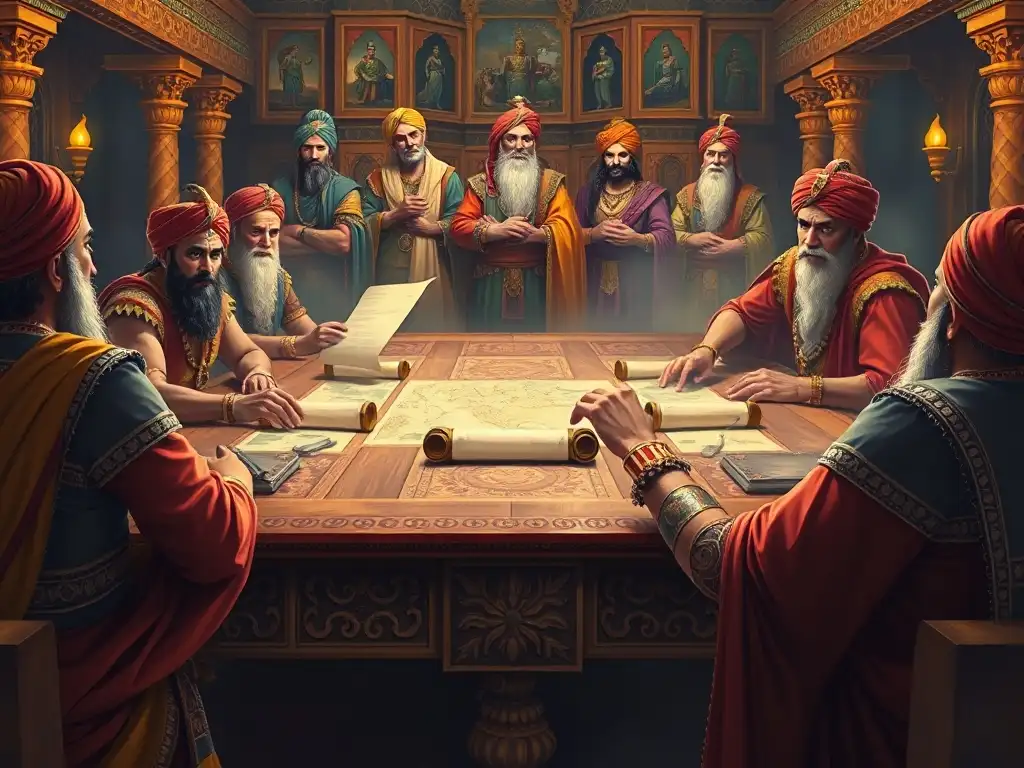
Chandragupta Maurya's rise to power and the eventual downfall of the Nanda Empire were significantly influenced by his astute political maneuvering and the formation of strategic alliances. The Nanda Empire, known for its wealth and military prowess, faced a formidable challenge as Chandragupta leveraged the discontent among various factions within the empire. His ability to forge alliances with disgruntled nobles and regional rulers was a key tactic that destabilized the Nanda regime from within.
Chandragupta was not merely a warrior; he was a shrewd politician who understood the importance of collaboration in governance. He actively sought support from influential figures disillusioned with the Nanda rule, offering them a vision of a unified and prosperous India under his leadership. This strategic approach allowed him to dismantle the Nanda's power structure gradually, as he gained the loyalty of those who once served the Nanda kings.
Strategic Alliances: Chandragupta's Key Partnerships
One of the most notable alliances that Chandragupta formed was with Chanakya, also known as Kautilya, who was not only his mentor but also an astute strategist. Chanakya’s knowledge of political dynamics and his experience in governance played a pivotal role in Chandragupta's campaigns. Together, they devised plans that emphasized the need for unity among regional powers to counter the Nanda influence.
Additionally, Chandragupta reached out to local rulers who were oppressed by the Nanda Empire. By promising them autonomy and a share in power if he succeeded, he garnered support that was instrumental in his military campaigns. This coalition-building was vital, as it not only provided him with additional troops but also created a network of loyalists who undermined the Nanda rulers’ authority, facilitating his ascent to power.
Espionage and Intelligence Gathering: The Role of Spies
Espionage played a crucial role in Chandragupta’s tactics against the Nanda Empire. He understood that information was power, and he utilized a network of spies to gather intelligence on the Nanda’s military movements, troop strengths, and political strategies. This intelligence network was critical for planning his assaults and understanding the vulnerabilities within the Nanda regime.
Chandragupta’s spies were adept at infiltrating the Nanda court and gathering information that would later be pivotal in his strategic decisions. By knowing the Nanda's weaknesses and internal conflicts, he was able to execute surprise attacks and create discord among the Nanda's ranks. This tactic not only weakened the enemy but also instilled fear, further eroding the confidence of Nanda supporters and soldiers.
Economic Disruption as a Tactic
Chandragupta’s tactics were not limited to military and political strategies; he also recognized the importance of economic disruption as a means to destabilize the Nanda Empire. Targeting the economy was a clever approach, as it undermined the very foundation of the Nanda’s power—its wealth and resources. By disrupting trade routes and targeting key economic resources, Chandragupta aimed to diminish the Nanda's financial capabilities to sustain their military forces.
Impact of Economic Strategies on the Nanda Empire
The economic strategies employed by Chandragupta had profound implications for the Nanda Empire. By disrupting trade and creating shortages of essential goods, he was able to sow discontent among the populace. The Nanda rulers, reliant on taxation from trade and agriculture, faced mounting pressures as economic instability led to dissatisfaction among the masses.
As people began to suffer from shortages and economic hardship, their loyalty to the Nanda Empire waned. This discontent was not just among the common citizens; it also affected the soldiers, who became less motivated to fight for a regime that could not provide for their needs. This tactic of economic warfare effectively eroded the empire’s power from within, paving the way for Chandragupta’s eventual triumph.
Resource Control and Supply Chain Disruption
Chandragupta's strategic focus on controlling key resources and disrupting supply chains was another critical aspect of his campaign against the Nanda Empire. By targeting crucial agricultural regions and trade routes, he aimed to cut off the Nanda’s access to essential supplies. This tactic not only weakened the Nanda’s economic base but also crippled their ability to maintain their military forces.
Controlling key territories allowed Chandragupta to redirect resources to his own forces, ensuring they were well-supplied and capable of mounting effective campaigns. His ability to disrupt the supply chains of the Nanda Empire forced them to stretch their resources thin, making them vulnerable to attacks and ultimately contributing to their downfall. This multifaceted approach of utilizing economic disruption alongside military and political maneuvers showcased Chandragupta's ingenuity and strategic foresight in the quest to dismantle the Nanda Empire.
Psychological Warfare
Psychological warfare played a crucial role in the tactics employed by Chandragupta Maurya against the Nanda Empire. Understanding the psychological state of both his own troops and the enemy was essential in orchestrating a successful campaign. Chandragupta, along with his mentor Chanakya, harnessed fear and uncertainty to undermine the confidence of the Nanda soldiers while simultaneously boosting the morale of his own troops. This multifaceted approach involved not only direct military action but also strategic manipulation of information and perceptions.
Chandragupta's forces utilized deceptive maneuvers, creating an atmosphere of unpredictability that kept the Nanda forces on edge. By spreading rumors of invincibility and the prowess of his army, they aimed to instill doubt among the Nanda ranks. Such tactics contributed to a gradual erosion of the Nanda Empire's internal cohesion, as soldiers began questioning their leaders and the legitimacy of their cause.
The Role of Propaganda in Chandragupta's Campaign
Propaganda was a powerful tool in Chandragupta's arsenal. He understood the importance of narratives and how they could shape public perception. By promoting stories that glorified his own lineage and capabilities, Chandragupta was able to position himself as a legitimate ruler, one who was destined to free the people from the oppressive Nanda regime. The dissemination of these narratives often took place through local bards and storytellers, who shared tales of Chandragupta's bravery and strategic genius.
Moreover, the use of symbols and rituals played a vital role in solidifying support among the populace. Chandragupta's campaigns were often accompanied by religious undertones, framing his struggle as a righteous battle against tyranny. This tactic not only rallied the citizens to his cause but also stirred up discontent among the Nanda supporters, who began to view their rulers as corrupt and disconnected from the people's needs.
Morale and Leadership: Influencing Nanda Soldiers
Chandragupta's approach to leadership was pivotal in influencing the morale of both his troops and the Nanda soldiers. His ability to inspire loyalty and courage among his followers was instrumental in his military successes. He led by example, engaging directly in battles alongside his men, which cultivated a sense of camaraderie and shared purpose. This personal involvement fostered a strong bond between Chandragupta and his soldiers, motivating them to fight fiercely for their leader and the cause.
Conversely, the Nanda soldiers often faced demoralization due to their leaders' perceived detachment and the oppressive rule they endured. Chandragupta exploited this weakness by emphasizing themes of liberation and freedom in his speeches, contrasting his vision of governance with the oppressive tactics employed by the Nandas. By presenting the Nanda rulers as tyrants, he was able to sway some of their soldiers to defect, further weakening the Nanda's military capabilities.
The Turning Point: Key Battles Leading to the Downfall

The downfall of the Nanda Empire was not a sudden event but rather the result of a series of key battles that significantly shifted the balance of power in favor of Chandragupta Maurya. Each confrontation revealed the effectiveness of his military strategies and the growing discontent among the Nanda populace. These pivotal moments in warfare underscored the importance of tactical innovation and psychological manipulation in achieving victory.
The Battle of the Ganges: A Decisive Moment
The Battle of the Ganges marked a significant turning point in Chandragupta's campaign against the Nandas. This confrontation showcased not only the tactical prowess of Chandragupta but also the effectiveness of his psychological warfare strategies. As the Nanda forces attempted to establish control over the region, Chandragupta's troops executed a series of surprise attacks, leveraging the element of surprise and the loyalty of local allies.
The battle's outcome was heavily influenced by the low morale of the Nanda soldiers, who were increasingly weary of their leadership. Chandragupta's forces, emboldened by their early successes and the promise of liberation, fought with extraordinary resolve. This decisive victory laid the groundwork for subsequent confrontations and demonstrated the vulnerability of the Nanda Empire.
The Siege of Pataliputra: Chandragupta's Final Assault
The Siege of Pataliputra represented the culminating effort of Chandragupta's campaign against the Nanda Empire. Recognizing Pataliputra as the heart of Nanda power, Chandragupta meticulously planned this final assault, employing a combination of psychological tactics and military strategy. The siege was characterized by a prolonged blockade, cutting off supplies and creating a sense of desperation among the Nanda defenders.
During this time, Chandragupta's forces spread propaganda within the city, sowing discord and fear among the Nanda troops. Tales of betrayal and the inevitability of defeat circulated, causing many to lose faith in their leaders. As the situation grew increasingly dire, Chandragupta launched a coordinated attack that overwhelmed the Nanda defenses. The fall of Pataliputra not only marked the end of the Nanda Empire but also solidified Chandragupta's legacy as a master strategist and a unifying figure in ancient Indian history.
Aftermath of the Nanda Empire's Fall
The downfall of the Nanda Empire in the late 4th century BCE marked a significant turning point in Indian history. Following the defeat of the Nandas, the political landscape of the Indian subcontinent underwent drastic changes. The vacuum created by the collapse of the Nanda rule allowed for the rapid rise of the Maurya Empire under Chandragupta Maurya. This transition not only ushered in a new dynasty but also redefined governance, military strategies, and economic systems throughout the region.
The aftermath also saw a shift in power dynamics among regional rulers. Many local chieftains and nobles, previously subjugated under Nanda rule, seized the opportunity to assert their independence. This fragmentation led to a period of both conflict and cooperation, as emerging powers began to vie for control over the newly accessible territories. The Nanda Empire’s vast network of trade routes and economic resources was gradually integrated into the Maurya Empire, laying the groundwork for a more unified administrative structure.
Establishment of the Maurya Empire
Chandragupta Maurya's rise to power was characterized by strategic alliances and military innovations that were crucial in establishing the Maurya Empire. After overthrowing the Nanda Empire, Chandragupta consolidated his rule through a combination of diplomacy and warfare. His tactics included forming alliances with local rulers and utilizing the discontent among the Nanda's subjects, which aided in a smoother transition of power.
Chandragupta’s administration was marked by a centralized governance model, which was a departure from the decentralized structure of the Nanda Empire. He implemented a sophisticated bureaucratic system that allowed for effective tax collection and resource allocation. The establishment of a standing army and the introduction of a network of spies further ensured the stability of his reign. This approach not only solidified his power but also set a precedent for future Indian empires.
Legacy of Chandragupta and His Tactics
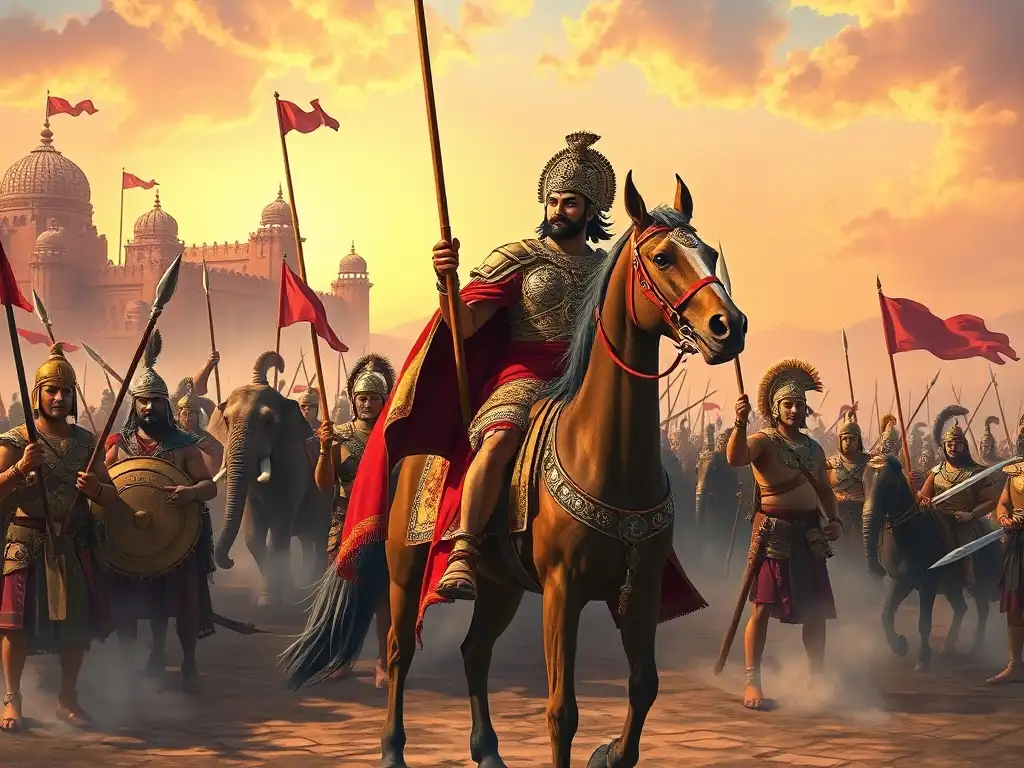
The legacy of Chandragupta Maurya extends beyond his military conquests; his revolutionary tactics reshaped the political landscape of ancient India. His emphasis on strategic governance, military organization, and economic management laid the foundation for the future success of the Maurya Empire, particularly under his grandson, Ashoka the Great.
Chandragupta's tactics also highlighted the importance of adaptability in leadership. He demonstrated that understanding the socio-political fabric of society was essential for effective governance. His use of espionage and intelligence-gathering became hallmarks of Indian political strategy, influencing subsequent rulers. Additionally, his promotion of trade and agriculture fostered economic growth, which would be crucial for the empire’s sustainability.
Conclusion
Summary of Chandragupta's Revolutionary Tactics
Chandragupta Maurya's tactics during the downfall of the Nanda Empire were multifaceted and impactful. His ability to leverage local discontent, form strategic alliances, and implement effective military strategies enabled him to dismantle the Nanda rule. The establishment of a centralized governance structure and a robust bureaucratic system ensured a smooth transition to the Maurya Empire, which would thrive in the centuries that followed.
His approach not only facilitated the rise of his own empire but also influenced the broader political strategies in ancient India. The emphasis on intelligence and adaptability in leadership became a template for future rulers, reflecting the significance of his revolutionary tactics.
Reflection on the Historical Importance of the Nanda Empire Downfall
The downfall of the Nanda Empire is historically significant as it marked the end of a powerful dynasty and the beginning of a new era in Indian history. It highlights the dynamic nature of power and governance in ancient India, showcasing how a single leader's tactics could alter the course of history. The Nanda Empire's fall not only paved the way for the Maurya Empire but also influenced subsequent political developments across the subcontinent.
This event serves as a reminder of the complexities of ancient Indian politics and the interconnectedness of various regional powers. The legacy of the Nanda Empire and its downfall continues to be a subject of study, reflecting its importance in understanding the evolution of governance and statecraft in ancient India.
Further Reading and Resources
For those interested in delving deeper into the fascinating history of the Nanda Empire and the revolutionary tactics employed by Chandragupta Maurya, a variety of resources are available. Below are recommendations for books, articles, documentaries, and lectures that provide comprehensive insights into this pivotal period in ancient Indian history.
Recommended Books and Articles on the Nanda Empire and Chandragupta Maurya
-
"The Mauryan Empire" by Romila Thapar
This book offers an in-depth analysis of the Mauryan Empire, including its foundations and the role of Chandragupta Maurya in the downfall of the Nanda Empire. Thapar's scholarly approach provides a nuanced understanding of the socio-political landscape of the time.
-
"Chandragupta Maurya: The Founder of the Mauryan Empire" by R. C. Majumdar
A detailed exploration of Chandragupta’s life, this book covers his strategies, alliances, and the eventual overthrow of the Nanda Empire, offering a vivid portrayal of his military and administrative acumen.
-
"The Nandas: A Study in History and Culture" by R. S. Sharma
This work presents a comprehensive study of the Nanda Empire, its culture, and its eventual decline. Sharma examines the socio-economic factors that contributed to the empire's downfall.
-
Articles in the Journal of Ancient Indian History
Numerous articles in this journal provide scholarly insights into various aspects of the Nanda Empire and Mauryan history, ranging from political strategies to cultural developments.
-
"From Chandragupta to Ashoka: A History of the Maurya Dynasty"
This compilation of essays discusses the transition from the Nanda to the Maurya Empire, highlighting Chandragupta's tactics and the implications for ancient Indian governance and military strategy.
Documentaries and Lectures on Ancient Indian History
-
"The Rise and Fall of Empires: The Nanda and Maurya"
This documentary provides a visual narrative of the Nanda Empire's history, its cultural richness, and the transformative tactics employed by Chandragupta Maurya that led to its downfall.
-
"Chandragupta Maurya: Uniting India" (YouTube Lecture Series)
A series of engaging lectures that explore the life of Chandragupta Maurya, his military strategies, and the socio-political context of the Nanda Empire’s decline. These talks are presented by renowned historians and are accessible to a wide audience.
-
"Ancient Indian Civilizations: The Mauryan Empire"
A documentary that delves into the broader history of ancient Indian civilizations, with specific episodes focused on the Nanda Empire and the pivotal role of Chandragupta in its overthrow.
-
"History of India: The Nandas and Mauryas" - Online Course
This course offers a structured approach to understanding the historical context of the Nanda and Maurya empires, highlighting key events, figures, and tactics used during this transformative era.
-
Podcasts on Ancient Indian History
Several podcasts feature episodes dedicated to the Nanda Empire and Chandragupta, providing listeners with accessible discussions and expert insights into their historical significance.
These resources will equip readers with a deeper understanding of the Nanda Empire's downfall and the revolutionary tactics that Chandragupta Maurya employed to establish a new dynasty in ancient India.
- Introduction to the Nanda Empire
- The Rise of Chandragupta Maurya
- Understanding the Nanda Empire Downfall Tactics
- Military Strategies of Chandragupta
- Political Maneuvering and Alliances
- Economic Disruption as a Tactic
- Psychological Warfare
- The Turning Point: Key Battles Leading to the Downfall
- Aftermath of the Nanda Empire's Fall
- Establishment of the Maurya Empire
- Legacy of Chandragupta and His Tactics
- Conclusion
- Further Reading and Resources
- What were the main tactics used by Chandragupta to bring down the Nanda Empire?
- How did the socio-political environment contribute to the Nanda Empire's downfall?
- What role did Chanakya play in the downfall of the Nanda Empire?
- What were the economic factors that led to the decline of the Nanda Empire?
- How did the downfall of the Nanda Empire influence subsequent Indian history?
Frequently Asked Questions
What were the main tactics used by Chandragupta to bring down the Nanda Empire?
Chandragupta employed strategic alliances, guerrilla warfare, and propaganda to undermine the Nanda rule. His innovative military strategies played a crucial role in his success.
How did the socio-political environment contribute to the Nanda Empire's downfall?
The discontent among the populace and noble class created a fertile ground for rebellion. Chandragupta capitalized on this unrest to rally support against the Nanda Empire.
What role did Chanakya play in the downfall of the Nanda Empire?
Chanakya, a brilliant strategist, provided guidance and tactical support to Chandragupta. His knowledge of politics and warfare was instrumental in planning the Nanda's downfall.
What were the economic factors that led to the decline of the Nanda Empire?
The Nanda Empire faced economic strain due to heavy taxation and mismanagement. This weakened their military strength and made them vulnerable to attacks.
How did the downfall of the Nanda Empire influence subsequent Indian history?
The fall of the Nanda Empire paved the way for the Maurya Empire, leading to a significant unification of India. This shift marked a new era in political and cultural development in the region.
Final Reflection: The Enduring Legacy of Revolutionary Tactics
The downfall of the Nanda Empire serves as a powerful reminder of how strategic innovation can reshape the course of history. In an era where traditional power structures were challenged, Chandragupta's revolutionary tactics not only dismantled a formidable empire but also set a precedent for future leaders. The lessons gleaned from this historical narrative resonate profoundly in today's world, where adaptability and strategic thinking are paramount in navigating complex societal landscapes.
Cultural and social dynamics continue to be influenced by the tactics employed during the Nanda Empire's downfall. The ability to innovate and adapt in the face of overwhelming odds is a theme that transcends time, inspiring leaders and thinkers across various fields. As we reflect on this historical moment, we are reminded of the words of Sun Tzu: In the midst of chaos, there is also opportunity.
This quote encapsulates the essence of Chandragupta's approach, highlighting the importance of seizing the moment to effect change.
As you ponder the lessons from the Nanda Empire's downfall, consider how you can apply these revolutionary tactics in your own life. Embrace the challenges you face as opportunities for growth and transformation. Whether in personal endeavors or professional pursuits, let the spirit of innovation guide you. Reflect on your own strategies and be inspired to forge a path that not only honors the past but also shapes a brighter future.
Unleash the Revolutionary Spirit of Chandragupta!
Thank you for exploring the captivating world of the Nanda Empire and Chandragupta's remarkable strategies. We hope you have uncovered valuable insights into how his revolutionary tactics shaped history. Now, it’s time to channel that inspiration into action!
- Explore historical parallels: Research and discuss how Chandragupta’s tactics can be applied to contemporary challenges in leadership and strategy.
- Share your thoughts: Join our community by commenting below or sharing your insights on social media. Let’s ignite a discussion about the lessons we can learn from this pivotal moment in ancient history!
- Challenge yourself: Consider applying a unique strategy or approach in your own life, whether personal or professional, inspired by the lessons learned from Chandragupta.
What innovative strategies can you implement today to challenge the status quo in your own life? We invite you to share your thoughts!