
Literary Criticism in Ancient India: Insights from Bharata's Natyashastra

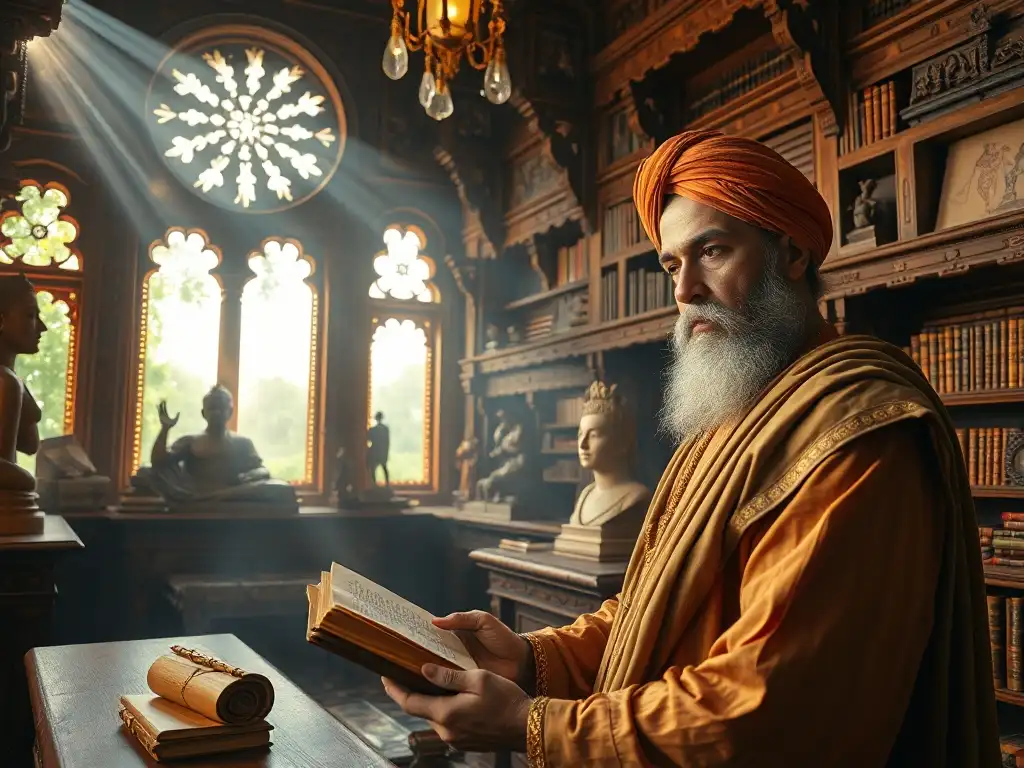
Welcome to Ancient India History, where we embark on an exhilarating journey through the rich tapestry of India's past. Here, you will uncover the profound contributions of ancient civilizations that have shaped modern thought and culture. In our featured article, “Literary Criticism in Ancient India: Insights from Bharata's Natyashastra,” we delve into the fascinating realm of ancient Indian literary criticism. Discover how Bharata’s insights illuminate the depths of literary analysis beyond the epics, sparking a dialogue that resonates even today. Ready to explore the wisdom of the ancients? Let’s dive in!
- Introduction to Ancient Indian Literary Criticism
- Historical Context of Literary Criticism in Ancient India
- Key Concepts in Bharata's Natyashastra
- The Impact of Bharata's Natyashastra on Classical Poetry and Prose
- Insights into Ancient Indian Literary Criticism from Natyashastra
- Conclusion: The Legacy of Bharata's Natyashastra in Ancient Indian Literary Criticism
- Further Reading on Ancient Indian Literary Criticism
-
Frequently Asked Questions
- What is the Natyashastra and its significance in ancient Indian literary criticism?
- How did Bharata contribute to the understanding of drama and criticism?
- What are some key themes discussed in Bharata's Natyashastra?
- How does ancient Indian literary criticism compare to modern approaches?
- What influence did ancient Indian literary criticism have on later literary traditions?
- Final Reflection: The Enduring Legacy of Ancient Indian Literary Criticism
- Unveil the Depths of Ancient Literary Wisdom!
Introduction to Ancient Indian Literary Criticism
In the vast tapestry of ancient Indian civilization, literature has played a pivotal role in shaping cultural narratives, societal values, and artistic expression. Among the various forms of literary expression, literary criticism stands out as a critical lens through which texts are analyzed, interpreted, and appreciated. This article delves into the realm of Ancient Indian literary criticism, focusing particularly on insights drawn from Bharata's seminal work, the Natyashastra.
As we explore the intricate relationship between literature and criticism in ancient India, we will uncover the philosophical underpinnings and aesthetic values that have influenced generations of poets, playwrights, and scholars. Understanding these foundations is essential to grasping the broader context of classical poetry and prose, which flourished alongside epic narratives, enriching the literary heritage of India.
Definition and Importance of Literary Criticism in Ancient India
Literary criticism in ancient India encompasses a diverse range of perspectives and methodologies that were employed to evaluate and interpret literary works. It is characterized by:
- Analytical Frameworks: Ancient critics developed systematic approaches to analyze texts, focusing on elements such as form, content, and emotional impact.
- Aesthetic Principles: Theories of rasa (aesthetic experience) and dhvani (suggestion) were central to understanding literature, emphasizing the emotional resonance of poetry and drama.
- Cultural Reflection: Literary criticism served as a mirror to society, reflecting cultural norms, values, and philosophical ideas prevalent at the time.
The significance of literary criticism in ancient India lies not only in its role as an evaluative tool but also in its contribution to the evolution of literary forms. By fostering a deeper understanding of texts, critics helped shape the trajectory of Indian literature, laying the groundwork for future generations of writers and thinkers.
Overview of Bharata's Natyashastra
Bharata's Natyashastra, composed around the 2nd century BCE to the 2nd century CE, is one of the most influential texts in the realm of ancient Indian literature and arts. It serves as a comprehensive treatise on drama, dance, and music, but its impact extends deeply into the field of literary criticism. Key aspects of the Natyashastra include:
- Classification of Rasa: Bharata categorizes various emotional responses that art can evoke, establishing a foundation for aesthetic appreciation in literature.
- Dhvani Theory: The concept of dhvani emphasizes the power of suggestion in poetry, indicating that the true essence of a text often lies beyond its literal meaning.
- Structural Elements: Bharata outlines essential components of dramatic structure, including plot, characterization, and dialogue, which are vital for literary analysis.
Through the lens of the Natyashastra, we can gain profound insights into how ancient Indian critics approached literature, enriching our understanding of the intricate relationship between artistic expression and critical thought. As we proceed, we will further explore these themes and their implications for classical poetry and prose in ancient India.
Historical Context of Literary Criticism in Ancient India
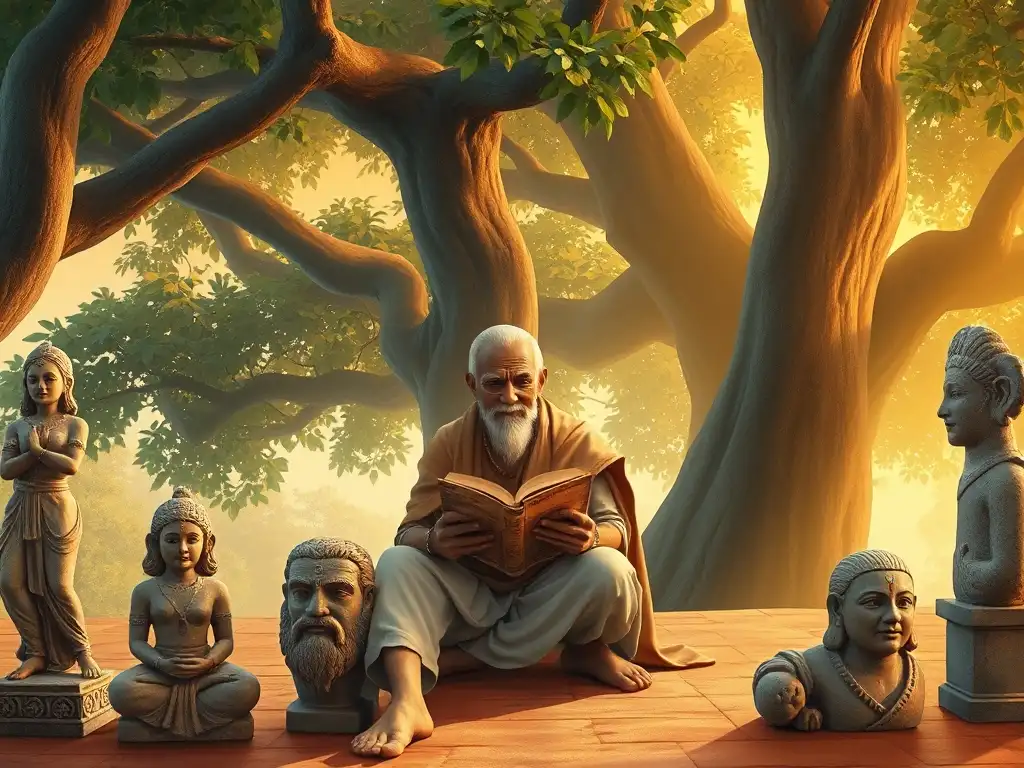
The historical context of literary criticism in ancient India is deeply intertwined with the evolution of its rich literary tradition. From the Vedic texts to the classical works of the Gupta period, literature served not only as a means of artistic expression but also as a reflection of societal values, religious beliefs, and philosophical inquiries. The foundations of ancient Indian literary criticism can be traced back to seminal texts like Bharata's Natyashastra, which provided a framework for evaluating and appreciating various forms of art and literature.
The Role of Literature in Ancient Indian Society
Literature in ancient India was not merely a form of entertainment; it was a powerful medium that shaped cultural identity and moral values. The significance of literature can be understood through several key aspects:
- Religious and Philosophical Teachings: Texts such as the Vedas and Upanishads were pivotal in conveying spiritual and philosophical knowledge. They served as guides to understanding the universe and the self, influencing both literary and critical thought.
- Political and Social Commentary: Works like Arthashastra by Kautilya illustrated the use of literature as a tool for governance and administration, highlighting the interplay between literature and politics. Ancient Indian poets often addressed contemporary social issues, reflecting the society's ethos and concerns.
- Cultural Preservation: Oral traditions and written texts played crucial roles in preserving myths, legends, and historical narratives. The Puranas and Mahabharata not only entertained but also educated the populace about their heritage.
- Aesthetic Appreciation: The aesthetic dimension of literature was crucial. Poets and playwrights explored beauty, emotion, and morality, leading to the development of distinct genres and styles. This appreciation paved the way for systematic literary criticism.
Through these roles, literature became an integral component of ancient Indian civilization, influencing its development and reflecting its complexities.
Influences on Ancient Indian Literary Criticism
Ancient Indian literary criticism was shaped by various influences that contributed to its unique theoretical frameworks. These influences include:
- Philosophical Schools: The interaction between different philosophical schools, such as Nyaya and Mimamsa, enriched literary criticism by introducing analytical methods to assess literary works. The emphasis on logic and interpretation led to deeper insights into textual meanings.
- Aesthetic Theories: The concept of Rasa (aesthetic experience) developed by Bharata in the Natyashastra became central to literary criticism. This theory emphasized the emotional responses elicited by art, influencing poets and critics alike in their evaluations of literature.
- Cultural Interactions: The cross-cultural exchanges facilitated by trade and conquest brought diverse literary forms and ideas to India. This melting pot of influences allowed for the assimilation of foreign elements, enriching the indigenous literary tradition. For instance, the influence of Sanskrit on regional languages fostered a vibrant literary scene across various Indian cultures.
- Historical Context: The socio-political landscape of different eras, particularly during the Maurya and Gupta Empires, played a significant role in shaping literary criticism. The patronage of arts by rulers encouraged the flourishing of literature and criticism, leading to the emergence of works that critiqued existing norms and celebrated innovation.
The historical context of literary criticism in ancient India reveals a rich tapestry of influences that shaped its development. The interplay between literature and society, along with the contributions of philosophical thought and cultural interactions, laid the groundwork for a sophisticated tradition of literary criticism that continues to resonate today.
Key Concepts in Bharata's Natyashastra
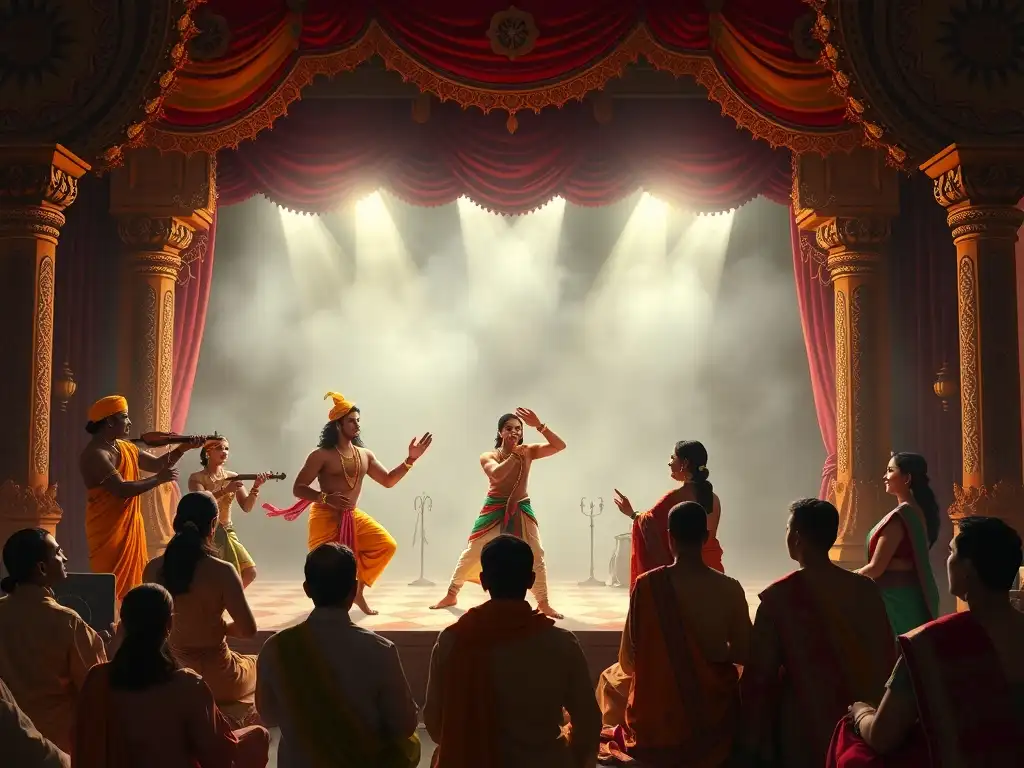
Bharata's Natyashastra is a seminal text that forms the backbone of ancient Indian literary criticism, particularly in the context of drama and performance arts. This text, which dates back to between 200 BCE and 200 CE, not only addresses the aesthetics of theatre but also lays down fundamental principles that inform the understanding of literature in ancient India. Below, we explore the structure of the Natyashastra and the core principles that define ancient Indian literary criticism.
Overview of the Natyashastra's Structure
The Natyashastra comprises 36 chapters and is divided into several key sections, each focusing on different aspects of performance and literature. The structure can be outlined as follows:
- Introduction: Discusses the origins of drama and the role of the arts in society.
- Dramatic Composition: Covers elements of playwriting, including plot structure and character development.
- Actors and Acting: Details the training and characteristics of actors, including methods for conveying emotions and gestures.
- Music and Dance: Explores the integration of music and dance into performance, highlighting their importance in enhancing the overall aesthetic experience.
- Aesthetic Experience: Introduces key concepts such as Rasa and Dhvani, which are central to understanding the emotional impact of literature and performance.
The Natyashastra serves as a comprehensive guide to the performance arts, providing insights into how literature can evoke emotions and create an immersive experience for the audience. Its influence extends beyond theatre, impacting poetry and prose within the broader scope of ancient Indian literary criticism.
Fundamental Principles of Ancient Indian Literary Criticism
Bharata's Natyashastra outlines several foundational principles that characterize ancient Indian literary criticism. These principles establish a framework for evaluating literary works, focusing on the emotional and aesthetic experiences they provide. The following concepts are particularly significant:
Rasa (Aesthetic Experience)
Rasa is a cornerstone of ancient Indian literary criticism, referring to the emotional flavor or aesthetic experience elicited from a literary work. Bharata identifies eight primary Rasas, which include:
- Shringara (Love)
- Hasya (Humor)
- Karuna (Compassion)
- Raudra (Anger)
- Veera (Heroism)
- Bhayanaka (Fear)
- Bibhatsa (Disgust)
- Adbhuta (Wonder)
These Rasas are not merely emotions but are seen as transformative experiences that allow the audience to engage deeply with the work. The interplay of these emotions within a narrative or performance creates a rich tapestry of meaning, making Rasa a vital component of ancient Indian literary criticism.
Dhvani (Suggestion)
Dhvani, or suggestion, refers to the implied meanings and subtleties that transcend the literal interpretation of words. It emphasizes the importance of context, tone, and nuance in evoking deeper emotional responses. Dhvani is categorized into three primary types:
- Vastu-dhvani (suggestion of the subject matter)
- Abhidha-dhvani (denotative meaning)
- Lakshana-dhvani (figurative meaning)
By engaging with Dhvani, ancient Indian literary criticism encourages readers and audiences to explore layers of meaning, revealing complexities and interpretations that enrich their understanding of the text. This principle underscores the belief that literature is not just about the overt message but also about the emotions and thoughts it inspires.
Alamkara (Figures of Speech)
Alamkara encompasses the various figures of speech and stylistic devices used in poetry and prose. Bharata categorizes Alamkara into two main types:
- Rupaka (metaphor)
- Anuprasa (alliteration)
These figures of speech enhance the aesthetic appeal of literary works, making them more engaging and resonant. Alamkara serves to embellish language and contribute to the overall emotional experience of the reader or audience. By employing these devices, poets and writers can elevate their work, creating a more profound impact through vivid imagery and sound.
The Natyashastra offers invaluable insights into ancient Indian literary criticism by exploring the concepts of Rasa, Dhvani, and Alamkara. These principles continue to influence the appreciation and analysis of literature in contemporary contexts, highlighting the rich legacy of ancient Indian thought in the realm of arts and letters.
The Impact of Bharata's Natyashastra on Classical Poetry and Prose
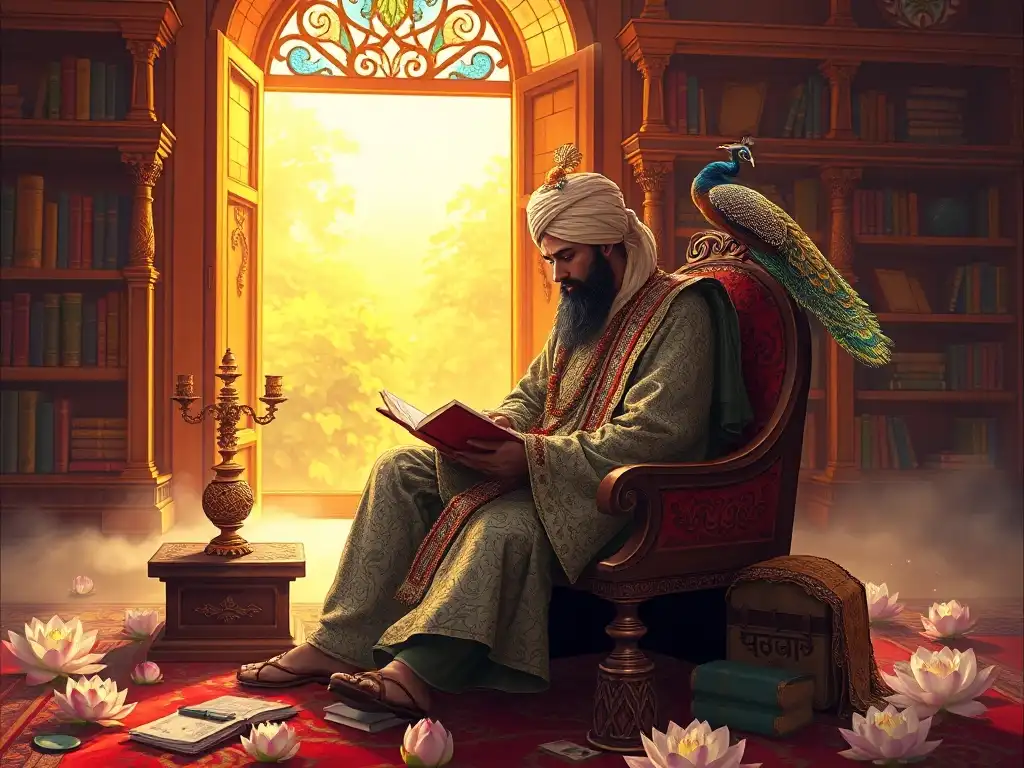
The Natyashastra, attributed to the ancient sage Bharata, stands as a cornerstone of Indian aesthetics and literary theory. Its profound insights into drama, poetry, and performance have significantly shaped the trajectory of classical poetry and prose in ancient India. This seminal text not only provided guidelines for theatrical performance but also established critical frameworks that influenced how literature was analyzed and appreciated.
The Natyashastra outlines various aspects of dramatic art, including characterization, plot structure, and emotional expression, which are essential components of poetry and prose. Bharata’s emphasis on rasa, or aesthetic experience, has been pivotal in understanding the emotional impact of literary works. This concept encourages poets and writers to craft their works in a manner that elicits specific emotional responses from the audience, thus elevating the quality and depth of literary expression.
Influence on Subsequent Literary Criticism in India
Bharata’s work has had a lasting influence on the field of literary criticism in India, serving as a foundation for various critical theories and practices. His systematic analysis of different forms of expression laid the groundwork for subsequent scholars to explore literary aesthetics.
- Development of Critical Terminology: Bharata introduced key terms such as rasa, bhava, and dharma, which became central to the discourse of literary criticism in ancient India. These terminologies aided later critics in articulating their analyses with precision.
- Framework for Aesthetic Experience: The framework Bharata provided regarding the emotional and aesthetic dimensions of literature informed many later poets and playwrights. The emphasis on rasa encouraged a more nuanced understanding of literary texts, prompting critics to evaluate works based on their emotional resonance and artistic merit.
- Integration of Performance: Bharata's inclusion of performance elements in literary criticism underscored the interconnectedness of literature and drama. This perspective expanded the scope of literary criticism to encompass not only textual analysis but also the performative dimensions of poetry and prose, thus enriching the field substantially.
Comparison with Other Ancient Literary Criticism Works
Bharata's Natyashastra is not only significant within the Indian literary tradition but also offers intriguing points of comparison with other ancient literary criticism works, such as Aristotle's Poetics.
Comparison with Aristotle's Poetics
Aristotle's Poetics is often regarded as one of the earliest and most influential texts on literary criticism in the Western tradition. While both Bharata and Aristotle explore the nature of drama and literature, their approaches and emphases differ in several key aspects:
- Focus on Emotion vs. Plot: Bharata's primary focus is on the emotional experience ( rasa) that literature should evoke in the audience, whereas Aristotle places a stronger emphasis on the structure of the plot and the principles of tragedy. This distinction highlights a fundamental difference in how ancient Indian and Western literary theories conceptualized the purpose of literature.
- Integration of Performance: Bharata’s work is rooted in the performative aspects of literature, emphasizing the role of actors and the theatrical experience. In contrast, Aristotle’s Poetics primarily engages with the written text and its structural components, demonstrating a divergence in the appreciation of literature as a live art form versus a textual artifact.
- Cultural Context: The cultural milieu in which Bharata and Aristotle wrote also influenced their perspectives. Bharata's theories were shaped by the rich traditions of Indian performance arts, while Aristotle's insights were informed by the Greek tradition of drama and philosophical inquiry.
Influence of Sanskrit Poetics on Other Cultures
The impact of Bharata’s Natyashastra extended beyond the boundaries of India, influencing various cultures and literary traditions across Asia. The principles of Sanskrit poetics found resonance in several regions:
- Influence on Southeast Asia: The concepts of rasa and dramatic theory were adopted by Southeast Asian cultures, particularly in the realms of theater and dance. Traditional art forms in countries like Indonesia and Thailand reflect the incorporation of these aesthetic principles, showcasing the cross-cultural transmission of Bharata’s ideas.
- Transmission to the Arab World: Scholars in the Arab world engaged with Sanskrit literature and poetics, leading to a dialogue between Indian and Arabic literary traditions. This exchange facilitated the integration of Bharata’s insights into the broader discourse of literary criticism.
- Impact on Persian Literature: The Persian literary tradition also absorbed elements of Sanskrit poetics, particularly in the realms of poetry and storytelling. The appreciation for emotional depth and artistic expression found in Bharata's work can be traced in various Persian literary forms.
Bharata's Natyashastra serves as a monumental text that not only shaped ancient Indian literary criticism but also left an indelible mark on global literary traditions. By examining its impact and comparing it with other critical works like Aristotle's Poetics, we can appreciate the rich tapestry of influences that have shaped literary thought across cultures.
Insights into Ancient Indian Literary Criticism from Natyashastra
Analysis of Dramatic Representation and Its Critique
Bharata's Natyashastra serves as a foundational text for understanding ancient Indian literary criticism, particularly in the realm of dramatic arts. This treatise not only outlines the principles of drama but also provides critical insights into how these performances should be evaluated. The Natyashastra delves into the intricate relationship between narrative structure, character development, and audience engagement, emphasizing that a successful drama must evoke a spectrum of emotions, known as rasa.
- Key Components of Dramatic Representation:
- Plot: Bharata categorizes plots into various types, including heroic, romantic, and tragic. Each type demands specific elements to resonate with the audience.
- Characterization: The text highlights the importance of character depth, suggesting that well-rounded characters enhance the narrative's emotional impact.
- Dialogue and Language: The critique of language usage in plays is significant, with Bharata advocating for dialogue that reflects the characters' social status and emotional states.
Bharata posits that the effectiveness of a dramatic representation hinges on how well these components are integrated to create a cohesive and immersive experience. The Natyashastra critiques performances based on their ability to elicit the desired emotional response from the audience, thus establishing a standard for literary criticism in ancient India.
The Significance of Performance in Literary Interpretation
Performance is not merely an ancillary aspect of literature in the context of the Natyashastra; rather, it is central to understanding ancient Indian literary criticism. Bharata argues that the act of performance transforms written text into a living experience, thereby enhancing its interpretative depth.
- Interactivity Between Audience and Performer:
- The audience's reactions and interpretations during a performance are critical. Bharata emphasizes that the emotional responses of viewers shape the overall impact of the narrative.
- This interactivity underscores the notion that literature in ancient India was not static but dynamic, evolving through the performance context.
- Cultural Reflection:
- Performance serves as a reflection of cultural values and societal norms. Bharata's insights suggest that dramas often mirror the zeitgeist of the time, providing a critique of contemporary issues through allegory and metaphor.
- The ability of a performance to engage with cultural narratives positions it as a powerful tool for commentary and social reflection.
- Aesthetic Experience:
- The Natyashastra articulates the aesthetic experience of the audience as a crucial element in literary criticism. Bharata delineates various rasa (emotional flavors) that should be evoked, such as shringara (love) and veera (heroism), which contribute to a rich interpretative experience.
- The emphasis on aesthetics highlights that ancient Indian literary criticism transcends mere textual analysis, urging critics and audiences alike to appreciate the emotional and sensory elements of performance.
Bharata's Natyashastra lays a profound groundwork for ancient Indian literary criticism by intertwining the elements of dramatic representation with the nuances of performance. This dual focus not only enriches our understanding of ancient literary practices but also invites contemporary scholars to explore the multifaceted dimensions of literature beyond mere textual analysis.
Conclusion: The Legacy of Bharata's Natyashastra in Ancient Indian Literary Criticism
The Natyashastra, authored by Bharata Muni, is not only a seminal work in the realm of dramaturgy but also serves as a cornerstone of ancient Indian literary criticism. Its comprehensive analysis of aesthetics, drama, and performance art has left an indelible mark on the understanding of literature in ancient India. Through its exploration of rasa (emotional responses) and dhvani (suggestion), the Natyashastra laid the groundwork for later literary theories and practices.
The principles outlined in this foundational text influenced not only playwrights and poets but also critics and scholars who sought to analyze and interpret literary works. Bharata’s emphasis on the emotional engagement of the audience and the aesthetic experience shaped the landscape of literary criticism, encouraging a nuanced approach to understanding texts beyond mere narrative analysis.
The Enduring Influence on Modern Literary Studies
The impact of Bharata's Natyashastra extends far beyond its historical context, resonating within modern literary studies. Scholars today recognize the relevance of its concepts, particularly in comparative literature and performance studies. The concepts of rasa and dhvani have been adopted and adapted in various forms, enriching the discourse surrounding emotional and aesthetic response in literature.
For instance, contemporary literary critics often draw parallels between Bharata's ideas and Western theories of aesthetics, such as those of Aristotle and Kant. The recognition of emotional engagement as a pivotal element in literature aligns with modern critical frameworks that prioritize reader-response theory and affect studies.
Moreover, the analytical methods presented in the Natyashastra have inspired modern adaptations of classical Indian drama and poetry, facilitating a revival of interest in ancient texts. The use of Bharata's principles in theatrical performances today reflects an enduring legacy that bridges ancient and contemporary practices.
Reflections on the Evolution of Literary Criticism in India
The evolution of literary criticism in India has been profoundly influenced by the foundational ideas presented in the Natyashastra. From its inception, the text has catalyzed a rich tradition of critical thought that has evolved through various historical periods.
- Classical Period: During this era, the principles of Bharata were expanded upon by later scholars, leading to the emergence of diverse schools of thought, including the Alankara (ornamentation) and Rasa theories, which further refined critical analysis of poetry and prose.
- Medieval to Early Modern Period: The synthesis of Bharata's ideas with philosophical discourses in the medieval period resulted in a complex interplay between aesthetics and ethics in literature, influencing poets and critics alike.
- Modern Period: The introduction of colonial perspectives and Western literary theories prompted a reevaluation of indigenous literary criticism, leading to a renewed interest in ancient texts such as the Natyashastra. Contemporary critics often seek to reconcile traditional Indian perspectives with global literary discourses, creating a dynamic and pluralistic approach to literary analysis.
Bharata's Natyashastra has not only shaped the landscape of ancient Indian literary criticism but continues to inspire and inform literary thought and critical practices today. Its legacy is a testament to the richness and complexity of India's literary tradition, encouraging ongoing dialogue and exploration within the field of literature.
Further Reading on Ancient Indian Literary Criticism
Recommended Texts and Resources
To delve deeper into the nuances of Ancient Indian literary criticism, several texts and resources stand out for their insightful contributions and analyses. Here are some recommended readings:
-
Bharata's Natyashastra
This foundational text not only lays the groundwork for dramatic art but also offers profound insights into the aesthetic theories of ancient India. The Natyashastra discusses the interplay of rasa (emotion) and dhvani (suggestion), which are cornerstones of literary criticism in this era.
-
Abhinavagupta's Commentary on the Natyashastra
Abhinavagupta, a prominent philosopher and aesthetician, provided extensive commentaries on Bharata's work. His interpretations and expansions on the concepts of rasa and bhava (mood) are essential for understanding ancient Indian aesthetic theory.
-
The Poetics of Ancient India by P. V. Kane
This comprehensive study examines various aspects of ancient Indian poetics, including literary forms and the critical frameworks employed by ancient scholars. Kane’s work is invaluable for contextualizing literary criticism within the broader cultural and historical landscape.
-
Indian Aesthetics: A Reader by V. S. Seturaman
This anthology compiles significant texts on Indian aesthetics, including excerpts from the Natyashastra and other critical works. It provides a broader perspective on how ancient Indian thinkers approached beauty and art.
-
The Art of Poetry in Ancient India by R. R. K. Sharma
This text explores the poetic traditions of ancient India, illustrating how poetry was critiqued and appreciated in various contexts. It also highlights the relationship between poetry and performance, a key aspect of Bharata's analysis.
Important Scholars and Commentators on Bharata's Natyashastra
The study of Ancient Indian literary criticism has been significantly shaped by various scholars and commentators who have interpreted Bharata's Natyashastra and expanded its theories. Here are some key figures:
-
Bharata Muni
As the original author of the Natyashastra, Bharata Muni is the cornerstone of ancient Indian literary criticism. His insights into the emotional and performative aspects of art laid the foundation for future discourse.
-
Abhinavagupta (c. 950–1016 CE)
A philosopher and aesthetician, Abhinavagupta’s commentaries on the Natyashastra are crucial for understanding the evolution of aesthetic theory in India. His interpretations of rasa have influenced not only literary criticism but also the philosophy of art.
-
Dhananjaya
The author of the Dasakumaracharita, Dhananjaya contributed to the discourse on dramaturgy and literary theory. His works often reflect the pragmatic aspects of performance and narrative, enriching the critical landscape of ancient India.
-
Kuntaka
An influential critic, Kuntaka’s work Vakrokti Jivita emphasizes the importance of suggestive expression in poetry. His theories on vakrokti (the art of indirect expression) are essential for understanding the subtleties of ancient Indian literary criticism.
-
Rudrata
Known for his text Kavyalamkara, Rudrata focused on the principles of poetry and artistic expression. His exploration of poetic devices and techniques has provided a structured approach to analyzing literature.
The contributions of these scholars form a rich tapestry that enhances our understanding of ancient Indian literary criticism, illustrating how the Natyashastra and its interpretations have shaped literary thought throughout history.
Frequently Asked Questions
What is the Natyashastra and its significance in ancient Indian literary criticism?
The Natyashastra, written by Bharata, is a foundational text that explores theory and practice of drama and performance in ancient India, significantly influencing literary criticism.
How did Bharata contribute to the understanding of drama and criticism?
Bharata's insights in the Natyashastra laid the groundwork for evaluating dramatic and literary works, emphasizing the importance of aesthetic experience and emotional resonance.
What are some key themes discussed in Bharata's Natyashastra?
The text covers themes such as rasa (emotion), bhava (mood), and natyadharmi (theatrical) versus lokadharmi (realistic) elements, enriching the framework for ancient Indian literary criticism.
How does ancient Indian literary criticism compare to modern approaches?
Ancient Indian literary criticism, as exemplified by Bharata, focuses on emotional impact and aesthetic experience, contrasting with more contemporary approaches that often emphasize theoretical or structural analysis.
What influence did ancient Indian literary criticism have on later literary traditions?
The principles outlined in the Natyashastra profoundly influenced not only Indian literature but also shaped theater and dramatic texts in various cultures, emphasizing the universal aspects of aesthetic appreciation.
Final Reflection: The Enduring Legacy of Ancient Indian Literary Criticism
The exploration of ancient Indian literary criticism, particularly through Bharata's Natyashastra, reveals a profound understanding of art and aesthetics that remains strikingly relevant today. As we navigate a world increasingly dominated by digital narratives and fleeting content, the insights from Bharata's work remind us of the timeless principles that govern storytelling and artistic expression. The depth of analysis found in ancient texts invites us to reconsider our engagement with literature and the arts, emphasizing that the foundations of criticism are rooted in cultural heritage and human experience.
The impact of Bharata's Natyashastra extends far beyond its historical context; it continues to shape our understanding of performance, narrative structure, and emotional resonance in contemporary literature and art. This ancient text serves as a bridge connecting us to a rich tradition of thought and critique that informs modern practices. As Bharata eloquently stated, The essence of art lies in its ability to evoke emotions and reflect the human condition.
This perspective challenges us to appreciate the layers of meaning within artistic works and to recognize the cultural narratives that inform them.
As you reflect on the insights gleaned from ancient Indian literary criticism, consider how these principles can be applied in your own life and creative endeavors. Engage with literature not merely as a consumer but as a critic and creator, drawing inspiration from the past to enrich your understanding of the present. Let the wisdom of Bharata guide you in exploring the emotional depths of storytelling, and encourage you to contribute to the ongoing dialogue of art and literature in your own unique way.
Unveil the Depths of Ancient Literary Wisdom!
Thank you for taking the time to explore the fascinating insights of Bharata's Natyashastra and its impact on literary criticism in ancient India! By delving into this rich topic, you've gained a deeper appreciation for the artistry and cultural significance that shaped Indian literature. Now, let's turn that inspiration into action!
- Dive deeper: Explore other classic texts influenced by Bharata’s work. Choose one and analyze its themes and critiques!
- Share your insights: Discuss your newfound knowledge with friends or on social media using the hashtag #AncientIndiaLiterature!
- Join the conversation: Connect with fellow literature enthusiasts in online forums to exchange ideas and critiques about ancient texts!
What aspect of Bharata's teachings resonates most with you, and how do you believe it can influence modern literary criticism today?