
The Gupta Empire's Agricultural Innovations: A Model for Modern Farming


Welcome to Ancient India History, where we delve into the rich tapestry of India's past, celebrating the remarkable achievements that have shaped our world today. In this exploration, we invite you to uncover the fascinating agricultural techniques of the Gupta Empire, a civilization renowned for its innovative practices that not only transformed their economy but also laid the groundwork for modern farming methods. Curious about how these ancient strategies can inspire today's agricultural advancements? Join us as we journey through history and reveal the secrets of a thriving empire that mastered the art of cultivation.
The Gupta Empire, flourishing from approximately 320 to 550 CE, is often heralded as a golden age of Indian civilization. During this period, significant advancements were made in various fields, including science, mathematics, literature, and notably, agriculture. The agricultural techniques employed by the Gupta Empire not only supported the empire's economic stability but also laid the groundwork for sustainable farming practices that resonate even in modern times.
Exploring the Gupta Empire's agricultural techniques reveals a complex and innovative approach to land use and irrigation systems that maximized productivity and efficiency. The methods developed during this era were characterized by a deep understanding of the local environment, crop rotation, and irrigation management. These practices not only ensured food security for the growing population but also contributed to trade and cultural exchange, enhancing the empire's prosperity.
In the following sections, we will delve into the specific techniques and innovations that defined agriculture during the Gupta Empire, examining their relevance and application in contemporary farming. From advanced irrigation systems to crop diversification strategies, the Gupta Empire serves as a model for modern agricultural practices, demonstrating how ancient wisdom can inform and inspire current methods of sustainable farming.
- Introduction to the Gupta Empire's Agricultural Techniques
- Major Gupta Empire Agricultural Techniques
- Tools and Equipment of Gupta Agriculture
- Impact of Gupta Agricultural Innovations on Society
- Lessons from Gupta Empire Agricultural Practices for Modern Farming
- Conclusion: The Gupta Empire as a Model for Sustainable Agriculture
-
Frequently Asked Questions
- What were the key agricultural techniques developed during the Gupta Empire?
- How did the agricultural innovations impact the economy of the Gupta Empire?
- What crops were primarily cultivated in the Gupta Empire?
- How do the agricultural techniques of the Gupta Empire influence modern farming?
- What role did irrigation systems play in Gupta agriculture?
- Final Reflection: Embracing the Gupta Empire's Agricultural Innovations for a Sustainable Future
- Unlock the Secrets of Sustainable Farming!
Introduction to the Gupta Empire's Agricultural Techniques

The Gupta Empire, which flourished from approximately 320 to 550 CE, is often regarded as a golden age in Indian history, particularly noted for its advancements in arts, science, and agriculture. The agricultural techniques developed during this period significantly transformed agricultural practices, contributing to the empire's prosperity and stability. By examining the Gupta Empire agricultural techniques, we can glean insights that are not only relevant to historical study but also applicable to modern farming practices.
Overview of the Gupta Empire
The Gupta Empire, founded by Maharaja Sri Gupta, stretched across much of northern India. At its zenith, it included regions that are now part of modern-day India, Pakistan, and Bangladesh. This period was marked by a centralized political structure that fostered trade, culture, and education.
- Key Characteristics:
- Strong Centralized Government: The Gupta rulers implemented policies that promoted agricultural productivity.
- Cultural Flourishing: The era saw significant advancements in literature, mathematics, and the sciences, which were often linked to agrarian practices.
- Trade Networks: The empire's extensive trade routes facilitated the exchange of agricultural products and innovations.
The agricultural developments during this time were pivotal for sustaining the large population and supporting the flourishing economy.
Importance of Agriculture in Gupta Society
Agriculture served as the backbone of the Gupta economy and social structure. It was not just a means of sustenance; it also played a vital role in trade, taxation, and cultural practices.
- Economic Stability:
- Agriculture contributed to the empire's wealth, allowing for surplus production that could be traded or stored.
- Tax revenues from agricultural produce funded public works and supported the military.
- Social Structure:
- The agrarian lifestyle influenced social hierarchies, with landowners holding significant power and status.
- Festivals and rituals often celebrated agricultural cycles, reinforcing community bonds.
- Technological Adoption:
- The Gupta period saw the integration of various agricultural techniques, enhancing productivity and sustainability.
Key Agricultural Innovations During the Gupta Period
The Gupta Empire is noted for several innovations that advanced agricultural productivity. These techniques laid the groundwork for modern farming methods and can be categorized as follows:
- Irrigation Systems:
- Canal Irrigation: The Guptas developed extensive canal systems to divert water from rivers to fields, which improved crop yields significantly.
- Water Harvesting: Techniques for capturing and storing rainwater were enhanced, allowing for more efficient water use.
- Crop Rotation and Diversification:
- The practice of rotating crops helped maintain soil fertility and reduced pest infestations.
- Farmers began to diversify their crops, cultivating pulses, grains, and vegetables, which provided a balanced diet and increased resilience against crop failures.
- Use of Fertilizers:
- The Guptas recognized the importance of soil health and began using organic fertilizers, such as compost and manure, to enhance soil quality.
- This focus on soil fertility contributed to higher agricultural output and sustained farming practices.
- Plowing Techniques:
- Improvements in plowing equipment, such as the introduction of iron ploughshares, made tilling more efficient and effective.
- The use of animal-drawn plows facilitated larger areas of land to be cultivated, increasing productivity.
- Agricultural Manuals:
- Scholars like Varahamihira and others wrote texts that detailed agricultural techniques, fostering knowledge sharing and education among farmers.
- These manuals included information on planting seasons, crop management, and pest control.
The innovations of the Gupta Empire not only enhanced agricultural output during its time but also set a precedent for sustainable agricultural practices that resonate with modern farming techniques today. By studying these historical practices, contemporary agriculture can find inspiration in the effective methods of the past.
Major Gupta Empire Agricultural Techniques

The Gupta Empire, which flourished from approximately 320 to 550 CE, is renowned for its transformative contributions to agriculture that laid the groundwork for modern farming practices. The agricultural techniques developed during this period not only enhanced crop yields but also facilitated the economic stability and growth of the empire. Key innovations such as crop rotation, the introduction of new crops, and advanced fertilization techniques played pivotal roles in shaping the agricultural landscape of ancient India.
Crop Rotation Methods in the Gupta Empire
Crop rotation was a fundamental practice during the Gupta Empire, significantly improving soil fertility and productivity. Farmers rotated different crops in a specific sequence to prevent soil depletion and manage pests and diseases. This technique allowed for the sustainable use of land, ensuring that nutrients were replenished over time.
- Basic Principles:
- Leguminous Crops: The inclusion of legumes in the rotation cycle was crucial, as these crops enriched the soil with nitrogen, a vital nutrient for plant growth.
- Seasonal Rotation: Farmers would alternate between summer and winter crops, optimizing land use throughout the year.
- Benefits:
- Increased Yields: By alternating crops, the Gupta farmers could achieve higher overall productivity.
- Pest Control: Rotating crops helped disrupt pest life cycles, reducing the need for chemical interventions, which were not available at the time.
This systematic approach not only improved agricultural efficiency but also promoted ecological balance within the farming systems of the Gupta Empire.
Introduction of New Crops and Varieties
The Gupta Empire was marked by a remarkable diversification in agriculture due to the introduction of new crops and varieties. This innovation was driven by both environmental factors and trade interactions with neighboring regions.
- Key Crops Introduced:
- Rice: Particularly in the southern regions, rice cultivation expanded significantly, adapting to local climates.
- Sorghum and Pearl Millet: These drought-resistant grains were introduced, providing food security in arid regions.
- Varietal Improvements:
- Selective Breeding: Gupta farmers practiced selective breeding, leading to the development of more resilient and higher-yielding crop varieties.
- Adaptation to Local Conditions: New crop varieties were adapted to suit various climatic and soil conditions across the empire, enhancing agricultural output.
This emphasis on crop diversity not only fortified the Gupta economy but also enriched the culinary and cultural fabric of the society.
Fertilization Techniques Used by Gupta Farmers
Fertilization techniques during the Gupta Empire were advanced for their time, ensuring that soil fertility was maintained and crop yields were optimized.
- Organic Fertilizers:
- Animal Manure: Farmers utilized manure from livestock, which was rich in nutrients, as a natural fertilizer.
- Composting: The practice of composting plant residues and other organic materials enhanced soil structure and fertility.
- Use of Ash and Lime:
- Wood Ash: Farmers applied wood ash to fields, which not only provided potassium but also helped in raising soil pH, making it less acidic.
- Lime: The use of lime was common to correct soil acidity, thus improving the overall health of the crops.
- Innovative Techniques:
- Intercropping: By planting different crops in close proximity, Gupta farmers maximized nutrient use and reduced soil erosion.
- Mulching: The application of organic material as mulch helped retain moisture and suppress weeds, further enhancing crop growth.
These fertilization strategies were instrumental in sustaining the agricultural productivity of the Gupta Empire, setting a precedent for sustainable farming practices in subsequent civilizations.
The Gupta Empire's agricultural techniques underscore a sophisticated understanding of farming that has continued to influence agricultural practices today. The innovations in crop rotation, the introduction of diverse crops, and effective fertilization methods demonstrate the empire's pivotal role in the development of agriculture, offering valuable lessons for modern farming systems.
Irrigation Systems and Water Management Practices
The Gupta Empire, known for its significant advancements in various fields, also made remarkable contributions to agricultural practices, particularly in irrigation systems and water management. The efficient use of water resources was crucial for sustaining agriculture in a region that experienced varying climatic conditions.
One of the prominent features of Gupta agricultural techniques was the development of sophisticated irrigation systems. These systems included various methods designed to maximize water usage and ensure crops received adequate moisture, particularly during the dry seasons. Some of the key practices included:
- Canal Systems: The Gupta Empire constructed an extensive network of canals to divert river water to agricultural fields. These canals not only facilitated irrigation but also helped in managing floods by controlling the water flow. The design of these canals demonstrated advanced engineering skills, allowing for the effective distribution of water across vast agricultural lands.
- Stepwells and Tanks: The use of stepwells and water tanks was widespread during the Gupta period. These structures were designed to collect and store rainwater, which could be used during drier periods. Stepwells allowed farmers to access groundwater and ensured a reliable water supply for irrigation, especially in regions where surface water was scarce.
- Rainwater Harvesting: The Gupta farmers practiced rainwater harvesting techniques, which involved collecting and storing rainwater for agricultural use. This practice not only improved water availability but also contributed to groundwater recharge, enhancing the sustainability of their agricultural practices.
- Crop Rotation and Field Management: To optimize water use, Gupta farmers employed crop rotation and field management techniques. By alternating different crops in specific seasons, they could maintain soil fertility and reduce dependency on a single water source. This method also helped in managing pests and diseases, further supporting sustainable agricultural practices.
The Gupta Empire's focus on irrigation systems and water management laid the foundation for effective agricultural productivity. The innovations in these practices not only supported the empire's economy but also created a model that influenced agricultural techniques in subsequent civilizations. The emphasis on sustainable water management and innovative irrigation methods serves as a valuable lesson for modern farming practices, highlighting the importance of adapting ancient wisdom to contemporary challenges in agriculture.
Tools and Equipment of Gupta Agriculture
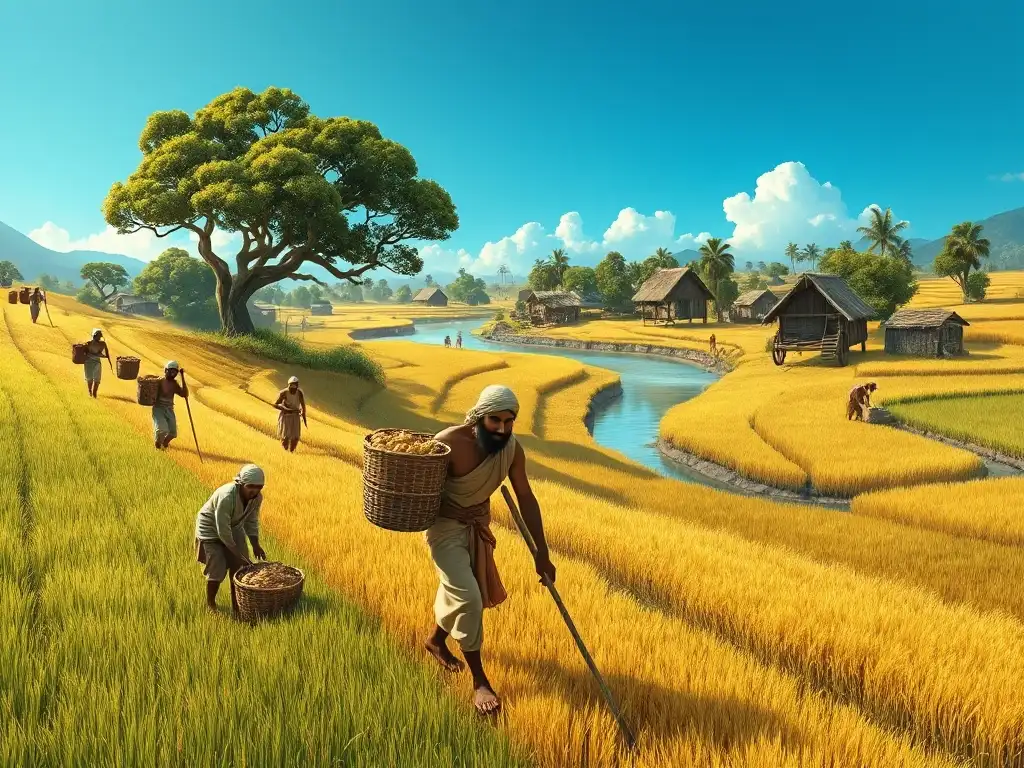
Traditional Farming Tools in the Gupta Era
During the Gupta Empire, agriculture thrived as a result of various traditional farming tools that were ingeniously designed to optimize productivity. The primary tools used by farmers significantly contributed to the efficiency of their agricultural practices.
- Sickle (दिवा): A curved hand tool with a sharp blade, the sickle was essential for harvesting grains such as wheat and barley. Farmers utilized this tool for its ability to quickly cut down crops, allowing for faster harvesting periods.
- Plow (हल): The wooden plow, often pulled by oxen, was fundamental in preparing the land for cultivation. With advances in design, the plow allowed for deeper tilling, which enhanced soil aeration and nutrient mixing, leading to better crop yields.
- Irrigation Tools: The Gupta period saw the use of simple yet effective irrigation tools, such as:
- Waterwheels (चक्र): Employed in riverine areas, these waterwheels helped in lifting water from rivers or canals to irrigate fields.
- Ditches and Canals: Farmers constructed ditches and canals to channel water efficiently to their crops, ensuring that even arid regions could be cultivated.
These traditional tools, combined with the agricultural techniques of the time, laid the groundwork for sustainable farming practices that resonate with modern agricultural methods.
Advances in Plowing Techniques
The Gupta Empire marked a significant evolution in plowing techniques that enhanced agricultural efficiency and productivity. Innovations during this period included:
- Double-Share Plow: This advanced plow design featured two blades, allowing farmers to till more land in a single pass. The double-share plow helped in breaking up tough soils and facilitated the cultivation of diverse crops.
- Animal-Pulled Plowing: While oxen were the primary draft animals, the introduction of additional animals like buffaloes further improved plowing efficiency. This diversification allowed for the plowing of larger fields and more consistent soil turning.
- Terracing Practices: Although primarily known for hilly terrains, the Gupta farmers adopted terracing techniques that minimized soil erosion and maximized arable land. By creating flat plots on slopes, farmers could make the most of available space while improving water retention.
These advances in plowing techniques not only increased productivity but also contributed to the sustainable management of agricultural lands, a practice that modern farmers can learn from.
Storage Solutions for Harvested Crops
The effective storage of harvested crops was crucial in the Gupta Empire to prevent spoilage and ensure food security. Various innovative storage solutions were utilized, including:
- Granaries (गोदाम): Constructed from mud and bricks, these granaries were designed to protect grain from pests and moisture. Elevated off the ground, they provided ventilation and minimized the risk of spoilage.
- Earthenware Pots: Farmers utilized large earthenware pots for storing smaller quantities of grains. These pots were sealed with clay to deter pests, ensuring the preservation of the harvested produce.
- Community Storage Systems: In some regions, farmers engaged in cooperative practices, where surplus grains were stored collectively in community granaries. This shared approach not only fostered community ties but also provided a safety net during lean seasons.
The storage innovations of the Gupta Empire reflect an understanding of sustainability and resource management that is still relevant in contemporary agricultural practices. By implementing these techniques, modern farmers can enhance their own storage methods to ensure food security and reduce waste.
Impact of Gupta Agricultural Innovations on Society

Economic Growth Driven by Agricultural Advances
The agricultural innovations of the Gupta Empire played a pivotal role in fostering economic growth during this period. Enhanced farming techniques, such as the introduction of new plowing methods and crop rotation, significantly increased agricultural productivity. These advancements not only led to surpluses in food production but also allowed for the diversification of crops. Key staples like rice, wheat, and various pulses became more widely cultivated, supporting a growing population.
One of the notable techniques was the use of irrigation systems, which included canals and wells. These systems maximized arable land and ensured a reliable water supply, even during dry seasons. The implementation of these systems can be reflected in the following table:
| Agricultural Innovation | Description | Impact on Economy |
|---|---|---|
| Crop Rotation | Alternating crops to preserve soil fertility | Increased yield and biodiversity |
| Improved Plowing Techniques | Use of iron plows for deeper tillage | Enhanced soil productivity |
| Irrigation Systems | Canals and wells for consistent water supply | Enabled farming in arid regions |
The result was not only a more stable food supply but also the establishment of surplus production, which formed the backbone of the Gupta economy. Surpluses allowed for trade and the growth of markets, leading to a flourishing economy that benefited farmers, traders, and artisans alike.
Agriculture was central to the social structure of the Gupta Empire, shaping the lives and roles of its inhabitants. The agrarian economy created a distinct social hierarchy, where landowners wielded significant influence over the agrarian workforce. Wealthy landowners often employed tenant farmers or laborers, leading to a class system that defined social interactions.
Moreover, agriculture facilitated the emergence of various social roles and professions. The following nested list illustrates the interconnectedness of agriculture with various societal roles:
- Landowners
- Controlled vast estates
- Benefitted from agricultural surpluses
- Farmers
- Engaged in cultivating crops
- Responsible for implementing agricultural techniques
- Artisans and Traders
- Produced goods for trade
- Depended on agricultural products for sustenance and commerce
The reliance on agriculture fostered a sense of community as villagers collaborated in farming efforts, leading to the development of festivals and rituals centered around agricultural cycles. This social cohesion was crucial for maintaining stability and unity within the empire.
Influence on Trade and Commerce in Ancient India
The agricultural advancements during the Gupta Empire significantly influenced trade and commerce, both regionally and beyond. The surplus generated by enhanced agricultural practices not only supported local markets but also established trade networks with neighboring regions. The availability of surplus crops allowed for the exchange of goods, leading to increased economic interactions.
Key trade commodities included grains, spices, and textiles, which were transported via well-established routes. The Gupta Empire's strategic location facilitated trade with other cultures, including the Romans and Southeast Asian civilizations. The following points highlight the influence of Gupta agricultural techniques on trade:
- Increased Production
- Surpluses allowed for trade beyond local needs.
- Market Development
- Growth of markets in urban centers, where agricultural products were exchanged for luxury goods.
- Cultural Exchange
- Trade routes facilitated the exchange of ideas, technology, and culture, enriching both the Gupta Empire and its trading partners.
The agricultural innovations of the Gupta Empire were not merely techniques for farming; they were integral to the empire’s economic growth, social structure, and trade dynamics. These advancements laid a foundation that not only supported the empire during its peak but also influenced subsequent agricultural practices in the region.
Lessons from Gupta Empire Agricultural Practices for Modern Farming

The Gupta Empire, flourishing from approximately 320 to 550 CE, is often hailed as a golden age in Indian history, particularly in the realms of science, mathematics, and agriculture. Its agricultural innovations laid the groundwork for sustainable farming practices that continue to resonate today. By exploring the Gupta Empire agricultural techniques, modern farmers can glean invaluable lessons that promote sustainability, efficiency, and biodiversity.
Sustainable Farming Techniques from the Gupta Era
Sustainable agriculture was a cornerstone of the Gupta Empire. The farmers of this period implemented various practices that emphasized harmony with the environment:
- Crop Rotation: The Gupta farmers practiced crop rotation, alternating different types of crops in a specific sequence. This method not only improved soil fertility but also reduced pest and disease cycles, leading to more robust harvests. For instance, planting legumes after cereals replenished nitrogen levels in the soil.
- Organic Fertilizers: The use of organic fertilizers, such as compost and animal manure, was prevalent. These natural amendments enhanced soil structure and fertility without the environmental harm associated with synthetic fertilizers. The Gupta Empire's understanding of soil health is a lesson for contemporary agriculture, advocating for the reduction of chemical inputs.
- Agroforestry Systems: The integration of trees and shrubs into farming systems was common in the Gupta period. This practice provided shade, improved microclimates, and prevented soil erosion, illustrating a multifaceted approach to land use that modern farming can adopt.
Adapting Ancient Irrigation Practices to Current Needs
The Gupta Empire's irrigation techniques were advanced for their time, showcasing a sophisticated understanding of water management:
- Canal Systems: The construction of extensive canal networks allowed for the efficient distribution of water to crops. Modern farmers can learn from these systems by developing community-based irrigation projects that utilize both traditional and modern technologies to optimize water use.
- Rainwater Harvesting: The Gupta era saw the implementation of rainwater harvesting techniques, which collected and stored rainwater for agricultural use. This practice is increasingly vital in today's context of climate variability, encouraging farmers to develop systems that can capture and store water during rainy seasons for use in drier periods.
- Check Dams and Reservoirs: The construction of check dams and reservoirs during the Gupta period helped to regulate water flow and mitigate flooding. Modern adaptations of these structures can improve water management and enhance resilience against climate change impacts, such as erratic rainfall patterns.
Integrating Crop Diversity Inspired by Gupta Methods
The Gupta Empire thrived on the principle of crop diversity, which contributed to food security and resilience:
- Intercropping: The practice of intercropping, where two or more crops are grown in proximity, was common. This method reduces competition for resources while maximizing yields. Modern farmers can adopt this technique to enhance biodiversity and reduce the risk of total crop failure.
- Traditional Varieties: The preservation of traditional crop varieties, known for their resilience and adaptability to local conditions, was crucial during the Gupta era. Reviving interest in these varieties can help modern agriculture combat challenges like pests, diseases, and climate change, ensuring food security.
- Community Seed Banks: The concept of communal seed sharing, reminiscent of Gupta practices, can promote genetic diversity. Establishing community seed banks allows farmers to exchange and maintain a variety of seeds, fostering resilience within agricultural systems.
The agricultural practices of the Gupta Empire serve as a rich source of inspiration for modern farming. By embracing sustainable techniques, adapting ancient irrigation practices, and integrating diverse crops, contemporary agriculture can enhance productivity while preserving the environment. These lessons from the past resonate strongly in today's quest for sustainable food systems, underscoring the timeless relevance of ancient wisdom.
Conclusion: The Gupta Empire as a Model for Sustainable Agriculture

Recap of Gupta Agricultural Innovations
The Gupta Empire, flourishing from approximately 320 to 550 CE, is renowned for its significant advancements in agricultural techniques that laid the foundation for sustainable farming practices. Some of the most notable innovations during this period include:
- Crop Rotation: This method involved alternating different types of crops in a specific sequence over several seasons to maintain soil fertility and reduce pest infestations.
- Irrigation Systems: The Gupta rulers invested in extensive irrigation networks, utilizing canals and reservoirs to enhance water management, which ensured reliable crop yields even during dry seasons.
- Use of Fertilizers: The incorporation of organic fertilizers, such as manure and compost, improved soil health and boosted agricultural productivity.
- Innovative Plowing Techniques: The introduction of the ard (a traditional plow) allowed for more efficient tilling of soil, which facilitated better aeration and nutrient absorption.
- Diverse Crop Cultivation: The Gupta Empire encouraged the cultivation of a variety of crops, including rice, wheat, barley, and pulses, which supported dietary diversity and resilience against crop failures.
These techniques not only increased agricultural output but also fostered economic stability and supported the empire's population growth.
Future Implications for Modern Farming Practices
The agricultural innovations of the Gupta Empire offer valuable lessons for contemporary farming practices, particularly in the face of modern challenges such as climate change, soil degradation, and food security. Key implications include:
- Sustainable Practices: The emphasis on crop rotation and organic fertilizers aligns with modern sustainable agriculture principles aimed at preserving soil health and ecosystems.
- Water Management: The Gupta approach to irrigation highlights the importance of efficient water use. Techniques such as rainwater harvesting and the development of sustainable irrigation systems can significantly benefit today's farmers facing water scarcity.
- Biodiversity: Encouraging a diverse range of crops can enhance resilience against pests and diseases, a strategy increasingly recognized in modern agroecology.
- Community Involvement: The cooperative farming practices seen in the Gupta era can inspire modern community-supported agriculture (CSA) initiatives, fostering local food systems.
- Research and Innovation: Learning from historical practices encourages ongoing agricultural research, aiming to adapt ancient wisdom to contemporary technologies and methods.
Final Thoughts on Learning from Ancient Techniques
The Gupta Empire's agricultural techniques present a compelling model for modern farming, emphasizing sustainability, efficiency, and resilience. As we confront pressing global challenges, revisiting and integrating these ancient practices can offer innovative approaches to contemporary agriculture. Understanding the historical context of these techniques not only enriches our appreciation of ancient civilizations but also inspires us to cultivate a more sustainable future. By blending the wisdom of the past with modern advancements, we can develop farming practices that are both sustainable and productive, ensuring food security for generations to come.
Frequently Asked Questions
What were the key agricultural techniques developed during the Gupta Empire?
The Gupta Empire is known for its innovative agricultural techniques such as crop rotation, advanced irrigation methods, and the use of fertilizers, which significantly increased crop yields.
How did the agricultural innovations impact the economy of the Gupta Empire?
These agricultural innovations led to surplus food production, which enhanced trade, supported urbanization, and ultimately contributed to the economic prosperity of the Gupta Empire.
What crops were primarily cultivated in the Gupta Empire?
The Gupta Empire primarily cultivated rice, wheat, pulses, and various fruits. The use of crop diversity helped ensure food security and resilience against pests.
How do the agricultural techniques of the Gupta Empire influence modern farming?
Many of the agricultural techniques from the Gupta Empire, such as sustainable practices and organic fertilization methods, are still relevant and can be observed in modern sustainable farming approaches today.
What role did irrigation systems play in Gupta agriculture?
Irrigation systems were crucial in the Gupta Empire, allowing for efficient water management, which supported agricultural productivity and enabled cultivation in arid regions.
Final Reflection: Embracing the Gupta Empire's Agricultural Innovations for a Sustainable Future
The agricultural techniques of the Gupta Empire are not just relics of history; they are a beacon of inspiration for contemporary farming practices. As we grapple with the challenges of climate change, food security, and sustainable development, the innovative methods employed by the Gupta Empire remind us that ancient wisdom can guide modern solutions. The remarkable advancements in irrigation, crop rotation, and sustainable land use during this era offer valuable lessons that are increasingly relevant in today's agricultural discourse.
The influence of the Gupta Empire's agricultural innovations extends far beyond their time, shaping the very foundation of farming practices we see today. These techniques have not only contributed to the agricultural landscape of India but have also inspired global movements towards sustainable and efficient farming. As we reflect on this legacy, we can appreciate the words of Mahatma Gandhi: The future depends on what you do today.
This sentiment resonates deeply as we consider how the principles of the Gupta Empire can inform our current agricultural strategies and policies.
As we look to the future, I invite you to reflect on how the lessons from the Gupta Empire can be applied in your own life and community. Consider how you can embrace sustainable practices in your gardening, support local farmers, or advocate for policies that prioritize agricultural innovation. By integrating these timeless techniques into our modern context, we can cultivate a more sustainable world, ensuring that the agricultural advancements of the past continue to flourish for generations to come.
Unlock the Secrets of Sustainable Farming!
Thank you for exploring the fascinating agricultural innovations of the Gupta Empire with us! You've uncovered timeless principles that can inspire our modern farming practices. Now, it’s time to put this knowledge into action and help shape a sustainable future.
Here are some steps you can take to embrace these age-old techniques today:
- Implement traditional crop rotation: Start by rearranging your planting schedule to maintain healthy soil and increase yields. Explore various planting combinations that can enhance your garden or farm!
- Engage with local farming initiatives: Connect with community-supported agriculture programs to support local farmers. Share your experiences and insights on social media!
- Share your knowledge: Discuss what you’ve learned with your friends and family. Consider hosting a workshop or writing a blog post to inspire others to explore sustainable practices.
How do you believe ancient agricultural practices can transform your approach to modern farming?