
The Agricultural Practices of Ancient Western Indian Societies

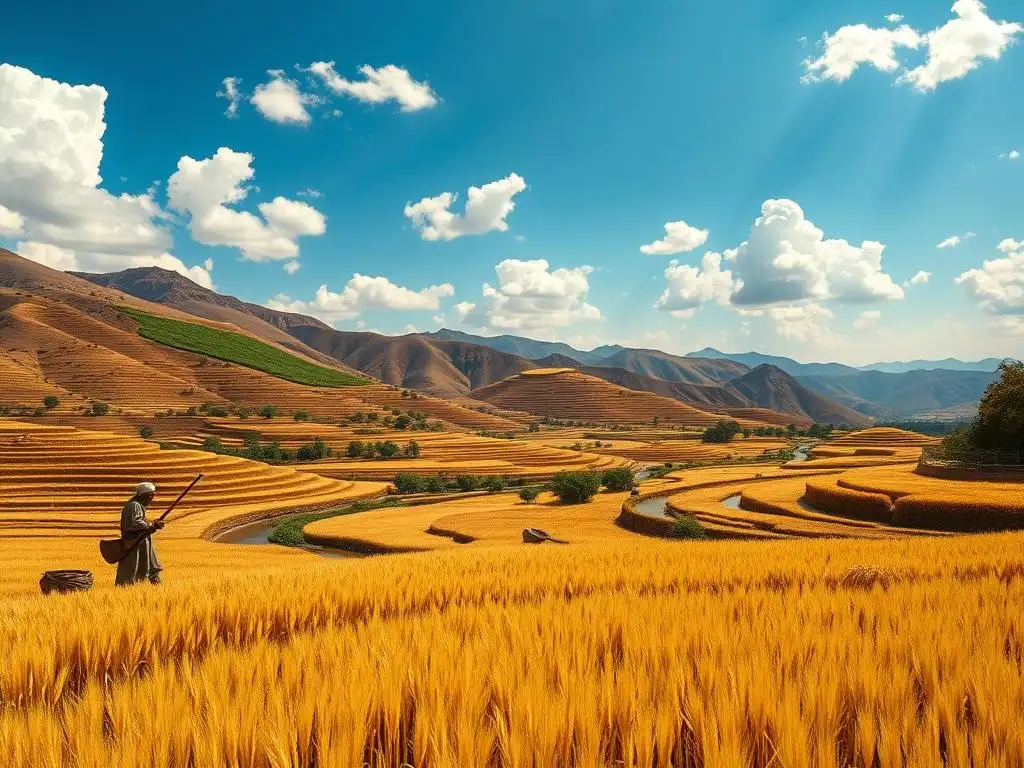
Welcome to Ancient India History, where we embark on a captivating journey through the rich and diverse tapestry of ancient Indian civilizations. Our exploration begins with an intriguing look at ancient Indian agricultural practices, a cornerstone of societal development that shaped communities from the Indus Valley to the Gupta Empire. In our featured article, "The Agricultural Practices of Ancient Western Indian Societies," we unveil how innovative farming techniques not only sustained populations but also cultivated culture and trade.
Prepare to delve deeper into this vital aspect of history, as we unravel the secrets and stories that have stood the test of time. Your adventure into the past starts here!
- Introduction to Ancient Indian Agricultural Practices
- Historical Context of Agricultural Practices in Western India
- Key Agricultural Practices of Ancient Western Indian Societies
- Major Crops Cultivated in Ancient Western India
- Trade and Agricultural Economy
- Cultural Significance of Agriculture in Ancient Indian Society
- Challenges Faced by Ancient Farmers in Western India
- Conclusion: Legacy of Ancient Indian Agricultural Practices
- References and Further Reading
-
Frequently Asked Questions
- What were the primary agricultural practices in ancient Western India?
- How did the geography of Western India influence its agriculture?
- What role did crops play in the economy of ancient Indian societies?
- How did technology affect ancient Indian agricultural practices?
- Were there any significant cultural practices associated with agriculture in ancient India?
- Final Reflection: The Enduring Legacy of Ancient Indian Agricultural Practices
- Unveil the Secrets of Ancient Agriculture!
Introduction to Ancient Indian Agricultural Practices
Agriculture served as the backbone of ancient Indian societies, profoundly influencing their economic structures, social organization, and cultural practices. In particular, the agricultural practices of ancient Western India reveal a fascinating interplay between the environment, technology, and human ingenuity. This region, encompassing areas such as Gujarat and Rajasthan, was home to diverse communities that adapted their farming techniques to local climatic and geographical conditions. By examining these ancient Indian agricultural practices, we can gain valuable insights into the ways in which these societies thrived, contributed to the broader Indian civilization, and laid the groundwork for future agricultural advancements.
Overview of Agriculture in Ancient Western India
The agricultural landscape of ancient Western India was characterized by its diversity, a reflection of the region's varied topography and climate. The fertile plains of the Indus Valley, for instance, were ideal for the cultivation of staple crops such as wheat, barley, and pulses. The following key elements define the agricultural practices in this region:
- Crop Varieties: Ancient farmers cultivated a range of crops, including:
- Cereals: Wheat, barley, and millet.
- Legumes: Various pulses such as lentils and chickpeas.
- Fruits and Vegetables: A variety of indigenous fruits and vegetables, contributing to dietary diversity.
- Irrigation Techniques: The development of sophisticated irrigation systems, including:
- Canals and Wells: These facilitated water management in arid regions, ensuring a reliable water supply for crops.
- Rainwater Harvesting: Techniques to capture and store rainwater were crucial in water-scarce areas.
- Agricultural Tools: The use of tools such as plows and sickles, which were made from locally sourced materials, enhanced farming efficiency and productivity.
This agricultural framework not only supported local populations but also enabled trade with neighboring regions, fostering economic growth.
Importance of Agriculture in Ancient Indian Societies
Agriculture was more than just a means of sustenance in ancient Indian societies; it was a pivotal element that shaped economic stability, social hierarchies, and cultural practices. Here are some key aspects highlighting its significance:
- Economic Foundation: Agriculture formed the basis of the economy, providing food security and surplus for trade. The surplus allowed for the specialization of labor, leading to the emergence of crafts and commerce.
- Social Structure: The agrarian lifestyle influenced social organization, with land ownership often dictating status and power within communities. Landlords and farmers played integral roles in local governance and community dynamics.
- Cultural Practices: Agricultural cycles were intertwined with religious and cultural festivals, celebrating harvests and honoring deities associated with fertility and agriculture. This connection reinforced community ties and shared cultural identity.
- Technological Innovations: The need for efficient agricultural practices spurred technological advancements, including improved irrigation techniques and crop rotation methods, which laid the groundwork for future agricultural developments.
Through a comprehensive exploration of ancient Indian agricultural practices, particularly in the context of Western India, we can appreciate the profound impact these practices had on shaping the region's history and its contributions to the broader tapestry of Indian civilization.
Historical Context of Agricultural Practices in Western India
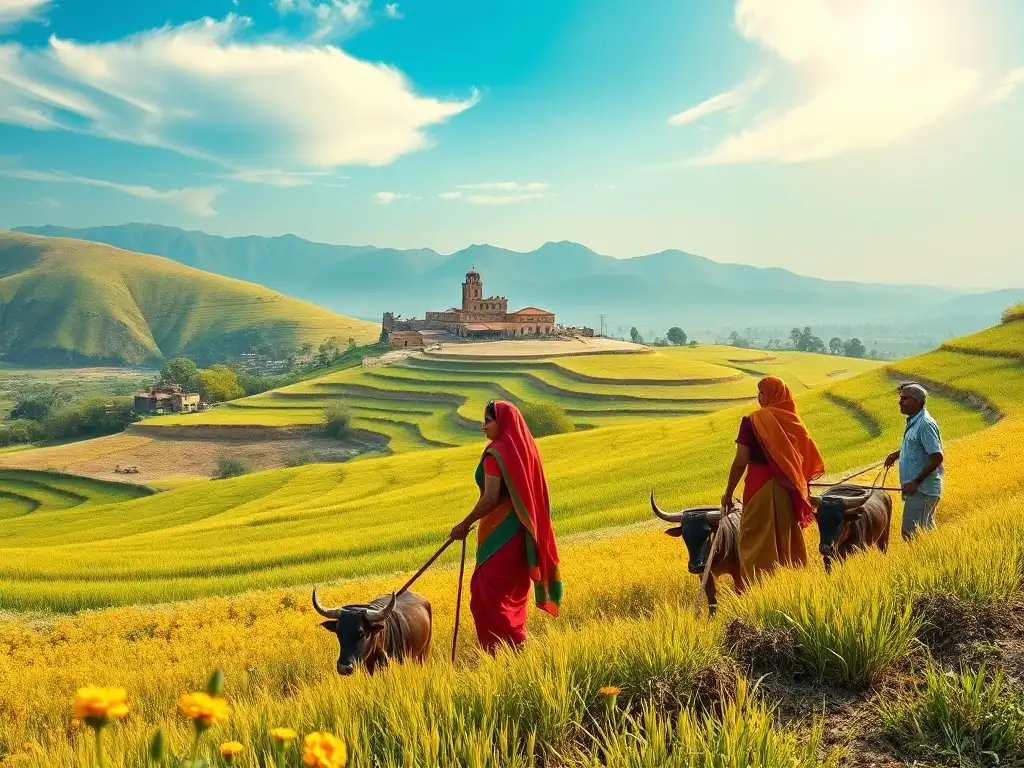
The historical context of agricultural practices in Western India is deeply rooted in the region's diverse geography and climate, which have significantly influenced the methods and crops cultivated by its ancient societies. This region, characterized by its arid deserts, fertile river valleys, and coastal plains, has seen the evolution of agriculture from the early days of civilization through various significant periods.
Agriculture in Western India dates back to the Indus Valley Civilization (circa 3300–1300 BCE), one of the world's earliest urban cultures. The agricultural practices developed during this era set the foundation for future advancements. Societies in this region relied on the monsoon rains and the seasonal flooding of rivers to sustain their crops, establishing a complex relationship with their environment that would influence various subsequent civilizations.
As we explore the key agricultural practices of ancient Indian societies, it’s essential to understand how these practices evolved in response to climatic variations, technological innovations, and cultural exchanges over the centuries.
The Indus Valley Civilization and Its Agricultural Innovations
The Indus Valley Civilization is renowned for its sophisticated urban planning and advanced agricultural techniques. Archaeological evidence suggests that these ancient societies practiced crop cultivation on a large scale, focusing on staple crops such as wheat, barley, and pulses.
Key Innovations:
- Irrigation Systems: The people of the Indus Valley were pioneers in developing irrigation systems. The construction of canals and water reservoirs facilitated the management of water supply, allowing for the expansion of arable land. This innovation was crucial for sustaining agriculture in the semi-arid climate of the region.
- Crop Rotation and Diversity: Evidence indicates that the Indus Valley farmers employed crop rotation to maintain soil fertility and increase yield. They cultivated a variety of crops, which not only catered to dietary needs but also promoted biodiversity.
- Tools and Techniques: The use of plows, made from wood or metal, marked a significant advancement in agricultural efficiency. These tools allowed for deeper tilling of the soil, leading to improved crop production.
Agricultural Techniques in the Vedic Period
The Vedic period (circa 1500–500 BCE) saw a continuation and evolution of agricultural practices initiated during the Indus Valley Civilization. Texts from this period hint at a more structured approach to agriculture, alongside the incorporation of religious and cultural elements.
Notable Features:
- Rituals and Agriculture: Agriculture during the Vedic period was deeply intertwined with religious practices. Many agricultural activities were accompanied by rituals to appease deities associated with fertility and harvest, reflecting the spiritual connection to the land.
- Crop Cultivation and Livestock: The Vedic texts mention various crops such as rice, millet, and lentils. Livestock, particularly cattle, played a vital role in agricultural practices, providing labor for plowing and serving as a source of manure for fertilization.
- Community Farming: The concept of community farming emerged, where families and clans worked collectively on agricultural lands. This communal approach fostered cooperation and shared knowledge among farmers, enhancing productivity.
Contributions of the Maurya and Gupta Empires to Agriculture
The Maurya (circa 322–185 BCE) and Gupta Empires (circa 240–550 CE) were pivotal periods for the advancement of ancient Indian agricultural practices. These empires not only expanded the territory but also implemented policies that promoted agricultural growth.
Key Developments:
- State Support and Regulation: The Mauryan Empire introduced measures to regulate agricultural practices, including land taxation and the appointment of officials to oversee agricultural production. This organizational framework contributed to increased agricultural output and stability.
- Technological Advancements: During the Gupta Empire, innovations such as improved plowing techniques and the introduction of new crop varieties enhanced agricultural productivity. The use of iron tools became more widespread, facilitating the cultivation of previously uncultivated lands.
- Trade and Economy: The agricultural surplus produced during these periods supported trade networks, connecting Western India to other regions. This not only boosted the economy but also encouraged the exchange of agricultural knowledge and practices across cultures.
The agricultural practices of ancient Western Indian societies demonstrate a remarkable evolution influenced by environmental factors, cultural beliefs, and innovations over time. Understanding these practices provides insight into the resilience and adaptability of ancient civilizations in Western India, shaping their contributions to the region's rich historical tapestry.
Key Agricultural Practices of Ancient Western Indian Societies
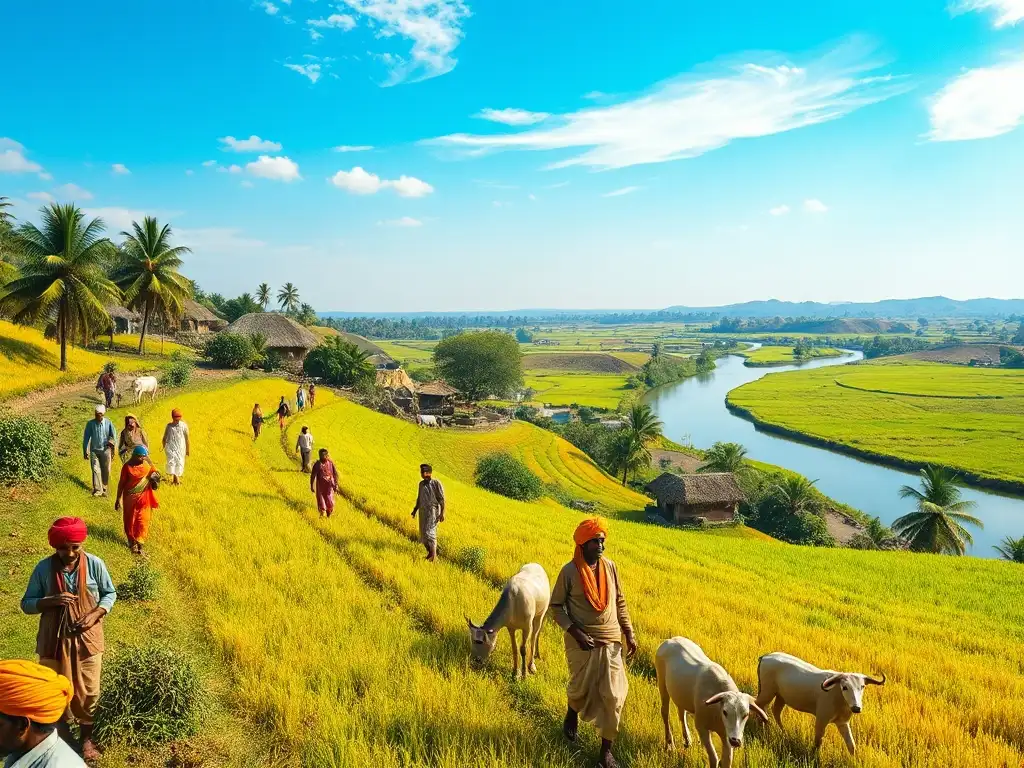
Crop Cultivation Techniques
The agricultural practices of ancient Western Indian societies were characterized by a combination of traditional techniques and regional adaptations that allowed them to thrive in diverse environmental conditions.
Irrigation Methods Used in Ancient India
Irrigation was a cornerstone of agricultural success in ancient Western India. Societies developed sophisticated irrigation systems to manage water resources effectively, especially in arid regions. Key methods included:
- Canal Systems: Many villages utilized canals to divert water from rivers and streams. These canals were often lined with clay to minimize water loss.
- Stepwells: These structures not only provided drinking water but also served to irrigate nearby fields. They were essential for maintaining water supply during dry seasons.
- Rainwater Harvesting: Techniques such as constructing ponds and tanks to collect rainwater were common. This method allowed communities to utilize seasonal rains effectively, ensuring a more reliable water source for crops.
These irrigation practices significantly enhanced crop yields and allowed for the cultivation of various crops, including millet, wheat, and pulses.
Seasonal Planting and Harvesting Practices
The agricultural calendar of ancient Western India was intricately tied to seasonal changes, with careful planning dictating the timing of planting and harvesting. Key practices included:
- Monsoon Crop Cultivation: Farmers aligned their planting schedules with the monsoon season, which provided the necessary rainfall for crops. Sowing typically began in June, with crops like rice and jowar being planted.
- Rabi Crop Harvesting: The post-monsoon winter season was reserved for harvesting rabi crops, such as wheat and barley. This season, from November to March, allowed farmers to utilize the residual moisture in the soil.
- Crop Rotation: To maintain soil fertility and prevent pest infestations, farmers practiced crop rotation. This technique involved alternating between different types of crops each season, ensuring a balanced nutrient profile in the soil.
Such systematic planting and harvesting practices not only improved agricultural productivity but also contributed to food security in the region.
Livestock Management and Its Role in Agriculture
Livestock played a vital role in supporting agricultural practices in ancient Western India. The integration of animal husbandry with crop cultivation provided several benefits:
- Draft Animals: Oxen were commonly used for plowing fields. Their strength significantly reduced the labor required for tilling the soil, allowing farmers to cultivate larger areas.
- Manure as Fertilizer: Livestock waste was a crucial source of organic fertilizer. Farmers would collect manure and use it to enrich the soil, enhancing crop growth and sustainability.
- Dairy Production: Cattle were not only valuable for plowing but also for milk production. Dairy farming supplemented the diets of farming families and provided additional income through the sale of milk and milk products.
The harmonious relationship between livestock and agriculture fostered a sustainable agricultural economy, enabling ancient Western Indian societies to flourish and develop rich cultural traditions centered around farming and animal husbandry.
Use of Fertilizers and Soil Enrichment Techniques
The ancient agricultural practices of Western Indian societies were marked by a profound understanding of soil health and fertility. Farmers in this region employed various natural fertilizers and soil enrichment techniques that significantly enhanced crop yields and sustained agricultural productivity over generations.
One of the most common practices involved the use of organic materials as fertilizers. Farmers utilized cow dung, which was abundant in rural areas, not only as a fertilizer but also as a means to improve soil structure. The nutrient-rich dung provided essential nitrogen, phosphorus, and potassium, which are crucial for plant growth. Additionally, the incorporation of cow dung into the soil helped enhance its moisture-retaining capacity, making it particularly beneficial in the arid climate of Western India.
Another significant method was the use of green manures. Farmers cultivated specific crops, such as legumes, that would be plowed back into the soil after a certain period. These crops, rich in nitrogen, not only improved soil fertility but also contributed to the overall health of the ecosystem. The practice of intercropping, where different crops were grown together, further optimized soil nutrients and reduced pest infestations.
Moreover, traditional knowledge of crop rotation played a vital role in maintaining soil health. By alternating different types of crops in a systematic manner, farmers minimized soil depletion and controlled pests and diseases. This practice allowed the soil to recover and replenished its nutrient levels naturally.
In addition to organic fertilizers, ancient Western Indian societies also recognized the importance of mineral-based fertilizers. Salts derived from nearby coastal areas were sometimes utilized to enhance soil fertility. While less common, these mineral inputs were strategically applied to specific crops that thrived under such conditions.
Overall, the use of fertilizers and soil enrichment techniques in ancient Western Indian agricultural practices demonstrates a sophisticated understanding of ecology and sustainable farming. These methods not only contributed to the food security of ancient societies but also laid the groundwork for future agricultural innovations in the region. The legacy of these practices can still be observed in contemporary sustainable agriculture movements, which draw inspiration from traditional methods.
Major Crops Cultivated in Ancient Western India
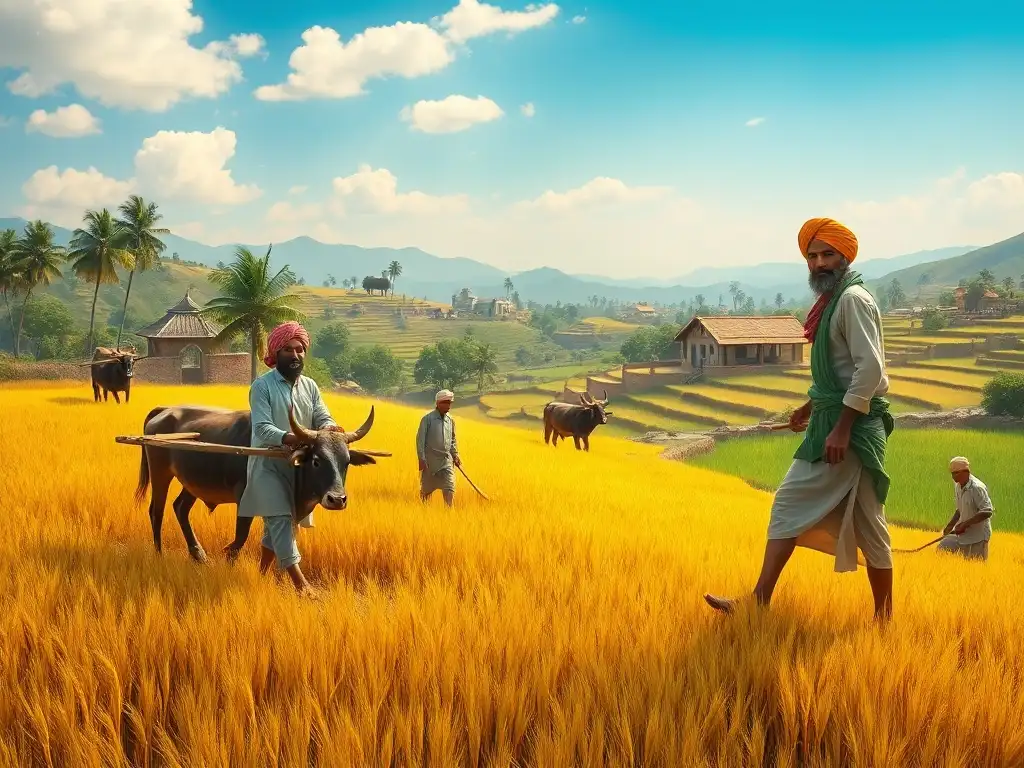
Cereals and Grains: Wheat, Barley, and Rice
In ancient Western India, agriculture thrived with the cultivation of various cereals and grains, which formed the backbone of the region's diet and economy. Wheat, barley, and rice were among the primary staples that not only sustained local populations but also facilitated trade with neighboring regions.
- Wheat: Known for its adaptability, wheat was cultivated primarily in the arid and semi-arid zones of Western India. Archaeological findings suggest that varieties of wheat were grown as early as 4000 BCE. The Indus Valley Civilization played a significant role in the domestication and spread of wheat, showcasing its importance in ancient Indian agricultural practices.
- Barley: Similar to wheat, barley was another crucial crop, particularly in regions with harsher climatic conditions. Barley was valued not only for its nutritional content but also for its use in brewing and animal fodder. Its resilience made it a staple for communities living in the Deccan Plateau and surrounding areas.
- Rice: While not as predominant in the western arid regions, rice cultivation was significant in the southern parts of Western India. The introduction of wet-rice cultivation techniques allowed for the successful growth of rice in regions with adequate water supply, highlighting the diverse agricultural practices in ancient Western India.
Pulses and Legumes: Their Role in Diet and Soil Fertility
Pulses and legumes played a vital role in the agricultural practices of ancient Western Indian societies, contributing to both dietary diversity and soil health. Key legumes included lentils, peas, and chickpeas, which were staples in the diets of the local populations.
- Dietary Contributions: Pulses provided essential proteins that complemented the carbohydrate-rich diets based on cereals. This balance was crucial for sustaining health in ancient communities. For example, the combination of rice or wheat with lentils created a wholesome meal, ensuring that nutritional needs were met.
- Soil Fertility: Beyond their dietary importance, legumes are known for their ability to fix nitrogen in the soil, enhancing its fertility. Ancient farmers understood the benefits of crop rotation and intercropping, often planting pulses alongside cereals. This practice not only improved soil quality but also yielded better harvests, showcasing the sophistication of ancient Indian agricultural practices.
Fruits and Vegetables: Diversity in Ancient Agriculture
Ancient Western Indian agriculture was characterized by a rich variety of fruits and vegetables, reflecting the region's diverse climate and cultural preferences. The cultivation of these crops enriched diets and contributed to local economies through trade.
- Fruits: Commonly grown fruits included mangoes, bananas, and citrus fruits. Mangoes, in particular, were highly prized and have a long-standing significance in Indian culture. Evidence suggests that these fruits were cultivated in gardens and orchards, often linked to religious and social practices.
- Vegetables: A wide array of vegetables, such as brinjals (eggplants), pumpkins, and radishes, were cultivated. These vegetables not only provided essential nutrients but also added variety to the diet. The presence of diverse vegetable crops indicates advanced agricultural techniques and a deep understanding of crop cultivation among ancient farmers.
- Trade and Cultural Exchange: The cultivation of fruits and vegetables facilitated trade routes with neighboring regions. The movement of these crops not only enriched local diets but also fostered cultural exchanges, as different communities shared agricultural knowledge and techniques.
The agricultural practices of ancient Western Indian societies were marked by the cultivation of cereals, pulses, fruits, and vegetables, showcasing a rich tapestry of farming techniques that contributed to their sustenance and cultural development.
Trade and Agricultural Economy
Agricultural Surplus and Trade Networks
The agricultural practices of ancient Western Indian societies were fundamentally intertwined with trade networks, facilitating economic growth and cultural exchange. The region, characterized by its fertile plains and favorable climate, produced a variety of crops that contributed to agricultural surplus. This surplus was pivotal not only for sustenance but also for trade, which connected these societies with neighboring regions and civilizations.
- Key Crops: Ancient Western India was known for cultivating several staple crops, including:
- Wheat: A primary crop that thrived in the alluvial plains, essential for both local consumption and trade.
- Barley: Another staple that played a significant role in the diet of the inhabitants and was often used in brewing.
- Millets: Varieties like bajra and jowar were cultivated, valued for their resilience to arid conditions.
- Trade Routes: The agricultural surplus enabled the establishment of extensive trade networks. Key trade routes included:
- The Silk Road: Facilitated trade with regions beyond Western India, allowing the exchange of not just agricultural goods but also textiles and spices.
- Maritime Routes: Ports such as Lothal connected Western India with the Arabian Sea, enabling trade with Mesopotamia and beyond.
- Exchange of Goods: The surplus generated by agriculture was exchanged for various goods, including:
- Metals: Copper and bronze, which were crucial for tools and weapons.
- Textiles: The production of cotton and silk textiles became a significant part of trade.
The interaction through these trade networks not only bolstered the economy but also fostered cultural exchanges that enriched the societies of ancient Western India.
Role of Agriculture in the Economy of Ancient Western Indian Societies
Agriculture was the backbone of the economy in ancient Western Indian societies, influencing various facets of life, from social structure to technological advancements. The significance of agriculture can be understood through several key aspects:
- Foundation of Society: The agrarian lifestyle shaped social hierarchies and communities. Settlements often grew around agricultural lands, leading to the development of villages and towns. The reliance on agriculture fostered a sense of community and cooperation among villagers, as collective efforts were necessary for farming activities.
- Technological Innovations: Ancient Indian agricultural practices saw remarkable innovations, including:
- Irrigation Systems: The development of sophisticated irrigation practices, such as canals and wells, enhanced agricultural productivity, particularly in arid regions.
- Ploughing Techniques: The use of wooden ploughs, which improved soil cultivation and crop yields.
- Economic Stability and Growth: A stable agricultural base allowed for economic growth, enabling surplus production that could be stored or traded. This stability:
- Encouraged population growth, as food availability supported larger communities.
- Led to the specialization of labor, as not everyone needed to engage in farming; artisans and traders emerged, contributing to economic diversification.
- Cultural Influence: Agricultural practices also influenced cultural aspects, including festivals, rituals, and traditions centered around planting and harvest seasons. For instance:
- Harvest Festivals: Such as Makar Sankranti, celebrated to mark the end of winter and the start of the harvest season, reflecting the deep connection between agriculture and cultural identity.
Agriculture was not merely a means of sustenance for ancient Western Indian societies; it was a driving force that shaped their economic structures, technological advancements, and cultural practices, leaving a lasting legacy on the region's history.
Cultural Significance of Agriculture in Ancient Indian Society
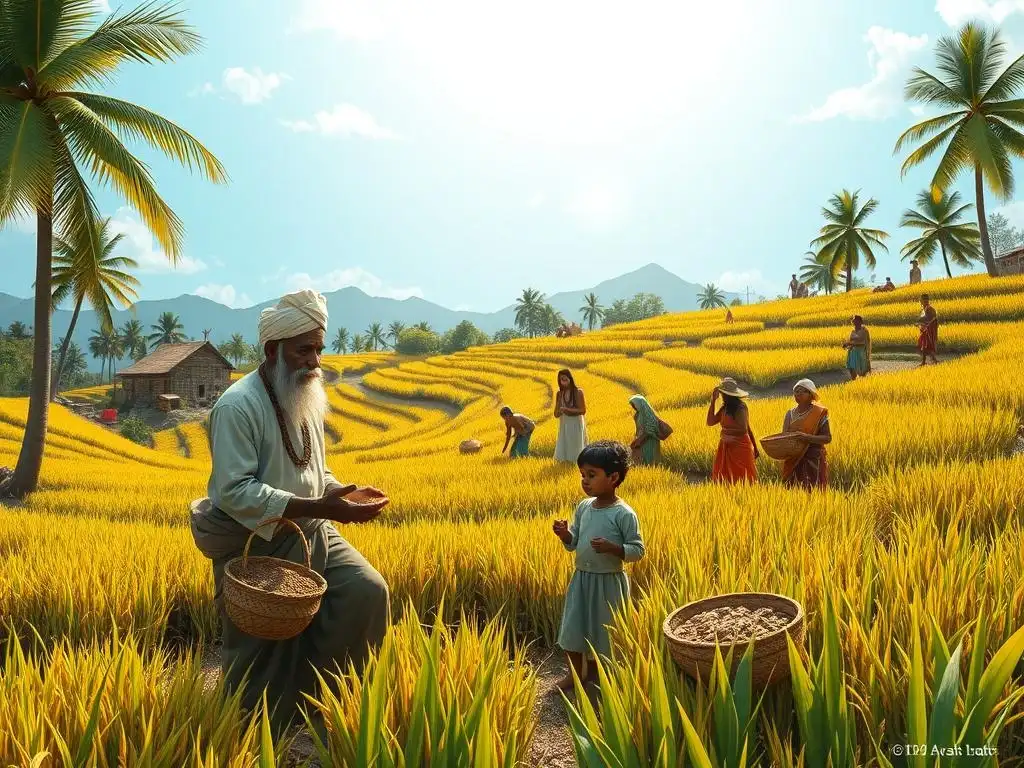
Agriculture played a pivotal role in the development of ancient Indian societies, particularly in Western India, where the fertile plains and favorable climate fostered robust agricultural practices. The agrarian lifestyle not only dictated the economic framework but also shaped social structures, cultural norms, and spiritual beliefs. The interdependence between agriculture and various aspects of life is evident through festivals, rituals, and artistic expressions that celebrate the agrarian cycle.
Agricultural Festivals and Rituals
Agricultural festivals were integral to ancient Indian culture, serving as both communal gatherings and spiritual observances. These festivals marked significant events in the agricultural calendar, such as planting, harvesting, and the changing of seasons.
- Pausha Mela: Celebrated during the winter months, this festival honored the harvest and included rituals to invoke blessings for prosperity. Farmers would offer the first fruits of their labor to deities, reflecting their gratitude and seeking further abundance.
- Makar Sankranti: This festival, occurring in January, marked the end of winter and the start of the harvest season. It was characterized by various rituals, including the preparation of traditional foods, flying kites, and communal feasts. The emphasis on community bonding during this period highlighted the social significance of agriculture.
- Gudi Padwa: Primarily celebrated in Maharashtra, this festival marks the start of the new year and is associated with the harvest of Rabi crops. Rituals include the raising of a 'Gudi' (a decorated pole) outside homes, symbolizing prosperity and good fortune.
- Rathasaptami: This festival celebrated the sun god and marked the beginning of the agricultural season. Farmers performed rituals to seek blessings for a bountiful crop, showcasing the intertwining of spirituality and agriculture in their lives.
These festivals were not only occasions for worship but also served to strengthen community ties, ensuring that agricultural practices were recognized and respected as vital to the survival and prosperity of society.
Agriculture in Art and Literature of Ancient India
The influence of agriculture permeated various forms of art and literature in ancient India, reflecting its importance in daily life and culture.
- Sculpture and Pottery: Artifacts from ancient sites, such as those from the Indus Valley Civilization, often depict agricultural scenes, including plowing and harvesting. Sculptures and pottery frequently featured motifs of crops, showcasing the reverence for the agricultural cycle.
- Literary Works: Ancient texts, such as the Rigveda and Mahabharata, contain numerous references to agricultural practices. These texts not only describe the techniques and tools used but also explore the philosophical and ethical implications of farming, emphasizing the harmony between humans and nature.
- Folk Songs and Oral Traditions: Agricultural themes are prevalent in folk songs, which celebrate the joys and struggles of farming life. These songs often recount the seasonal rhythms of agriculture, highlighting communal efforts in planting and harvesting, thus preserving the cultural identity of farming communities.
- Miniature Paintings: During the medieval period, miniature paintings often illustrated agricultural scenes, depicting vibrant landscapes filled with fields and farmers at work. These artworks served both as historical documentation and as a celebration of the agrarian lifestyle.
Through these artistic and literary expressions, the significance of agriculture in ancient Indian societies is vividly portrayed, underscoring its role as a fundamental aspect of cultural identity and communal life.
The cultural significance of agriculture in ancient Western Indian societies is reflected in the rich tapestry of festivals, rituals, and artistic expressions, emphasizing its crucial role in shaping social and spiritual life. Understanding these elements provides valuable insights into the ancient Indian agricultural practices that laid the foundation for future civilizations.
Challenges Faced by Ancient Farmers in Western India
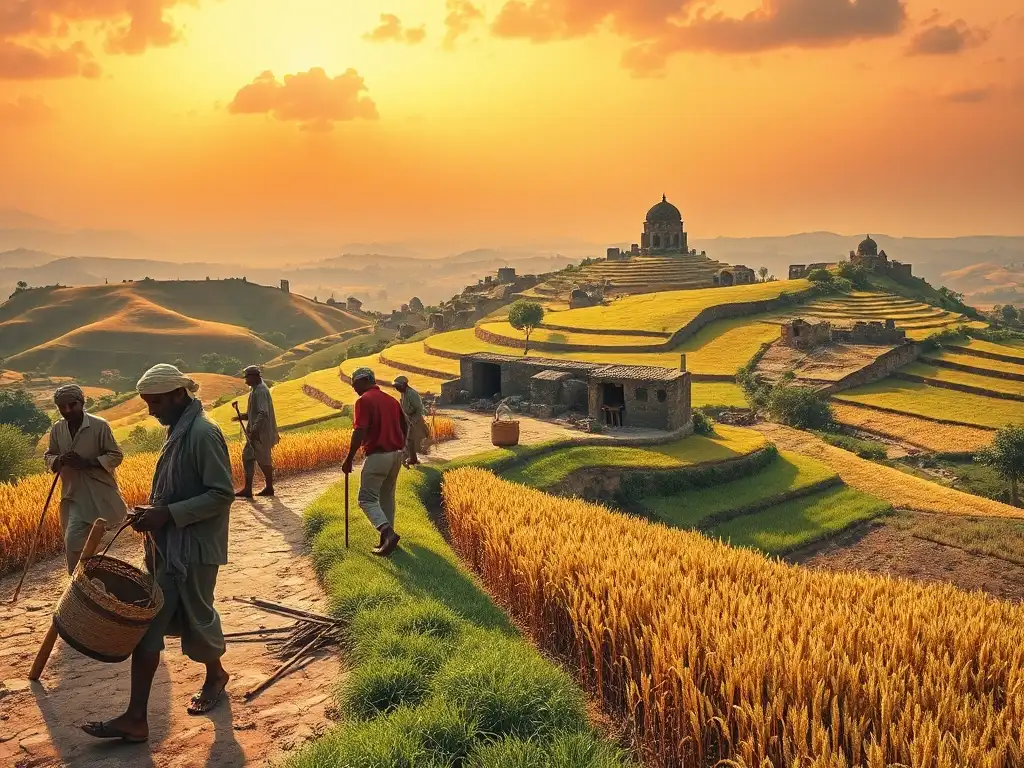
The agricultural practices of ancient Indian societies, particularly in Western India, were shaped by a variety of challenges that farmers had to navigate to sustain their livelihoods. Understanding these challenges is crucial for comprehending the agricultural landscape of the region and its evolution over time.
Environmental Factors Affecting Agriculture
Environmental conditions played a significant role in determining the success of agricultural practices in ancient Western India. Several key factors contributed to the challenges faced by farmers:
- Climatic Variability: The region experienced pronounced seasonal variations that influenced agricultural cycles. The monsoon season was critical, as it provided the primary source of water for crops. However, fluctuations in monsoon intensity could lead to either droughts or floods, adversely affecting crop yields.
- Soil Quality: Soil fertility varied across regions, with some areas possessing rich alluvial soils while others had less fertile, rocky terrains. Farmers had to adapt their practices based on soil types, often implementing crop rotation and mixed cropping to enhance soil health and productivity.
- Water Scarcity: Many parts of Western India faced challenges related to water availability. With limited rivers and unpredictable rainfall, ancient farmers developed sophisticated irrigation techniques, such as step-wells and surface irrigation systems, to manage water resources effectively. These innovations were essential for sustaining agriculture during dry spells.
- Pests and Diseases: Crop health was also threatened by pests and diseases, which could devastate harvests if not managed properly. Ancient farmers employed various methods, such as natural pest deterrents and crop diversity, to mitigate these risks and protect their yields.
Socio-Political Challenges and Their Impact on Farming Practices
The socio-political landscape of ancient Western India also significantly influenced agricultural practices. Several factors are noteworthy:
- Land Ownership Issues: The system of land ownership could affect farmers' motivation and ability to cultivate effectively. In some instances, large landholders controlled substantial portions of arable land, leading to tensions and inequalities among smaller farmers. This disparity often dictated the types of crops grown and the methods employed.
- Taxation and Feudal Obligations: Farmers often faced heavy taxation imposed by local rulers, which could limit their resources for investing in better farming techniques or technologies. The burden of taxation sometimes resulted in a focus on subsistence farming rather than surplus production, thereby stunting agricultural innovation.
- Social Hierarchies: The caste system influenced agricultural practices as well. Certain castes were traditionally assigned to specific agricultural roles, which could restrict mobility and the sharing of agricultural knowledge across communities. This division led to a lack of unified agricultural innovation and development within the region.
- Political Stability: Periods of political instability or conflict could disrupt farming activities, leading to abandonment of fields or reduced agricultural investment. Conversely, stable regimes often promoted agricultural advancements through support for irrigation projects and agricultural research.
The ancient Indian agricultural practices in Western India were shaped by a complex interplay of environmental and socio-political factors. Understanding these challenges provides insight into how ancient societies adapted their practices to ensure sustainability and productivity in farming.
Conclusion: Legacy of Ancient Indian Agricultural Practices

The agricultural practices of ancient Western Indian societies have left an indelible mark on both historical and contemporary methods of farming in the region. By examining these practices, we gain insight into how ancient Indian agricultural practices were not only innovative but also sustainable, fostering a deep connection between the land and its people. This legacy is evident in various aspects of modern agriculture, where techniques and crops cultivated centuries ago continue to thrive.
Influence on Modern Agricultural Techniques in India
Ancient Indian agricultural practices laid the groundwork for several modern techniques that are still prevalent today. For instance:
- Crop Rotation: Ancient farmers understood the importance of rotating crops to maintain soil fertility. This technique is now a fundamental practice in sustainable agriculture, helping to prevent soil depletion and combat pests naturally.
- Irrigation Systems: The sophisticated irrigation techniques developed by ancient societies, particularly in regions like the Indus Valley, have influenced modern irrigation methods. The use of canals and water management systems established back then is mirrored in contemporary practices aimed at optimizing water use.
- Organic Farming: The reliance on natural fertilizers such as cow dung and compost in ancient times has paved the way for organic farming, which has gained significant traction in recent years due to the health and environmental benefits associated with it.
- Diverse Cropping: Ancient farmers cultivated a variety of crops, such as millets, pulses, and legumes, which enhanced biodiversity and resilience. This practice is mirrored today in mixed cropping systems that are encouraged to enhance food security.
Overall, the principles established by ancient Indian agricultural practices continue to resonate in modern farming, highlighting a historical continuity that emphasizes sustainability and ecological balance.
Preservation of Ancient Agricultural Knowledge and Practices
The preservation of ancient agricultural knowledge is crucial for understanding and enhancing modern practices. Various methods have been employed to ensure that these traditional practices are not lost to time:
- Cultural Transmission: The passing down of agricultural knowledge through generations, often orally, has helped maintain these practices. Festivals and rituals associated with agriculture serve as vital conduits for this knowledge, ensuring it remains alive in local cultures.
- Community Initiatives: In recent years, there has been a resurgence of interest in traditional farming techniques within various communities. Organizations and local groups are documenting and promoting ancient practices, often integrating them with modern methods to create sustainable farming models.
- Research and Documentation: Scholars and agricultural historians are actively researching ancient texts and archaeological findings to uncover and document ancient agricultural techniques. This academic interest plays a vital role in preserving this heritage for future generations.
- Ecological Agriculture Movements: Movements advocating for ecological agriculture in India often draw inspiration from ancient practices. By promoting methods that align closely with those used by our ancestors, these movements are helping to revitalize interest in sustainable farming.
The agricultural practices of ancient Western Indian societies not only shaped their civilizations but continue to influence contemporary farming methods. The legacy of these practices is preserved through cultural transmission, community initiatives, and ongoing research, ensuring that the wisdom of the past informs the agricultural strategies of the future.
References and Further Reading
Suggested Books and Articles on Ancient Indian Agricultural Practices
To gain a deeper understanding of ancient Indian agricultural practices, particularly in the context of Western India, several scholarly works and resources are invaluable. Here are some recommended readings:
-
"Agricultural History of India" by R.S. Sharma
This comprehensive book explores the evolution of agricultural practices across India, with specific chapters dedicated to regional analysis, including Western India. Sharma details how geography, climate, and culture influenced farming methods.
-
"The Indus Civilization: A Contemporary Perspective" by Gregory L. Possehl
Possehl's work focuses on the agricultural advancements of the Indus Valley Civilization and their implications on later societies in Western India. It includes discussions on irrigation systems and crop cultivation.
-
"Ancient Indian Agriculture: Theories and Methods" by R. N. Mehta
This text delves into various agricultural theories and methodologies practiced throughout ancient India, providing insights into the techniques that were prevalent in Western regions.
-
Journal Articles
- "Agriculture in Ancient India: An Overview": - This article reviews the different agricultural practices, tools, and techniques utilized in ancient Indian societies, with a focus on Western India.
- "The Role of Agriculture in the Development of Ancient Indian Civilizations" - A detailed analysis of how agricultural practices shaped social structures and economies in ancient Western India.
By engaging with these resources, readers can explore the intricate tapestry of ancient Indian agricultural practices, enhancing their understanding of how these methods contributed to the prosperity of early civilizations.
Archaeological excavations in Western India have unveiled significant insights into the agricultural practices of ancient societies. Key findings include:
- Indus Valley Sites: Excavations at sites like Harappa and Mohenjo-Daro reveal sophisticated agricultural systems, including:
- Irrigation Techniques: Evidence of canals and water management systems indicates advanced irrigation practices, which allowed for effective farming in arid regions.
- Crop Cultivation: Archaeobotanical studies have uncovered remains of wheat, barley, and pulses, showcasing a diverse agricultural portfolio.
- Evidence from the Chalcolithic Period: Sites such as Ahar-Banas and Kayatha have provided artifacts including:
- Ploughshares and Agricultural Tools: These tools, made from bronze and iron, signify the technological advancements in farming practices.
- Storage Facilities: Granaries found at these sites illustrate the importance of crop storage and management, indicating a surplus production system.
- Historical Texts and Inscriptions: Inscriptions from ancient texts, such as the Arthashastra, provide references to agricultural policies and land management practices that were in place during the Mauryan and Gupta periods.
These archaeological findings underscore the significance of agriculture in sustaining ancient Western Indian societies, highlighting their innovations and adaptations to the environment. As a result, ancient Indian agricultural practices not only shaped local economies but also played a pivotal role in the broader historical narrative of the region.
Frequently Asked Questions
What were the primary agricultural practices in ancient Western India?
Ancient Western Indian societies utilized irrigation techniques and crop rotation to enhance productivity. They cultivated grains like wheat and barley, which were staples in their diet.
How did the geography of Western India influence its agriculture?
The geography of Western India, with its varied climates and fertile plains, facilitated the development of diverse crops. Regions like the Gujarat coast benefited from monsoon rains, supporting both rain-fed and irrigated agriculture.
What role did crops play in the economy of ancient Indian societies?
Crops were central to the economy, providing sustenance and serving as trade commodities. Successful harvests contributed to the wealth of communities and supported trade networks with neighboring regions.
How did technology affect ancient Indian agricultural practices?
Technological advancements, such as the use of the plow and water management systems, greatly improved agricultural efficiency. These innovations allowed for larger-scale farming, resulting in surplus production.
Were there any significant cultural practices associated with agriculture in ancient India?
Yes, agricultural activities were often intertwined with rituals and festivals. Communities celebrated harvests with various ceremonies, reflecting the importance of agriculture in their cultural identity and social structure.
Final Reflection: The Enduring Legacy of Ancient Indian Agricultural Practices
The agricultural practices of ancient Western Indian societies are not merely relics of the past; they are foundational elements that continue to shape modern agricultural methods and sustainability efforts today. As we navigate the complexities of contemporary agriculture, the wisdom embedded in these ancient practices serves as a guiding light, reminding us of the intricate relationship between culture, environment, and food production. The lessons learned from these societies are more relevant than ever in our quest for sustainable solutions to global food security.
The influence of ancient Indian agricultural practices extends far beyond their historical context; they are a testament to human ingenuity and adaptability in the face of environmental challenges. These practices have inspired modern techniques that prioritize biodiversity, soil health, and community involvement. As we reflect on this legacy, we can appreciate the words of Mahatma Gandhi: The earth provides enough to satisfy every man's needs, but not every man's greed.
This quote resonates deeply as it underscores the importance of sustainable practices that honor both our heritage and the planet we inhabit.
As we conclude our exploration of ancient Indian agricultural practices, I invite you to reflect on how these time-honored techniques can inform your own relationship with food and the environment. Consider how you can incorporate sustainable practices into your daily life, whether through supporting local farmers, practicing mindful consumption, or advocating for policies that honor our agricultural heritage. By embracing these lessons, we not only pay homage to the wisdom of our ancestors but also contribute to a more sustainable future for generations to come.
Unveil the Secrets of Ancient Agriculture!
Thank you for exploring the fascinating practices of ancient Western Indian societies! By examining their agricultural techniques, you’ve gained valuable insights into how these communities thrived and adapted to their environment. Now, let's take this knowledge a step further and apply it to our modern context.
Here’s how you can continue your journey of discovery and engagement:
- Explore local farming techniques: Visit a nearby farm or community garden to observe how traditional practices influence contemporary agriculture.
- Share this article with friends and family to spark discussions on how ancient wisdom can inform our approach to sustainability today.
- Join an online forum dedicated to historical agriculture or sustainable farming practices, and connect with others who share your interest.
What aspect of ancient agricultural techniques do you believe could be most beneficial for today's farming practices?