
The Economic Foundations of Ancient Northern India: Trade, Agriculture, and Craftsmanship

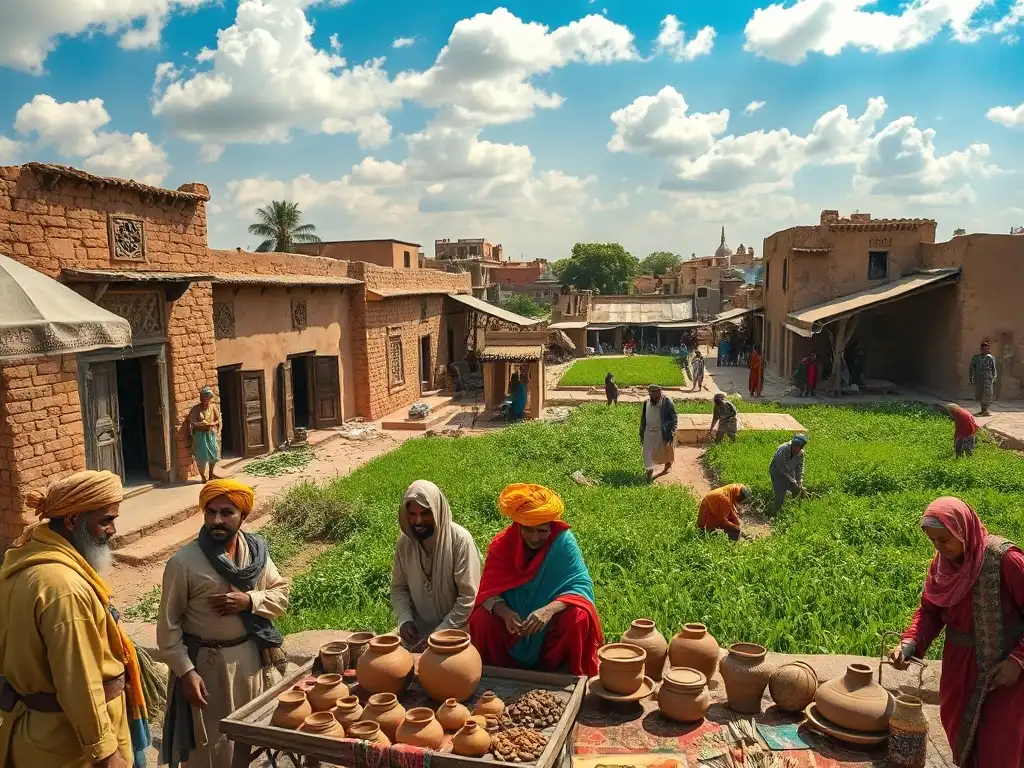
Welcome to Ancient India History, your gateway to the rich tapestry of ancient Indian civilizations. Here, we dive deep into the economic foundations of Ancient Northern India, exploring how trade, agriculture, and craftsmanship shaped the lives of its people. What secrets lie within the bustling markets of the Indus Valley or the flourishing trade routes of the Gupta Empire? Join us as we uncover the intricate web of commerce and creativity that underpinned this remarkable era, inviting you to journey through time and discover the legacies that continue to influence us today.
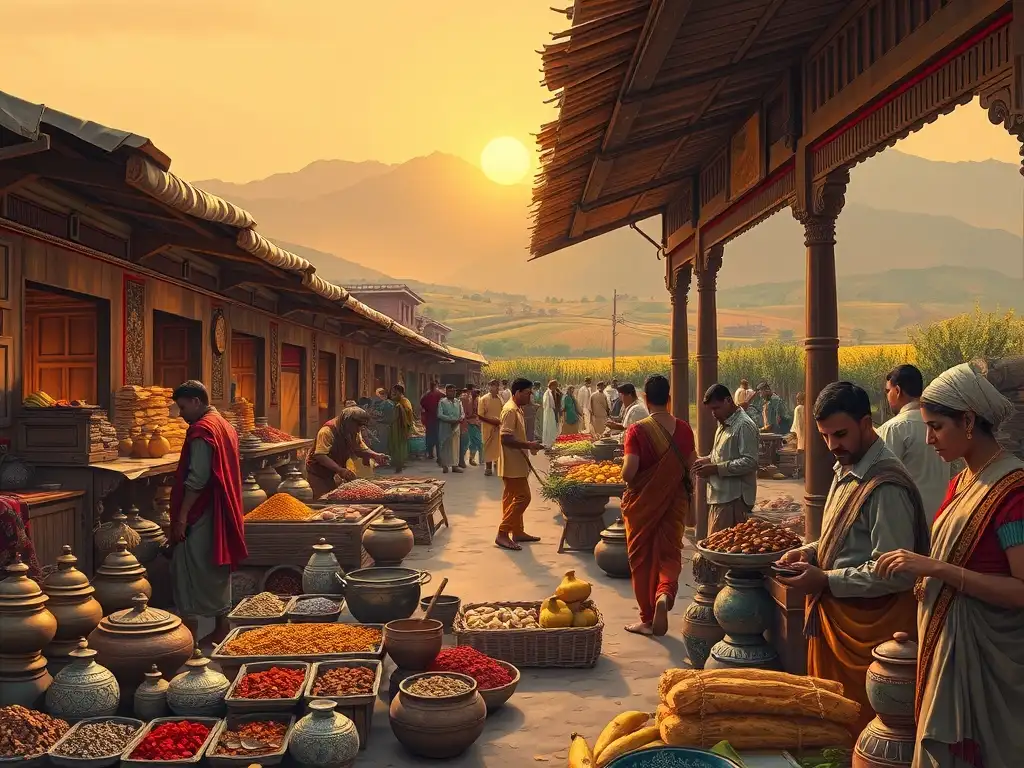
Introduction to Ancient Northern India Economy
The economy of ancient Northern India laid the groundwork for one of the most sophisticated and influential civilizations in history. Spanning from the early settlements of the Indus Valley to the flourishing Gupta Empire, this region showcased a complex interplay of trade, agriculture, and craftsmanship.
Understanding the ancient Northern India economy is crucial as it reveals how these elements contributed not only to the prosperity of the region but also to its cultural and social dynamics. This article delves into the various economic practices that defined ancient Northern India, offering insights into how trade routes, agricultural practices, and artisanal craftsmanship shaped the daily lives and interactions of its people.
Overview of Economic Systems in Ancient Northern India
The economic systems in ancient Northern India were notably diverse and dynamic. They revolved around a combination of subsistence agriculture, extensive trade networks, and skilled craftsmanship. The region's fertile plains, particularly in the Ganges Valley, supported a variety of crops, enabling surplus production that fueled trade and urban growth. Key features of this economic landscape included:
- Agricultural Practices: Crop cultivation, including staples like rice, wheat, and pulses, was central to sustenance and trade.
- Craftsmanship: Skilled artisans produced goods ranging from textiles to metalwork, which were highly sought after in both local and international markets.
- Trade Networks: An intricate web of trade routes connected Northern India to distant lands, facilitating the exchange of goods and ideas.
This diverse economic framework not only supported the livelihoods of its inhabitants but also contributed to the cultural richness of ancient Northern India.
Importance of Trade, Agriculture, and Craftsmanship in Economic Development
Trade, agriculture, and craftsmanship were pivotal in driving economic development in ancient Northern India. Each of these components played a unique role:
- Agriculture provided the foundation for food security and population growth, allowing urban centers to thrive.
- Trade expanded the reach of local economies, introducing new products and fostering cultural exchanges that enriched society.
- Craftsmanship not only met local needs but also created goods that were traded beyond borders, enhancing the region's status in global commerce.
The synergy among these elements created a robust economy that was capable of supporting complex societal structures and cultural advancements.
Trade in Ancient Northern India
Major Trade Routes and Their Significance
Ancient Northern India was crisscrossed by important trade routes that facilitated commerce and cultural exchange. Among the most notable were:
- The Grand Trunk Road: This historic route connected the eastern and western regions, acting as a vital artery for the movement of goods.
- River Routes: Rivers like the Ganges and Indus served as natural highways for transporting goods, enhancing trade efficiency.
These routes not only facilitated economic transactions but also promoted interactions between diverse cultures, leading to a rich tapestry of influences across the region.
Trade Goods: What Was Exchanged?
The trade of ancient Northern India encompassed a variety of goods, reflecting the region's agricultural bounty and artisanal skills. Key trade goods included:
- Agricultural Products: Grains, spices, and fruits were commonly traded.
- Crafted Goods: Textiles, pottery, and jewelry showcased the region's craftsmanship.
- Luxury Items: Precious stones and metals were exchanged with far-off lands, further enhancing the region's wealth.
This vibrant exchange of goods not only bolstered local economies but also positioned ancient Northern India as a significant player in the broader context of ancient trade.
Impact of Trade on Cultural Exchange and Economic Growth
The trade networks of ancient Northern India had profound implications for cultural exchange and economic growth. As merchants and travelers traversed these routes, they brought with them new ideas, technologies, and cultural practices. This interaction led to:
- Cultural Syncretism: The blending of different cultural practices enriched the social fabric of the region.
- Economic Flourishing: Increased trade stimulated local economies, leading to urbanization and the rise of powerful states.
In essence, the trade in ancient Northern India not only fueled economic growth but also fostered a vibrant cultural milieu that would leave a lasting legacy.
Agriculture in Ancient Northern India
Agriculture formed the backbone of the economy in ancient Northern India, providing sustenance for the population and serving as a catalyst for trade and urban development. The fertile plains of the Indus River and the Ganges facilitated the growth of various crops, making this region a significant agricultural hub. The integration of agricultural practices with trade systems led to the flourishing of cities and communities, establishing Northern India as a vital part of the ancient world economy.
Agricultural Practices and Techniques
Agricultural techniques in ancient Northern India were advanced for their time, incorporating methods that enhanced productivity and sustainability. Farmers employed techniques such as:
- Irrigation Systems: The construction of canals and ditches allowed for effective water management, especially important during dry spells. This irrigation facilitated the cultivation of crops in diverse climatic conditions.
- Crop Rotation: Farmers practiced crop rotation to maintain soil fertility, alternating between different crops to prevent nutrient depletion.
- Ploughing Tools: The use of wooden ploughs, often pulled by oxen, improved soil aeration and preparation, making the land more suitable for planting.
These practices not only enhanced agricultural yields but also contributed to the economic stability of the region, allowing for surplus production that could be traded.
Major Crops and Their Economic Importance
The agricultural landscape of ancient Northern India was rich in diversity, with several key crops being cultivated:
- Rice: Primarily grown in the fertile plains, rice was a staple food that also became a significant trade commodity.
- Wheat: This crop was essential for sustenance, particularly in the northwestern regions, and served as a basis for various food products.
- Barley: Valued for its hardiness, barley was used both as food and fodder for livestock.
- Millets and Pulses: These were crucial for nutrition and soil health, providing essential proteins and maintaining biodiversity.
The economic importance of these crops extended beyond mere sustenance; they were integral to trade networks, with surplus production enabling communities to engage in commerce with neighboring regions.
Role of Agriculture in Sustaining Urban Centers
Agriculture was pivotal in sustaining urban centers in ancient Northern India, particularly during the rise of cities like Harappa and Mohenjo-Daro. The surplus generated from agricultural activities supported:
- Population Growth: Increased food production allowed cities to grow, attracting people from rural areas in search of better opportunities.
- Trade Networks: Surplus crops provided the basis for trade, as merchants could exchange agricultural products for goods from other regions, fostering economic interdependence.
- Cultural Development: With a stable food supply, urban centers became cultural hubs where arts, crafts, and sciences flourished, supported by the economic foundation laid by agriculture.
Craftsmanship in Ancient Northern India
Craftsmanship played a crucial role in the economy of ancient Northern India, with skilled artisans contributing to local industries and trade. The region was known for its diverse craft production, which included textiles, pottery, metalwork, and jewelry. This craftsmanship not only reflected the cultural richness of the region but also significantly influenced its economic landscape.
Overview of Key Craft Industries
Several key craft industries thrived in ancient Northern India, each contributing to the local economy:
- Textile Production: Known for its fine cotton and silk fabrics, the textile industry was a major economic driver, with products traded far beyond the region.
- Pottery and Terracotta: Artisans produced a variety of pottery items, from everyday utensils to decorative pieces, which were integral to both domestic use and trade.
- Metalwork: The crafting of tools, weapons, and ornaments from metals such as bronze and iron showcased the advanced metallurgical skills of the region.
- Jewelry Making: Skilled jewelers created intricate designs using gold and precious stones, catering to both local and royal patrons.
These craft industries not only provided employment but also fostered innovation and artistic expression within the communities.
Impact of Craftsmanship on Local Economies
The impact of craftsmanship on local economies in ancient Northern India was profound. Craft production generated income and employment, supporting a wide network of artisans, suppliers, and traders. The economic effects included:
- Trade Expansion: Artisans produced goods that were highly sought after in both domestic and international markets, leading to expanded trade routes and exchanges.
- Community Prosperity: As craftsmanship flourished, communities benefitted from increased wealth, leading to improved infrastructure and living standards.
- Cultural Exchange: The exchange of crafted goods facilitated cultural interactions, allowing for the sharing of ideas and techniques across regions.
The interdependence between craftsmanship and local economies created a vibrant economic ecosystem that supported the growth and sustainability of ancient Northern Indian societies.
Interconnections Between Trade, Agriculture, and Craftsmanship
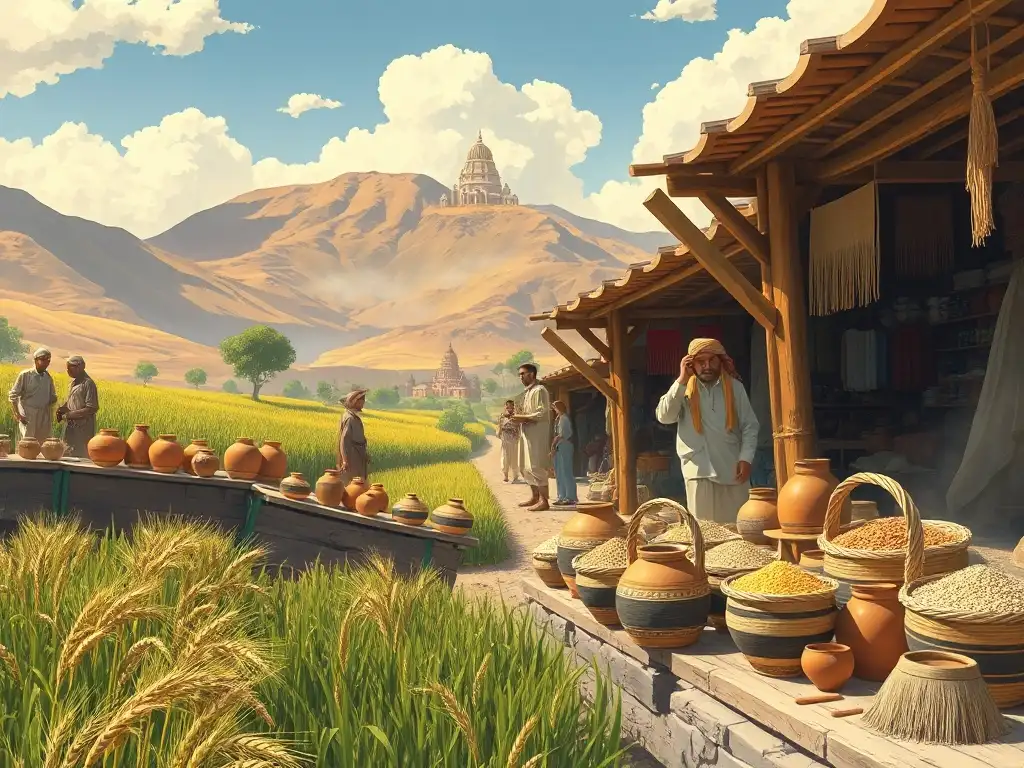
The economy of ancient Northern India was characterized by a complex interplay between trade, agriculture, and craftsmanship. These elements were deeply intertwined, creating a robust economic framework that supported the flourishing of civilizations such as the Maurya and Gupta Empires. The agricultural sector served as the backbone of the economy, providing the necessary food supplies that sustained populations and facilitated trade. In turn, trade routes and networks allowed for the exchange of agricultural products, which encouraged agricultural innovation and expansion.
Craftsmanship played a pivotal role in this economic triad by producing goods that were highly sought after both locally and internationally. Artisans created textiles, pottery, metalwork, and sculptures, which not only fulfilled local needs but also became valuable trade commodities. The presence of skilled craftsmen in urban centers attracted merchants and traders, further enhancing economic activity. This synergy among trade, agriculture, and craftsmanship fostered a dynamic economy that was capable of adapting and thriving through various historical changes.
How Trade Influenced Agricultural Practices
Trade significantly influenced agricultural practices in ancient Northern India by introducing new farming techniques, crops, and tools. As merchants traveled along trade routes, they brought with them knowledge from other regions, which included innovative agricultural practices. For instance, the introduction of irrigation methods from regions like Mesopotamia enabled the enhancement of crop yields in arid areas.
Additionally, the demand for specific crops in trade markets led farmers to diversify their agricultural output. For example, the popularity of spices, textiles, and medicinal herbs in trade contributed to the cultivation of these crops, which were not only essential for local consumption but also served as lucrative trade goods. This shift in agricultural practices resulted in increased productivity and sustainability, allowing for the support of larger populations and the growth of urban centers.
The Relationship Between Agricultural Surplus and Craft Production
The relationship between agricultural surplus and craft production in ancient Northern India was mutually reinforcing. An increase in agricultural productivity led to a surplus of food, which allowed communities to support non-agricultural activities, including craftsmanship. As more food became available, fewer individuals needed to engage in farming, leading to a rise in the number of artisans and craftsmen.
This surplus also stimulated demand for crafted goods, as wealthier households could afford to purchase luxury items. The availability of resources meant that artisans could experiment with new materials and techniques, leading to innovation in craftsmanship. For example, the surplus of cotton from agriculture facilitated the development of a thriving textile industry, renowned for its quality and diversity. Thus, agricultural surplus not only supported the population but also provided the foundation for a vibrant craft economy.
Economic Synergy: The Triad of Trade, Agriculture, and Craftsmanship
The economic synergy between trade, agriculture, and craftsmanship in ancient Northern India created a self-reinforcing system that enhanced the overall prosperity of the region. Trade routes facilitated the exchange of goods and ideas, which in turn influenced agricultural practices and craft production. For example, the Silk Road and other trade networks allowed for the exchange of crops, raw materials, and finished goods between different cultures.
This interconnectedness ensured that agricultural advancements led to increased trade opportunities. As farmers produced more, the availability of surplus goods attracted traders seeking to capitalize on these resources. Concurrently, the demand for artisanal products encouraged farmers to produce specialty crops that could be traded, creating a dynamic feedback loop.
Moreover, this economic synergy contributed to the cultural richness of ancient Northern India, as the interactions between diverse communities fostered cultural exchanges that influenced art, religion, and social structures.
Conclusion: The Legacy of the Ancient Northern India Economy
The economic foundations of ancient Northern India have left a lasting legacy that continues to influence the region's socio-economic landscape. The integration of trade, agriculture, and craftsmanship created a resilient economy that not only supported the population but also facilitated cultural exchanges and innovations. The sophisticated economic practices established during this period laid the groundwork for subsequent developments in the Indian subcontinent.
Lasting Impact on Subsequent Economic Development
The economic systems of ancient Northern India served as a model for future civilizations, influencing trade practices and agricultural techniques across the subcontinent. The emphasis on interconnectivity among different economic sectors inspired future leaders to develop policies that promoted trade and craftsmanship. The rise of urban centers and marketplaces seen in later periods can be traced back to the economic frameworks established in this era.
Moreover, the techniques and innovations introduced during this period, such as irrigation and crop diversification, continued to shape agricultural practices for centuries to come. The legacy of these foundational economic practices can be observed in the thriving agricultural and artisanal communities that emerged in subsequent dynasties, ultimately contributing to the rich tapestry of India's economic history.
Lessons from Ancient Northern India's Economic Systems
The examination of ancient Northern India's economy offers valuable lessons for contemporary societies. The integration of trade, agriculture, and craftsmanship highlights the importance of a diversified economy that can adapt to changing circumstances. Moreover, the reliance on a surplus-driven economy underscores the significance of sustainable agricultural practices in ensuring food security.
Additionally, the success of ancient trade networks demonstrates the value of collaboration and exchange between diverse communities. In an increasingly globalized world, the principles of interconnectivity and mutual benefit remain relevant, as they can foster economic growth and cultural understanding. Overall, the study of ancient Northern India's economic systems provides insights that can inform modern economic policies and practices.
References and Further Reading on Ancient Northern India Economy
Understanding the economic foundations of ancient Northern India requires a comprehensive look at various scholarly works that delve into the intricacies of trade, agriculture, and craftsmanship. Below are some suggested books, articles, and online resources that provide valuable insights into the ancient Northern Indian economy.
Suggested Books and Articles
- "The Economic History of India 1857-1947" by B.R. Ambedkar
- Although primarily focused on the British period, this book offers a retrospective look at the economic developments leading up to colonial times, including insights into pre-colonial economic systems.
- "Trade and Traders in the Roman Empire" by Peter Garnsey and Richard Saller
- This book explores the trade networks that connected ancient India with the Roman Empire, showcasing the significance of Northern India in international commerce.
- "The Indus Valley Civilization: A Contemporary Perspective" by Gregory L. Possehl
- Possehl’s work provides an in-depth analysis of the Indus Valley Civilization, discussing its economic activities, trade practices, and technological advancements in agriculture.
- "Crafts and Craftsmen of India" by T. A. Gopinath Rao
- This publication highlights the craftsmanship prevalent in ancient Northern India, detailing various crafts and their economic implications for local and regional trade.
- "Ancient Indian Economic History" by R.S. Sharma
- A seminal work that discusses the economic structures of ancient India, including trade routes, agricultural practices, and the societal roles of craftsmen and traders.
Online Resources for Ancient Indian Economic History
- Digital South Asia Library (DSAL)
- This resource offers a plethora of digital documents, maps, and other scholarly materials focused on South Asian history, which includes significant information on the economic history of ancient Northern India.
- India History Congress
- The official website provides access to various research papers and articles presented at the annual congress, many of which pertain to ancient Indian economic practices and trade relationships.
- The Archaeological Survey of India (ASI)
- The ASI's website contains reports and findings from archaeological excavations, offering insights into ancient economic activities, particularly in Northern India.
- JSTOR
- A digital library for academic journals, books, and primary sources. Searching for "ancient Indian economy" yields numerous articles that provide scholarly perspectives on various economic aspects of ancient Northern India.
- Google Scholar
- An excellent resource for finding academic articles and theses related to the economy of ancient Northern India. It allows users to search for specific topics and access a wide range of scholarly publications.
These resources will deepen your understanding of the economic foundations that shaped ancient Northern India and its interactions with other cultures and economies.
- Introduction to Ancient Northern India Economy
- Trade in Ancient Northern India
- Agriculture in Ancient Northern India
- Craftsmanship in Ancient Northern India
- Interconnections Between Trade, Agriculture, and Craftsmanship
- Conclusion: The Legacy of the Ancient Northern India Economy
- References and Further Reading on Ancient Northern India Economy
- What were the primary components of the Ancient Northern India economy?
- How did trade influence the economy in ancient Northern India?
- What types of agricultural practices were common in ancient Northern India?
- How did craftsmanship contribute to the economic development of ancient Northern India?
- What was the role of urban centers in the economy of ancient Northern India?
Frequently Asked Questions
What were the primary components of the Ancient Northern India economy?
The Ancient Northern India economy was primarily based on agriculture, trade, and craftsmanship, reflecting a diverse and rich economic landscape.
How did trade influence the economy in ancient Northern India?
Trade played a crucial role in the economy, facilitating the exchange of goods like spices, textiles, and metals, which enhanced economic connections with other regions.
What types of agricultural practices were common in ancient Northern India?
Farmers in ancient Northern India primarily practiced rice and wheat cultivation, benefiting from the fertile Gangetic plains and advanced irrigation techniques.
How did craftsmanship contribute to the economic development of ancient Northern India?
Craftsmanship was vital, with skilled artisans producing pottery, jewelry, and textiles, which were highly valued both locally and in international markets.
What was the role of urban centers in the economy of ancient Northern India?
Urban centers served as hubs for trade and craftsmanship, promoting economic growth and cultural exchange, thus shaping the overall economic landscape of the region.
Final Reflection: The Enduring Legacy of the Ancient Northern India Economy
The economic foundations of ancient Northern India—trade, agriculture, and craftsmanship—remain profoundly relevant today as we navigate our own complex economic landscapes. The intricate systems established by our ancestors not only shaped their societies but also laid the groundwork for the interconnected global economy we experience now. Understanding these historical dynamics offers us invaluable insights into the resilience and adaptability required to thrive in contemporary economic challenges.
The influence of the ancient Northern Indian economy is palpable in our modern cultural and social frameworks. From the vibrant marketplaces that echo the bustling trade routes of yesteryears to the artisanal craftsmanship that continues to inspire contemporary artisans, the legacy of this economy is woven into the fabric of our daily lives. As historian Romila Thapar aptly stated, History is not just a record of the past; it is a living narrative that shapes our present and future.
This perspective encourages us to recognize how the economic practices of ancient civilizations continue to inform our values, trade practices, and community interactions today.
As we reflect on the lessons from ancient Northern India, let us embrace the spirit of innovation and collaboration that characterized its economy. Consider how you can apply these principles in your own life—whether through supporting local artisans, engaging in sustainable agricultural practices, or fostering community trade initiatives. By doing so, we not only honor the legacy of our ancestors but also contribute to a more interconnected and resilient economic future for ourselves and generations to come.
Unlock the Secrets of Ancient Trade and Craftsmanship!
Thank you for exploring the fascinating economic foundations of ancient Northern India! You’ve gained insight into the interconnected worlds of trade, agriculture, and craftsmanship that shaped this remarkable civilization. Now, it's time to expand that knowledge and connect with history!
Here are some actionable steps you can take:
- Delve deeper by visiting your local library or online archives to explore ancient trade routes and their influence on modern economies.
- Engage with others by sharing your favorite facts about ancient Northern Indian craftsmanship on social media or in discussion groups.
- Join a historical community or forum where you can discuss and learn more about the economic practices that defined societies in Ancient India.
What aspects of ancient Northern India’s economy do you find most inspiring or surprising? Share your thoughts, and let’s keep the conversation flowing!