
Exploring the Mystique of Ancient Indian Coins: Metallurgy and Economics

Welcome to Ancient India History, where we invite you to journey through the rich tapestry of ancient Indian civilizations. Our latest exploration delves into the captivating world of ancient Indian coin history—a reflection of the remarkable metallurgy and economic innovations that shaped the subcontinent. Have you ever wondered how these coins not only served as currency but also as artifacts of cultural identity? Join us as we uncover the secrets behind these metallic treasures and their profound impact on society. The tale of ancient coins awaits you; dive in to discover more!
- Introduction to Ancient Indian Coin History
- The Origins of Coinage in Ancient India
- Metallurgical Techniques in Ancient Indian Coinage
- The Economic Role of Ancient Indian Coins
- Iconography and Symbolism in Ancient Indian Coins
- The Decline of Ancient Coinage and Its Impact on Society
- Conclusion: The Legacy of Ancient Indian Coin History
- Frequently Asked Questions
- Final Reflection: Unveiling the Legacy of Ancient Indian Coinage
- Unveil the Hidden Treasures of Ancient Indian Coins!
Introduction to Ancient Indian Coin History
The exploration of ancient Indian coin history is a fascinating journey that unveils the complex tapestry of metallurgy, economics, and cultural exchanges that shaped one of the world's oldest civilizations. From the early coinage of the Indus Valley Civilization to the sophisticated minting practices of the Gupta Empire, ancient Indian coins not only served as a medium of exchange but also reflected the socio-political dynamics and technological innovations of their time. This article delves into the intricacies of ancient Indian coins, examining their metallurgical aspects, economic implications, and the rich legacy they left behind.
Overview of Ancient Indian Coins
Ancient Indian coins, known as "nishka" and "karshapana," trace their origins back to around 600 BCE. The earliest coins were made of silver, and their designs often included intricate symbols, animals, and deities, which provided insights into the cultural and religious beliefs of the time.
Key Characteristics of Ancient Indian Coins:
- Material Composition: Primarily silver and copper, with some coins made from gold and lead.
- Design and Iconography: Often featured local motifs, such as peacocks, elephants, and various deities, reflecting the artistic styles of different regions.
- Regional Variations: Coins varied significantly across regions, with different kingdoms developing their unique minting styles, such as the punch-marked coins from the Mauryan period.
The evolution of these coins not only showcases the artistic and technological advancements of ancient India but also provides a glimpse into the trade networks and economic practices that flourished during this era.
Importance of Metallurgy in Coin Production
Metallurgy played a crucial role in the production of ancient Indian coins, influencing their quality, durability, and design. The knowledge of metalworking techniques allowed for the creation of coins that were both functional and aesthetically pleasing.
Metallurgical Techniques Employed:
- Smelting and Alloying: The process of extracting metals from ores and combining them to enhance properties, such as strength and resistance to wear.
- Minting Processes: Techniques like casting and striking were used to produce coins, allowing for uniformity in size and weight.
- Quality Control: Ancient Indian mints employed rigorous standards to ensure the purity and weight of coins, which was essential for maintaining economic stability.
The advancements in metallurgy not only facilitated trade but also contributed to the standardization of currency, fostering economic growth across various regions.
Economic Significance of Ancient Indian Coins
Ancient Indian coins were more than mere currency; they were vital instruments for trade and economic interactions. As the backbone of economic systems, these coins facilitated commerce both within India and with neighboring regions.
Economic Impacts:
- Trade Networks: Coins enabled merchants to conduct trade efficiently, leading to the establishment of extensive trade networks that connected India with the Mediterranean, Persia, and Southeast Asia.
- Market Regulation: The introduction of standardized coins helped regulate markets, ensuring fair trade practices and pricing stability.
- Cultural Exchange: As coins circulated, they fostered cultural exchange and interaction, allowing for the exchange of ideas, art, and technology.
The historical significance of ancient Indian coins extends beyond their economic function; they offer a window into the technological prowess and cultural richness of ancient Indian civilizations. Through their study, we gain a greater appreciation for the innovative spirit that characterized this remarkable period in history.
The Origins of Coinage in Ancient India
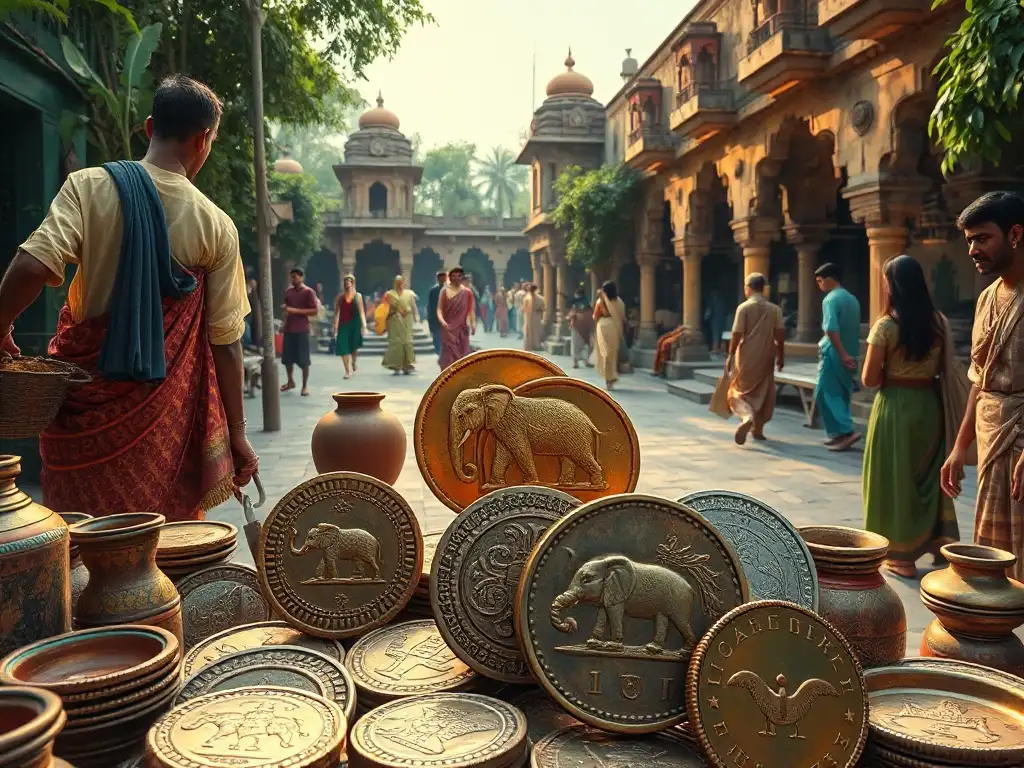
The history of coinage in ancient India is a fascinating narrative that intertwines with the evolution of trade, economy, and technology. Coinage emerged as a pivotal innovation, facilitating trade and commerce in a region rich in resources and cultural exchanges. Understanding the origins of this practice provides insight into the socio-economic frameworks of ancient Indian civilizations.
The Indus Valley Civilization and Early Coinage
The Indus Valley Civilization (IVC), flourishing around 2500 BCE in what is now Pakistan and northwest India, represents one of the earliest urban cultures in the world. While direct evidence of coinage during this period is scant, the economic activities and trade practices suggest a form of proto-coinage.
- Trade and Standardization: The IVC was known for its advanced urban planning and trade networks. Archaeological findings indicate the use of standardized weights made from stone, which likely functioned as a medium of exchange. These weights were often inscribed with motifs that may have represented numerical values or commodities, hinting at an early form of currency.
- Symbolic Representation: The seals discovered in IVC sites, bearing intricate carvings and symbols, may have served as a means of authentication in trade, akin to modern-day currency notes. These seals, often made of steatite, suggest that the people of the IVC engaged in long-distance trade, necessitating a reliable method of exchange.
- Cultural Exchange: The trade routes of the IVC extended to Mesopotamia, facilitating cultural and economic exchanges. This interaction likely influenced the development of monetary systems, as the need for a more efficient medium of exchange became apparent.
The absence of metal coins during the IVC indicates that the concept of coinage was still in its infancy, relying instead on barter and commodity exchange. However, the groundwork laid during this period set the stage for the eventual transition to metal coinage in ancient India.
Transition to Metal Coins in Ancient India
The transition to metal coins in ancient India marks a significant milestone in the evolution of economic practices. This shift can be traced back to around the 6th century BCE with the emergence of the Mahajanapadas, a confederation of various states in northern India.
- Introduction of Metal Coins: The use of metal, particularly silver and copper, for coinage began during this period. The earliest known coins, known as "punch-marked coins," were created by striking metal discs with various symbols and images. These coins served not only as currency but also carried political and cultural significance.
- Standardization and Minting: The introduction of metal coins led to the establishment of mints, where coins were produced in standardized weights and measures. This standardization facilitated trade across regions, as merchants could confidently exchange goods knowing the value of the coins.
- Types of Coins: Various dynasties, such as the Maurya and the later Gupta Empire, introduced different types of coins reflecting their political and cultural narratives. For instance, the Mauryan coins often featured symbols like the chakra and images of rulers, while Gupta coins showcased artistic representations of deities and royal insignia.
- Economic Impact: The adoption of metal coinage revolutionized the economy in ancient India. It allowed for easier trade, stimulated market activities, and encouraged the growth of urban centers. As commerce flourished, so did the need for more sophisticated banking systems, leading to the establishment of a vibrant economic landscape.
The transition to metal coins in ancient India not only transformed economic practices but also played a crucial role in shaping societal structures. This evolution reflects the ingenuity of ancient Indian civilizations in adapting to the complexities of trade and commerce, laying the foundation for future economic systems.
Metallurgical Techniques in Ancient Indian Coinage
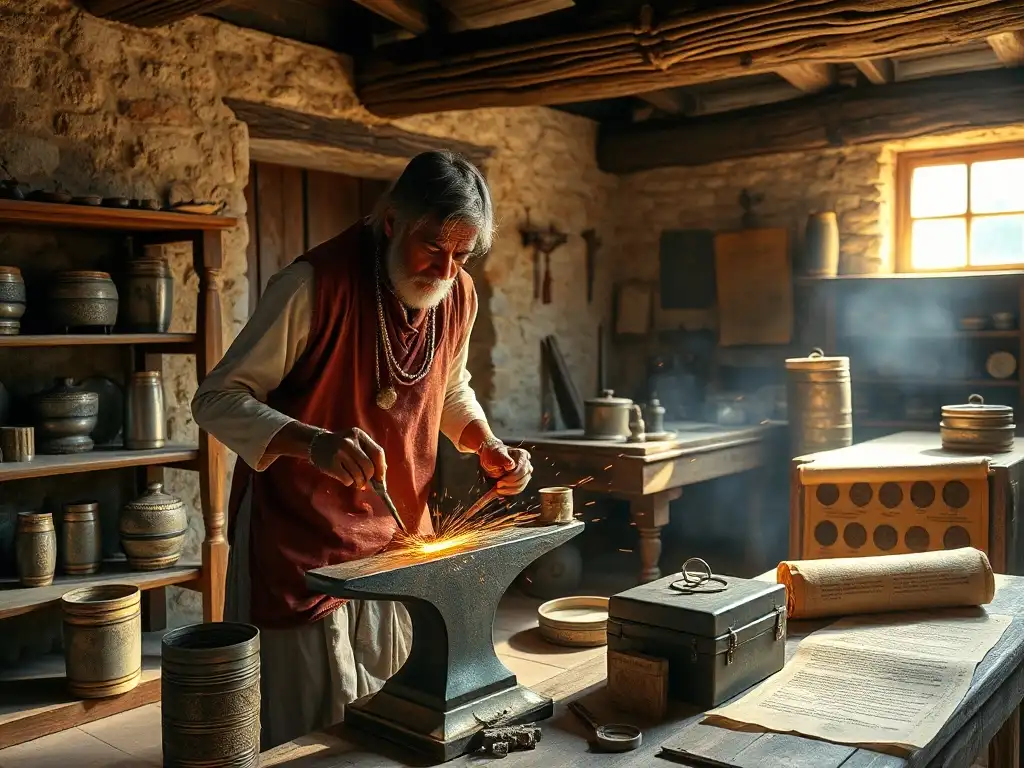
The history of ancient Indian coins is not merely a chronicle of currency but a testament to the advanced metallurgical techniques employed by ancient civilizations. The evolution of coinage in India reveals a sophisticated understanding of materials, alloying processes, and minting technologies that laid the foundation for economic transactions and trade routes across the subcontinent.
Materials Used in Ancient Indian Coins
Ancient Indian coins were primarily crafted from various metals, each selected for its properties and availability. The most common materials included:
- Copper: Frequently used in the early phases of coinage, copper coins were durable and easily worked. The Punch Marked Coins from the 6th century BCE are notable examples, showcasing simple yet effective designs.
- Silver: As trade expanded, silver became increasingly popular for its value and aesthetic appeal. Coins like the Karshapana were minted from silver, reflecting the growing economic complexity of ancient Indian societies.
- Gold: Gold coins emerged during the Mauryan and Gupta periods, with the Dinar being a prime example. The use of gold not only signified wealth but also the high level of skill in metallurgy required to mint such precious coins.
- Alloys: Some ancient coins were made from alloys, such as bronze (copper and tin) or electrum (a natural alloy of gold and silver), allowing for enhanced durability and varied aesthetic qualities.
The choice of materials was influenced by factors such as regional resource availability, trade relationships, and the intended use of the coins, whether for day-to-day transactions or ceremonial purposes.
Coin Minting Processes and Techniques
The coin minting process in ancient India was a meticulous combination of artistry and science. Key techniques included:
- Casting: Early coins were often cast in molds, allowing for the production of uniform shapes and designs. This technique was labor-intensive but enabled mass production of coins.
- Hammering: The punching technique involved hammering a blank metal disc with a die to imprint designs. This method was prevalent during the Mauryan Empire, where intricate designs and inscriptions were common.
- Die Striking: Advanced minting facilities used die-striking methods, where two engraved dies were used to strike the coins with significant force. This not only ensured clarity in designs but also allowed for the minting of larger quantities in shorter timeframes.
- Annealing and Quenching: Post-minting processes included annealing (heating) and quenching (rapid cooling) to enhance the coins' durability and resistance to wear. These techniques showcased an understanding of metallurgy that enhanced the longevity of coins in circulation.
These processes reflect the high level of craftsmanship and technological innovation that characterized ancient Indian metallurgy, contributing significantly to the rich tapestry of ancient Indian coin history.
Innovations in Metallurgy: From Copper to Gold Coins
The evolution of coinage in ancient India witnessed several notable innovations in metallurgy, particularly in the transition from base metals like copper to precious metals such as gold. Some key innovations included:
- Refining Techniques: The ability to purify metals through processes such as cupellation allowed ancient Indian mints to obtain high-quality silver and gold, crucial for producing reliable currency.
- Alloying Techniques: Knowledge of alloying enabled the creation of coins with desirable properties, such as increased strength and corrosion resistance. The use of bronze coins illustrated this technological advancement, expanding the variety of coins available for trade.
- Minting Technologies: The introduction of sophisticated minting technologies, such as screw presses and specialized dies, enabled the production of coins with intricate designs and consistent weight, which were essential for maintaining trust in the monetary system.
- Standardization: The standardization of weights and measures during various empires, notably the Gupta Empire, reflected an advanced understanding of economic principles. This standardization enhanced trade efficiency and facilitated the growth of commerce.
The innovations in metallurgy and minting techniques during ancient Indian coin history not only shaped the economic landscape of the time but also laid the groundwork for future advancements in metallurgy and economic practices across the world.
The Economic Role of Ancient Indian Coins
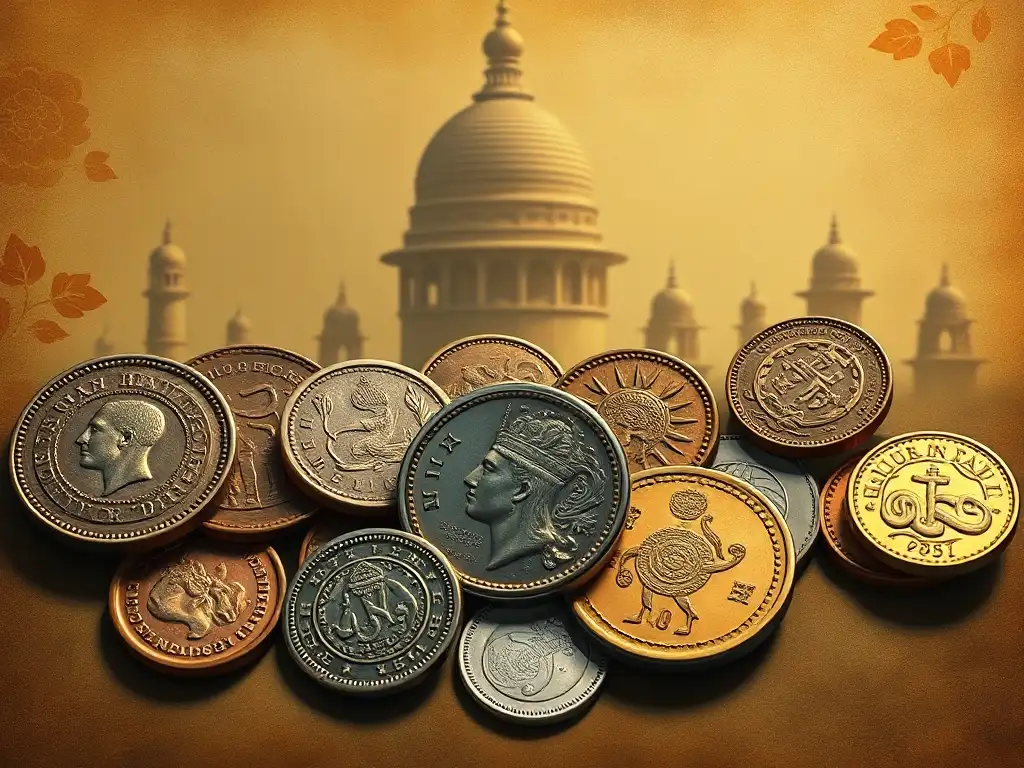
Ancient Indian coins played a pivotal role in shaping the economic landscape of various civilizations throughout India's history. They served not only as a medium of exchange but also as a reflection of the socio-economic dynamics of the time. Understanding the economic role of these coins provides insights into the trade, commerce, and wealth distribution of ancient Indian societies.
Trade and Commerce in Ancient India
Trade in ancient India was a vibrant and intricate network that connected various regions, facilitating the exchange of goods, culture, and ideas. Coins emerged as a fundamental component of this system, simplifying transactions and enhancing the efficiency of trade.
- Regional Trade: Ancient Indian coins were used extensively in regional trade, enabling merchants to engage in commerce across different territories. The standardization of coinage helped establish trust and reliability among traders.
- International Trade: India’s strategic location allowed it to become a significant player in international trade routes, such as the Silk Road. Coins from ancient Indian civilizations were found in distant lands, indicating the wide-reaching influence of Indian trade practices.
- Types of Goods Traded: Key commodities included textiles, spices, precious stones, and metals. The demand for these goods necessitated a reliable currency system, leading to the widespread use of coins.
The Influence of Coins on Ancient Indian Economy
The introduction of coins had a transformative impact on the ancient Indian economy. Their influence extended beyond mere transactions, affecting various aspects of economic life.
- Standardization of Value: Coins provided a standardized unit of value, which simplified pricing and trade. This standardization helped merchants and consumers alike, facilitating smoother transactions.
- Economic Growth: The circulation of coins stimulated economic growth by promoting trade and encouraging entrepreneurship. Increased commerce contributed to the accumulation of wealth and the rise of urban centers.
- Taxation and Revenue Generation: Coins also played a crucial role in taxation. Rulers minted coins to collect taxes efficiently, thereby enhancing state revenues. This system of taxation supported infrastructure development and public services.
Coins as a Medium of Exchange: Case Studies
To illustrate the economic role of ancient Indian coins, several case studies highlight their significance in different regions and periods.
- Indus Valley Civilization: The earliest known coins, although not fully standardized, were used in the Indus Valley Civilization around 2500 BCE. These early forms of currency facilitated trade within urban centers like Harappa and Mohenjo-Daro.
- Mauryan Empire: During the reign of the Mauryan Empire (322-185 BCE), coins became more sophisticated. The punch-marked coins, made from silver, served as a reliable medium of exchange. Their wide acceptance helped establish a unified economic system across the vast empire.
- Gupta Empire: The Gupta Empire (c. 240-550 CE) is known for its gold coins, which were intricately designed and often depicted rulers and deities. These coins not only served as currency but also as a symbol of wealth and power, reflecting the economic prosperity of the time.
Ancient Indian coins were not merely objects of value but played a crucial role in the economic foundations of Indian civilization. Their impact on trade, commerce, and the overall economy illustrates the sophisticated understanding of metallurgy and material science that ancient Indians possessed, contributing significantly to the ancient Indian coin history.
Iconography and Symbolism in Ancient Indian Coins
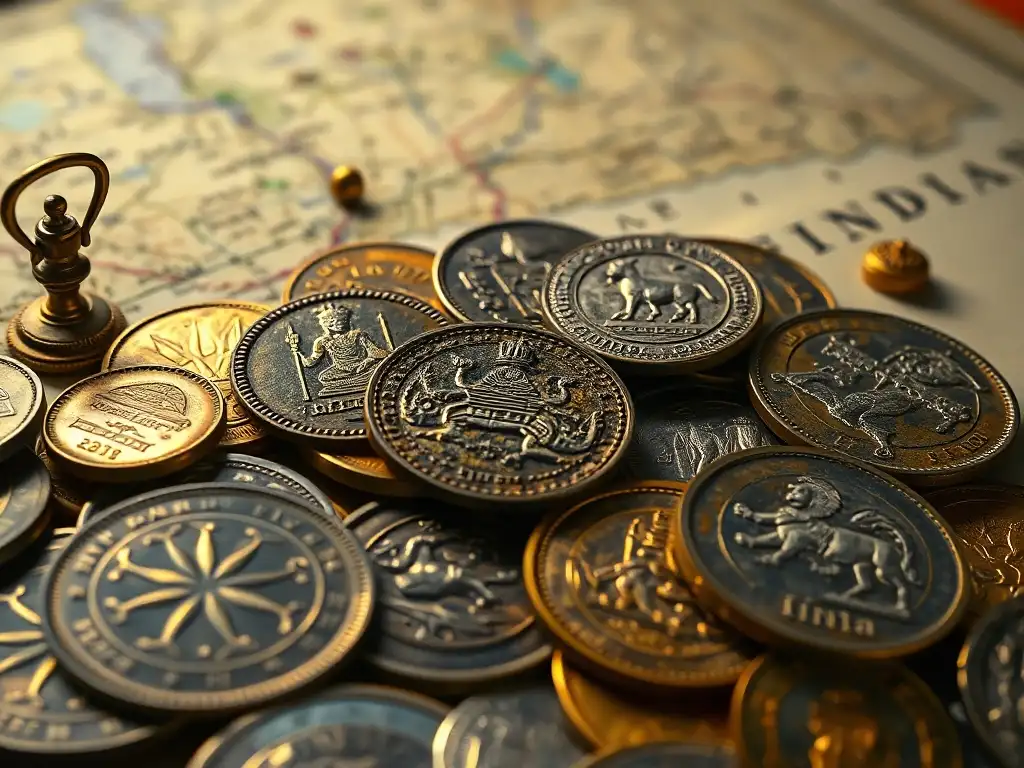
The iconography and symbolism present in ancient Indian coins provide a vivid glimpse into the cultural, religious, and socio-political fabric of the time. These coins served not merely as currency but as a medium through which rulers and societies communicated their values, beliefs, and aspirations. The motifs and designs etched on these coins often reflected the prevalent ideologies, deities, and significant events of their era, making them invaluable artifacts for understanding ancient Indian civilization.
Common Symbols and Designs on Ancient Coins
Ancient Indian coins featured a rich tapestry of symbols and designs that varied across different regions and periods. Here are some of the most common symbols found on these coins:
- Animals: Various animals were depicted, often symbolizing power, divinity, or auspiciousness. For instance:
- Lion: Representing bravery and royalty, often associated with the Mauryan Empire.
- Elephant: Symbolizing strength and wisdom, frequently used in coins of the Gupta period.
- Horse: Reflecting valor and nobility, especially in the context of the Kshatrapas and Indo-Scythian coins.
- Deities: Many coins featured images of deities, which illustrated the religious beliefs of the time:
- Shiva and Vishnu: Commonly represented in various forms, highlighting the significance of these deities in Hindu worship.
- Buddha: Seen on coins from the Mauryan period, indicating the spread of Buddhism.
- Geometric Patterns: These designs often held symbolic meanings, representing harmony and balance within society.
- Royal Emblems: Coins often bore the insignia of rulers, which served both as a mark of authenticity and a symbol of authority. These emblems could include:
- Chakra (Wheel): Signifying dharma (moral law) and rulership.
- Trident: Associated with Shiva, symbolizing power and protection.
| Symbol | Meaning | Example Period |
|---|---|---|
| Lion | Bravery and royalty | Mauryan Empire |
| Elephant | Strength and wisdom | Gupta Empire |
| Horse | Valor and nobility | Kshatrapas |
| Chakra | Dharma and rulership | Various |
| Trident | Power and protection | Early Hindu kingdoms |
Cultural Significance of Coin Imagery
The imagery on ancient Indian coins transcended mere decoration; it encapsulated the ethos of the society that produced them. The designs often reflected the prevailing political ideologies, religious beliefs, and cultural practices, serving as a historical record of the times.
- Political Propaganda: Rulers used coin imagery to assert their dominance and legitimacy. For example, the frequent depiction of the sun god on coins symbolized divine sanction for the ruler's authority, reinforcing their status.
- Religious Expression: The inclusion of deities and religious symbols on coins illustrated the intertwining of governance and spirituality. Coins that featured Buddhist symbols, such as the lotus or the Dharma wheel, highlighted the significance of Buddhism in the socio-political landscape, especially during the reign of Emperor Ashoka.
- Cultural Identity: The designs often reflected local traditions and customs, fostering a sense of identity among the people. For instance, regional coins might display local deities or motifs, linking the populace to their heritage and beliefs.
- Economic Functionality: Beyond their aesthetic appeal, the symbols and imagery also had practical implications. They helped in the authentication of coins, ensuring trust in trade and commerce. The presence of recognizable symbols enabled merchants and traders to assess the legitimacy of currency quickly.
The iconography and symbolism of ancient Indian coins offer a profound insight into the historical and cultural narratives of the time. By studying these designs, we can glean a deeper understanding of the values, beliefs, and socio-economic conditions that shaped ancient Indian civilizations. The examination of ancient Indian coin history not only enriches our knowledge of metallurgy and material science but also enhances our appreciation of the intricate relationship between currency and culture.
The Decline of Ancient Coinage and Its Impact on Society
The decline of ancient coinage marked a significant turning point in the economic landscape of ancient India. This transition had profound implications, not only for trade and commerce but also for societal structures and cultural practices. Understanding the factors that contributed to this decline reveals the intricate relationship between currency, economy, and society during this period.
Factors Leading to the Decline of Coinage
Several factors contributed to the decline of ancient Indian coinage, which can be classified into political, economic, and social dimensions:
- Political Instability:
- Frequent invasions and changes in dynasties led to a lack of uniformity in coinage. The introduction of various local currencies undermined the trust in a centralized monetary system.
- The rise of regional powers often resulted in the minting of coins that lacked standardized weights and measures, making trade cumbersome.
- Economic Shifts:
- The flourishing of trade routes and the emergence of barter systems diminished the reliance on coins. As local economies became more self-sufficient, the need for standardized currency lessened.
- The introduction of foreign coins, such as those from the Greeks and Persians, led to a dilution of local coinage and confusion among traders.
- Cultural Changes:
- The rise of religious institutions, which often operated under different economic models, shifted the focus from coin-based transactions to offerings and donations.
- A growing emphasis on agrarian economy over trade meant that bartering goods became more prevalent than using coins.
- Technological Advancements:
- The evolution of metalworking techniques allowed for the production of non-coin forms of currency, such as gold and silver artifacts, which served similar purposes in transactions.
- The development of alternate payment systems, including promissory notes and credit, further contributed to the decline of traditional coinage.
The Shift to Other Forms of Currency
As ancient Indian coinage waned, societies began to adapt to new forms of currency that suited their evolving economic needs. This shift can be characterized by several key developments:
- Barter Systems:
- Goods and services were exchanged directly without the intermediary of coins. For instance, farmers traded grains for tools or livestock, fostering local economies.
- Metalwork and Jewelry:
- Precious metals were often crafted into jewelry or artifacts, which served as a store of value and could be traded based on their weight rather than their face value as coins.
- Credit Systems:
- The adoption of credit systems allowed merchants to conduct transactions without immediate physical exchange of currency. This facilitated long-distance trade and enabled more complex economic interactions.
- Regional Tokens:
- Various communities began issuing local tokens or promissory notes that represented value, often backed by local resources or commodities, thereby creating a localized currency system.
The decline of ancient Indian coinage and the subsequent shift to alternative forms of currency illustrate the adaptability of economies in response to changing political, social, and technological landscapes. This transition not only affected trade practices but also reshaped societal norms and cultural interactions throughout ancient India.
Conclusion: The Legacy of Ancient Indian Coin History
The legacy of ancient Indian coin history is a testament to the advanced metallurgy and economic practices that flourished in the Indian subcontinent. Coins not only served as a medium of exchange but also reflected the artistic, cultural, and political nuances of their times. The intricate designs, inscriptions, and symbols on these coins provide valuable insights into the socio-economic conditions, trade relationships, and technological advances of ancient civilizations.
The significance of ancient Indian coins extends beyond their monetary value; they are key artifacts that help us understand the evolution of economies and societies. From the early punch-marked coins of the Indus Valley Civilization to the beautifully crafted coins of the Gupta Empire, each era contributed to a rich tapestry of economic history. These coins illustrate the sophistication of ancient Indian metallurgy, showcasing techniques such as alloying, minting, and engraving, which were pivotal in the production of durable and aesthetically pleasing currency.
Contemporary Relevance of Ancient Coinage Studies
In today's world, the study of ancient Indian coin history holds significant relevance. Scholars and historians utilize these artifacts to gain insights into ancient trade practices, economic systems, and cultural exchanges. Modern numismatics combines archaeology, history, and metallurgy to analyze coins not just as currency, but as historical documents that reflect the dynamics of ancient societies.
- Understanding Trade Networks:
- Ancient coins provide clues about trade routes and networks that connected India with other civilizations, such as the Greeks, Persians, and Chinese. By examining the distribution of coins, researchers can trace the flow of goods and cultural influences across regions.
- Cultural Identity and Propaganda:
- The imagery and inscriptions on coins often convey political messages and cultural identity. For example, coins depicting deities or monarchs served as tools for propaganda, reinforcing the ruler's legitimacy and divine right to govern.
- Metallurgical Advances:
- Modern studies of ancient metallurgy techniques used in coin production can inspire contemporary materials science. Understanding the alloys and methods employed in ancient times may lead to innovations in modern metallurgy, particularly in developing sustainable and efficient processes.
Future Research Directions in Ancient Indian Metallurgy and Economics
As the field of ancient Indian coin history continues to evolve, several promising research directions are emerging. Future studies may focus on:
- Interdisciplinary Approaches: Collaborations between historians, archaeologists, and materials scientists can lead to a more holistic understanding of ancient Indian metallurgy and its economic implications. Such interdisciplinary efforts may uncover new insights into the techniques used and their impact on trade and society.
- Technological Analysis: Advanced imaging and analytical techniques, such as X-ray fluorescence (XRF) and electron microscopy, can be applied to study the composition and structure of ancient coins. This can reveal details about the metallurgical practices and technological capabilities of ancient civilizations.
- Global Comparisons: Comparative studies of ancient Indian coins with those from other cultures can provide a broader context for understanding the economic systems and trade practices of antiquity. By situating Indian coinage within a global framework, researchers can explore the influences and interactions that shaped economic practices across regions.
- Digital Humanities: The use of digital tools and platforms can enhance the accessibility of ancient coin databases, enabling researchers and the public to engage with historical artifacts in innovative ways. Digital mapping of coin finds and virtual exhibitions can foster greater interest and understanding of ancient Indian coin history.
The study of ancient Indian coin history not only enriches our understanding of past civilizations but also informs contemporary discussions in metallurgy and economics. As scholars continue to explore this fascinating topic, the insights gained will undoubtedly contribute to a deeper appreciation of India's historical legacy and its ongoing relevance in today's world.
Frequently Asked Questions
What is the significance of ancient Indian coin history?
Ancient Indian coin history reflects the economic systems, trade practices, and cultural exchanges of various civilizations, illustrating how coins served as a medium of economic transactions and status symbols.
What materials were used in the production of ancient Indian coins?
Ancient Indian coins were primarily made from metals like silver, gold, and copper, showcasing advanced metallurgical techniques that evolved over centuries to enhance their durability and value.
How did ancient Indian coins influence trade?
The introduction of coins facilitated trade across regions, allowing merchants to engage in commerce more efficiently, thus promoting the growth of urban centers and enhancing economic interactions with neighboring cultures.
What were the different types of coins used in ancient India?
Ancient India saw a variety of coins, including punch-marked coins, cast coins, and struck coins, each representing different dynasties and economic practices throughout its history.
How did the Gupta Empire impact ancient Indian coinage?
The Gupta Empire introduced innovations in coin design and metallurgy, leading to the production of gold coins that became famous for their artistic quality and played a crucial role in the economy and cultural identity of the time.
Final Reflection: Unveiling the Legacy of Ancient Indian Coinage
The exploration of ancient Indian coin history reveals not only the intricate artistry and advanced metallurgy of the past but also the profound economic systems that shaped societies. Today, as we navigate a world increasingly driven by digital currencies and global trade, understanding the foundations laid by ancient civilizations becomes crucial. The coins of ancient India serve as a testament to the ingenuity and cultural richness of their time, reminding us that economic practices have deep historical roots that continue to influence modern systems.
The legacy of ancient Indian coins is woven into the very fabric of our cultural and social identity, reflecting the values and aspirations of our ancestors. From trade routes that connected distant lands to the artistry that adorned each coin, these artifacts tell stories that transcend time. As historian R. C. Sharma aptly noted, Coins are not merely pieces of metal; they are the history of a civilization, encapsulated in a tangible form.
This ongoing influence of ancient coinage invites us to appreciate the interconnectedness of our past and present, urging us to recognize the significance of our economic choices today.
As we reflect on the lessons embedded in the history of ancient Indian coins, I invite you to consider how these insights can be applied in your own life. Take a moment to ponder the value of history in shaping our understanding of economics, culture, and identity. Let the stories of these coins inspire you to explore your own heritage and the economic practices that define your community. By embracing this knowledge, we can forge a deeper connection to our past while paving the way for a more informed and enriched future.
Thank you for diving into the fascinating world of ancient Indian coins! You’ve uncovered insights into their metallurgy and economic significance that can enrich your understanding of history. Now, it’s time to take what you’ve learned and put it into action!
Here are some exciting steps you can take to deepen your exploration:
- Start a collection: Begin your journey by collecting replicas or photographs of ancient Indian coins that intrigue you the most.
- Join a community: Connect with fellow history enthusiasts or numismatists online to share insights and discoveries. Engaging in forums or social media groups can be a great way to start!
- Visit a local museum: Explore exhibits on ancient cultures and inquire about their coin collections—this can provide a tangible connection to the history you’ve read about.
What is one ancient Indian coin that you would love to learn more about, and what aspect of it captivates you? Share your thoughts!