
Food Lovers Unite: The Ultimate Guide to Culinary Tours in India

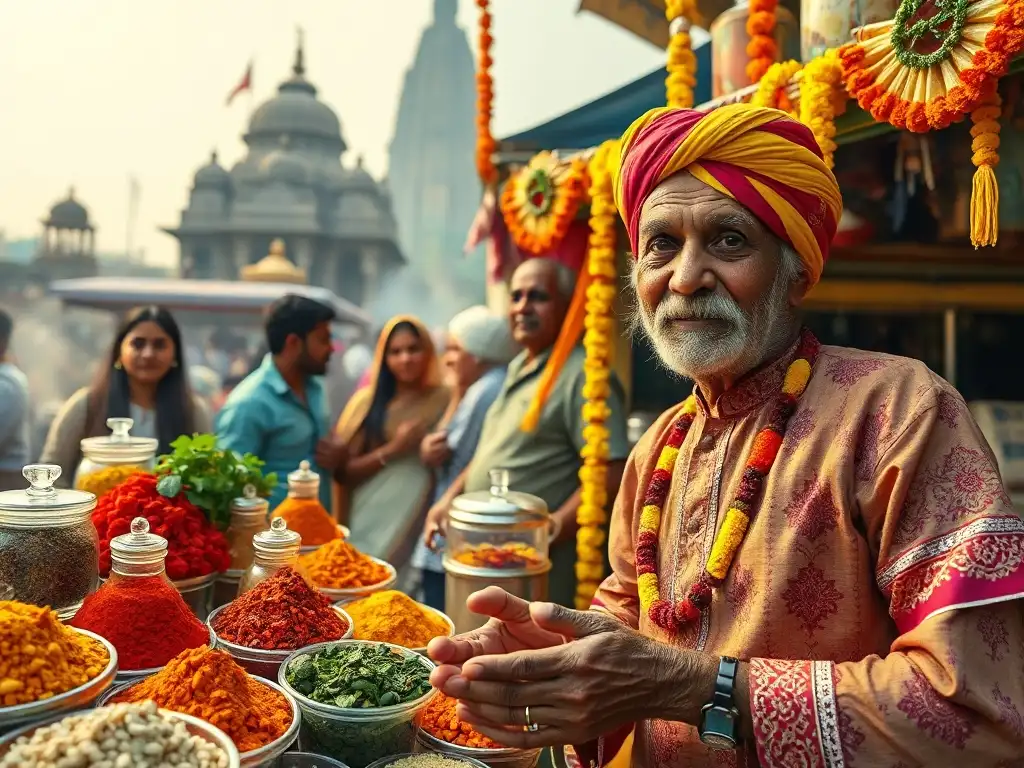
Welcome to Ancient India History, where we embark on a fascinating journey through the vibrant tapestry of ancient Indian civilizations. Here, we delve into the rich histories, cultures, and remarkable contributions that have shaped the subcontinent, from the enigmatic Indus Valley to the illustrious Gupta Empire. Are you a food lover eager to explore the flavors of the past?
Join us as we uncover the secrets of culinary tours of ancient India in our latest article, "Food Lovers Unite: The Ultimate Guide to Culinary Tours in India." Let the tantalizing tastes and historic recipes ignite your curiosity, and prepare to savor the stories that await you!
- Culinary Tours of Ancient India: An Introduction to India's Culinary Heritage
- Exploring the Rich Flavors of Ancient India: Top Culinary Tours
- Key Elements of Culinary Tours of Ancient India
- Preparing for Your Culinary Tour in India
- Conclusion: Embrace the Culinary Heritage of Ancient India
- Frequently Asked Questions
- Final Reflection: Embracing the Culinary Heritage of Ancient India
- Savor Your Culinary Journey Today!
Culinary Tours of Ancient India: An Introduction to India's Culinary Heritage
India's culinary landscape is as vast and varied as its history, offering a rich tapestry of flavors, techniques, and traditions that have evolved over millennia. From the sophisticated dishes of the Indus Valley Civilization to the aromatic spices that defined the Gupta Empire, the journey through ancient Indian cuisine is a captivating exploration of cultural heritage and gastronomic delights.
Culinary tours of ancient India provide an immersive experience, allowing food lovers to not only taste the diverse offerings but also understand the historical and cultural contexts that shaped these culinary practices. This guide aims to illuminate the pathways of ancient Indian culinary tourism, highlighting the significance of traditional dishes, regional specialties, and the stories behind them.
Understanding Culinary Tourism in India
Culinary tourism, a growing trend globally, involves traveling to experience a destination's food culture. In India, this form of tourism takes on a unique flavor, deeply rooted in the country's history, geography, and social customs. Here are some key aspects of culinary tourism in India:
- Cultural Significance: Indian cuisine is intertwined with its festivals, rituals, and daily life. Each dish tells a story, reflecting the region's traditions and the people who inhabit it.
- Regional Diversity: India boasts a plethora of regional cuisines, each with distinct ingredients, cooking styles, and flavors. From the spicy curries of the South to the subtle flavors of the North, culinary tours offer a chance to savor this diversity.
- Historical Influences: The evolution of Indian cuisine has been influenced by various rulers, trade routes, and cultural exchanges. Understanding this history adds depth to the culinary experience.
- Authentic Experiences: Culinary tours often include hands-on cooking classes, market visits, and meals prepared in traditional homes, providing travelers with authentic insights into local food practices.
- Sustainable Practices: Many tours emphasize sustainable and organic farming practices, connecting travelers with local artisans and promoting responsible tourism.
Through these aspects, culinary tourism in India not only satisfies the palate but also enriches the mind, making it a meaningful exploration of one of the world's oldest and most intricate culinary heritages. As we delve deeper into the culinary tours of ancient India, we will uncover the treasures that await food lovers eager to experience this vibrant history.
Exploring the Rich Flavors of Ancient India: Top Culinary Tours
1. The Spice Route Tour
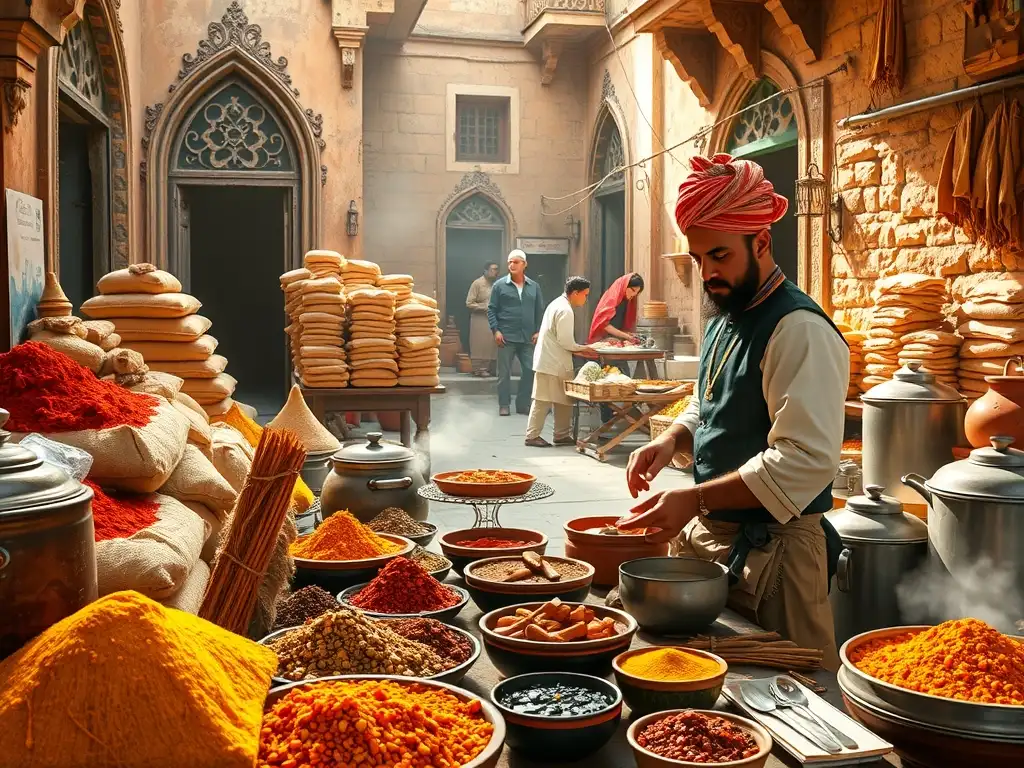
The Spice Route Tour is a captivating journey that traverses the historical pathways where spices were once traded, revealing the diverse flavors that shaped ancient Indian cuisine. This culinary tour not only highlights the spices that India is renowned for, such as black pepper, cardamom, and cinnamon, but also explores their significance in trade and culture.
Key Highlights:
- Historical Significance: The Spice Route was integral to ancient trade networks, connecting India with the Middle East, Europe, and beyond. Understanding this context enriches the culinary experience.
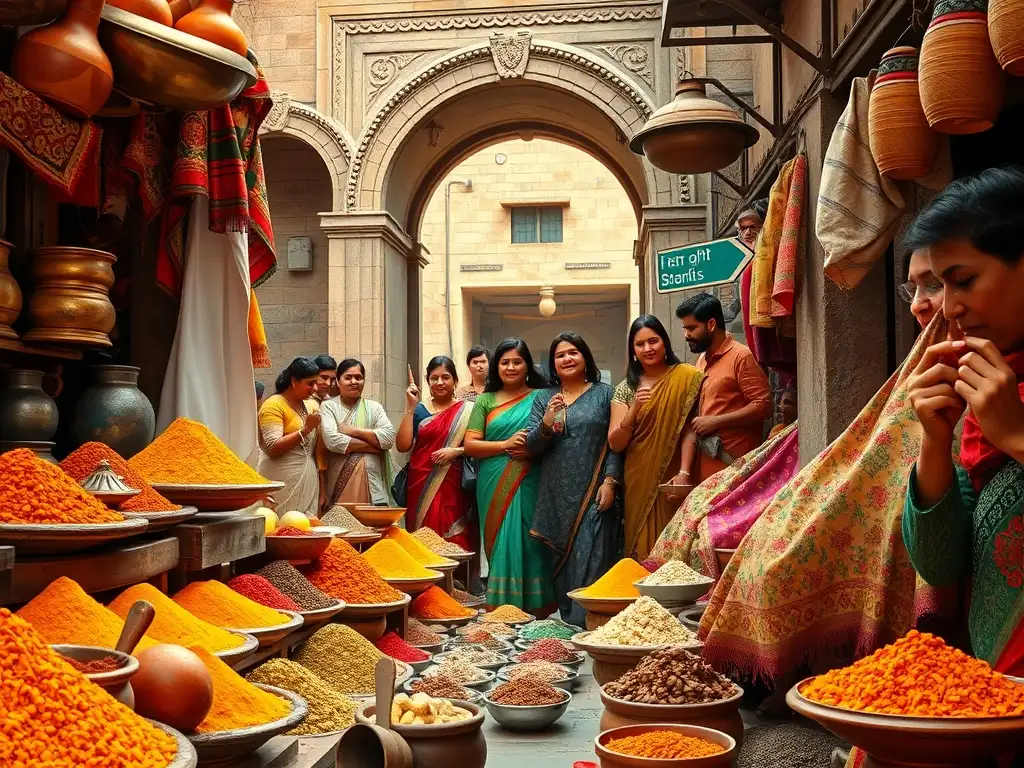
- Local Markets: Visitors can explore bustling spice markets in cities like Kochi and Hyderabad, where the air is filled with aromatic blends. Engaging with local vendors provides insights into the traditional uses of these spices.
- Cooking Classes: Many tours offer cooking classes that teach participants how to incorporate spices into daily cooking. This hands-on experience is invaluable for understanding the depth of flavors in ancient Indian recipes.
2. The Royal Cuisine Experience in Rajasthan
Rajasthan, known for its majestic palaces and vibrant culture, also boasts a rich culinary heritage that reflects its royal history. The Royal Cuisine Experience immerses travelers in the opulent food traditions of the Rajput kings and queens, showcasing unique dishes that are steeped in history.
Culinary Highlights:
- Heritage Dishes: Participants can savor traditional dishes such as Dal Baati Churma, Gatte ki Sabzi, and Laal Maas, each with unique cooking techniques and ingredients that tell stories of the region's past.
- Dining in Palaces: Many tours include dining experiences in restored palaces, where guests can enjoy multi-course meals served in a royal style. This setting enhances the sense of eating like a king or queen.
- Culinary Workshops: Engaging in workshops led by local chefs allows participants to learn about historical cooking methods, including the use of clay ovens and traditional spice blends.
3. South Indian Culinary Journey
The South Indian Culinary Journey takes travelers through the southern states of India, where ancient culinary traditions continue to thrive. This tour focuses on the intricate flavors and techniques that define South Indian cuisine, which is often characterized by its use of rice, lentils, and a variety of spices.
Experience Overview:
- Traditional Meals: Participants can enjoy authentic meals served on banana leaves, featuring dishes like Idli, Dosa, and Sambar. Each dish reflects regional variations and the influence of ancient cooking practices.
- Cultural Experiences: The journey often includes visits to temples and local festivals where food plays a central role. Understanding the cultural significance of these foods provides a deeper appreciation of their historical roots.
- Cooking Demonstrations: Many tours offer cooking demonstrations that highlight the art of making traditional South Indian dishes, showcasing techniques that have been passed down through generations.
Through these culinary tours of ancient India, participants can explore not only the rich flavors of the past but also the cultural narratives that shaped the very essence of Indian cuisine. Each tour is a unique opportunity to connect with India's diverse culinary heritage and experience the historical significance of its food traditions.
4. Street Food Tour in Delhi
Delhi, the bustling capital of India, is a haven for street food lovers, offering a delightful culinary experience that showcases the rich tapestry of flavors from ancient India to modern times. A street food tour in Delhi is a must for anyone eager to taste the city’s diverse and vibrant food culture.
Iconic Street Food Delicacies
On a street food tour in Delhi, you can expect to savor a variety of delectable dishes, each with its own unique history and flavor profile. Some of the iconic delicacies include:
- Chaat: This popular snack is a perfect blend of crispy, tangy, and spicy ingredients. Variants like Aloo Tikki Chaat and Pani Puri are favorites among locals and tourists alike.
- Parathas: The famous Paranthe Wali Gali is home to a variety of stuffed parathas, including potato, paneer, and even sweet fillings. These flaky, golden-brown delights are usually served with pickles and yogurt.
- Samosas: These deep-fried pastries filled with spiced potatoes and peas are a staple of Delhi’s street food scene. A drizzle of tamarind and mint chutney elevates their flavor.
- Kebabs: Delhi’s kebabs, especially those from the historic Karol Bagh area, reflect the Mughal influence in Indian cuisine. The Galouti kebab is renowned for its melt-in-the-mouth texture.
Best Areas for Street Food Tours
When embarking on a street food tour in Delhi, certain areas stand out for their vibrant food stalls:
- Chandni Chowk: Known as the heart of Delhi’s culinary heritage, this area is bustling with street vendors offering a range of traditional snacks and sweets.
- Connaught Place: This commercial hub features a variety of modern street food options alongside traditional delights, making it a perfect spot for diverse culinary experiences.
- Karol Bagh: Famous for its parathas and kebabs, the narrow lanes of Karol Bagh are filled with food stalls that have been serving delicious fare for generations.
Tips for an Enjoyable Street Food Experience
To make the most of your street food tour in Delhi, consider the following tips:
- Stay Hydrated: The excitement of tasting various dishes can be overwhelming, so remember to drink plenty of water.
- Choose Freshly Made Items: Opt for vendors who prepare food on-site, ensuring freshness and quality.
- Be Adventurous: Don’t hesitate to try new dishes and flavors. Street food is a reflection of the rich culinary history of the region.
Conclusion
A street food tour in Delhi is not just about tasting food; it’s a journey through history, culture, and tradition. Each bite tells the story of Delhi’s past, making it an essential experience for anyone exploring the culinary tours of ancient India. Embrace the chaos of the streets, the aroma of spices, and the warmth of the locals as you indulge in some of the best street food the city has to offer.
Key Elements of Culinary Tours of Ancient India
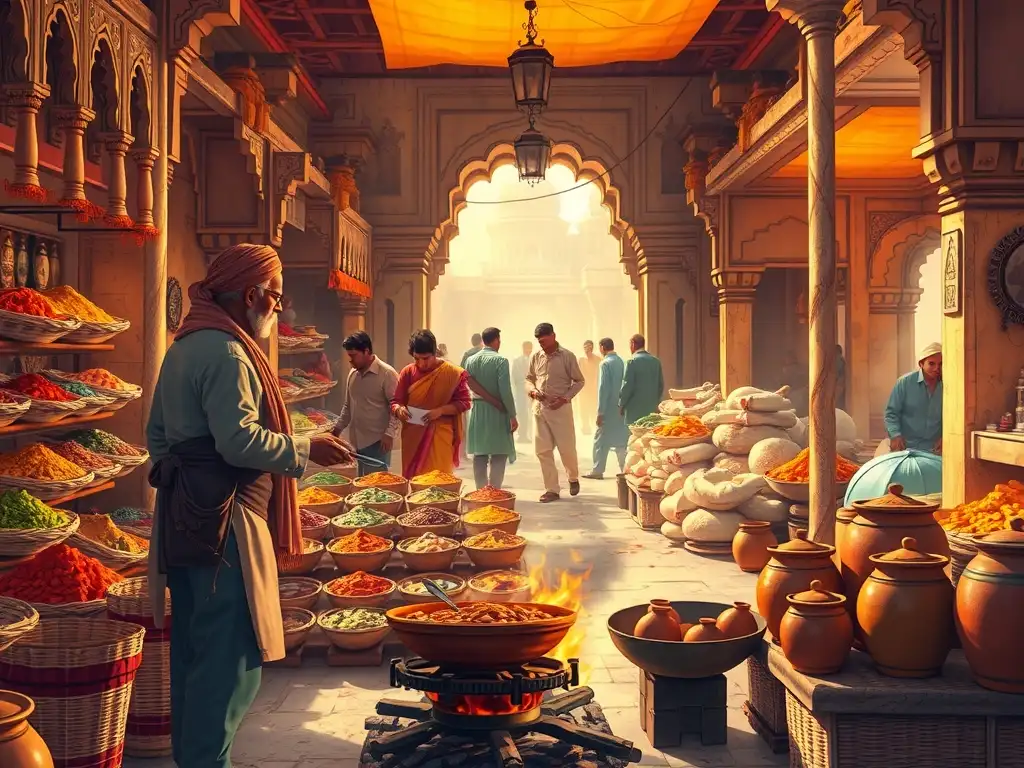
Culinary tours of ancient India offer a unique opportunity to explore the rich tapestry of flavors, traditions, and historical influences that have shaped Indian cuisine over millennia. These tours not only provide a sensory experience but also educate participants on the significance of various dishes and ingredients that played pivotal roles in ancient Indian society. Here are some key elements that define these culinary adventures:
- Regional Specialties: Tours often focus on specific regions such as the Indus Valley, where early agricultural practices influenced local diets, or the royal kitchens of the Gupta Empire, known for their lavish feasts.
- Local Markets: Engaging with local markets allows travelers to witness the ingredients first-hand. Tourists can interact with vendors selling spices, grains, and fresh produce, often sourced from traditional farming practices.
- Cooking Classes: Many tours incorporate hands-on cooking classes, where participants learn ancient cooking techniques and recipes that have been passed down through generations.
- Cultural Context: Understanding the cultural significance of food in ancient rituals, festivals, and everyday life is vital. Culinary tours often include storytelling sessions that highlight the historical context of certain dishes.
Understanding the Ingredients of Ancient Indian Cuisine
Ancient Indian cuisine is characterized by a diverse range of ingredients, many of which hold significant cultural and medicinal value. Here are some essential components commonly featured in culinary tours:
- Spices:
- Spices such as turmeric, cumin, and coriander were not just flavor enhancers but also served as preservatives and were believed to have health benefits.
- The use of spices can be traced back to ancient trade routes, showcasing how ingredients were exchanged and integrated into various regional cuisines.
- Grains:
- Staple grains like rice and wheat were fundamental to ancient diets. Historical texts suggest that different regions specialized in specific crops, influencing local food practices.
- The discovery of ancient granaries in the Indus Valley civilization highlights the importance of agriculture in shaping culinary traditions.
- Legumes and Pulses:
- Legumes such as lentils and chickpeas were essential protein sources. They were often used in dishes like dal, which remains a staple in modern Indian cuisine.
- Ancient texts like the Rigveda reference the cultivation of various pulses, indicating their integral role in dietary practices.
- Fermented Foods:
- Fermented foods, such as yogurt and pickles, were common in ancient diets. These foods not only provided essential nutrients but also contributed to food preservation techniques.
- The art of fermentation in ancient India is still celebrated today, with many culinary tours highlighting traditional methods.
- Fruits and Vegetables:
- Seasonal fruits and vegetables were central to the diet, with a focus on local varieties.
- Ancient texts like the Arthashastra emphasize the importance of incorporating fresh produce for both health and flavor.
Historical Influences on Indian Culinary Practices
The culinary landscape of ancient India has been shaped by a myriad of historical influences that reflect the region's complex socio-political dynamics. Key historical factors impacting culinary practices include:
- Trade Routes:
- The extensive trade networks established with neighboring civilizations facilitated the exchange of ingredients and cooking techniques. The Silk Road, for instance, played a crucial role in introducing new spices and flavors to Indian cuisine.
- Cultural Interactions:
- Conquests and migrations brought diverse communities into contact, leading to a fusion of culinary practices. For example, Persian influences during the Mughal era introduced rich, aromatic dishes and new cooking methods, such as dum cooking.
- Religious Practices:
- The dietary restrictions and preferences rooted in religious beliefs, such as vegetarianism in Hinduism and Jainism, have significantly influenced ancient Indian cuisine. This focus on purity and satvik (wholesome) food remains a hallmark of culinary tours today.
- Royal Patronage:
- The patronage of royal kitchens played a vital role in the evolution of culinary arts. Kings and emperors often employed chefs to create elaborate dishes for feasts, which encouraged innovation in ingredient use and presentation.
- Agricultural Advancements:
- The development of irrigation techniques and crop rotation methods during ancient times allowed for a more diverse agricultural output, which in turn influenced the variety of dishes showcased in culinary tours.
By exploring these elements, participants in culinary tours of ancient India can gain a deeper appreciation for the intricate relationship between food, culture, and history, making their journey both enriching and delicious.
Preparing for Your Culinary Tour in India
Essential Tips for Travelers
When embarking on culinary tours of ancient India, preparation is key to truly savoring the diverse flavors and experiences that await. Here are several essential tips to ensure a memorable journey:
- Research Local Cuisine:
- Familiarize yourself with the regional dishes you’ll encounter.
- Consider trying local specialties such as:
- Biryani in Hyderabad
- Dhokla in Gujarat
- Chettinad Chicken Curry in Tamil Nadu
- Plan Your Itinerary:
- Identify the culinary hotspots and historical sites you wish to visit.
- Include a mix of street food experiences and fine dining options to immerse yourself in the culinary landscape.
- Engage with Local Chefs:
- Participate in cooking classes offered by local chefs.
- This can provide insight into traditional cooking techniques and ingredient sourcing.
- Join Food Tours:
- Opt for guided food tours in cities known for their gastronomic delights, such as Delhi, Jaipur, or Kolkata.
- These tours often include visits to markets, eateries, and sometimes even historical sites that highlight the culinary heritage of the region.
- Explore Ancient Recipes:
- Some culinary tours delve into ancient recipes that have been passed down through generations.
- Be open to sampling dishes that reflect historical influences on Indian cuisine.
- Document Your Journey:
- Keep a travel journal or blog about your culinary experiences.
- Note the flavors, ingredients, and cooking methods that resonate with you.
Safety and Health Considerations
When embarking on culinary tours of ancient India, safety and health should be a priority. Here are some key considerations to keep in mind:
- Stay Hydrated:
- Drink plenty of bottled water to avoid dehydration or stomach issues.
- Avoid tap water and opt for sealed beverages.
- Food Hygiene:
- Choose food vendors and restaurants that maintain high standards of cleanliness.
- Look for places that are busy with locals; this often indicates good food and hygiene.
- Be Mindful of Spices:
- Indian cuisine can be quite spicy.
- If you’re not accustomed to spicy food, inform the chefs to adjust the spice levels.
- Health Insurance:
- Ensure you have travel insurance that covers health-related issues.
- Familiarize yourself with local healthcare facilities in case of emergencies.
- Vaccinations and Medications:
- Consult with a healthcare provider about necessary vaccinations before traveling.
- Carry a basic first aid kit and any personal medications you may need.
- Culinary Etiquette:
- Learn about local dining customs, such as eating with your hands in certain regions.
- Being respectful of local practices will enhance your experience and interactions with the locals.
By following these tips and safety considerations, you can ensure a fulfilling and safe experience as you explore the culinary wonders of ancient India. Each dish tells a story, and understanding the context of your meals will deepen your appreciation for the rich culinary heritage of this incredible country.
Conclusion: Embrace the Culinary Heritage of Ancient India
The culinary history of ancient India is a tapestry woven with diverse flavors, techniques, and cultural influences that have evolved over millennia. Engaging in culinary tours of ancient India allows enthusiasts not only to savor the exquisite tastes but also to experience the stories and traditions behind each dish. By exploring the kitchens, markets, and streets where these culinary practices originated, food lovers can gain a deeper appreciation for the rich gastronomic heritage that has shaped Indian cuisine.
Embarking on these tours is more than just a journey of taste; it is an opportunity to connect with the land, its people, and their way of life. From the intricate dishes of the Indus Valley civilization to the sophisticated culinary traditions of the Gupta Empire, each region offers unique experiences that reflect its historical context and cultural significance. Travelers can enjoy hands-on cooking classes, participate in local festivals, and visit ancient sites that hold culinary significance, creating lasting memories and invaluable knowledge.
As you plan your culinary adventure, remember that every meal tells a story. By choosing to partake in culinary tours of ancient India, you contribute to the preservation of these age-old practices while enjoying some of the most delightful flavors the world has to offer. So, gather your fellow food lovers and prepare for an unforgettable journey through the heart of India’s culinary heritage.
Additional Resources
To deepen your understanding and enhance your experience related to culinary tours of ancient India, consider exploring the following resources:
- Books:
- Culinary Traditions of India: A Historical Perspective
- The Spice Route: A History
- Websites:
- Online platforms dedicated to Indian culinary history.
- Blogs featuring personal experiences from culinary tours in India.
- Documentaries:
- Visual explorations of ancient Indian food practices.
- Features on regional cuisines and their historical evolution.
- Cooking Classes:
- Online or in-person classes focusing on traditional Indian cooking techniques.
By utilizing these resources, you can further enrich your journey into the culinary heritage of ancient India, ensuring a more immersive and enlightening experience.
Frequently Asked Questions
What are culinary tours of ancient India?
Culinary tours of ancient India are experiential journeys that explore the historical and cultural significance of traditional Indian cuisine, showcasing dishes that have roots in ancient civilizations like the Indus Valley and the Gupta Empire.
Why is ancient Indian cuisine significant?
Ancient Indian cuisine is significant because it reflects the diverse cultural influences and historical practices that have shaped food traditions over centuries, making it a vital part of India's cultural heritage.
What regions are highlighted in culinary tours?
Culinary tours often highlight regions such as Punjab, Kerala, and Gujarat, each offering unique dishes that are steeped in local history and traditions, showcasing the rich tapestry of Indian culinary arts.
How can I plan a culinary tour in India?
To plan a culinary tour in India, consider researching tour operators that specialize in cultural and culinary experiences, or create a personalized itinerary that includes local markets, cooking classes, and visits to historical sites related to food.
What can I expect on a culinary tour?
On a culinary tour, participants can expect to taste authentic dishes, learn about ancient cooking techniques, and engage with local chefs and communities, providing a deep dive into the culinary heritage of ancient India.
Final Reflection: Embracing the Culinary Heritage of Ancient India
The exploration of culinary tours in ancient India is not just about savoring delicious dishes; it is a journey into the heart of a rich cultural tapestry that continues to resonate today. In a world increasingly driven by fast food and fleeting trends, the revival of ancient culinary practices offers a profound connection to our roots and a celebration of the diverse flavors that have shaped our history. The significance of these culinary tours lies in their ability to transport us back in time, reminding us that every bite tells a story of tradition, heritage, and community.
Culinary tours of ancient India serve as a bridge between the past and present, influencing contemporary food culture and fostering a deeper appreciation for regional cuisines. As we indulge in the flavors of ancient recipes, we also engage with the stories of the people who created them, the landscapes that nurtured them, and the rituals that celebrated them. Food is our common ground, a universal experience.
– James Beard. This quote encapsulates the essence of culinary tours, highlighting how food transcends boundaries and unites us in our shared humanity.
As you reflect on the insights shared in this article, I invite you to embark on your own culinary adventure. Consider how you can explore and celebrate the culinary heritage around you, whether through travel, cooking, or simply sharing meals with loved ones. Let the flavors of ancient India inspire you to seek out the stories behind the dishes you enjoy and to appreciate the cultural significance they hold. By embracing this journey, you not only enrich your palate but also contribute to the preservation of a vibrant culinary legacy that deserves to be celebrated for generations to come.
Savor Your Culinary Journey Today!
Thank you for exploring our guide to culinary tours in India! We hope you've discovered the rich flavors and vibrant culture that await you on your gastronomic adventures. Now is the time to take the next step and immerse yourself in these delicious experiences.
Here are some exciting actions you can take right now:
- Book your next culinary tour: Choose from a variety of tours highlighted in the article and start planning your flavorful journey!
- Share your favorite Indian dish with friends and family to inspire them to join you on this delightful adventure.
- Join culinary communities or forums online to connect with fellow food enthusiasts and exchange tips about the best local cuisine.
What unique flavors are you most excited to explore on your culinary journey through India?