
How to Cook Street Food Classics: Bringing the Taste of Ancient Markets to Your Kitchen

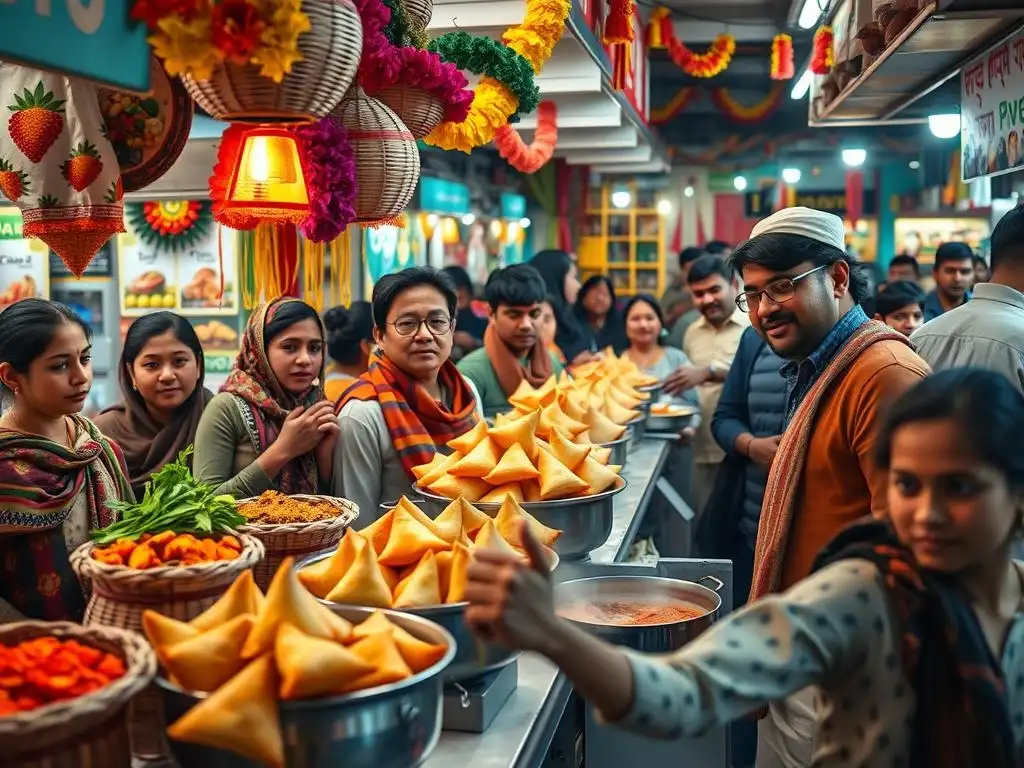
Welcome to Ancient India History, where we embark on a thrilling journey through the vibrant tapestry of ancient Indian civilization! Here, we delve into the rich culture, remarkable contributions, and fascinating stories that shaped India from the majestic Indus Valley to the illustrious Gupta Empire. In our featured article, we invite you to uncover the secrets of ancient Indian street food recipes—a culinary adventure that not only tantalizes your taste buds but also transports you to the bustling markets of yesteryears.
Get ready to discover how you can bring these timeless flavors into your own kitchen and experience the essence of ancient India like never before! Dive in and let your exploration begin!
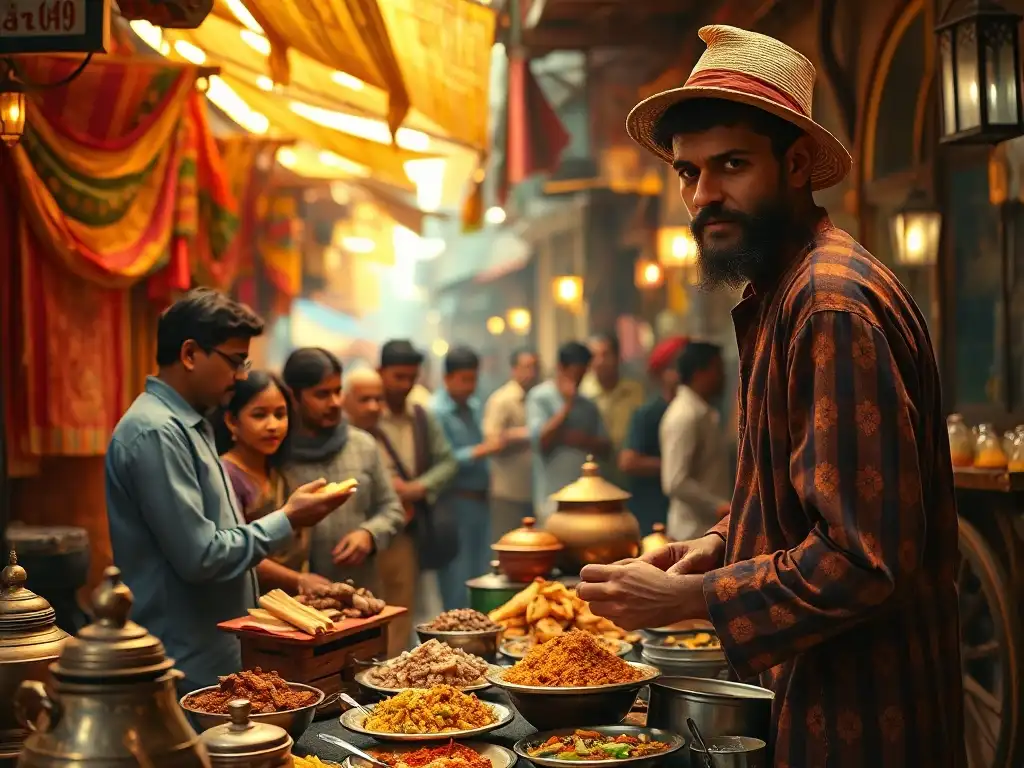
Ancient Indian street food is a vibrant tapestry woven from the rich history, diverse cultures, and culinary expertise of the subcontinent. From the bustling bazaars of the Indus Valley civilization to the lively markets of the Gupta Empire, street food has always been an integral part of Indian life, reflecting the local ingredients, flavors, and traditions of various regions.
In this article, we will explore the fascinating world of ancient Indian street food recipes, guiding you on how to recreate these delicious dishes in your own kitchen. Whether you're seeking to impress guests with unique flavors or simply indulge in the nostalgic tastes of ancient markets, this guide will provide you with the essential knowledge and skills to bring these classics to life.
Introduction to Ancient Indian Street Food Recipes
Street food in ancient India was not just about sustenance; it was a cultural experience. Vendors would often prepare and serve food in public spaces, creating a communal atmosphere where people from all walks of life could gather and share meals. Dishes like chole bhature, pani puri, and samosas have their roots in these ancient markets, evolving over centuries yet retaining their traditional essence.
The significance of street food extends beyond mere flavor; it reflects the agricultural practices, trade routes, and cultural exchanges that shaped Indian society. Recipes often incorporated local spices, grains, and vegetables, providing a unique taste that varies from region to region. By exploring these ancient street food recipes, you will not only learn how to cook delectable dishes but also gain insight into the historical context that shaped them.
Essential Ingredients for Authentic Ancient Indian Street Food
To successfully recreate ancient Indian street food classics, it is crucial to gather the right ingredients that capture the authentic flavors of the region. Below are some essential components that form the backbone of many recipes:
- Grains and Pulses:
- Chickpeas: Used in dishes like chole.
- Lentils: Base for various snacks and accompaniments.
- Rice: A staple in many street food items.
- Spices:
- Cumin: Adds warmth and depth to dishes.
- Coriander: Brightens up flavors.
- Garam Masala: A blend that enhances the overall taste.
- Vegetables:
- Potatoes: Commonly stuffed in samosas or used in chaat.
- Onions: Essential for many street food preparations.
- Tomatoes: Adds acidity and richness to various dishes.
- Herbs:
- Cilantro: Freshness to garnishes and chutneys.
- Mint: Key ingredient in refreshing chutneys.
- Other Essentials:
- Tamarind: Provides tanginess in chutneys.
- Chili Peppers: For heat and flavor.
- Yogurt: Commonly used as a cooling accompaniment.
By ensuring you have these ingredients on hand, you will be well-equipped to dive into the vibrant world of ancient Indian street food. Each recipe will come alive with the rich flavors and textures that have delighted generations, allowing you to experience the essence of ancient markets right from your kitchen.
Step-by-Step Guide to Cooking Ancient Indian Street Food Recipes
Exploring ancient Indian street food recipes allows you to experience the vibrant flavors and aromas that defined bustling marketplaces. These recipes are not only delectable but also represent the rich culinary history of India. Below, we delve into some classic street food dishes, providing step-by-step instructions on how to recreate them in your own kitchen.
1. Chaat: The Quintessential Street Snack
Chaat is an umbrella term for a variety of savory snacks that blend sweet, tangy, and spicy flavors. Originating from North India, it embodies the essence of street food.
Ingredients:
- 2 cups boiled potatoes, diced
- 1 cup chickpeas, boiled
- 1 cup yogurt
- 1 tablespoon tamarind chutney
- 1 tablespoon green chutney
- 1 teaspoon chaat masala
- 1 teaspoon roasted cumin powder
- Fresh coriander leaves, chopped
- Puffed rice (optional)
Instructions:
- Combine Ingredients: In a large bowl, mix the boiled potatoes and chickpeas.
- Add Chutneys: Drizzle tamarind and green chutneys over the mixture.
- Season: Sprinkle chaat masala and roasted cumin powder for extra flavor.
- Garnish: Top with yogurt, chopped coriander, and puffed rice if desired.
- Serve: Enjoy immediately while the puffed rice is crispy!
2. Pani Puri: A Delightful Burst of Flavors
Pani Puri, also known as Golgappa or Puchka, is a beloved snack that features hollow, crispy puris filled with spiced water, potatoes, and chickpeas.
Ingredients:
- 1 pack of puris (or make your own using semolina)
- 1 cup boiled potatoes, mashed
- 1 cup boiled chickpeas
- 1 cup tamarind water
- 1 tablespoon mint leaves, chopped
- 1 tablespoon coriander leaves, chopped
- 1 teaspoon chaat masala
- Salt to taste
Instructions:
- Prepare the Pani: In a blender, mix mint leaves, coriander, tamarind water, chaat masala, and salt. Adjust seasoning to taste.
- Assemble the Puri: Crack the top of each puri gently. Fill with mashed potatoes and chickpeas.
- Add Pani: Pour the prepared pani into the puris just before serving to keep them crispy.
- Enjoy: Pop them in your mouth whole for the ultimate burst of flavors!
3. Vada Pav: The Iconic Mumbai Burger
Vada Pav is a staple in Mumbai, consisting of a spicy potato filling sandwiched between bread, often served with chutneys and fried green chilies.
Ingredients:
- 2 large potatoes, boiled and mashed
- 1 tablespoon ginger-garlic paste
- 1 teaspoon mustard seeds
- 1 teaspoon cumin seeds
- 2 green chilies, chopped
- 1 teaspoon turmeric powder
- 1 teaspoon garam masala
- Salt to taste
- Pav (bread rolls)
- Green chutney and sweet chutney for serving
Instructions:
- Prepare the Filling: In a pan, heat oil and add mustard and cumin seeds. Once they splutter, add ginger-garlic paste and green chilies, sautéing until fragrant.
- Mix in Spices: Add turmeric, garam masala, and salt. Stir in the mashed potatoes and mix well. Let cool.
- Form Vadas: Shape the potato mixture into small balls.
- Fry Vadas: Deep fry the balls until golden brown.
- Assemble: Place a vada between two halves of a pav, spread chutneys, and serve with fried green chilies.
4. Dosa: The Crispy South Indian Crepe
Dosa is a thin, crispy crepe made from fermented rice and lentil batter, commonly served with sambar and chutney.
Ingredients:
- 2 cups rice
- 1 cup urad dal (split black gram)
- Salt to taste
- Oil for cooking
Instructions:
- Soak Ingredients: Soak rice and urad dal separately in water for about 6-8 hours.
- Blend: Drain and blend them together into a smooth batter using minimal water. The batter should be slightly thick.
- Ferment: Let the batter ferment overnight in a warm place.
- Cook Dosas: Heat a non-stick pan, pour a ladle of batter, and spread it into a thin circle. Drizzle oil around the edges.
- Serve: Cook until golden brown on one side, flip, and serve hot with sambar and chutney.
Tips for Perfecting Your Ancient Indian Street Food Techniques
To master ancient Indian street food recipes, consider the following tips:
- Fresh Ingredients: Always use fresh herbs and spices to enhance the flavors.
- Practice Fermentation: For dishes like dosa, allow sufficient time for fermentation to achieve the perfect texture.
- Adjust Spices: Customize the level of spices according to personal preference, but don’t shy away from authentic flavors.
- Timing is Key: Serve dishes immediately after preparation to maintain their texture and flavor.
- Experiment: Don’t hesitate to try variations of traditional recipes, incorporating local ingredients or personal twists.
Bringing the taste of ancient Indian street food to your kitchen is not only a culinary adventure but also a way to connect with the rich history of India’s food culture. Happy cooking!
Recommended Kitchen Products for Cooking Ancient Indian Street Food
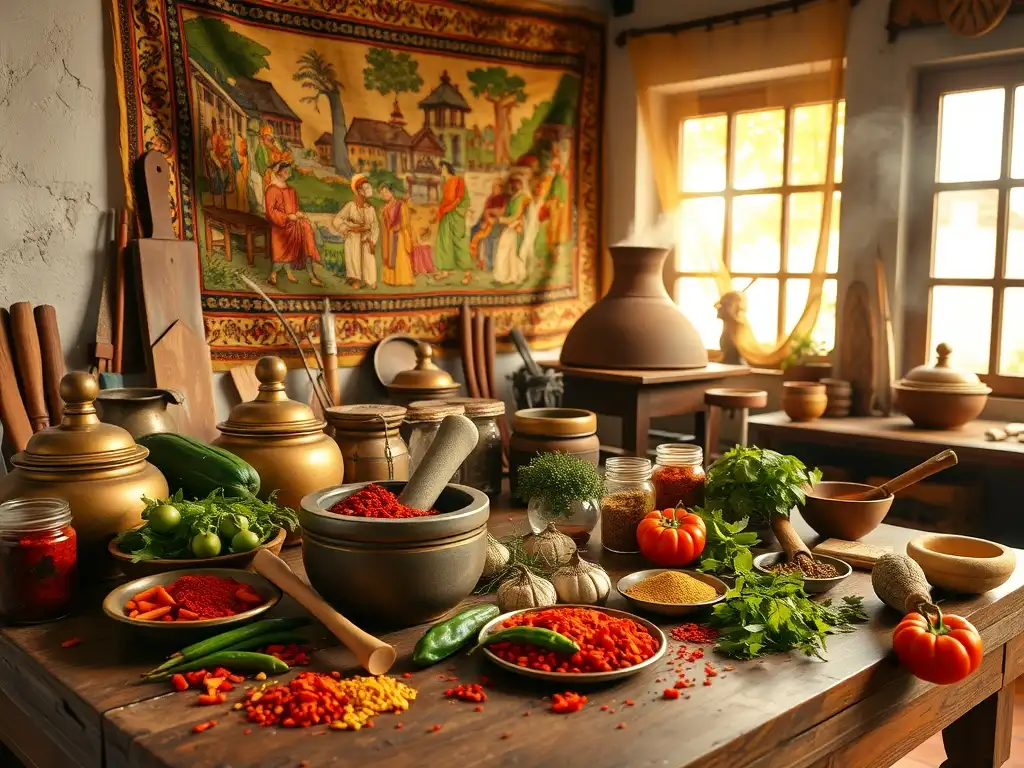
To recreate the vibrant flavors of ancient Indian street food in your kitchen, having the right tools and products is essential. Here’s a list of recommended kitchen products that will help you achieve authentic results:
- Heavy-Bottomed Kadai (Wok): A traditional Indian kadai is perfect for frying and sautéing. Its thick base helps distribute heat evenly, making it ideal for dishes like bhaji and puri.
- Tawa (Griddle): Essential for making flatbreads like roti and paratha, a cast-iron tawa retains heat well and gives a nice char to your bread.
- Mortar and Pestle: This age-old tool is perfect for grinding spices and making fresh masalas, which are critical for enhancing the flavors of your street food.
- Spice Box (Masala Dabba): A must-have for any Indian kitchen, a masala dabba keeps your essential spices organized and easily accessible, ensuring you have everything you need at your fingertips.
- Deep Fryer or Heavy Pot: For frying snacks like samosas and pakoras, a deep fryer allows for easier temperature control, but a heavy pot will work just as well.
- Chakla and Belan (Rolling Board and Pin): These are essential for rolling out dough for various street food items, ensuring your breads and pastries are the perfect thickness.
- Stainless Steel Serving Platters: To serve your street food in style, stainless steel platters not only look traditional but are also durable and easy to clean.
Common Mistakes to Avoid When Cooking Ancient Indian Street Food
When attempting to cook ancient Indian street food at home, it’s easy to make mistakes that can affect the final outcome. Here are some common pitfalls to avoid:
- Skipping the Spice Prepping: Many novice cooks tend to overlook the importance of preparing spices. Always toast whole spices to release their flavors before grinding or adding them to dishes.
- Using Low-Quality Ingredients: The quality of ingredients significantly impacts the taste. Opt for fresh, high-quality produce and spices to ensure authentic flavors.
- Ignoring Temperature Control: Cooking at the right temperature is crucial, especially for frying. Too high, and your food may burn; too low, and it can become greasy. Use a thermometer or test oil with a small piece of bread to find the right temperature.
- Overcrowding the Pan: When frying, avoid adding too many items at once. This lowers the oil temperature and results in soggy food. Fry in small batches to maintain crispiness.
- Not Letting Dough Rest: Allowing dough to rest after kneading helps gluten to relax, resulting in softer breads. Don’t skip this step for better texture.
- Neglecting Presentation: Street food is as much about presentation as it is about taste. Use vibrant garnishes like chopped coriander, lime wedges, or colorful chutneys to enhance the visual appeal of your dishes.
Conclusion: Bringing the Taste of Ancient Markets to Your Kitchen
Recreating ancient Indian street food in your kitchen is an adventure that connects you to the rich culinary heritage of India's diverse cultures. By utilizing the right kitchen products and avoiding common cooking mistakes, you can bring the authentic flavors and aromas of ancient markets right to your dining table.
Experiment with traditional recipes, infuse your creations with the spices that define this cuisine, and don't hesitate to adjust flavors to suit your palate. Remember, the joy of cooking is not only about following recipes but also about discovering your unique culinary expression. Embrace the process, and soon you’ll find yourself not just cooking, but celebrating the vibrant history of ancient Indian street food in every dish you prepare. Enjoy the journey!
Cooking ancient Indian street food recipes is not just about preparing a meal; it's about reviving the rich culinary heritage that has been passed down through generations. Once you've tried your hand at these delicious dishes, we invite you to share your experiences and creations with our community.
Your Turn to Shine! 🌟
- Post Your Photos: Snap a picture of your finished dish and share it on social media. Tag us and use the hashtag #AncientIndianStreetFood to connect with fellow enthusiasts.
- Share Your Recipes: Have a unique twist on a classic recipe? Write it down and share it with others who are eager to learn. Your version might inspire someone else to try something new!
- Join the Discussion: Engage with other food lovers in our comments section. Share tips, ask questions, and discuss your favorite street food memories.
Why Sharing Matters
Sharing your street food creations fosters a sense of community and keeps the vibrancy of ancient Indian culinary traditions alive. By showcasing your dishes, you contribute to the collective knowledge and appreciation of these flavors that have been enjoyed for centuries.
Let’s Celebrate Together! 🎉
We look forward to seeing your culinary masterpieces and hearing about your experiences in recreating these iconic street food dishes. Remember, every dish tells a story, and you are now a part of this ongoing narrative. So, get cooking, and don’t forget to share your journey with us!
- Introduction to Ancient Indian Street Food Recipes
- Essential Ingredients for Authentic Ancient Indian Street Food
- Step-by-Step Guide to Cooking Ancient Indian Street Food Recipes
- Tips for Perfecting Your Ancient Indian Street Food Techniques
- Recommended Kitchen Products for Cooking Ancient Indian Street Food
- Common Mistakes to Avoid When Cooking Ancient Indian Street Food
- Conclusion: Bringing the Taste of Ancient Markets to Your Kitchen
- Call to Action: Share Your Street Food Creations
Frequently Asked Questions
What are some popular ancient Indian street food recipes?
Popular ancient Indian street food recipes include pani puri, bhel puri, and dahi vada. These dishes reflect the rich culinary traditions found in ancient marketplaces.
How did ancient Indian street food influence modern cuisine?
Ancient Indian street food has greatly influenced modern cuisine by introducing spices, flavors, and cooking techniques that are still prevalent today. Many traditional recipes have evolved but retain their cultural significance.
What ingredients are commonly used in ancient Indian street food?
Common ingredients include legumes, grains, spices, and vegetables. These ingredients not only enhance flavor but also represent the diversity of regional cuisines in ancient India.
Can I replicate ancient street food at home?
Yes, you can easily replicate ancient street food recipes at home using fresh ingredients and traditional cooking methods. Many recipes are simple and require minimal equipment, making them accessible to everyone.
Where can I learn more about ancient Indian street food?
To learn more, explore resources like culinary blogs, history books, and cooking classes that focus on ancient Indian cuisine. Websites dedicated to Indian history and culture, like "Ancient India History," often provide valuable insights and recipes.
Final Reflection: Savoring the Rich Tapestry of Ancient Indian Street Food
In a world increasingly dominated by fast food and convenience, the revival of ancient Indian street food recipes offers a deliciously rich connection to our culinary heritage. These recipes not only tantalize our taste buds but also remind us of the vibrant markets that have thrived for centuries, where flavors, aromas, and cultures intertwine. As we explore these time-honored dishes, we rediscover the essence of community and tradition that they embody, making them profoundly relevant in today's fast-paced society.
The influence of ancient Indian street food extends far beyond mere sustenance; it shapes our cultural and social landscapes, fostering a sense of belonging and nostalgia. Each bite of a classic chaat or a warm samosa transports us back to bustling streets filled with laughter and shared experiences. The flavors we savor are not just ingredients; they are stories waiting to be told. As the renowned chef and food writer Madhur Jaffrey once said, Food is a celebration of life, and it brings people together.
This sentiment resonates deeply as we embrace these recipes, allowing them to bridge generations and cultures in our kitchens.
As you embark on your culinary journey to recreate these ancient street food classics, I invite you to reflect on the stories behind each dish and the memories they evoke. Consider how you can bring the spirit of these vibrant markets into your own home, sharing the joy of cooking and eating with loved ones. Let the flavors of the past inspire your present, and may each meal you prepare become a celebration of heritage, connection, and the timeless art of cooking. Embrace the challenge, savor the process, and relish the taste of history in every bite.
Bring Ancient Flavors to Life Today!
Thank you for joining us on this delicious journey through the vibrant world of street food classics! We hope you’ve uncovered the secrets to bringing the enticing tastes of ancient markets into your own kitchen. Now, let’s transform that newfound knowledge into mouthwatering experiences!
Here’s how you can start your culinary adventure:
- Try your hand at cooking a classic street food dish and share your creation on social media—use the hashtag #AncientFlavorsChallenge to connect with fellow food lovers!
- Visit a local market or grocery store to explore unique ingredients that could elevate your dishes and rediscover the magic of fresh, local flavors.
- Join a cooking class or workshop focused on ancient cuisine; immerse yourself in the techniques and traditions that transform simple ingredients into unforgettable meals.
What street food dish are you excited to recreate first, and how will you add your own unique twist to it? We’d love to hear your ideas!