
Spice Up Your Travels: Unique Culinary Tours Tailored for Food Lovers

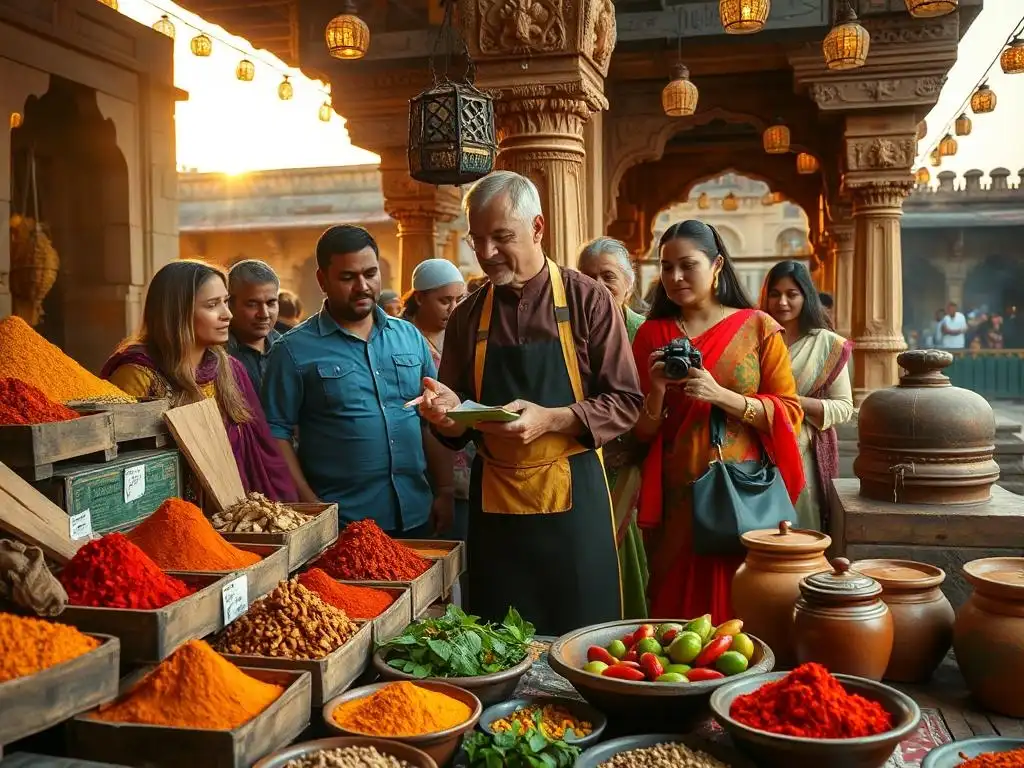
Welcome to Ancient India History, where we embark on a fascinating journey through the rich tapestry of India's past! Here, we delve into the culinary tours of ancient India—an exploration that tantalizes the senses and unearths the flavors that shaped civilizations. From the aromatic spices of the Indus Valley to the royal feasts of the Gupta Empire, discover how food has not only nourished but also connected cultures across time.
Are you ready to spice up your travels and uncover the delectable secrets that lie within India’s storied heritage? Dive in and let your taste buds guide you through history!
Introduction to Culinary Tours of Ancient India
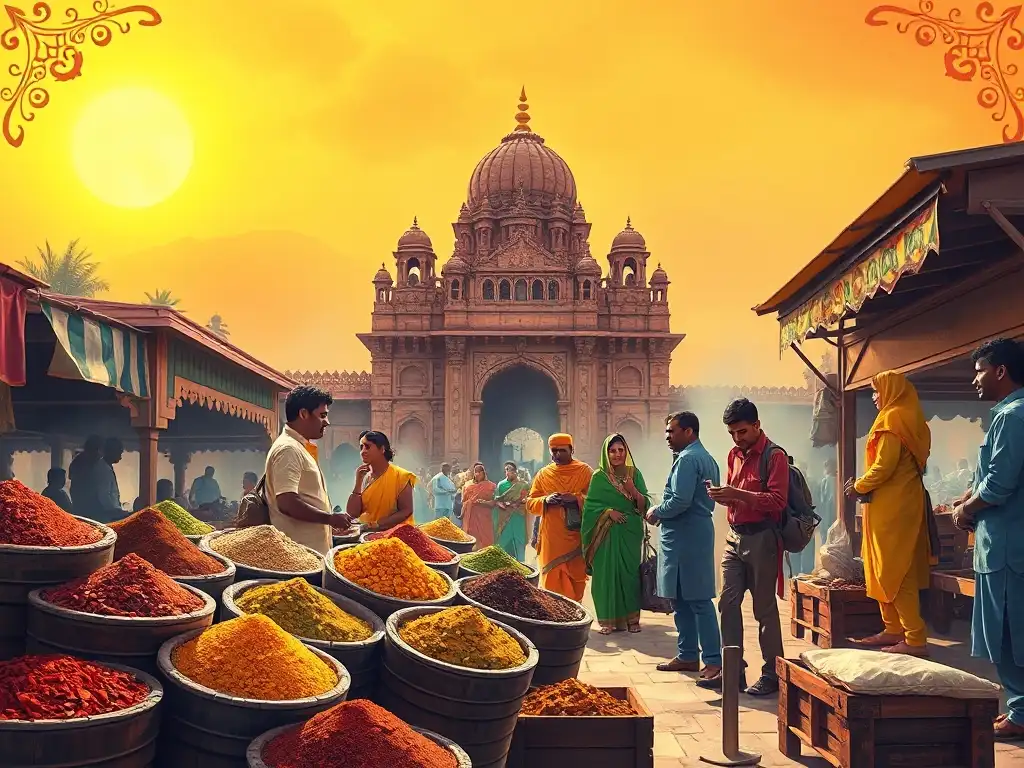
Embarking on a culinary tour of ancient India is not just about savoring exquisite dishes; it is a journey through time that allows food lovers to immerse themselves in the rich tapestry of India’s historical and cultural heritage. From the early civilizations of the Indus Valley, where the foundations of agricultural practices were laid, to the flourishing courts of the Gupta Empire, ancient India has a storied relationship with food that reflects its diversity and innovation.
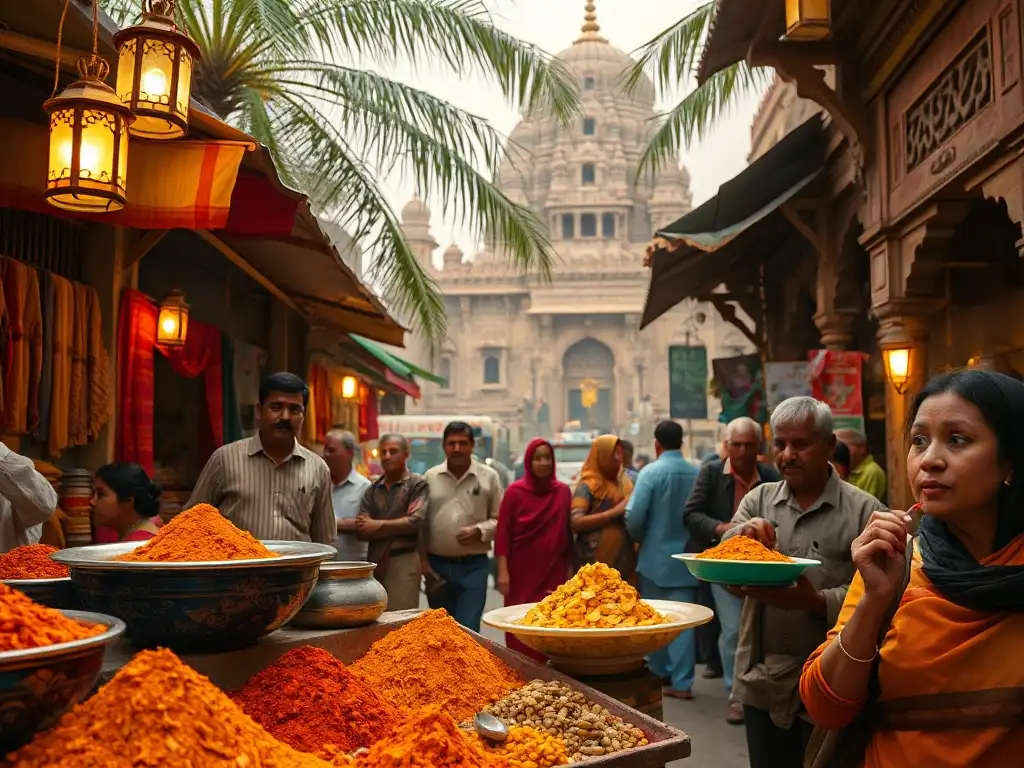
These culinary tours are designed to take you beyond the typical tourist experience, offering a unique opportunity to explore the traditional recipes, cooking techniques, and local ingredients that have shaped Indian cuisine over millennia. Imagine wandering through bustling markets, learning to prepare age-old recipes handed down through generations, and tasting flavors that tell the story of a region's history and culture.
Whether you are a seasoned foodie or someone simply looking to explore a new dimension of travel, culinary tours of ancient India promise to enrich your understanding of this vibrant land. With each bite, you will discover the influence of various historical epochs, regional variations, and the intricate connections between food and identity. Let's dive deeper into what makes these tours truly special and how they can transform your travel experience into a feast for both the palate and the mind.
Discover the Best Culinary Tours of Ancient India
1. The Spice Route Tour: A Journey Through Flavors
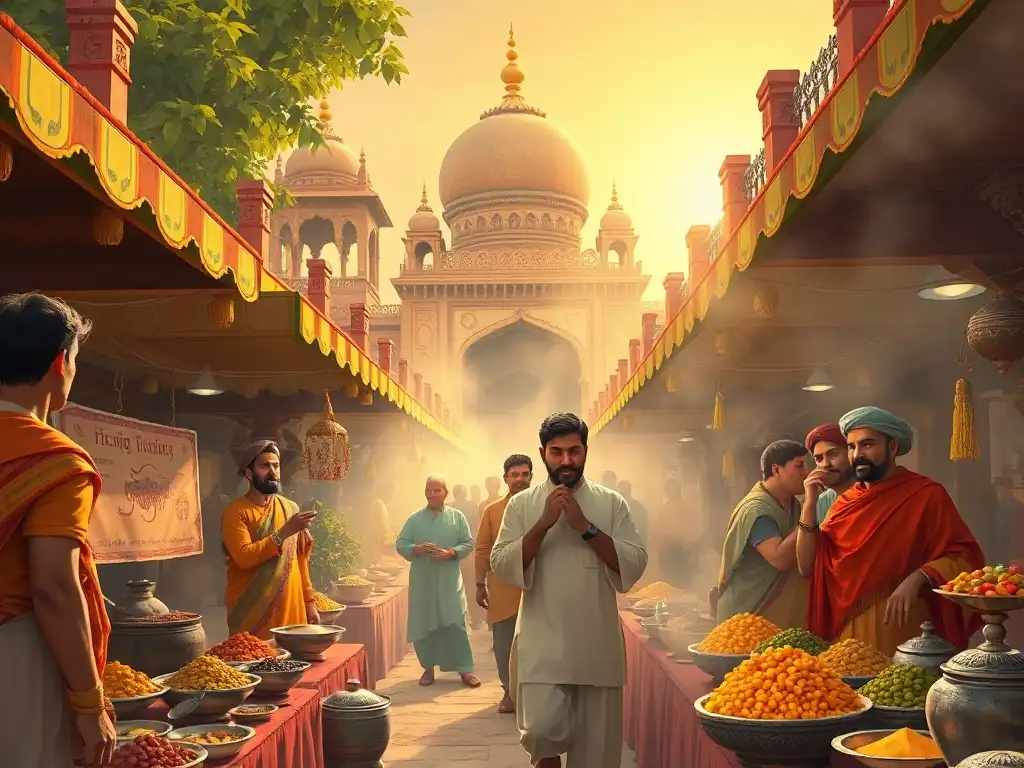
The Spice Route Tour offers a captivating exploration of ancient India's vibrant culinary landscape. This tour traces the historical trade routes that facilitated the exchange of spices, herbs, and flavors between India and the rest of the world. Starting in the bustling markets of the Indus Valley, participants will delve into the origins of spices like black pepper, cardamom, and turmeric, which played a significant role in shaping global cuisine.
Highlights of the Tour:
- Heritage Spice Markets: Visit ancient spice markets, where traders once bartered aromatic goods. Engage with local merchants to learn about traditional spice blending techniques.
- Cooking Demonstrations: Attend workshops led by expert chefs who showcase the art of using spices in traditional Indian cooking. Participants can learn to prepare dishes such as Biryani and Masala Dosa, using recipes passed down through generations.
- Historical Tastings: Enjoy authentic meals at historic sites, where each dish tells a story of the region's culinary evolution. Imagine savoring a meal inspired by the Mauryan empire while surrounded by ancient architecture.
This immersive experience not only tantalizes the taste buds but also enriches understanding of the cultural significance of spices in ancient India.
2. Gupta Empire Culinary Experience: Dishes of a Golden Age
The Gupta Empire Culinary Experience is a unique tour that allows food lovers to step back in time to the Golden Age of India. Renowned for its advancements in arts, science, and culture, the Gupta period also made significant contributions to Indian cuisine.
What to Expect:
- Ancient Recipes: Participants will have the opportunity to cook and taste dishes that date back to the Gupta era, such as Khichdi and various lentil preparations, which were staples of the time.
- Culinary History Sessions: Engage in discussions led by historians and chefs about the ingredients and cooking methods prevalent during the Gupta period, exploring how they have influenced modern Indian cuisine.
- Cultural Performances: Enjoy traditional music and dance performances that reflect the rich heritage of the Gupta Empire, enhancing the dining experience.
Through this tour, food enthusiasts will not only savor delectable dishes but also gain insights into the cultural and historical contexts that shaped them.
3. Street Food Tours in Ancient Cities
The Street Food Tours in Ancient Cities offer a thrilling adventure through the culinary delights of historic urban centers like Varanasi and Delhi. These cities have long been melting pots of diverse culinary practices, showcasing the fusion of flavors that define Indian street food.
Tour Features:
- Guided Food Walks: Participants will be led by local food experts through bustling streets, sampling iconic street foods such as Pani Puri, Chaat, and Samosas. Each stop features a story about the dish's origin and its place in local culture.
- Culinary Workshops: Experience hands-on cooking sessions where participants can learn to prepare popular street snacks, gaining practical skills while enjoying a fun atmosphere.
- Cultural Insights: Discover the historical significance of street food in ancient civilizations and how it reflects the daily lives of the people.
This tour transforms culinary exploration into a cultural journey, offering food lovers a deep dive into the flavors and traditions of ancient Indian street food.
Culinary Workshops: Learning the Art of Ancient Indian Cooking
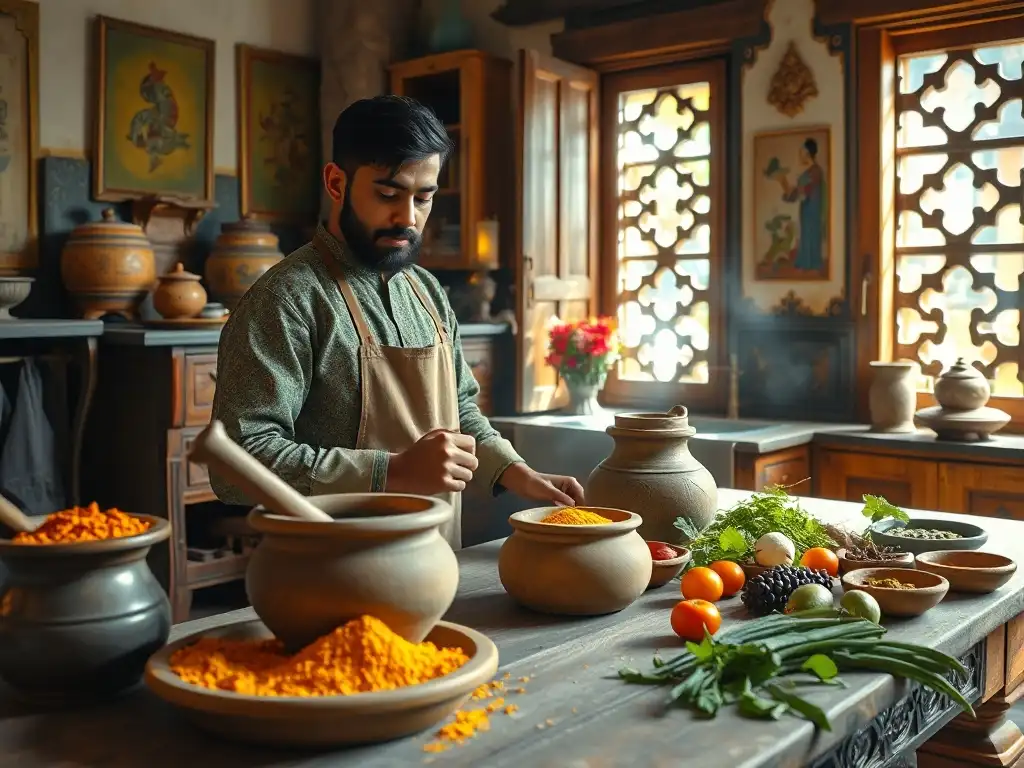
Culinary workshops offer a unique opportunity to delve into the rich tapestry of ancient Indian cooking, where participants can learn traditional techniques that have been passed down through generations. These workshops provide not just a culinary education, but also a cultural immersion, allowing food lovers to appreciate the historical context and regional variations of Indian cuisine.
1. Hands-On Cooking Classes in Historic Locations
Participating in hands-on cooking classes held in historic locations adds an extra layer of authenticity to the culinary experience. Imagine preparing a meal in an ancient haveli or a heritage site, surrounded by traditional architecture and local ambiance. These classes often feature:
- Experienced Chefs: Many workshops are led by chefs who specialize in ancient Indian cooking methods, providing insights into the techniques used by our ancestors.
- Iconic Dishes: Participants can learn to prepare iconic dishes such as Biryani, Korma, or Dum Pukht, each with its unique history and preparation style.
- Cultural Context: Classes often include storytelling sessions that explain the origins of the recipes, the significance of certain ingredients, and how these dishes were enjoyed in ancient times.
Example Locations:
- Jaipur: Cooking classes in traditional Rajasthani homes.
- Varanasi: Workshops in the spiritual heart of India, focusing on vegetarian cuisine.
These settings not only enrich the cooking experience but also allow travelers to connect with the local culture, further enhancing their culinary tours of ancient India.
2. Traditional Ingredient Sourcing: From Farm to Table
One of the most fascinating aspects of culinary tours in ancient India is the emphasis on sourcing traditional ingredients. This farm-to-table approach not only ensures freshness but also connects participants with the ancient agricultural practices that shaped Indian cuisine. Key elements include:
- Local Markets: Many culinary tours incorporate visits to local markets where participants can learn about and purchase spices, herbs, and vegetables that are native to the region. This experience can include:
- Spice Tasting: Understanding the different flavor profiles and uses of spices like saffron, cardamom, and turmeric.
- Herb Identification: Learning to identify and select fresh herbs that were utilized in ancient recipes.
- Sustainable Practices: Workshops often highlight sustainable farming practices that align with ancient agricultural wisdom, including:
- Crop Rotation: Understanding how ancient farmers maintained soil health.
- Organic Farming: Exploring the benefits of organic ingredients, which were commonly used in ancient cooking.
By participating in these ingredient sourcing activities, food lovers can gain a deeper appreciation for the history of Indian cuisine and the importance of each ingredient, making culinary tours of ancient India not only a gastronomic adventure but also a journey through time and culture.
Through these culinary workshops, travelers can truly spice up their journeys, learning the art of ancient Indian cooking while also gaining insights into the rich cultural heritage that continues to influence modern Indian cuisine.
Cultural Immersion: Beyond the Plate
1. Understanding Ancient Food Traditions
Exploring the culinary tours of ancient India offers a unique opportunity to delve into the rich tapestry of food traditions that have shaped Indian cuisine over millennia. Ancient Indian food culture is deeply intertwined with its history, religion, and societal norms, reflecting the agricultural practices, trade routes, and lifestyle of its people.
Key Influences on Ancient Indian Cuisine:
- Geography: The diverse landscapes of India—from the fertile plains of the Indus Valley to the mountainous terrains of the Himalayas—contributed to a variety of local ingredients.
- Trade: The Spice Route facilitated the exchange of not just spices, but also cooking techniques and culinary philosophies with neighboring cultures.
- Religious Practices: Many dishes have roots in ancient rituals and festivals, with specific foods prepared for sacred occasions. For instance, the use of lentils and rice in many vegetarian offerings signifies purity and sustenance.
This cultural heritage is preserved in various regional cuisines, where ancient recipes are still practiced today. For example, the use of asafetida in North Indian cooking is a remnant of ancient Ayurvedic practices, believed to aid digestion and enhance flavor.
Exploring ancient food traditions on culinary tours involves not just tasting, but also understanding the significance behind each dish. Participants can engage in cooking demonstrations where local historians recount the stories of spices and ingredients, enriching the culinary experience with historical context.
2. Connecting with Local Chefs and Historians
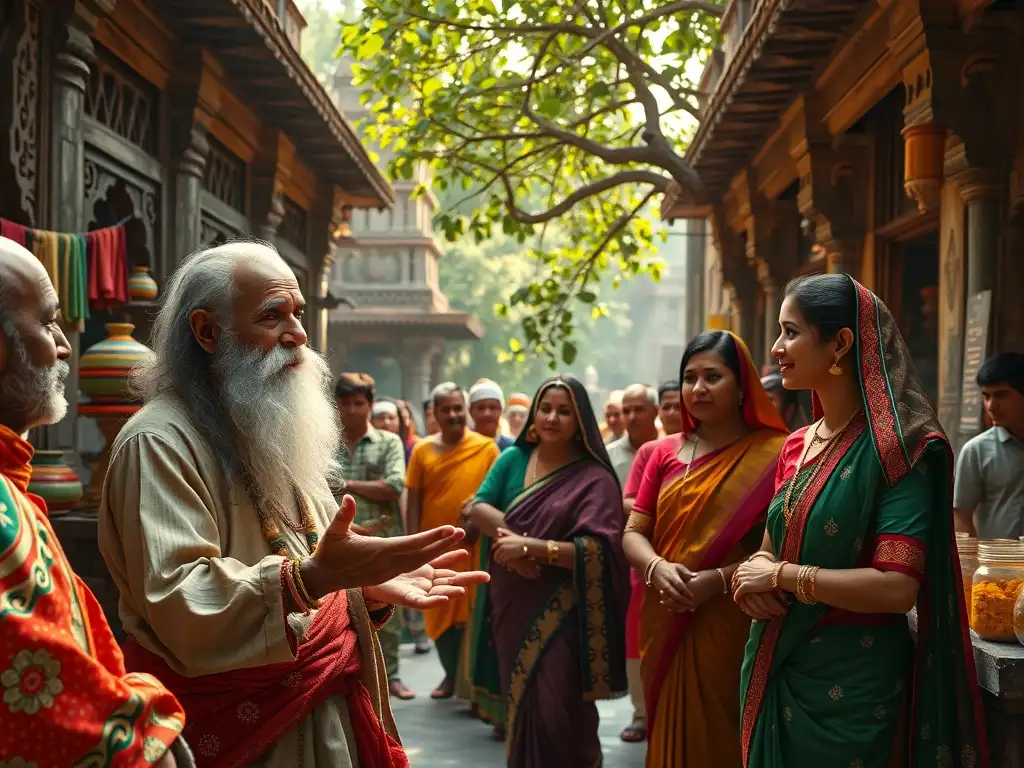
One of the most enriching aspects of culinary tours of ancient India is the opportunity to connect with local chefs and historians who are passionate about preserving culinary heritage. These experts serve as cultural ambassadors, guiding travelers through the intricate relationships between food, history, and community.
Why Connect with Local Experts?
- Authentic Experiences: Local chefs often use age-old techniques and recipes passed down through generations. This authenticity provides a deeper understanding of the flavors and cooking methods.
- Historical Insights: Historians can offer perspectives on how ancient trade, invasions, and cultural exchanges influenced modern Indian cuisine. For instance, the Mughal influence introduced rich gravies and biryanis, which are staples in contemporary North Indian cuisine.
- Cooking Workshops: Many tours include hands-on cooking sessions with chefs, where participants can learn to prepare traditional dishes like dal baati churma or samosas, using techniques that date back to ancient times.
Connecting with local chefs and historians provides a unique narrative to the culinary journey, ensuring that the food experienced is not just a meal, but a story served on a plate. This engagement fosters a deeper appreciation for the culinary arts and the cultural heritage of ancient India, truly enhancing the travel experience.
By experiencing the culinary traditions of ancient India through immersive tours, food lovers can gain insights that go beyond the plate, enriching their understanding of one of the world's oldest civilizations.
Conclusion: Embark on Your Culinary Journey Through Ancient India
Exploring the culinary heritage of ancient India is a remarkable way to immerse yourself in the rich tapestry of its history, culture, and traditions. The diverse flavors, techniques, and ingredients that have evolved over millennia provide a unique lens through which to understand the civilizations that flourished in this region.
From the sophisticated urban planning of the Indus Valley Civilization to the opulent kitchens of the Mughal Empire, each era has left a significant mark on Indian cuisine. Engaging in culinary tours of ancient India allows travelers to discover not only the historical significance of various dishes but also the stories and cultural practices that surround them.
Participating in these tours offers a hands-on experience, enabling food lovers to learn traditional cooking methods, visit local markets, and savor authentic recipes passed down through generations. Whether it's learning to prepare a fragrant biryani or tasting the subtle spices of a regional curry, each culinary adventure is steeped in history, making it an educational journey as much as a gastronomic one.
Call to Action: Book Your Unique Culinary Tour Today!
Don't miss the opportunity to dive deep into the flavors of ancient India. By booking a culinary tour, you'll not only enjoy delicious meals but also gain insights into the historical contexts and cultural significance of the dishes you taste.
- Explore various regions of India known for their unique culinary contributions.
- Participate in interactive cooking classes guided by local chefs.
- Visit historical sites and learn about their influence on food traditions.
Take the first step towards your culinary adventure!
- Check availability, compare different tour packages, and choose the one that suits your interests.
- Contact local tour operators to customize your experience, ensuring it aligns with your culinary desires.
👉 Start your unforgettable journey through the vibrant and diverse flavors of ancient India today!
Frequently Asked Questions
What are culinary tours of ancient India?
Culinary tours of ancient India are immersive travel experiences that focus on exploring the rich gastronomic heritage of Indian civilizations, from the Indus Valley to the Gupta Empire.
How do these tours enhance the understanding of ancient Indian culture?
These tours provide insights into the traditional cooking methods, spices, and ingredients used in ancient times, helping travelers appreciate the historical context of Indian cuisine.
What can participants expect during a culinary tour?
Participants can expect to engage in hands-on cooking classes, visit historical sites, and enjoy tasting sessions that highlight the unique flavors and cooking techniques of ancient India.
Are these tours suitable for all types of travelers?
Yes, culinary tours of ancient India cater to food lovers, history enthusiasts, and anyone interested in experiencing the rich cultural tapestry of ancient civilizations, making them suitable for diverse travelers.
How can one find and book a culinary tour of ancient India?
Travelers can find and book these tours through specialized travel agencies or online platforms that focus on cultural and culinary experiences in India, ensuring a personalized and enriching experience.
Final Reflection: Savoring the Journey Through Culinary Tours of Ancient India
Culinary tours of ancient India offer a unique lens through which we can explore the rich tapestry of culture, history, and tradition that defines this vibrant nation. As we navigate through the complexities of modern travel, the allure of immersive experiences rooted in local flavors and age-old recipes becomes increasingly relevant. These tours not only tantalize our taste buds but also connect us to the stories and heritage that have shaped Indian cuisine for centuries.
Culinary experiences have the power to transcend borders and foster a deeper understanding of diverse cultures. The ongoing popularity of culinary tours reflects a growing desire among travelers to engage with local communities and savor authentic flavors. As chef and author Anthony Bourdain once said, Food is everything we are. It’s an extension of nationalist feeling, ethnic feeling, your place in the world.
This sentiment underscores the importance of food as a cultural bridge, inviting us to appreciate the nuances of ancient Indian culinary traditions while fostering a sense of global interconnectedness.
As you embark on your own culinary adventures, I invite you to reflect on how food can serve as a gateway to understanding and appreciating different cultures. Consider how each dish you encounter tells a story, and how your experiences can enrich your perspective on the world. Let the flavors of ancient India inspire you to seek out unique culinary tours, not just as a means of indulgence, but as a transformative journey that deepens your connection to the places and people you encounter along the way.
Savor the Adventure: Embark on Your Culinary Journey!
Thank you for diving into the world of unique culinary tours with us! We hope this article has ignited your passion for exploring diverse flavors and cultures. Now it’s time to transform that inspiration into action and enhance your travel experiences!
Here are some engaging steps you can take right now:
- Research and book a culinary tour: Find a local or international food tour that excites your taste buds. Explore cuisines that pique your curiosity!
- Share your food journey: Document your culinary experiences on social media or start a food blog to connect with fellow food lovers and inspire others.
- Join a cooking class: Expand your culinary skills by learning to prepare dishes from the regions you wish to explore. This will prepare you for your next travel adventure!
Now, we’d love to hear from you! What unique culinary experience are you most excited to try on your next trip? Let’s spice up our travels together!