
The Rites of Passage in Vedic Society: Birth, Marriage, and Death

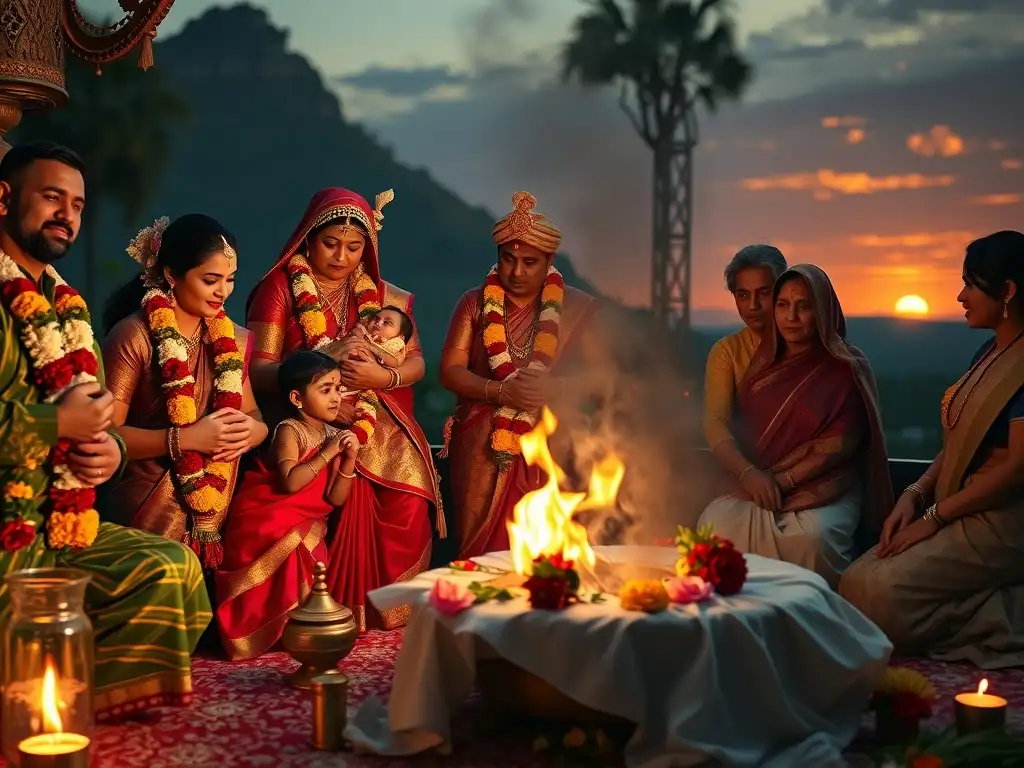
Welcome to Ancient India History, where we embark on a fascinating journey through the rich tapestry of ancient Indian civilizations. In our featured article, “The Rites of Passage in Vedic Society: Birth, Marriage, and Death,” we delve into the profound cultural practices that shaped the lives of countless individuals. From the sacred rituals marking the arrival of a new life to the solemn ceremonies that honor the passage into the afterlife, these rites reveal the intricate beliefs and traditions that have influenced Indian society for millennia.
Curious about how these ancient customs continue to resonate today? Join us as we explore the depths of Vedic society and uncover the timeless significance of these rites of passage.
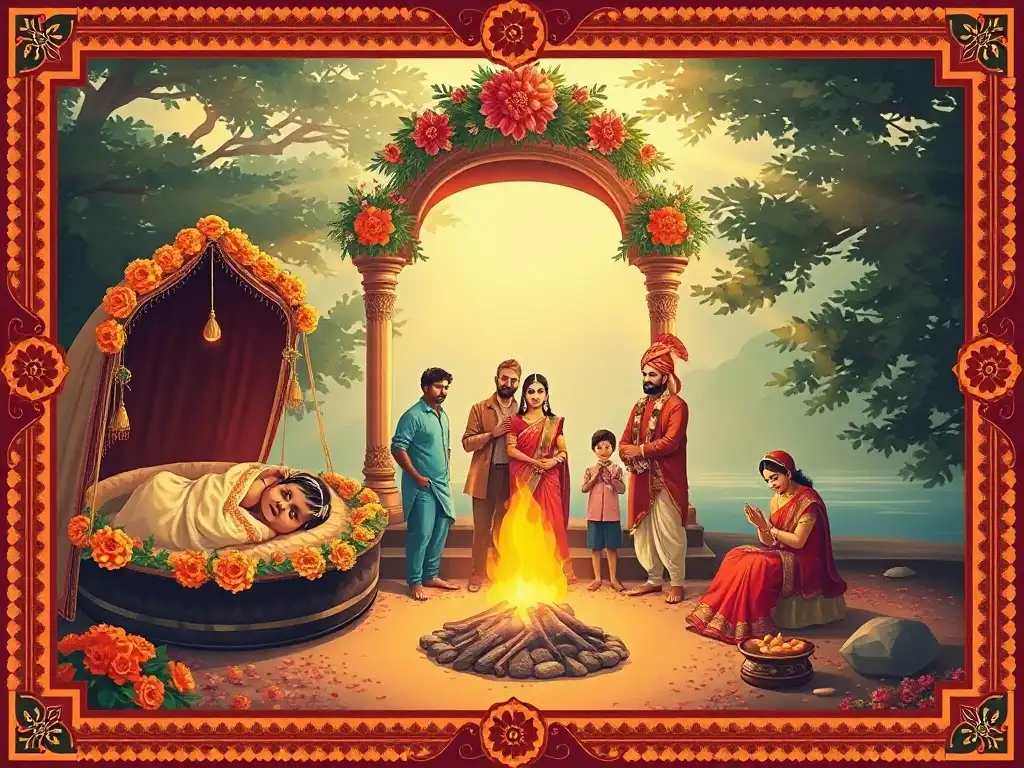
Introduction to Vedic Society Rites of Passage
The Vedic society, which flourished in ancient India between approximately 1500 BCE and 500 BCE, is a fascinating subject of study for historians and enthusiasts alike. This society, rooted in the sacred texts known as the Vedas, was characterized by its complex social structure, rich cultural practices, and profound spiritual beliefs.
Among these practices, the rites of passage—ceremonies marking significant transitions in an individual's life—hold a paramount role. These rituals, which encompass birth, marriage, and death, not only reflect the societal norms and values of the time but also provide insight into the spiritual and communal fabric of Vedic life.
In Vedic society, rites of passage served as crucial markers that facilitated the transition from one stage of life to another. Each ritual was laden with symbolism and significance, illustrating the interconnectedness of individual experiences with broader social and cosmic principles. Understanding these rites offers a window into the ancient Indian worldview, highlighting the importance placed on family, community, and the divine in shaping personal and collective identity.
Overview of Vedic Society and Its Cultural Significance
Vedic society was predominantly agrarian and patriarchal, structured around various classes known as varnas. The four main varnas—Brahmins (priests), Kshatriyas (warriors), Vaishyas (merchants), and Shudras (laborers)—played distinct roles in maintaining the social order and cultural practices. The Vedas themselves, comprising the Rigveda, Samaveda, Yajurveda, and Atharvaveda, served as foundational texts that guided religious, philosophical, and social life.
The cultural significance of Vedic society is reflected in its emphasis on dharma (duty), artha (prosperity), kama (pleasure), and moksha (liberation). Each rite of passage was not merely a personal milestone but a celebration of these broader philosophical ideals, reinforcing the values that governed daily life and spiritual practice.
Importance of Rites of Passage in Ancient Indian Culture
Rites of passage in ancient Indian culture were integral to the social fabric, marking critical transitions such as birth, marriage, and death. These ceremonies were deeply embedded in the religious and cultural ethos of the time, serving multiple purposes:
- Social Cohesion: Rites helped strengthen community bonds by involving family and friends in significant life events.
- Spiritual Connection: Many rituals were aimed at appeasing deities and seeking blessings for the individual and their family.
- Cultural Identity: These ceremonies preserved cultural heritage, passing down traditions from one generation to the next.
In essence, the rites of passage functioned as a vehicle for expressing shared beliefs and values, ensuring the continuity of cultural identity amidst changing societal dynamics.
Rites of Passage in Vedic Society: Birth
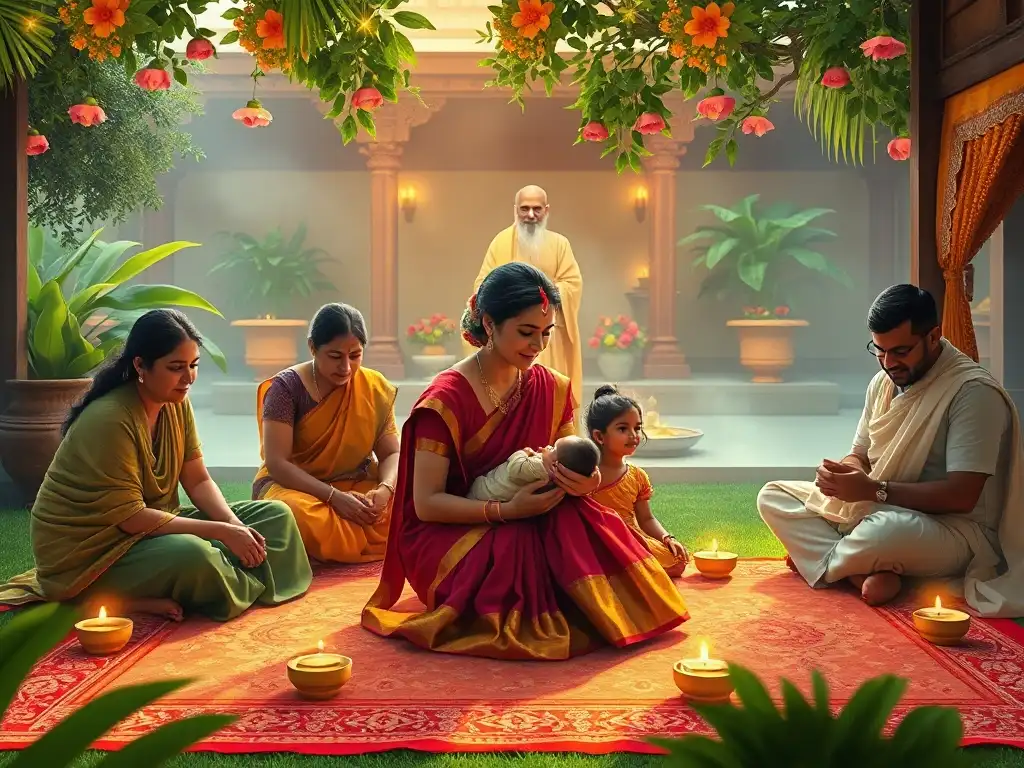
Significance of Birth Rituals in Vedic Society
The birth of a child was celebrated as a momentous event in Vedic society, laden with spiritual significance. Birth rituals were believed to not only welcome the new life into the family but also to invoke divine protection and blessings for the child. These rites symbolized the continuity of lineage and the fulfillment of family dharma, emphasizing the importance of offspring in maintaining social order and spiritual legacy.
Key Birth Ceremonies and Their Symbolism
Several key ceremonies marked the event of birth in Vedic society, including:
- Jatakarma: This rite was performed immediately after the birth, involving the father whispering the child's name into their ear, thus formally welcoming them into the family.
- Namakarana: The naming ceremony, typically held on the eleventh day after birth, involved selecting a name based on astrological calculations, linking the child to cosmic influences.
- Annaprashana: The first feeding of solid food to the child, symbolizing the transition from dependence on maternal nourishment to a more autonomous stage of life.
Each of these ceremonies was rich in symbolism, reflecting the family's hopes and aspirations for the child's future.
The Role of Family and Community in Birth Rites
In Vedic society, birth rituals were not solitary events; they were communal celebrations involving extended family and friends. This collective participation underscored the importance of support networks in nurturing the new life. Family members played various roles, from performing specific rituals to providing guidance and blessings, thus reinforcing familial bonds and social cohesion.
Moreover, the involvement of the community in these rites reflected a shared responsibility in raising the child, illustrating the interconnectedness of individual and societal well-being. The communal aspect of birth celebrations highlighted the significance of collaboration and mutual support, essential for the child's successful integration into the social fabric of Vedic society.
Rites of Passage in Vedic Society: Marriage
Marriage in Vedic society is a significant rite of passage that marks the transition of individuals into a new phase of life. It is considered not just a social contract but a sacred union sanctioned by religious rituals and societal norms. In the Vedic texts, marriage is often described as a duty (dharma) that individuals must fulfill to ensure continuity, both socially and spiritually. The union is believed to be a partnership that involves not just the couple but also their families, thereby reinforcing social bonds and cultural values.
The Importance of Marriage in Vedic Society
Marriage in Vedic society served multiple purposes beyond mere companionship. It was a vital social institution instrumental in continuing family lineage and upholding social order. The Vedic texts emphasize that marriage is essential for:
- Dharma: Fulfilling one's duties and responsibilities, particularly towards family and society.
- Procreation: Ensuring the birth of future generations, crucial for the survival of the family lineage.
- Social Cohesion: Strengthening alliances between families and clans, thereby enhancing community ties.
- Spiritual Growth: Offering opportunities for spiritual development and the performance of religious duties together.
Marriage was thus viewed as a holistic experience that intertwined personal, familial, and societal dimensions, highlighting its profound significance in Vedic culture.
Key Marriage Rituals and Their Cultural Significance
The marriage rituals in Vedic society are rich in symbolism and cultural significance, often elaborately described in texts like the Rigveda and the Manusmriti. Some key rituals include:
- Saptapadi (Seven Steps): The couple takes seven steps together, each representing a vow that includes commitments to nourish each other, grow together, and support each other's dreams.
- Kanyadaan (Giving Away the Bride): The father of the bride places her hand in the groom's hand, symbolizing the transfer of responsibility and invoking blessings for the couple.
- Agni Pariksha (Trial by Fire): In some traditions, the bride and groom may walk through fire or around a sacred fire to purify their union and invoke divine blessings.
These rituals are not merely ceremonial but imbue the marriage with a sacred quality, ensuring that the union is recognized by the community and the divine.
The Role of Dowry and Family in Vedic Marriages
The concept of dowry, known as "Stridhan," has its roots in Vedic society where the bride's family would provide gifts and wealth to the groom's family. The dowry system served several functions:
- Economic Security: It was intended to ensure the bride's financial security in her new home, safeguarding her rights and welfare.
- Social Status: The size and nature of the dowry often reflected the family's social status and wealth, influencing marital alliances.
- Family Ties: The involvement of families in the dowry negotiations highlighted the importance of familial bonds in marriage arrangements, reinforcing social networks.
While the dowry system has evolved and faced criticism over time, its historical significance in Vedic marriages underscores the complex interplay between economic and social factors in marital unions.
Rites of Passage in Vedic Society: Death
Death in Vedic society is viewed not as an end but as a transition to another state of existence. The rituals surrounding death are deeply rooted in beliefs about the afterlife and the soul's journey. These rites of passage are crucial for ensuring the deceased's peaceful transition and honoring their legacy.
Understanding Death Rituals in Vedic Society
The death rituals in Vedic society, termed "Antyesti" or last rites, are elaborate processes designed to honor the deceased and facilitate their journey to the afterlife. Key aspects include:
- Preparation of the Body: The body is bathed, adorned, and prepared for cremation, signifying respect for the departed.
- Cremation Ceremony: Fire plays a pivotal role in the ceremonies, as it is believed to purify the soul and release it from the physical form.
- Post-Cremation Rituals: Rituals such as "Shraddha" are performed to ensure that the deceased receives offerings from the living, providing them with sustenance in the afterlife.
These rituals reflect a deep-seated belief in the continuity of existence beyond physical death, emphasizing the importance of honoring the departed.
Key Death Ceremonies and Their Practices
Several key ceremonies characterize the death rites in Vedic society, each imbued with specific meanings and practices:
- Antim Sanskar (Final Rites): The last rites involve cremation, followed by rituals that include collecting the ashes and immersing them in sacred rivers like the Ganges.
- Pind Daan: Offering rice balls (pind) to the ancestors is performed to ensure their peace and to appease their spirits.
- Sharaddha: An annual ritual honoring the ancestors, where food is offered to the deceased, reflecting the belief in maintaining a connection with them.
These ceremonies serve not only to honor the dead but also to reinforce familial and societal bonds, allowing the living to express grief while celebrating the lives of those who have passed.
The Concept of Afterlife in Vedic Beliefs
The Vedic texts present a complex view of the afterlife, encompassing beliefs in reincarnation and the continuity of the soul. The key concepts include:
- Rebirth (Punarjanma): The belief that the soul is reborn into a new body based on its karma (actions) from previous lives, which reinforces the moral imperative of living a righteous life.
- Svarga (Heaven) and Naraka (Hell): The Vedic texts describe various realms where souls may reside based on their actions, with the ultimate goal being moksha, or liberation from the cycle of birth and rebirth.
- Karma: The principle of karma is central to Vedic beliefs about afterlife, emphasizing that one's actions have consequences that affect future existences.
These beliefs not only shape the funeral rites but also guide the moral conduct of individuals in their everyday lives, illustrating the deep interconnection between life, death, and the spiritual journey in Vedic society.
The Interconnection of Birth, Marriage, and Death in Vedic Society
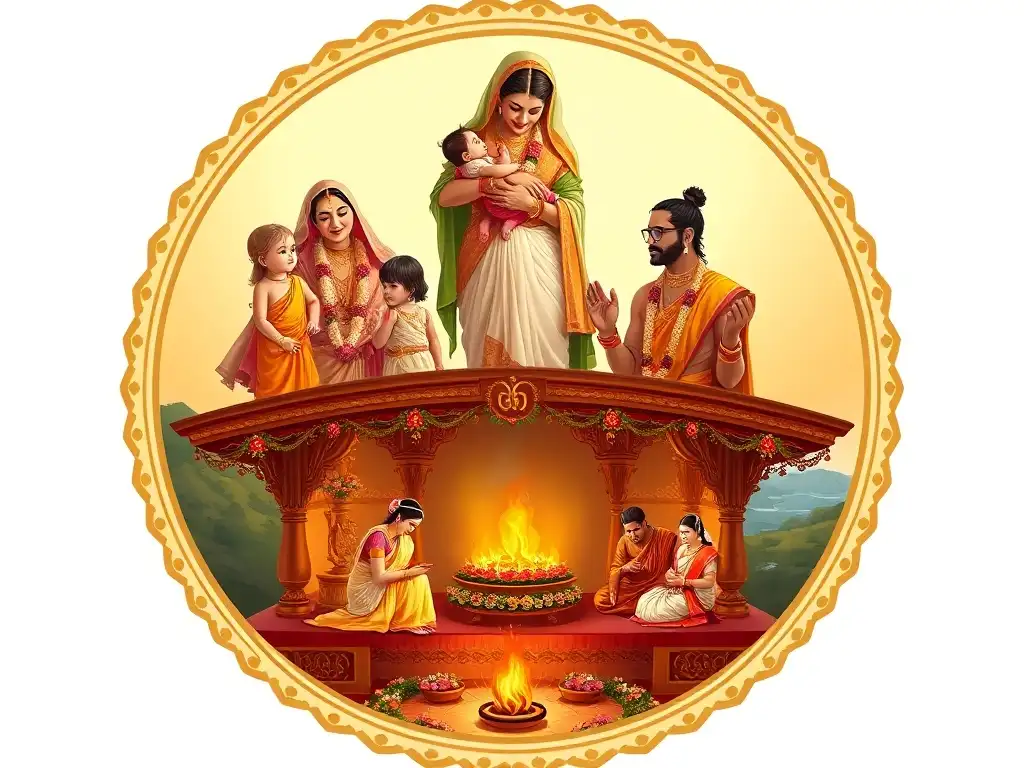
In Vedic society, the rites of passage—namely birth, marriage, and death—are deeply interwoven, forming a continuum that reflects the sacred cycle of life. Each rite serves not only as a personal milestone but also as a societal obligation, reinforcing familial and community ties. The Vedas, considered the oldest scriptures of Hinduism, emphasize the significance of these transitions, illustrating how each phase of life is celebrated and ritualized to ensure proper spiritual and social alignment.
Birth rites, or Jatakarma, initiate an individual's journey into the world, while marriage ceremonies, or Vivaha, symbolize the union of families and the continuation of lineage. Death rituals, known as Antyesti, provide closure and respect for the deceased, enabling the living to honor their ancestors. This interconnectedness signifies that every stage of life is pivotal, not only for the individual but also for the larger community, thereby upholding the harmony and continuity of societal values.
How Rites of Passage Reflect the Cycle of Life
The rites of passage in Vedic society reflect the natural cycle of life, emphasizing the cyclical nature of existence and the interdependence of individuals within their communities. The Vedic texts articulate life as a series of stages—each marked by significant rituals that facilitate transitions.
- Birth: The arrival of a new life is celebrated with rituals that invoke blessings and protection, urging the gods to bestow strength and wisdom upon the child. This rite ensures that the newborn is integrated into the family and society, marking the beginning of their dharma (duty).
- Marriage: As individuals transition into adulthood, marriage rites underscore the importance of family and societal bonds. The Saptapadi, or seven steps taken by the couple, symbolizes their commitment to each other and their future responsibilities, reflecting the union of two families.
- Death: The final rite acknowledges the inevitability of death, providing a structured process for mourning and remembrance. The Shraddha rituals performed for the deceased connect the living with their ancestors, reinforcing the belief in the eternal nature of the soul.
This cyclical perspective fosters a sense of continuity, ensuring that each stage of life is honored and its significance acknowledged.
The Role of Rituals in Maintaining Social Order and Harmony
Rituals in Vedic society play a crucial role in maintaining social order and harmony. By engaging in communal rites of passage, individuals affirm their roles within the social hierarchy, thereby fostering unity and cohesion.
Rituals are meticulously designed to reflect societal values and norms. For instance, the marriage ceremony not only unites two individuals but also aligns their families within a broader social fabric. This collective participation reinforces community bonds and shared cultural identity.
Furthermore, the prescribed rituals create a sense of predictability in life transitions, offering individuals a framework to navigate significant changes. This predictability is essential for social stability, as it reduces uncertainty and anxiety associated with life’s transitions.
Through these rituals, Vedic society preserves its cultural heritage, ensuring that traditions are passed down through generations, thereby sustaining social order and harmony.
Conclusion: The Legacy of Vedic Society Rites of Passage
The rites of passage in Vedic society leave an enduring legacy that continues to resonate in contemporary Indian culture. These rituals encapsulate the values, beliefs, and practices of an ancient civilization, highlighting the significance of life's milestones. As we explore the intricate tapestry of these rites, it becomes evident that they are not merely ceremonial practices but are deeply rooted in the philosophical and spiritual ethos of the Vedic tradition.
Reflection on the Importance of Rites of Passage in Vedic Culture
The importance of rites of passage in Vedic culture cannot be overstated. They serve as critical markers that guide individuals through the complexities of life, aiding in personal development and societal integration. By participating in these rituals, individuals reaffirm their identity within the community and acknowledge their responsibilities towards family and society.
Moreover, these rites cultivate a sense of belonging and continuity, connecting individuals to their heritage and ancestors. The rituals embody the spiritual underpinnings of Vedic philosophy, emphasizing the transient nature of life and the importance of fulfilling one’s duties throughout different life stages.
Influence of Vedic Rites on Contemporary Indian Traditions
The influence of Vedic rites on contemporary Indian traditions is profound and pervasive. Many modern Indian ceremonies and customs retain elements of ancient Vedic rituals, demonstrating a continuity of cultural practices. For instance, the essence of the Jatakarma can still be seen in modern birth celebrations, while marriage ceremonies often incorporate Saptapadi elements, reflecting the enduring significance of these traditions.
Furthermore, the emphasis on community participation in these rites remains a cornerstone of Indian culture, promoting social cohesion and collective identity. The enduring legacy of Vedic society rites of passage serves as a reminder of the rich historical tapestry of Indian civilization and its ability to adapt and evolve while retaining core cultural values.
References and Further Reading
The study of Vedic society and its rites of passage reveals much about the cultural fabric of ancient India. To gain a deeper understanding of these practices, readers are encouraged to explore a variety of resources that provide insights into the rituals surrounding birth, marriage, and death in Vedic traditions. This section lists suggested literature and key texts that are essential for anyone interested in the rites of passage in Vedic society.
Suggested Literature on Vedic Society and Rites of Passage
-
The Vedic Rituals: A Study of the Vedic Texts
This comprehensive work explores various Vedic rituals, including rites of passage, through a detailed analysis of the texts and their implications for understanding Vedic life.
-
Hindu Rites of Passage: A Historical and Cultural Perspective
This book delves into the significance of life cycle rituals in Hinduism, tracing their roots back to Vedic practices and examining their evolution over time.
-
The Sacred and the Profane: The Nature of Religion by Mircea Eliade
Eliade’s work provides a broader context for understanding religious rituals, including those of the Vedic society, emphasizing the sacred nature of rites of passage.
-
Life Cycle Rituals in South Asia: Interdisciplinary Perspectives
This anthology brings together various academic perspectives on life cycle rituals in South Asia, with sections dedicated to the Vedic traditions.
-
The Upanishads: A New Translation
While primarily philosophical texts, the Upanishads contain references to the rituals of Vedic society and offer valuable insights into the spiritual dimensions of these rites.
Key Texts from the Vedas Related to Life Cycle Rituals
The Vedas, as the foundational scriptures of Hinduism, contain numerous hymns and verses that articulate the significance of life cycle rituals. Here are some key texts that are particularly relevant:
-
Rigveda
The Rigveda includes hymns that describe various rites associated with birth and marriage, reflecting the beliefs and values of Vedic society. Key verses often invoke blessings for fertility and prosperity.
-
Sāmaveda
This Veda focuses on melodies and chants used during rituals, including those performed at weddings and other life transitions. The Sāmaveda emphasizes the importance of music in enhancing the spiritual experience of these rites.
-
Yajurveda
The Yajurveda is a crucial source for understanding the procedural aspects of Vedic rituals, including the specific rites of passage. It provides detailed instructions for conducting ceremonies related to birth, marriage, and death.
-
Atharvaveda
This text includes hymns that address various life cycle events and their societal significance, particularly focusing on marriage and the rituals surrounding it. It offers a unique perspective on domestic life and personal relationships in Vedic society.
By engaging with these texts and literature, scholars and enthusiasts can gain a comprehensive understanding of the complexities and cultural significance of the rites of passage in Vedic society.
- Introduction to Vedic Society Rites of Passage
- Overview of Vedic Society and Its Cultural Significance
- Importance of Rites of Passage in Ancient Indian Culture
- Rites of Passage in Vedic Society: Birth
- Rites of Passage in Vedic Society: Marriage
- Rites of Passage in Vedic Society: Death
- The Interconnection of Birth, Marriage, and Death in Vedic Society
- Conclusion: The Legacy of Vedic Society Rites of Passage
- References and Further Reading
Frequently Asked Questions
What are the main rites of passage in Vedic society?
The main rites of passage in Vedic society include birth, marriage, and death, which are significant events marking an individual's journey through life.
How does birth play a role in Vedic rites of passage?
The birth ceremony, known as Jatakarma, is celebrated to welcome the newborn and involves rituals ensuring the child's well-being and future prosperity.
What is the significance of marriage in Vedic society?
Marriage in Vedic society is considered a sacred union, often marked by elaborate rituals such as Saptapadi, symbolizing the couple's commitment and shared responsibilities.
How are death rituals performed in Vedic culture?
Death rituals in Vedic culture, including Antyesti, are essential for honoring the deceased and ensuring their peaceful transition to the afterlife, reflecting the belief in the cycle of rebirth.
Why are these rites of passage important in understanding Vedic society?
These rites of passage provide insights into the values, beliefs, and social structure of Vedic society, revealing how individuals are integrated into the community throughout their lives.
Final Reflection: The Enduring Significance of Vedic Society Rites of Passage
The exploration of Vedic society rites of passage reveals a profound connection between ancient traditions and contemporary life. These rituals, encompassing birth, marriage, and death, serve as essential markers that not only celebrate individual milestones but also reinforce communal bonds. In today's fast-paced world, where the essence of such significant transitions can often be overlooked, understanding these rites becomes a striking reminder of the values that shape our identities and relationships.
The impact of these rites extends far beyond their historical context; they continue to influence the cultural and social landscape of modern society. As we navigate the complexities of life, the rituals of Vedic society remind us of the importance of community and shared experiences. The words of Mahatma Gandhi resonate here: A nation's greatness is measured by how it treats its weakest members.
This sentiment underscores the idea that rites of passage are not merely personal events but collective experiences that foster empathy, respect, and unity among individuals.
As we reflect on the lessons embedded in the Vedic rites of passage, I invite you to consider how these traditions can inspire your own life. Embrace the moments of transition, whether they be joyous or sorrowful, and recognize their potential to deepen your connections with others. Let us honor these rituals, not just as remnants of the past, but as living practices that can enrich our present and guide us into a future where we celebrate the journey of life together.
Embrace Your Journey: Engage with Vedic Traditions Today!
Thank you for exploring the profound rites of passage in Vedic society. Understanding these traditions not only enriches your knowledge but also connects you to the timeless values of life, love, and legacy.
Now, it's time to take meaningful steps inspired by these ancient practices:
- Participate in a local cultural event that celebrates Vedic traditions and rituals. Experience the beauty firsthand and connect with others who share your interests.
- Share your insights from this article with friends or on social media. Spread the knowledge and spark conversations about the significance of these ancient rites.
- Reflect on your own life milestones. Consider how you might incorporate meaningful traditions into your personal celebrations, drawing inspiration from the rich Vedic heritage.
What aspect of Vedic rites do you find most inspiring, and how might you integrate those values into your own life?