
The Mahabharata: The Art of War and its Relevance Today

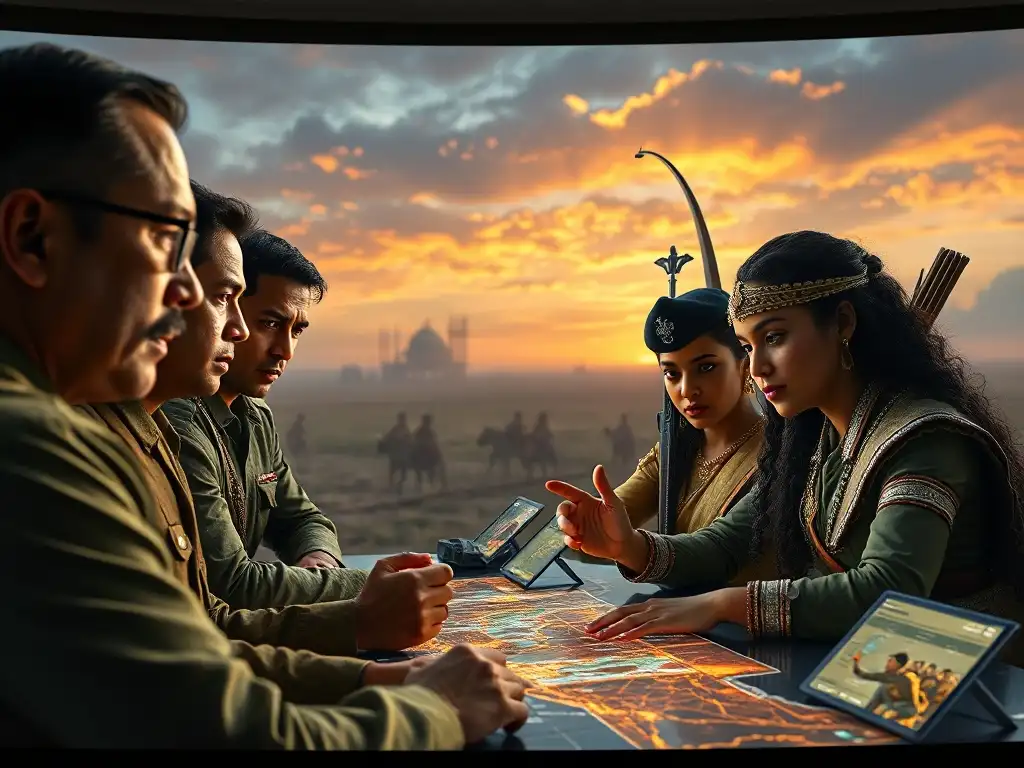
Welcome to Ancient India History, where we embark on a journey through time to uncover the profound legacies of India’s ancient civilizations. In this captivating exploration, we delve into The Mahabharata: The Art of War and its Relevance Today, a timeless epic that not only showcases the richness of Indian literature but also offers insights into modern warfare strategies. How do the age-old lessons of this monumental text resonate within contemporary contexts?
Join us as we unravel the intricacies of warfare, ethics, and strategy, inviting you to discover the untold connections that bridge our past with the present. Your adventure into the depths of ancient wisdom begins now!
Introduction to The Mahabharata
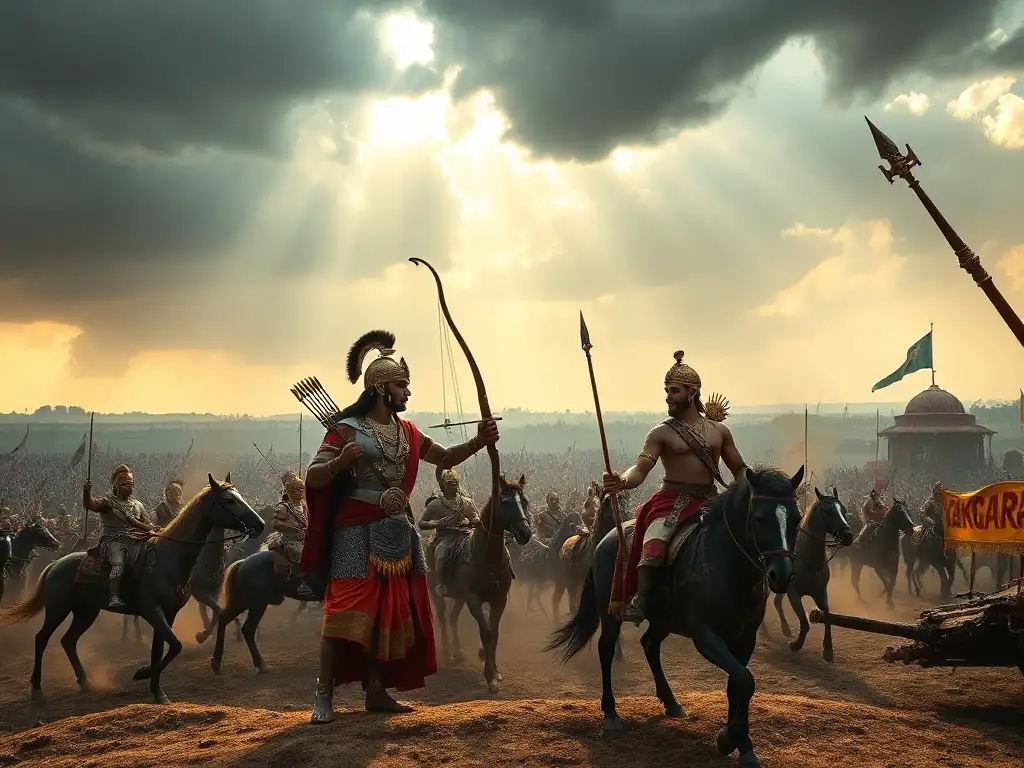
The Mahabharata, one of the longest epic poems in the world, serves as a cornerstone of Indian literature and culture. This ancient text not only narrates the story of the Kurukshetra War between the Pandavas and Kauravas but also delves deeply into themes of duty, righteousness, and the complexities of human nature.
As we explore "The Mahabharata and modern warfare," we uncover the intricate strategies, ethical dilemmas, and profound lessons that resonate even in contemporary military and strategic thinking. Understanding these age-old narratives provides insights into the evolution of warfare and the moral frameworks that guide it, making the Mahabharata relevant in today's context.
Overview of The Mahabharata
The Mahabharata, attributed to the sage Vyasa, is composed of over 100,000 shlokas (verses) and is divided into 18 parvas (books). It encompasses a wide range of topics, including philosophy, politics, and ethics, woven into a narrative that highlights the struggles between good and evil. The epic's central story revolves around the dynastic conflict for power, but it also features numerous subplots that enrich its tapestry, such as the tales of Krishna, Draupadi, and Bhishma.
Moreover, the Mahabharata encompasses the famous Bhagavad Gita, a philosophical dialogue between Lord Krishna and Arjuna, which addresses fundamental questions about duty, morality, and the nature of life and death. This dialogue has transcended its original context to influence not only military leaders but also thinkers, philosophers, and leaders across various disciplines.
Significance of The Mahabharata in Indian Epic Literature
The Mahabharata holds a prestigious place in Indian epic literature, often regarded alongside the Ramayana. Its significance lies in its ability to encapsulate the human experience, portraying a wide spectrum of emotions and dilemmas that resonate with readers across generations.
- Cultural Influence: The epic has significantly influenced Indian culture, arts, and philosophy. Its characters and narratives are ingrained in the fabric of Indian society, inspiring countless adaptations in literature, theater, and film.
- Moral and Ethical Lessons: The Mahabharata poses critical questions about morality, justice, and the human condition, offering timeless wisdom that continues to guide ethical decision-making.
- Historical Context: The epic also serves as a historical document, reflecting the socio-political dynamics of ancient India and offering insights into the period's governance, warfare, and societal norms.
The Art of War in The Mahabharata
The Mahabharata is not solely a narrative of conflict; it is a profound study of warfare, strategy, and the art of combat. The epic provides invaluable lessons that can be applied to both ancient and modern contexts, illustrating the complexities of war and the principles that govern it.
Key Strategies and Tactics in The Mahabharata
Throughout the Mahabharata, various strategies and tactics emerge that demonstrate the importance of planning, intelligence, and adaptability in warfare. Key strategies include:
- Deception and Espionage: Characters like Krishna and Arjuna utilize cunning tactics to outsmart their opponents, highlighting the significance of intelligence in warfare.
- Formation and Positioning: The use of various military formations, such as the Chakravyuha, illustrates the importance of battlefield tactics and strategic positioning.
- Psychological Warfare: The epic showcases the role of morale and psychological strategies, with characters sometimes using fear and manipulation to gain the upper hand.
Notable Battles and Their Military Lessons
The Kurukshetra War is filled with battles that exhibit military brilliance and strategic insights. Each confrontation offers unique lessons, such as:
- The Battle of Guhyaka: A lesson in guerrilla warfare tactics and the element of surprise.
- The Fall of Bhishma: Demonstrating the importance of knowing your enemy's strengths and weaknesses, as well as the consequences of unwavering adherence to duty.
- The Final Confrontation: A culmination of strategies that emphasize the role of leadership, sacrifice, and the moral complexities of war.
The Role of Dharma in Warfare
At the heart of the Mahabharata lies the concept of Dharma (righteousness or duty), which plays a crucial role in shaping the conduct of war. The epic explores the moral dilemmas faced by its characters, particularly in the context of warfare.
- Ethical Dilemmas: Characters often grapple with the righteousness of their actions, questioning the justification of war and violence.
- Dharma Yudhha: The notion of a righteous war, where the principles of justice and morality guide the decisions of warriors.
- Consequences of Actions: The epic illustrates how the adherence to or deviation from Dharma can lead to triumph or downfall, emphasizing the moral weight of choices made in times of conflict.
The Mahabharata not only stands as a monumental work of literature but also as a profound treatise on the art of war. Its relevance today in the context of modern warfare is undeniable, as the principles and lessons embedded within its verses continue to inspire military strategy and ethical discourse around conflict.
The Mahabharata and Modern Warfare
The Mahabharata, one of the greatest epics of ancient India, transcends its narrative to offer profound insights into the art of war. Its intricate depiction of strategies, moral dilemmas, and the consequences of warfare resonates with modern military thought. As contemporary conflicts grow more complex, the teachings of The Mahabharata provide valuable perspectives on leadership, strategy, and ethics in warfare, making them relevant in today's geopolitical landscape.
Parallels Between The Mahabharata and Contemporary Military Strategies
In examining The Mahabharata, one can draw striking parallels between its military strategies and those employed in modern warfare. The epic showcases tactical maneuvers, psychological warfare, and the importance of intelligence. For instance, the use of deception in the Kurukshetra War, such as the "Maya" tactics used by the Pandavas, mirrors contemporary strategies where misinformation and strategic deception play crucial roles in military operations.
Moreover, The Mahabharata emphasizes the significance of terrain and logistics, much like modern military doctrines that stress the importance of supply chains and battlefield geography. The use of formations, such as the "Chakra Vyuha," illustrates ancient principles of troop organization that still resonate today, encouraging military strategists to think critically about troop placements and formations in various operational contexts.
Lessons from The Mahabharata for Modern Leaders
The teachings of The Mahabharata extend beyond battlefield tactics, offering invaluable lessons for leaders in various fields. One of the foremost lessons is the importance of ethical decision-making. Characters like Yudhishthira exemplify the complexities of dharma (righteousness) in leadership, highlighting that decisions often come with moral implications that can affect the larger community.
Additionally, the narrative stresses the significance of unity and collaboration. The failure of the Kauravas to foster alliances demonstrates how internal discord can lead to downfall, a lesson applicable in modern organizational leadership. Effective communication, trust-building, and collective effort are themes that resonate with today's leaders who aim to navigate complex challenges in diverse teams.
Furthermore, the epic illustrates the inevitability of conflict and the need for preparedness. Leaders can learn to anticipate challenges, strategize effectively, and adapt to evolving circumstances, ensuring they are equipped to handle crises when they arise.
Case Studies: Military Leaders Inspired by The Mahabharata
Several military leaders throughout history have drawn inspiration from The Mahabharata in shaping their strategies. One notable figure is Maharana Pratap, the 16th-century Rajput king, who embodied the resilience and strategic acumen of the Pandavas. His guerrilla warfare tactics against the Mughal Empire reflect the principles of adaptability and strategic warfare highlighted in the epic.
In modern times, General Bipin Rawat, the former Chief of Defence Staff of India, emphasized the relevance of The Mahabharata in military training and strategy discussions. He often referred to the principles of dharma and the significance of moral courage in combat, advocating for a balanced approach to warfare that respects ethical standards while ensuring operational effectiveness.
These case studies illustrate how the epic's teachings continue to influence military thought and practice, inspiring leaders to integrate ancient wisdom into contemporary warfare strategies.
The Influence of The Mahabharata on Military Thought
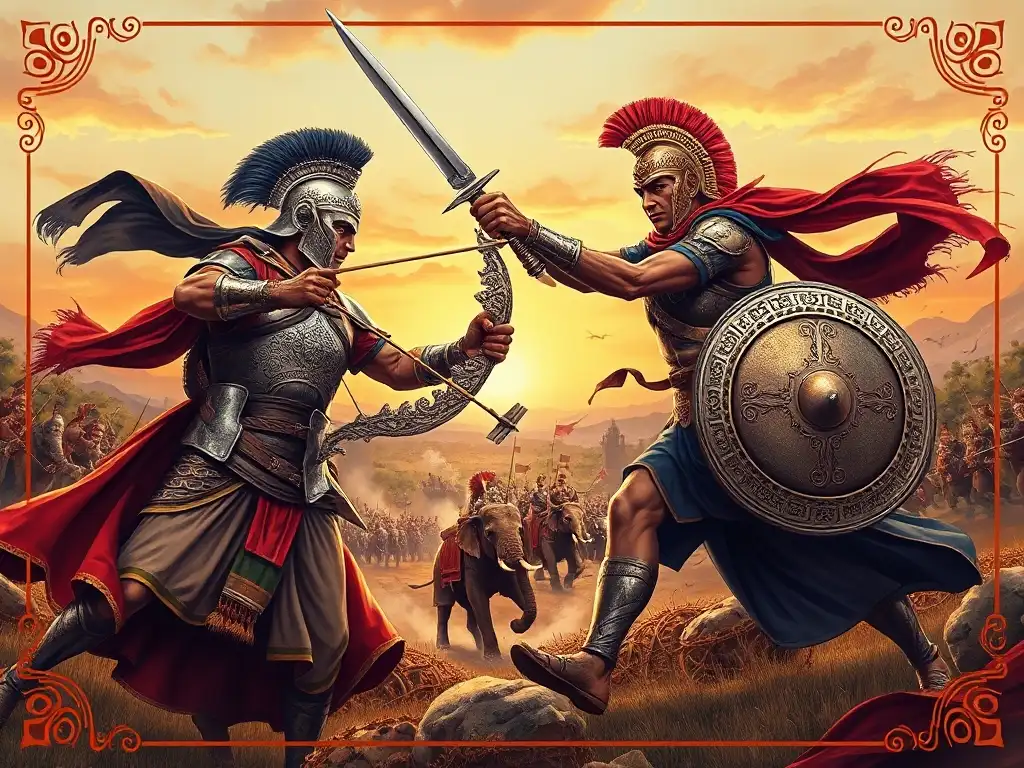
The Mahabharata's impact on military thought extends beyond Indian borders. Its exploration of warfare, ethics, and leadership has permeated various cultures and military doctrines worldwide, prompting discussions on strategy, morality, and human behavior in the context of conflict.
Historical Impact on Indian Military Traditions
Historically, The Mahabharata has significantly shaped Indian military traditions. Its narratives have been studied by military tacticians and scholars, serving as a foundational text in understanding the principles of warfare unique to Indian philosophy. Concepts such as "Dharma Yuddha" (righteous war) and the ethical implications of conflict have influenced the conduct of Indian armies through the ages, embedding these principles into the military ethos.
Moreover, various Indian rulers and military leaders have sought guidance from The Mahabharata, incorporating its teachings into their strategies and campaigns. The epic's portrayal of valor, sacrifice, and honor has fostered a rich cultural legacy that continues to inspire Indian military philosophy today.
The Mahabharata in Global Military Literature
Globally, The Mahabharata has found its place in military literature, where scholars and strategists analyze its teachings in the context of modern warfare. Works such as "The Art of War" by Sun Tzu and "On War" by Carl von Clausewitz often intersect with the themes presented in The Mahabharata, emphasizing strategy, ethics, and the nature of conflict.
The epic has been referenced in various military academies and leadership programs, showcasing its universal applicability. The exploration of psychological warfare, strategic deception, and the moral dilemmas faced by leaders in The Mahabharata provides rich material for military theorists seeking to understand the complexities of human behavior in warfare.
The Mahabharata not only serves as a historical epic but also as a timeless resource for understanding the nuances of warfare, leadership, and ethics. Its relevance in modern military thought underscores the enduring significance of ancient wisdom in navigating contemporary challenges.
Ethical Considerations in Warfare
The Mahabharata, one of the foundational epics of ancient India, delves deeply into the ethical considerations surrounding warfare. Its narrative not only reflects the complexities of war but also poses profound moral questions that resonate through time. The text emphasizes the importance of Dharma (righteousness or duty) in guiding the actions of warriors and leaders, which becomes particularly significant when examining the conduct of war. The ethical dilemmas presented in the epic serve as a lens through which we can analyze modern warfare practices, urging military leaders and strategists to reflect on the moral implications of their decisions.
Dharma vs. Adharma: Moral Dilemmas in The Mahabharata
At the heart of The Mahabharata lies the concept of Dharma vs. Adharma, representing the struggle between righteousness and unrighteousness. This dichotomy is epitomized in the character of Arjuna, who faces a profound moral crisis on the battlefield of Kurukshetra. Torn between his duty as a warrior (Kshatriya) and his love for his family, Arjuna’s initial reluctance to fight encapsulates the ethical conflicts inherent in warfare.
The dialogue between Arjuna and Lord Krishna, who serves as his charioteer, explores the necessity of adhering to Dharma even in the face of personal loss and suffering. Krishna’s teachings emphasize that true valor lies not in mere strength but in the commitment to justice and moral integrity. This philosophical discourse frames war as a complex arena where ethical considerations must guide actions, a theme that remains relevant in contemporary discussions about military ethics.
Relevance of Ethical Warfare in Today's Military Conflicts
The ethical dilemmas outlined in The Mahabharata continue to find resonance in today’s military conflicts. Modern warfare often grapples with issues such as collateral damage, the treatment of prisoners of war, and the justification of preemptive strikes. The principles of ethical warfare derived from the teachings in The Mahabharata advocate for a balance between the necessity of military action and the moral imperatives that govern it.
The emphasis on Dharma urges military leaders to consider the broader implications of their strategies, not merely the tactical advantages. This perspective is particularly relevant as debates surrounding humanitarian interventions, the use of drones, and the responsibilities of soldiers in combat become increasingly prominent. The Mahabharata encourages a reflective approach to warfare, advocating for decisions that uphold human dignity and ethical standards, a lesson that remains critical in the modern military landscape.
Conclusion
The Mahabharata's exploration of war, duty, and morality provides invaluable insights that extend beyond its historical context. Its teachings on ethical considerations in warfare prompt a re-evaluation of our current military practices and the moral frameworks that underpin them.
The Enduring Legacy of The Mahabharata in Warfare
The legacy of The Mahabharata in the domain of warfare is enduring and multifaceted. Its narratives have influenced countless generations, shaping not only the philosophical underpinnings of Indian society but also offering a rich source of inspiration for military strategists and ethicists worldwide. The epic serves as a reminder that warfare is not merely a physical contest but a profound ethical endeavor, where the stakes extend far beyond the battlefield.
Future Implications for The Mahabharata in Military Studies
The implications of The Mahabharata for future military studies are significant. As military institutions increasingly incorporate ethical training and moral reasoning into their curricula, the teachings of this epic can serve as a critical resource. By analyzing the dilemmas faced by its characters, contemporary military leaders can cultivate a deeper understanding of the ethical dimensions of their roles. The Mahabharata not only offers a historical perspective on warfare but also presents a timeless framework for addressing the moral complexities that will continue to arise in the evolving landscape of military conflict.
- Introduction to The Mahabharata
- The Art of War in The Mahabharata
- The Mahabharata and Modern Warfare
- The Influence of The Mahabharata on Military Thought
- Ethical Considerations in Warfare
- Conclusion
- What is the significance of The Mahabharata in ancient Indian history?
- How does The Mahabharata relate to modern warfare?
- What are some key themes explored in The Mahabharata?
- Can the strategies from The Mahabharata be applied in today's world?
- What is the impact of The Mahabharata on Indian culture and society?
Frequently Asked Questions
What is the significance of The Mahabharata in ancient Indian history?
The Mahabharata is one of the longest epic poems in the world, reflecting the social, political, and philosophical aspects of ancient Indian civilization.
How does The Mahabharata relate to modern warfare?
The epic contains strategic insights and moral dilemmas that remain relevant, offering valuable lessons on leadership, ethics, and conflict resolution in contemporary military contexts.
What are some key themes explored in The Mahabharata?
Key themes include dharma (duty), justice, revenge, and the complexities of human relationships, which provide a comprehensive understanding of human nature and societal values.
Can the strategies from The Mahabharata be applied in today's world?
Yes, many strategic principles outlined in the epic have been studied for their applications in military strategy, management, and negotiation, emphasizing the timeless nature of its teachings.
What is the impact of The Mahabharata on Indian culture and society?
The Mahabharata has profoundly influenced Indian literature, art, and philosophy, shaping cultural narratives and ethical frameworks that continue to resonate in modern Indian society.
Final Reflection: The Timeless Wisdom of The Mahabharata in Modern Warfare
The lessons embedded in The Mahabharata resonate profoundly in today's world, where the complexities of modern warfare demand strategic thinking and ethical considerations. As we navigate a landscape marked by technological advancements and geopolitical tensions, the ancient text offers invaluable insights into the art of war, emphasizing that the true battle lies not only on the battlefield but also within the moral compass of leaders and nations.
The Mahabharata has transcended its historical context, shaping the cultural and social landscape of conflict resolution and strategy. Its teachings encourage us to reflect on the nature of power, duty, and the consequences of our choices. In the midst of chaos, there is also opportunity.
This quote encapsulates the essence of finding clarity and purpose amid turmoil, a principle that remains relevant as we face contemporary challenges in warfare and diplomacy.
As we conclude this exploration of The Mahabharata and its relevance to modern warfare, I invite you to reflect on how these ancient principles can inform your understanding of conflict in your own life. Consider the ethical dimensions of your decisions and the impact they may have on those around you. By embracing the wisdom of The Mahabharata, we can strive to navigate our personal and collective battles with integrity and foresight, fostering a world where strategy is balanced with compassion and understanding.
Unleash Your Inner Strategist Today!
Thank you for diving into the intriguing world of The Mahabharata with us! By exploring the art of war and its timeless lessons, you’ve taken a significant step towards understanding its relevance in our modern lives. Now, it’s time to put this wisdom into action!
Here are some powerful ways to connect further with the themes discussed:
- Dive Deeper: Explore a modern adaptation or analysis of The Mahabharata to see how its strategies can be applied to contemporary scenarios.
- Join the Conversation: Share this article with friends or on social media to spread the knowledge. Engaging in discussions enriches our understanding!
- Reflect Strategically: Identify a current conflict in your life or work and apply one of the strategies from The Mahabharata to develop a thoughtful approach.
How will you apply the ancient strategies of The Mahabharata to navigate your own challenges today?