
The Relationship Between Religion and Technology in the Indus Valley

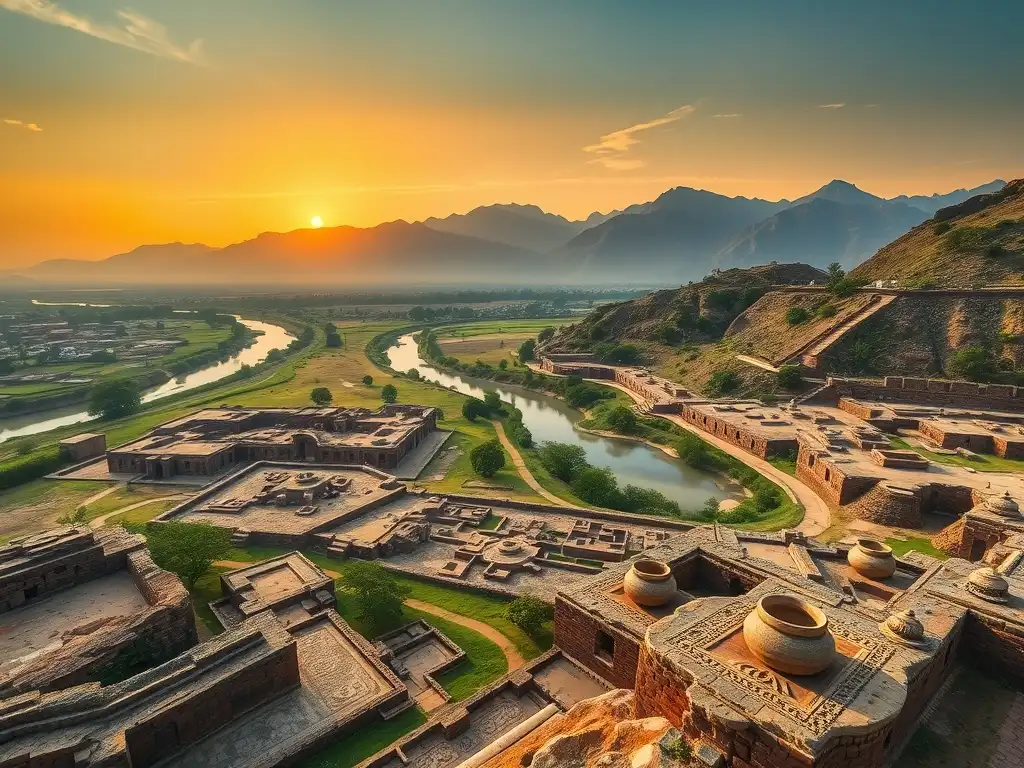
Welcome to Ancient India History! Dive deep into the fascinating world of ancient Indian civilizations, where the intricate tapestry of culture, innovation, and spirituality unfolds. In our featured article, we explore the profound connections between Indus Valley religion and technology, shedding light on how these elements shaped one of the earliest urban societies in history. Are you ready to uncover the secrets of the Indus Valley? Join us on this journey and discover the remarkable innovations and beliefs that continue to inspire today.
- Introduction to Indus Valley Religion and Technology
- The Role of Religion in the Indus Valley Civilization
- Technological Advances in the Indus Valley
- Interconnection Between Religion and Technology
- The Legacy of Indus Valley Religion and Technology
- Conclusion: The Harmonious Relationship Between Religion and Technology in the Indus Valley
-
Frequently Asked Questions
- What was the primary religion practiced in the Indus Valley?
- How did technology influence religious practices in the Indus Valley?
- What are some examples of technological advancements in the Indus Valley civilization?
- How did the Indus Valley civilization's religion impact its technology?
- What legacy did the Indus Valley religion and technology leave on later Indian civilizations?
- Final Reflection: The Interwoven Legacy of Indus Valley Religion and Technology
- Embrace the Synergy of Religion and Technology!
Introduction to Indus Valley Religion and Technology
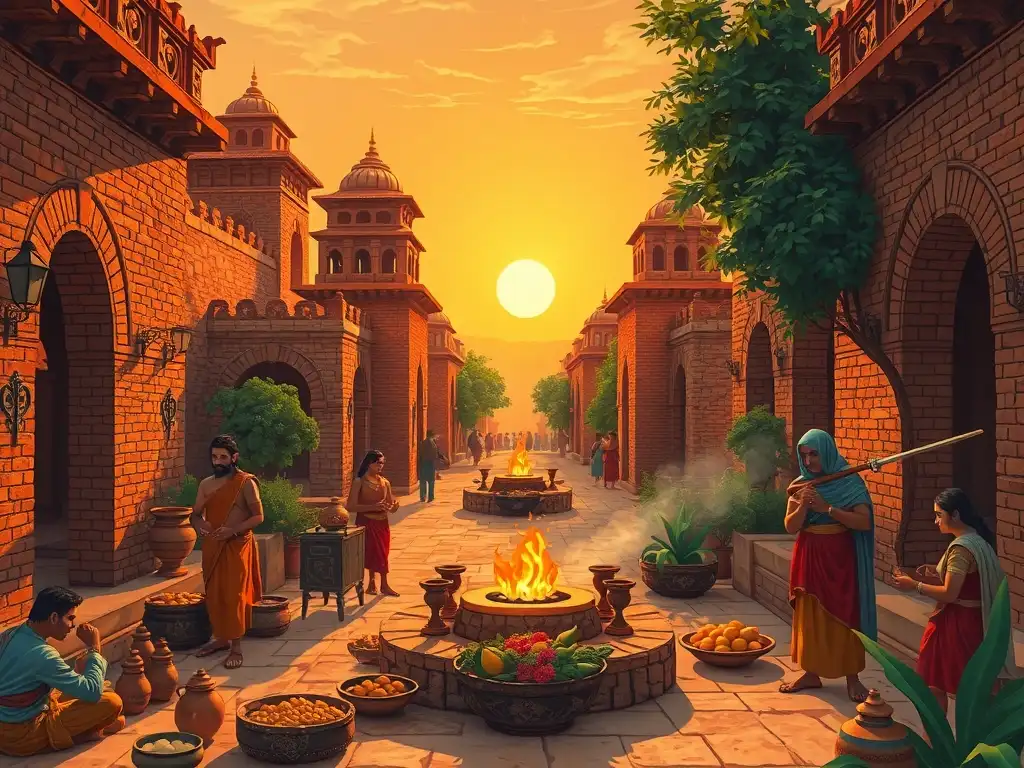
The Indus Valley Civilization, one of the world's earliest urban cultures, flourished around 2500 BCE in what is now modern-day Pakistan and northwest India. This remarkable civilization is known not only for its sophisticated urban planning and architecture but also for the intricate relationship between its religion and technology. Understanding this interplay offers invaluable insights into how the people of the Indus Valley integrated their spiritual beliefs with their technological advancements. This article delves into the complexities of Indus Valley religion and technology, exploring how these elements shaped daily life, societal structures, and cultural practices in this ancient civilization.
Overview of the Indus Valley Civilization
The Indus Valley Civilization (IVC) is characterized by its well-planned cities, advanced drainage systems, and the use of standardized weights and measures. Key sites such as Harappa and Mohenjo-Daro provide evidence of this civilization's sophistication.
- Urban Planning: The cities were laid out in grid patterns, featuring:
- Streets and Alleys: Wide streets intersected by narrower lanes.
- Public Buildings: Structures that served communal purposes, including granaries and baths.
- Technological Innovations: The people of the Indus Valley showcased remarkable technological prowess, including:
- Metallurgy: Skilled in working with copper, bronze, and gold.
- Weaving: Advanced textile production, utilizing cotton as one of the first civilizations to do so.
Religious practices in the Indus Valley are inferred from archaeological findings, such as seals and figurines, which suggest a complex belief system centered around fertility, nature, and possibly a pantheon of deities.
Significance of Religion and Technology in Ancient India
The relationship between religion and technology in the Indus Valley was multifaceted and served as a foundation for the civilization's development.
- Religious Influence on Technology:
- Ritual Practices: Technological advancements were often aligned with religious rituals. For instance, the construction of large public baths, such as the Great Bath in Mohenjo-Daro, indicates the importance of ritual cleanliness.
- Agricultural Tools: The development of advanced farming techniques and tools was essential for sustaining the population and was likely influenced by agricultural deities.
- Technological Impact on Religion:
- Architectural Developments: The construction of religious structures reflected both technological skill and spiritual beliefs, facilitating communal worship and societal cohesion.
- Art and Symbolism: The use of seals and amulets not only served practical purposes in trade but also bore religious symbols, linking commerce with spirituality.
This intricate relationship highlights how the Indus Valley Civilization not only advanced in technology but also deeply rooted these innovations within their religious frameworks, showcasing a unique blend that has left a lasting legacy on the cultural landscape of ancient India.
The Role of Religion in the Indus Valley Civilization
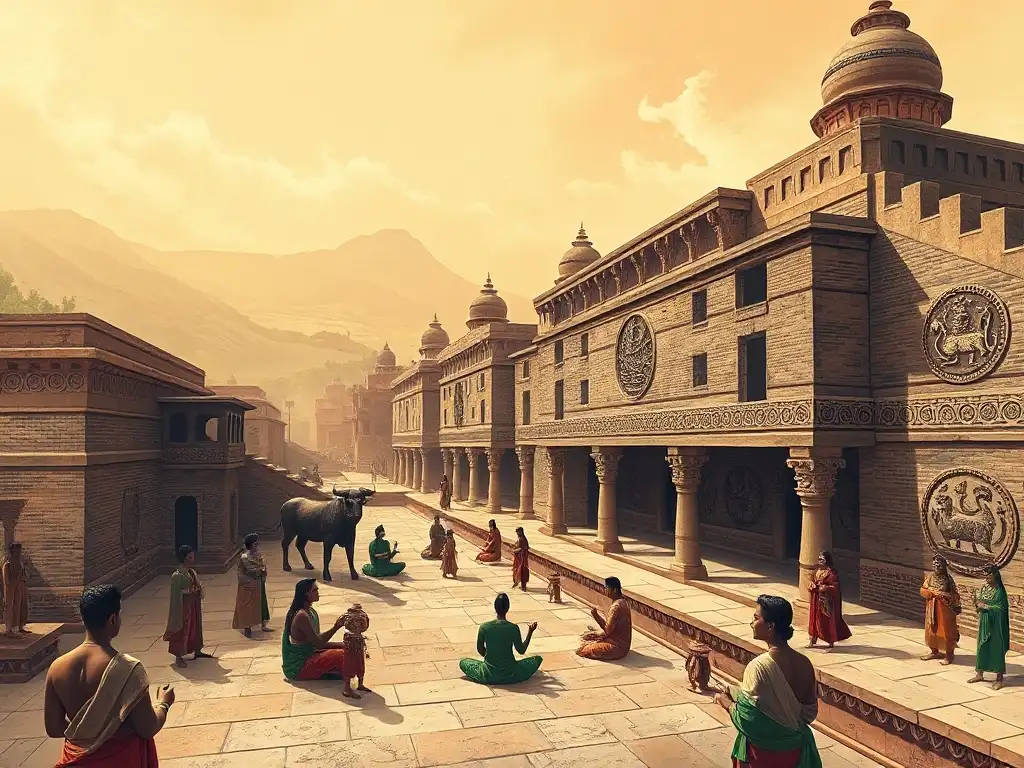
The relationship between religion and technology in the Indus Valley Civilization is a fascinating aspect of ancient Indian history. Religion played a pivotal role in shaping the social structure, technological advancements, and daily life of the people in this region. Understanding this interplay provides insight into how the Indus Valley civilization thrived and influenced subsequent cultures.
Beliefs and Practices of Indus Valley Religion
The beliefs of the Indus Valley civilization are still a subject of extensive research, but archaeological evidence suggests a complex spiritual system. The people of the Indus Valley likely practiced a form of polytheism, worshipping multiple deities connected to natural elements such as water, fertility, and agriculture.
- Nature Worship: Many artifacts, such as terracotta figurines and seals, indicate that the inhabitants revered animals and natural phenomena. This connection to nature influenced their agricultural practices, which were advanced for their time.
- Mother Goddess Cult: The figurines often depict a female figure, possibly representing a fertility goddess, underscoring the significance of motherhood and agriculture in their society.
Furthermore, large public baths, most notably the Great Bath of Mohenjo-Daro, suggest that ritual purification played a crucial role in their religious practices, possibly linked to water deities.
Major Deities and Symbols in Indus Valley Faith
While the specific names of deities are largely unknown, several key symbols and motifs are frequently associated with their religious practices:
- The Proto-Shiva Figure: Often depicted in a seated posture with animals, this figure may represent a deity associated with fertility, animals, and possibly early versions of later Hindu deities.
- Seals and Symbols: The use of seals, which often featured animals like the unicorn and various motifs, indicates a system of symbolic communication, likely used for trade, but also potentially tied to religious beliefs.
| Symbol | Possible Meaning |
|---|---|
| Unicorn Seal | Represents purity and divinity |
| Mother Goddess | Symbolizes fertility and agriculture |
| Sacred Trees | Connection to the divine and nature |
These symbols likely played a role in both religious and economic activities, showcasing how intertwined religion and technology were in the society.
Rituals and Ceremonies: How Religion Shaped Daily Life
Religious rituals in the Indus Valley were not merely ceremonial but were deeply integrated into the daily lives of its people. Evidence suggests that various rituals revolved around agricultural cycles, which were crucial for survival in a predominantly agrarian society.
- Agricultural Festivals: The timing of planting and harvesting was possibly dictated by religious calendars, with ceremonies held to ensure bountiful crops.
- Burial Practices: Excavations have revealed that the Indus people practiced burial rituals that included grave goods, indicating beliefs in an afterlife.
These practices not only reinforced community bonds but also promoted the use of technology in the form of agricultural tools and construction of public spaces for rituals. The advancement of irrigation systems to support farming can be seen as a direct result of the religious need for agricultural success.
The intersection of religion and technology in the Indus Valley civilization fostered a rich cultural tapestry that laid the groundwork for future Indian civilizations. Understanding these dynamics provides a clearer picture of how the Indus Valley people thrived and contributed to the broader historical narrative of ancient India.
Technological Advances in the Indus Valley
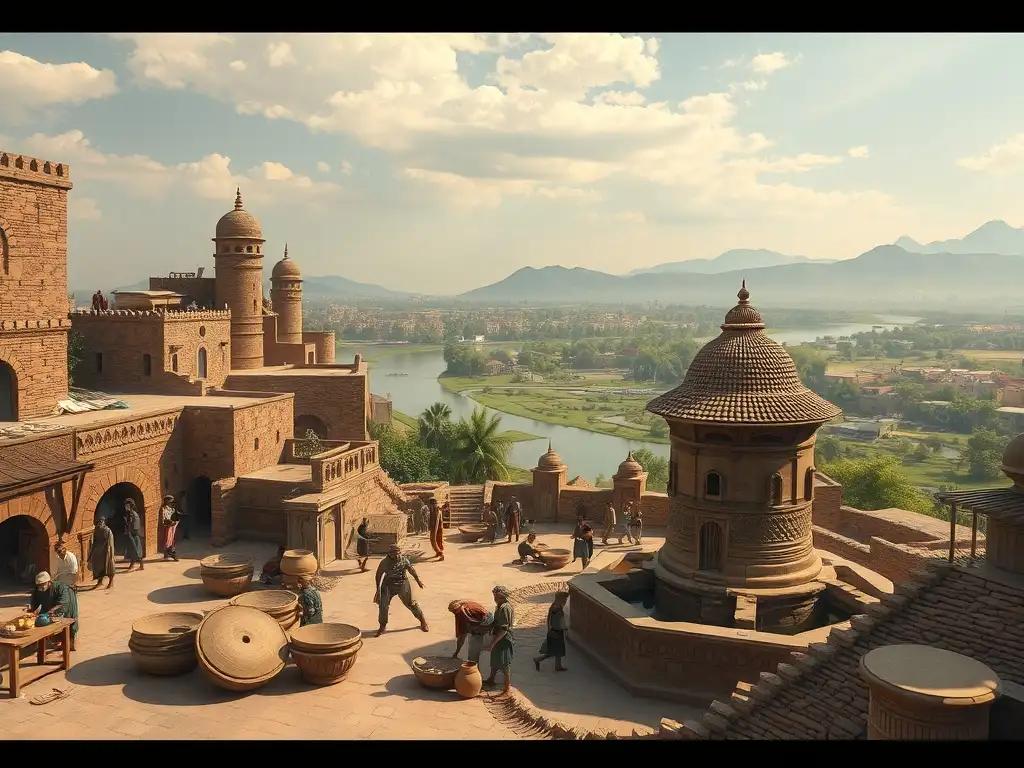
Overview of Key Technological Innovations
The Indus Valley Civilization (IVC), flourishing around 2500 BCE to 1900 BCE, is renowned for its remarkable technological innovations. These advancements not only facilitated daily life but also reflected the complex interplay between Indus Valley religion and technology. Among the standout innovations are:
- Advanced Urban Planning: Cities like Mohenjo-Daro and Harappa were meticulously planned with grid patterns, sophisticated drainage systems, and standardized baked bricks. This level of organization suggests a societal structure that likely intertwined with religious and cultural norms.
- Water Management Systems: The Indus Valley people developed extensive drainage systems and reservoirs. These innovations were crucial for agriculture and might have had religious significance, as water is often associated with purity and fertility in many cultures.
- Metallurgy: The use of copper, bronze, and later iron was prevalent. Artifacts, including tools and religious icons, showcase the mastery of metallurgy, indicating a society that valued trade and craftsmanship, which could have been linked to religious practices.
- Weights and Measures: A standardized system of weights and measures was employed, reflecting the need for fairness in trade and possibly the regulation of religious offerings and taxation.
These technological advancements were not mere products of necessity; they were likely influenced by the prevailing religious beliefs that emphasized order, community welfare, and respect for natural resources.
Urban Planning and Architecture: A Reflection of Religious Beliefs
Urban planning in the Indus Valley Civilization serves as a compelling indicator of the relationship between religion and technology. Cities were designed with intricate layouts that included public baths, granaries, and assembly halls, suggesting a communal approach to living which may have been influenced by religious practices.
- The Great Bath of Mohenjo-Daro: This monumental structure is believed to have had religious significance, possibly serving as a site for purification rituals. Its construction demonstrates advanced hydraulic engineering and reflects the importance placed on cleanliness, a common theme in many ancient religions.
- Public and Private Spaces: The separation and organization of spaces in Indus Valley cities indicate a societal reverence towards certain areas for religious activities. Temples or shrines, while not universally identified, likely existed, and their design would have integrated technological ingenuity with religious architecture.
- Sacred Geometry: The alignment of streets and buildings may have been influenced by astrological beliefs. The use of cardinal directions in city layouts suggests that urban design was not only about functionality but also about aligning with spiritual principles.
Through these architectural choices, it is clear that technology was employed to enhance religious practices and communal life, showcasing the integral bond between Indus Valley religion and technology.
The Use of Materials and Tools in Religious Contexts
The materials and tools utilized in the Indus Valley Civilization were deeply intertwined with religious practices and beliefs. The careful selection of materials reflects a society that valued both aesthetics and functionality in their spiritual endeavors.
- Terracotta Figurines: Numerous terracotta figurines have been unearthed, often depicting deities or fertility symbols. The craftsmanship involved in creating these figures showcases the technological skills of the artisans and the significance of these items in religious rituals.
- Stone Seals: The use of seals made from semi-precious stones often featured animal motifs and inscriptions, likely related to trade and religious identity. These seals may have served as amulets or symbols of divine protection, indicating a blend of technology and spirituality.
- Crafting of Religious Artifacts: The production of ritualistic tools and offerings, made from materials like clay, metal, and stone, illustrates the technological prowess of the Indus Valley people. Such artifacts were essential in ceremonies and offerings, reinforcing the connection between technological advancements and religious practices.
- Symbolic Use of Materials: Different materials carried symbolic meanings. For instance, the use of water and clay in rituals could signify fertility and creation. The technological ability to manipulate these materials for religious purposes underscores the sophistication of the civilization.
The integration of materials and tools in religious contexts within the Indus Valley Civilization highlights the significant role technology played in shaping and expressing their religious beliefs, making it a crucial area of study within the broader scope of Indus Valley religion and technology.
Interconnection Between Religion and Technology
How Religion Influenced Technological Development
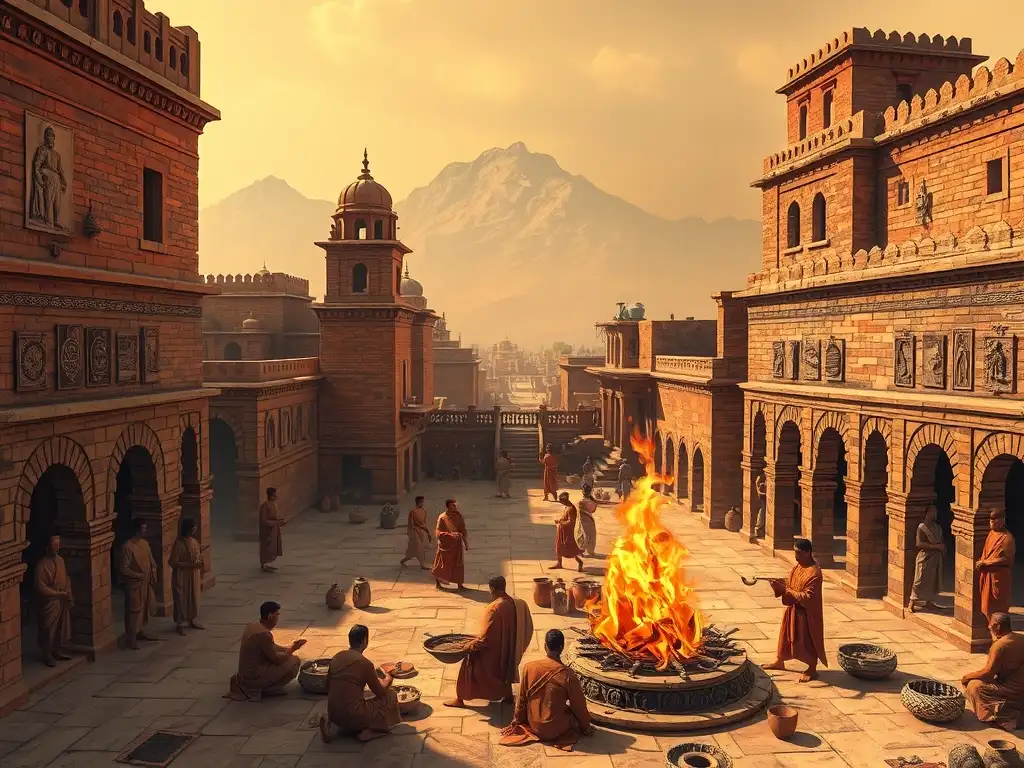
The relationship between Indus Valley religion and technology reveals a profound interdependence where spiritual beliefs shaped technological advancement. The religious practices of the Indus Valley Civilization (IVC) were deeply integrated into daily life, influencing various aspects of technological development.
- Water Management Systems: One of the most significant technological contributions of the IVC was its sophisticated water management systems, which included complex drainage and sewage systems. These innovations were likely influenced by the importance of ritual purity in Indus Valley religion. The need for clean water for religious rites and daily hygiene spurred advancements in hydraulic engineering.
- Urban Planning: The layout of cities like Mohenjo-Daro and Harappa reflects a strong understanding of urban planning, which was not merely functional but also had religious significance. The alignment of streets and the positioning of structures may have been designed to align with celestial bodies or to facilitate access to sacred sites, demonstrating how religious beliefs influenced urban technological strategies.
- Material Culture: Religious symbolism is prevalent in the artifacts found in the IVC, such as seals depicting deities, animals, and script. The production techniques for these items, including the use of steatite for seals, were advanced and suggest a technological proficiency that was intertwined with spiritual expression.
Technological Contributions to Religious Practices
The technological advancements of the Indus Valley Civilization significantly enhanced religious practices and rituals, providing tools and infrastructure that facilitated worship and community gatherings.
- Ceremonial Structures: The discovery of large public baths, such as the Great Bath of Mohenjo-Daro, indicates that these structures were likely used for ritualistic purposes. The careful construction and engineering of these baths demonstrate the technological prowess of the civilization, which enabled the creation of spaces for communal and religious activities.
- Artifacts and Rituals: Various artifacts, including terracotta figurines and pottery, suggest that technology played a role in religious rituals. The production of these items required advanced techniques such as kiln firing and decorative glazing, which were essential for creating objects used in worship and sacrificial practices.
- Agricultural Innovations: The agricultural techniques developed by the IVC, including irrigation and crop rotation, were not only crucial for sustaining the population but also for supporting the religious economy. The surplus production allowed for the hosting of festivals and religious ceremonies, showcasing the symbiotic relationship between agriculture, technology, and spirituality.
Case Studies of Religious Sites and Their Technological Aspects
Examining specific sites within the Indus Valley offers insights into how religion and technology intersected in ancient practices.
| Site | Technological Features | Religious Significance |
|---|---|---|
| Mohenjo-Daro | Advanced drainage systems, Great Bath | Purification rituals, communal gatherings |
| Harappa | Urban planning, storage facilities | Centers for trade and religious activities |
| Dholavira | Rainwater harvesting systems, intricate water reservoirs | Water-based rituals, significance in agrarian society |
- Mohenjo-Daro: This site is renowned for its Great Bath, which exemplifies the intersection of religion and technology. The meticulous engineering of waterproofing and drainage highlights the importance of cleanliness in religious rituals.
- Harappa: Its extensive granaries and storage facilities indicate a well-organized agricultural system that likely supported religious feasts and offerings, underscoring the connection between technological advances and religious practices.
- Dholavira: The sophisticated rainwater harvesting techniques demonstrate how technology was employed to manage water resources essential for both agriculture and religious observances. This dual purpose reflects the integral role of technology in sustaining religious life.
The Indus Valley religion and technology were intricately linked, with each influencing the other in profound ways. The technological innovations not only supported but also enhanced the religious life of the civilization, creating a legacy that continues to be studied and appreciated today.
The Legacy of Indus Valley Religion and Technology
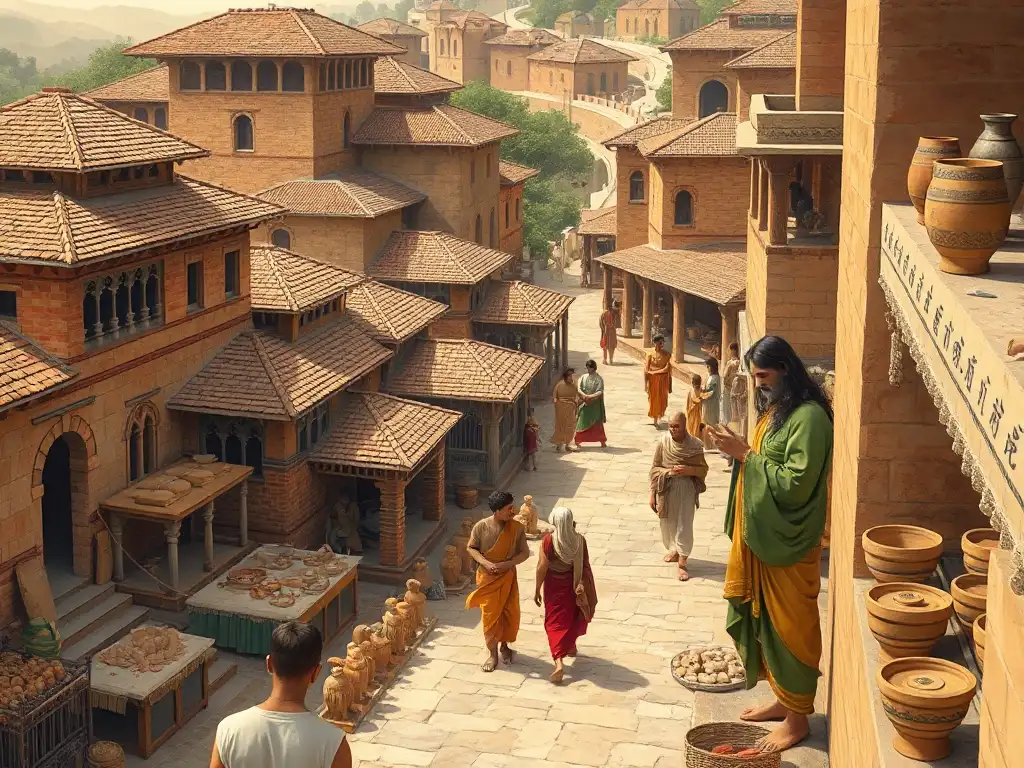
The relationship between religion and technology in the Indus Valley Civilization is a profound aspect of its legacy that continues to shape the cultural and technological landscape of India. The Indus Valley, known for its advanced urban planning and sophisticated craftsmanship, had a unique approach where religious beliefs influenced technological advancements. This interplay is crucial for understanding how the civilization thrived and how its innovations laid the groundwork for future Indian societies.
Impact on Subsequent Indian Civilizations
The technological innovations of the Indus Valley, such as drainage systems, standardized weights, and urban planning, were deeply intertwined with the region's religious practices. For instance, the presence of large public baths, like the Great Bath of Mohenjo-Daro, suggests a ritualistic component connected to purification and possibly water worship. This integration of technology and religion had lasting effects on subsequent Indian civilizations, as many of these practices were adopted and adapted.
-
Urban Planning and Sacred Geometry:
The meticulous grid layout of Indus Valley cities influenced later urban designs. The concept of aligning cities with cosmological principles can be seen in later Indian architecture, where sacred geometry often dictated the layout of temples and towns.
-
Water Management Systems:
The advanced drainage and water management systems developed in the Indus Valley were crucial for agricultural success and were later emulated by civilizations such as the Maurya and Gupta Empires. The significance of water in agricultural rituals and religious ceremonies persisted, reflecting a continuous reverence for these technologies.
-
Trade and Cultural Exchange:
The Indus Valley's trade networks enabled the dissemination of ideas and technologies to neighboring regions. The religious artifacts and technologies exchanged during trade fostered a cultural symbiosis that enriched the religious and technological landscapes of subsequent civilizations.
Continuing Influence of Indus Valley Beliefs on Modern Technology
The beliefs and practices originating from the Indus Valley continue to resonate in modern India, particularly in how technology is perceived and utilized. The following aspects illustrate this enduring influence:
-
Sustainable Practices:
The Indus Valley Civilization showcased an early understanding of sustainability through its agricultural practices and resource management. Modern technologies that emphasize sustainability, such as rainwater harvesting and eco-friendly construction, echo these ancient practices.
-
Religious Significance of Technology:
Today, many Indian technological innovations are still viewed through a spiritual lens. For example, the use of Vedic mathematics in educational systems highlights a blend of ancient wisdom and modern technology, showing how ancient beliefs inform contemporary practices.
-
Cultural Heritage in Modern Tech:
The integration of traditional motifs and designs in modern technology, such as mobile applications and software interfaces, reflects the aesthetic values rooted in Indus Valley art and culture. This blend of heritage and technology is a testament to the civilization's lasting impact.
Lessons Learned from the Integration of Religion and Technology
The relationship between religion and technology in the Indus Valley provides essential lessons for contemporary society. Understanding these lessons can guide future technological developments and their cultural implications:
-
Holistic Development:
The Indus Valley exemplified a holistic approach where technology served religious and cultural purposes. Emphasizing this integration today can lead to more meaningful technological advancements that resonate with societal values and beliefs.
-
Cultural Sensitivity in Innovation:
Acknowledging the cultural roots of technological practices encourages innovation that respects and enhances local traditions. This can foster greater acceptance and effectiveness of new technologies in diverse communities.
-
Sustainability as a Core Value:
The Indus Valley's emphasis on sustainability teaches the importance of developing technologies that harmonize with the environment. Future advancements should aim to minimize ecological footprints while enhancing quality of life, drawing inspiration from ancient practices.
The intricate relationship between Indus Valley religion and technology not only highlights the sophistication of this ancient civilization but also serves as a guiding framework for how modern society can approach technological progress in a culturally and environmentally conscious manner.
Conclusion: The Harmonious Relationship Between Religion and Technology in the Indus Valley
Summary of Key Points
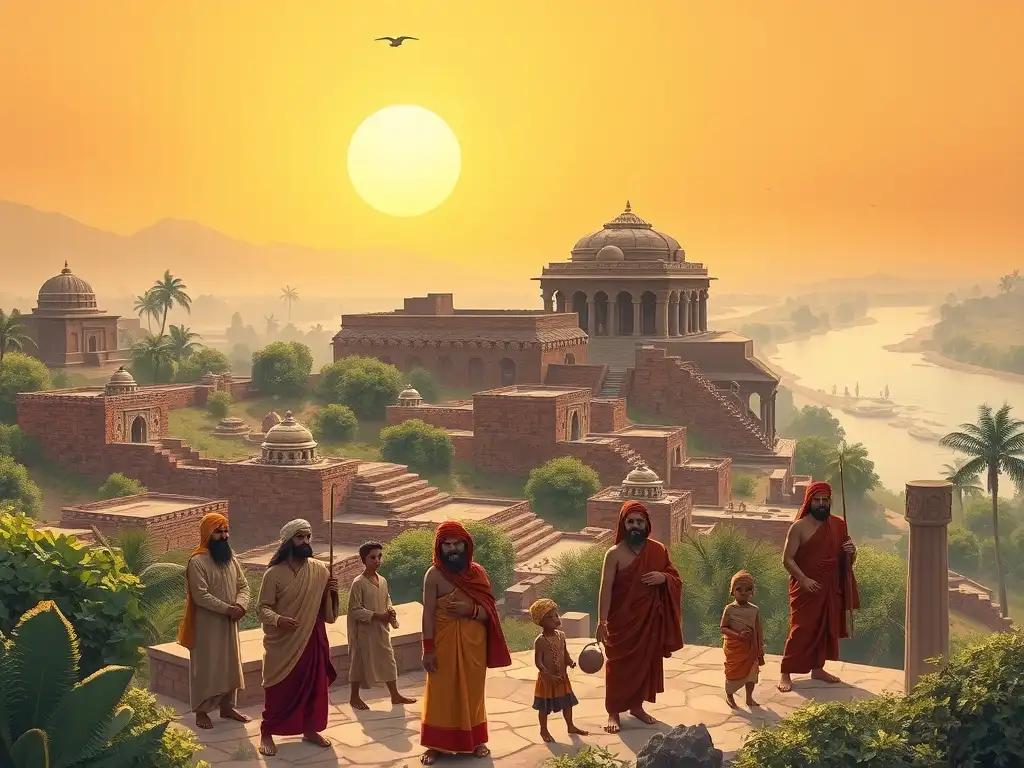
The relationship between Indus Valley religion and technology is marked by a unique interplay that shaped the civilization's cultural and societal framework. Several key points underscore this relationship:
- Religious Practices: The presence of numerous seals, figurines, and ritualistic artifacts indicates a strong religious inclination. The Great Bath of Mohenjo-Daro, believed to have been used for purification rituals, exemplifies how religious beliefs influenced urban planning and architecture.
- Technological Innovations: The Indus Valley people were pioneers in various technologies, including advanced drainage systems, standardized weights, and the production of high-quality pottery. These innovations not only reflect their practical needs but also their spiritual aspirations, as many of these technologies were employed in religious practices.
- Integration of Beliefs and Tools: The use of specific materials and techniques in crafting religious artifacts, such as terracotta figurines and ritual vessels, demonstrates how technology served religious functions. The craftsmanship of these items not only fulfilled practical purposes but also embodied the spiritual beliefs of the society.
- Symbolism and Meaning: Elements of technology in the Indus Valley, such as the architectural precision found in their cities, often mirrored their religious values and cosmological beliefs. The layout of cities may have been influenced by religious concepts, aiming to reflect harmony with nature and divine order.
Final Thoughts on the Significance of this Relationship in Ancient India
The interplay between Indus Valley religion and technology reveals a profound understanding of how belief systems can drive innovation and structure societal development. This relationship is significant for several reasons:
- Cultural Identity: The fusion of religious beliefs with technological advancements contributed to a distinct cultural identity for the Indus Valley civilization. This synergy not only defined their way of life but also established a framework for future Indian societies.
- Legacy of Innovation: The technological contributions of the Indus Valley continue to resonate in modern times. Understanding the historical context of these innovations sheds light on their lasting impact on subsequent Indian civilizations and their technological heritage.
- Interdisciplinary Insights: By examining the relationship between religion and technology, scholars can gain insights into the complexities of ancient societies. This perspective encourages a holistic view of historical development, emphasizing that advancements in technology often stem from the needs and values dictated by religious beliefs.
The harmonious relationship between religion and technology in the Indus Valley is a testament to the sophistication of this ancient civilization. It illustrates how deeply intertwined these aspects were, shaping not only their daily lives but also their enduring legacy within the broader narrative of ancient Indian history.
Frequently Asked Questions
What was the primary religion practiced in the Indus Valley?
The primary religion of the Indus Valley civilization remains largely unknown, but it is believed to have included worship of nature and possibly proto-Hindu elements, as suggested by archaeological findings.
How did technology influence religious practices in the Indus Valley?
Technology played a crucial role in the Indus Valley by enabling the construction of large public baths and granaries, which had religious significance in rituals and community gatherings.
What are some examples of technological advancements in the Indus Valley civilization?
The Indus Valley civilization is known for its advanced urban planning, including drainage systems, brick-making techniques, and the use of standardized weights, which facilitated trade and economic activities linked to religion.
How did the Indus Valley civilization's religion impact its technology?
The needs of religious practices, such as ritual cleanliness and public gatherings, likely drove technological innovations in infrastructure, including water supply systems and monumental architecture.
What legacy did the Indus Valley religion and technology leave on later Indian civilizations?
The religious beliefs and technological practices of the Indus Valley laid the groundwork for later Indian cultures, influencing Hinduism, urban development, and various craft techniques that persisted through the ages.
Final Reflection: The Interwoven Legacy of Indus Valley Religion and Technology
The relationship between religion and technology in the Indus Valley civilization reveals a profound connection that resonates with our contemporary world. As we navigate an era defined by rapid technological advancements, understanding how these two domains influenced each other in the Indus Valley offers valuable insights into our own societal dynamics. The intricate balance between spiritual beliefs and technological innovation in this ancient civilization serves as a reminder that progress is often rooted in a deeper understanding of our values and beliefs.
Culture and society are shaped by the interplay of various elements, and the legacy of the Indus Valley civilization is a testament to this ongoing dialogue. The ways in which religious practices informed technological developments, from urban planning to agricultural techniques, highlight the importance of a holistic approach to progress. As historian David Christian once said, History is a story of connections,
and the Indus Valley exemplifies how interconnectedness can lead to remarkable achievements that endure through time.
As we reflect on the lessons from the Indus Valley, let us consider how we can apply this understanding in our own lives. How can we ensure that our technological advancements align with our ethical and spiritual values? I invite you to ponder this question and explore ways to foster a harmonious relationship between innovation and belief in your own journey. By doing so, we can honor the legacy of the Indus Valley and contribute to a future where technology serves humanity in a meaningful and respectful manner.
Embrace the Synergy of Religion and Technology!
Thank you for diving into the fascinating exploration of how religion and technology intertwined in the Indus Valley! You've gained valuable insights into this captivating relationship—now it’s time to take action and deepen your understanding.
Here’s how you can continue your journey:
- Join a local or online discussion group focused on ancient civilizations to share insights and learn from others.
- Explore archaeological findings from the Indus Valley by visiting your local museum or accessing online exhibits.
- Share your thoughts on social media or with friends—initiate a conversation about how religious beliefs influenced technological advancements in ancient societies!
Which aspect of the relationship between technology and religion in the Indus Valley intrigues you the most?