
The Maurya Empire and Its Influence on Ancient Indian Art and Culture through Governance

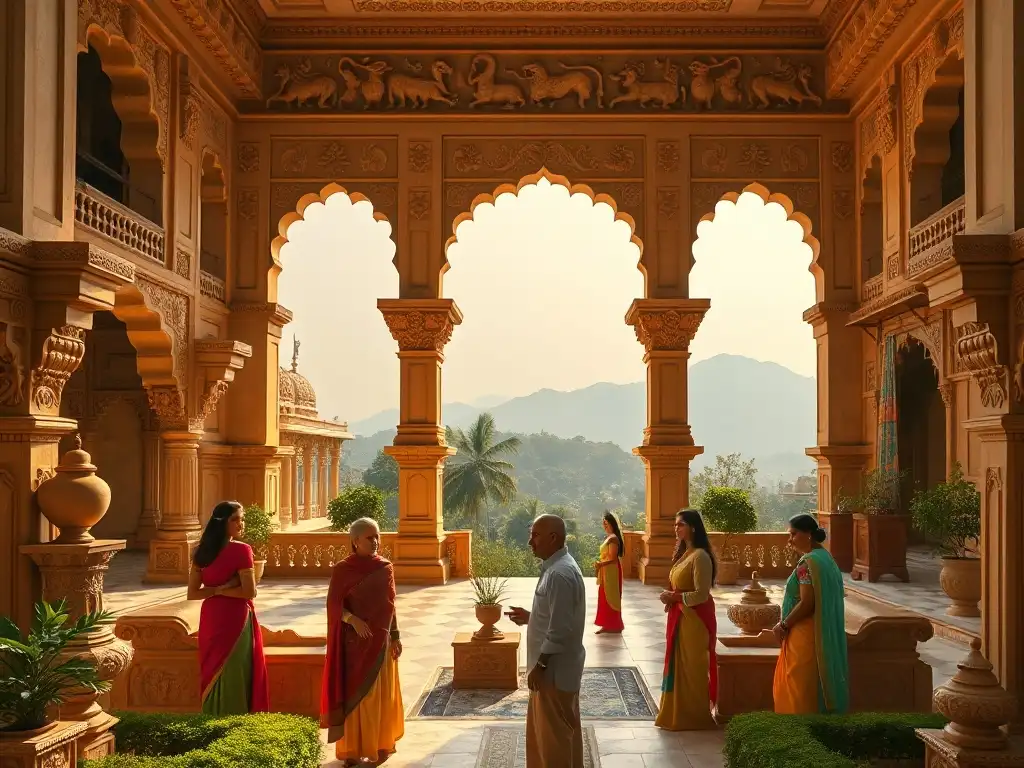
Welcome to Ancient India History, where we embark on a fascinating journey through the rich tapestry of ancient Indian civilizations! Dive into our featured article on the Maurya Empire art and culture, a captivating exploration of how this remarkable dynasty shaped artistic expression and cultural practices through innovative governance. As we unravel the layers of history, you'll discover the profound influences that resonate even today. Ready to uncover the secrets of a civilization that thrived over two millennia ago? Let’s begin!
Introduction to the Maurya Empire
The Maurya Empire, one of the most significant empires in ancient Indian history, emerged around 322 BCE and lasted until approximately 185 BCE. Founded by Chandragupta Maurya, this vast empire not only unified a large part of the Indian subcontinent but also played a pivotal role in shaping the region's art and culture.
The Maurya Empire is renowned for its sophisticated governance, which directly influenced various aspects of life, including the arts, architecture, and societal norms. Understanding this interplay between governance and cultural development is crucial to appreciating the legacy of the Maurya Empire, especially as it pertains to its contributions to ancient Indian art and culture.
Overview of the Maurya Empire's Establishment
The establishment of the Maurya Empire marked a turning point in Indian history. Chandragupta Maurya, with the guidance of his mentor Chanakya, overthrew the Nanda Dynasty and laid the foundation for a centralized and vast empire. His reign was characterized by military conquests and strategic alliances, which enabled the Mauryas to expand their territory significantly. By the time Ashoka the Great ascended to the throne, the empire had reached its zenith, encompassing most of the Indian subcontinent.
Key Milestones in the Establishment of the Maurya Empire:
- 322 BCE: Chandragupta Maurya establishes the empire.
- 319 BCE: The Nanda Dynasty is overthrown.
- 268-232 BCE: Reign of Ashoka, marked by territorial expansion and the spread of Buddhism.
Significance of the Maurya Empire in Ancient Indian History
The Maurya Empire is often regarded as a cornerstone of ancient Indian civilization due to its extensive contributions across various domains. Its significance can be highlighted through:
- Unification of India: For the first time, a large part of the Indian subcontinent was unified under a single political entity.
- Cultural Flourishing: The empire fostered a rich cultural environment, leading to advancements in art, literature, and philosophy.
- Promotion of Buddhism: Ashoka's conversion to Buddhism and his efforts to spread its teachings had a lasting impact on Indian society and beyond.
The Role of Governance in Shaping Art and Culture
The governance model of the Maurya Empire was instrumental in shaping its artistic and cultural landscape. The centralized administration implemented by Chandragupta and later refined by Ashoka facilitated a structured society where art and culture could thrive.
Understanding Governance in the Maurya Empire
The Maurya Empire's governance was characterized by a well-organized bureaucratic structure. Key features included:
- Centralized Authority: Power was concentrated in the hands of the emperor, allowing for swift decision-making and uniform policies.
- Administrative Divisions: The empire was divided into provinces, each overseen by appointed governors who ensured local compliance with imperial laws and initiatives.
- Legal Framework: The Mauryan rulers established a codified set of laws that promoted justice and order, significantly influencing the cultural ethos of the time.
How Governance Influenced Artistic Expression and Cultural Development
The effective governance of the Maurya Empire directly spurred artistic expression and cultural development in several ways:
- Patronage of the Arts: The emperors, particularly Ashoka, were known for their patronage of artists, sculptors, and craftsmen, leading to significant artistic achievements, such as the construction of stupas and intricate carvings.
- Cultural Exchange: The vast empire facilitated trade and cultural exchanges, allowing diverse artistic influences to permeate through regions.
- Promotion of Buddhism: Ashoka's promotion of Buddhism not only influenced religious practices but also led to the creation of art that depicted Buddhist themes, thereby enriching the cultural tapestry of the time.
The Maurya Empire's governance was not merely a system of administration; it was a catalyst for the flourishing of art and culture, leaving an indelible mark on the history of ancient India. The legacy of this era continues to resonate, highlighting the profound connection between governance and cultural expression.
Artistic Contributions During the Maurya Empire
The Maurya Empire, which flourished from approximately 322 to 185 BCE, is renowned for its profound contributions to art and culture, significantly influenced by the governance and policies instituted by its rulers. Under the leadership of Chandragupta Maurya and his grandson Ashoka, art became a medium for propagating political power, religious beliefs, and cultural identity. The Mauryan approach to art emphasized not only aesthetic beauty but also the dissemination of ideas, values, and religious tenets across the vast expanse of the empire.
The period saw the emergence of a unique artistic style that blended indigenous traditions with influences from various cultures due to extensive trade and conquests. This synthesis is evident in sculpture, architecture, and coinage, reflecting the empire's diverse population and the rulers' intent to foster unity and identity. Artistic endeavors were often commissioned by the state, indicating the significant role of governance in shaping artistic expressions.
Major Artistic Movements and Styles
During the Maurya Empire, there were several notable artistic movements and styles:
- Buddhist Art: The spread of Buddhism under Ashoka led to the creation of significant Buddhist art, including stupas, sculptures, and reliefs that depicted the life of Buddha and his teachings. The Sanchi Stupa and the Great Stupa at Amaravati are exemplary of this movement.
- Rock-Cut Architecture: One of the most distinctive features of Mauryan art is rock-cut architecture. The caves at Udayagiri and the Barabar Caves showcase intricate carvings and inscriptions, providing insights into the artistic capabilities and religious motivations of the time.
- Mauryan Sculpture: The sculptures of this period are characterized by their realistic portrayal of human figures, particularly in the depiction of animals and deities. The Lion Capital of Ashoka, which symbolizes the empire's power and authority, is a prime example of this artistic finesse.
Notable Artworks and Architectural Achievements
The Maurya Empire is home to several remarkable artworks and architectural achievements:
- The Lion Capital of Ashoka: This iconic sculpture, originally placed atop a pillar at Sarnath, features four Asiatic lions standing back to back. It is not only a symbol of the Mauryan Empire but has also become the national emblem of India.
- The Great Stupa at Sanchi: Built during the reign of Ashoka, this stupa is one of the oldest stone structures in India. Its intricate carvings and gateways (toranas) depict various Jataka tales and are a testament to the sophisticated artistry of the period.
- Rock Edicts of Ashoka: These edicts, inscribed on rocks and pillars throughout the empire, not only served as a means of communication but also showcased the artistic skill in engraving. They convey Ashoka's messages of peace, tolerance, and governance.
Cultural Developments Under Mauryan Rule
The Maurya Empire marked a significant turning point in the cultural landscape of ancient India. The policies of the rulers played a crucial role in fostering a rich cultural environment that encouraged artistic expression, religious diversity, and the flourishing of trade.
Religious Influences on Maurya Empire Art and Culture
The religious landscape during the Maurya Empire was characterized by a blend of Hinduism, Buddhism, and Jainism, each contributing to the cultural fabric:
- Buddhism's Ascendancy: Ashoka's embrace of Buddhism profoundly influenced art and culture. The representation of Buddhist narratives in sculptures and stupas helped disseminate Buddhist philosophy and ethics across the empire.
- Hindu Art and Iconography: While Buddhism gained prominence, Hinduism continued to thrive. Temples built during this period began to feature intricate carvings of deities, reflecting the ongoing relevance of Hindu beliefs and practices.
- Jain Influence: Jainism also played a role in shaping artistic forms, particularly in sculpture. The depiction of Tirthankaras in a realistic style indicates the coexistence and mutual influence of these religions.
The Interplay of Trade and Cultural Exchange
Trade routes established during the Maurya Empire facilitated cultural exchange, leading to a vibrant synthesis of ideas, goods, and artistic styles:
- Silk Route Connections: The Maurya Empire was strategically positioned along the Silk Route, enabling the exchange of not only silk but also artistic techniques and cultural motifs from distant lands such as Persia and Greece.
- Urban Centers as Cultural Hubs: Cities like Pataliputra emerged as bustling trade centers, where merchants, artisans, and scholars interacted, creating a melting pot of cultures. This interaction fostered innovation in art and architecture.
- Influence on Later Periods: The cultural developments of the Maurya Empire laid the groundwork for subsequent dynasties, influencing the art and architecture of later periods in Indian history. The legacy of Mauryan art can be seen in the subsequent Gupta period, which further refined and expanded upon these artistic traditions.
Through these artistic contributions and cultural developments, the Maurya Empire left an indelible mark on ancient Indian history, shaping the trajectory of art and culture for generations to come.
The Legacy of Maurya Empire Art and Culture
The Maurya Empire, which flourished from 322 to 185 BCE, left an indelible mark on the cultural and artistic landscape of ancient India. Under the reign of notable rulers such as Chandragupta Maurya and Ashoka the Great, the empire witnessed the emergence of sophisticated art forms that were both reflective of its governance and influential on subsequent cultures. The Mauryan legacy is characterized by the integration of local traditions with broader influences, resulting in a unique style that celebrated both religious and secular themes.
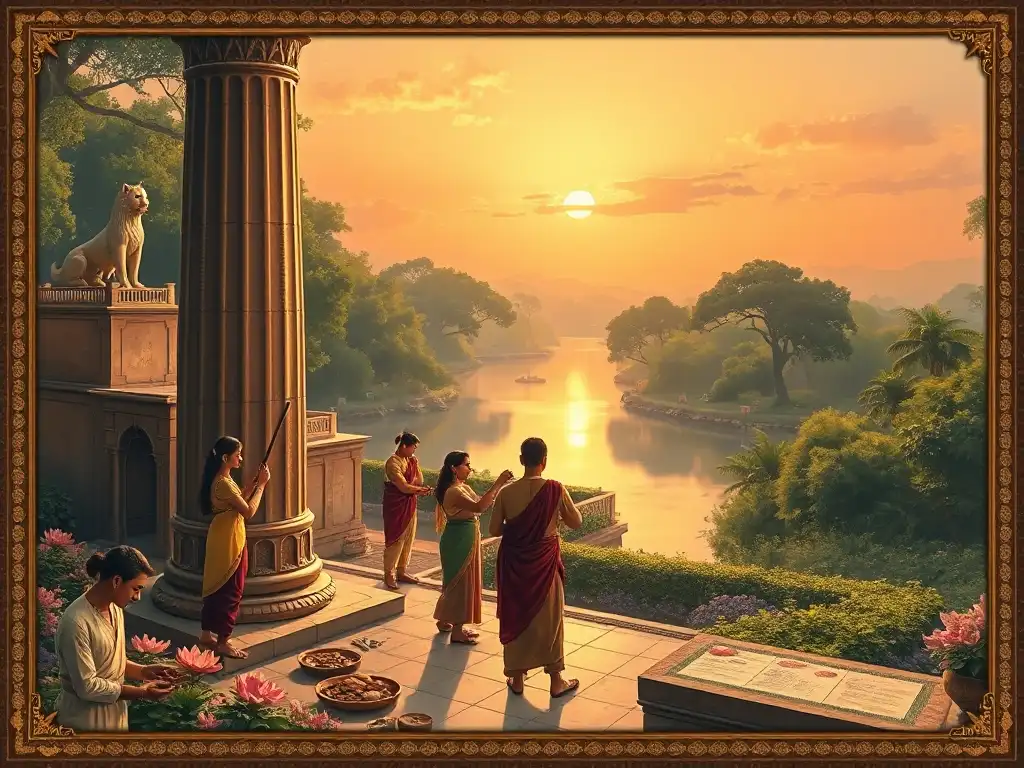
One of the most significant artistic contributions of the Maurya Empire is the development of stone sculpture, particularly in the form of intricate carvings and monumental pillars. The Ashoka Pillars, with their polished sandstone and edicts engraved in Brahmi script, serve not only as remarkable artistic achievements but also as historical documents. These pillars exemplify the Mauryan commitment to disseminating Buddhist teachings and moral principles, showcasing how art was used as a tool for governance and public communication.
In addition to sculpture, the Maurya period also saw advancements in architecture, with the construction of stupas and monastic complexes that reflect both grandeur and simplicity. The Great Stupa at Sanchi, which embodies the Buddhist ideals of tranquility and enlightenment, is a prime example of Mauryan architectural innovation that has inspired countless structures in subsequent dynasties.
Lasting Impact on Subsequent Indian Dynasties
The artistic developments of the Maurya Empire set a precedent for subsequent Indian dynasties, influencing their artistic expressions and cultural practices. The Gupta Empire, often referred to as the "Golden Age" of India, drew inspiration from the Mauryan aesthetic, particularly in sculpture and architecture. The intricate carvings of the Gupta period, seen in sites like the Ajanta Caves, reflect the stylistic foundations laid by the Mauryans.
Moreover, the religious art of the post-Mauryan period, especially in Hindu and Buddhist contexts, retained elements of Mauryan iconography. The portrayal of deities and the use of narrative reliefs can be traced back to Mauryan traditions, showcasing the continuity of artistic themes across centuries. This lineage demonstrates how the Maurya Empire's cultural output not only influenced immediate successors but also established enduring paradigms in Indian art.
Preservation and Adaptation of Mauryan Artistic Techniques
The preservation and adaptation of Mauryan artistic techniques played a crucial role in the evolution of Indian art. Artisans trained in Mauryan methods ensured that the skills and styles developed during this period did not fade into obscurity. The techniques of stone carving, relief work, and the use of motifs such as lotus flowers and animals were carried forward and refined by later artists.
For instance, the technique of polishing stone to achieve a lustrous finish, pioneered during the Maurya period, became a hallmark of subsequent Indian sculpture. Additionally, the iconographic motifs established during the Maurya Empire, such as the depiction of the Bodhi tree and the wheel of dharma, were adapted and reinterpreted in later artistic contexts, enriching the visual language of Indian art.
The spread of Buddhism beyond the Indian subcontinent also facilitated the transmission of Mauryan artistic techniques to other cultures, particularly in regions like Central Asia and Southeast Asia. This cross-cultural exchange resulted in a fusion of styles that can still be observed in the art of these regions today.
Conclusion
Summary of the Maurya Empire's Art and Cultural Influence
The Maurya Empire's contributions to art and culture were foundational to the development of Indian civilization. Through a synthesis of local traditions and external influences, the Mauryans established a rich cultural heritage that prioritized artistry in governance and public life. Their advancements in sculpture, architecture, and iconography not only served religious and political purposes but also fostered a sense of identity and continuity within the subcontinent.
The Continuing Relevance of Mauryan Contributions in Modern India
The relevance of Mauryan contributions persists in modern India, where the principles of art and governance established during this era continue to resonate. The values articulated through Mauryan art—such as the promotion of moral governance and social harmony—remain significant in contemporary discourse. Additionally, the architectural styles and artistic motifs from the Maurya period influence modern Indian art and architecture, as seen in public monuments and cultural festivals that celebrate this rich heritage.
In an era where cultural identity is paramount, the legacy of the Maurya Empire serves as a reminder of the enduring power of art and culture in shaping society. The art of the Maurya Empire is not merely a historical artifact; it is a living testament to the creativity and philosophical depth of ancient Indian civilization that continues to inspire and inform the present.
References
The study of the Maurya Empire and its influence on ancient Indian art and culture is enriched by a variety of scholarly works and historical texts. Here are some key references that provide valuable insights into the governance, cultural practices, and artistic achievements of this influential period:
- Kangle, R. P. (1963). The Kautiliya Arthashastra. This foundational text written by Chanakya (Kautilya) outlines the principles of governance and administration that shaped the Maurya Empire, offering a glimpse into its political and economic structure.
- Thapar, Romila (2003). The Mauryas and the Post-Mauryan States. This book presents an in-depth analysis of the Maurya Empire, focusing on its political history and social structure, and discusses the cultural developments that emerged during this period.
- Srinivasan, D. (1997). Art and Aesthetic in Ancient India. This work explores the evolution of art in ancient India, highlighting how the Maurya Empire's patronage influenced artistic expression and cultural practices.
- Ramesh, K. (2007). Mauryan Art and Architecture. This resource delves into the architectural innovations and artistic achievements of the Maurya Empire, including the famous Ashoka Pillars and stupas, which reflect the empire's aesthetic values and religious influences.
Suggested Readings and Resources for Further Exploration
For those interested in a deeper understanding of the Maurya Empire's governance and its cultural ramifications, the following readings and resources are highly recommended:
- Basham, A. L. (1954). The Wonder That Was India. This classic work provides an overview of Indian civilization, including the Maurya Empire's contributions to art, culture, and governance.
- Cultural History of India (1991). Edited by R. S. Sharma, this comprehensive volume discusses various aspects of Indian culture, including the impact of the Maurya Empire on art and architecture.
- Nagar, S. (2010). The Role of Art in the Maurya Empire. This paper examines how art was utilized not only for aesthetic purposes but also as a means of political expression and propaganda.
- Documentaries and Online Courses: Platforms like Coursera and edX offer courses on ancient Indian history that cover the Maurya Empire. Similarly, documentaries available on educational channels provide visual insights into this era.
- Visit Museums: Many museums, both in India and abroad, have collections of artifacts from the Maurya period. The National Museum in New Delhi and the British Museum in London are notable examples.
These resources will provide a comprehensive foundation for understanding the complexities of the Maurya Empire's governance and its lasting influence on art and culture in ancient India.
- Introduction to the Maurya Empire
- The Role of Governance in Shaping Art and Culture
- Artistic Contributions During the Maurya Empire
- Cultural Developments Under Mauryan Rule
- The Legacy of Maurya Empire Art and Culture
- Conclusion
- References
- Suggested Readings and Resources for Further Exploration
- What was the Maurya Empire known for in terms of art and culture?
- How did the Maurya Empire influence governance and culture?
- What were some notable artistic achievements of the Maurya Empire?
- How did Buddhism impact Maurya art and culture?
- What legacy did the Maurya Empire leave on subsequent Indian civilizations?
Frequently Asked Questions
What was the Maurya Empire known for in terms of art and culture?
The Maurya Empire is renowned for its significant contributions to art and culture, including advancements in sculpture, architecture, and the promotion of Buddhism.
How did the Maurya Empire influence governance and culture?
The Maurya Empire established a centralized governance system that allowed for cultural flourishing, encouraging the spread of artistic expressions and philosophical ideas across the region.
What were some notable artistic achievements of the Maurya Empire?
Notable achievements include the Ashoka Pillars, which are famous for their inscriptions, and the Sanchi stupas, which highlight the architectural innovations of the period.
How did Buddhism impact Maurya art and culture?
Buddhism played a crucial role in shaping Maurya art, leading to the creation of iconic sculptures and monuments, which promoted spiritual themes and ethical values.
What legacy did the Maurya Empire leave on subsequent Indian civilizations?
The legacy of the Maurya Empire continued through later civilizations, influencing their artistic styles, cultural practices, and governance, particularly during the Gupta Empire.
Final Reflection: The Enduring Legacy of the Maurya Empire in Art and Culture
The Maurya Empire's profound influence on ancient Indian art and culture through governance continues to resonate in today's society. As we explore the intricate tapestry of history, it becomes clear that the ideals and innovations birthed during this remarkable period have shaped not only the artistic expressions of the time but also the foundational values that guide contemporary Indian culture. The legacy of the Maurya Empire is not merely a relic of the past; it is a vibrant thread woven into the fabric of modern identity.
The impact of the Maurya Empire extends far beyond its historical timeline, influencing the cultural and social landscape in ways that are still palpable today. The artistic achievements, such as the iconic Ashoka Pillars and the intricate carvings of Sanchi, serve as reminders of a time when art was a powerful medium for governance and societal values. Art is the most beautiful of all lies.
This quote encapsulates the essence of how the Maurya Empire utilized art to convey messages of unity, peace, and moral governance, fostering a sense of belonging and identity that continues to inspire generations.
As we reflect on the teachings of the Maurya Empire, let us take a moment to consider how we can incorporate its lessons into our own lives. Embrace the idea that art and culture are not just reflections of society but powerful tools for change and connection. I invite you to explore your own creative expressions and engage with the cultural narratives around you. By doing so, we can honor the legacy of the Maurya Empire while contributing to a more enriched and interconnected world.
Unveil the Legacy of the Maurya Empire!
Thank you for diving deep into the fascinating world of the Maurya Empire and its impact on ancient Indian art and culture. We hope you gained valuable insights into how governance shaped this vibrant legacy. Now, it’s time to take action and further explore this remarkable period in history!
Here are a few steps you can take:
- Dive into Further Reading: Explore additional resources on ancient Indian history to discover more about the art, architecture, and philosophy that flourished during the Maurya Empire.
- Share Your Thoughts: Engage with fellow history enthusiasts by sharing this article on social media—let's spread the word about the rich heritage of ancient India!
- Get Creative: Try your hand at creating art inspired by the techniques discussed—whether it’s drawing, painting, or even crafting sculptures!
As you reflect on the profound influence of the Maurya Empire, consider this: How might contemporary governance benefit from the artistic and cultural achievements of this great civilization? We’d love to hear your thoughts in the comments below!