
The Cultural Exchange of Textiles: How Ancient India Influenced Neighboring Civilizations

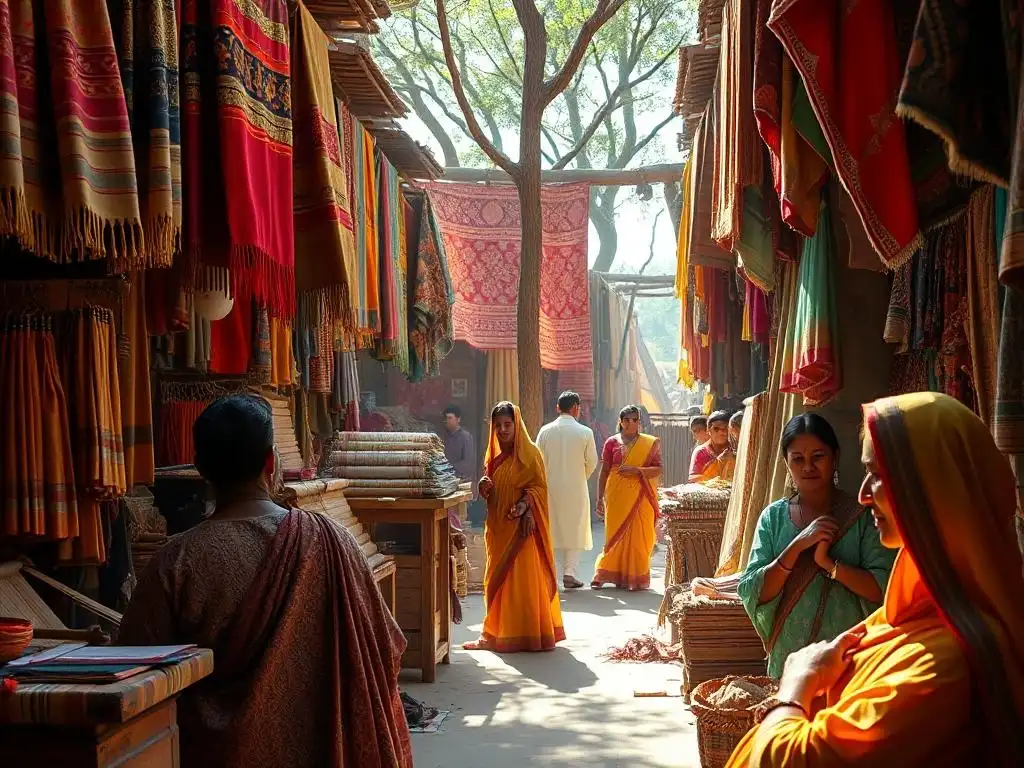
Welcome to Ancient India History, where we embark on a fascinating journey through the rich tapestry of ancient Indian civilizations. Delve into the profound influence of textiles that shaped cultures beyond our borders. In our featured article, "The Cultural Exchange of Textiles: How Ancient India Influenced Neighboring Civilizations," we unravel the stories behind the intricate fabrics that connected societies and sparked creativity across regions. Get ready to explore how these vibrant textiles not only adorned lives but also wove together a legacy that still resonates today. Join us in discovering the threads of history that bind us all!
Introduction to Ancient India Textile Influence
The influence of ancient Indian textiles on neighboring civilizations is a captivating narrative that intertwines cultural exchange, trade, and artistry. From the sophisticated weaving techniques of the Indus Valley civilization to the elaborate designs of the Gupta Empire, India's textile heritage has significantly shaped the aesthetic and functional dimensions of fabric in various regions. Ancient India's textile influence is not merely a story of fabric but a testimony to the rich cultural dialogues that transcended geographical boundaries.
As early as 2500 BCE, the Indus Valley civilization showcased advanced textile production, utilizing natural dyes and intricate patterns that reflected their environment and beliefs. The subsequent empires, including the Maurya and Gupta, further refined these techniques, introducing innovations that would ripple through Asia and beyond.
Textiles served as more than just clothing; they were a medium for expressing identity, status, and cultural narratives. This article delves into the profound impact of ancient Indian textiles on neighboring civilizations, examining how trade routes, migration, and artistic exchanges facilitated this rich tapestry of influence. By exploring various aspects of this cultural exchange, we can appreciate the enduring legacy of ancient India's textile traditions and their significance in the global history of fashion and textiles.
In the following sections, we will unravel specific examples of textile influence, the methods of production, and the cultural implications surrounding these exchanges, ultimately highlighting the pivotal role that ancient India played in shaping textile traditions across the world.
- What role did textiles play in ancient India’s trade?
- How did ancient Indian textiles influence neighboring cultures?
- What are some notable textile techniques developed in ancient India?
- How did the Gupta Empire contribute to textile production?
- What significance do textiles have in understanding ancient Indian culture?
The Origins of Textiles in Ancient India
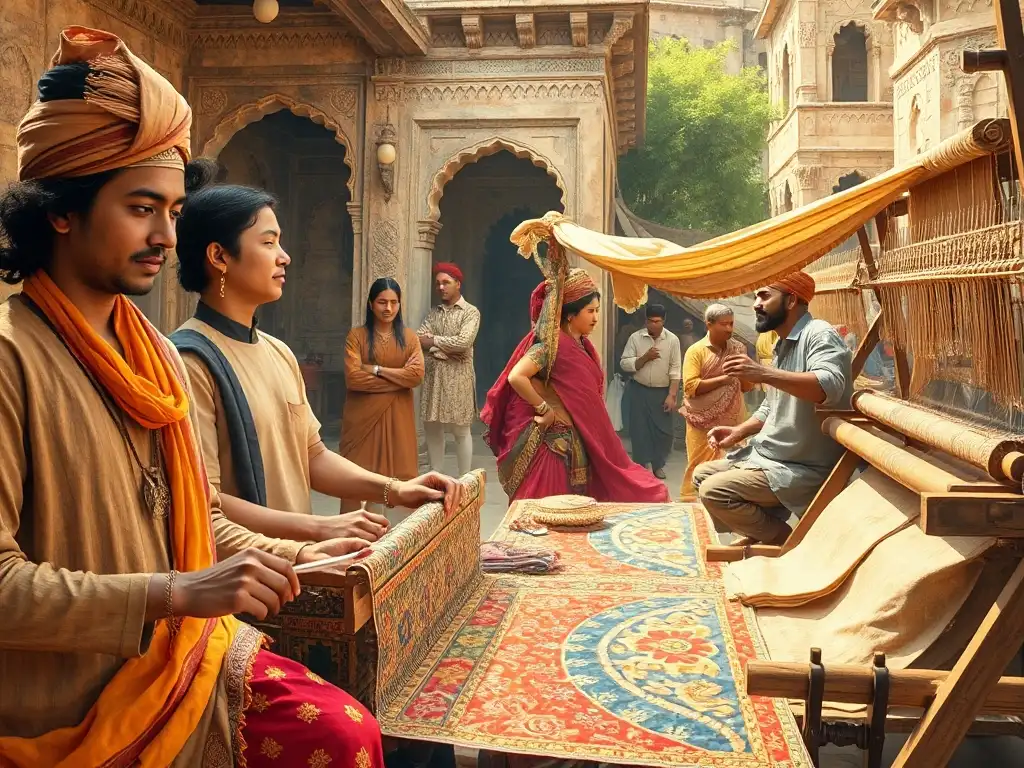
The history of textiles in ancient India can be traced back to the Indus Valley Civilization, around 2500 BCE. Archaeological excavations in sites such as Harappa and Mohenjo-Daro have uncovered evidence of sophisticated weaving techniques and the production of cotton textiles. The ancient Indians not only cultivated cotton but also developed advanced dyeing techniques, allowing for vibrant colors and intricate patterns.
The significance of textiles in ancient India goes beyond mere utility; they played a crucial role in trade, culture, and social identity. Textiles were often used as a form of currency in various trade transactions, emphasizing their economic importance. Additionally, textiles served as a canvas for artistic expression, reflecting the rich cultural narratives and religious beliefs of the time.
Key Regions Influencing Textile Production
The Indus Valley Civilization
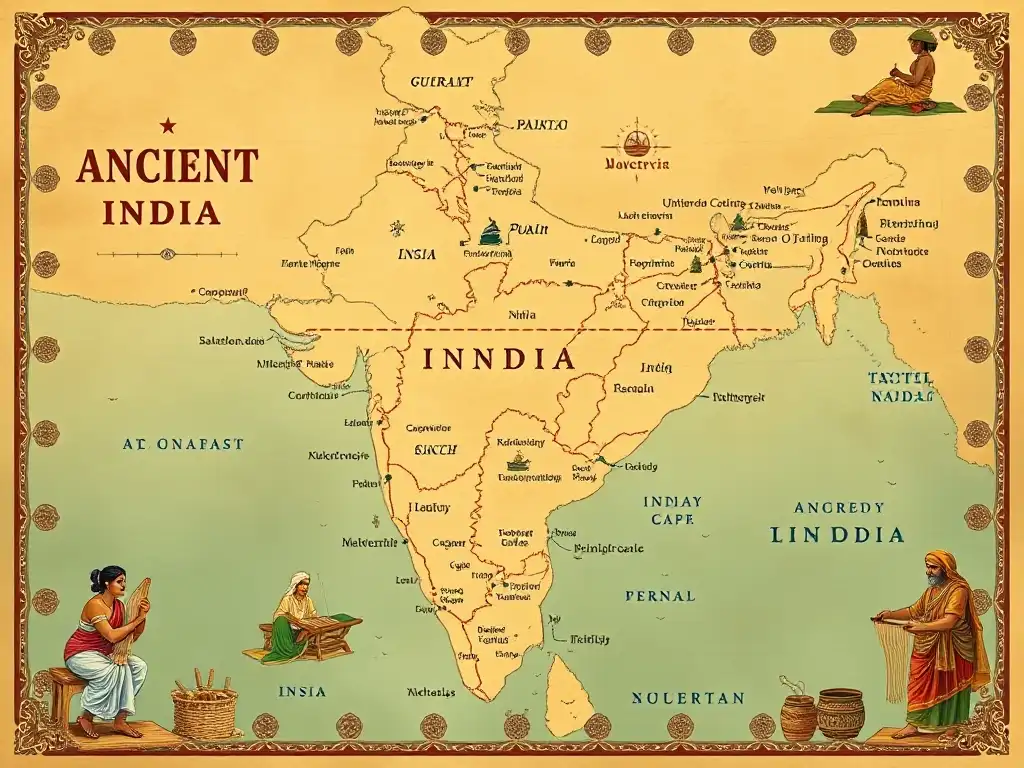
The Indus Valley is renowned for its early advancements in textile production. Evidence suggests that the inhabitants cultivated cotton and utilized intricate weaving techniques. The discovery of spindle whorls and loom weights indicates a well-established textile industry. Textiles from this period were primarily used for clothing, household items, and trade, and they often featured geometric patterns and motifs inspired by nature.
The Deccan Plateau
The Deccan Plateau emerged as another significant region for textile production, especially in the medieval period. This area is known for its unique handloom techniques and the production of various textiles, including silk and cotton. The city of Hyderabad became a hub for the famous "Gadwal" and "Pochampally" sarees, which are characterized by their vibrant colors and intricate patterns.
Eastern India
Eastern India, particularly Bengal, has a rich textile tradition known for its muslin and handwoven fabrics. The region's textiles, often adorned with elaborate embroidery and unique dyeing patterns, gained immense popularity both locally and internationally. The renowned "Baluchari" sarees from Bengal showcase the region's craftsmanship and artistic expression, with intricate designs often depicting mythological themes.
Northern India
In Northern India, regions such as Punjab and Rajasthan have long been known for their vibrant textiles. The use of bright colors and mirror work in textiles from Rajasthan, for example, reflects the cultural heritage of the area. Additionally, the traditional "Phulkari" embroidery of Punjab is characterized by its floral patterns and has become a symbol of regional identity.
Traditional Textile Techniques and Craftsmanship
Weaving Techniques
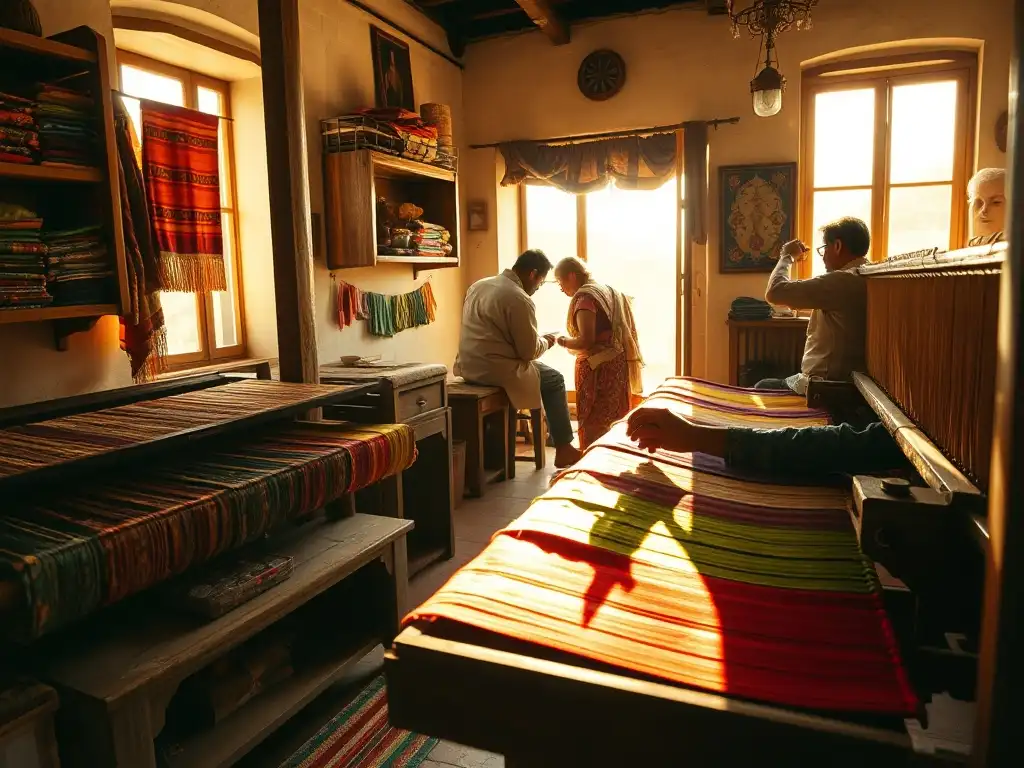
Weaving techniques in ancient India varied significantly across regions, each with its own distinct styles and methods. The use of handlooms was prevalent, with artisans employing techniques such as plain weave, twill weave, and jacquard weave to create intricate fabrics. The "Ikat" technique, where threads are dyed before weaving to create patterns, is particularly notable and remains popular today.
Dyeing Methods
Dyeing was an essential aspect of textile production in ancient India. Artisans mastered various natural dyeing techniques using locally sourced materials such as indigo, turmeric, and madder. The use of these natural dyes not only contributed to the vibrant colors of textiles but also demonstrated a deep understanding of the properties of various plants and minerals.
Embroidery and Decorative Techniques
Embroidery played a significant role in enhancing the aesthetic appeal of textiles. Techniques such as "Zardozi" (metal thread embroidery) and "Chikan" (white-on-white embroidery) exemplify the intricate craftsmanship that characterized ancient Indian textiles. Each region had its own distinctive embroidery styles, often reflecting the local culture and traditions.
Cultural Significance
The textiles produced in ancient India were not merely functional items; they were imbued with cultural significance. They often bore symbolism related to religious beliefs, social status, and regional identity. For instance, certain colors were associated with specific festivals, while patterns could signify auspiciousness or protection.
The rich tapestry of ancient India's textile production reveals a complex interplay of regional influences, traditional techniques, and cultural significance. The legacy of these textiles continues to inspire contemporary fashion and craftsmanship, highlighting the enduring impact of ancient Indian textile influence on neighboring civilizations.
Ancient India Textile Influence on Neighboring Civilizations
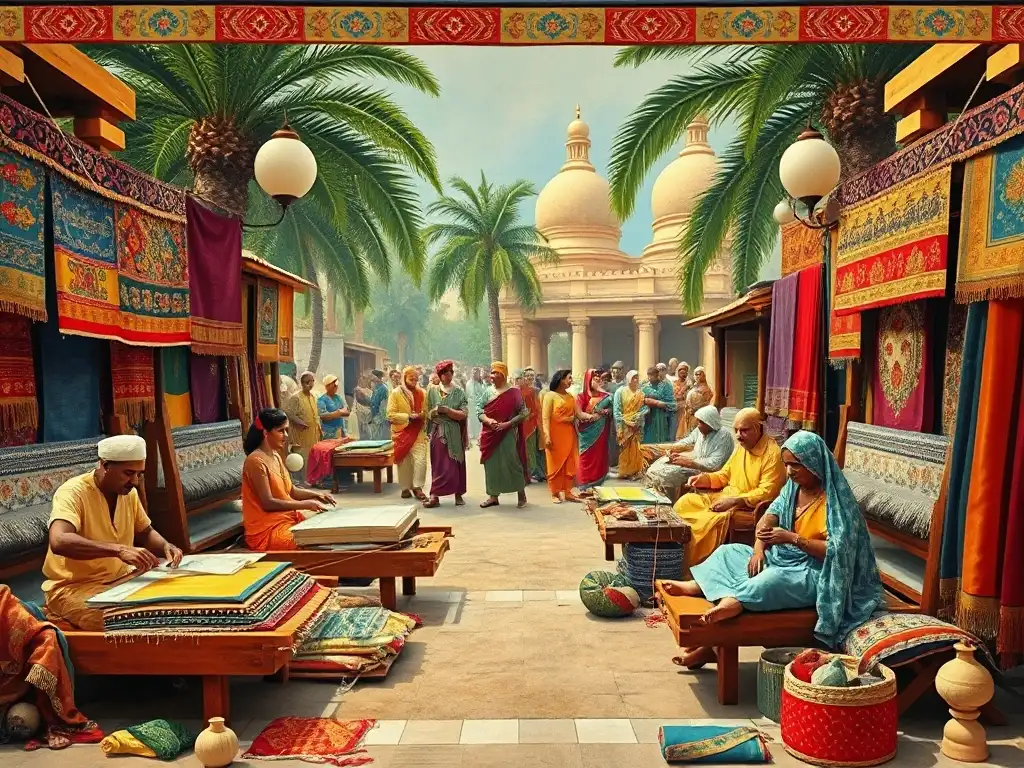
The textile industry in ancient India was not merely a means of producing cloth; it served as a powerful vehicle for cultural exchange that significantly influenced neighboring civilizations. The exquisite craftsmanship, innovative techniques, and vibrant dyes of Indian textiles created a demand that transcended borders, allowing India's textile influence to permeate various cultures. This exchange was both a reflection of and a contributor to the interconnectedness of ancient societies, underlining the importance of textiles in historical trade and cultural identity.
Textile Trade Routes and Cultural Exchange
The ancient textile trade routes were vital arteries of commerce and culture, linking India with various civilizations across Asia, the Middle East, and beyond. These routes facilitated not only the exchange of goods but also ideas, technologies, and artistic styles.
- Silk Road:
- The famous Silk Road was a major trade route that connected India with China, Persia, and the Mediterranean. Indian textiles, particularly silk and cotton, were highly sought after.
- Indian merchants played a crucial role in the Silk Road network, introducing techniques such as intricate weaving and dyeing processes that were later adopted by neighboring cultures.
- Maritime Trade:
- Besides overland routes, maritime trade routes also flourished, especially through the Arabian Sea. Ports like Lothal in Gujarat became bustling hubs for the export of textiles.
- The trade involved not only textiles but also spices and precious stones, integrating Indian goods into a broader trade network that reached as far as Africa and Southeast Asia.
- Cultural Impacts:
- The movement of textiles led to the exchange of cultural motifs and patterns. For instance, the paisley pattern, which is now a hallmark of Indian textiles, is believed to have influenced Persian designs after contact through trade.
The impact of these trade routes extended beyond commerce; they fostered cultural dialogues that enriched both Indian and foreign societies, leading to a shared appreciation of textile art.
Case Studies of Neighboring Civilizations
To illustrate the profound influence of ancient Indian textiles, we can examine specific case studies from neighboring civilizations that were significantly impacted by this exchange.
- Persia:
- The Persian Empire was a key player in the textile trade. The introduction of Indian cotton and silk into Persia not only altered local textile production but also influenced Persian aesthetics.
- Indian fabrics were prized for their quality and were often featured in royal attire, which illustrates the high regard for Indian craftsmanship.
- Southeast Asia:
- In Southeast Asia, Indian textiles played a pivotal role in shaping local traditions. The arrival of Indian merchants brought with them not only textiles but also cultural practices, including weaving techniques.
- Countries like Indonesia and Thailand adopted Indian dyeing methods, particularly the use of indigo, which became a staple in their own textile production.
- China:
- The influence of Indian textiles even reached China, where Indian silk was highly coveted. This demand led to the development of local silk production techniques influenced by Indian practices.
- The intricate designs of Indian textiles inspired Chinese artisans, leading to a fusion of styles that enriched both cultures.
The ancient India's textile influence extends far beyond mere fabric; it encapsulated a rich tapestry of cultural exchange that shaped the artistic and social landscapes of neighboring civilizations. The legacy of these exchanges continues to resonate in contemporary textile practices, reminding us of the enduring impact of ancient India's textile heritage.
The Role of Religion and Society in Textile Exchange
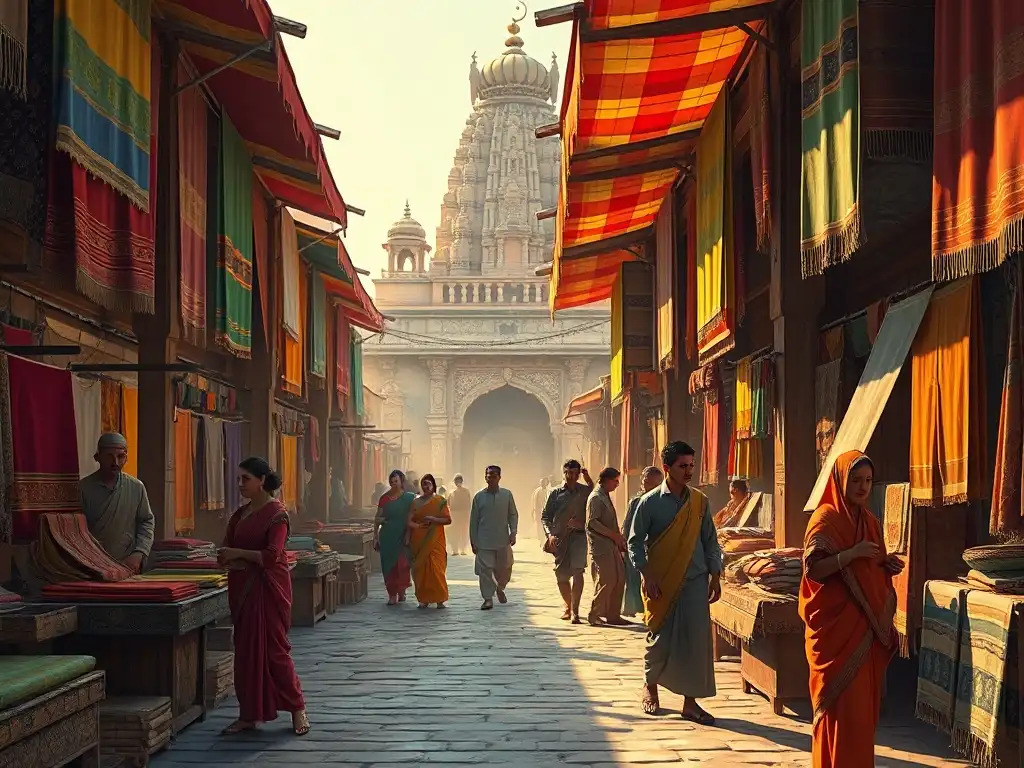
The interplay between religion and society played a significant role in shaping the textile practices of ancient India. Textiles were not merely functional items; they were deeply intertwined with cultural identity, religious rituals, and social norms. The influence of religion on textile production and exchange can be seen in various aspects, including symbolism, patterns, and the types of fabrics used in different ceremonies.
Religious Textiles: Symbolism and Usage
Religious textiles in ancient India carried profound symbolism and were often imbued with spiritual significance. Fabrics were not only used for clothing but also served vital roles in rituals, temple decor, and ceremonial practices. For example, sarees adorned with intricate motifs were commonly used in religious ceremonies, symbolizing purity and devotion.
- Color Significance:
- White: Represented purity and was often worn during mourning or spiritual occasions.
- Red: Symbolized fertility and auspiciousness, frequently used in weddings and festivals.
- Yellow: Associated with knowledge and learning, often worn by scholars and priests.
The textile production process reflected religious values, with certain communities specializing in the creation of textiles meant for temple offerings or sacred rites. For instance, the Kanchipuram sarees, known for their rich silk and gold zari work, were often reserved for temple rituals and worn by deities. The significance of these textiles extended beyond aesthetics; they were seen as a means of connecting the earthly with the divine.
In addition, certain patterns and motifs were influenced by local deities and mythological themes, further enhancing the textiles' spiritual value. The creation of Pichwai textiles, depicting scenes from Lord Krishna's life, exemplifies the integration of religious narratives into fabric, demonstrating how ancient India textile influence permeated daily life and spiritual practice.
The social structure of ancient India significantly influenced textile production and distribution. Different castes and communities were assigned specific roles in the textile industry, from spinning and weaving to dyeing and embroidery. This division of labor not only defined social status but also contributed to the rich tapestry of textile craftsmanship across the region.
- Caste System and Textile Roles:
- Weavers (Kaikkolars): Primarily responsible for weaving, they played a critical role in producing textiles, often adhering to traditional methods passed down through generations.
- Dyers (Rangrez): Focused on coloring fabrics, dyers utilized natural dyes from plants and minerals, creating vibrant textiles integral to cultural expressions.
- Embroiderers: Specialized in adding intricate designs to textiles, these artisans enhanced the aesthetic appeal of garments and ceremonial fabrics.
The emergence of trade routes and interactions with neighboring civilizations facilitated the exchange of textiles, allowing for the incorporation of diverse techniques and materials. For instance, the introduction of cotton textiles from the Indus Valley Civilization laid the groundwork for further innovations in fabric production, leading to the development of unique styles such as the Chanderi and Benaresi sarees.
The rise of powerful empires, such as the Maurya and Gupta, also stimulated the textile industry. The patronage from royalty and the affluent classes resulted in an increase in demand for luxurious fabrics, leading to advancements in weaving techniques and the creation of intricate designs. This flourishing textile culture not only enhanced local economies but also established ancient India's textile influence as a significant part of cultural exchange within the broader region.
Through these religious and social dimensions, the textile exchanges of ancient India not only reflect the artistic prowess of its people but also underscore the cultural connections that transcended borders, influencing neighboring civilizations and contributing to a rich legacy that continues to be celebrated today.
Contemporary Reflections of Ancient Indian Textile Influence
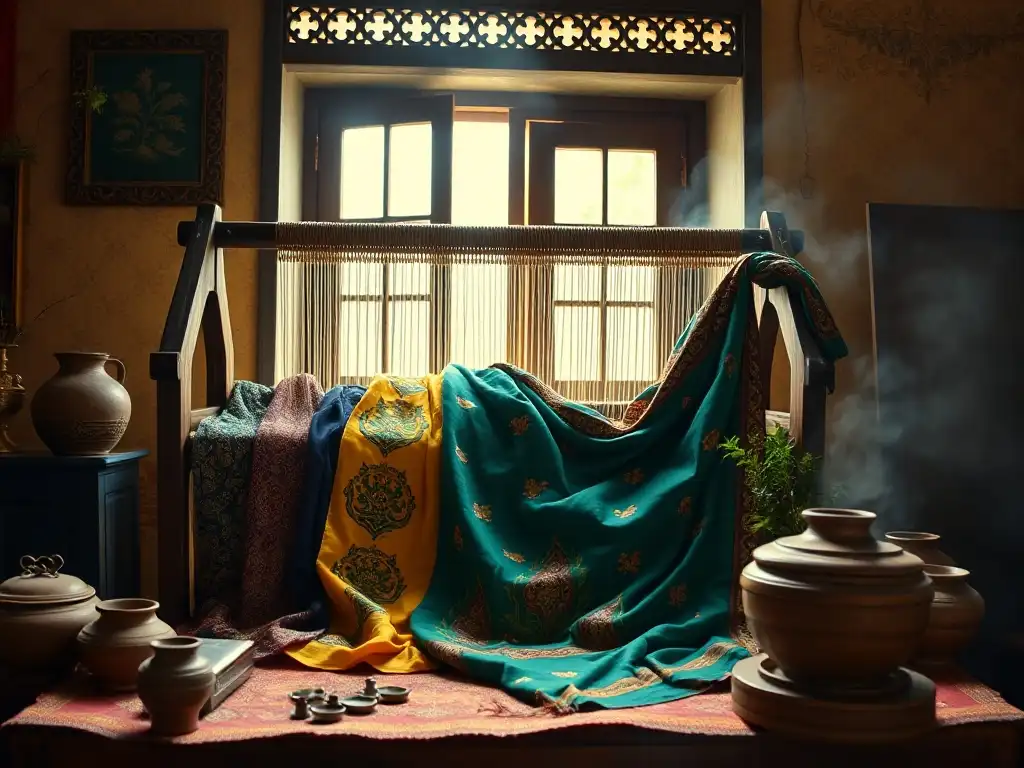
Modern Interpretations of Traditional Textiles
The influence of ancient Indian textiles is vividly reflected in contemporary fashion, where traditional techniques and designs are reimagined to cater to modern aesthetics. Designers today draw inspiration from historical textiles such as banarasi brocade, ikkat, and kantha embroidery. These fabrics, once integral to ancient Indian culture, have found new life in modern wardrobes, showcasing their timeless appeal.
- Sustainability and Ethical Fashion:
- Many contemporary designers are embracing sustainable practices by utilizing traditional handloom techniques that require minimal machinery. This not only preserves ancient crafts but also promotes eco-friendly fashion.
- Brands like Chola and Anita Dongre are pioneering the use of natural dyes and organic materials, echoing the sustainable practices of ancient Indian textile artisans.
- Fusion Wear:
- The blend of traditional Indian textiles with Western silhouettes has led to the creation of fusion wear, making ancient patterns accessible to a global audience. For instance, sarees are being styled as skirts, while kurta designs are incorporated into dresses, appealing to the modern consumer.
- Designers leverage prints and motifs from ancient textiles, such as the Madhubani style, to create unique collections that celebrate heritage while remaining fashionable.
- Cultural Narratives:
- Each piece created from these textiles carries a story, echoing the rich history of ancient India. By integrating motifs that symbolize various cultural narratives, designers not only pay homage to their origins but also educate contemporary audiences about their significance.
- For example, the Peacock Motif, historically significant in Indian art, is frequently used in modern designs to evoke a sense of tradition while adding a contemporary twist.
The Global Impact of Ancient Indian Textiles Today
The influence of ancient Indian textiles extends far beyond its geographical borders, impacting global fashion trends and cultural exchanges. The unique qualities of Indian textiles have established them as coveted items in international markets.
- Trade and Globalization:
- Ancient Indian textiles have a storied history of trade, with routes connecting India to the Mediterranean, Africa, and beyond. This legacy continues today, as Indian fabrics like khadi and pashmina are sought after in fashion capitals such as Paris, New York, and Milan.
- The Global Textile Industry has increasingly recognized the craftsmanship of Indian textiles, leading to collaborative efforts between Indian artisans and international designers.
- Cultural Festivals and Exhibitions:
- Events such as the Textiles and Handicrafts Fair in India and international exhibitions showcase ancient techniques and modern adaptations, fostering appreciation for India’s textile heritage globally. These platforms allow for cultural exchange, where artisans can showcase their skills to a worldwide audience.
- Fashion weeks around the globe increasingly feature collections inspired by ancient Indian textiles, further solidifying their place in contemporary fashion dialogues.
- Influence on International Designers:
- Numerous international designers have integrated elements of ancient Indian textiles into their collections. The likes of Vivienne Westwood and Isabel Marant have drawn from Indian craftsmanship, reflecting a blend of cultures and styles that enrich the global fashion landscape.
- The incorporation of techniques such as block printing and tie-dye from ancient India into mainstream fashion highlights the enduring influence of these traditional practices.
The impact of ancient Indian textile influence is profound, shaping not only modern interpretations but also leaving an indelible mark on global fashion. Through sustainable practices and cultural narratives, the legacy of ancient textiles continues to thrive in contemporary society, ensuring that the artistry and heritage of India are celebrated worldwide.
Additional Resources
Recommended Readings on Ancient Indian Textiles
To further explore the profound influence of ancient Indian textiles on neighboring civilizations, the following readings are highly recommended. These sources provide valuable insights into the history, techniques, and cultural significance of textiles in ancient India.
-
"The Fabric of India" by Rosemary Crill
This book offers a comprehensive look at the textile traditions of India, showcasing the evolution of techniques and styles from ancient times to the present day. Crill emphasizes the importance of trade and cultural exchange, highlighting how Indian textiles shaped global fashion.
-
"Indian Textiles: 1,000 Years of Art and Trade" by John Gillow and Bryan Sentance
This work delves into the rich history of Indian textiles, documenting their production methods, patterns, and the myriad of influences they have encountered over the centuries. It includes stunning photographs that illustrate the beauty and complexity of Indian fabrics.
-
"Textiles of India: The Thomas W. McCraw Collection" edited by Barbara Miller
This collection showcases the stunning array of textiles collected by Thomas W. McCraw, providing historical context and detailed descriptions. The book explores various textile types and their significance in different regions of India.
-
"The Art of Indian Textiles" by S. P. K. Ghosh
Ghosh's work focuses on the artistry and craftsmanship involved in textile production in ancient India. It discusses various techniques, such as dyeing and weaving, and their cultural implications, making it a valuable resource for understanding the artistry behind ancient Indian textiles.
-
**"Cotton: The Fabric that Made the Modern World" by A. J. M. W. R. H. A. M. B. K. C. M. R. D. P. J. S. B. G. M. R. R. M. R. K. L. S. M. A. V. V. G. B. R. W. R. R. S. B. G. M. R. P. J. G. R. M. R. R. M. R. R. M. R. M. R. M. R. M. R. M. R. M. R. M. R. M. R. M. R. M. R. M. R. M. R. M. R. M. R. M. R. M. R. M. R. M. R. M. R. M. R. M. R. M. R. M. R. M. R. M. R. M. R. M. R. M. R. M. R. M. R. M. R. M. R. M. R. M. R. M. R. M. R. M. R. M. R. M. R. M. R. M. R. M. R. M. R. M. R. M. R. M. R. M. R. M. R. M. R. M. R. M. R. M. R. M. R. M. R. M. R. M. R. M. R. M. R. M. R. M. R. M. R. M. R. M. R. M. R. M. R. M. R. M. R. M. R. M. R. M. R. M. R. M. R. M. R. M. R. M. R. M. R. M. R. M. R. M. R. M. R. M. R. M. R. M. R. M. R. M. R. M. R. M. R. M. R. M. R. M. R. M. R. M. R. M. R. M. R. M. R. M. R. M. R. M. R. M. R. M. R. M. R. M. R. M. R. M. R. M. R. M. R. M. R. M. R. M. R. M. R. M. R. M. R. M. R. M. R. M. R. M. R. M. R. M. R. M. R. M. R. M. R. M. R. M. R. M. R. M. R. M. R. M. R. M. R. M. R. M. R. M. R. M. R. M. R. M. R. M. R. M. R. M. R. M. R. M. R. M. R. M. R. M. R. M. R. M. R. M. R. M. R. M. R. M. R. M. R. M. R. M. R. M. R. M. R. M. R. M. R. M. R. M. R. M. R. M. R. M. R. M. R. M. R. M. R. M. R. M. R. M. R. M. R. M. R. M. R. M. R. M. R. M. R. M. R. M. R. M. R. M. R. M. R. M. R. M. R. M. R. M. R. M. R. M. R. M. R. M. R. M. R. M. R. M. R. M. R. M. R. M. R. M. R. M. R. M. R. M. R. M. R. M. R. M. R. M. R. M. R. M. R. M. R. M. R. M. R. M. R. M. R. M. R. M. R. M. R. M. R. M. R. M. R. M. R. M. R. M. R. M. R. M. R. M. R. M. R. M. R. M. R. M. R. M. R. M. R. M. R. M. R. M. R. M. R. M. R. M. R. M. R. M. R. M. R. M. R. M. R. M. R. M. R. M. R. M. R. M. R. M. R. M. R. M. R. M. R. M. R. M. R. M. R. M. R. M. R. M. R. M. R. M. R. M. R. M. R. M. R. M. R. M. R. M. R. M. R. M. R. M. R. M. R. M. R. M. R. M. R. M. R. M. R. M. R. M. R. M. R. M. R. M. R. M. R. M. R. M. R. M. R. M. R. M. R. M. R. M. R. M. R. M. R. M. R. M. R. M. R. M. R. M. R. M. R. M. R. M. R. M. R. M. R. M. R. M. R. M. R. M. R. M. R. M. R. M. R. M. R. M. R. M. R. M. R. M. R. M. R. M. R. M. R. M. R. M. R. M. R. M. R. M. R. M. R. M. R. M. R. M. R. M. R. M. R. M. R. M. R. M. R. M. R. M. R. M. R. M. R. M. R. M. R. M. R. M. R. M. R. M. R. M. R. M. R. M. R. M. R. M. R. M. R. M. R. M. R. M. R. M. R. M. R. M. R. M. R. M. R. M. R. M. R. M. R. M. R. M. R. M. R. M. R. M. R. M. R. M. R. M. R. M. R. M. R. M. R. M. R. M. R. M. R. M. R. M. R. M. R. M. R. M. R. M. R. M. R. M. R. M. R. M. R. M. R. M. R. M. R. M. R. M. R. M. R. M. R. M. R. M. R. M. R. M. R. M. R. M. R. M. R. M. R. M. R. M. R. M. R. M. R. M. R. M. R. M. R. M. R. M. R. M. R. M. R. M. R. M. R. M. R. M. R. M. R. M. R. M. R. M. R. M. R. M. R. M. R. M. R. M. R. M. R. M. R. M. R. M. R. M. R. M. R. M. R. M. R. M. R. M. R. M. R. M. R. M. R. M. R. M. R. M. R. M. R. M. R. M. R. M. R. M. R. M. R. M. R. M. R. M. R. M. R. M. R. M. R. M. R. M. R. M. R. M. R. M. R. M. R. M. R. M. R. M. R. M. R. M. R. M. R. M. R. M. R. M. R. M. R. M. R. M. R. M. R. M. R. M. R. M. R. M. R. M. R. M. R. M. R. M. R. M. R. M. R. M. R. M. R. M. R. M. R. M. R. M. R. M. R. M. R. M. R. M. R. M. R. M. R. M. R. M. R. M. R. M. R. M. R. M. R. M. R. M. R. M. R. M. R. M. R. M. R. M. R. M. R. M. R. M. R. M. R. M. R. M. R. M. R. M. R. M. R. M. R. M. R. M. R. M. R. M. R. M. R. M. R. M. R. M. R. M. R. M. R. M. R. M. R. M. R. M. R. M. R. M. R. M. R. M. R. M. R. M. R. M. R. M. R. M. R. M. R. M. R. M. R. M. R. M. R. M. R. M. R. M. R. M. R. M. R. M. R. M. R. M. R. M. R. M. R. M. R. M. R. M. R. M. R. M. R. M. R. M. R. M. R. M. R. M. R. M. R. M. R. M. R. M. R. M. R. M. R. M. R. M. R. M. R. M. R. M. R. M. R. M. R. M. R. M. R. M. R. M. R. M. R. M. R. M. R. M. R. M. R. M. R. M. R. M. R. M. R. M. R. M. R. M. R. M. R. M. R. M. R. M. R. M. R. M. R. M. R. M. R. M. R. M. R. M. R. M. R. M. R. M. R. M. R. M. R. M. R. M. R. M. R. M. R. M. R. M. R. M. R. M. R. M. R. M. R. M. R. M. R. M. R. M. R. M. R. M. R. M. R. M. R. M. R. M. R. M. R. M. R. M. R. M. R. M. R. M. R. M. R. M. R. M. R. M. R. M. R. M. R. M. R. M. R. M. R. M. R. M. R. M. R. M. R. M. R. M. R. M. R. M. R. M. R. M. R. M. R. M. R. M. R. M. R. M. R. M. R. M. R. M. R. M. R. M. R. M. R. M. R. M. R. M. R. M. R. M. R. M. R. M. R. M. R. M. R. M. R. M. R. M. R. M. R. M. R. M. R. M. R. M. R. M. R. M. R. M. R. M. R. M. R. M. R. M. R. M. R. M. R. M. R. M. R. M. R. M. R. M. R. M. R. M. R. M. R. M. R. M. R. M. R. M. R. M. R. M. R. M. R. M. R. M. R. M. R. M. R. M. R. M. R. M. R. M. R. M. R. M. R. M. R. M. R. M. R. M. R. M. R. M. R. M. R. M. R. M. R. M. R. M. R. M. R. M. R. M. R. M. R. M. R. M. R. M. R. M. R. M. R. M. R. M. R. M. R. M. R. M. R. M. R. M. R. M. R. M. R. M. R. M. R. M. R. M. R. M. R. M. R. M. R. M. R. M. R. M. R. M. R. M. R. M. R. M. R. M. R. M. R. M. R. M. R. M. R. M. R. M. R. M. R. M. R. M. R. M. R. M. R. M. R. M. R. M. R. M. R. M. R. M. R. M. R. M. R. M. R. M. R. M. R. M. R. M. R. M. R. M. R. M. R. M. R. M. R. M. R. M. R. M. R. M. R. M. R. M. R. M. R. M. R. M. R. M. R. M. R. M. R. M. R. M. R. M. R. M. R. M. R. M. R. M. R. M. R. M. R. M. R. M. R. M. R. M. R. M. R. M. R. M. R. M. R. M. R. M. R. M. R. M. R. M. R. M. R. M. R. M. R. M. R. M. R. M. R. M. R. M. R. M. R. M. R. M. R. M. R. M. R. M. R. M. R. M. R. M. R. M. R. M. R. M. R. M. R. M. R. M. R. M. R. M. R. M. R. M. R. M. R. M. R. M. R. M. R. M. R. M. R. M. R. M. R. M. R. M. R. M. R. M. R. M. R. M. R. M. R. M. R. M. R. M. R. M. R. M. R. M. R. M. R. M. R. M. R. M. R. M. R. M. R. M. R. M. R. M. R. M. R. M. R. M. R. M. R. M. R. M. R. M. R. M. R. M. R. M. R. M. R. M. R. M. R. M. R. M. R. M. R. M. R. M. R. M. R. M. R. M. R. M. R. M. R. M. R. M. R. M. R. M. R. M. R. M. R. M. R. M. R. M. R. M. R. M. R. M. R. M. R. M. R. M. R. M. R. M. R. M. R. M. R. M. R. M. R. M. R. M. R. M. R. M. R. M. R. M. R. M. R. M. R. M. R. M. R. M. R. M. R. M. R. M. R. M. R. M. R. M. R. M. R. M. R. M. R. M. R. M. R. M. R. M. R. M. R. M. R. M. R. M. R. M. R. M. R. M. R. M. R. M. R. M. R. M. R. M. R. M. R. M. R. M. R. M. R. M. R. M. R. M. R. M. R. M. R. M. R. M. R. M. R. M. R. M. R. M. R. M. R. M. R. M. R. M. R. M. R. M. R. M. R. M. R. M. R. M. R. M. R. M. R. M. R. M. R. M. R. M. R. M. R. M. R. M. R. M. R. M. R. M. R. M. R. M. R. M. R. M. R. M. R. M. R. M. R. M. R. M. R. M. R. M. R. M. R. M. R. M. R. M. R. M. R. M. R. M. R. M. R. M. R. M. R. M. R. M. R. M. R. M. R. M. R. M. R. M. R. M. R. M. R. M. R. M. R. M. R. M. R. M. R. M. R. M. R. M. R. M. R. M. R. M. R. M. R. M. R. M. R. M. R. M. R. M. R. M. R. M. R. M. R. M. R. M. R. M. R. M. R. M. R. M. R. M. R. M. R. M. R. M. R. M. R. M. R. M. R. M. R. M. R. M. R. M. R. M. R. M. R. M. R. M. R. M. R. M. R. M. R. M. R. M. R. M. R. M. R. M. R. M. R. M. R. M. R. M. R. M. R. M. R. M. R. M. R. M. R. M. R. M. R. M. R. M. R. M. R. M. R. M. R. M. R. M. R. M. R. M. R. M. R. M. R. M. R. M. R. M. R. M. R. M. R. M. R. M. R. M. R. M. R. M. R. M. R. M. R. M. R. M. R. M. R. M. R. M. R. M. R. M. R. M. R. M. R. M. R. M. R. M. R. M. R. M. R. M. R. M. R. M. R. M. R. M. R. M. R. M. R. M. R. M. R. M. R. M. R. M. R. M. R. M. R. M. R. M. R. M. R. M. R. M. R. M. R. M. R. M. R. M. R. M. R. M. R. M. R. M. R. M. R. M. R. M. R. M. R. M. R. M. R. M. R. M. R. M. R. M. R. M. R. M. R. M. R. M. R. M. R. M. R. M. R. M. R. M. R. M. R. M. R. M. R. M. R. M. R. M. R. M. R. M. R. M. R. M. R. M. R. M. R. M. R. M. R. M. R. M. R. M. R. M. R. M. R. M. R. M. R. M. R. M. R. M. R. M. R. M. R. M. R. M. R. M. R. M. R. M. R. M. R. M. R. M. R. M. R. M. R. M. R. M. R. M. R. M. R. M. R. M. R. M. R. M. R. M. R. M. R. M. R. M. R. M. R. M. R. M. R. M. R. M. R. M. R. M. R. M. R. M. R. M. R. M. R. M. R. M. R. M. R. M. R. M. R. M. R. M. R. M. R. M. R. M. R. M. R. M. R. M. R. M. R. M. R. M. R. M. R. M. R. M. R. M. R. M. R. M. R. M. R. M. R. M. R. M. R. M. R. M. R. M. R. M. R. M. R. M. R. M. R. M. R. M. R. M. R. M. R. M. R. M. R. M. R. M. R. M. R. M. R. M. R. M. R. M. R. M. R. M. R. M. R. M. R. M. R. M. R. M. R. M. R. M. R. M. R. M. R. M. R. M. R. M. R. M. R. M. R. M. R. M. R. M. R. M. R. M. R. M. R. M. R. M. R. M. R. M. R. M. R. M. R. M. R. M. R. M. R. M. R. M. R. M. R. M. R. M. R. M. R. M. R. M. R. M. R. M. R. M. R. M. R. M. R. M. R. M. R. M. R. M. R. M. R. M. R. M. R. M. R. M. R. M. R. M. R. M. R. M. R. M. R. M. R. M. R. M. R. M. R. M. R. M. R. M. R. M. R. M. R. M. R. M. R. M. R. M. R. M. R. M. R. M. R. M. R. M. R. M. R. M. R. M. R. M. R. M. R. M. R. M. R. M. R. M. R. M. R. M. R. M. R. M. R. M. R. M. R. M. R. M. R. M. R. M. R. M. R. M. R. M. R. M. R. M. R. M. R. M. R. M. R. M. R. M. R. M. R. M. R. M. R. M. R. M. R. M. R. M. R. M. R. M. R. M. R. M. R. M. R. M. R. M. R. M. R. M. R. M. R. M. R. M. R. M. R. M. R. M. R. M. R. M. R. M. R. M. R. M. R. M. R. M. R. M. R. M. R. M. R. M. R. M. R. M. R. M. R. M. R. M. R. M. R. M. R. M. R. M. R. M. R. M. R. M. R. M. R. M. R. M. R. M. R. M. R. M. R. M. R. M. R. M. R. M. R. M. R. M. R. M. R. M. R. M. R. M. R. M. R. M. R. M. R. M. R. M. R. M. R. M. R. M. R. M. R. M. R. M. R. M. R. M. R. M. R. M. R. M. R. M. R. M. R. M. R. M. R. M. R. M. R. M. R. M. R. M. R. M. R. M. R. M. R. M. R. M. R. M. R. M. R. M. R. M. R. M. R. M. R. M. R. M. R. M. R. M. R. M. R. M. R. M. R. M. R. M. R. M. R. M. R. M. R. M. R. M. R. M. R. M. R. M. R. M. R. M. R. M. R. M. R. M. R. M. R. M. R. M. R. M. R. M. R. M. R. M. R. M. R. M. R. M. R. M. R. M. R. M. R. M. R. M. R. M. R. M. R. M. R. M. R. M. R. M. R. M. R. M. R. M. R. M. R. M. R. M. R. M. R. M. R. M. R. M. R. M. R. M. R. M. R. M. R. M. R. M. R. M. R. M. R. M. R. M. R. M. R. M. R. M. R. M. R. M. R. M. R. M. R. M. R. M. R. M. R. M. R. M. R. M. R. M. R. M. R. M. R. M. R. M. R. M. R. M. R. M. R. M. R. M. R. M. R. M. R. M. R. M. R. M. R. M. R. M. R. M. R. M. R. M. R. M. R. M. R. M. R. M. R. M. R. M. R. M. R. M. R. M. R. M. R. M. R. M. R. M. R. M. R. M. R. M. R. M. R. M. R. M. R. M. R. M. R. M. R. M. R. M. R. M. R. M. R. M. R. M. R. M. R. M. R. M. R. M. R. M. R. M. R. M. R. M. R. M. R. M. R. M. R. M. R. M. R. M. R. M. R. M. R. M. R. M. R. M. R. M. R. M. R. M. R. M. R. M. R. M. R. M. R. M. R. M. R. M. R. M. R. M. R. M. R. M. R. M. R. M. R. M. R. M. R. M. R. M. R. M. R. M. R. M. R. M. R. M. R. M. R. M. R. M. R. M. R. M. R. M. R. M. R. M. R. M. R. M. R. M. R. M. R. M. R. M. R. M. R. M. R. M. R. M. R. M. R. M. R. M. R. M. R. M. R. M. R. M. R. M. R. M. R. M. R. M. R. M. R. M. R. M. R. M. R. M. R. M. R. M. R. M. R. M. R. M. R. M. R. M. R. M. R. M. R. M. R. M. R. M. R. M. R. M. R. M. R. M. R. M. R. M. R. M. R. M. R. M. R. M. R. M. R. M. R. M. R. M. R. M. R. M. R. M. R. M. R. M. R. M. R. M. R. M. R. M. R. M. R. M. R. M. R. M. R. M. R. M. R. M. R. M. R. M. R. M. R. M. R. M. R. M. R. M. R. M. R. M. R. M. R. M. R. M. R. M. R. M. R. M. R. M. R. M. R. M. R. M. R. M. R. M. R. M. R. M. R. M. R. M. R. M. R. M. R. M. R. M. R. M. R. M. R. M. R. M. R. M. R. M. R. M. R. M. R. M. R. M. R. M. R. M. R. M. R. M. R. M. R. M. R. M. R. M. R. M. R. M. R. M. R. M. R. M. R. M. R. M. R. M. R. M. R. M. R. M. R. M. R. M. R. M. R. M. R. M. R. M. R. M. R. M. R. M. R. M. R. M. R. M. R. M. R. M. R. M. R. M. R. M. R. M. R. M. R. M. R. M. R. M. R. M. R. M. R. M. R. M. R. M. R. M. R. M. R. M. R. M. R. M. R. M. R. M. R. M. R. M. R. M. R. M. R. M. R. M. R. M. R. M. R. M. R. M. R. M. R. M. R. M. R. M. R. M. R. M. R. M. R. M. R. M. R. M. R. M. R. M. R. M. R. M. R. M. R. M. R. M. R. M. R. M. R. M. R. M. R. M. R. M. R. M. R. M. R. M. R. M. R. M. R. M. R. M. R. M. R. M. R. M. R. M. R. M. R. M. R. M. R. M. R. M. R. M. R. M. R. M. R. M. R. M. R. M. R. M. R. M. R. M. R. M. R. M. R. M. R. M. R. M. R. M. R. M. R. M. R. M. R. M. R. M. R. M. R. M. R. M. R. M. R. M. R. M. R. M. R. M. R. M. R. M. R. M. R. M. R. M. R. M. R. M. R. M. R. M. R. M. R. M. R. M. R. M. R. M. R. M. R. M. R. M. R. M. R. M. R. M. R. M. R. M. R. M. R. M. R. M. R. M. R. M. R. M. R. M. R. M. R. M. R. M. R. M. R. M. R. M. R. M. R. M. R. M. R. M. R. M. R. M. R. M. R. M. R. M. R. M. R. M. R. M. R. M. R. M. R. M. R. M. R. M. R. M. R. M. R. M. R. M. R. M. R. M. R. M. R. M. R. M. R. M. R. M. R. M. R. M. R. M. R. M. R. M. R. M. R. M. R. M. R. M. R. M. R. M. R. M. R. M. R. M. R. M. R. M. R. M. R. M. R. M. R. M. R. M. R. M. R. M. R. M. R. M. R. M. R. M. R. M. R. M. R. M. R. M. R. M. R. M. R. M. R. M. R. M. R. M. R. M. R. M. R. M. R. M. R. M. R. M. R. M. R. M. R. M. R. M. R. M. R. M. R. M. R. M. R. M. R. M. R. M. R. M. R. M. R. M. R. M. R. M. R. M. R. M. R. M. R. M. R. M. R. M. R. M. R. M. R. M. R. M. R. M. R. M. R. M. R. M. R. M. R. M. R. M. R. M. R. M. R. M. R. M. R. M. R. M. R. M. R. M. R. M. R. M. R. M. R. M. R. M. R. M. R. M. R. M. R. M. R. M. R. M. R. M. R. M. R. M. R. M. R. M. R. M. R. M. R. M. R. M. R. M. R. M. R. M. R. M. R. M. R. M. R. M. R. M. R. M. R. M. R. M. R. M. R. M. R. M. R. M. R. M. R. M. R. M. R. M. R. M. R. M. R. M. R. M. R. M. R. M. R. M. R. M. R. M. R. M. R. M. R. M. R. M. R. M. R. M. R. M. R. M. R. M. R. M. R. M. R. M. R. M. R. M. R. M. R. M. R. M. R. M. R. M. R. M. R. M. R. M. R. M. R. M. R. M. R. M. R. M. R. M. R. M. R. M. R. M. R. M. R. M. R. M. R. M. R. M. R. M. R. M. R. M. R. M. R. M. R. M. R. M. R. M. R. M. R. M. R. M. R. M. R. M. R. M. R. M. R. M. R. M. R. M. R. M. R. M. R. M. R. M. R. M. R. M. R. M. R. M. R. M. R. M. R. M. R. M. R. M. R. M. R. M. R. M. R. M. R. M. R. M. R. M. R. M. R. M. R. M. R. M. R. M. R. M. R. M. R. M. R. M. R. M. R. M. R. M. R. M. R. M. R. M. R. M. R. M. R. M. R. M. R. M. R. M. R. M. R. M. R. M. R. M. R. M. R. M. R. M. R. M. R. M. R. M. R. M. R. M. R. M. R. M. R. M. R. M. R. M. R. M. R. M. R. M. R. M. R. M. R. M. R. M. R. M. R. M. R. M. R. M. R. M. R. M. R. M. R. M. R. M. R. M. R. M. R. M. R. M. R. M. R. M. R. M. R. M. R. M. R. M. R. M. R. M. R. M. R. M. R. M. R. M. R. M. R. M. R. M. R. M. R. M. R. M. R. M. R. M. R. M. R. M. R. M. R. M. R. M. R. M. R. M. R. M. R. M. R. M. R. M. R. M. R. M. R. M. R. M. R. M. R. M. R. M. R. M. R. M. R. M. R. M. R. M. R. M. R. M. R. M. R. M. R. M. R. M. R. M. R. M. R. M. R. M. R. M. R. M. R. M. R. M. R. M. R. M. R. M. R. M. R. M. R. M. R. M. R. M. R. M. R. M. R. M. R. M. R. M. R. M. R. M. R. M. R. M. R. M. R. M. R. M. R. M. R. M. R. M. R. M. R. M. R. M. R. M. R. M. R. M. R. M. R. M. R. M. R. M. R. M. R. M. R. M. R. M. R. M. R. M. R. M. R. M. R. M. R. M. R. M. R. M. R. M. R. M. R. M. R. M. R. M. R. M. R. M. R. M. R. M. R. M. R. M. R. M. R. M. R. M. R. M. R. M. R. M. R. M. R. M. R. M. R. M. R. M. R. M. R. M. R. M. R. M. R. M. R. M. R. M. R. M. R. M. R. M. R. M. R. M. R. M. R. M. R. M. R. M. R. M. R. M. R. M. R. M. R. M. R. M. R. M. R. M. R. M. R. M. R. M. R. M. R. M. R. M. R. M. R. M. R. M. R. M. R. M. R. M. R. M. R. M. R. M. R. M. R. M. R. M. R. M. R. M. R. M. R. M. R. M. R. M. R. M. R. M. R. M. R. M. R. M. R. M. R. M. R. M. R. M. R. M. R. M. R. M. R. M. R. M. R. M. R. M. R. M. R. M. R. M. R. M. R. M. R. M. R. M. R. M. R. M. R. M. R. M. R. M. R. M. R. M. R. M. R. M. R. M. R. M. R. M. R. M. R. M. R. M. R. M. R. M. R. M. R. M. R. M. R. M. R. M. R. M. R. M. R. M. R. M. R. M. R. M. R. M. R. M. R. M. R. M. R. M. R. M. R. M. R. M. R. M. R. M. R. M. R. M. R. M. R. M. R. M. R. M. R. M. R. M. R. M. R. M. R. M. R. M. R. M. R. M. R. M. R. M. R. M. R. M. R. M. R. M. R. M. R. M. R. M. R. M. R. M. R. M. R. M. R. M. R. M. R. M. R. M. R. M. R. M. R. M. R. M. R. M. R. M. R. M. R. M. R. M. R. M. R. M. R. M. R. M. R. M. R. M. R. M. R. M. R. M. R. M. R. M. R. M. R. M. R. M. R. M. R. M. R. M. R. M. R. M. R. M. R. M. R. M. R. M. R. M. R. M. R. M. R. M. R. M. R. M. R. M. R. M. R. M. R. M. R. M. R. M. R. M. R. M. R. M. R. M. R. M. R. M. R. M. R. M. R. M. R. M. R. M. R. M. R. M. R. M. R. M. R. M. R. M. R. M. R. M. R. M. R. M. R. M. R. M. R. M. R. M. R. M. R. M. R. M. R. M. R. M. R. M. R. M. R. M. R. M. R. M. R. M. R. M. R. M. R. M. R. M. R. M. R. M. R. M. R. M. R. M. R. M. R. M. R. M. R. M. R. M. R. M. R. M. R. M. R. M. R. M. R. M. R. M. R. M. R. M. R. M. R. M. R. M. R. M. R. M. R. M. R. M. R. M. R. M. R. M. R. M. R. M. R. M. R. M. R. M. R. M. R. M. R. M. R. M. R. M. R. M. R. M. R. M. R. M. R. M. R. M. R. M. R. M. R. M. R. M. R. M. R. M. R. M. R. M. R. M. R. M. R. M. R. M. R. M. R. M. R. M. R. M. R. M. R. M. R. M. R. M. R. M. R. M. R. M. R. M. R. M. R. M. R. M. R. M. R. M. R. M. R. M. R. M. R. M. R. M. R. M. R. M. R. M. R. M. R. M. R. M. R. M. R. M. R. M. R. M. R. M. R. M. R. M. R. M. R. M. R. M. R. M. R. M. R. M. R. M. R. M. R. M. R. M. R. M. R. M. R. M. R. M. R. M. R. M. R. M. R. M. R. M. R. M. R. M. R. M. R. M. R. M. R. M. R. M. R. M. R. M. R. M. R. M. R. M. R. M. R. M. R. M. R. M. R. M. R. M. R. M. R. M. R. M. R. M. R. M. R. M. R. M. R. M. R. M. R. M. R. M. R. M. R. M. R. M. R. M. R. M. R. M. R. M. R. M. R. M. R. M. R. M. R. M. R. M. R. M. R. M. R. M. R. M. R. M. R. M. R. M. R. M. R. M. R. M. R. M. R. M. R. M. R. M. R. M. R. M. R. M. R. M. R. M. R. M. R. M. R. M. R. M. R. M. R. M. R. M. R. M. R. M. R. M. R. M. R. M. R. M. R. M. R. M. R. M. R. M. R. M. R. M. R. M. R. M. R. M. R. M. R. M. R. M. R. M. R. M. R. M. R. M. R. M. R. M. R. M. R. M. R. M. R. M. R. M. R. M. R. M. R. M. R. M. R. M. R. M. R. M. R. M. R. M. R. M. R. M. R. M. R. M. R. M. R. M. R. M. R. M. R. M. R. M. R. M. R. M. R. M. R. M. R. M. R. M. R. M. R. M. R. M. R. M. R. M. R. M. R. M. R. M. R. M. R. M. R. M. R. M. R. M. R. M. R. M. R. M. R. M. R. M. R. M. R. M. R. M. R. M. R. M. R. M. R. M. R. M. R. M. R. M. R. M. R. M. R. M. R. M. R. M. R. M. R. M. R. M. R. M. R. M. R. M. R. M. R. M. R. M. R. M. R. M. R. M. R. M. R. M. R. M. R. M. R. M. R. M. R. M. R. M. R. M. R. M. R. M. R. M. R. M. R. M. R. M. R. M. R. M. R. M. R. M. R. M. R. M. R. M. R. M. R. M. R. M. R. M. R. M. R. M. R. M. R. M. R. M. R. M. R. M. R. M. R. M. R. M. R. M. R. M. R. M. R. M. R. M. R. M. R. M. R. M. R. M. R. M. R. M. R. M. R. M. R. M. R. M. R. M. R. M. R. M. R. M. R. M. R. M. R. M. R. M. R. M. R. M. R. M. R. M. R. M. R. M. R. M. R. M. R. M. R. M. R. M. R. M. R. M. R. M. R. M. R. M. R. M. R. M. R. M. R. M. R. M. R. M. R. M. R. M. R. M. R. M. R. M. R. M. R. M. R. M. R. M. R. M. R. M. R. M. R. M. R. M. R. M. R. M. R. M. R. M. R. M. R. M. R. M. R. M. R. M. R. M. R. M. R. M. R. M. R. M. R. M. R. M. R. M. R. M. R. M. R. M. R. M. R. M. R. M. R. M. R. M. R. M. R. M. R. M. R. M. R. M. R. M. R. M. R. M. R. M. R. M. R. M. R. M. R. M. R. M. R. M. R. M. R. M. R. M. R. M. R. M. R. M. R. M. R. M. R. M. R. M. R. M. R. M. R. M. R. M. R. M. R. M. R. M. R. M. R. M. R. M. R. M. R. M. R. M. R. M. R. M. R. M. R. M. R. M. R. M. R. M. R. M. R. M. R. M. R. M. R. M. R. M. R. M. R. M. R. M. R. M. R. M. R. M. R. M. R. M. R. M. R. M. R. M. R. M. R. M. R. M. R. M. R. M. R. M. R. M. R. M. R. M. R. M. R. M. R. M. R. M. R. M. R. M. R. M. R. M. R. M. R. M. R. M. R. M. R. M. R. M. R. M. R. M. R. M. R. M. R. M. R. M. R. M. R. M. R. M. R. M. R. M. R. M. R. M. R. M. R. M. R. M. R. M. R. M. R. M. R. M. R. M. R. M. R. M. R. M. R. M. R. M. R. M. R. M. R. M. R. M. R. M. R. M. R. M. R. M. R. M. R. M. R. M. R. M. R. M. R. M. R. M. R. M. R. M. R. M. R. M. R. M. R. M. R. M. R. M. R. M. R. M. R. M. R. M. R. M. R. M. R. M. R. M. R. M. R. M. R. M. R. M. R. M. R. M. R. M. R. M. R. M. R. M. R. M. R. M. R. M. R. M. R. M. R. M. R. M. R. M. R. M. R. M. R. M. R. M. R. M. R. M. R. M. R. M. R. M. R. M. R. M. R. M. R. M. R. M. R. M. R. M. R. M. R. M. R. M. R. M. R. M. R. M. R. M. R. M. R. M. R. M. R. M. R. M. R. M. R. M. R. M. R. M. R. M. R. M. R. M. R. M. R. M. R. M. R. M. R. M. R. M. R. M. R. M. R. M. R. M. R. M. R. M. R. M. R. M. R. M. R. M. R. M. R. M. R. M. R. M. R. M. R. M. R. M. R. M. R. M. R. M. R. M. R. M. R. M. R. M. R. M. R. M. R. M. R. M. R. M. R. M. R. M. R. M. R. M. R. M. R. M. R. M. R. M. R. M. R. M. R. M. R. M. R. M. R. M. R. M. R. M. R. M. R. M. R. M. R. M. R. M. R. M. R. M. R. M. R. M. R. M. R. M. R. M. R. M. R. M. R. M. R. M. R. M. R. M. R. M. R. M. R. M. R. M. R. M. R. M. R. M. R. M. R. M. R. M. R. M. R. M. R. M. R. M. R. M. R. M. R. M. R. M. R. M. R. M. R. M. R. M. R. M. R. M. R. M. R. M. R. M. R. M. R. M. R. M. R. M. R. M. R. M. R. M. R. M. R. M. R. M. R. M. R. M. R. M. R. M. R. M. R. M. R. M. R. M. R. M. R. M. R. M. R. M. R. M. R. M. R. M. R. M. R. M. R. M. R. M. R. M. R. M. R. M. R. M. R. M. R. M. R. M. R. M. R. M. R. M. R. M. R. M. R. M. R. M. R. M. R. M. R. M. R. M. R. M. R. M. R. M. R. M. R. M. R. M. R. M. R. M. R. M. R. M. R. M. R. M. R. M. R. M. R. M. R. M. R. M. R. M. R. M. R. M. R. M. R. M. R. M. R. M. R. M. R. M. R. M. R. M. R. M. R. M. R. M. R. M. R. M. R. M. R. M. R. M. R. M. R. M. R. M. R. M. R. M. R. M. R. M. R. M. R. M. R. M. R. M. R. M. R. M. R. M. R. M. R. M. R. M. R. M. R. M. R. M. R. M. R. M. R. M. R. M. R. M. R. M. R. M. R. M. R. M. R. M. R. M. R. M. R. M. R. M. R. M. R. M. R. M. R. M. R. M. R. M. R. M. R. M. R. M. R. M. R. M. R. M. R. M. R. M. R. M. R. M. R. M. R. M. R. M. R. M. R. M. R. M. R. M. R. M. R. M. R. M. R. M. R. M. R. M. R. M. R. M. R. M. R. M. R. M. R. M. R. M. R. M. R. M. R. M. R. M. R. M. R. M. R. M. R. M. R. M. R. M. R. M. R. M. R. M. R. M. R. M. R. M. R. M. R. M. R. M. R. M. R. M. R. M. R. M. R. M. R. M. R. M. R. M. R. M. R. M. R. M. R. M. R. M. R. M. R. M. R. M. R. M. R. M. R. M. R. M. R. M. R. M. R. M. R. M. R. M. R. M. R. M. R. M. R. M. R. M. R. M. R. M. R. M. R. M. R. M. R. M. R. M. R. M. R. M. R. M. R. M. R. M. R. M. R. M. R. M. R. M. R. M. R. M. R. M. R. M. R. M. R. M. R. M. R. M. R. M. R. M. R. M. R. M. R. M. R. M. R. M. R. M. R. M. R. M. R. M. R. M. R. M. R. M. R. M. R. M. R. M. R. M. R. M. R. M. R. M. R. M. R. M. R. M. R. M. R. M. R. M. R. M. R. M. R. M. R. M. R. M. R. M. R. M. R. M. R. M. R. M. R. M. R. M. R. M. R. M. R. M. R. M. R. M. R. M. R. M. R. M. R. M. R. M. R. M. R. M. R. M. R. M. R. M. R. M. R. M. R. M. R. M. R. M. R. M. R. M. R. M. R. M. R. M. R. M. R. M. R. M. R. M. R. M. R. M. R. M. R. M. R. M. R. M. R. M. R. M. R. M. R. M. R. M. R. M. R. M. R. M. R. M. R. M. R. M. R. M. R. M. R. M. R. M. R. M. R. M. R. M. R. M. R. M. R. M. R. M. R. M. R. M. R. M. R. M. R. M. R. M. R. M. R. M. R. M. R. M. R. M. R. M. R. M. R. M. R. M. R. M. R. M. R. M. R. M. R. M. R. M. R. M. R. M. R. M. R. M. R. M. R. M. R. M. R. M. R. M. R. M. R. M. R. M. R. M. R. M. R. M. R. M. R. M. R. M. R. M. R. M. R. M. R. M. R. M. R. M. R. M. R. M. R. M. R. M. R. M. R. M. R. M. R. M. R. M. R. M. R. M. R. M. R. M. R. M. R. M. R. M. R. M. R. M. R. M. R. M. R. M. R. M. R. M. R. M. R. M. R. M. R. M. R. M. R. M. R. M. R. M. R. M. R. M. R. M. R. M. R. M. R. M. R. M. R. M. R. M. R. M. R. M. R. M. R. M. R. M. R. M. R. M. R. M. R. M. R. M. R. M. R. M. R. M. R. M. R. M. R. M. R. M. R. M. R. M. R. M. R. M. R. M. R. M. R. M. R. M. R. M. R. M. R. M. R. M. R. M. R. M. R. M. R. M. R. M. R. M. R. M. R. M. R. M. R. M. R. M. R. M. R. M. R. M. R. M. R. M. R. M. R. M. R. M. R. M. R. M. R. M. R. M. R. M. R. M. R. M. R. M. R. M. R. M. R. M. R. M. R. M. R. M. R. M. R. M. R. M. R. M. R. M. R. M. R. M. R. M. R. M. R. M. R. M. R. M. R. M. R. M. R. M. R. M. R. M. R. M. R. M. R. M. R. M. R. M. R. M. R. M. R. M. R. M. R. M. R. M. R. M. R. M. R. M. R. M. R. M. R. M. R. M. R. M. R. M. R. M. R. M. R. M. R. M. R. M. R. M. R. M. R. M. R. M. R. M. R. M. R. M. R. M. R. M. R. M. R. M. R. M. R. M. R. M. R. M. R. M. R. M. R. M. R. M. R. M. R. M. R. M. R. M. R. M. R. M. R. M. R. M. R. M. R. M. R. M. R. M. R. M. R. M. R. M. R. M. R. M. R. M. R. M. R. M. R. M. R. M. R. M. R. M. R. M. R. M. R. M. R. M. R. M. R. M. R. M. R. M. R. M. R. M. R. M. R. M. R. M. R. M. R. M. R. M. R. M. R. M. R. M. R. M. R. M. R. M. R. M. R. M. R. M. R. M. R. M. R. M. R. M. R. M. R. M. R. M. R. M. R. M. R. M. R. M. R. M. R. M. R. M. R. M. R. M. R. M. R. M. R. M. R. M. R. M. R. M. R. M. R. M. R. M. R. M. R. M. R. M. R. M. R. M. R. M. R. M. R. M. R. M. R. M. R. M. R. M. R. M. R. M. R. M. R. M. R. M. R. M. R. M. R. M. R. M. R. M. R. M. R. M. R. M. R. M. R. M. R. M. R. M. R. M. R. M. R. M. R. M. R. M. R. M. R. M. R. M. R. M. R. M. R. M. R. M. R. M. R. M. R. M. R. M. R. M. R. M. R. M. R. M. R. M. R. M. R. M. R. M. R. M. R. M. R. M. R. M. R. M. R. M. R. M. R. M. R. M. R. M. R. M. R. M. R. M. R. M. R. M. R. M. R. M. R. M. R. M. R. M. R. M. R. M. R. M. R. M. R. M. R. M. R. M. R. M. R. M. R. M. R. M. R. M. R. M. R. M. R. M. R. M. R. M. R. M. R. M. R. M. R. M. R. M. R. M. R. M. R. M. R. M. R. M. R. M. R. M. R. M. R. M. R. M. R. M. R. M. R. M. R. M. R. M. R. M. R. M. R. M. R. M. R. M. R. M. R. M. R. M. R. M. R. M. R. M. R. M. R. M. R. M. R. M. R. M. R. M. R. M. R. M. R. M. R. M. R. M. R. M. R. M. R. M. R. M. R. M. R. M. R. M.
Frequently Asked Questions
What role did textiles play in ancient India’s trade?
Textiles were a crucial commodity in ancient Indian trade, often exchanged with neighboring civilizations. The rich variety of fabrics and techniques significantly influenced global trade routes.
How did ancient Indian textiles influence neighboring cultures?
Ancient Indian textiles introduced unique weaving techniques and patterns to other civilizations. This exchange led to the adoption of Indian styles in Persia, Egypt, and beyond, showcasing the impact of cultural diffusion.
What are some notable textile techniques developed in ancient India?
Ancient India is known for its dyeing, printing, and weaving techniques, such as block printing and tie-dyeing. These methods laid the foundation for textile arts that are still practiced today.
How did the Gupta Empire contribute to textile production?
During the Gupta Empire, India saw advancements in textile production, including the use of cotton and silk. This era is marked by high-quality textiles that became highly sought after in both domestic and international markets.
What significance do textiles have in understanding ancient Indian culture?
Textiles in ancient India are not just items of clothing but also represent social status, religious beliefs, and regional identities. They offer insights into the cultural practices and economic conditions of ancient societies.
Final Reflection: The Enduring Legacy of Ancient India's Textile Influence
The intricate tapestry of cultural exchange woven through ancient India's textile influence remains profoundly relevant today. As we explore the connections between civilizations, we uncover how the artistry and techniques of Indian textiles not only shaped the fashion of neighboring cultures but also fostered a spirit of collaboration and innovation that transcends time. This legacy is a testament to the power of creativity and shared knowledge in building bridges between diverse societies.
The impact of ancient Indian textiles can still be felt in our modern world, as they continue to inspire designers and artisans alike. The vibrant colors, intricate patterns, and rich histories embedded in these textiles remind us of the interconnectedness of our global heritage. As noted by historian John K. Wright, Textiles are not merely functional items; they are the very fabric of cultural identity, telling stories that span generations.
This observation underscores the importance of recognizing and honoring the cultural narratives that textiles carry, as they reflect the values, traditions, and innovations of their creators.
As you reflect on the lessons drawn from the cultural exchange of textiles, consider how you can engage with and celebrate the diverse influences in your own life. Embrace the richness of cultural heritage by exploring local artisans, supporting sustainable practices, and sharing stories that honor the past while inspiring future creativity. Let the legacy of ancient India's textile influence guide you in fostering a deeper appreciation for the beauty of cultural diversity and the connections that unite us all.
Unveil the Threads of Connection!
Thank you for exploring the fascinating cultural exchange of textiles and how ancient India influenced neighboring civilizations! Your curiosity about this rich history highlights the powerful connections we can find in our shared past.
Now, it’s time to take that inspiration and weave it into action! Here are some steps you can take to delve deeper into this vibrant history:
- Discover specific textiles from ancient India by visiting local museums or heritage exhibitions.
- Share this article with friends or family who might be interested in the intriguing relationships between cultures—spread the knowledge!
- Join online communities or social media groups focused on textile history to connect with fellow enthusiasts and exchange ideas.
How do you believe the exchange of textiles throughout history has shaped modern fashion and culture today? We invite you to share your thoughts below!