
The Maurya Empire's Military Strategies: Insights from Key Military Leaders

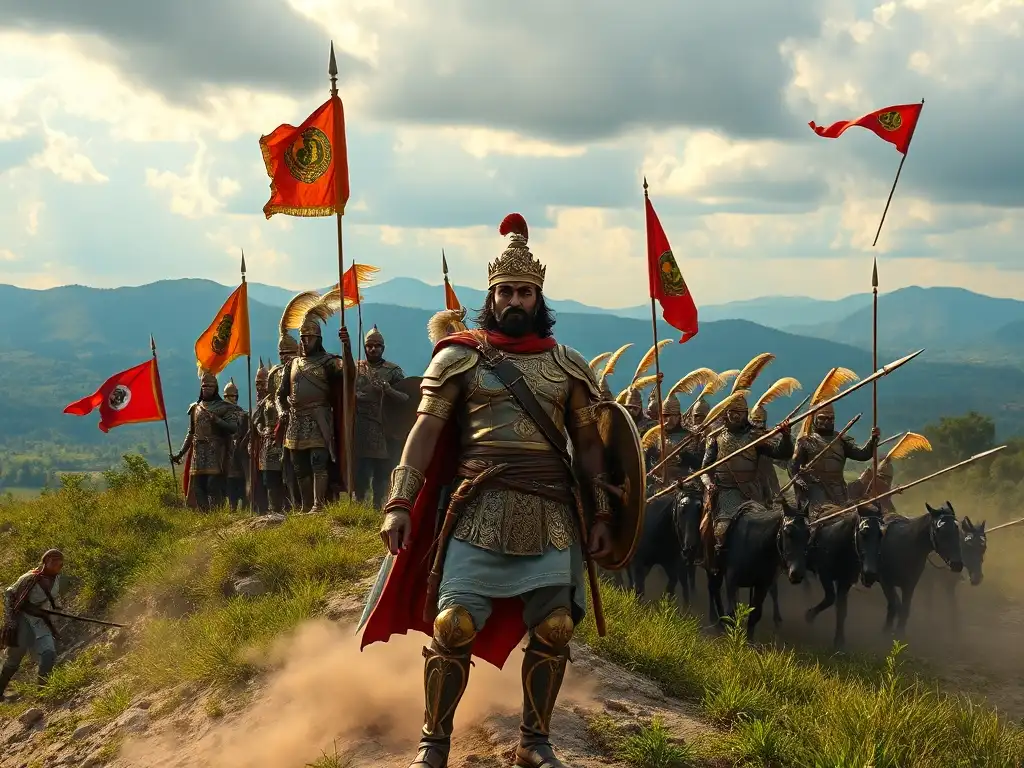
Welcome to Ancient India History, where we embark on a fascinating journey through time to uncover the rich tapestry of ancient Indian civilizations. In today's spotlight, we delve into the Maurya Empire's military strategies, exploring the ingenious tactics and leadership that shaped one of history's most formidable empires. What secrets lie within the strategies of key military leaders that turned the tides of battle? Prepare to be captivated as we unravel the complexities of warfare that not only defined an era but also laid the groundwork for the future. Join us as you explore this enthralling chapter of history!
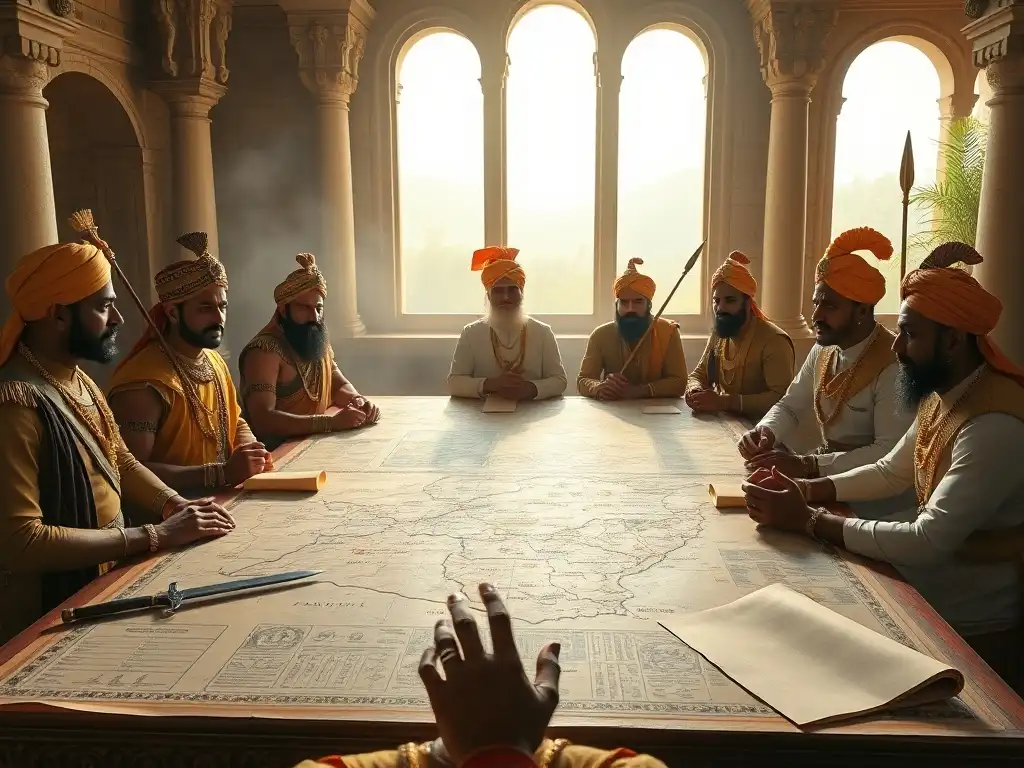
Introduction to the Maurya Empire Military Strategies
The Maurya Empire, one of the largest and most powerful empires in ancient India, flourished from approximately 322 BCE to 185 BCE. Renowned for its remarkable military prowess, the empire established a vast territorial expanse that stretched across the Indian subcontinent. Its military strategies were not merely a set of tactics but a comprehensive framework that integrated governance, diplomacy, and psychological warfare.
Understanding the military strategies of the Maurya Empire provides crucial insights into how it maintained control over diverse populations and defended against external threats. Key military leaders such as Chandragupta Maurya, Kautilya (Chanakya), Bindusara, and Ashoka the Great played pivotal roles in shaping these strategies, leaving a legacy that influenced subsequent generations.
Overview of the Maurya Empire's Historical Context
The Maurya Empire emerged in the wake of the disintegration of the Magadha Kingdom, with Chandragupta Maurya at its helm. Under his leadership, the empire expanded rapidly, absorbing various territories through both warfare and diplomacy. The historical context of the Maurya Empire is marked by significant events, including encounters with Alexander the Great and the subsequent consolidation of power. The empire not only established a robust military apparatus but also emphasized the importance of a well-organized administrative structure to support its military endeavors.
- Key Historical Milestones:
- 322 BCE: Establishment of the Maurya Empire by Chandragupta Maurya.
- 321-297 BCE: Reign of Chandragupta and his campaigns against regional kingdoms.
- 305 BCE: Diplomacy and conflict with the remnants of Alexander's forces.
- 297-273 BCE: Reign of Bindusara, further strengthening military strategies.
Importance of Military Strategies in the Maurya Empire
Military strategies were indispensable to the Maurya Empire's success and longevity. They enabled the empire to effectively manage a vast and diverse territory, ensuring stability and security. The strategic utilization of resources, innovative battle tactics, and the integration of intelligence-gathering methods were all pivotal in maintaining the empire's dominance. The Mauryan military was not just about brute force; it involved intricate planning, adaptability, and the ability to respond to changing circumstances.
- Key Aspects of Military Strategies:
- Logistical Support: Efficient supply chains to sustain armies in the field.
- Intelligence Gathering: Spies and informants to assess enemy movements.
- Diplomacy: Alliances and negotiations to avoid unnecessary conflicts.
- Psychological Warfare: Use of fear and propaganda to demoralize enemies.
Key Military Leaders of the Maurya Empire
The success of the Maurya Empire’s military strategies can be attributed to the vision and leadership of several key figures. Each leader brought unique insights and innovations that significantly impacted the empire’s military practices and overall philosophy.
Chandragupta Maurya: The Founder and His Military Tactics
Chandragupta Maurya, the founder of the Maurya Empire, is celebrated for his ambitious military campaigns and strategies. Utilizing a combination of guerilla warfare and conventional tactics, he successfully overthrew the Nanda Dynasty and established his rule. His military tactics were characterized by:
- Rapid Mobility: The ability to move troops swiftly to capitalize on enemy weaknesses.
- Strategic Alliances: Forming alliances with local rulers to bolster his forces.
- Fortifications: Building strongholds to protect key locations and supply routes.
Kautilya (Chanakya): The Architect of Mauryan Strategy
Kautilya, also known as Chanakya, was an eminent philosopher, strategist, and advisor to Chandragupta Maurya. His work, the Arthashastra, is a seminal text on statecraft and military strategy. Kautilya’s strategies emphasized:
- Economic Warfare: Utilizing economic resources to weaken adversaries.
- Diplomatic Maneuvering: Crafting complex alliances to outsmart enemies.
- Espionage: The importance of intelligence in military success.
Bindusara: Continuation of Military Innovations
Bindusara, the son of Chandragupta, continued the expansion and consolidation of the Maurya Empire. His reign saw innovations in military organization and tactics, including:
- Professional Army: Establishing a standing army for rapid deployment.
- Diverse Forces: Incorporating various ethnic groups into the military for versatility.
- Siege Warfare: Advancing techniques for besieging fortified cities.
Ashoka the Great: Transformation of Military Philosophy
Ashoka, the grandson of Chandragupta, is often remembered for his conversion to Buddhism and the subsequent transformation of military philosophy. While he initially expanded the empire through military conquests, his later reign emphasized:
- Non-violence: A shift towards diplomatic solutions and moral governance.
- Cultural Integration: Promoting the spread of Buddhism as a unifying force.
- Legacy of Peace: Establishing a model for governance that prioritized welfare over warfare.
In exploring the military strategies of the Maurya Empire, it becomes evident that these key leaders not only shaped the empire's military approach but also influenced the broader historical narrative of ancient Indian civilization.
Core Military Strategies of the Maurya Empire
The Maurya Empire, which flourished from 322 to 185 BCE, is renowned for its sophisticated military strategies that played a crucial role in its expansion and consolidation of power. Central to these strategies was a well-organized army that combined various military branches, enabling effective responses to diverse battlefield scenarios. The Mauryan military was characterized by its adaptability, utilizing a combination of traditional Indian warfare techniques and innovative tactics that reflected the empire's vast resources and strategic vision.
At the heart of the Maurya Empire's military strategy was the integration of infantry, cavalry, and war elephants, creating a formidable fighting force. The rulers, particularly Chandragupta Maurya and his grandson Ashoka, emphasized the importance of training and discipline within the ranks. They implemented rigorous training programs that prepared soldiers for various combat situations and honed their skills in close combat, archery, and tactical maneuvering.
Another key aspect of their military strategy was the use of intelligence and espionage. The Mauryan leaders understood the value of information in warfare, employing spies to gather intelligence on enemy movements and intentions. This allowed them to make informed decisions regarding troop deployments and battle strategies, ultimately leading to significant victories against rival states and invaders.
Use of Elephants in Warfare
The use of war elephants was one of the most distinctive features of the Maurya Empire's military strategy. Elephants served as both a psychological weapon and a physical force on the battlefield. Their sheer size and strength could intimidate enemy troops, often causing disarray in enemy ranks before the actual combat began.
In battle, elephants were trained to charge at the enemy, trampling soldiers and creating chaos. They were also equipped with armor and sometimes even weaponry, such as darts and swords, which made them formidable opponents. The Mauryan commanders recognized the tactical advantages provided by elephants, using them in various formations to break enemy lines and support infantry assaults.
Moreover, elephants played a significant role in logistics and transport, enabling armies to move quickly and efficiently across challenging terrains. The Maurya Empire invested heavily in breeding and training elephants, ensuring a steady supply for military campaigns. This not only enhanced their combat effectiveness but also showcased the empire's wealth and organizational capabilities.
Infantry and Cavalry: Composition and Deployment
The Mauryan military was composed of a balanced mix of infantry and cavalry, each playing vital roles in their military campaigns. The infantry formed the backbone of the army, comprising foot soldiers equipped with a variety of weapons such as swords, shields, and bows. These soldiers were often organized into units that could execute coordinated attacks, hold defensive positions, or engage in skirmishes.
The cavalry, on the other hand, provided mobility and speed on the battlefield. Cavalry units were critical for flanking maneuvers and quick strikes against enemy forces. The Mauryan rulers recognized the importance of a well-trained cavalry and invested in horses, ensuring that their cavalry units were both agile and effective.
Deployment strategies varied according to the terrain and the nature of the conflict. In open battles, a combination of infantry and cavalry would be used to encircle and overwhelm the enemy, while in more constrained environments, such as forests or urban centers, smaller, more maneuverable units would engage in guerrilla tactics. This adaptability allowed the Maurya Empire to maintain a competitive edge in military engagements across diverse landscapes.
Strategic Alliances and Diplomacy
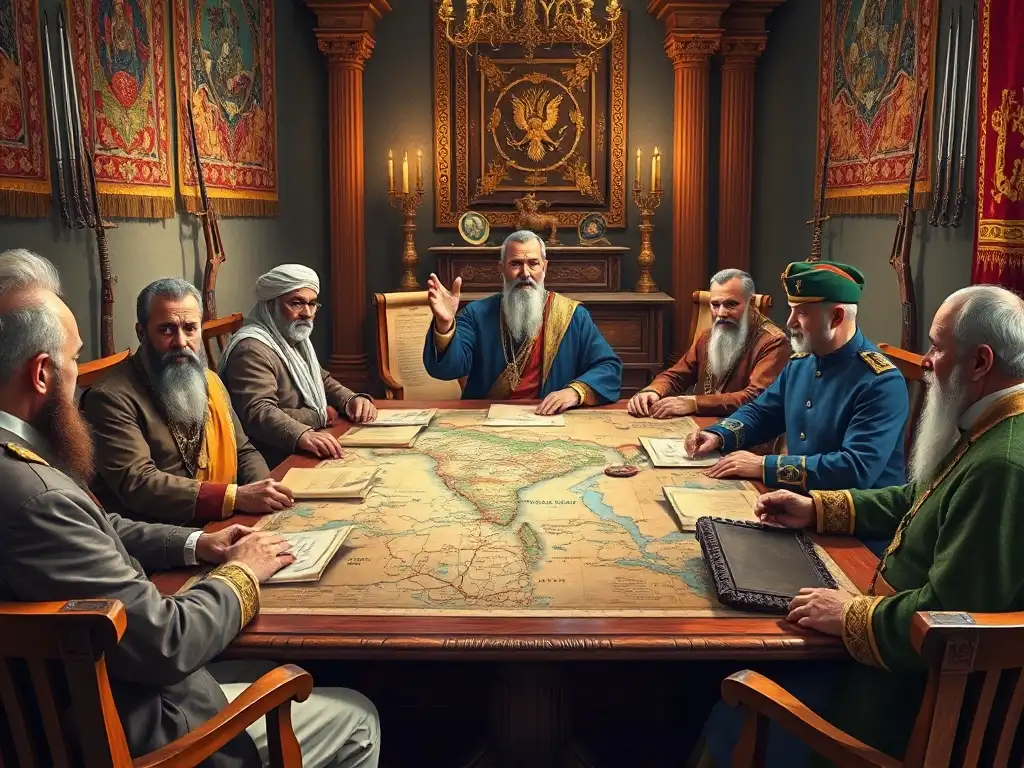
The Maurya Empire understood that military might was only one aspect of maintaining and expanding power. Strategic alliances and diplomacy were equally important components of their military strategies. By forging alliances with neighboring states and tribes, the Mauryans could strengthen their position without engaging in costly military campaigns.
The Role of Diplomacy in Military Success
Diplomacy played a crucial role in the Maurya Empire’s military success, often allowing them to avoid conflict or gain valuable allies. The rulers employed skilled diplomats who negotiated treaties and alliances, which were instrumental in securing peace or cooperation with rival states. These diplomatic efforts not only enhanced the empire's military capabilities but also contributed to its political stability.
Furthermore, the Maurya Empire often utilized marriage alliances as a means of strengthening ties with other kingdoms, thereby consolidating power and expanding influence. Such diplomatic strategies enabled the Maurya rulers to focus on internal development and governance while maintaining a strong military posture against potential threats.
Key Alliances Formed During the Maurya Empire
Throughout its existence, the Maurya Empire formed several key alliances that significantly impacted its military strategies. One notable alliance was with the Greek states following Alexander the Great's invasion. The Mauryans skillfully navigated the political landscape to secure peace with factions that had once been potential adversaries.
Additionally, the Maurya Empire maintained relationships with various local rulers and tribes, often integrating them into their governance structure. This not only expanded their military resources but also facilitated the collection of intelligence on potential threats. The alliances formed during this period were primarily based on mutual interests and were essential for the empire’s expansion and stability.
In essence, the Maurya Empire’s military strategies were a blend of traditional warfare, innovative tactics, and strategic diplomacy, making it one of the most formidable powers of its time.
Lessons from the Maurya Empire's Military Strategies
The Maurya Empire, one of the largest empires in ancient India, is renowned for its brilliant military strategies that contributed to its expansion and consolidation. The military tactics employed during this period provide valuable lessons that have influenced warfare across generations. Key strategies included the effective use of diplomacy, intelligence gathering, and a well-coordinated army structure. The Mauryan military's ability to adapt to different terrains and opponents was pivotal in their conquests, showcasing the importance of flexibility in military operations.
Adaptability and Innovation in Warfare
One of the most significant aspects of the Maurya Empire's military strategies was its adaptability and innovation in warfare. The empire faced diverse challenges, from mountainous regions to vast plains, requiring different approaches to combat. The Mauryan army incorporated various tactics, including guerrilla warfare and traditional battlefield formations, allowing them to adjust their strategies according to the environment and the enemy's strengths.
Innovative technologies also played a crucial role in their military success. The Mauryans utilized advanced weaponry, such as the war elephant, which not only served as a powerful force in battle but also as a psychological tool to intimidate opponents. This emphasis on innovation extended to their naval capabilities, where they developed strategies for controlling river routes, further enhancing their logistical advantages. The ability to innovate and adapt to changing circumstances underscores the importance of strategic flexibility in military operations.
The Impact of Leadership on Military Success
Leadership within the Maurya Empire significantly influenced its military success. Figures such as Chandragupta Maurya and his advisor Chanakya (Kautilya) exemplified how effective leadership and strategic vision could impact the course of military campaigns. Chandragupta's ability to unite various factions and his tactical acumen on the battlefield were instrumental in establishing the empire.
Chanakya's contributions extended beyond the battlefield; his treatise, the Arthashastra, outlines various strategies for governance, espionage, and warfare. This work emphasized the role of intelligence and information in military planning, illustrating that success in warfare is not solely dependent on brute strength but also on strategic foresight and cunning. The Maurya Empire's military leaders understood the importance of morale, discipline, and thorough planning, which collectively contributed to their impressive military achievements.
Conclusion: Legacy of Maurya Empire Military Strategies
The military strategies developed during the Maurya Empire left an indelible mark on the history of warfare in India and beyond. Their methods of incorporating adaptability, innovative technologies, and strong leadership have served as a template for future military organizations.
Influence on Future Indian Dynasties
The legacy of the Maurya Empire's military strategies can be seen in subsequent Indian dynasties, such as the Gupta and Mughal empires. These later rulers adopted and adapted Mauryan strategies, incorporating lessons learned from their predecessors. The emphasis on a well-organized military structure and the importance of intelligence gathering became hallmarks of later Indian military campaigns.
Furthermore, the Mauryan strategies of forming alliances and employing diplomacy before resorting to warfare set a precedent for future rulers, demonstrating that military power is often most effective when combined with political acumen.
Lasting Impact on Military Tactics and Strategies in South Asia
The Maurya Empire's military strategies have had a lasting impact on the evolution of military tactics in South Asia. Their innovative approaches to warfare, including the use of diverse troop formations, effective communication, and psychological warfare, influenced not only Indian military practices but also those in neighboring regions.
As military strategies continued to evolve, the foundational principles laid by the Mauryas remained relevant, particularly in how future empires approached warfare. The focus on adaptability and the integration of various military units helped shape the dynamics of warfare in the region, ensuring that the Maurya Empire's legacy would endure long after its decline.
- Introduction to the Maurya Empire Military Strategies
- Key Military Leaders of the Maurya Empire
- Core Military Strategies of the Maurya Empire
- Strategic Alliances and Diplomacy
- Lessons from the Maurya Empire's Military Strategies
- Conclusion: Legacy of Maurya Empire Military Strategies
- What were the primary military strategies used by the Maurya Empire?
- Who were some key military leaders of the Maurya Empire?
- How did the Maurya Empire's military strategies influence their expansion?
- What role did elephants play in the Maurya Empire's military tactics?
- How did the Maurya Empire's military strategies compare to other ancient civilizations?
Frequently Asked Questions
What were the primary military strategies used by the Maurya Empire?
The Maurya Empire employed strategies such as diversification of troops, effective communication, and intelligence gathering to enhance their military effectiveness.
Who were some key military leaders of the Maurya Empire?
Notable leaders included Chandragupta Maurya, the founder, and Kautilya (Chanakya), who provided strategic guidance and tactical insights that shaped their military campaigns.
How did the Maurya Empire's military strategies influence their expansion?
The strategic innovations allowed the Maurya Empire to efficiently conquer and control vast territories, leading to significant territorial expansion and the establishment of one of the largest empires in ancient India.
What role did elephants play in the Maurya Empire's military tactics?
Elephants were used as war machines, providing intimidation and mobility on the battlefield, which were crucial elements in the Maurya military's tactical formations.
How did the Maurya Empire's military strategies compare to other ancient civilizations?
The Maurya Empire's military strategies were often more systematic and organized, utilizing logistics and administrative efficiency, setting them apart from other ancient civilizations like the Persians and Greeks.
Final Reflection: The Enduring Legacy of Maurya Empire Military Strategies
The military strategies of the Maurya Empire remain a cornerstone of historical study, illustrating how innovative tactics and leadership can shape the course of nations. Today, as we navigate complex geopolitical landscapes, the lessons drawn from the Maurya Empire's military prowess resonate more than ever. The strategic brilliance of leaders like Chandragupta Maurya and Ashoka not only forged an empire but also laid the groundwork for understanding the dynamics of power and warfare in contemporary society.
The influence of the Maurya Empire's military strategies extends beyond mere historical interest; it serves as a lens through which we can examine modern military and political strategies. The principles of adaptability, intelligence gathering, and psychological warfare that were employed by Maurya leaders continue to inform military doctrines around the world. As Sun Tzu famously said, The greatest victory is that which requires no battle.
This quote encapsulates the essence of strategic thinking that the Maurya Empire exemplified, emphasizing the importance of preparation and foresight in achieving lasting success.
As we reflect on the insights gained from the Maurya Empire's military strategies, I invite you to consider how these lessons can be applied in your own life. Whether in personal challenges or professional endeavors, think about the strategies you can adopt to navigate obstacles and achieve your goals. Embrace the spirit of innovation and adaptability that characterized the Maurya Empire, and let it inspire you to forge your own path in a world that is constantly evolving.
Unleash the Power of Ancient Strategy
Thank you for exploring the fascinating world of the Maurya Empire's military strategies with us! By examining the insights of key military leaders, you’ve gained a valuable understanding of tactics that changed the course of history. Ready to take the next step? Here’s how you can deepen your engagement with this captivating topic:
- Delve deeper: Research a specific military leader from the Maurya Empire and uncover their unique strategies. Consider how these tactics can inspire modern leadership principles!
- Join the conversation: Share your thoughts on the Maurya Empire's strategies in our online forum. What do you believe was the most effective tactic?
- Spread the knowledge: Share this article with friends or on social media. Engage others in a discussion about the significance of ancient military strategies.
Which military strategy from the Maurya Empire do you think holds the most relevance in today’s world?