
The Duality of Mind and Body in Hinduism: Philosophical Perspectives


Welcome to Ancient India History, where we invite you to embark on a journey through the rich tapestry of India’s past. Discover the profound philosophical perspectives that shaped the ancient world, starting with our latest exploration of the Hinduism mind-body duality. This captivating article delves into how ancient Indian thought intricately weaves together the essence of consciousness and the physical realm, offering insights that resonate even today. Are you ready to uncover the layers of wisdom that lie within these ancient teachings? Dive in and let the exploration begin!
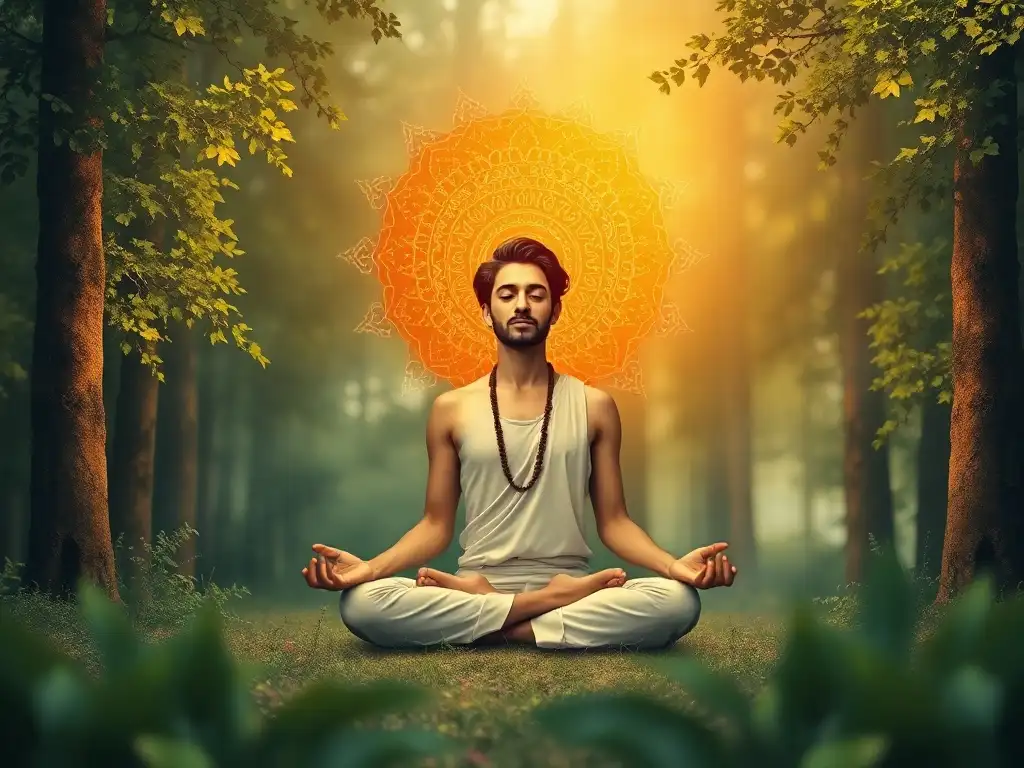
Introduction to Mind-Body Duality in Hindu Philosophy
The concept of mind-body duality is a profound and intricate aspect of Hindu philosophy, reflecting the rich tapestry of thought that has emerged from ancient Indian civilizations. Within Hinduism, the relationship between the mind and body is not merely a philosophical inquiry but a fundamental exploration of existence itself. This duality is rooted in the belief that the mind (or consciousness) and body are two distinct entities that interact and influence each other in complex ways. Understanding this relationship provides insights into various spiritual practices, ethical considerations, and the overarching worldview prevalent in ancient Indian culture.
As we delve into the Hinduism mind body duality, we will explore its significance across various philosophical schools and its implications for personal and collective spiritual journeys. The exploration of this duality not only sheds light on ancient Indian thought but also resonates with contemporary discussions on the nature of consciousness and the human experience.
Overview of Hinduism Mind Body Duality
In Hindu philosophy, the mind and body are often viewed through the lens of Sankhya and Yoga schools of thought, which present detailed frameworks for understanding this duality. According to Sankhya, the mind (or Manas) is an aspect of the eternal soul (or Atman), while the body is considered a temporary physical vessel. This separation emphasizes the pursuit of self-realization and the understanding that true identity transcends physical existence.
- Key Concepts:
- Atman: The eternal self that is distinct from the body.
- Prakriti: The material world, including the body, which is impermanent.
- Maya: The illusion that obscures the true nature of reality.
The Yoga Sutras of Patanjali further elaborate on this duality, emphasizing practices aimed at harmonizing the mind and body to achieve spiritual liberation (or moksha). Through meditation, asanas, and ethical living, practitioners seek to transcend the limitations of the physical form and attain a higher state of consciousness.
Significance of Mind-Body Relationship in Hindu Thought
The mind-body relationship in Hindu thought has profound implications for personal development and spiritual growth. Recognizing the duality encourages individuals to cultivate awareness of both their physical and mental states, leading to a more balanced and holistic approach to well-being.
- Impacts on Spiritual Practices:
- Meditation: A practice that fosters mental clarity and emotional stability.
- Ayurveda: An ancient system of medicine that emphasizes the balance between body and mind for optimal health.
- Ethical Conduct: The Yamas and Niyamas in Yoga promote mindfulness about one's actions and thoughts.
Understanding this relationship also influences one's approach to life, encouraging practitioners to seek harmony and integration between their thoughts, feelings, and physical actions.
Historical Context of Mind-Body Duality in Ancient India

To appreciate the depth of the mind-body duality in Hinduism, we must consider its historical context and evolution throughout ancient Indian history. Philosophical discourse on this topic can be traced back to the earliest texts and teachings.
Evolution of Philosophical Thought in Ancient Hinduism
The evolution of philosophical thought in ancient Hinduism reflects a dynamic interplay between various schools—each contributing unique perspectives on the mind-body relationship. From the early Upanishads, which introduced the concept of Brahman (the ultimate reality) and its relation to Atman, to the later Bhagavad Gita, which emphasizes the importance of duty and righteousness in aligning the mind and body, this discourse has evolved significantly.
- Philosophical Milestones:
- Upanishads: Introduced foundational concepts of self and reality.
- Buddhism: Influenced Hindu thought on impermanence and non-self.
- Advaita Vedanta: Proposed a non-dualistic understanding of existence.
Influence of Vedic Texts on Mind-Body Perspectives
The Vedic texts serve as a cornerstone for understanding mind-body duality in Hinduism. These ancient scriptures articulate various rituals, philosophical inquiries, and meditative practices that underscore the need for balance and harmony.
- Key Vedic Texts:
- Rigveda: Contains hymns that explore the nature of existence and consciousness.
- Atharvaveda: Discusses healing practices that address both physical ailments and mental disturbances.
- Brahmanas: Elaborate on rituals that connect physical actions with spiritual outcomes.
The insights from these texts laid the groundwork for subsequent philosophical systems and continue to inform spiritual practices in contemporary Hinduism, emphasizing the enduring nature of mind-body duality throughout history.
Key Philosophical Schools Addressing Mind-Body Duality
Hindu philosophy is rich with diverse interpretations of the relationship between the mind and body. Several philosophical schools have delved deeply into this duality, each offering unique perspectives that contribute to a broader understanding of human existence. The key schools that address mind-body duality include Samkhya, Yoga, and Advaita Vedanta, each providing foundational concepts and teachings that influence various practices and beliefs in Hinduism.
Samkhya Philosophy and Its Dualistic Nature
Samkhya is one of the oldest philosophical systems in Hinduism, characterized by its strong dualistic principles. This school posits that reality consists of two fundamental entities: Purusha (consciousness or the self) and Prakriti (matter or the physical world). According to Samkhya, the mind (manas) is considered a part of Prakriti, essentially a material entity that interacts with the eternal, unchanging Purusha.
The dualistic nature of Samkhya emphasizes the separation between the observer (Purusha) and the observed (Prakriti), leading to the conclusion that true liberation (moksha) can only be achieved when one recognizes this distinction. By understanding the nature of the mind and its relationship with the physical body, practitioners can attain a state of clarity and detachment, ultimately realizing their true self beyond material existence.
Yoga Philosophy's Approach to Mind and Body
Yoga philosophy builds upon the principles established by Samkhya but introduces a practical framework for achieving harmony between the mind and body. The Yoga Sutras of Patanjali outline various practices, including meditation (dhyana), physical postures (asanas), and ethical disciplines (yamas and niyamas), which aim to unify the dual aspects of existence.
In Yoga, the mind is seen as a tool that can be trained and disciplined, allowing individuals to transcend the distractions of the physical world. The ultimate goal of Yoga is to achieve Samadhi, a state of profound meditative absorption where the distinction between mind, body, and spirit dissolves. This integration fosters a deeper understanding of the self and promotes overall well-being, highlighting the importance of synchronizing mental and physical practices.
Advaita Vedanta: Non-Dualism and the Unity of Mind and Body
Contrasting with the dualistic perspectives of Samkhya and Yoga, Advaita Vedanta presents a non-dualistic view that emphasizes the unity of all existence. This philosophical school, rooted in the teachings of sages like Adi Shankaracharya, posits that the ultimate reality is Brahman, which transcends the distinctions between the mind and body.
In Advaita Vedanta, the mind and body are perceived as temporary manifestations of the same underlying reality. The individual self (Atman) is not separate from Brahman; rather, it is a reflection of this ultimate truth. Understanding this non-dual nature leads to liberation through self-realization, where one recognizes that the perceived duality between mind and body is an illusion (Maya). This profound insight encourages individuals to seek a deeper connection with the universe, transcending the limitations imposed by physical existence.
Major Texts and Scriptures on Mind-Body Duality
The exploration of mind-body duality is also reflected in several key Hindu texts and scriptures, which provide philosophical insights and practical guidance. These texts serve as foundational resources for understanding the intricate relationship between the mind and body within the context of Hindu thought.
The Bhagavad Gita: Insights on Mind and Body
The Bhagavad Gita, a revered scripture within Hinduism, addresses the nature of the self, the mind, and the body through a dialogue between Lord Krishna and the warrior Arjuna. The Gita emphasizes the importance of understanding the distinction between the eternal self (Atman) and the transient body.
Krishna advises Arjuna to recognize that the body is merely a vessel for the soul, which is immortal and indestructible. This perspective encourages individuals to focus on their duty (dharma) without attachment to the physical outcomes, fostering a balanced approach to life that integrates both mental and physical dimensions. The Gita's teachings advocate for a harmonious coexistence of mind and body, where spiritual knowledge leads to liberation.
Upanishads: Philosophical Foundations of Duality
The Upanishads, a collection of ancient texts, delve into the philosophical underpinnings of Hindu thought, particularly regarding the nature of reality and the self. These texts explore concepts such as Brahman and Atman, emphasizing the relationship between the individual consciousness and the universal spirit.
Many Upanishads discuss the role of the mind in achieving self-realization. They highlight the importance of meditation and introspection as means to transcend the limitations of the physical body and connect with the ultimate reality. The teachings within the Upanishads encourage seekers to explore the duality of existence, ultimately leading to a realization of oneness with Brahman.
The Yoga Sutras of Patanjali: Practical Applications of Duality
The Yoga Sutras of Patanjali provide a structured approach to understanding mind-body duality through the practice of yoga. Patanjali outlines the Eight Limbs of Yoga, which guide practitioners in cultivating discipline, ethical behavior, and mental clarity.
Central to the Yoga Sutras is the concept of Pratyahara (withdrawal of the senses), which allows individuals to turn their focus inward and gain control over the mind. This practice, along with meditation and concentration, helps practitioners harmonize their mental and physical states. Patanjali's teachings underscore the significance of recognizing the interplay between mind and body, providing practical applications that promote holistic well-being and spiritual growth.
Mind-Body Practices in Hinduism
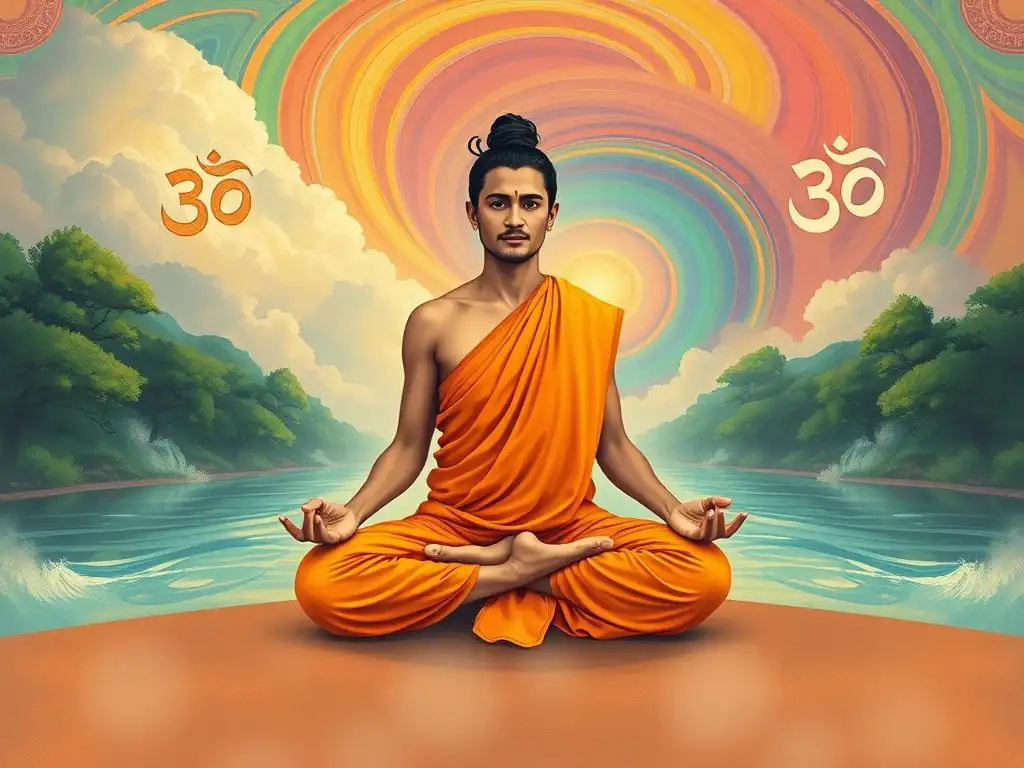
Hinduism presents a rich tapestry of practices that emphasize the intricate relationship between the mind and body. These practices are rooted in ancient texts and philosophies, showcasing a holistic approach that seeks to harmonize the two aspects of human existence. From meditation to yoga, and various rituals, each practice aims to cultivate a deeper understanding of the self and promote overall well-being. The exploration of mind-body duality in Hinduism not only addresses spiritual growth but also highlights its significance in achieving mental clarity and physical health.
Meditation and Its Role in Balancing Mind and Body
Meditation is a cornerstone of Hindu spiritual practice, often regarded as a vital tool for achieving balance between mind and body. Rooted in texts such as the Upanishads and the Bhagavad Gita, meditation is seen as a means to transcend the duality of existence and connect with a higher consciousness.
- Types of Meditation: Various forms of meditation, including mindfulness (Dhyana) and concentration (Samyama), focus on quieting the mind and fostering awareness. These practices encourage practitioners to observe their thoughts and emotions without attachment, leading to enhanced mental clarity.
- Physiological Benefits: Research has shown that regular meditation practice can reduce stress, lower blood pressure, and improve overall health, thereby creating a strong link between mental and physical well-being.
- Spiritual Insight: Meditation also offers profound spiritual insights, allowing practitioners to experience a sense of unity with the universe. This experience can lead to a deeper understanding of the self, further bridging the gap between mind and body.
Yoga: A Holistic Approach to Mind-Body Harmony
Yoga, often associated with physical postures (asanas), encompasses a comprehensive system aimed at achieving mind-body harmony. Originating from ancient scriptures like the Yoga Sutras of Patanjali, yoga incorporates physical, mental, and spiritual practices that facilitate the integration of mind and body.
- Physical Benefits: The asanas not only enhance physical flexibility and strength but also promote better circulation and respiratory function, contributing to overall health.
- Mental Clarity: The practice of pranayama (breath control) within yoga enhances mental focus and reduces anxiety, showcasing the interconnectedness of breath, mind, and body.
- Spiritual Growth: Beyond the physical, yoga encourages self-reflection and mindfulness, leading practitioners toward a deeper understanding of their inner selves. This spiritual dimension reinforces the idea of duality in Hindu philosophy, where the mind and body work in tandem to achieve higher states of consciousness.
Rituals and Their Impact on Mind-Body Connection
Rituals in Hinduism play a significant role in strengthening the mind-body connection. They serve as structured practices that facilitate spiritual engagement and personal reflection.
- Types of Rituals: Common rituals include puja (worship), homa (fire offerings), and various ceremonies that mark significant life events. Each ritual is designed to invoke a sense of sacredness and presence, enabling participants to connect with their inner selves and the divine.
- Psychological Effects: Engaging in rituals can provide comfort and stability, fostering a sense of belonging and purpose. The repetitive nature of ritualistic practices helps to calm the mind and create a conducive environment for personal transformation.
- Cultural Significance: These rituals are not only personal but also communal, reinforcing social bonds and shared beliefs. This communal aspect further enhances the collective mind-body experience, creating a rich tapestry of spiritual engagement.
Contemporary Relevance of Mind-Body Duality in Hinduism
The principles of mind-body duality in Hinduism continue to resonate in contemporary society, influencing various fields, particularly psychology and wellness practices. As people seek holistic approaches to health and well-being, the ancient wisdom of Hinduism provides valuable insights.
Influence on Modern Psychological Practices
The exploration of mind-body duality has found its way into modern psychological practices, where techniques derived from Hindu philosophies are increasingly utilized.
- Mindfulness-Based Therapies: Techniques such as mindfulness meditation have been integrated into therapeutic practices, helping individuals manage stress, anxiety, and depression. These approaches echo the ancient practices of meditation and self-awareness found in Hinduism.
- Holistic Approaches: Therapists are increasingly recognizing the importance of addressing both mental and physical health, leading to a more integrated approach to treatment. This shift aligns with the Hindu belief in the interconnectedness of mind and body, emphasizing the need for a comprehensive understanding of human experience.
Integration of Ancient Wisdom in Contemporary Wellness
The holistic practices of Hinduism, particularly yoga and meditation, have gained immense popularity in contemporary wellness movements.
- Wellness Programs: Many wellness retreats and programs incorporate yoga and meditation to promote mental and physical health. This integration reflects a growing understanding of the benefits of mind-body alignment in achieving overall wellness.
- Cultural Adaptation: While these practices have been adapted to suit modern lifestyles, their core philosophies remain rooted in ancient Hindu teachings. This adaptation allows individuals to experience the benefits of mind-body duality while navigating contemporary life challenges.
- Global Influence: The global adoption of these practices highlights their universal appeal and relevance, showcasing how ancient Indian philosophies continue to inspire and guide individuals towards holistic well-being in today's fast-paced world.
Conclusion: The Enduring Legacy of Mind-Body Duality in Hinduism
The concept of mind-body duality in Hinduism has established itself as a pivotal philosophical theme that transcends time and continues to influence various spiritual practices and philosophical inquiries. This duality presents a rich tapestry of thought, intertwining diverse schools of philosophy, from the Sankhya's dualistic perspective to the Advaita Vedanta's non-dualistic stance. Such variations illustrate the depth of Hindu philosophical discourse, emphasizing the continuous evolution of these ideas as they interact with other cultural and religious paradigms.
Moreover, the legacy of this duality is evident in contemporary practices such as yoga and meditation, which integrate mind and body for holistic well-being. By emphasizing the importance of both mental and physical aspects of existence, Hinduism has contributed significantly to global discussions on health, wellness, and spirituality. This enduring legacy invites individuals to explore their inner selves while recognizing the interconnectedness of mind and body, a notion that remains relevant in today’s fast-paced world.
Summary of Key Philosophical Insights
Several key philosophical insights emerge from the exploration of mind-body duality in Hinduism:
- Dualistic Perspectives: The Sankhya philosophy articulates a clear distinction between Purusha (consciousness) and Prakriti (matter), highlighting the independence of the mind from the physical body. This foundational idea sets the stage for understanding the soul's eternal nature in contrast to the temporal aspect of the physical body.
- Non-Dualism: In contrast, Advaita Vedanta posits that the ultimate reality is non-dual, suggesting that the apparent separation between mind and body is an illusion (Maya). This perspective encourages the realization that the individual self (Atman) is fundamentally one with the universal consciousness (Brahman).
- Integration of Mind and Body: The teachings of yoga further illustrate the practical application of mind-body duality. Through practices like asanas (physical postures) and pranayama (breath control), practitioners cultivate a harmonious relationship between the mental and physical realms.
- Influence on Spiritual Practices: The philosophical discourse surrounding mind-body duality informs various spiritual practices in Hinduism, guiding adherents toward self-realization and enlightenment through the balance of mental and physical disciplines.
Future Directions in the Study of Hinduism Mind Body Duality
The study of Hinduism's mind-body duality is poised for further exploration across several dimensions:
- Interdisciplinary Approaches: Future research can benefit from interdisciplinary frameworks, incorporating insights from psychology, neuroscience, and comparative religion to deepen our understanding of how mind-body duality manifests in various contexts.
- Contemporary Relevance: Investigating how ancient philosophical concepts are interpreted and applied in modern wellness practices—such as mindfulness and holistic health—can yield valuable insights into the relevance of Hindu thought in today's society.
- Cross-Cultural Comparisons: By comparing Hindu perspectives on mind-body duality with those from other religious and philosophical traditions, scholars can enhance the discourse on dualism, potentially uncovering universal themes and unique interpretations.
- Philosophical Dialogues: Engaging in dialogues with contemporary philosophical movements can shed light on the ongoing relevance of the mind-body problem, enriching both Hindu philosophy and modern philosophical thought.
The exploration of mind-body duality in Hinduism not only enriches our understanding of ancient philosophical systems but also offers profound insights into contemporary issues of identity, consciousness, and holistic well-being. The continued study of this theme promises to illuminate the complex interplay between mind and body, fostering greater appreciation for the philosophical heritage of ancient India.
- Introduction to Mind-Body Duality in Hindu Philosophy
- Overview of Hinduism Mind Body Duality
- Significance of Mind-Body Relationship in Hindu Thought
- Historical Context of Mind-Body Duality in Ancient India
- Key Philosophical Schools Addressing Mind-Body Duality
- Major Texts and Scriptures on Mind-Body Duality
- Mind-Body Practices in Hinduism
- Contemporary Relevance of Mind-Body Duality in Hinduism
- Conclusion: The Enduring Legacy of Mind-Body Duality in Hinduism
- What is the concept of mind-body duality in Hinduism?
- How does Hindu philosophy interpret the relationship between the mind and body?
- What are the main texts that discuss mind-body duality in Hinduism?
- How does understanding mind-body duality benefit practitioners of Hinduism?
- In what ways has mind-body duality influenced modern interpretations of Hinduism?
Frequently Asked Questions
What is the concept of mind-body duality in Hinduism?
The mind-body duality in Hinduism refers to the distinction between the spiritual mind and the physical body, emphasizing the importance of both in achieving spiritual enlightenment.
How does Hindu philosophy interpret the relationship between the mind and body?
Hindu philosophy suggests that the mind and body are interconnected yet distinct, where the mind influences the body's actions and the body serves as a vessel for the mind's experiences.
What are the main texts that discuss mind-body duality in Hinduism?
Key texts include the Upanishads and the Bhagavad Gita, which explore the spiritual and material aspects of existence, providing insights into the mind-body relationship.
How does understanding mind-body duality benefit practitioners of Hinduism?
Understanding mind-body duality helps practitioners achieve a balanced life by fostering mental clarity, emotional stability, and a deeper connection to their spiritual practice.
In what ways has mind-body duality influenced modern interpretations of Hinduism?
Modern interpretations of Hinduism often incorporate concepts from psychology and mindfulness, promoting a holistic approach that recognizes the significance of both mental and physical well-being.
Final Reflection: Embracing the Harmony of Mind and Body in Hinduism
The exploration of the duality of mind and body in Hinduism remains profoundly relevant today, as we navigate a world increasingly focused on mental health and holistic well-being. This ancient philosophy invites us to recognize that our mental and physical states are intricately connected, urging us to seek balance in our lives. In a time where stress and anxiety are rampant, understanding this duality can lead us to a more harmonious existence.
Hinduism's perspective on mind-body duality has not only shaped spiritual practices but has also influenced modern wellness movements. The teachings encourage us to cultivate awareness of our thoughts and emotions while nurturing our physical bodies. As the renowned philosopher Swami Vivekananda once said, The mind is the master of the body, and the body is the servant of the mind.
This profound insight highlights the ongoing relevance of these concepts, reminding us that our mental state can significantly impact our physical health and vice versa.
As we reflect on the lessons of Hinduism regarding the mind-body connection, I invite you to consider how you can integrate these teachings into your daily life. Take a moment to pause, breathe, and connect with both your mind and body. Whether through meditation, yoga, or simply being present in the moment, embracing this duality can lead to a more fulfilling and balanced life. Let us carry forward the wisdom of Hindu philosophy, fostering a deeper understanding of ourselves and the world around us.
Explore the Harmony of Mind and Body!
Thank you for immersing yourself in the profound exploration of the duality of mind and body in Hindu philosophy. By understanding these intricate perspectives, you've gained valuable insights into a fundamental aspect of human existence.
Now, let’s take this knowledge further! Here’s how you can deepen your connection to the mind-body relationship:
- Incorporate daily mindfulness practices into your routine, such as meditation or yoga, to cultivate awareness of your inner self.
- Engage in discussions with others about these concepts, whether in your community or through social media—help spread this knowledge and participate in meaningful conversations.
- Dive deeper into traditional texts; choose a scripture that resonates with you and dedicate time to explore its teachings on the mind and body.
What newfound understanding about your own mind-body relationship will you explore today?