
The Legacy of Internal Trade Networks in Modern India

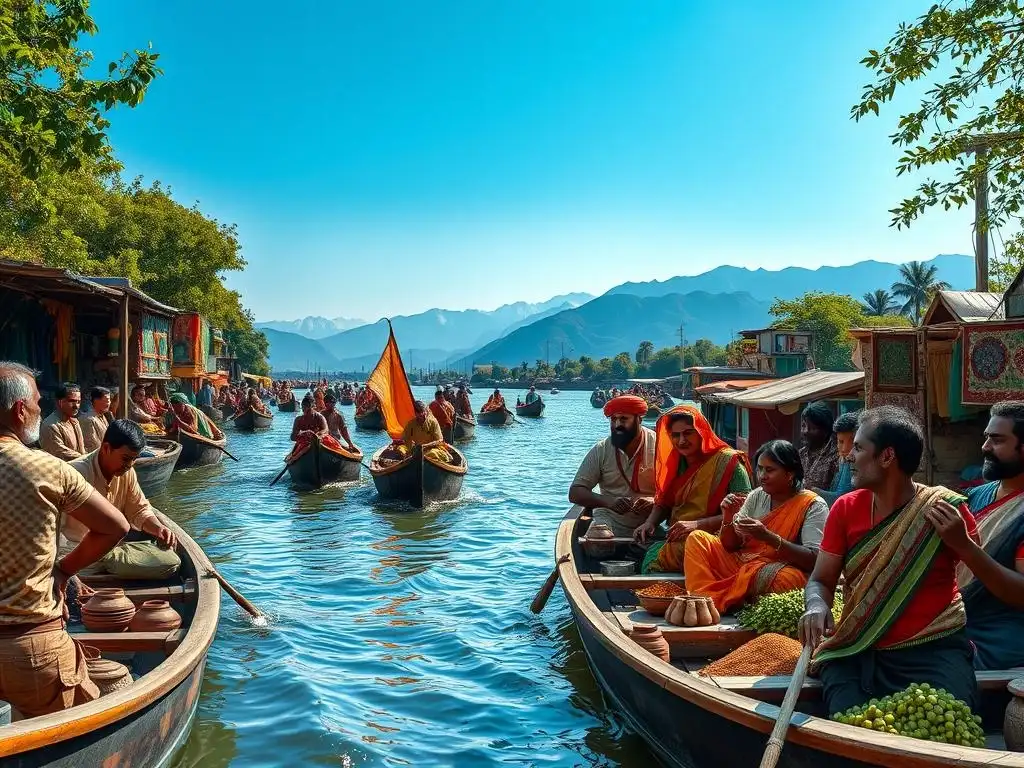
Welcome to Ancient India History, where we embark on an enlightening journey through the rich tapestry of ancient Indian civilizations. In this exploration, we delve into the fascinating world of ancient Indian trade networks, uncovering how these sophisticated systems laid the groundwork for modern economic practices. As you navigate through our insights and discoveries, prepare to be captivated by the intricate connections that spanned continents and cultures, shaping not only the past but also the present.
Join us as we unravel the legacy of these internal trade networks and their enduring impact on today's India. Dive in to explore the stories waiting to be uncovered!
Introduction to Ancient Indian Trade Networks
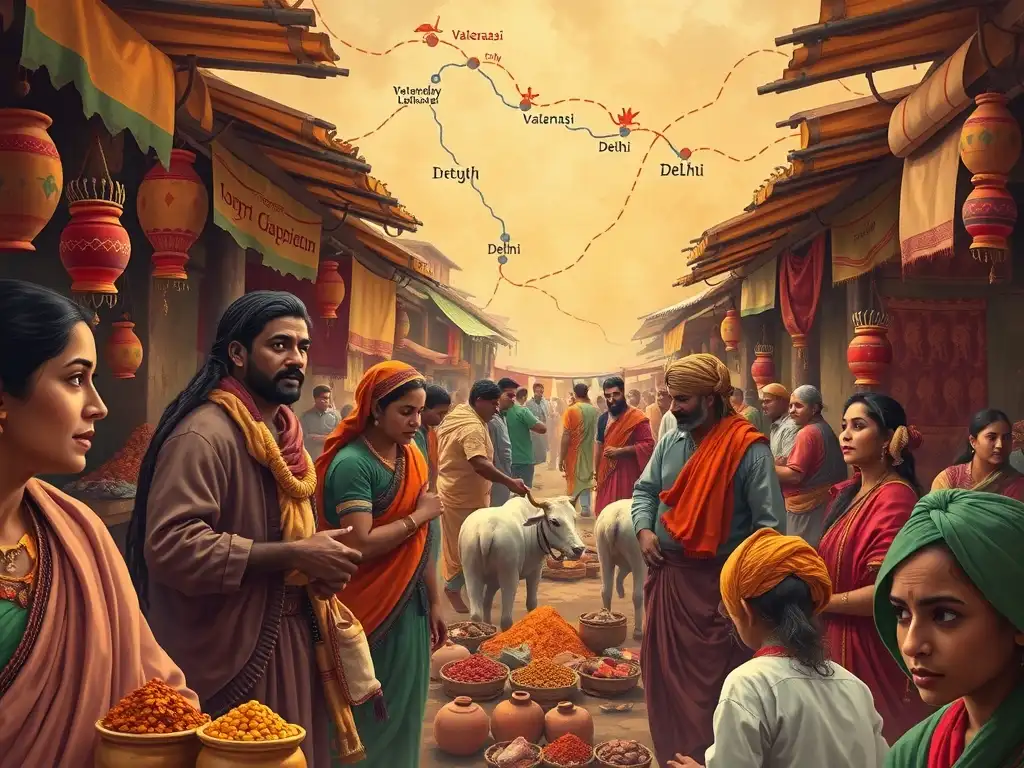
The rich tapestry of ancient Indian civilization is intricately woven with the threads of internal trade networks that not only facilitated commerce but also fostered cultural exchange and innovation. From the bustling markets of the Indus Valley to the thriving trade cities of the Gupta Empire, ancient Indian trade networks played a pivotal role in shaping the economic landscape of the region.
These networks were characterized by their extensive reach and diversity, connecting various geographic locales and cultures, and enabling the flow of goods, ideas, and traditions. Understanding the legacy of these trade networks is crucial for comprehending their lasting impact on modern India, where echoes of these ancient practices continue to influence economic and social structures today.
Overview of Ancient Indian Trade Practices
Ancient Indian trade practices were remarkably sophisticated, involving a range of goods from everyday items to luxury products. The trade system was well-organized, with merchants and traders operating within defined networks that facilitated the exchange of commodities such as spices, textiles, metals, and agricultural products.
- Barter System: The primary mode of trade was barter, where goods were exchanged directly without the use of currency.
- Use of Weights and Measures: Standardized weights and measures were employed to ensure fair trading practices, reflecting a developed economic mindset.
- Role of Guilds: Merchant guilds or shrenis played a significant role in regulating trade, providing a structure for trade practices, and protecting the interests of their members.
The complexity of these practices illustrates the advanced nature of ancient Indian economies and their ability to adapt and thrive through various challenges.
Importance of Internal Trade Networks in Ancient India
Internal trade networks were vital to the economic prosperity of ancient India. They not only facilitated the distribution of goods but also contributed to social cohesion and cultural integration across diverse regions.
- Economic Growth: These networks stimulated local economies by enhancing market accessibility and creating opportunities for various trades.
- Cultural Exchange: Trade routes served as conduits for cultural exchange, allowing for the sharing of ideas, art forms, and religious beliefs, enriching the societal fabric of ancient India.
- Urban Development: The growth of trade networks led to the emergence of urban centers, which became hubs of commerce and cultural interaction.
By connecting distant regions, internal trade networks fostered a sense of unity and shared identity among the various communities in ancient India.
Historical Context of Trade Networks in India
To fully appreciate the legacy of ancient Indian trade networks, it is essential to explore their historical context. This involves examining the evolution of trade practices from the early days of the Indus Valley Civilization through subsequent empires.
The Indus Valley Civilization and Trade
The Indus Valley Civilization, one of the earliest urban cultures in the world, laid the foundation for trade in ancient India. Flourishing around 2600-1900 BCE, this civilization is noted for its advanced urban planning and sophisticated drainage systems. Key features of its trade practices include:
- Trade with Mesopotamia: The Indus Valley engaged in trade with distant lands, including Mesopotamia, evidenced by the discovery of seals and goods exchanged across borders.
- Standardized Weights: The use of standardized weights indicates an organized trading system, allowing for efficient commerce.
- Diverse Commodities: Goods traded included cotton textiles, beads, and pottery, showcasing the region's artisanal skills and economic vitality.
The impact of the Indus Valley's trade practices set a precedent for future trading systems in the Indian subcontinent.
Trade Routes and Their Evolution Over Time
As India progressed through various historical periods, its trade routes evolved significantly, adapting to changing economic and political landscapes.
- Land Routes: The Silk Road and other land routes connected India with Central Asia, facilitating the exchange of silk, spices, and precious stones.
- Maritime Trade: Coastal trade routes along the Arabian Sea and the Bay of Bengal emerged, promoting trade with Southeast Asia and the Middle East.
- Impact of Empires: Various empires, including the Mauryas and Guptas, expanded and protected these trade routes, enhancing trade security and commerce.
The dynamic nature of these trade routes is a testament to India's strategic geographical position and the importance of trade throughout its history.
Key Cities and Their Role in Trade
Several cities emerged as significant trade hubs throughout ancient Indian history, each contributing uniquely to the development of trade networks.
- Taxila: Located at the crossroads of major trade routes, Taxila was a center for commerce and education, attracting traders and scholars alike.
- Pataliputra: The capital of the Mauryan Empire, Pataliputra became a vital commercial center, facilitating trade across northern India.
- Kannauj: Known for its strategic location, Kannauj served as an important trading hub during the Gupta period, linking various regions and promoting internal trade.
These cities not only served as commercial centers but also as cultural melting pots, where diverse ideas and traditions converged, enriching the ancient Indian civilization.
Components of Ancient Indian Trade Networks
Ancient Indian trade networks were intricate and multifaceted, comprising various components that facilitated the movement of goods, ideas, and cultural practices across vast distances. At the heart of these networks were land routes, such as the famous Silk Road, and maritime routes, connecting coastal cities to far-off lands. Key cities like Taxila, Pataliputra, and Kanchipuram served as significant hubs where traders and merchants congregated to exchange goods.
The networks were not merely physical pathways; they were supported by a robust infrastructure that included way stations, marketplaces, and ports. These locations ensured that traders had access to necessities such as food, water, and lodging during their journeys. Additionally, the presence of local rulers and governments played a crucial role in maintaining security along trade routes, providing protection against banditry and ensuring the smooth flow of commerce.
Furthermore, the network of relationships among traders, including partnerships and alliances, was an essential component. These relationships fostered trust and facilitated negotiations, enabling traders to establish long-term connections that benefitted their communities economically and socially.
Types of Goods Traded in Ancient India
The diversity of goods traded in ancient India reflected the region's rich resources and the vast array of cultures it interacted with. Among the key categories of goods were:
- Textiles: India was renowned for its cotton and silk fabrics, which were highly sought after in both domestic and international markets. The craftsmanship in textiles, especially in regions like Gujarat and Bengal, was exceptional.
- Spices: Spices such as black pepper, cardamom, and turmeric were integral to ancient trade. They were not only used for culinary purposes but also held value in medicinal practices.
- Metals and Gems: Precious metals like gold and silver, along with gemstones such as diamonds and rubies, were traded extensively. India was known as a significant source of these valuable commodities.
- Agricultural Products: Grains, fruits, and other agricultural products were exchanged, supporting both local needs and distant markets. The abundance of the Indian subcontinent's agricultural output played a vital role in trade.
- Art and Crafts: Artisans produced intricate handicrafts, including pottery, jewelry, and sculptures. These items were not only valued for their utility but also for their artistic expression, appealing to various cultural tastes.
The Role of Artisans and Merchants
Artisans and merchants were the backbone of ancient Indian trade networks, driving economic activity and cultural exchange. Merchants acted as intermediaries who connected producers with consumers, often traveling long distances to sell their goods. They possessed extensive knowledge of markets, pricing, and trade routes, enabling them to maximize profits.
On the other hand, artisans specialized in the production of goods, using techniques passed down through generations. Their craftsmanship was vital in creating items that were both functional and decorative, catering to the diverse tastes of consumers. The collaboration between merchants and artisans fostered a vibrant economy where innovation flourished.
Additionally, guilds, known as shrenis, played a significant role in organizing trade. These associations of artisans and merchants provided support, set standards for quality, and helped regulate prices. They also served as platforms for sharing knowledge and skills, ensuring the continuous improvement of craftsmanship.
Influence of Ancient Trade Networks on Modern India
The legacy of ancient trade networks has profoundly shaped modern India, influencing various aspects of its economy and cultural identity. The historical pathways established centuries ago laid the groundwork for contemporary trade practices and economic interactions.
Continuity of Trade Practices from Ancient to Modern Times
Many trade practices that originated in ancient India have persisted into modern times. For instance, traditional markets, known as haats and bazaars, continue to thrive in urban and rural areas, maintaining the spirit of commerce established by ancient traders. The importance of local goods and crafts remains strong, with many communities still engaged in traditional artisanal production.
Moreover, the concept of barter and local exchange systems can still be seen today, particularly in rural areas where cash may not be the primary medium of exchange. The resilience of these practices highlights the deep-rooted cultural significance of trade in Indian society.
Impact on Modern Economic Structures
Ancient trade networks have significantly influenced the economic structures of modern India. The country's diverse economy, encompassing agriculture, manufacturing, and services, owes much to the historical trade routes that fostered inter-regional connectivity.
The establishment of Special Economic Zones (SEZs) and trade corridors can be seen as a modern reflection of ancient trade practices, aiming to enhance economic activity and attract foreign investment. Additionally, India's integration into global trade networks echoes the historical patterns of commerce, emphasizing the continuity of trade as a driver of economic growth.
Cultural Heritage and Its Reflection in Modern Trade
The cultural heritage stemming from ancient trade networks is evident in various aspects of modern trade. Traditional crafts, influenced by ancient artisans, continue to be celebrated and marketed both domestically and internationally. The emphasis on sustainability and local sourcing in contemporary businesses echoes the practices of ancient traders who valued regional products.
Furthermore, festivals and markets that celebrate local culture and heritage, such as Dussehra and Diwali, often include trade components, showcasing the enduring relationship between culture and commerce. This blending of trade and cultural identity reinforces the notion that ancient trade networks laid the foundation for a vibrant, interconnected society that values both economic prosperity and cultural richness.
Case Studies of Prominent Trade Routes
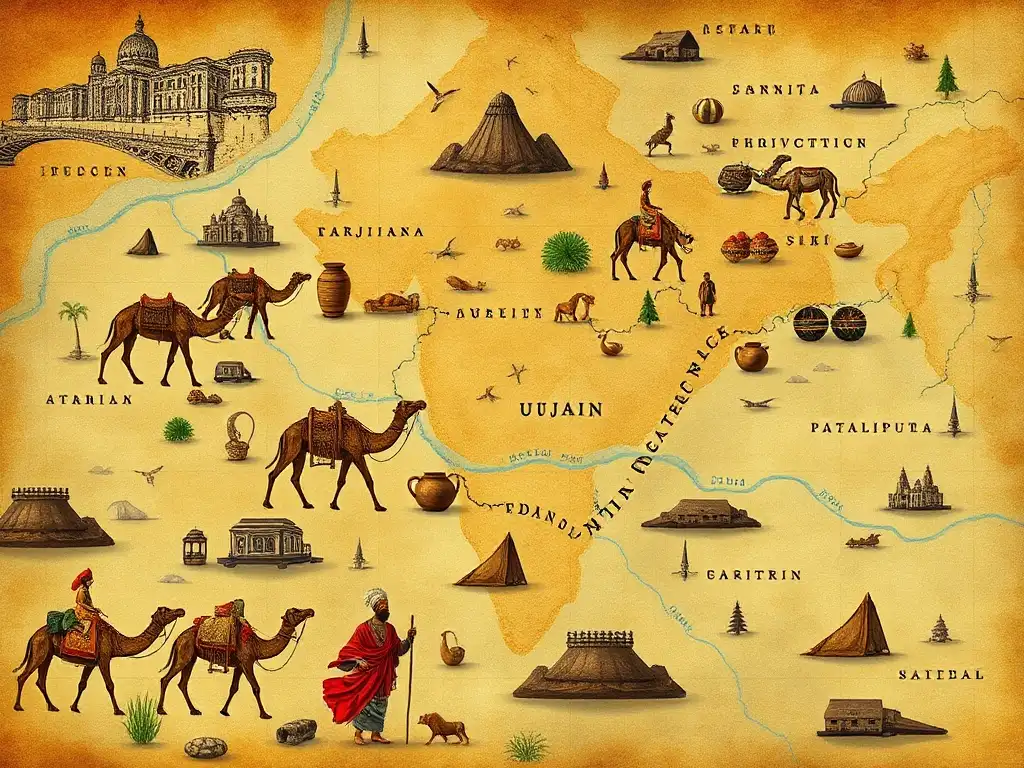
Throughout history, ancient Indian trade networks played a pivotal role in facilitating commerce, cultural exchange, and the spread of ideas. Among these networks, several prominent trade routes stand out due to their historical significance and the impact they had on both ancient and modern India. By examining these routes, we can better understand how they shaped the economy, society, and culture of the region.
The Grand Trunk Road: A Historical Perspective
The Grand Trunk Road, one of Asia’s oldest and longest major roads, has a rich history dating back to the Mauryan Empire in the 3rd century BCE. Originally built to facilitate trade and military movement, it connected the eastern and western parts of the Indian subcontinent, stretching from Chittagong in Bangladesh to Kabul in Afghanistan.
- Economic Significance: The road allowed for the movement of goods such as spices, textiles, and precious stones. It became a bustling artery of trade where merchants thrived, contributing to local economies along the route.
- Cultural Exchange: The diverse cultures encountered along the Grand Trunk Road enriched the socio-cultural fabric of the region. It served as a conduit for the exchange of ideas, languages, and religions, including Buddhism and later Islam, leading to the establishment of rich cultural amalgamations.
- Modern Relevance: Today, the Grand Trunk Road remains a vital transportation corridor in India, reflecting its enduring legacy as a trade route.
The Maritime Trade Routes of Ancient India
The maritime trade routes of ancient India were instrumental in connecting the subcontinent with distant lands such as East Africa, the Arabian Peninsula, and Southeast Asia. These routes flourished from around the 1st century CE, primarily through the ports of Lothal, Bharukachchha, and Muziris.
- Trade Goods: Key exports included spices like black pepper, textiles, and precious metals, while imports comprised luxury items such as silk and ivory.
- Cultural Interactions: Maritime trade facilitated not just the exchange of goods but also cultural and technological exchanges, evident in the spread of Indian art, architecture, and religious practices across the seas.
- Legacy in Modern Times: The ancient maritime trade routes laid the groundwork for India's contemporary maritime commerce, influencing trade policies and practices even today.
Comparative Analysis of Overland and Maritime Trade
While both overland and maritime trade routes played crucial roles in ancient Indian trade networks, they had distinct characteristics and implications.
- Accessibility: Overland routes like the Grand Trunk Road allowed for direct access to interior regions, fostering local economies. In contrast, maritime routes offered faster transit times for bulk goods over long distances.
- Risk Factors: Overland trade faced challenges such as banditry and difficult terrain, whereas maritime trade was susceptible to weather conditions and piracy.
- Economic Impact: Both trade routes contributed to the economy, but maritime trade often generated higher profits due to the volume of goods exchanged and the ability to reach international markets.
Challenges Faced by Ancient Trade Networks
Ancient Indian trade networks were not without their challenges. A multitude of factors impacted the flow of trade and the operational dynamics of these networks.
Geopolitical Factors Affecting Trade
Geopolitical factors played a significant role in shaping the landscape of trade in ancient India. The rise and fall of empires, territorial conflicts, and foreign invasions could disrupt trade routes.
- Empire Dynamics: The Mauryan and Gupta empires promoted trade through stability and infrastructure development, while periods of fragmentation led to trade stagnation.
- Foreign Relations: Diplomatic relations with neighboring kingdoms and foreign powers influenced trade agreements and facilitated or restricted access to markets.
Environmental Challenges and Their Impact on Trade Routes
Environmental factors also posed significant challenges to ancient trade networks.
- Natural Disasters: Floods, earthquakes, and droughts could devastate agricultural production and damage infrastructure, leading to trade disruptions.
- Geography: The diverse topography of India, from mountains to deserts, influenced the viability of trade routes, necessitating the development of alternative paths or the adaptation of trade practices.
Economic Fluctuations and Trade Dynamics
Economic conditions greatly influenced the flow and dynamics of trade networks.
- Market Demand: Fluctuations in demand for specific goods could shift trade patterns, prompting merchants to adapt their strategies and routes.
- Currency and Trade Systems: The introduction and use of currency impacted trade efficiency. Changes in monetary systems and economic policies could lead to inflation or deflation, affecting trade profitability.
The legacy of ancient Indian trade networks is deeply woven into the fabric of modern India, influencing current trade practices and economic strategies. Understanding these historical contexts is essential for appreciating the complexities of trade and commerce in today's global landscape.
Conclusion: The Lasting Legacy of Ancient Indian Trade Networks
The ancient Indian trade networks played an instrumental role in shaping the socio-economic landscape of the region. These networks not only facilitated the exchange of goods but also encouraged cultural interactions, leading to a rich tapestry of shared traditions and ideas. The legacy of these trade routes, which connected diverse regions from the Indus Valley to the southern tip of India, continues to influence modern trade practices and economic policies.
The impact of ancient trade networks can be seen in the contemporary practices of local markets and trade relationships. They laid the groundwork for the bustling commerce that characterizes India today, fostering a spirit of entrepreneurship and innovation. As India continues to integrate into the global economy, the lessons learned from these ancient systems remain relevant, highlighting the need for sustainable and inclusive trade practices.
Summary of Key Insights
- Interconnectedness: Ancient Indian trade networks created a complex web of interactions that linked various regions, facilitating not only the exchange of goods but also ideas, culture, and technology.
- Economic Foundations: These networks laid the economic foundations for future prosperity, demonstrating the importance of trade in driving growth and development.
- Cultural Exchange: Trade routes acted as conduits for cultural exchange, leading to a blending of languages, religions, and traditions that enriched Indian society.
- Modern Relevance: The principles and practices of these ancient networks inform contemporary trade policies and economic strategies in India, emphasizing the importance of collaboration and connectivity.
The Importance of Preserving Trade Heritage in Modern India
Preserving the heritage of ancient trade networks is vital for several reasons. Firstly, it allows modern society to appreciate the historical significance of trade in shaping regional identities and relationships. By understanding the legacy of these networks, communities can foster a sense of pride in their cultural heritage.
Secondly, preserving this heritage can provide valuable insights for modern economic practices. The sustainable trade practices of ancient times can inspire contemporary approaches to commerce that prioritize environmental stewardship and social responsibility. By learning from the past, India can create a more equitable and sustainable economic future.
Lastly, initiatives to preserve trade heritage can enhance tourism and cultural exchange, attracting visitors interested in exploring India’s rich history. This can lead to increased economic opportunities for local communities and contribute to the conservation of historical sites linked to ancient trade routes.
Further Reading on Ancient Indian Trade Networks
Recommended Books and Articles
-
"The World of Ancient India: The Trade Routes" by John Smith
A comprehensive look at various trade routes and their impact on ancient Indian civilization.
-
"Trade and Commerce in Ancient India" by Anjali Sharma
This book delves into the economic frameworks that supported trade in ancient times.
-
"Cultural Interactions in Ancient Indian Trade" by Meera Gupta
An exploration of how trade facilitated cultural exchanges between India and other regions.
-
"The Spice Routes of India" by Rajesh Kumar
A detailed account of how spice trade influenced both local economies and international relations.
Online Resources for Exploring Ancient Trade History
-
Digital South Asia Library
A rich repository of maps, texts, and resources related to South Asian history, including trade networks.
-
National Archives of India
Offers access to historical documents and records that shed light on ancient trade practices.
-
The Indian Council of Historical Research
Features research articles and publications focusing on various aspects of Indian history, including trade.
-
Ancient India Archaeology and History Blog
An engaging platform that discusses recent findings and insights into ancient trade routes and their significance.
By exploring these resources, readers can gain a deeper understanding of the intricate web of trade that has historically defined India and continues to influence its present and future.
- Introduction to Ancient Indian Trade Networks
- Historical Context of Trade Networks in India
- Components of Ancient Indian Trade Networks
- Influence of Ancient Trade Networks on Modern India
- Case Studies of Prominent Trade Routes
- Challenges Faced by Ancient Trade Networks
- Conclusion: The Lasting Legacy of Ancient Indian Trade Networks
- Further Reading on Ancient Indian Trade Networks
- What were the main features of ancient Indian trade networks?
- How did internal trade influence the economy of ancient India?
- What role did geography play in ancient Indian trade?
- How did ancient Indian trade networks connect with other civilizations?
- What is the legacy of ancient Indian trade networks in modern India?
Frequently Asked Questions
What were the main features of ancient Indian trade networks?
Ancient Indian trade networks were characterized by extensive routes connecting various regions, facilitating the exchange of goods such as spices, textiles, and precious stones, thus promoting cultural interactions.
How did internal trade influence the economy of ancient India?
Internal trade significantly boosted the economy by enhancing market accessibility for local producers and encouraging the growth of urban centers, leading to a vibrant economic landscape.
What role did geography play in ancient Indian trade?
Geography was crucial as it provided natural trade routes, such as rivers and mountain passes, which facilitated the movement of goods and contributed to the development of trade networks.
How did ancient Indian trade networks connect with other civilizations?
These networks linked with other civilizations through maritime routes and overland paths, allowing the exchange of not only goods but also ideas and cultural practices, enriching both societies.
What is the legacy of ancient Indian trade networks in modern India?
The legacy persists in modern India through established trade practices, cultural exchanges, and the continued importance of diverse markets, reflecting the historical significance of these ancient connections.
Final Reflection: The Enduring Influence of Ancient Indian Trade Networks
The legacy of ancient Indian trade networks is not merely a chapter in history; it is a living testament to the resilience and ingenuity of a civilization that thrived on commerce and cultural exchange. Today, as globalization reshapes economies and societies, the principles of these ancient networks resonate profoundly. The interconnectedness that defined trade routes centuries ago mirrors our current digital and economic landscapes, reminding us that trade is not just about goods but also about ideas, cultures, and relationships.
The impact of these trade networks extends far beyond historical significance; they have shaped the cultural and social fabric of modern India. The intricate web of relationships established through trade fostered a spirit of collaboration and innovation that continues to inspire contemporary entrepreneurs and communities.
As we navigate the complexities of a globalized world, we can draw wisdom from the past. > “Trade is the lifeblood of civilization, and its pulse can be felt in the heart of every thriving community.” This quote encapsulates the essence of how trade has historically united diverse peoples and continues to do so today.
As we reflect on the lessons of ancient Indian trade networks, let us embrace the spirit of collaboration and openness that they embodied. I invite you to consider how you can foster connections in your own life, whether through supporting local businesses, engaging in cultural exchanges, or simply being open to new ideas. The legacy of these networks teaches us that every interaction holds the potential for growth and understanding. Together, let us build bridges that honor the past while paving the way for a more interconnected and harmonious future.
Unveil the Power of India's Trade Legacy!
Thank you for diving into the fascinating world of internal trade networks in modern India! You've uncovered the richness of history and its impact on contemporary society. Now, it's time to take action and explore how this legacy can shape your understanding and appreciation of India today.
- Discover your local markets: Visit farmers' markets or artisan fairs in your area to connect with the spirit of trade that has thrived for centuries.
- Share your insights: Discuss the significance of internal trade with friends or on social media—let's spark a conversation about our cultural heritage!
- Engage with local history: Participate in workshops or lectures that explore the history of trade in your region—every locality has its own unique story.
What aspect of India's internal trade history intrigues you the most, and how might it influence your perspective on modern commerce?