
The Role of Guilds in Ancient India's Internal Trade System

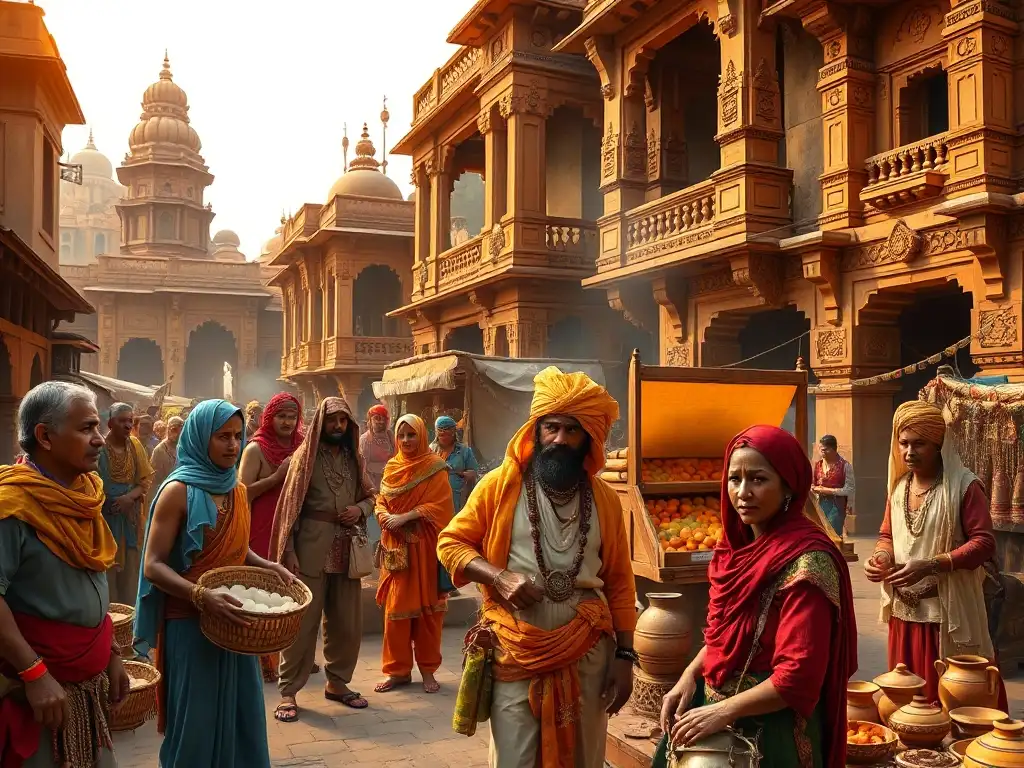
Welcome to Ancient India History, where we embark on a fascinating journey through the rich tapestry of India's past! Dive deep into the intriguing world of ancient trade guilds, a vital cornerstone of India’s internal trade system that shaped its economy and culture from the bustling markets of the Indus Valley to the opulent exchanges of the Gupta Empire. What secrets do these guilds hold about the lives of merchants and artisans?
Join us as we unravel the complexities of their roles and explore the profound impact they had on trade and society. Let your curiosity guide you through the captivating stories that await!
Introduction to Ancient India Trade Guilds History
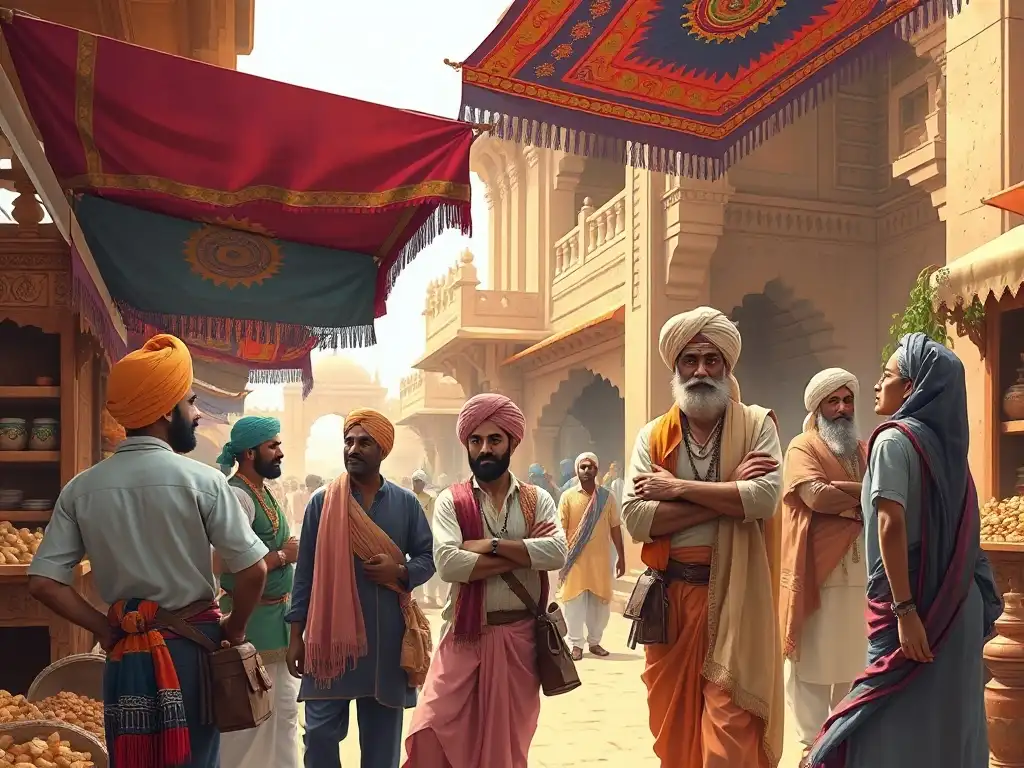
The history of trade in ancient India is a fascinating tapestry woven with the threads of commerce, culture, and community. Central to this intricate system were the trade guilds, which played a pivotal role in shaping the economic landscape from the Indus Valley Civilization through to the Gupta Empire.
These guilds, known as shrenis in Sanskrit, were not merely associations of merchants but complex networks that facilitated trade, ensured quality standards, and fostered mutual support among their members. Understanding the evolution and significance of these guilds provides valuable insights into the internal trade mechanisms that thrived in ancient India, highlighting their contributions to economic development and cultural exchange.
Overview of Trade Guilds in Ancient India
Trade guilds in ancient India functioned as organized groups of craftsmen, traders, and merchants who collaborated for mutual benefit. They held significant sway over various industries, including textiles, metalwork, and agriculture. Here are some key aspects of their structure and function:
- Membership and Structure:
- Membership often included local artisans and traders.
- Guilds were typically led by elder members or a council, ensuring experienced oversight.
- Regulatory Functions:
- Set standards for quality and pricing of goods.
- Regulated the market practices among members to maintain fair competition.
- Social and Economic Roles:
- Provided financial support and loans to members.
- Organized festivals and events to promote trade and community bonding.
The prominence of these guilds not only facilitated commerce but also fostered a sense of community and identity among traders, contributing to the rich cultural fabric of ancient Indian society.
Importance of Trade Guilds in Economic Development
The trade guilds of ancient India were instrumental in driving economic development across various regions. Their impact can be understood through several key functions:
- Facilitating Trade Networks:
- Guilds established extensive trade routes that connected different regions, enhancing the flow of goods and services.
- Encouraging Specialization:
- By focusing on specific trades, guilds promoted specialization, leading to higher quality products and innovations.
- Economic Stability:
- Guilds provided a support system during economic fluctuations by pooling resources and sharing risks among members.
- Cultural Exchange:
- The interactions facilitated by these guilds led to the exchange of ideas, technologies, and cultural practices, enriching the societal landscape.
The collective strength of trade guilds not only boosted local economies but also laid the groundwork for a vibrant internal market that thrived for centuries.
Historical Context of Trade Guilds in Ancient India
To fully appreciate the significance of trade guilds, it is essential to explore their historical context, tracing their emergence and evolution through various periods of ancient Indian history.
Emergence of Trade Guilds: Early Evidence and Sources
The origins of trade guilds can be traced back to early civilizations, with evidence of structured trade networks found in archaeological sites such as Harappa and Mohenjo-Daro. Historical texts, including the Arthashastra by Kautilya, provide insight into the functioning and governance of these guilds. Key features include:
- Early Trade Practices:
- The use of standardized weights and measures.
- Evidence of barter systems transitioning to more complex trade practices.
- Documentation and Regulation:
- References to guilds in ancient scriptures and inscriptions indicate their importance in regulating trade practices.
These early guilds laid the foundation for more complex trade networks that would flourish in subsequent centuries.
Evolution of Trade Guilds Through Different Periods
As ancient India evolved, so too did the trade guilds, adapting to the changing economic and political landscapes. Major periods in this evolution include:
- Mauryan Period (322-185 BCE):
- Trade guilds gained prominence under the Mauryan Empire, supported by a vast network of roads and improved security.
- Post-Mauryan Period (185 BCE - 300 CE):
- Guilds saw diversification, with increased specialization in various trades, reflecting the growing complexity of the economy.
- Gupta Empire (c. 240 – 550 CE):
- The golden age of trade guilds, marked by significant advancements in trade practices, flourishing urban centers, and cultural patronage.
Through these periods, trade guilds not only adapted to the socio-economic changes but also played a crucial role in the stability and prosperity of ancient Indian trade networks.
Structure and Function of Trade Guilds
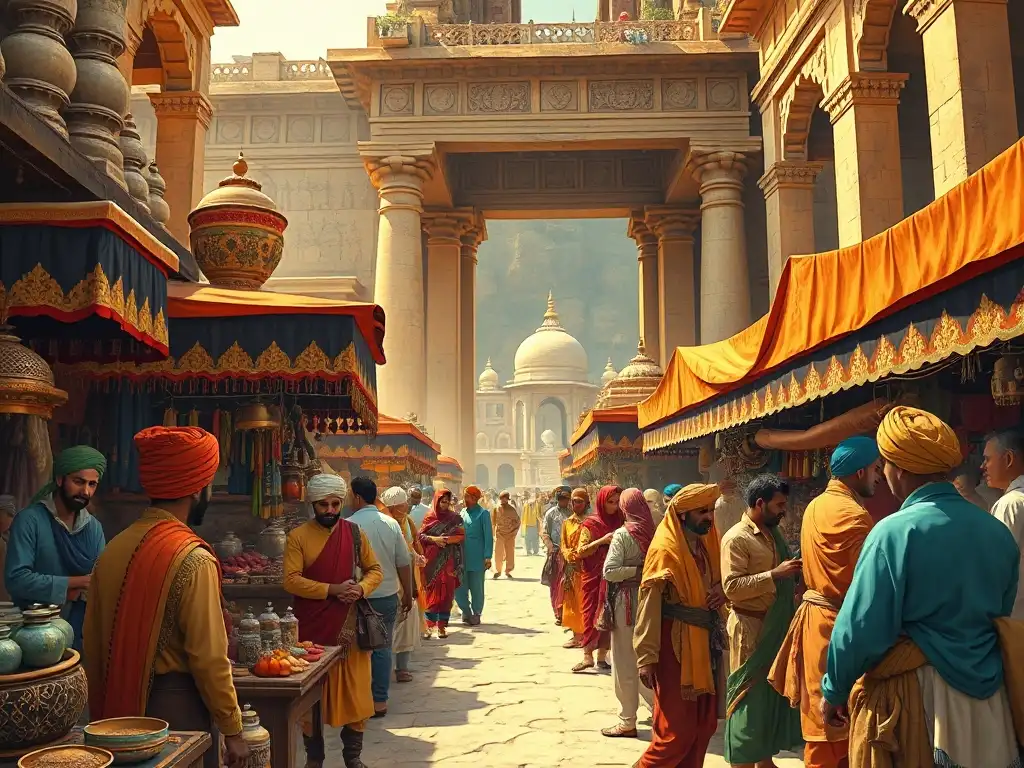
Trade guilds in ancient India served as essential organizations that facilitated commerce and protected the interests of merchants, artisans, and traders. They were structured hierarchically, often comprising several levels of membership that reflected the different trades and professions represented. At the top of the hierarchy, a council of senior members, typically experienced merchants, would oversee the guild's activities and make decisions regarding trade practices, pricing, and conflict resolution.
The primary functions of these guilds included:
- Regulating Trade Practices: Guilds established rules and standards for conducting business, ensuring fairness and consistency in transactions. This regulation included monitoring quality, pricing, and ethical conduct.
- Providing Support and Protection: Members received mutual support in the form of financial assistance during hard times, protection against external threats, and a collective voice in negotiations with local authorities.
- Training and Apprenticeship: Guilds often provided training programs for apprentices, ensuring the transfer of skills and knowledge from experienced artisans to the next generation.
- Facilitating Market Access: By banding together, guild members could secure better access to markets, negotiate favorable terms with suppliers and buyers, and enhance their bargaining power.
Types of Guilds in Ancient India
Ancient India had various types of trade guilds, each tailored to specific trades and professions. The most notable among them included:
- Merchant Guilds (Shreshthins): These guilds represented traders and merchants who engaged in long-distance trade. They were instrumental in linking different regions and facilitating the exchange of goods across vast distances.
- Craftsmen Guilds (Karmakaras): Comprised of artisans and craftsmen, these guilds focused on specific crafts such as pottery, textiles, metalwork, and woodworking. They played a crucial role in maintaining quality and standards in their respective trades.
- Professional Guilds: These included guilds for professionals such as physicians, teachers, and artists. They ensured ethical practices and provided a framework for professional development.
- Religious Guilds: Some guilds were formed around religious or cultural practices, where members collaborated in producing goods for religious ceremonies or festivals, thus intertwining commerce with spirituality.
Governance and Regulation of Trade Guilds
The governance of trade guilds in ancient India was typically conducted through a council of elected representatives from among the members. The council was responsible for establishing regulations, resolving disputes, and ensuring compliance with guild standards. These representatives would hold regular meetings, allowing for democratic participation and transparency within the guild.
Guilds had the authority to impose penalties for non-compliance with their regulations, which could include fines or expulsion from the guild. This system of self-regulation helped maintain order and integrity within the trade community. Additionally, many guilds had codes of conduct that outlined the principles of fair trade and ethical behavior, thereby promoting trust among members and with customers.
Economic Impact of Trade Guilds on Internal Trade
Trade guilds had a significant economic impact on the internal trade systems of ancient India. They contributed to the development of a robust trading infrastructure that facilitated the movement of goods and services throughout the subcontinent.
Contribution to the Internal Trade Network
The guilds were pivotal in creating and maintaining extensive internal trade networks. By organizing merchants and craftsmen into cohesive units, they enabled the establishment of trade routes that connected various regions. This network facilitated not only the exchange of goods but also the sharing of cultural practices and innovations.
The guilds often coordinated with local markets, fairs, and festivals, enhancing trade opportunities. They helped set up marketplaces and regulated trade activities in these areas, ensuring that goods flowed efficiently and merchants operated under agreed-upon terms. This organization was crucial in integrating local economies into a broader economic system, thus promoting commercial prosperity.
Influence on Trade Practices and Standards
Trade guilds significantly influenced trade practices and standards in ancient India. By setting regulations regarding weights, measures, and pricing, they helped create a more predictable and trustworthy trading environment. This standardization was essential in building consumer confidence and fostering long-term commercial relationships.
Moreover, guilds established a reputation for quality, which was vital in attracting customers and expanding markets. As a result, the adherence to guild standards often meant that goods produced by members were viewed as superior, leading to higher demand and better pricing. This influence extended beyond local markets, as guild members involved in long-distance trade also adhered to these standards, thereby enhancing the overall quality and reputation of Indian goods in the global market.
The role of guilds in ancient India's internal trade system was foundational, fostering economic growth, establishing standards, and creating a framework for successful trade practices that resonated throughout the subcontinent.
Trade guilds in ancient India were not merely economic entities; they played a pivotal role in the social and cultural fabric of society. These guilds, known as "shrenis," were instrumental in fostering a sense of community among merchants and craftsmen. They provided a platform for cooperation and mutual support, which was essential for the survival and prosperity of their members in the bustling internal trade networks.
The significance of guilds extended beyond trade; they were often at the center of local social life, influencing various aspects of daily existence. Through their structured organization, guilds facilitated social mobility and offered a sense of identity to their members. They established norms and regulations that governed not only trade practices but also the social conduct of their members, ensuring that ethical standards were upheld.
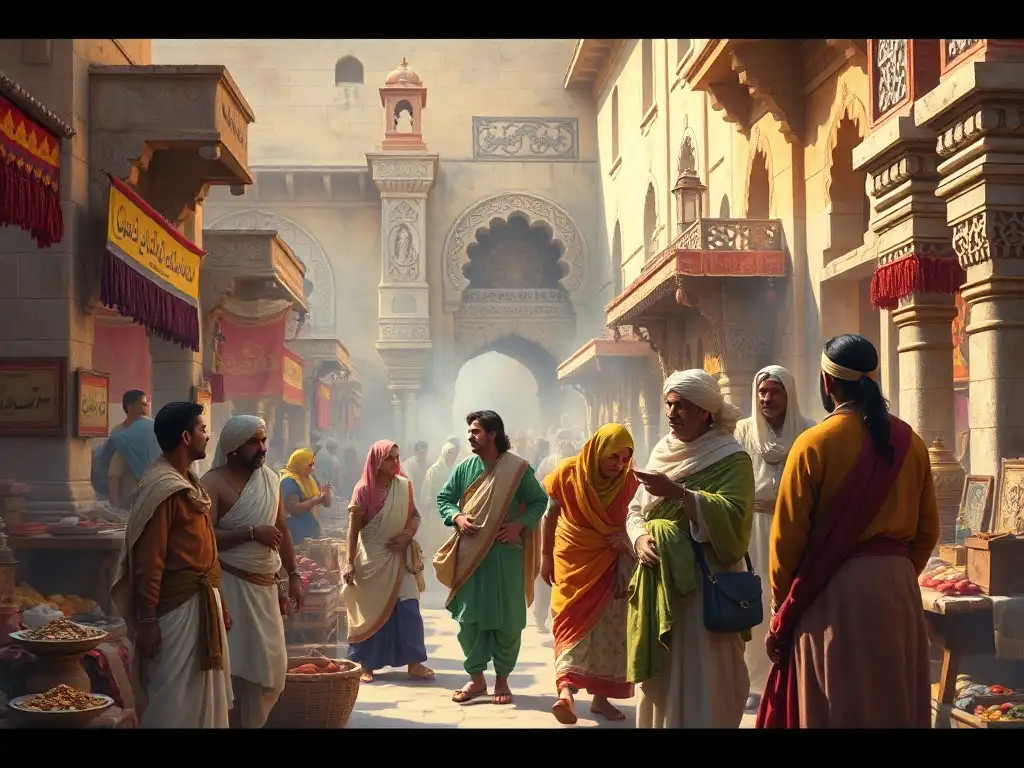
Guilds served as vital social institutions that promoted community and solidarity among traders and craftsmen. They often functioned as informal social networks where members could share resources, knowledge, and support. This sense of solidarity was especially crucial in times of economic hardship or competition.
Membership in a guild often provided individuals with a sense of belonging and identity. For instance, guilds could represent specific trades or crafts, such as potters, weavers, or metalworkers. This specialization created tight-knit communities where members could rely on one another for assistance, whether it was in the form of financial support during difficult times or collaborative efforts to improve techniques and products.
Moreover, guilds often held regular meetings and gatherings, fostering camaraderie and cooperation among members. These interactions not only strengthened business ties but also cultivated friendships and alliances that transcended economic interests.
Cultural Contributions: Festivals, Rituals, and Artistry
The cultural contributions of trade guilds were significant and multifaceted. Guilds often organized and participated in local festivals and rituals, which served to reinforce their cultural identity and community ties. These events provided an opportunity for members to showcase their products and craftsmanship, thereby enhancing their social standing and economic viability.
Artistry flourished within guilds, as many specialized in particular crafts or trades. The vibrant artistry of textiles, pottery, metalwork, and other crafts was often a hallmark of specific guilds. This artistic expression not only reflected the skills of individual artisans but also the collective identity of the guild as a whole.
Furthermore, guilds played a role in the preservation and transmission of traditional knowledge and skills. Through apprenticeships and mentorship, experienced artisans passed down their expertise to younger generations, ensuring that cultural practices and techniques remained alive over time. This dynamic contributed to the rich tapestry of Indian culture, as diverse artistic styles evolved within the various guilds throughout the subcontinent.
Decline of Trade Guilds in Ancient India
The decline of trade guilds in ancient India can be attributed to a combination of economic, political, and social factors. As the political landscape shifted with the rise of powerful empires and changing trade routes, the traditional structures that supported guilds began to weaken. Additionally, the emergence of centralized trade systems and government control over commerce undermined the autonomy that guilds once enjoyed.
Factors Leading to the Decline of Guilds
Several key factors contributed to the decline of trade guilds in ancient India:
- Centralization of Power: As empires like the Maurya and Gupta emerged, they centralized control over trade and commerce. This shift diminished the influence of local guilds, which had operated independently for centuries.
- Changing Trade Routes: The opening of new trade routes and the rise of long-distance trade diminished the relevance of local guilds. Merchants began to engage in broader networks that often bypassed traditional guild structures.
- Economic Competition: The influx of foreign goods and competition from external markets weakened the market position of local artisans and traders. As a result, many guilds struggled to maintain their economic viability.
- Social Changes: The transition from a predominantly agrarian society to one influenced by urbanization and industrialization altered social dynamics. This change often led to the fragmentation of traditional guilds as new social classes emerged.
Legacy of Trade Guilds in Indian Trade History
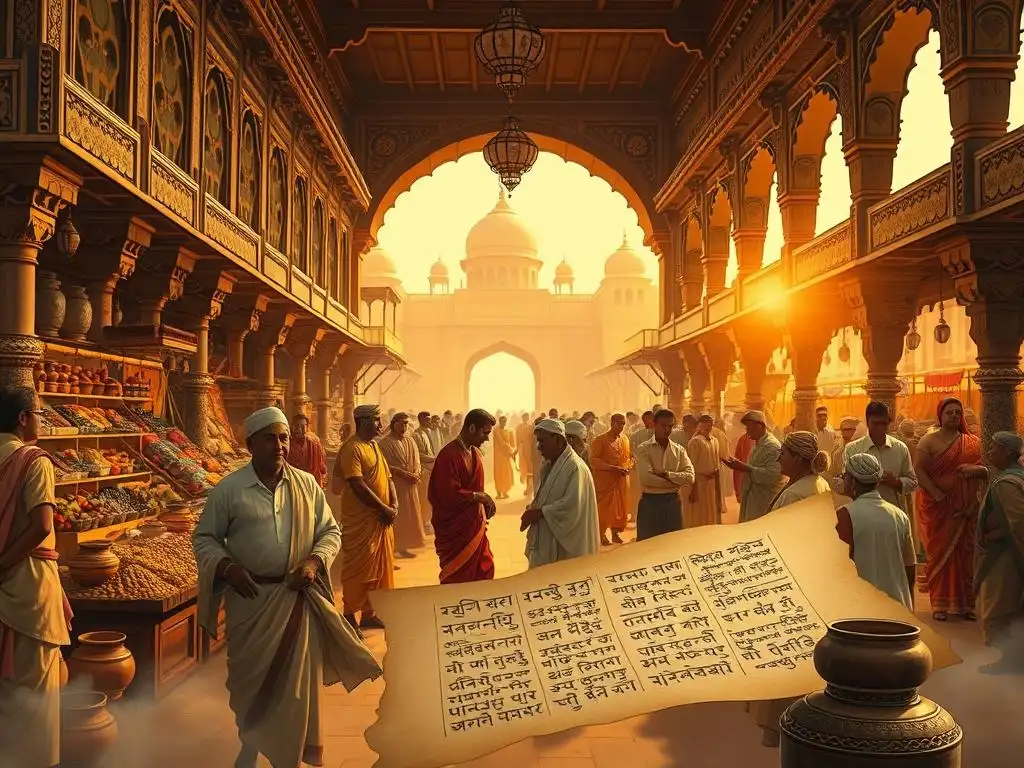
Despite their decline, the legacy of trade guilds in ancient India remains significant in understanding the evolution of Indian trade and economy. The guilds laid the foundation for organized trade practices and established norms that influenced subsequent economic systems. Their emphasis on community, cooperation, and ethical conduct continues to resonate in modern business practices in India.
Moreover, the artistic and cultural contributions of guilds have left a lasting impact on Indian heritage. Many traditional crafts and artisanal techniques that flourished under guild patronage are still celebrated today, highlighting the enduring influence of these historical institutions.
Trade guilds played a crucial role in shaping the internal trade system of ancient India, fostering community spirit, cultural expression, and economic collaboration. Their decline marked a significant transition in the Indian economy, but their legacy endures, reminding us of the rich tapestry of history that has shaped modern India.
Conclusion: The Lasting Influence of Guilds on India’s Trade System
The guilds of ancient India played a pivotal role in shaping the internal trade networks that flourished throughout the region. These organizations not only facilitated commerce but also contributed significantly to the socio-economic fabric of society. By regulating trade practices, ensuring quality control, and providing a support system for their members, guilds established a level of trust and reliability essential for economic transactions. This structure laid the groundwork for future trade practices, influencing not only regional commerce but also the development of trade guilds in later periods.
Even as India evolved through various historical phases, the fundamental concepts of guild systems persisted, adapting to changing economic and political landscapes. The legacy of these ancient trade guilds is evident in the modern commercial practices observed in India today, where cooperative societies and trade associations continue to thrive. Overall, the historical significance of guilds extends beyond mere trade; they represented community, craftsmanship, and a collective identity that has resonated through generations.
Summary of Key Points on Ancient India Trade Guilds History
- Formation and Structure: Ancient Indian trade guilds were typically organized based on specific trades or crafts, allowing members to collaborate and support each other.
- Regulatory Role: Guilds established codes of conduct and standards for quality, ensuring that goods traded met certain expectations, which helped in building consumer trust.
- Economic Contribution: They played a vital role in the economic landscape by facilitating trade across regions, thus contributing to the wealth of cities and the overall economy of ancient India.
- Cultural Impact: Beyond trade, guilds also influenced cultural exchanges and the dissemination of knowledge and skills, fostering a rich tapestry of interactions among diverse communities.
- Enduring Legacy: The principles and practices established by these guilds have influenced contemporary trade systems, highlighting their lasting importance in India's economic history.
The Relevance of Guild Systems in Modern Trade Contexts
The principles underlying ancient Indian trade guilds remain remarkably relevant in today's global economy. Modern businesses often form associations or cooperatives that mirror the guilds of the past, focusing on shared interests, collective bargaining, and mutual support.
- Collective Bargaining: Just as guilds negotiated better terms for their members, modern trade associations advocate for the interests of their industries, influencing policy and market conditions.
- Quality Standards: The emphasis on maintaining quality and ethical practices seen in ancient guilds is echoed in modern certification processes and industry standards.
- Networking Opportunities: Guilds facilitated networking, fostering relationships that could lead to partnerships and collaborations, a concept that is still vital in today’s business environment.
- Cultural Exchange: The historical role of guilds in cultural exchanges can be seen in contemporary global trade, where businesses engage with diverse markets and practices.
The enduring influence of guilds highlights their foundational role in trade systems, showcasing how historical practices can inform and enrich modern economic structures.
References
Academic Sources on Ancient Indian Trade Guilds
- Sharma, R. S. (2006). Ancient Indian Economy. Delhi: Motilal Banarsidass.
- Mookerji, R. K. (1962). The Gupta Empire. Delhi: Motilal Banarsidass.
- Majumdar, R. C. (1951). Ancient India. New Delhi: Bharatiya Vidya Bhavan.
Suggested Further Reading on Internal Trade Networks in Ancient India
- Mehta, J. (2010). Trade and Commerce in Ancient India: A Historical Perspective. New Delhi: Oxford University Press.
- Sahu, A. (2014). The Role of Trade in the Economic History of India. Kolkata: Academic Publishers.
- Bhatia, B. (2018). Guilds and Their Significance in Ancient Indian Society. Jaipur: Rajasthan Historical Society.
- Introduction to Ancient India Trade Guilds History
- Overview of Trade Guilds in Ancient India
- Importance of Trade Guilds in Economic Development
- Historical Context of Trade Guilds in Ancient India
- Structure and Function of Trade Guilds
- Types of Guilds in Ancient India
- Economic Impact of Trade Guilds on Internal Trade
- Social and Cultural Significance of Trade Guilds
- Guilds as Social Institutions: Community and Solidarity
- Cultural Contributions: Festivals, Rituals, and Artistry
- Decline of Trade Guilds in Ancient India
- Factors Leading to the Decline of Guilds
- Legacy of Trade Guilds in Indian Trade History
- Conclusion: The Lasting Influence of Guilds on India’s Trade System
- References
Frequently Asked Questions
What were trade guilds in ancient India?
Trade guilds were organized groups of merchants and artisans who regulated internal trade in ancient India. They played a crucial role in maintaining quality standards and protecting the interests of their members.
How did trade guilds influence the economy of ancient India?
Trade guilds significantly shaped the economy by facilitating trade, ensuring fair practices, and fostering economic cooperation among members. They helped in the stabilization of prices and promoted the growth of various industries.
What were the main functions of these guilds?
The primary functions of trade guilds included quality control, setting prices, organizing markets, and providing support to members in legal disputes. They also played a role in cultural exchange and the preservation of skills.
How did the structure of trade guilds evolve over time?
The structure of trade guilds evolved from informal groups to more organized entities with defined hierarchies and regulations. Over time, they became instrumental in the administration of trade and the economy.
Trade guilds significantly influenced the social structure by creating networks of affiliation among merchants and artisans. They provided a sense of community and support, often leading to increased social standing for their members.
Final Reflection: The Enduring Legacy of Ancient India's Trade Guilds
The intricate web of trade guilds in ancient India serves as a testament to the sophistication of economic systems that thrived long before modern commerce took shape. Today, as we navigate a global economy that often feels disconnected and impersonal, the lessons from these guilds remind us of the importance of community, collaboration, and mutual support in trade. The historical significance of these guilds is not merely a relic of the past; it is a blueprint for fostering sustainable economic practices in our contemporary world.
Cultural and social dynamics have always been intertwined with trade, and the guilds of ancient India exemplified this relationship beautifully. These organizations were not just about commerce; they were about building networks, sharing knowledge, and enhancing the livelihoods of their members. As we reflect on their impact, we recognize that the principles of cooperation and collective responsibility are more relevant than ever. In a world where individualism often reigns, the spirit of collaboration found in ancient trade guilds offers a refreshing perspective on how we can thrive together.
As we look to the future, let us embrace the lessons learned from the guilds of ancient India and apply them in our own lives. Consider how you can foster collaboration within your community, whether through local businesses, shared resources, or cooperative initiatives. Reflect on the power of unity in achieving common goals and the potential for creating a more interconnected and supportive economic landscape. The legacy of these ancient trade guilds invites us to build a future where trade is not just a transaction but a meaningful exchange that enriches our lives and communities.
Revitalize Your Understanding of Ancient Trade!
Thank you for taking the time to dive into the fascinating world of guilds and their pivotal role in Ancient India's internal trade system. By exploring how these associations shaped commerce and culture, you’ve armed yourself with valuable insights into history that resonate even today. Now, it’s time to put that knowledge into action!
- Join a local history club or an online community to discuss and share insights from what you've learned about ancient trade practices.
- Explore further: Read related articles or books on Ancient Indian economic systems to deepen your understanding.
- Share this article with friends or on social media to spark discussions about the significance of trade in shaping societies.
What aspect of guilds or trade in Ancient India surprised you the most? How do you think these historical practices influence modern trading strategies?