
The Role of Sea Trade in Ancient India's Internal Economy


Welcome to Ancient India History, where we embark on an enthralling journey through the vibrant tapestry of ancient Indian civilizations. From the sophisticated urban planning of the Indus Valley to the intellectual achievements of the Gupta Empire, our exploration reveals how these diverse cultures have shaped the world. In today's featured article, we delve into the fascinating role of sea trade in ancient India's internal economy.
Discover how maritime routes not only connected distant shores but also enriched local communities and fostered cultural exchange. Prepare to unlock the secrets of a thriving economy that was as dynamic as the waves of the ocean—read on to uncover the depths of this captivating topic!
Introduction to Ancient India Sea Trade Economy
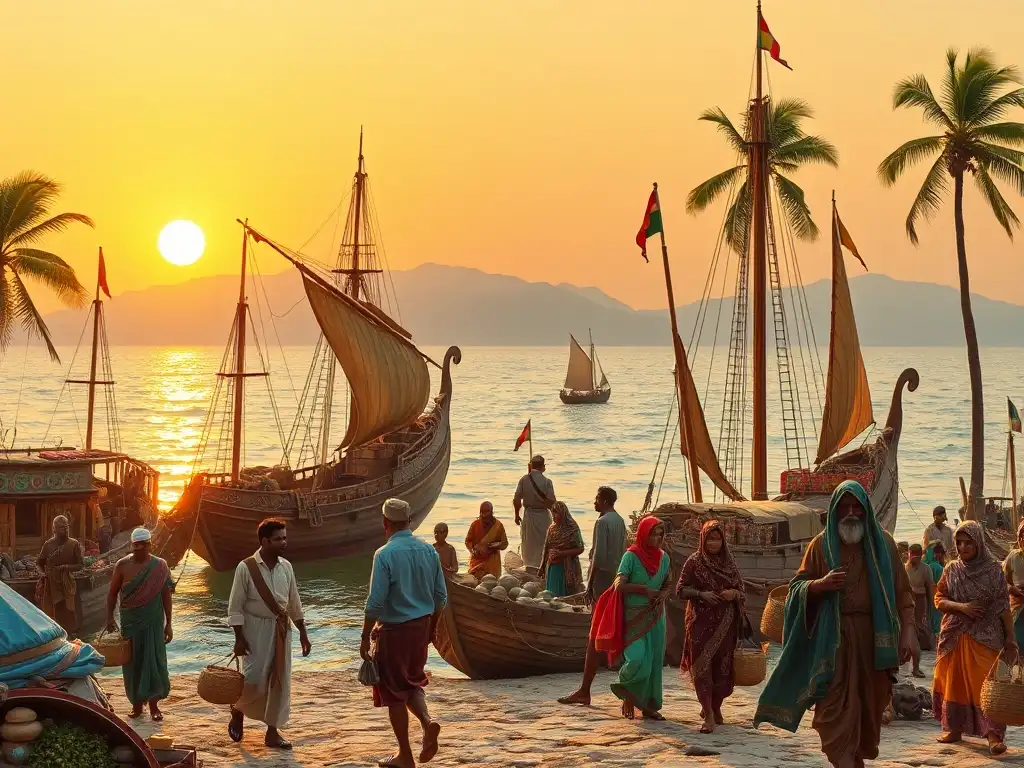
The ancient Indian sea trade economy played a pivotal role in shaping the internal economic landscape of the region. As one of the world's earliest civilizations, ancient India thrived on its extensive trade networks, which connected its rich resources with distant lands. The Indian subcontinent, with its vast coastline, facilitated maritime trade routes that were crucial for the exchange of goods, ideas, and cultural practices. This article delves into the intricate dynamics of sea trade in ancient India, highlighting its significance in the broader context of the internal economy and its lasting impact on societal development.
Overview of Ancient India's Trade Networks
Ancient India was characterized by a complex web of trade networks that encompassed both land and maritime routes. These networks were essential for the distribution of goods such as textiles, spices, metals, and agricultural products. The following points summarize the key features of these trade networks:
- Diverse Goods Exchange: Ancient Indian traders engaged in the exchange of a wide variety of goods, including silk, cotton, and aromatic spices.
- Cultural Interactions: Trade facilitated cultural exchanges, leading to the spread of religions, languages, and artistic influences across regions.
- Regional Specialization: Different regions specialized in specific products, enhancing the efficiency and profitability of trade.
Importance of Sea Trade in Economic Development
The sea trade of ancient India was not merely a means of exchanging commodities; it was a catalyst for economic development. Here are several ways in which it contributed to the economy:
- Economic Growth: The influx of goods and wealth from sea trade stimulated local economies and led to the development of urban centers.
- Job Creation: The expansion of trade activities resulted in numerous job opportunities, from shipbuilding to market trading.
- Technological Advancements: The need for efficient maritime navigation and shipbuilding spurred innovations in technology and craftsmanship.
Historical Context of Sea Trade in Ancient India
Understanding the historical context of sea trade in ancient India requires an exploration of its major trading ports, maritime routes, and the geographical factors influencing trade dynamics.
Major Trading Ports and Coastal Cities
Ancient India boasted several prominent trading ports and coastal cities that served as hubs of commerce:
- Lothal: Known for its well-planned dockyard, Lothal was a significant center for maritime trade with Mesopotamia.
- Kaveripattinam: This port city was crucial for trade with Southeast Asia, facilitating the exchange of spices and textiles.
- Muziris: Renowned in ancient texts, Muziris was a bustling port that connected India with the Roman Empire, facilitating the trade of goods like pepper and silk.
Key Maritime Routes in Ancient India
The maritime routes established during ancient times played a crucial role in linking India to other civilizations:
- The Arabian Sea Route: This route connected India with the Arabian Peninsula and East Africa, allowing for the exchange of goods and cultural interactions.
- The Bay of Bengal Route: Linking India with Southeast Asia, this route facilitated trade with regions such as present-day Myanmar and Indonesia.
Influence of Geography on Sea Trade Dynamics
The geographical features of ancient India significantly influenced its sea trade:
- Coastline and Natural Harbors: The extensive coastline of India, dotted with natural harbors, made it an ideal location for maritime activities.
- Climate and Monsoon Winds: The predictable monsoon winds allowed for seasonal navigation, enabling traders to plan their voyages efficiently.
The ancient Indian sea trade economy was a vital component of the internal economic framework, fostering growth and cultural exchange that shaped the civilization's legacy. Through an exploration of trade networks, key ports, and geographical influences, we can appreciate the profound impact of maritime trade on ancient India's development.
Economic Impact of Sea Trade on Ancient India's Internal Economy
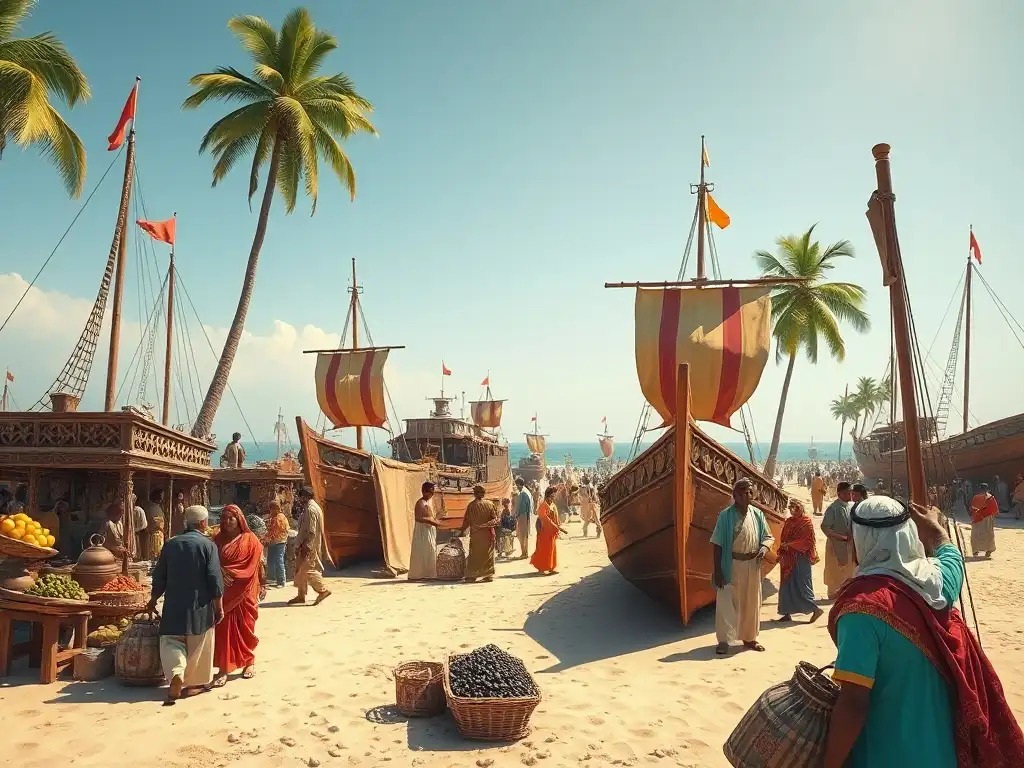
The sea trade in ancient India played a crucial role in shaping the internal economy, facilitating the exchange of goods, services, and ideas across vast distances. This maritime network not only connected Indian ports with distant lands but also stimulated local economies, creating a vibrant marketplace that thrived on both domestic and foreign trade. By linking various regions, the sea trade fostered economic interdependence, allowing resources and products to flow freely, ultimately leading to the growth of urban centers and enhanced agricultural productivity.
The bustling ports, such as Lothal in the Indus Valley and later cities like Calicut and Cochin, became vital hubs for trade. Merchants and traders utilized these maritime routes to transport spices, textiles, and precious stones, which were highly sought after in international markets. The influx of wealth from sea trade also encouraged investment in infrastructure, such as roads and ports, further integrating the internal economy and promoting trade efficiency.
Contribution to Local Markets and Trade Practices
Sea trade significantly contributed to the development of local markets and trade practices in ancient India. The arrival of foreign traders introduced new goods, which sparked local demand and created opportunities for local artisans and producers. For example, the exchange of Indian spices for foreign commodities like glassware and metal tools enriched local markets, allowing consumers to access a wider variety of products.
Additionally, the establishment of trade guilds and organizations regulated trade practices, ensuring fair pricing and quality control. These guilds played a vital role in standardizing weights and measures, which facilitated smoother transactions. The increasing complexity of trade relationships also led to the development of more sophisticated financial instruments, such as credit and insurance, further enhancing trade efficiency.
Role of Sea Trade in Agricultural Trade and Supply
The sea trade network had a profound impact on agricultural trade and supply in ancient India. Coastal regions, rich in agricultural produce, were able to export surplus goods, including rice, wheat, and pulses, to other regions and countries. This not only ensured food security through diversified supply channels but also provided farmers with access to a broader market, increasing their income and encouraging agricultural innovation.
The trade routes allowed for the import of essential goods and agricultural technologies from other cultures, which improved local farming practices. For instance, the introduction of new irrigation techniques and crops from Southeast Asia and the Middle East helped increase agricultural yield and sustainability, further strengthening the economy.
Influence on Craftsmanship and Artisanal Goods
The interaction with foreign traders through sea trade significantly influenced craftsmanship and the production of artisanal goods in ancient India. As merchants brought in foreign products, Indian artisans were inspired to innovate and enhance their craftsmanship. The demand for unique textiles, pottery, jewelry, and metalwork surged, leading to the establishment of specialized workshops in various regions.
Artisans began incorporating foreign techniques and designs into their work, resulting in a rich blend of styles that appealed to both domestic and international markets. This exchange not only elevated the quality of Indian crafts but also solidified India’s reputation as a center of artistic excellence, which, in turn, boosted trade relationships.
Cultural Exchange Through Sea Trade
The sea trade routes served as conduits for cultural exchange, significantly shaping the social and cultural landscape of ancient India. The mingling of different cultures led to the sharing of ideas, beliefs, and practices, enriching the Indian cultural fabric.
Introduction of Foreign Goods and Ideas
As traders from various regions arrived in ancient India, they brought with them not only goods but also new ideas and philosophies. The influx of foreign goods—such as textiles from Persia, ceramics from China, and spices from Southeast Asia—created a demand for diverse products and influenced local tastes. This exposure to new ideas facilitated the enrichment of Indian culture, leading to innovations in art, literature, and science.
Moreover, the exchange included the transmission of technological advancements, such as shipbuilding techniques and navigational methods, which improved maritime trade and exploration. This exchange of knowledge and goods created a dynamic environment that fostered cultural growth and intellectual development.
Impact on Cultural Practices and Lifestyle
The cultural exchange through sea trade had a lasting impact on the lifestyle and practices of ancient Indians. The introduction of new culinary ingredients and cooking techniques diversified Indian cuisine, while foreign fashions and textiles influenced local dress. This blending of cultures fostered a sense of cosmopolitanism among coastal communities, leading to a more inclusive society.
Additionally, festivals and rituals often evolved through the incorporation of foreign elements, reflecting the diverse influences that enriched local traditions. This cultural interplay promoted tolerance and understanding among different communities, creating a vibrant tapestry of cultural practices.
Role of Religion and Philosophy in Trade Relations
Religion and philosophy played a significant role in shaping trade relations within the context of sea trade. Merchants often formed communities based on shared beliefs, which facilitated trust and cooperation in trade transactions. The spread of Buddhism and Hinduism along trading routes contributed to the establishment of religious networks that transcended geographical boundaries.
As traders traveled, they shared philosophical ideas and religious texts, leading to a cross-pollination of beliefs. This interaction not only influenced the spiritual landscape of ancient India but also contributed to the establishment of trade ethics and moral standards that governed commercial practices. The result was a more structured and principled approach to trade, which enhanced the overall integrity of the economic system.
Sea Trade and Political Relations in Ancient India
Sea trade played a pivotal role in shaping the political landscape of ancient India. The vast coastline of the Indian subcontinent facilitated the establishment of numerous port cities that became bustling hubs of commerce. These ports not only served as commercial centers but also as gateways for cultural exchange and political alliances. As trade routes expanded, the interdependence between maritime commerce and political relations became increasingly evident. The prosperity generated through sea trade often translated into political power, allowing influential kingdoms to exert control over trade routes and foster diplomatic ties with other civilizations.
Alliances Formed Through Maritime Trade
Maritime trade routes were crucial for forging alliances between different kingdoms in ancient India and beyond. For instance, the trade of spices, textiles, and precious stones attracted merchants from far-off lands, leading to interactions with foreign powers. Such interactions often culminated in strategic alliances. The trade networks enabled Indian kingdoms to establish diplomatic relations with countries like Persia and the Roman Empire, fostering mutual economic benefits. These alliances were sometimes formalized through treaties, establishing peace and cooperation in trade, which ultimately enhanced political stability in the region.
The Role of Sea Trade in Diplomacy and Conflict
Sea trade was not only a means of economic exchange but also a tool for diplomacy and conflict resolution. The ability to control trade routes often provided kingdoms with leverage in negotiations. For example, the powerful Chola Empire was known for its naval prowess, allowing it to dominate trade in the Indian Ocean.
This maritime strength enabled them to establish diplomatic relations with Southeast Asian kingdoms, as well as assert military dominance when necessary. Conversely, conflicts sometimes arose over control of lucrative trade routes, leading to naval confrontations. Thus, sea trade served as both a bridge for diplomacy and a catalyst for conflict among ancient Indian states.
Case Studies of Key Maritime Powers in Ancient India
Several ancient Indian powers were prominent in maritime trade, each influencing the regional economy and political relations. The Chola Dynasty is one such example; their advanced naval capabilities allowed them to extend their influence across Southeast Asia, establishing trade links with countries such as Sri Lanka, Indonesia, and Malaysia. Another key player was the Gupta Empire, which thrived during the Golden Age of India.
Their control over trade routes facilitated the exchange of goods and ideas, enhancing cultural and political ties with foreign nations. Additionally, the Indo-Roman trade exemplifies how ancient Indian ports, such as those in Gujarat, became essential nodes in the global trade network, fostering connections that transcended borders.
Challenges and Risks in Ancient Sea Trade
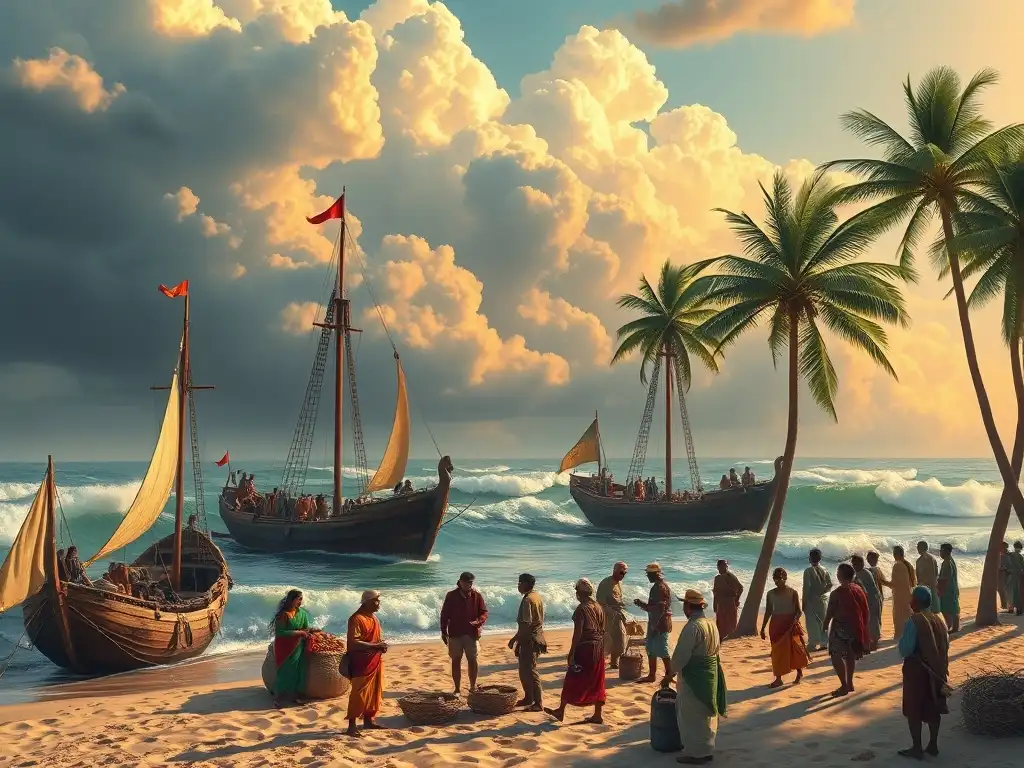
While sea trade was integral to the economic prosperity of ancient India, it was fraught with challenges and risks that traders had to navigate. The unpredictable nature of maritime conditions, coupled with external threats, often posed significant obstacles to the smooth operation of trade.
Navigational Difficulties and Maritime Hazards
Navigational challenges were a common concern for ancient traders engaged in sea trade. Limited technology made accurate navigation difficult, leading to frequent shipwrecks and loss of cargo. Monsoon winds also played a critical role in maritime travel, as they could either facilitate or hinder voyages. Traders had to possess extensive knowledge of the seasonal patterns of winds and tides to optimize their journeys. The difficulty of navigating unknown waters and the potential for adverse weather conditions made sea trade a risky undertaking.
Piracy and Security Concerns
Piracy was a significant threat to ancient sea trade, impacting both local and international routes. Pirates often targeted merchant vessels carrying valuable goods, leading to substantial losses for traders. The coastal regions of India were not immune to these threats; historical accounts indicate that pirates frequently raided trade ships, disrupting commerce and instilling fear among merchants. To counter these threats, rulers sometimes established naval forces to protect shipping lanes, yet piracy remained a persistent challenge that required constant vigilance.
Economic Fluctuations and their Impact on Trade
Economic fluctuations, driven by factors such as resource availability, political instability, and external conflicts, also affected ancient sea trade. Droughts or famines in key regions could lead to a shortage of goods, disrupting trade networks and causing prices to soar. Additionally, political upheaval could destabilize trade relations, as alliances shifted and conflicts erupted. Such economic uncertainties necessitated adaptive strategies among traders and rulers, as they sought to mitigate risks and maintain the flow of commerce. The resilience of ancient Indian traders in the face of these challenges underscores the complexity and dynamism of the ancient sea trade economy.
Conclusion: The Legacy of Sea Trade in Ancient India's Economy
The legacy of sea trade in ancient India's economy is profound, shaping not only the economic landscape but also the cultural, social, and political realms of the civilization. The intricate networks established along the coasts facilitated not just the exchange of goods but also the flow of ideas, technologies, and cultural practices. This interconnectedness contributed significantly to the prosperity of various ancient Indian kingdoms, which thrived on maritime commerce.
The influence of sea trade extended beyond mere economic benefits; it fostered a sense of unity among diverse regions, as traders from various cultures interacted and collaborated. The wealth generated from trade allowed for advancements in art, architecture, and scholarship, which have left lasting marks on India’s cultural heritage. Furthermore, sea trade routes served as conduits for the spread of religions such as Buddhism and Hinduism, which traveled far and wide, influencing neighboring regions.
Summary of Key Contributions to Internal Economy
- Economic Growth: Sea trade was a catalyst for economic growth, enhancing the wealth of coastal cities like Lothal, Calicut, and Kochi. The trade of spices, textiles, and precious stones attracted merchants from around the world, leading to increased commerce and prosperity.
- Cultural Exchange: The movement of goods was accompanied by cultural exchanges, which enriched the local customs, traditions, and practices. This blending of cultures contributed to the vibrant tapestry of ancient Indian society.
- Development of Trade Routes: The establishment of maritime trade routes not only improved connectivity between various regions of India but also linked the Indian subcontinent with distant lands, including the Roman Empire, Southeast Asia, and Africa. This network facilitated a steady flow of goods and ideas.
- Urbanization: The growth of trade led to the rise of urban centers along the coast, which became hubs of commerce and culture. These cities attracted artisans, scholars, and traders, further boosting the internal economy.
- Technological Advancements: The challenges of sea navigation and trade spurred advancements in shipbuilding, navigation techniques, and maritime technologies, which were critical for sustaining and expanding trade.
Lasting Influence of Ancient Sea Trade on Modern India
The influence of ancient sea trade can still be felt in modern India, where maritime commerce continues to play a crucial role in the economy. Major ports such as Mumbai, Chennai, and Kolkata serve as vital gateways for international trade, echoing the bustling trade routes of the past. The legacy of ancient trade practices can be seen in contemporary trade agreements and the ongoing emphasis on enhancing maritime infrastructure.
Moreover, the cultural exchanges initiated through ancient sea trade have shaped modern India's diverse cultural landscape. Festivals, cuisines, and art forms that originated through these historical interactions continue to thrive today, showcasing the enduring impact of ancient maritime commerce. The tradition of trade has evolved but remains integral to India’s economic and cultural identity, emphasizing the importance of its historical roots.
References and Further Reading on Ancient India Sea Trade Economy
Suggested Books and Articles
- "The Ancient Indian Maritime Trade" by B. N. Mukherjee – A comprehensive analysis of maritime trade practices in ancient India.
- "Trade and Politics in the Indian Ocean World" by N. R. Ray – This book explores the dynamics of trade networks and their political implications during ancient times.
- "The Sea in History: The Indian Ocean": edited by R. C. Allen – This collection offers insights into the historical significance of the Indian Ocean trade routes.
- "India in the Indian Ocean: An Emerging Power": by S. D. Gupta – This work examines the historical context of India’s maritime presence and its evolution into a modern economic player.
Online Resources for Further Exploration
- The National Museum of India website offers extensive resources on ancient trade artifacts and maritime history.
- The Indian Council for Historical Research (ICHR) provides access to research papers and articles on ancient Indian trade practices.
- Online databases such as JSTOR and Google Scholar feature numerous scholarly articles focusing on ancient sea trade and its impact on India’s economy.
- Websites like Ancient India History and History of India host detailed articles and resources on the topic, making it easier for enthusiasts and researchers to delve deeper into the subject.
By exploring these resources, readers can gain a comprehensive understanding of the pivotal role that ancient sea trade played in shaping the internal economy of India and its lasting legacy in contemporary society.
- Introduction to Ancient India Sea Trade Economy
- Overview of Ancient India's Trade Networks
- Importance of Sea Trade in Economic Development
- Historical Context of Sea Trade in Ancient India
- Economic Impact of Sea Trade on Ancient India's Internal Economy
- Cultural Exchange Through Sea Trade
- Sea Trade and Political Relations in Ancient India
- Challenges and Risks in Ancient Sea Trade
- Conclusion: The Legacy of Sea Trade in Ancient India's Economy
- References and Further Reading on Ancient India Sea Trade Economy
- What was the significance of sea trade in ancient India's economy?
- Which regions did ancient India trade with via sea routes?
- How did sea trade impact the cultural exchanges in ancient India?
- What were the main commodities traded by ancient Indian merchants?
- How did the Gupta Empire influence sea trade practices?
Frequently Asked Questions
What was the significance of sea trade in ancient India's economy?
Sea trade played a crucial role in connecting ancient India with other civilizations, allowing for the exchange of goods, culture, and ideas, which enriched its internal economy.
Which regions did ancient India trade with via sea routes?
Ancient India had extensive maritime trade with regions such as Southeast Asia, Africa, and the Middle East, facilitating the import and export of spices, textiles, and precious metals.
How did sea trade impact the cultural exchanges in ancient India?
The interaction through sea trade led to significant cultural exchanges, including the spread of religions, art forms, and languages, contributing to India's cultural richness.
What were the main commodities traded by ancient Indian merchants?
Merchants primarily traded spices, silks, cotton textiles, and jewelry, which were highly sought after and contributed to the prosperity of the sea trade economy.
How did the Gupta Empire influence sea trade practices?
During the Gupta Empire, advancements in navigation and shipbuilding techniques improved sea trade, leading to increased commercial activities and enhancing India's trade relations with foreign countries.
Final Reflection: The Enduring Legacy of Ancient India's Sea Trade Economy
The intricate web of ancient India's sea trade economy not only shaped the internal dynamics of its society but also laid the groundwork for global commerce as we know it today. The significance of maritime trade in ancient India is a testament to the ingenuity and resourcefulness of its people, who navigated vast oceans to connect with distant lands. This historical narrative serves as a powerful reminder of how trade can transcend borders, fostering cultural exchange and economic prosperity.
The impact of ancient India's sea trade economy resonates profoundly in our contemporary world, where globalization continues to redefine our interactions and economic structures. The lessons learned from this era highlight the importance of connectivity and collaboration in achieving mutual growth. As historian K. N. Chaudhuri aptly stated, The Indian Ocean was not merely a geographical entity; it was a vibrant arena of cultural and economic exchanges.
This observation underscores the ongoing relevance of ancient trade practices, which continue to influence modern economic policies and international relations.
As we reflect on the lessons of the past, let us embrace the spirit of cooperation and innovation that characterized ancient India's sea trade economy. I invite you to consider how the principles of connectivity, cultural exchange, and economic collaboration can be applied in your own life and community. By fostering relationships that transcend boundaries, we can contribute to a more interconnected and prosperous future, echoing the legacy of those who once sailed the seas in search of opportunity and understanding.
Unveil the Secrets of Ancient India's Sea Trade!
Thank you for taking the time to dive into the fascinating role of sea trade in Ancient India's internal economy! Your interest in this topic enhances your understanding of how commerce shaped cultures and civilizations. Now that you’ve explored the essential connections between trade routes and economic growth, it’s time to take action!
Here are some engaging ways to deepen your exploration:
- Join a local history group or online forum to discuss Ancient India’s trade practices with fellow history enthusiasts.
- Research and visit a museum that features exhibits on maritime trade or ancient civilizations to enrich your knowledge further.
- Share this article on social media with your friends to spark conversations about the rich history of sea trade in India.
Now, reflect on this: How do you think the maritime trade routes of Ancient India influenced its cultural exchanges with other civilizations? We’d love to hear your thoughts!