
Exploring the Impact of Ancient Indian Fashion on Global Style Movements

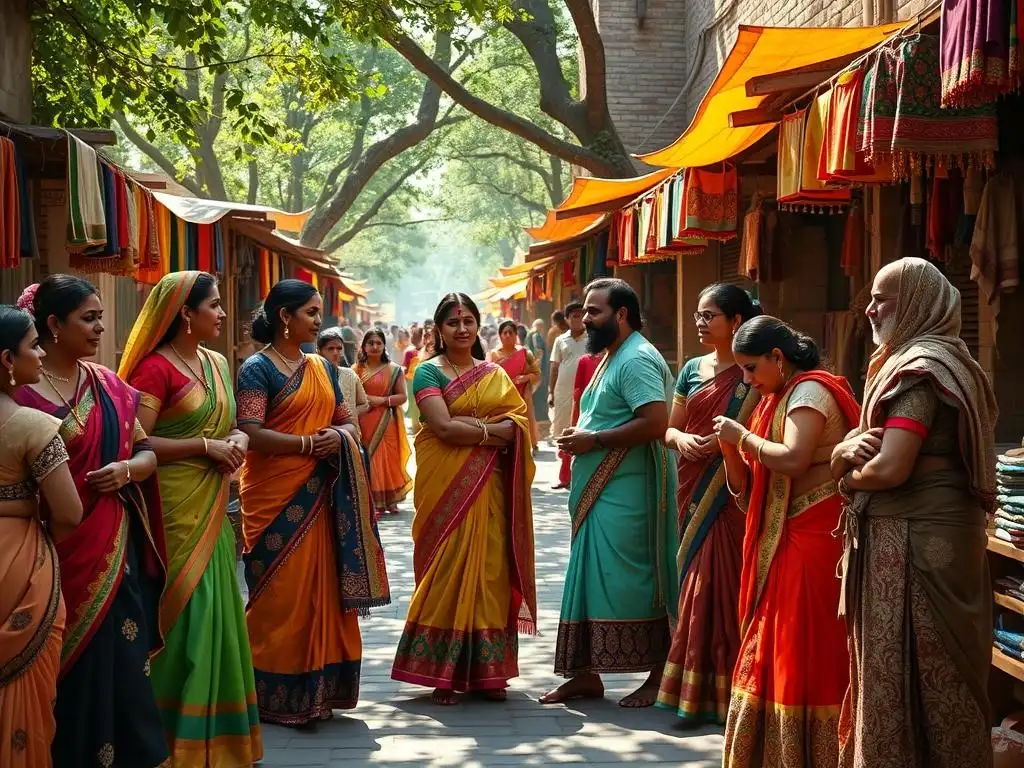
Welcome to Ancient India History, where we embark on a mesmerizing journey through time to uncover the rich tapestry of ancient Indian civilizations. In our latest article, we delve into the captivating realm of ancient Indian fashion influence, revealing how the elegance and artistry of bygone eras have shaped global style movements. What secrets do the textiles and adornments of the past hold, and how do they resonate in today’s fashion landscape?
Join us as we explore the intricate connections between history and modernity, sparking your curiosity and inspiring a deeper appreciation for the profound impact of ancient Indian culture. Dive in and discover the threads that bind us across centuries!
-
Exploring the Influence of Ancient Indian Fashion on Global Style Movements
- Introduction to Ancient Indian Fashion Influence
- Key Elements of Ancient Indian Fashion
- Ancient Indian Fashion Influence on Modern Global Styles
- Global Style Movements That Embrace Ancient Indian Fashion
- Challenges and Misconceptions Regarding Ancient Indian Fashion
- Conclusion: The Timeless Influence of Ancient Indian Fashion
- Call to Action
-
Frequently Asked Questions
- What is the significance of ancient Indian fashion influence in global style movements?
- How did the Indus Valley Civilization contribute to fashion?
- What role did the Gupta Empire play in shaping fashion?
- How have traditional Indian garments influenced modern fashion?
- Are there any modern fashion movements that trace their roots back to ancient Indian styles?
- Final Reflection: The Timeless Influence of Ancient Indian Fashion
- Unveil the Timeless Influence of Ancient Indian Fashion!
Exploring the Influence of Ancient Indian Fashion on Global Style Movements
Introduction to Ancient Indian Fashion Influence
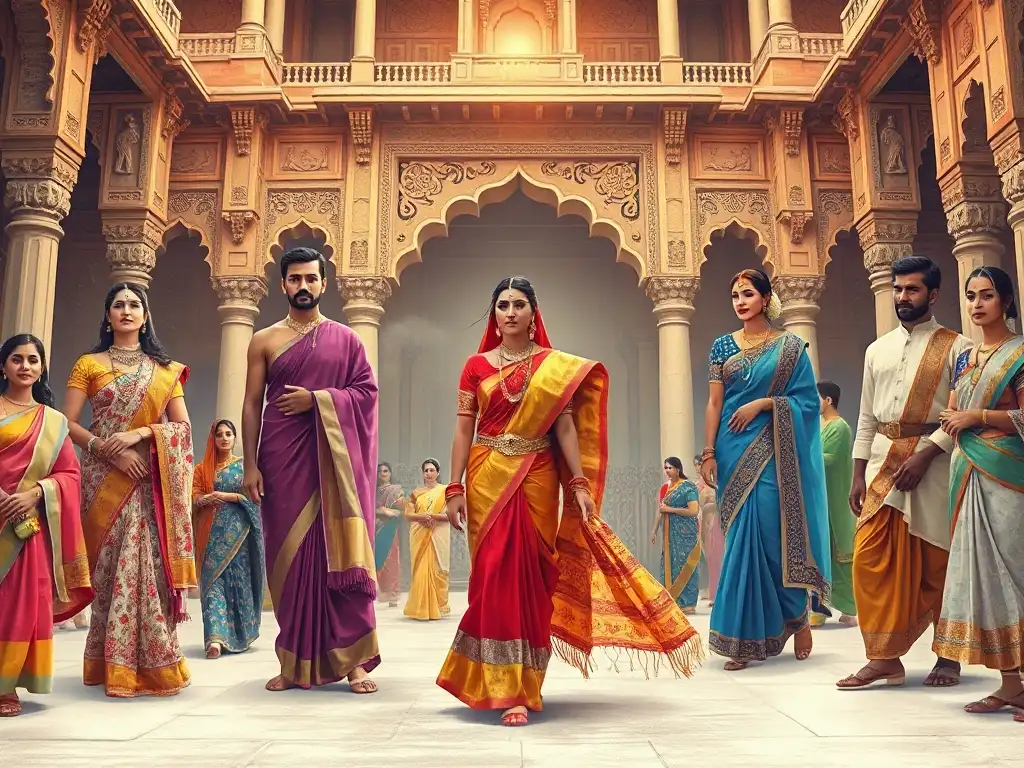
Ancient Indian fashion has long been a tapestry woven with threads of culture, tradition, and artistry. As we delve into the rich history of this vibrant aesthetic, we uncover how ancient Indian clothing and textile practices have permeated global style movements over centuries. From the intricate designs of the Indus Valley civilization to the opulent garments of the Mughal era, ancient Indian fashion has not only defined regional identities but has also made its mark on international fashion trends.
The evolution of styles, colors, and fabrics reflects the diverse cultural interactions that have influenced and been influenced by Indian fashion. This article aims to explore the profound impact of ancient Indian fashion on contemporary styles, illustrating how elements of this heritage continue to resonate in modern wardrobes across the globe.
Key Elements of Ancient Indian Fashion
Understanding the influence of ancient Indian fashion requires an appreciation of its key elements. These elements are not just confined to garments but extend to textiles, patterns, and craftsmanship that have shaped not only Indian aesthetics but also global fashion narratives.
Traditional Attire: Sari, Dhoti, and More
The sari and dhoti serve as quintessential examples of traditional Indian attire, each representing a unique cultural heritage. The sari, a versatile garment worn by women, can be styled in numerous ways and is often adorned with intricate embroidery or handwoven designs. It is a symbol of grace and elegance, with its roots tracing back over 5,000 years.
On the other hand, the dhoti, a traditional garment for men, showcases the simplicity and comfort that has made it a staple in Indian fashion. Worn during festivals, ceremonies, and daily life, the dhoti reflects the cultural values of modesty and respect.
Both garments highlight the regional diversities found in ancient Indian fashion, as different states boast distinctive draping styles, fabrics, and embellishments.
Textiles and Patterns: A Legacy of Craftsmanship
The legacy of ancient Indian fashion is vividly illustrated through its textiles and patterns. India has been renowned for its textile craftsmanship, producing exquisite fabrics like silk, cotton, and wool, often embellished with intricate patterns.
- Block Printing: A method that dates back centuries, block printing involves hand-carving designs onto wooden blocks and stamping them onto fabric, resulting in stunning visuals.
- Embroidery: Techniques like Zardozi, Chikan, and Kashida showcase the detailed artistry and skill of Indian artisans, each with its own geographical significance and cultural backstory.
- Dyeing Techniques: The use of natural dyes derived from plants and minerals has been a hallmark of Indian textiles, giving rise to rich, vibrant colors that continue to inspire modern designers.
These elements not only define ancient Indian fashion but also reveal how these traditional techniques have influenced global fashion industries, making Indian textiles a sought-after choice in contemporary design.
The exploration of ancient Indian fashion influence uncovers a rich heritage that continues to inspire and shape global style movements today.
Ancient Indian Fashion Influence on Modern Global Styles
Ancient Indian fashion has had a profound impact on modern global styles, transcending geographical boundaries and cultural barriers. The elegance of traditional garments, the intricate craftsmanship of textiles, and the vibrant colors associated with Indian fashion have inspired designers and fashion enthusiasts worldwide. This influence is not merely aesthetic; it encapsulates the rich narratives and cultural significance that ancient Indian attire embodies. From the drape of a sari to the bold patterns of block prints, the essence of ancient Indian fashion continues to resonate and inspire contemporary designs, leading to a fusion of styles that celebrate diversity and heritage.
Influence on Western Fashion Trends
The infusion of ancient Indian fashion into Western trends can be traced back to the colonial era, when Western designers began to explore and adopt elements of Indian textiles and designs. Fabrics such as silk, cotton, and wool from India became highly sought after in Europe, prompting the incorporation of these luxurious materials into Western wardrobes.
- Key Elements:
- Textiles: The popularity of Indian silk and cotton led to the use of these fabrics in high fashion, influencing the creation of garments that emphasize draping and flow.
- Patterns and Motifs: Traditional Indian patterns, including paisley and floral designs, have made their way into Western prints, often seen in contemporary clothing lines and accessories.
- Embellishments: Techniques such as embroidery, mirror work, and beadwork, derived from ancient Indian craftsmanship, are now staples in Western haute couture.
Fashion icons like Yves Saint Laurent and John Galliano have drawn inspiration from Indian fashion, showcasing collections that highlight the beauty and intricacy of Indian designs. The result is a rich tapestry of styles that celebrate the creativity and artistry of both cultures.
Fusion Fashion: Blending Cultures
Fusion fashion is a dynamic manifestation of ancient Indian fashion influence, where traditional elements are harmoniously blended with modern aesthetics. This genre of fashion showcases how cultural exchange can create innovative designs that appeal to a global audience.
- Contemporary Interpretations: Designers such as Anita Dongre and Sabyasachi Mukherjee have successfully integrated traditional Indian silhouettes with Western cuts, creating versatile pieces that can be worn on various occasions.
- Cultural Significance: Fusion fashion does not only focus on aesthetics; it often tells a story, reflecting the wearer's identity and cultural heritage.
- Popular Styles: Attire like the Indo-Western dress—a combination of a traditional Indian kurta and Western trousers—exemplifies this blending of cultures, appealing to a diverse audience while honoring ancient traditions.
The rise of fusion fashion has encouraged a broader acceptance of diverse styles, fostering a sense of inclusivity and celebrating multicultural influences in clothing.
Global Style Movements That Embrace Ancient Indian Fashion
As the world becomes increasingly interconnected, various global style movements have begun to embrace and celebrate ancient Indian fashion. These movements reflect a growing recognition of the beauty of diversity and the value of sustainable practices rooted in history.
The Bohemian Movement
The Bohemian movement, characterized by its embrace of artistic expression and free-spirited individuality, has significantly drawn from ancient Indian fashion. Elements such as:
- Flowing Silhouettes: The loose-fitting garments typical of ancient Indian attire resonate with the Bohemian ethos of comfort and self-expression.
- Vibrant Colors and Patterns: The use of bold colors and intricate patterns in traditional Indian textiles aligns with the Bohemian aesthetic, which favors eclectic and vibrant styles.
- Accessories: The incorporation of jewelry and accessories inspired by Indian designs, such as chunky necklaces or elaborate earrings, enhances the Bohemian look, adding layers of cultural richness.
This convergence of styles has allowed the Bohemian movement to flourish, celebrating the freedom of individual expression while honoring ancient influences.
Sustainable Fashion and Ancient Techniques
In recent years, the global fashion industry has increasingly recognized the importance of sustainability, leading to a revival of ancient Indian techniques that prioritize eco-friendly practices.
- Traditional Craftsmanship: Techniques such as handloom weaving, block printing, and natural dyeing have been practiced in India for centuries, promoting sustainable production methods that are now being adopted worldwide.
- Eco-Friendly Materials: Fabrics like khadi, made from hand-spun cotton, and other organic materials are gaining popularity among sustainable fashion brands, inspired by ancient Indian practices.
- Cultural Heritage: Emphasizing ancient methods not only supports local artisans but also preserves cultural heritage, ensuring that traditional skills are passed down through generations.
This movement towards sustainability, rooted in ancient practices, reflects a growing awareness of the need to balance fashion with environmental responsibility, making ancient Indian fashion a significant player in the modern sustainable fashion landscape.
Challenges and Misconceptions Regarding Ancient Indian Fashion
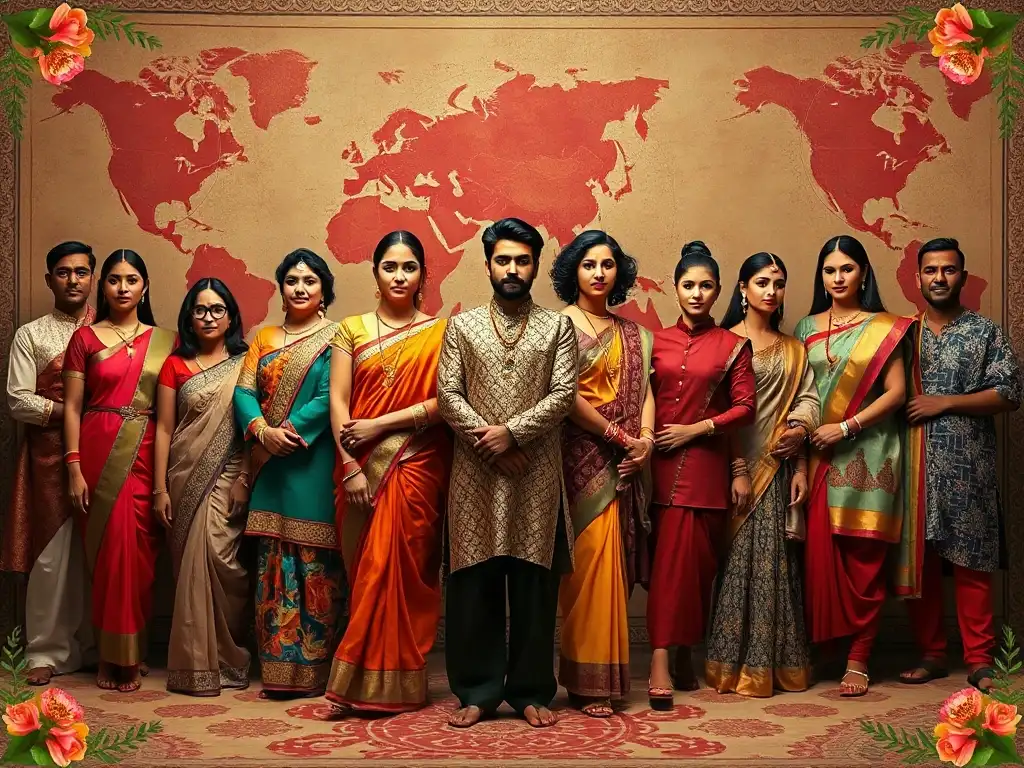
The intricate tapestry of ancient Indian fashion is often misinterpreted and misunderstood, leading to various challenges in recognizing its true influence on global style movements. One primary challenge is the oversimplification of ancient attire, which can obscure the diversity and regional variations that characterized Indian clothing. Ancient Indian fashion was not monolithic; it differed significantly across regions, climates, and cultures, reflecting local traditions, materials, and social structures.
Furthermore, the historical context of ancient Indian clothing is frequently overlooked. For instance, garments such as the sari, dhoti, and kurta have evolved over centuries, adapting to changing societal norms and influences. This evolution can sometimes lead to misconceptions about the origins and significance of these garments, particularly when contemporary interpretations fail to capture their historical essence.
Additionally, the representation of ancient Indian fashion in popular culture often perpetuates stereotypes. Many depictions focus on a narrow view of traditional attire, ignoring the broader context of Indian craftsmanship, textiles, and the socio-economic factors that shaped fashion in ancient times. This can lead to a misunderstanding of the rich narratives that these garments embody, thus diminishing their perceived value and influence.
Cultural Appropriation vs. Appreciation
Cultural appropriation and appreciation are critical concepts in discussing ancient Indian fashion's influence on global style movements. Cultural appropriation occurs when elements of one culture are adopted by another, often without understanding or respecting their original significance. This can lead to the commodification of traditional garments and practices, reducing them to mere fashion statements rather than acknowledging their deep cultural roots.
In the context of ancient Indian fashion, instances of appropriation can be seen when Western designers adopt Indian textiles or motifs without recognizing their historical context or the artisans behind them. This not only disrespects the cultural heritage but also undermines the labor and artistry involved in creating these traditional pieces.
Conversely, cultural appreciation involves a respectful engagement with another culture, embracing its elements while acknowledging their origins and meanings. When designers and fashion enthusiasts approach ancient Indian fashion with an intent to understand and honor its history, they can foster a more authentic appreciation that celebrates its influence. This distinction is essential for ensuring that ancient Indian fashion is recognized not just as an aesthetic choice but as a reflection of a rich cultural narrative.
Misunderstandings About Traditional Attire
Misunderstandings about traditional Indian attire often stem from a lack of knowledge about the cultural significance and variety within ancient Indian fashion. Many people view traditional garments through a contemporary lens, failing to appreciate their symbolic meanings and the craftsmanship involved in their creation. For instance, the sari is not merely a piece of clothing but a versatile garment that has been worn in numerous styles across different regions, each reflecting unique cultural identities and traditions.
Moreover, the misconception that traditional attire is outdated or irrelevant in modern society overlooks its adaptability and relevance. Many contemporary designers draw inspiration from ancient techniques and styles, integrating them into modern fashion in innovative ways. This blending of the old with the new highlights the ongoing dialogue between traditional and contemporary fashion, showcasing how ancient Indian fashion continues to inspire and influence global trends.
Education and awareness are pivotal in dispelling these misunderstandings. By promoting a deeper understanding of the history, significance, and artistry of traditional attire, we can foster greater respect and appreciation for the influence of ancient Indian fashion on global style movements.
Conclusion: The Timeless Influence of Ancient Indian Fashion
The influence of ancient Indian fashion on global style movements is a testament to the enduring legacy of its rich cultural heritage. From the vibrant textiles of the Indus Valley to the intricate designs of the Gupta Empire, ancient Indian fashion has left an indelible mark on the world of style. Its contributions are not only seen in contemporary clothing but also in the techniques and craftsmanship that continue to inspire designers globally.
Moreover, as cultural exchange becomes increasingly prevalent in our interconnected world, the appreciation for ancient Indian fashion is likely to grow. By understanding the historical context and significance of traditional attire, we can recognize its timeless influence and celebrate the artistry that has shaped fashion across generations.
Ancient Indian fashion is more than just clothing; it is a narrative woven through time, reflecting the cultural diversity and creativity of its people. As we explore the intersections of ancient fashion and modern style, it is essential to approach this rich heritage with respect and appreciation, ensuring that its influence continues to shine brightly in the global fashion landscape.
Call to Action
Exploring the rich tapestry of ancient Indian fashion and its influence on global style movements can open up a world of creativity and inspiration. As you delve deeper into this fascinating topic, we encourage you to engage with the history, artistry, and cultural significance of ancient Indian textiles and attire. Here are some steps to take:
- Research Further: Dive into books, documentaries, and scholarly articles that explore the evolution of ancient Indian fashion. Understanding the historical context will enhance your appreciation of its global impact.
- Visit Exhibitions: Seek out museums or cultural exhibitions showcasing ancient Indian garments and textiles. Experiencing these artifacts firsthand can provide deeper insights into their craftsmanship and significance.
- Incorporate Elements into Your Style: Consider integrating pieces inspired by ancient Indian fashion into your wardrobe. Whether it's a vibrant saree, intricately woven shawl, or handcrafted jewelry, these elements can add a unique flair to your personal style.
- Share Your Discoveries: Join discussions on social media platforms or blogs dedicated to fashion history. Sharing your insights and findings can help spread awareness of ancient Indian fashion's influence.
- Support Artisans: Look for brands and artisans who preserve traditional Indian textile techniques. Supporting these craftspeople not only sustains cultural heritage but also promotes sustainability in fashion.
By exploring and embracing the influence of ancient Indian fashion, you contribute to a broader appreciation of its legacy and relevance in contemporary style movements. Let's keep the conversation going and celebrate the beauty of this timeless heritage! 🌺
Frequently Asked Questions
What is the significance of ancient Indian fashion influence in global style movements?
The influence of ancient Indian fashion is significant as it introduced distinctive textiles, intricate patterns, and vibrant colors that have inspired various global fashion trends over centuries.
How did the Indus Valley Civilization contribute to fashion?
The Indus Valley Civilization is known for its advanced textile techniques, particularly in cotton weaving, which laid the foundation for high-quality fabrics still appreciated today.
What role did the Gupta Empire play in shaping fashion?
During the Gupta Empire, fashion saw advancements in design and embellishments. The use of fine silks and elaborate styles became prominent, influencing later periods of Indian attire.
How have traditional Indian garments influenced modern fashion?
Traditional Indian garments, like the sari and kurta, have influenced modern fashion designers worldwide, promoting fusion styles that blend traditional and contemporary elements.
Are there any modern fashion movements that trace their roots back to ancient Indian styles?
Yes, many modern fashion movements incorporate elements from ancient Indian styles, such as hand-loom textiles and intricate embroidery, which are celebrated for their cultural significance and craftsmanship.
Final Reflection: The Timeless Influence of Ancient Indian Fashion
The exploration of ancient Indian fashion reveals its profound impact on global style movements, showcasing how cultural heritage transcends time and borders. In today's interconnected world, the threads of ancient Indian fashion weave through contemporary design, influencing everything from haute couture to everyday wear. This enduring legacy reminds us that fashion is not merely about aesthetics; it is a powerful medium of cultural expression that continues to shape identities and inspire creativity.
The influence of ancient Indian fashion is evident in the vibrant tapestry of global style, where traditional motifs and techniques find new life in modern interpretations. Designers around the world draw inspiration from India's rich textile heritage, intricate embroidery, and vibrant colors, creating a fusion that celebrates diversity and innovation. As the renowned fashion designer Manish Arora once said, "> Fashion is a reflection of culture, and culture is a reflection of history." This ongoing dialogue between past and present underscores the importance of honoring our roots while embracing the future.
As we reflect on the lessons of ancient Indian fashion, let us be inspired to incorporate these timeless elements into our own lives. Consider how you can celebrate cultural diversity through your personal style, and recognize the stories woven into the garments you choose to wear. By embracing the influence of ancient Indian fashion, we not only pay homage to its rich history but also contribute to a more inclusive and vibrant global fashion landscape.
Unveil the Timeless Influence of Ancient Indian Fashion!
Thank you for diving into the fascinating world of Ancient Indian fashion and its far-reaching impact on global style movements! Your curiosity not only enriches your knowledge but also connects you to a vibrant history that continues to inspire today.
Now, let’s transform that inspiration into action! Here are a few ways you can explore and celebrate this influence further:
- Embrace the Aesthetics: Incorporate elements of ancient Indian fashion into your wardrobe. Choose a piece of jewelry or a garment that reflects this timeless style and wear it with pride.
- Share the Knowledge: Discuss your newfound insights with friends or on social media. Start a conversation about how these ancient styles have shaped contemporary fashion, and encourage others to join the dialogue.
- Explore Further: Visit a local museum or library to discover more about the history of fashion. Engage with exhibitions that highlight the intersection of culture and style, enriching your understanding of this beautiful heritage.
How will you celebrate the rich heritage of Ancient Indian fashion in your own life? Let's inspire each other!