
Discover How Ancient Indian Fabrics Are Revolutionizing Modern Fashion Trends

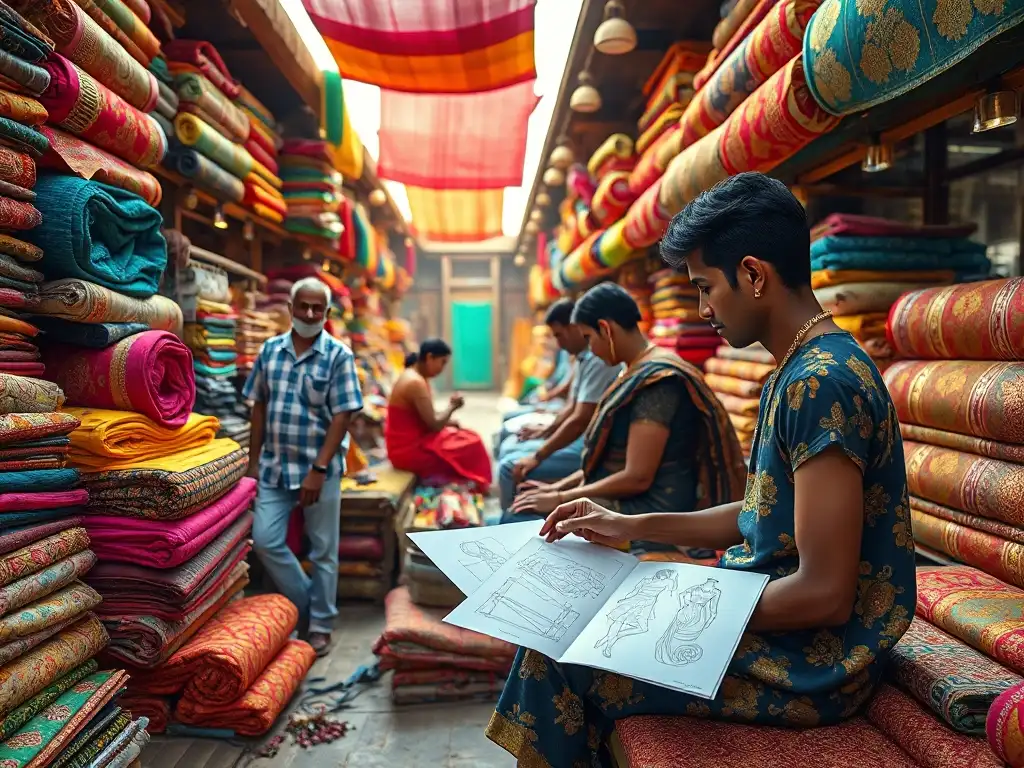
Welcome to Ancient India History, where we embark on a fascinating journey through time to uncover the rich tapestry of ancient Indian civilizations. Here, you will discover how ancient Indian fabrics influence fashion in profound ways, weaving together traditions that continue to inspire modern trends. Delve into our featured article, "Discover How Ancient Indian Fabrics Are Revolutionizing Modern Fashion Trends," and unravel the secrets of textiles that have shaped not only the past but are also setting the stage for the future of fashion.
Join us as we explore the vibrant colors, intricate designs, and cultural significance that make these fabrics timeless treasures. Your adventure into the world of ancient Indian heritage begins now!
- Introduction to Ancient Indian Fabrics and Their Influence on Modern Fashion Trends
- The Historical Context of Ancient Indian Fabrics
- How Ancient Indian Fabrics Influence Fashion Today
- The Unique Features of Ancient Indian Fabrics
- The Role of Ancient Indian Fabrics in Sustainable Fashion
- The Global Impact of Ancient Indian Fabrics on Fashion Trends
- Conclusion: The Future of Ancient Indian Fabrics in Fashion
- Call to Action: Explore Ancient Indian Fabrics in Your Wardrobe
-
Frequently Asked Questions
- What are ancient Indian fabrics known for?
- How have ancient Indian fabrics influenced modern fashion?
- What types of fabrics originated in ancient India?
- Can you name some ancient Indian civilizations that contributed to fabric production?
- Why is understanding ancient Indian textiles important for fashion?
- Final Reflection: The Timeless Influence of Ancient Indian Fabrics on Modern Fashion
- Embrace the Future: Integrate Ancient Fabrics into Your Wardrobe!
Introduction to Ancient Indian Fabrics and Their Influence on Modern Fashion Trends
Ancient Indian fabrics have long been celebrated not only for their intricate designs and vibrant colors but also for their profound cultural significance. As we explore the rich tapestry of India's textile history, we uncover how these traditional materials have transcended time, influencing modern fashion trends globally. From the luxurious silk of Varanasi to the intricate weaves of Kanchipuram, the craftsmanship behind ancient Indian fabrics continues to inspire contemporary designers. In this article, we will delve into the heritage of these textiles, their cultural importance, and how they are revolutionizing fashion today, establishing a bridge between past and present.
Understanding the Rich Heritage of Ancient Indian Textiles
The history of Indian textiles dates back thousands of years, with archaeological evidence suggesting the existence of cotton cultivation in the Indus Valley Civilization around 2500 BCE. Ancient Indian fabrics were not merely functional; they were a form of art that reflected the region's diverse cultures and traditions.
- Diverse Fabrics:
- Cotton: Known as the fabric of the masses, cotton was extensively used in ancient times, particularly in regions like Gujarat and Maharashtra.
- Silk: Revered for its luxurious feel, silk production flourished in the eastern regions of India, especially in places like Assam and West Bengal.
- Wool: Used primarily in the northern regions, woolen textiles were essential for warmth in colder climates.
The intricate techniques employed in weaving, dyeing, and embroidery were often passed down through generations, showcasing a rich legacy of craftsmanship. The block printing of Rajasthan, the ikat weaving of Odisha, and the Kalamkari art are just a few examples of how ancient methods continue to captivate modern audiences.
The Significance of Fabrics in Indian Culture and Society
Fabrics in ancient India were deeply interwoven with cultural identity and societal norms. They played pivotal roles in rituals, celebrations, and daily life.
- Cultural Identity: Different regions developed unique textiles, each representing the local culture and traditions. For instance:
- Banarasi Silk: Often worn during weddings, symbolizing prosperity and elegance.
- Phulkari: A traditional Punjabi embroidery technique that celebrates agricultural festivals.
- Social Status: The type of fabric worn often indicated one's social standing. Luxurious silks were reserved for royalty and the elite, while other materials were accessible to the masses.
- Ritualistic Importance: Fabrics were integral to religious ceremonies and rites of passage. For example, the use of specific colors and materials in wedding attire holds significant cultural meaning.
The influence of ancient Indian fabrics on modern fashion trends is both profound and multifaceted. As contemporary designers draw inspiration from these textiles, they not only celebrate their aesthetic appeal but also revive the stories and traditions that these fabrics carry. This symbiotic relationship between ancient craftsmanship and modern creativity is reshaping the fashion landscape, making it essential to understand the historical context behind these fabrics.
The Historical Context of Ancient Indian Fabrics
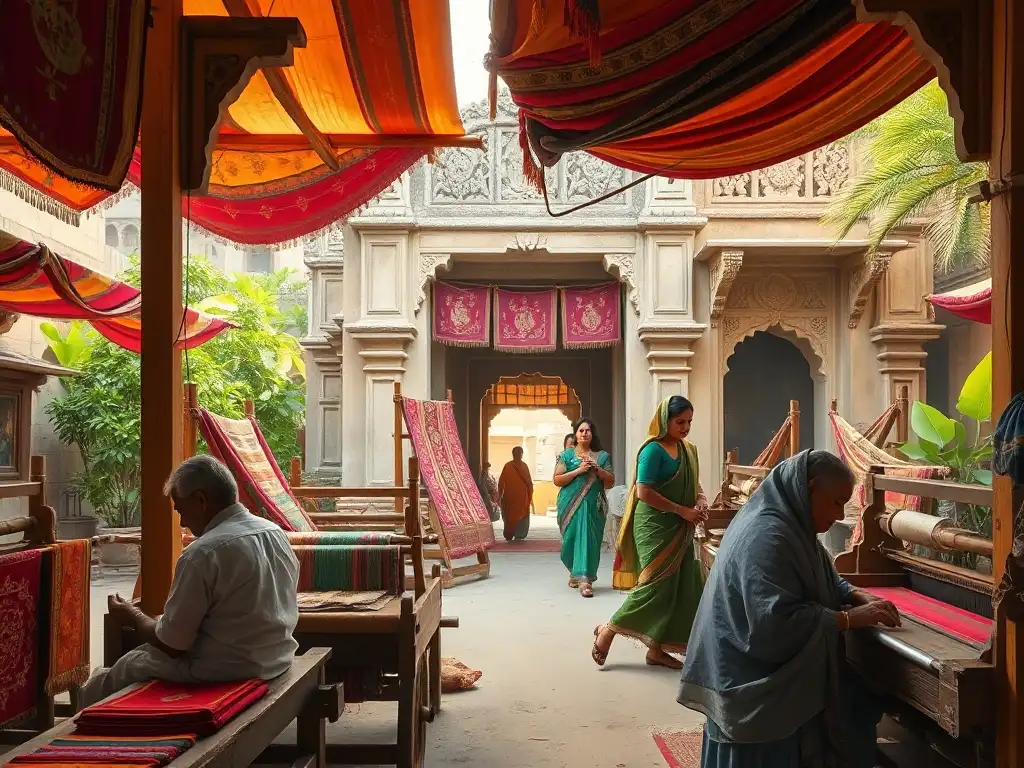
The exploration of ancient Indian fabrics reveals not only the aesthetic qualities of textiles but also the profound cultural practices and technological advancements that shaped them. Ancient Indian civilizations, from the Indus Valley to the Gupta Empire, laid the groundwork for the rich textile heritage that continues to influence modern fashion trends. These textiles were not merely functional; they were an expression of identity, status, and artistic expression, intricately woven into the cultural fabric of their time.
Overview of Ancient Indian Civilizations and Their Textiles
Ancient India was home to several sophisticated civilizations, each contributing uniquely to the development of textiles. The Indus Valley Civilization (circa 3300–1300 BCE) is often credited with the earliest known evidence of cotton weaving. This civilization's urban centers, such as Mohenjo-Daro and Harappa, showcased advanced techniques in dyeing and weaving, producing fabrics that were both durable and beautiful.
As we move through time, the Maurya (322–185 BCE) and Gupta Empires (circa 240–550 CE) further advanced textile production. The Mauryan period is noted for the royal patronage of artisans, leading to sophisticated designs, while the Gupta Empire saw the flourishing of silk textiles, with intricate patterns and vibrant colors that symbolized luxury and status.
The influence of ancient Indian fabrics extended beyond the subcontinent, affecting trade routes and interactions with neighboring cultures, including Persia and China. This exchange of ideas and techniques contributed to the evolution of textile designs that are still relevant in contemporary fashion.
Key Techniques and Materials Used in Ancient Indian Fabrics
Ancient Indian textiles were characterized by the use of natural fibers, intricate weaving techniques, and rich dyeing processes. The primary materials included cotton, silk, and wool, each serving distinct purposes and representing various aspects of daily life and culture.
Cotton Weaving in the Indus Valley Civilization
The Indus Valley Civilization is renowned for its pioneering use of cotton. Archaeological evidence indicates that cotton was cultivated and spun into fine threads, which were then woven into cloth using primitive looms.
- Techniques Used:
- Spinning: Spinning techniques involving the spindle were prevalent, allowing for the production of fine cotton yarn.
- Dyeing: Natural dyes, derived from plants and minerals, created a vibrant color palette. The use of mordants helped fix these colors, ensuring longevity.
- Cultural Significance: Cotton fabrics were not only used for clothing but also served as trade goods, facilitating economic exchange with other regions. The lightweight and breathable nature of cotton made it ideal for the hot climate of the Indian subcontinent.
Silk Production in Ancient India: A Legacy of Luxury
Silk, often associated with luxury and opulence, has deep roots in ancient Indian textile traditions. The production of silk dates back to at least the Maurya period, where it was highly prized by royalty and the elite.
- Techniques Used:
- Sericulture: The process of cultivating silkworms and harvesting silk threads was meticulously developed. This included the careful rearing of silkworms, which fed on mulberry leaves.
- Weaving: Complex weaving techniques allowed for the creation of intricate patterns, often depicting mythological themes or natural motifs.
- Cultural Significance: Silk textiles played a crucial role in ceremonies and festivity attire, symbolizing wealth and prestige. The famous Banarasi sarees and Kanchipuram silk are modern descendants of these ancient traditions, showcasing how ancient practices continue to influence contemporary fashion.
The legacy of ancient Indian fabrics, with their unique techniques and materials, continues to resonate in today’s fashion industry, highlighting the enduring influence of these civilizations on modern aesthetics and textile innovation.
How Ancient Indian Fabrics Influence Fashion Today
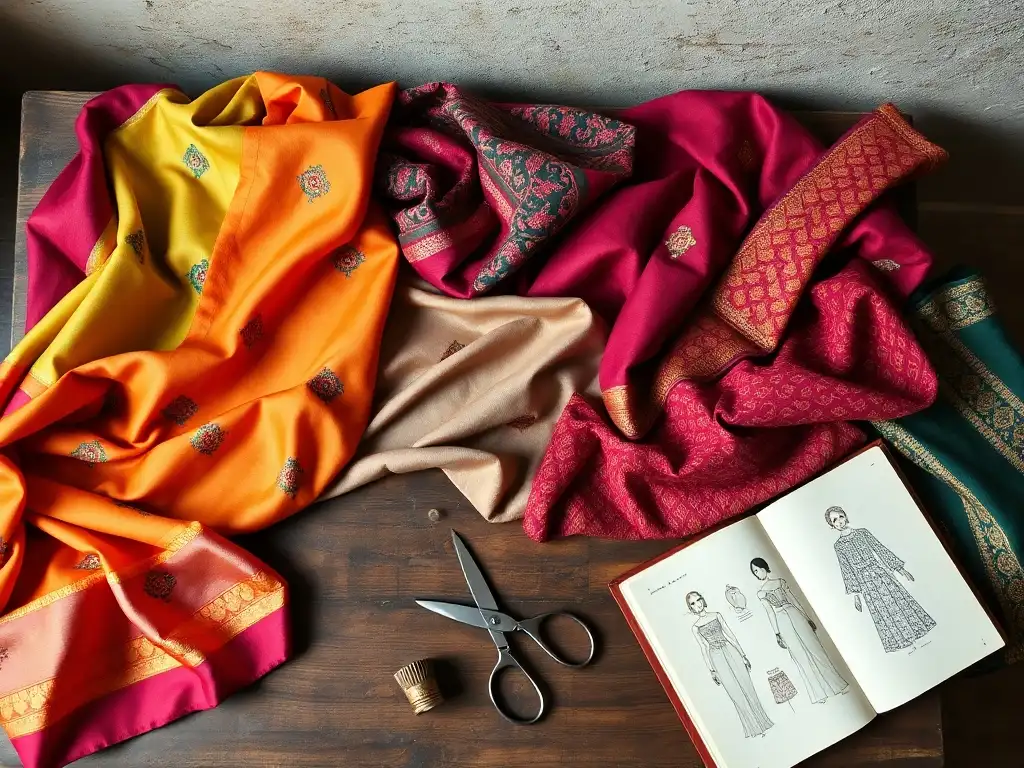
Ancient Indian fabrics have made a significant impact on contemporary fashion, bringing a rich legacy of craftsmanship and textiles into the modern era. The intricate designs, vibrant colors, and unique weaving techniques of fabrics like silk, cotton, and wool have not only preserved cultural heritage but also inspired designers worldwide. This influence is evident in the growing trend of incorporating traditional Indian textiles into modern apparel, which marries the old with the new.
The resurgence of ancient Indian fabrics in fashion is more than just a trend; it is a movement towards sustainability and authenticity. As consumers become increasingly conscious of their purchasing decisions, there is a rising demand for ethically sourced and handcrafted garments. Ancient Indian textiles, often produced through artisanal methods, align perfectly with this ethos, leading to their revival in contemporary fashion.
The Revival of Traditional Weaving Techniques in Contemporary Fashion
The revival of traditional weaving techniques is a centerpiece of the modern adaptation of ancient Indian fabrics. Techniques such as Khadi, Banarasi, and Kanjivaram weaving not only showcase the intricate craftsmanship of artisans but also tell the story of India's textile heritage. Designers are now collaborating with local weavers to create collections that reflect these age-old techniques while incorporating contemporary silhouettes.
- Sustainability: Traditional weaving often involves sustainable practices, making it a preferred choice for eco-conscious consumers.
- Artisanal Techniques: Many fashion houses are investing in preserving these techniques, ensuring that the artisans receive fair wages and recognition for their work.
- Cultural Significance: Each fabric carries its own historical and cultural significance, which adds depth to the modern designs that feature them.
By embracing these traditional methods, contemporary fashion not only revives ancient Indian fabrics but also redefines them for a global audience, ensuring their relevance in today's fashion landscape.
Popular Modern Fashion Brands Embracing Ancient Indian Textiles
Numerous fashion brands are at the forefront of integrating ancient Indian textiles into their collections, each contributing to the narrative of how these fabrics influence modern fashion. These brands celebrate the artistry of traditional textiles while adapting them to suit contemporary tastes.
Some notable brands include:
- Sabyasachi
- Anita Dongre
- Raw Mango
- Fabindia
These brands exemplify how ancient techniques can be seamlessly woven into modern aesthetics, creating garments that resonate with both history and current fashion trends.
Case Study: Sabyasachi and Their Use of Block Printing
Sabyasachi Mukherjee, a prominent name in Indian fashion, has masterfully integrated traditional block printing into his contemporary collections. Known for his opulent bridal wear and luxurious fabrics, Sabyasachi's designs often feature intricate block prints that pay homage to ancient Indian artistry.
- Techniques: The use of hand-carved wooden blocks to print patterns on fabric preserves the artisanal technique while adding a unique touch to each piece.
- Cultural Representation: Sabyasachi's collections often reflect India's diverse cultural narratives, using block printing as a means to tell stories through fabric.
- Global Appeal: His brand has gained international acclaim, showcasing how ancient Indian textiles can appeal to a global audience.
This approach not only celebrates the heritage of Indian textiles but also sets a benchmark for luxury fashion that values tradition.
Case Study: Anita Dongre and the Integration of Ikat Patterns
Anita Dongre is another influential designer who has successfully integrated ancient Indian fabrics into her contemporary fashion line. Her use of Ikat patterns—characterized by their tie-dye technique—highlights the beauty and complexity of traditional textiles.
- Sustainable Practices: Dongre emphasizes sustainability by sourcing materials from local artisans, thereby supporting traditional craftsmanship.
- Modern Aesthetics: Her designs often feature clean lines and modern silhouettes, making Ikat accessible and fashionable for today's consumers.
- Awareness and Education: By showcasing Ikat in her collections, Dongre educates her audience about the cultural significance of this traditional fabric, bridging the gap between ancient practices and modern fashion.
Through her work, Anita Dongre not only honors the artistry of ancient Indian textiles but also ensures their place in the future of fashion.
The influence of ancient Indian fabrics on modern fashion trends is not just a fleeting moment; it represents a growing appreciation for cultural heritage and sustainable practices in the fashion industry. As more designers embrace these textiles, the narrative of ancient craftsmanship continues to evolve, inspiring future generations while retaining the essence of its origins.
The Unique Features of Ancient Indian Fabrics
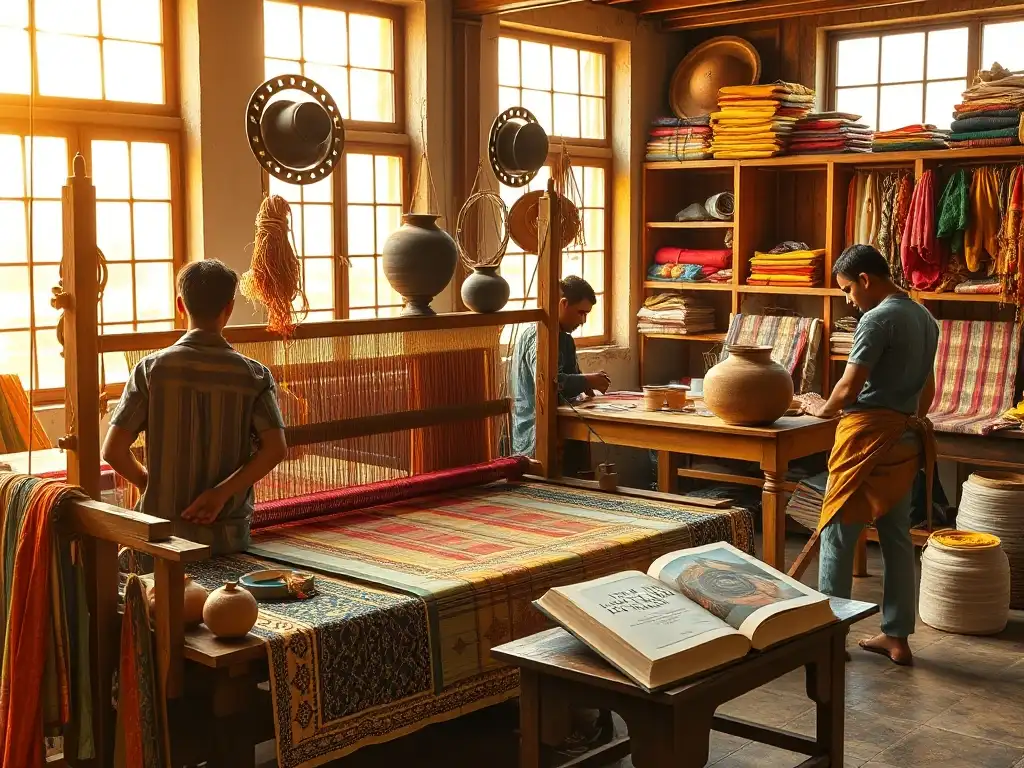
Ancient Indian fabrics are renowned for their intricate designs, vibrant colors, and the unique techniques employed in their production. These textiles are not merely pieces of clothing; they embody the cultural narratives and artisanal traditions that have been passed down through generations. The distinctive characteristics of these fabrics make them particularly appealing in the context of modern fashion, where there is a growing demand for authenticity and sustainability.
Natural Dyes and Sustainable Practices: A Modern Necessity
One of the standout features of ancient Indian fabrics is the use of natural dyes, which have been a staple in textile production for centuries. These dyes are derived from plants, minerals, and insects, providing a rich palette of colors while being environmentally friendly.
- Benefits of Natural Dyes:
- Eco-Friendly: Unlike synthetic dyes, natural dyes are biodegradable and do not contribute to water pollution.
- Health Benefits: Fabrics dyed with natural substances are less likely to cause skin irritations, making them ideal for sensitive skin.
- Cultural Significance: Many natural dyes have historical importance, associated with specific regions and traditional practices.
Sustainable Practices in Ancient Textiles
The production methods of ancient Indian fabrics often emphasized sustainability, utilizing local materials and traditional craftsmanship. This not only supported local economies but also fostered a deeper connection between the fabric and its cultural roots.
- Examples of Sustainable Practices:
- Handloom Weaving: Many ancient textiles were produced on handlooms, which require minimal energy compared to industrial machines.
- Organic Materials: Fabrics were often made from organic fibers like cotton and silk, which are renewable resources.
- Community Involvement: Many textile practices involved entire communities, ensuring that traditional skills were preserved and passed on.
The Textural Diversity of Fabrics: From Khadi to Brocade
Ancient Indian textiles showcase a remarkable range of textures, each with its own unique story and significance. Two prominent examples are Khadi and Brocade, both of which have found new life in contemporary fashion.
Pros and Cons of Using Khadi in Modern Fashion
Khadi, a handspun and handwoven fabric, is not only a symbol of India’s independence movement but also a sustainable choice for modern fashion.
- Pros:
- Sustainability: Being handwoven, Khadi uses less energy and supports local artisans.
- Breathability: Khadi is known for its breathable nature, making it ideal for various climates.
- Versatility: It can be dyed and styled in numerous ways, appealing to contemporary designers.
- Cons:
- Cost: The labor-intensive process can make Khadi more expensive than mass-produced fabrics.
- Availability: While there is growing interest, authentic Khadi may be harder to find in mainstream fashion outlets.
The Allure of Brocade in High Fashion Collections
Brocade, characterized by its rich patterns and luxurious texture, has been a favored fabric in royal attire for centuries. Its intricate designs often include gold and silver threads, making it a staple in high fashion.
- Features of Brocade:
- Opulent Visuals: The use of metallic threads adds a touch of grandeur, perfect for haute couture.
- Cultural Heritage: Brocade reflects the artistic skills of ancient weavers, encapsulating the historical essence of Indian textiles.
- Modern Adaptations: Designers are creatively incorporating brocade into contemporary garments, such as jackets and dresses, blending tradition with modern aesthetics.
The enduring appeal of ancient Indian fabrics like Khadi and Brocade not only enhances modern fashion trends but also promotes a conscious approach to clothing that honors cultural heritage and embraces sustainability. As the fashion industry continues to evolve, the influence of ancient Indian fabrics remains a vital element in shaping contemporary styles.
The Role of Ancient Indian Fabrics in Sustainable Fashion
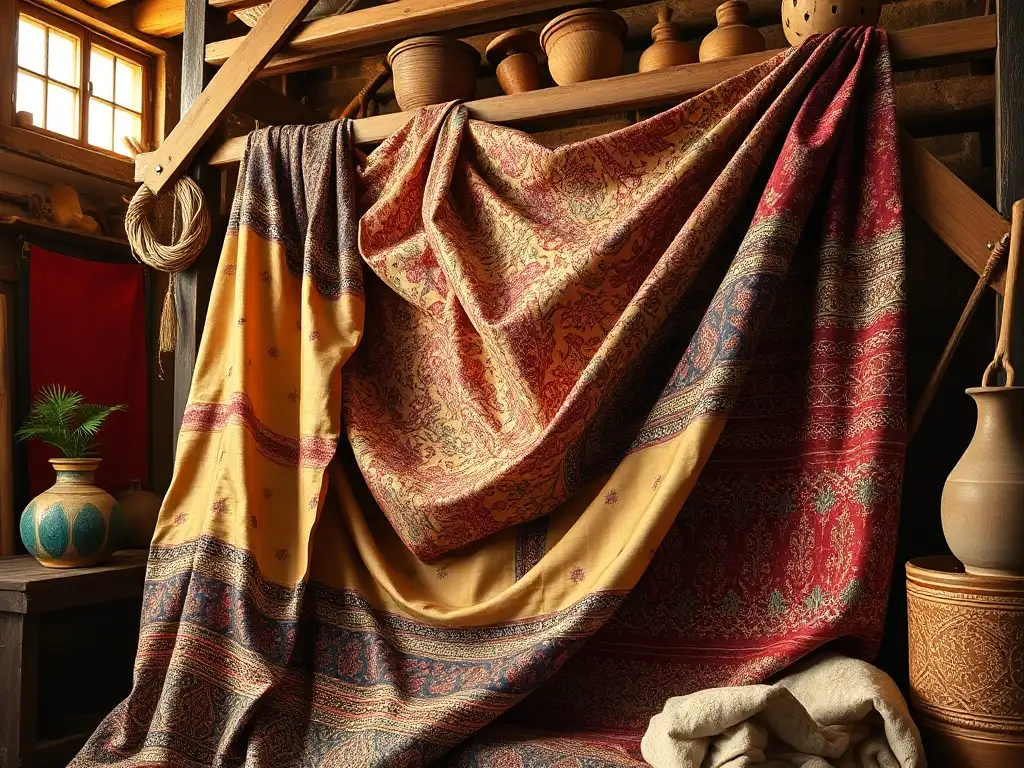
Ancient Indian fabrics, renowned for their intricate designs and remarkable craftsmanship, are making a significant impact on modern fashion, particularly in the realm of sustainable fashion. The revival of these traditional textiles offers a unique opportunity to blend historical artistry with contemporary eco-conscious practices. As consumers increasingly seek sustainable options, the influence of ancient Indian fabrics is not only a nod to the past but also a step towards a more sustainable future for the fashion industry.
How Ancient Techniques Promote Eco-Friendly Fashion Choices
Ancient Indian textile techniques, such as hand-weaving, natural dyeing, and block printing, inherently support sustainable fashion choices. These methods often rely on local materials and environmentally friendly practices, making them a perfect fit for today’s eco-conscious consumers.
- Hand Weaving: This age-old practice minimizes the carbon footprint associated with mass production. Handlooms utilize minimal energy—often just the weaver’s physical effort—resulting in less environmental impact.
- Natural Dyes: Derived from plants, minerals, and insects, natural dyes replace harmful synthetic dyes that pollute waterways and contribute to health issues. The use of vibrant, organic dyes not only preserves traditional knowledge but also aligns with modern sustainability goals.
- Block Printing: This technique often employs eco-friendly inks and requires minimal resources in terms of water and energy, making it an ideal method for producing sustainable fashion items.
The revival of these ancient techniques not only preserves cultural heritage but also promotes a sustainable fashion ecosystem that values quality, craftsmanship, and environmental stewardship.
Examples of Sustainable Brands Using Ancient Indian Fabrics
Several modern fashion brands are successfully integrating ancient Indian fabrics into their collections, demonstrating how traditional textiles can be reimagined for contemporary aesthetics while promoting sustainability.
Highlighting Dastkar: A Sustainable Fashion Success Story
Dastkar is a pioneer in the sustainable fashion movement, focusing on reviving traditional crafts and supporting artisans across India. By utilizing ancient Indian fabrics and techniques, Dastkar creates unique clothing and accessories that resonate with eco-conscious consumers.
- Artisan Empowerment: Dastkar collaborates with local artisans, ensuring fair wages and preserving traditional craftsmanship. This model not only sustains the livelihood of these artisans but also keeps ancient skills alive.
- Sustainable Practices: The brand emphasizes the use of organic materials and natural dyes, further enhancing its commitment to sustainability. Dastkar's collections showcase a diverse range of textiles, from hand-loomed cottons to exquisite silk, all crafted with respect for the environment.
Exploring Good Earth: Innovations in Textile Recycling
Good Earth is another exemplary brand that embodies the fusion of ancient Indian fabrics and modern sustainability practices. Known for its luxurious textiles and home décor, Good Earth incorporates innovative recycling methods to minimize waste and promote sustainable fashion.
- Textile Recycling Initiatives: The brand actively engages in recycling old textiles, transforming them into new fashion pieces. This not only reduces landfill waste but also gives a second life to beautiful fabrics that carry their own histories.
- Cultural Heritage: Good Earth celebrates India's rich textile heritage by incorporating ancient techniques and designs into their modern fashion collections. Their commitment to sustainability and cultural preservation makes them a standout in the fashion industry.
By embracing these sustainable practices, brands like Dastkar and Good Earth are leading the way in showcasing how ancient Indian fabrics can influence fashion and contribute to a more sustainable future. The revival and adaptation of these traditional textiles demonstrate that fashion can be both stylish and environmentally responsible, setting a precedent for future generations.
The Global Impact of Ancient Indian Fabrics on Fashion Trends
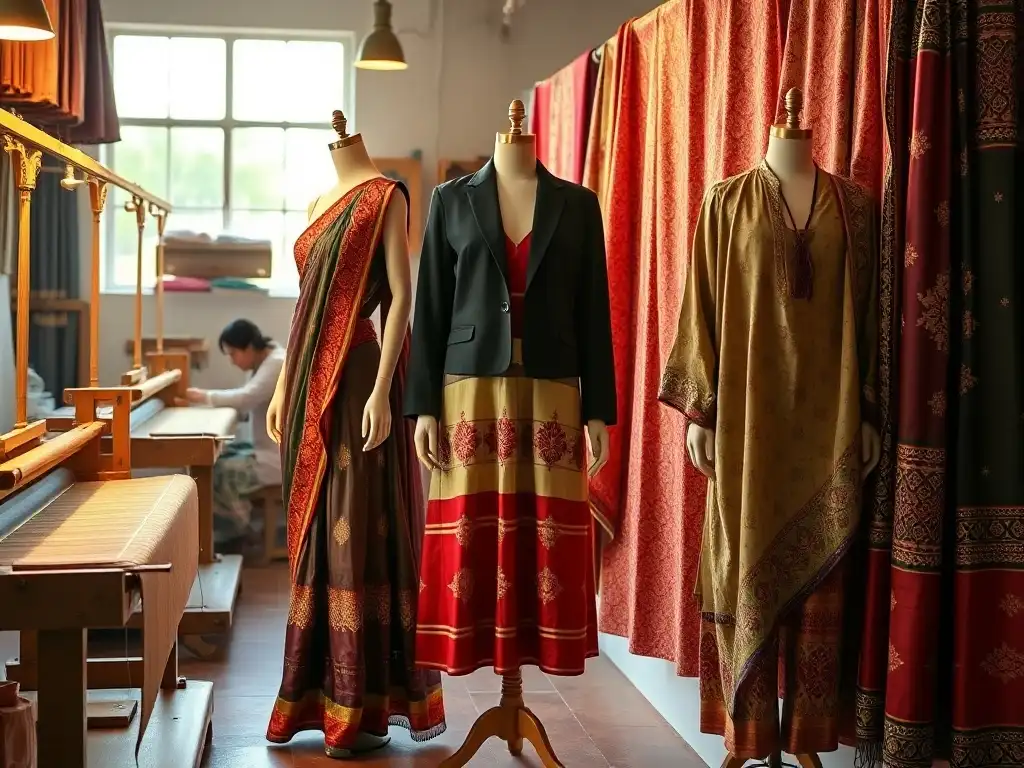
The influence of ancient Indian fabrics on global fashion trends is profound and far-reaching. From the intricate weaves of the Indus Valley civilization to the luxurious silks of the Mughal era, these textiles have transcended their historical origins to become pivotal in contemporary fashion. The diverse range of fabrics, such as cotton, silk, and wool, each with unique weaving techniques and patterns, have inspired designers worldwide to incorporate traditional elements into modern collections.
How International Designers are Inspired by Indian Textiles
International designers are increasingly looking to ancient Indian fabrics as a source of inspiration. The rich history and cultural significance of these textiles offer a deep well of creativity. Notably, block printing, ikat, and brocade techniques have found their way into the collections of high-end fashion houses.
- Block Printing: This ancient technique involves hand-carving designs into wooden blocks, which are then stamped onto fabric. Designers such as Isabel Marant have incorporated block-printed fabrics into their collections, celebrating the artistry and individuality of each piece.
- Ikat: Known for its unique dyeing process that creates intricate patterns, ikat has been embraced by several global brands. The use of ikat in contemporary garments not only preserves traditional craftsmanship but also adds a layer of depth and texture that appeals to modern consumers.
- Brocade: Often associated with opulence, brocade fabrics adorned with gold and silver threads are being reimagined in modern silhouettes. Designers like Dolce & Gabbana have utilized brocade to create striking evening wear that pays homage to its historical roots.
The vibrant colors and intricate designs of these fabrics are not only visually appealing but also tell stories of India's rich cultural heritage, making them a favorite among designers who wish to add a narrative element to their collections.
The Fusion of Ancient and Modern: Trend Analysis
The fusion of ancient Indian textiles with modern fashion trends has resulted in a unique aesthetic that resonates with a global audience. This blending is evident in several key areas:
- Sustainable Fashion: As the fashion industry moves towards sustainability, ancient Indian fabrics are being recognized for their eco-friendly production methods. The use of natural dyes and handloom weaving aligns with the contemporary demand for sustainable practices.
- Bohemian Chic: The bohemian trend, characterized by free-spirited styles and vibrant prints, often incorporates ancient Indian textiles. Flowy silhouettes made from khadi or handwoven cotton resonate well with this style, creating a perfect fusion of comfort and elegance.
- Cultural Appreciation: The rise of cultural appreciation in fashion has led to a more respectful and informed use of traditional textiles. Designers are increasingly collaborating with Indian artisans to create collections that honor the craftsmanship and history behind the fabrics.
| Trend | Ancient Indian Influence | Modern Adaptation |
|---|---|---|
| Sustainable Fashion | Natural dyes, handloom weaving | Eco-friendly collections |
| Bohemian Chic | Khadi, block prints | Flowy silhouettes and vibrant styles |
| Cultural Appreciation | Collaborations with artisans | Respectful incorporation of traditions |
This trend analysis illustrates how ancient Indian fabrics are not only influencing fashion aesthetics but also driving important conversations about sustainability and cultural respect in the industry.
Notable Collaborations: Stella McCartney and Ancient Indian Fabrics
A prime example of the successful integration of ancient Indian fabrics into modern fashion is the collaboration between Stella McCartney and Indian artisans. McCartney, known for her commitment to sustainability and animal rights, has drawn inspiration from traditional Indian textiles to create collections that are both innovative and respectful of cultural heritage.
- Sustainable Practices: McCartney's use of organic cotton and eco-friendly dyes reflects a deep commitment to sustainability, aligning with the principles of traditional Indian textile production.
- Artisanal Techniques: By collaborating with Indian artisans, McCartney incorporates traditional weaving and dyeing techniques into her designs, providing a platform for these crafts to gain global recognition.
- Fashion Statements: The resulting garments not only showcase the beauty of ancient Indian fabrics but also make strong statements about modern fashion's potential to be both ethical and stylish.
This collaboration illustrates how ancient Indian fabrics continue to inspire and revolutionize the fashion industry, proving that their influence on modern trends is both significant and enduring.
Conclusion: The Future of Ancient Indian Fabrics in Fashion
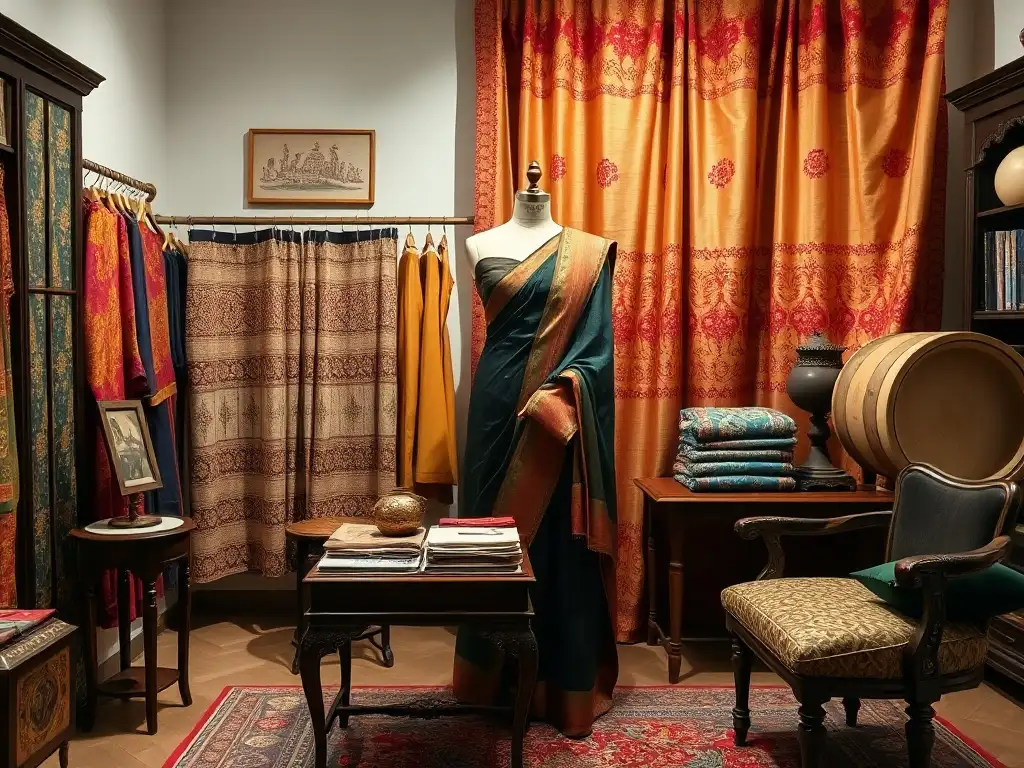
The influence of ancient Indian fabrics on contemporary fashion is not a fleeting trend but a significant movement that reinvigorates the industry with cultural depth and sustainability. As designers and brands increasingly recognize the value of heritage textiles, the future of fashion is poised for a transformation rooted in the rich traditions of ancient Indian craftsmanship. By seamlessly integrating these time-honored techniques and materials into modern aesthetics, the fashion world can create pieces that resonate with both history and current consumer values.
Embracing Heritage: The Next Wave of Fashion Innovation
The resurgence of ancient Indian fabrics is not merely about nostalgia; it signifies a profound shift in how fashion is conceptualized and produced. Designers are tapping into the intricate weaves, vibrant colors, and cultural narratives embedded in textiles like khadi, banarasi silk, and ikat. This revival is characterized by:
- Innovative Design: Fashion designers are reinterpreting traditional motifs and patterns, merging them with contemporary silhouettes. For instance, a classic saree can be transformed into a chic dress, showcasing the versatility of ancient fabrics.
- Cultural Storytelling: Each piece crafted from ancient textiles carries a story, reflecting the regional identities and artisanship of its origins. Modern consumers, increasingly drawn to the narratives behind their clothing, find deeper connections with garments that embody cultural significance.
- Collaborations: Many fashion houses are collaborating with artisans and weavers, ensuring that the craftsmanship of ancient Indian textiles is preserved while also providing economic support to local communities. This symbiotic relationship fosters innovation while maintaining authenticity.
The fusion of heritage and modernity not only revolutionizes fashion trends but also invites consumers to appreciate the artistry involved in creating sustainable and meaningful fashion.
Encouraging Sustainable Practices Through Ancient Wisdom
As the fashion industry grapples with the challenges of sustainability, ancient Indian fabrics offer a blueprint for more responsible practices. The eco-friendly techniques and materials used in traditional textile production can inspire contemporary brands to adopt sustainable methodologies, such as:
- Natural Dyes: Ancient Indian textiles often utilized plant-based dyes, which are not only environmentally friendly but also create unique color palettes. Modern brands can explore these natural dyeing techniques to reduce their ecological footprint.
- Slow Fashion: The principles of slow fashion align closely with traditional practices, emphasizing quality over quantity. By focusing on handmade, durable products crafted from ancient fabrics, brands can promote a consumption model that values longevity and ethical production.
- Revival of Traditional Techniques: Techniques such as handloom weaving and block printing not only reduce reliance on mechanized processes but also preserve ancient skills that are at risk of fading away. Encouraging the use of these techniques supports artisan communities and keeps heritage alive.
Incorporating these sustainable practices into modern fashion not only honors the legacy of ancient Indian fabrics but also creates a more mindful approach to clothing production and consumption. As the industry moves forward, the integration of ancient wisdom into contemporary practices will undoubtedly shape a more sustainable and culturally rich future for fashion.
Call to Action: Explore Ancient Indian Fabrics in Your Wardrobe
Ancient Indian fabrics are not just a testament to the craftsmanship of bygone eras; they have also made a significant impact on contemporary fashion trends. By integrating these timeless textiles into modern wardrobes, you can embrace the rich heritage of India while showcasing unique styles that stand out.
The vibrant colors, intricate patterns, and diverse textures of ancient Indian fabrics, such as silk, cotton, and wool, offer an array of options for fashion enthusiasts. Whether you are looking for traditional attire or modern silhouettes, these fabrics can be adapted to suit various occasions and personal styles.
To help you get started on your journey to incorporate ancient Indian fabrics into your wardrobe, consider exploring the following recommended retailers and online platforms that specialize in showcasing these exquisite textiles.
Recommended Retailers and Online Platforms
Shop Ancient Indian Fabrics at FabIndia
FabIndia is a renowned retailer that focuses on traditional Indian textiles, offering a wide selection of clothing, home décor, and accessories crafted from ancient Indian fabrics. Their commitment to sustainable practices and local artisans ensures that each piece reflects the rich cultural heritage of India.
- Product Range: FabIndia offers a variety of products, including:
- Ethnic wear such as sarees, kurtas, and dupattas made from handwoven fabrics.
- Contemporary clothing styles that incorporate traditional prints and weaves.
- Home textiles like bedspreads, table linens, and cushion covers featuring ancient fabric techniques.
- Sustainability: By choosing to shop at FabIndia, you not only support local artisans but also promote sustainable fashion practices. The brand emphasizes eco-friendly sourcing and production methods.
Discover Unique Pieces at Etsy
Etsy is a global online marketplace that connects you with independent artisans and designers who create unique and handcrafted products. It’s an excellent platform for discovering one-of-a-kind items made from ancient Indian fabrics.
- Unique Offerings: On Etsy, you can find:
- Handcrafted garments that blend traditional techniques with modern styles.
- Accessories such as bags, scarves, and jewelry made from ancient textiles.
- Home décor items that feature intricate embroidery and traditional patterns.
- Support Local Artisans: Shopping on Etsy allows you to support small businesses and independent creators who often use traditional methods and materials, ensuring that the rich history of ancient Indian fabrics continues to thrive.
Integrating ancient Indian fabrics into your wardrobe is not only a celebration of artistry and culture but also a way to make a bold fashion statement. Explore these retailers today and discover how the influence of ancient Indian fabrics can enhance your personal style!
Frequently Asked Questions
What are ancient Indian fabrics known for?
Ancient Indian fabrics are celebrated for their rich textures, vibrant colors, and intricate weaving techniques. They showcase a unique blend of cultural heritage and craftsmanship.
How have ancient Indian fabrics influenced modern fashion?
Ancient Indian fabrics have inspired contemporary designers by introducing traditional patterns and sustainable materials. This fusion creates a vibrant modern aesthetic that respects historical artistry.
What types of fabrics originated in ancient India?
Some notable fabrics include cotton, silk, and wool, each with its unique weaving styles like chikan, ikat, and brocade. These materials laid the foundation for India's textile industry.
Can you name some ancient Indian civilizations that contributed to fabric production?
Key civilizations include the Indus Valley Civilization, known for its advanced weaving techniques, and the Maurya and Gupta Empires, which excelled in trade and textile arts.
Why is understanding ancient Indian textiles important for fashion?
Understanding these textiles is crucial as they provide insight into cultural significance and innovation in fashion. Their ecological practices and craftsmanship can guide modern fashion towards sustainability.
Final Reflection: The Timeless Influence of Ancient Indian Fabrics on Modern Fashion
The resurgence of ancient Indian fabrics in contemporary fashion underscores a significant cultural renaissance that bridges history and modernity. As we navigate a world increasingly defined by fast fashion and fleeting trends, the enduring appeal of these textiles serves as a powerful reminder of the artistry and craftsmanship that have shaped our sartorial choices for centuries. The intricate weaves, vibrant colors, and rich stories embedded in these fabrics not only enhance our wardrobes but also connect us to a deeper narrative of heritage and identity.
The influence of ancient Indian fabrics extends far beyond mere aesthetics; it is a testament to the cultural dialogue that continues to evolve in the fashion industry. As designers draw inspiration from traditional techniques, they challenge the norms of contemporary fashion, fostering a greater appreciation for sustainability and ethical practices. This shift is encapsulated in the words of fashion designer Anamika Khanna: Fashion is not just about clothing; it’s about the stories we tell and the cultures we honor.
By embracing these narratives, we enrich our understanding of fashion as a living art form that reflects our values and aspirations.
As you reflect on the insights shared in this article, consider how you can incorporate the essence of ancient Indian fabrics into your own life and style. Embrace the stories behind the garments you choose and support the artisans who keep these traditions alive. Let the beauty and significance of these textiles inspire you to make more conscious fashion choices, honoring the past while shaping a more sustainable future. Together, we can celebrate the timeless influence of ancient Indian fabrics and ensure their legacy continues to thrive in modern fashion.
Embrace the Future: Integrate Ancient Fabrics into Your Wardrobe!
Thank you for diving into the rich world of ancient Indian fabrics with us! You’ve explored how these timeless textiles are shaping contemporary fashion trends, bringing a unique blend of culture and style to modern wardrobes. Now, it's time to take action and make these vibrant fabrics a part of your life!
Here are a few practical steps you can take to celebrate and incorporate these historic textiles:
- Start your journey by exploring local boutiques or online stores that specialize in fashion inspired by ancient Indian fabrics. Consider investing in a piece that resonates with your personal style!
- Share your favorite fabric finds on social media to inspire others and join a community of enthusiasts celebrating this unique blend of heritage and innovation.
- Learn a new skill! Try your hand at fabric dyeing or weaving by enrolling in a workshop dedicated to ancient Indian techniques. Not only will you create something beautiful, but you’ll also gain a deeper appreciation for the craft.
As you contemplate the next steps in your fashion journey, remember: How can you enhance your personal style by weaving in the stories and heritage of ancient Indian textiles?