
The Role of Poetry in Ancient Indian Society: Reflection of Culture and Values

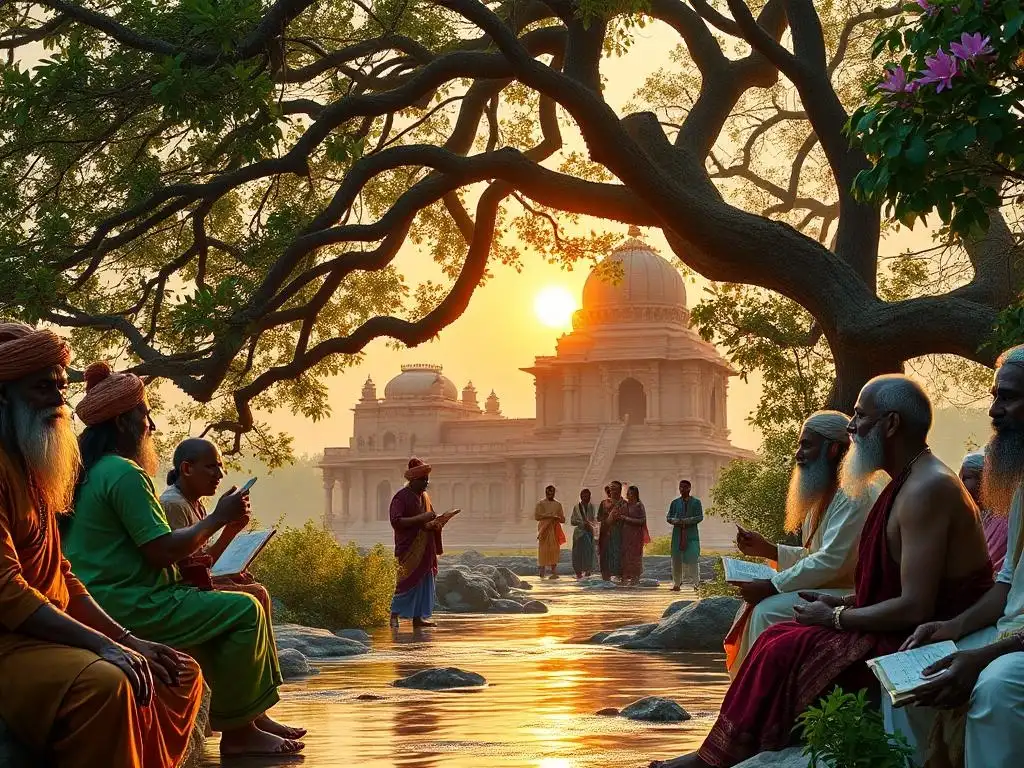
Welcome to Ancient India History, where we invite you to journey through the vibrant tapestry of ancient Indian poetry culture. In our featured article, "The Role of Poetry in Ancient Indian Society: Reflection of Culture and Values," explore how the lyrical verses of yesteryears not only entertained but also conveyed profound societal values and cultural insights.
Discover the nuances of poetic expression that shaped the lives of ancient Indians, and unlock the secrets of a civilization rich in literary heritage. Dive deeper as we unravel the threads that connect poetry to the very essence of Indian society—your exploration begins now!
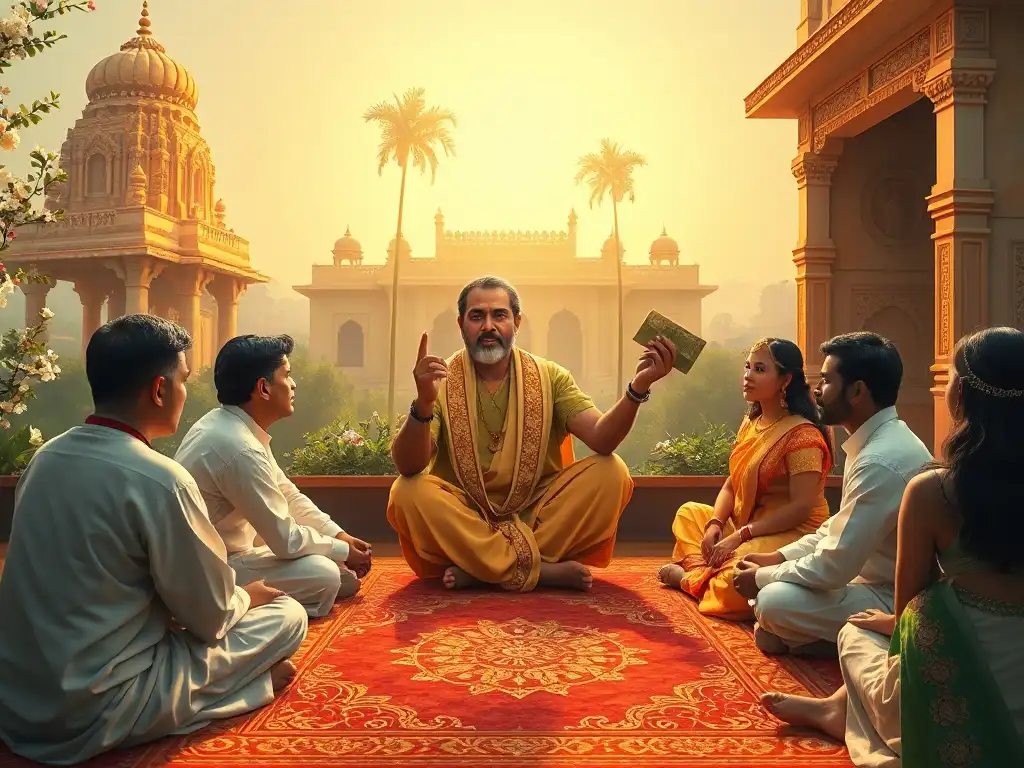
Introduction to Ancient Indian Poetry Culture
Ancient Indian poetry is a profound reflection of the rich tapestry of culture, values, and beliefs that characterized the various civilizations of the subcontinent. Spanning thousands of years, poetry served not only as a medium of artistic expression but also as a vital tool for the transmission of ideas, philosophies, and social norms.
The intricate interplay between poetry and society in ancient India reveals much about the collective consciousness of its people, their aspirations, and their struggles. From the spiritual verses of the Vedas to the romantic and devotional poetry of later periods, ancient Indian poetry encapsulates the essence of human experience, making it a crucial area of study for understanding the broader cultural landscape.
Overview of Ancient Indian Poetry
Ancient Indian poetry can be categorized into several distinct periods, each marked by unique styles, themes, and forms. The earliest forms of poetry are found in the Vedas, composed around 1500 BCE, where hymns and chants were used in religious rituals. As time progressed, poetry evolved, incorporating a variety of themes, including love, nature, philosophy, and morality.
- Vedic Poetry: Characterized by its rhythmic and metrical structure, Vedic poetry is primarily religious and philosophical in nature. It laid the groundwork for subsequent literary traditions.
- Sanskrit Poetry: Flourishing during the classical period, Sanskrit poetry introduced intricate poetic forms such as the shloka and geet. Notable poets like Kalidasa and Bhavabhuti emerged during this time, contributing significantly to the literary heritage.
- Regional Poetry: With the rise of regional languages, poetry began to flourish in various dialects, reflecting local cultures, traditions, and narratives.
Significance of Poetry in Cultural Expression
Poetry in ancient India served as a powerful means of cultural expression, reflecting the values and ideals of society. It played a crucial role in:
- Preserving Oral Traditions: As a mnemonic device, poetry helped in the preservation and transmission of oral traditions, stories, and folklore across generations.
- Facilitating Social Commentary: Poets often used their verses to critique social norms, celebrate victories, or mourn losses, thereby influencing public opinion and cultural discourse.
- Fostering Spirituality: Many poetic works were imbued with spiritual themes, serving as a bridge between the divine and the human experience, thus enriching the spiritual life of the community.
Historical Context of Poetry in Ancient India
Understanding the historical context of poetry in ancient India is essential for appreciating its evolution and impact on society.
The Evolution of Poetry from the Vedic Period
The Vedic period marked the inception of structured poetry, primarily focused on rituals and spirituality. Over the centuries, this form evolved into various genres, including philosophical discourses and lyrical compositions. Key milestones in this evolution include:
- The Upanishads: These texts introduced profound philosophical ideas through poetic dialogues, exploring concepts like Brahman (ultimate reality) and Atman (soul).
- Epic Poetry: The Mahabharata and Ramayana not only narrated grand tales of heroism and morality but also incorporated poetic forms that enriched the storytelling experience.
Major Literary Contributions Across Different Eras
Each era in ancient Indian history made significant literary contributions, shaping the landscape of poetry:
- Classical Era (4th to 6th Century CE): This period saw the emergence of renowned poets such as Kalidasa, whose works like Shakuntala and Meghaduta exemplified the artistic excellence of Sanskrit poetry.
- Bhakti Movement (7th to 17th Century CE): The proliferation of devotional poetry in regional languages allowed a broader audience to engage with spiritual themes, fostering a sense of community and cultural identity.
Throughout these periods, ancient Indian poetry not only mirrored the societal values and cultural practices of the time but also played a pivotal role in shaping the very fabric of Indian civilization. 🌿
Themes and Motifs in Ancient Indian Poetry
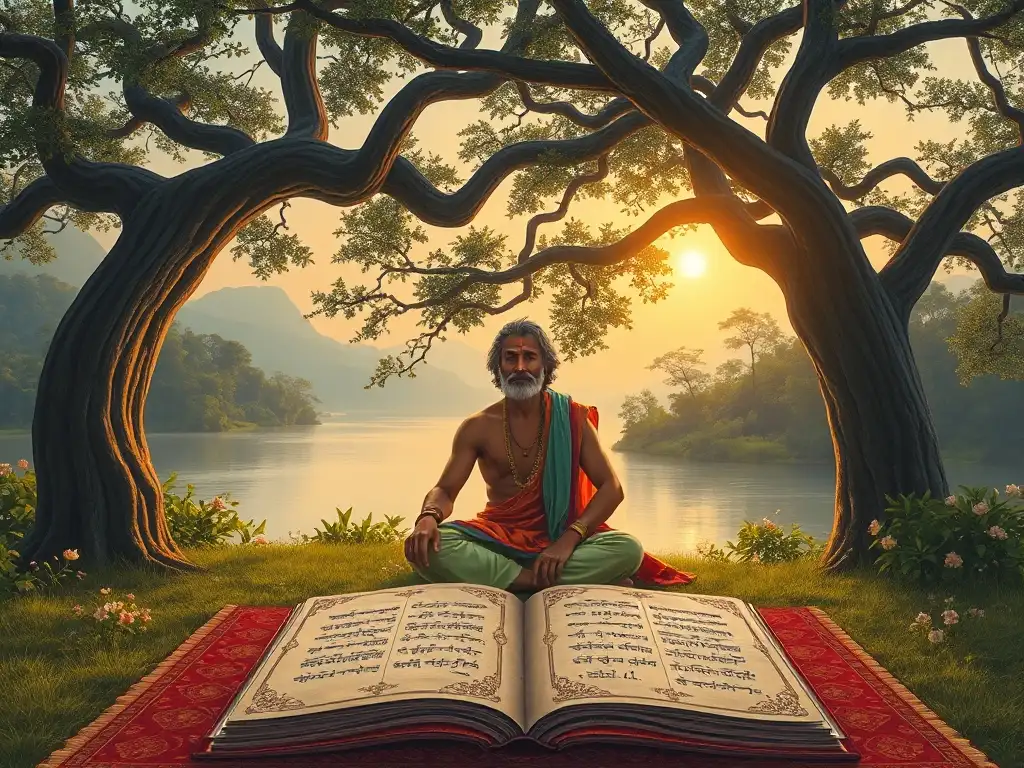
Ancient Indian poetry is characterized by its rich themes and intricate motifs, reflecting the multifaceted nature of Indian culture and society. The poetry of this era often served as a mirror, showcasing the values, beliefs, and emotions prevalent among people. Major themes include love, nature, spirituality, and social issues, each contributing to a deeper understanding of the ancient Indian worldview.
Exploration of Love and Nature in Poetry
One of the most prominent themes in ancient Indian poetry is love, often depicted through the lens of romantic and devotional relationships. Poets utilized metaphors and symbols drawn from nature to express love's complexity and beauty. For instance, the imagery of blooming flowers, flowing rivers, and the changing seasons captures the essence of longing and desire.
Poets like Jayadeva in his "Gita Govinda" illustrated the divine love between Radha and Krishna, emphasizing the interplay of human emotions with natural elements. Nature not only enhances the aesthetic quality of poetry but also serves as a backdrop for the exploration of love, making it a vital aspect of ancient Indian poetic tradition.
Spirituality and Philosophy Reflected in Poetic Works
Ancient Indian poetry frequently delves into themes of spirituality and philosophy, reflecting the profound quest for meaning and understanding of existence. Texts like the Bhagavad Gita, although primarily philosophical, incorporate poetic elements that convey deep spiritual truths. The verses encapsulate the essence of duty, righteousness, and the pursuit of knowledge.
Moreover, poets like Tulsidas in "Ramcharitmanas" and Kabir in his couplets (dohas) explore the relationship between the individual and the divine, seeking to bridge the gap between worldly existence and spiritual enlightenment. The incorporation of philosophical discourses within poetic forms showcases the unique blend of art and spirituality in ancient Indian literature.
Social and Political Commentary in Ancient Poems
Ancient Indian poetry also served as a platform for social and political commentary, reflecting the realities of the time. Poets often addressed issues such as caste, gender roles, and societal norms, providing insights into the complexities of ancient Indian life.
For example, Bhartrihari in his "Shatakatraya" critiques social conventions and human behavior, while Khalil Gibran highlights the struggles of the common people against oppression. Through poignant verse, these poets not only entertained but also educated their audiences, advocating for change and introspection.
Key Poets and Their Contributions to Ancient Indian Poetry Culture
Ancient Indian poetry boasts a rich tapestry of influential poets whose works have left an indelible mark on the culture. These poets not only shaped literary traditions but also influenced the philosophical and moral landscape of their times.
Notable Figures in Ancient Indian Poetry
Some of the most notable figures in ancient Indian poetry include Kalidasa, Bhartrihari, Tulsidas, and Mirabai. Each of these poets brought a unique voice and perspective to their works, contributing to the diverse landscape of ancient poetry.
- Kalidasa is often hailed as the greatest Sanskrit poet, renowned for his lyrical depictions of love and nature.
- Bhartrihari is celebrated for his aphoristic poetry that explores the human condition.
- Tulsidas is revered for his devotional poetry that popularized the story of Lord Rama.
- Mirabai, a mystic poet, expressed her deep devotion through verses that challenged societal norms.
The Impact of Kalidasa on Classical Poetry
Kalidasa's influence on classical poetry is profound and enduring. His works, particularly "Shakuntala" and "Meghaduta," are celebrated for their exquisite use of language and imagery. Kalidasa's ability to weave emotion and nature into his narratives set a benchmark for future poets.
His exploration of themes such as love, loss, and longing resonated deeply with audiences, making his poetry timeless. Moreover, Kalidasa's innovations in poetic forms paved the way for subsequent generations of poets, establishing a legacy that continues to inspire.
Contributions of Other Renowned Poets
In addition to Kalidasa, several other poets made significant contributions to ancient Indian poetry culture. Bhasa, an early dramatist, enriched the literary landscape with his plays, while Bhavabhuti introduced themes of heroism and devotion in works like "Malati-Madhava."
Jayadeva, celebrated for his lyrical poetry, not only highlighted the themes of love but also integrated devotional elements that appealed to the spiritual sentiments of the time. Each of these poets played a crucial role in shaping the cultural and literary heritage of ancient India, ensuring that their voices resonate through the ages.
Poetry as a Reflection of Ancient Indian Values
Ancient Indian poetry serves as a vibrant mirror reflecting the values, beliefs, and social structures of its time. The themes woven into the verses often highlight core principles such as dharma (duty/righteousness), artha (prosperity), kama (pleasure), and moksha (liberation). Through poetic expressions, poets articulated the moral and ethical dilemmas faced by individuals, offering insight into how societal norms shaped personal decisions and actions.
The poetic forms also encapsulated the prevailing cultural ethos, showcasing the significance of familial bonds, community, and social responsibilities. For instance, the verses from the Mahabharata and Ramayana not only narrate epic tales but also impart moral lessons that underscored the virtues of loyalty, honor, and justice. These narratives played a crucial role in reinforcing communal values and guiding societal conduct, making poetry a vital component of ancient Indian civilization.
The Role of Dharma and Ethics in Poetry
Dharma and ethics are pivotal themes in ancient Indian poetry, serving as guiding principles for both individuals and society. Poets often explored the complex interplay between personal desires and societal obligations, encouraging a balance that upheld moral integrity. Works such as the Bhagavad Gita delve into the concept of righteous action, illustrating how poetry can provide philosophical foundations for ethical living.
In addition, poems frequently addressed the consequences of deviating from dharma, offering cautionary tales that resonated with audiences. This ethical dimension not only reflected individual aspirations but also reinforced communal values, fostering a sense of accountability and collective identity among listeners.
Gender Roles and Representation in Ancient Poetry
The representation of gender roles in ancient Indian poetry is a multifaceted subject, revealing both traditional norms and evolving perspectives. Women's voices, though often marginalized, found expression through various poetic forms. Notable female poets like Vijayalakshmi and Mira Bai emerged as influential figures, challenging patriarchal constraints and advocating for spiritual devotion and personal autonomy.
Moreover, poetry often depicted women in relation to their roles as mothers, wives, and caretakers, emphasizing the importance of familial duty. However, some verses celebrated female strength and resilience, portraying women as essential contributors to society and culture. This duality highlights the complexity of gender representation, showcasing both the constraints and the empowerment found within the poetic tradition.
The Influence of Religion and Mythology on Poetic Themes
Religion and mythology are deeply interwoven into the fabric of ancient Indian poetry, serving as both inspiration and foundational themes. Many poets drew upon religious texts and mythological narratives to explore existential questions, divine love, and human emotions. The Puranas, for example, provided rich material for poets to craft verses that celebrated deities and narrate their exploits.
Additionally, poetry often served as a means of devotional expression, with bhakti poets using lyrical compositions to convey their love for the divine. These works not only reinforced religious beliefs but also encouraged personal connections with spirituality, bridging the gap between the divine and the individual. Consequently, poetry became a vital tool for the dissemination and preservation of religious values and cultural heritage.
The Role of Poetry in Society and Daily Life
Poetry in ancient India was not merely an artistic endeavor; it played an integral role in the daily lives of people. It was a means of communication, education, and cultural transmission, deeply embedded in the social fabric. From oral recitations in villages to formal performances in courts, poetry enriched communal gatherings and celebrations, fostering a collective identity.
Moreover, poetry facilitated the transfer of knowledge across generations, encapsulating historical events, social norms, and philosophical teachings in a form that was both engaging and memorable. Through poetic expression, ancient Indians were able to articulate their experiences, beliefs, and aspirations, ensuring that their cultural legacy endured.
Poetry as a Medium for Education and Knowledge Transfer
In ancient Indian society, poetry served as an effective medium for education and knowledge transfer. The rhythmic and mnemonic qualities of verse made it easier to memorize and transmit complex ideas, ensuring that wisdom was preserved and passed down through generations. Texts like the Vedas and Upanishads utilized poetic forms to convey intricate philosophical concepts, blending education with artistic expression.
Additionally, poetry was employed in various educational settings, from informal gatherings to formal schools, where students engaged with texts that encouraged critical thinking and moral contemplation. This pedagogical function of poetry not only fostered intellectual growth but also instilled ethical values, reinforcing the importance of moral integrity and social responsibility.
Performance and Oral Traditions in Ancient Indian Poetry
Performance and oral traditions were central to the dissemination of ancient Indian poetry. Poets and bards traveled from village to village, reciting their works and engaging audiences with their storytelling prowess. This oral tradition played a crucial role in preserving cultural narratives and ensuring that poetry remained accessible to the masses, regardless of literacy levels.
The performative aspect of poetry often involved music, dance, and dramatic presentations, creating a rich sensory experience that captivated listeners. Such performances not only entertained but also educated, allowing audiences to connect emotionally with the themes and messages conveyed in the verses. This dynamic interaction between performer and audience fostered a communal appreciation for poetry as an essential cultural artifact.
Festivals, Rituals, and the Celebration of Poetry
Festivals and rituals in ancient India were occasions for the celebration of poetry, reflecting its significance in cultural and spiritual life. During festivals, recitations and performances of poetic works often took center stage, highlighting the role of poetry in communal bonding and religious devotion. Events such as Navaratri and Diwali were marked by poetic compositions that celebrated deities, mythological stories, and the triumph of good over evil.
Moreover, poetry was integral to various rituals, where verses were chanted to invoke blessings or commemorate important life events. This integration of poetry into daily practices and celebrations reinforced its importance as a vehicle for cultural expression and continuity, ensuring that the values and beliefs of ancient Indian society were not only preserved but also actively celebrated.
Conclusion: The Lasting Legacy of Ancient Indian Poetry Culture
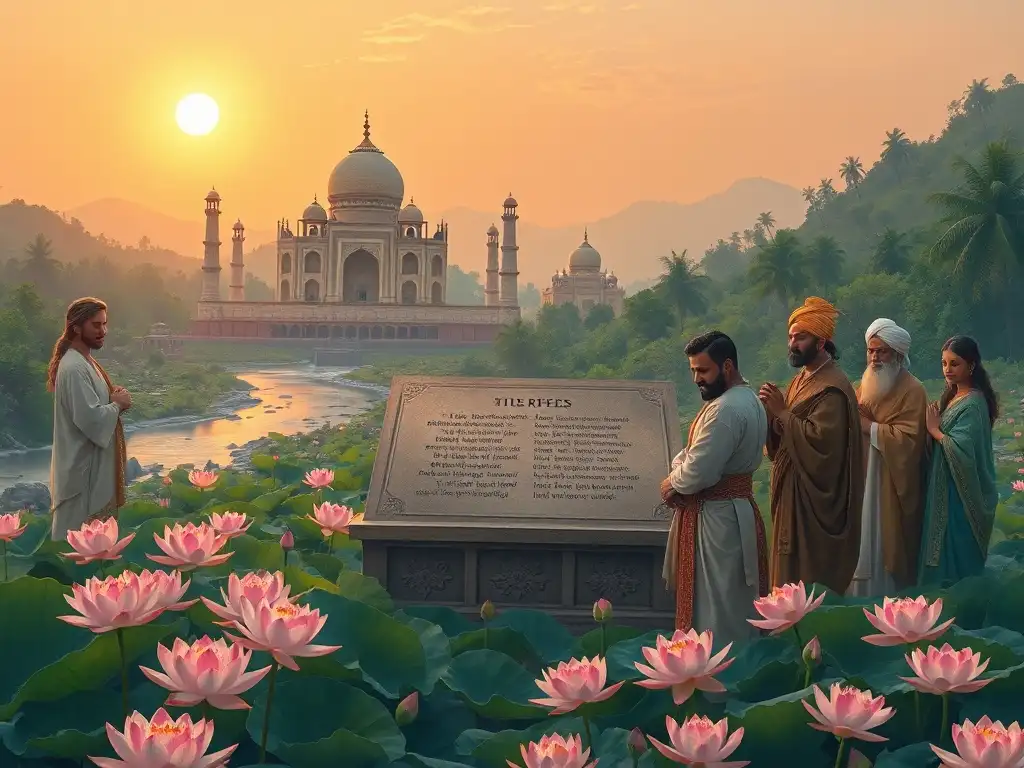
The rich tapestry of ancient Indian poetry culture has woven itself into the very fabric of Indian society, leaving a profound and enduring legacy that resonates even today. Poetry, as a form of expression, played a vital role in articulating the complexities of human emotions, societal values, and cultural narratives. From the Vedic hymns that celebrated the cosmos to the lyrical verses of the Bhakti poets who emphasized devotion and love, ancient Indian poetry encapsulated a wide array of themes that reflected the zeitgeist of its time.
This legacy is evident in the continued reverence for poetic forms such as sanskrit shlokas, bhajans, and ghazals, which are still celebrated in contemporary Indian art and literature. The cultural values embedded in these ancient texts continue to inspire modern poets, writers, and artists, fostering a connection between past and present. The rhythmic structures and thematic richness of ancient poetry serve as a foundation for contemporary literary expressions, making it an indispensable part of India's cultural heritage.
The Influence of Ancient Indian Poetry on Modern Literature
Ancient Indian poetry has significantly influenced modern literature, not only within India but also across the globe. The thematic depth and stylistic nuances of works such as the Mahabharata and Ramayana have inspired countless writers and poets. For instance, the ideals of heroism, duty, and morality depicted in these epics continue to resonate in modern storytelling, whether in novels, films, or plays.
Moreover, the use of metaphor and allegory in ancient poetry has been mirrored in contemporary literary movements. Poets such as Rabindranath Tagore have drawn upon classical themes while infusing them with modern sensibilities, creating a bridge between the ancient and the modern. Literary forms such as ghazals, which originated from Persian influences but were enriched by Indian poets, showcase how ancient styles have evolved while retaining their essence.
In addition, the resurgence of interest in regional languages has led to a revival of local poetic traditions, inspired by the classical forms. This cultural renaissance underscores the timeless nature of ancient Indian poetry and its relevance in addressing contemporary issues, thereby affirming its lasting influence on modern literature.
Preserving the Heritage of Ancient Indian Poetic Tradition
Preserving the heritage of ancient Indian poetic tradition is vital for maintaining the cultural continuum that defines Indian identity. Various initiatives, including academic research, translation projects, and cultural festivals, aim to celebrate and revitalize ancient poetic forms. Institutions and scholars are increasingly focusing on documenting and archiving ancient texts, ensuring that future generations can access these invaluable resources.
Moreover, educational programs that include the study of ancient poetry in school curricula foster appreciation among younger audiences. By engaging with the works of poets such as Kalidasa and Mirabai, students can gain insights into the cultural and philosophical underpinnings of their heritage.
Community initiatives, such as poetry recitals and storytelling sessions, also play a crucial role in keeping these traditions alive. These gatherings not only honor the poets of the past but also encourage contemporary poets to create new works inspired by ancient themes, thereby ensuring that the poetic tradition continues to flourish.
References and Further Reading on Ancient Indian Poetry Culture
For those interested in delving deeper into the world of ancient Indian poetry culture, a variety of texts and resources are available that explore its rich history and significance. Below are some recommendations that provide valuable insights into this fascinating subject.
Recommended Texts and Resources
- "The Poetry of Ancient India" – A comprehensive anthology that showcases diverse poetic forms from the Vedic period to the Gupta Empire.
- "Kalidasa: The Loom of Time": by Arvind Sharma – This book examines the works of Kalidasa, one of India's most celebrated poets, in the context of ancient Indian society.
- "The Bhakti Movement: From Religion to Literature": – This text explores the impact of the Bhakti poets on both literature and spirituality in India.
- "Indian Poetics" by M. K. Naik – A scholarly analysis of the principles and aesthetics of ancient Indian poetry, providing a framework for understanding its cultural significance.
Academic Studies on Ancient Indian Literature
- "The Legacy of Sanskrit Literature" – This academic journal focuses on the historical and cultural implications of Sanskrit literary traditions, including poetry.
- "Studies in Indian Poetry" – A collection of essays by various authors, discussing the evolution and influence of Indian poetry from ancient times to the present.
- "The Role of Oral Tradition in Ancient Indian Literature" – This research paper investigates how oral traditions have shaped poetic expressions in ancient India.
By engaging with these texts and resources, readers can gain a deeper understanding of the profound impact that ancient Indian poetry culture has had on the world of literature and beyond.
- Introduction to Ancient Indian Poetry Culture
- Overview of Ancient Indian Poetry
- Significance of Poetry in Cultural Expression
- Historical Context of Poetry in Ancient India
- Themes and Motifs in Ancient Indian Poetry
- Key Poets and Their Contributions to Ancient Indian Poetry Culture
- Poetry as a Reflection of Ancient Indian Values
- The Role of Poetry in Society and Daily Life
- Conclusion: The Lasting Legacy of Ancient Indian Poetry Culture
- The Influence of Ancient Indian Poetry on Modern Literature
- Preserving the Heritage of Ancient Indian Poetic Tradition
- References and Further Reading on Ancient Indian Poetry Culture
- What was the significance of poetry in ancient Indian society?
- How did ancient Indian poetry reflect the culture of its time?
- What are some notable works of ancient Indian poetry?
- How did poetry contribute to the preservation of ancient Indian history?
- What themes are commonly found in ancient Indian poetry?
Frequently Asked Questions
What was the significance of poetry in ancient Indian society?
Poetry played a crucial role in ancient Indian society, serving as a medium for cultural expression and transmitting values and traditions across generations.
How did ancient Indian poetry reflect the culture of its time?
Ancient Indian poetry often highlighted the social norms, religious beliefs, and philosophical ideas, offering insights into the everyday lives and values of the people.
What are some notable works of ancient Indian poetry?
Key works include the Mahabharata, Ramayana, and various Sanskrit dramas that showcase the richness of ancient Indian poetry culture and its themes of love, dharma, and heroism.
How did poetry contribute to the preservation of ancient Indian history?
Poetry served as a historical record, documenting events, legends, and myths, thereby helping to preserve historical narratives and cultural identity through oral tradition.
What themes are commonly found in ancient Indian poetry?
Common themes include nature, love, devotion, heroism, and philosophy, reflecting the values and belief systems that shaped ancient Indian civilization.
Final Reflection: The Enduring Legacy of Ancient Indian Poetry Culture
The exploration of ancient Indian poetry culture reveals its profound impact on society, serving as a mirror reflecting the values and beliefs of its time. Today, as we navigate a world increasingly disconnected from its roots, the timeless themes of love, spirituality, and social justice found in ancient verses resonate more than ever. The power of poetry to encapsulate the human experience is a reminder of our shared heritage and the lessons we can draw from it.
The influence of ancient Indian poetry continues to shape our cultural landscape, inspiring contemporary writers and artists alike. The themes of ancient texts remind us of the importance of storytelling in preserving identity and fostering community. As poet Rabindranath Tagore once said, The highest education is that which does not merely give us information but makes our life in harmony with all existence.
This sentiment underscores the idea that poetry is not just an art form but a vital thread that weaves together the fabric of society, encouraging us to reflect on our values and aspirations.
As you ponder the insights gained from this exploration of ancient Indian poetry culture, I invite you to embrace the power of words in your own life. Consider how poetry can serve as a tool for self-expression and connection, urging you to articulate your thoughts and feelings. Let the echoes of the past inspire you to create, reflect, and engage with the world around you, fostering a deeper understanding of yourself and the society in which you live.
Embrace the Beauty of Ancient Indian Poetry!
Thank you for exploring the profound role of poetry in ancient Indian society with us! You've gained insight into how these verses not only reflected cultural values but also shaped the collective identity of the people. Now, it’s time to dive deeper and bring that inspiration into your own life!
Here are a few steps you can take to further connect with this rich tradition of poetry:
- Discover a Poem: **Choose a classic poem from ancient Indian literature** and spend some time reading and reflecting on its themes. Let the words inspire your own creative expression!
- Join a Community: Connect with others who share your passion for poetry. **Look for a local or online group dedicated to poetry appreciation or writing**, and share your thoughts and insights.
- Share with Friends: **Spread the love of poetry by sharing this article** with friends or on social media, encouraging them to explore the beauty of ancient verses.
What poem or poet from ancient India resonates with you the most, and how has it influenced your understanding of culture?