
The Arrival of Indian Festivals: Pongal and Diwali in Southeast Asia

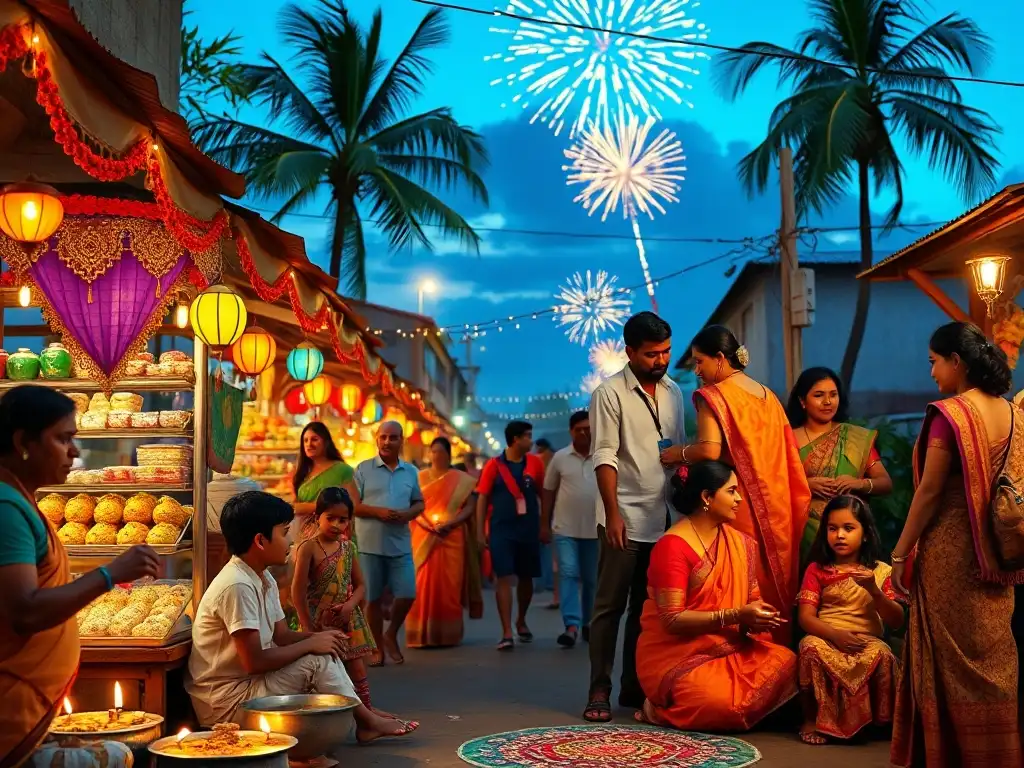
Welcome to Ancient India History, where we embark on a fascinating journey through the rich tapestry of ancient Indian civilizations. Here, we delve deep into the cultural exchanges that shaped the world, exploring how Indian festivals like Pongal and Diwali have spread their vibrant colors and traditions across Southeast Asia. Ever wondered how these age-old celebrations found their way beyond the Indian subcontinent?
Join us as we unravel the stories, influences, and lasting impacts of these joyous festivals, inviting you to discover the intricate connections that bind us all. Read on to uncover the enchanting legacy of Indian festivals in Southeast Asia!
Introduction to Indian Festivals in Southeast Asia
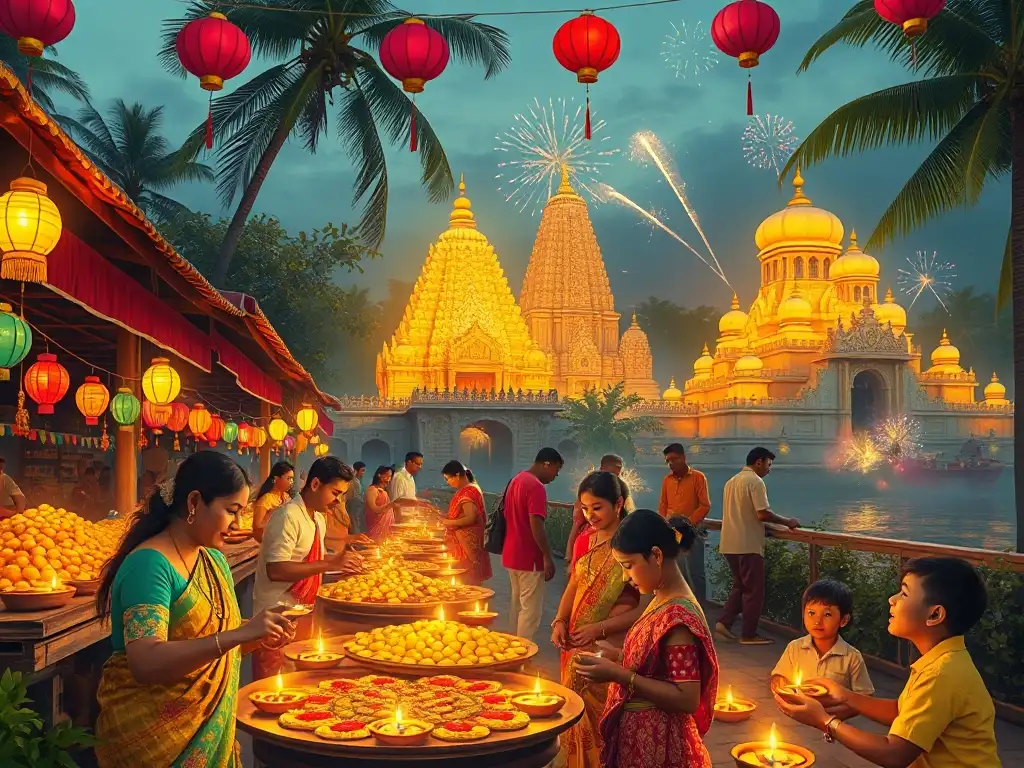
The vibrant tapestry of Indian festivals, particularly Pongal and Diwali, has woven itself into the cultural fabric of Southeast Asia, reflecting centuries of historical interactions and exchanges. The arrival of these festivals is not merely a celebration; it represents a significant cultural transference that showcases the deep-rooted connections between Indian and Southeast Asian civilizations. As we explore the essence of these festivals in the region, we will uncover the stories, traditions, and practices that have evolved over time, illustrating how Indian festivals have enriched the cultural landscape of Southeast Asia.
Overview of Cultural Exchanges
Cultural exchanges between India and Southeast Asia date back to ancient times, facilitated by trade routes, maritime navigation, and migration. These exchanges have led to the spread of various cultural elements, including language, religion, art, and of course, festivals. The influence of Indian festivals, particularly Pongal and Diwali, can be seen in the way these celebrations have been adapted and embraced by diverse communities across Southeast Asia.
- Trade Routes: The Indian Ocean trade routes acted as conduits for not just goods, but also ideas and cultural practices.
- Religious Influence: Hinduism and Buddhism, which originated in India, played significant roles in shaping the spiritual and cultural identities of Southeast Asian nations.
- Festivals as Cultural Markers: Festivals became milestones in the calendar, marking the agricultural cycles, religious observances, and community gatherings, thus reinforcing social cohesion.
Significance of Indian Festivals in Southeast Asia
The significance of Indian festivals in Southeast Asia extends beyond mere observance; they embody the shared heritage and collective identity of the people.
- Cultural Identity: Festivals like Pongal and Diwali serve as vital expressions of cultural identity for Indian diaspora communities, connecting them to their roots.
- Regional Variations: The way these festivals are celebrated in different Southeast Asian countries, such as Malaysia and Indonesia, showcases a blend of local customs and Indian traditions.
- Economic Impact: Festivals also have an economic dimension, driving local economies through tourism, commerce, and cultural events.
Historical Context of Indian Festivals in Southeast Asia
Understanding the arrival of Indian festivals in Southeast Asia necessitates an exploration of their historical context. This includes the dynamics of early trade routes and the profound influence of Indian civilization on Southeast Asian societies.
Early Trade Routes and Cultural Interactions
The early maritime trade routes established between India and Southeast Asia facilitated not only the exchange of commodities but also cultural interactions that have left an indelible mark on the region.
- Maritime Trade: Key ports in Southeast Asia became bustling hubs for Indian merchants, leading to the dissemination of cultural practices, including festivals.
- Cultural Syncretism: The interactions led to a unique syncretism, where local and Indian traditions merged, giving rise to diverse festival practices.
- Documentation: Historical texts and accounts document the presence of Indian traders and the subsequent cultural exchange that ensued.
Influence of Indian Civilization on Southeast Asian Societies
The influence of Indian civilization on Southeast Asian societies is profound and multifaceted, particularly evident through the adoption of festivals.
- Religious Practices: The integration of Hindu and Buddhist practices into local cultures often coincided with the celebration of Indian festivals.
- Art and Architecture: The architectural and artistic expressions inspired by Indian culture are often showcased during festivals, further embedding these celebrations into the local heritage.
- Social Structures: The festivals helped shape social hierarchies and community structures, reinforcing the bonds between different ethnic and cultural groups.
The arrival of Indian festivals such as Pongal and Diwali in Southeast Asia is a testament to the rich cultural exchanges that have occurred over centuries. These festivals continue to thrive, evolving while maintaining their historical significance, thus enriching the diverse cultural landscape of the region.
Pongal: A Celebration of Harvest and Gratitude
Pongal is a vibrant and significant festival celebrated primarily in Tamil Nadu, India, and has extended its influence to various regions in Southeast Asia, particularly where Tamil communities are established. This festival marks the end of the harvest season and is a time for gratitude towards nature, showcasing the deep-rooted agricultural traditions of the Indian subcontinent. The festival's name derives from the Tamil word "Pongal," which means "to boil" or "overflow," symbolizing abundance and prosperity.
Origins of Pongal in Indian Culture
Pongal has its origins in the ancient agricultural practices of the Tamil people, dating back over a thousand years. It is celebrated during the month of Thai (January-February), coinciding with the sun's transition into the zodiac sign of Capricorn. Traditionally, the festival includes the worship of the Sun God, Surya, and the Earth, represented by various deities.
The festival consists of several rituals, including the preparation of a special dish made of newly harvested rice, milk, and jaggery, which is boiled until it overflows—a symbol of prosperity and abundance. This event not only signifies gratitude towards nature but also emphasizes the importance of family and community, reinforcing social bonds through shared meals and festivities.
How Pongal is Celebrated in Southeast Asia
In Southeast Asia, particularly in countries like Malaysia and Singapore, Pongal is celebrated by the Tamil diaspora. The festivities often include vibrant cultural performances, traditional music, and dance, which reflect the rich heritage of Tamil culture.
Celebrations typically start with the preparation of the Pongal dish in communal settings, where families and friends come together to cook and share the meal. In urban areas, community events are organized, featuring traditional games, art exhibitions, and cultural showcases that highlight the significance of this festival.
Moreover, temples play a crucial role during Pongal, where special prayers and rituals are conducted, and devotees offer Pongal as a prasadam (sacred offering) to deities. This blend of tradition and community spirit not only keeps the festival alive but also fosters a sense of identity among the Tamil communities in Southeast Asia.
Diwali: The Festival of Lights
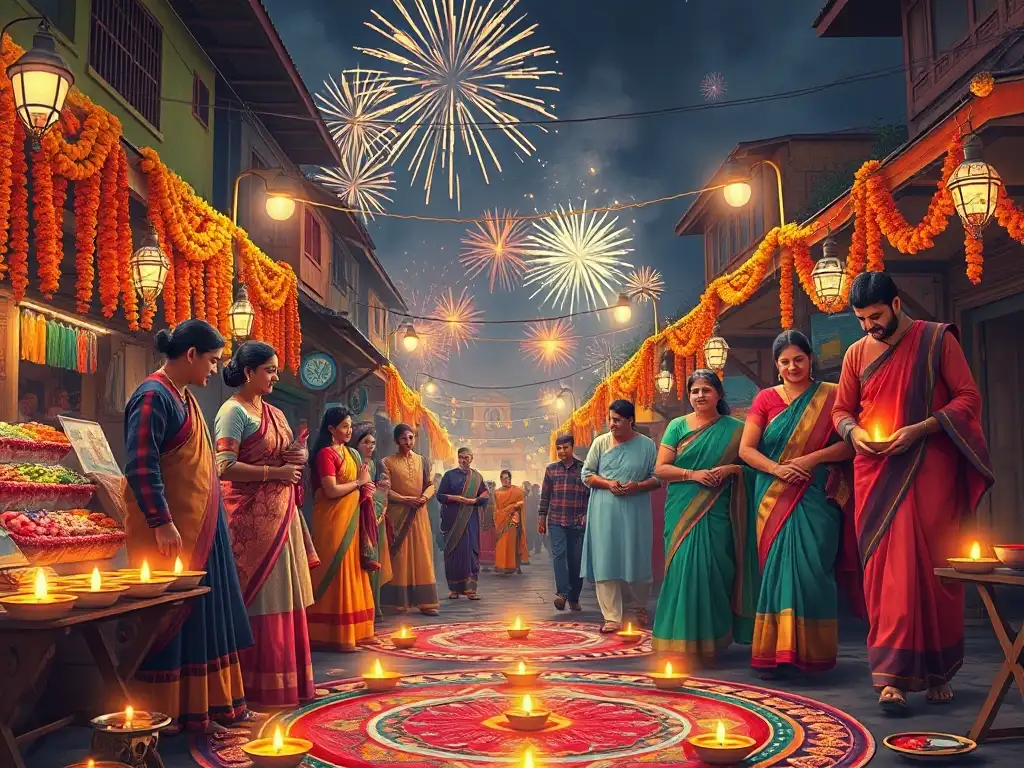
Diwali, also known as Deepavali, is one of the most celebrated festivals in India and has found a significant place in the cultural landscape of Southeast Asia. This festival signifies the victory of light over darkness and good over evil, making it a universal celebration of hope and renewal.
The festival is marked by the lighting of oil lamps, bursting of fireworks, and the exchange of sweets and gifts, symbolizing joy and togetherness among families and communities.
Historical Significance of Diwali
The historical significance of Diwali can be traced back to ancient Indian texts and scriptures. It is often associated with the return of Lord Rama to Ayodhya after defeating the demon king Ravana, as narrated in the Ramayana. This event is celebrated as a time of joy and festivity, commemorating the triumph of righteousness.
In addition to its roots in Hindu mythology, Diwali also holds importance in Jainism, marking the attainment of moksha by Lord Mahavira, and in Sikhism, celebrating the release of Guru Hargobind Ji from imprisonment. Thus, Diwali transcends religious boundaries, making it a festival celebrated by diverse communities across the Indian subcontinent and beyond.
The Adaptation of Diwali in Southeast Asia
In Southeast Asia, Diwali has been embraced by various ethnic groups, notably among the Indian communities in Malaysia, Singapore, and Indonesia. The festival is celebrated with great enthusiasm, often observed as a public holiday, allowing people from different backgrounds to join in the festivities.
Celebrations typically involve decorating homes with colorful rangoli designs, lighting oil lamps, and participating in community events that showcase traditional dances, music, and culinary delights. Temples often hold special Diwali prayers, attracting devotees who come together to celebrate the festival's spirit.
Moreover, the adaptation of Diwali in Southeast Asia reflects a blend of local customs and Indian traditions, creating a unique festival experience. This cultural exchange not only enriches the festival's significance but also fosters unity and diversity, showcasing the enduring influence of Indian festivals in the region.
The Impact of Indian Festivals on Southeast Asian Culture
The arrival of Indian festivals like Pongal and Diwali has significantly shaped the cultural landscape of Southeast Asia. These celebrations have transcended their geographical origins, becoming integral to local traditions and practices. The influence is evident in various aspects, including art, music, dance, and culinary traditions, demonstrating the deep-rooted connections between Indian and Southeast Asian cultures.
Festivals serve as a medium for cultural exchange, fostering community bonding and enhancing social cohesion. They provide a platform for the expression of shared values, beliefs, and identities. As communities celebrate these festivals, they engage in rituals and customs that emphasize harmony, gratitude, and prosperity—values that resonate universally across cultures. The vibrancy of colorful decorations, traditional attire, and festive music reflects a fusion of Indian and local elements, which enriches the cultural mosaic of the region.
Moreover, the celebration of Indian festivals has also influenced local religious practices. Many Southeast Asian cultures have adopted Hindu and Buddhist symbols, integrating them into their own spiritual observances. This blend has resulted in unique interpretations of Indian festivals that cater to the local context while retaining the essence of their Indian origins.
Integration of Indian Festivals into Local Cultures
The integration of Indian festivals into Southeast Asian cultures is a fascinating example of cultural adaptation and syncretism. Pongal, originally a harvest festival celebrated predominantly in Tamil Nadu, India, has found its place in countries like Malaysia and Singapore, where Tamil communities flourish. The festival's themes of gratitude to nature and community bonding resonate with local agricultural practices, making it relevant to the agrarian societies in these regions.
Similarly, Diwali, known as the Festival of Lights, has been embraced in various Southeast Asian countries, including Indonesia and Myanmar. The customs surrounding Diwali—such as lighting oil lamps, exchanging sweets, and community feasts—have been localized to reflect the traditions of the host cultures. For instance, in Indonesia, Diwali celebrations often include traditional dances and local culinary delights, creating a unique blend of Indian and Indonesian customs.
The adaptation of these festivals is not merely a superficial mimicry; it reflects a deep-seated appreciation and respect for the cultural narratives that accompany them. Local artistic expressions, such as dance forms and music, have evolved to incorporate the themes and stories associated with these festivals, showcasing a harmonious coexistence of traditions.
Social and Economic Effects of Celebrating Indian Festivals
The celebration of Indian festivals in Southeast Asia extends beyond cultural significance; it also has profound social and economic implications. Socially, these festivals act as a unifying force, bringing together diverse communities to celebrate shared heritage. They foster inclusivity and encourage intercultural dialogue, enhancing mutual understanding among different ethnic groups.
Economically, the festivals generate significant activities, particularly in the realms of commerce and tourism. Local businesses often thrive during these celebrations, as markets and stalls spring up to cater to the festive demand for traditional foods, decorations, and clothing. This surge in economic activity provides a substantial boost to local economies and creates job opportunities.
Festivals also attract tourists, both local and international, who are eager to experience the vibrancy and cultural richness of these celebrations. Events such as Diwali fairs and Pongal festivals often feature cultural performances, exhibitions, and culinary showcases, drawing visitors and promoting cultural tourism. This interplay between celebration and economy exemplifies how Indian festivals contribute to the region's socio-economic landscape.
Conclusion: The Ongoing Influence of Indian Festivals in Southeast Asia
The influence of Indian festivals like Pongal and Diwali in Southeast Asia is an enduring testament to the region's rich cultural tapestry. These festivals have not only enriched local traditions but have also fostered a sense of identity among communities that celebrate them. As these festivals continue to evolve, they will likely maintain their significance in both cultural and social contexts.
The Future of Indian Festivals in the Region
Looking ahead, the future of Indian festivals in Southeast Asia appears promising. With the increasing efforts to promote cultural heritage and the growing interest in multiculturalism, these festivals are likely to gain even more prominence. Younger generations are becoming more involved in preserving and celebrating these traditions, ensuring their relevance for years to come.
Additionally, the rise of digital platforms presents opportunities for wider dissemination and participation in these festivals. Virtual celebrations and online communities can help bridge distances, allowing people from various parts of the world to engage in the festivities, share experiences, and learn more about their cultural significance.
Preserving the Heritage of Indian Festivals in Southeast Asia
Preserving the heritage of Indian festivals in Southeast Asia requires concerted efforts from communities, cultural organizations, and governments. Initiatives aimed at documenting traditions, promoting educational programs, and fostering inter-community collaborations are essential for sustaining the vibrancy of these celebrations.
Cultural festivals, workshops, and exhibitions can play a crucial role in educating people about the significance of Indian festivals and encouraging active participation. By engaging the community in these efforts, the heritage of Indian festivals can be preserved and celebrated, ensuring that future generations continue to honor and cherish the cultural ties that bind them to their Indian roots.
- Introduction to Indian Festivals in Southeast Asia
- Historical Context of Indian Festivals in Southeast Asia
- Pongal: A Celebration of Harvest and Gratitude
- Diwali: The Festival of Lights
- The Impact of Indian Festivals on Southeast Asian Culture
- Conclusion: The Ongoing Influence of Indian Festivals in Southeast Asia
- What are the main Indian festivals celebrated in Southeast Asia?
- How did Indian festivals like Pongal and Diwali reach Southeast Asia?
- What is the significance of Pongal in Southeast Asian cultures?
- How is Diwali celebrated differently in Southeast Asia compared to India?
- Are there any notable places in Southeast Asia where these festivals are celebrated?
Frequently Asked Questions
What are the main Indian festivals celebrated in Southeast Asia?
The two most prominent festivals celebrated in Southeast Asia are Pongal and Diwali, showcasing the vibrant cultural heritage of Indian traditions in the region.
How did Indian festivals like Pongal and Diwali reach Southeast Asia?
These festivals arrived through trade routes and cultural exchanges during ancient times, as Indian merchants and travelers spread their customs and religious practices across Southeast Asia.
What is the significance of Pongal in Southeast Asian cultures?
Pongal symbolizes the harvest season and is a time of thanksgiving to the sun god. It emphasizes community bonding and agricultural prosperity, which resonates with the local agricultural communities.
How is Diwali celebrated differently in Southeast Asia compared to India?
In Southeast Asia, Diwali often incorporates local customs and traditions, blending Indian rituals with regional practices, leading to unique celebrations that reflect the diversity of the local culture.
Are there any notable places in Southeast Asia where these festivals are celebrated?
Yes, countries like Malaysia, Singapore, and Indonesia host grand celebrations of Pongal and Diwali, featuring vibrant parades, traditional foods, and cultural performances that showcase the rich Indian heritage.
Final Reflection: Celebrating Cultural Tapestry through Indian Festivals in Southeast Asia
The vibrant celebration of Indian festivals in Southeast Asia serves as a powerful reminder of the rich cultural tapestry that binds diverse communities together. As we witness the growing prominence of festivals like Pongal and Diwali in this region, it becomes clear that these celebrations are not merely events; they are vital expressions of identity, unity, and shared heritage. Today, as globalization continues to shape our world, the significance of these festivals resonates more than ever, highlighting the importance of cultural preservation and mutual respect among different ethnicities.
The influence of Indian festivals extends beyond mere celebration; they have woven themselves into the very fabric of Southeast Asian society. These festivals foster a sense of belonging and community, transcending geographical boundaries. The joy of sharing traditional foods, participating in rituals, and engaging in communal activities during these festivals creates lasting bonds among people from various backgrounds. As Mahatma Gandhi once said, “A nation’s greatness is measured by how it treats its weakest members.” This sentiment rings true as we observe how the celebration of Indian festivals promotes inclusivity and understanding in multicultural societies.
As we reflect on the lessons imparted by these vibrant celebrations, I invite you to embrace the spirit of Indian festivals in your own life. Consider how you can participate in or support cultural events in your community, fostering connections with those around you. Let the essence of Pongal and Diwali inspire you to celebrate diversity, honor traditions, and create spaces where everyone feels valued. Together, we can contribute to a future where cultural richness is celebrated, and the beauty of our shared humanity shines brightly.
Celebrate the Spirit of Festivals!
Thank you for diving into the vibrant world of Indian festivals such as Pongal and Diwali! Your interest enriches the understanding of these cultural treasures celebrated across Southeast Asia. Now it’s time to take that knowledge and ignite your own celebration of tradition.
Here’s how you can engage further:
- Host a festival celebration: Gather your friends and family to celebrate the spirit of Pongal or Diwali. Prepare traditional dishes, decorate your space, and immerse everyone in the customs and stories that make these festivals special.
- Share your experiences: Share your festival celebrations on social media, and connect with others who share your passion for these traditions.
- Learn about other cultures: Explore how festivals from various cultures are celebrated in your area. Attend local events or read articles that highlight their significance and unique traditions.
How will you incorporate the joy and lessons of these festivals into your life this year?