
How the Gupta Empire Redefined Construction Techniques and Urban Design

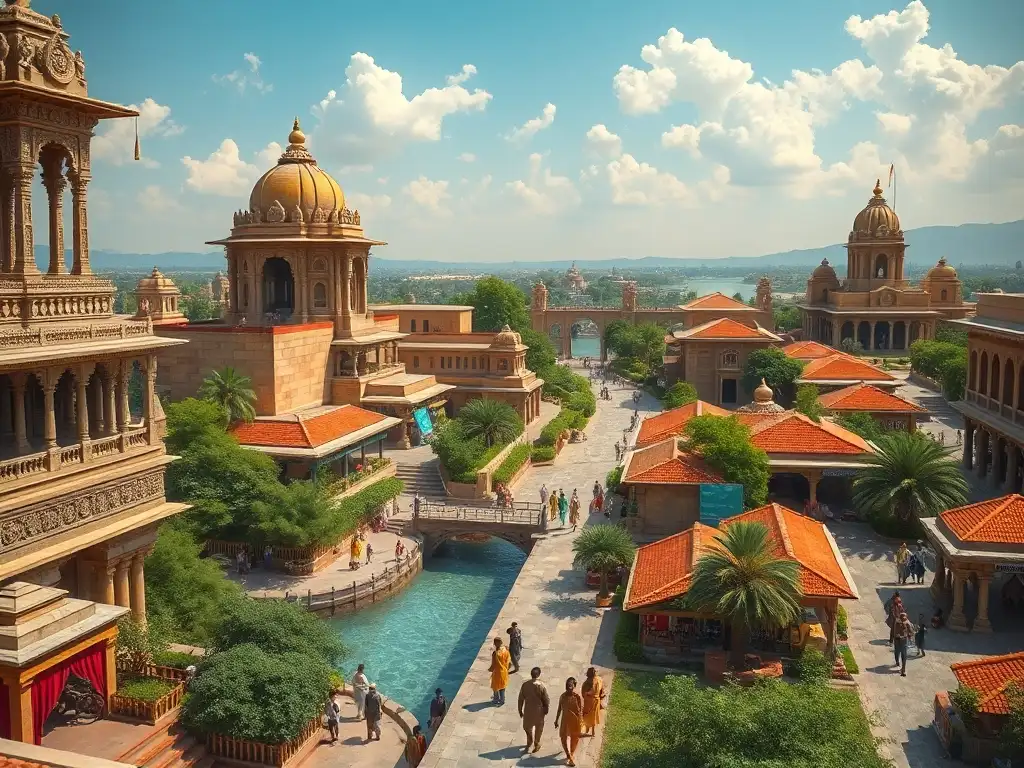
Welcome to Ancient India History, where we embark on a fascinating journey through the vibrant tapestry of ancient Indian civilizations. Here, you’ll discover how the Gupta Empire, often hailed as a golden age of innovation, revolutionized urban design techniques and construction practices. What secrets did their architectural marvels hold? How did these advancements shape the cities of their time? Dive deeper into our featured article, "How the Gupta Empire Redefined Construction Techniques and Urban Design," and unlock the mysteries of a civilization that laid the groundwork for future generations. Your exploration of history begins now!
- Introduction to the Gupta Empire's Influence on Urban Design
- Key Features of Gupta Empire Urban Design Techniques
- The Role of Religion in Gupta Urban Design
- Infrastructure Development in Gupta Urban Design
- Case Studies of Notable Gupta Cities
- Comparison of Gupta Empire Urban Design Techniques with Other Ancient Civilizations
- The Legacy of Gupta Urban Design Techniques
- Conclusion: The Enduring Impact of Gupta Empire Urban Design Techniques
-
Frequently Asked Questions
- What were the urban design techniques used during the Gupta Empire?
- How did the Gupta Empire contribute to construction techniques?
- What role did art and culture play in urban design during the Gupta period?
- How did the Gupta Empire influence later Indian civilizations?
- Can you name some notable examples of urban planning from the Gupta Empire?
- Final Reflection: The Lasting Legacy of Gupta Empire Urban Design Techniques
- Unveil the Secrets of Gupta Architectural Excellence!
Introduction to the Gupta Empire's Influence on Urban Design
The Gupta Empire, often referred to as the Golden Age of India, was a period marked by remarkable advancements in various fields, including art, science, and architecture. Spanning from approximately 320 to 550 CE, this era witnessed a flourishing of urban design techniques that not only enhanced the aesthetic appeal of cities but also improved functionality and sustainability. The Gupta Empire's urban design techniques are characterized by their innovative approaches to city planning, infrastructure, and public spaces, which set a precedent for future civilizations.
Understanding these techniques provides valuable insights into how ancient Indian civilizations harmonized their urban environments with cultural and social needs. This article delves into the Gupta Empire’s contributions to urban design, exploring the historical context and its significance in shaping urban landscapes.
Overview of the Gupta Empire's Historical Context
The Gupta Empire emerged in northern India, following the decline of the Maurya Empire. Under the leadership of notable emperors such as Chandragupta I and Samudragupta, the empire expanded significantly, creating a unified political and cultural landscape.
- Key Features of the Gupta Empire:
- Political Stability: The Gupta rulers established a centralized government which facilitated trade and communication across regions.
- Cultural Flourishing: This period saw the birth of significant advancements in literature, mathematics, astronomy, and art, laying the groundwork for future innovations.
- Urban Centers: Major cities like Pataliputra and Ujjain became hubs of commerce and culture, reflecting the empire's prosperity.
The urban design of the Gupta Empire was heavily influenced by its sociopolitical stability and economic growth, leading to the development of systematic layouts that catered to the needs of its inhabitants.
Significance of Urban Design in Ancient Civilizations
Urban design plays a crucial role in shaping the cultural and functional aspects of cities. In ancient civilizations, including the Gupta Empire, urban planning was not merely about aesthetics but also about enhancing the quality of life for residents.
- Key Significance:
- Civic Planning: Well-planned cities with designated areas for markets, temples, and residential quarters helped facilitate trade and social interactions.
- Infrastructure Development: Innovations in construction techniques, such as the use of terracotta and stone, contributed to durable structures that could withstand the test of time.
- Cultural Identity: Architecture reflected societal values and beliefs, with temples and public spaces serving as centers for community engagement and worship.
The urban design techniques developed during the Gupta Empire not only fulfilled immediate needs but also laid the foundation for future urban developments in India and beyond, making them a significant area of study in ancient architectural history.
Key Features of Gupta Empire Urban Design Techniques
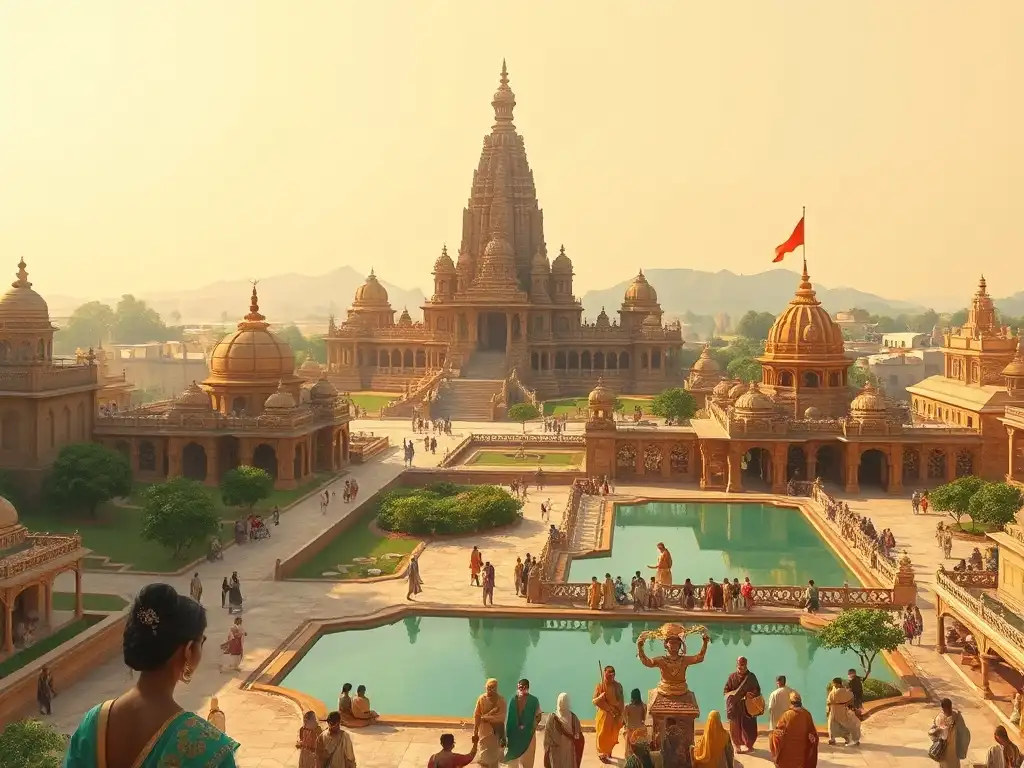
The Gupta Empire, which flourished from approximately 320 to 550 CE, is often referred to as the Golden Age of India due to its remarkable advancements in various fields, including urban design techniques. The urban planning and construction methods employed during this period were characterized by several key features that set them apart from previous civilizations.
Use of Advanced Construction Materials
One of the most notable aspects of Gupta Empire urban design techniques was the innovative use of construction materials. The Guptas excelled in utilizing locally sourced materials, which contributed to the durability and aesthetic appeal of their structures. Here are some notable advancements:
- Brick and Stone Utilization: The use of fired bricks became more prevalent, allowing for stronger and long-lasting buildings. Additionally, granite and sandstone were commonly used for temples and public structures, showcasing intricate carvings and designs.
- Mortar and Binding Agents: The Guptas developed advanced mortars, which were more resilient than earlier versions. This innovation enhanced the structural integrity of walls and buildings, allowing them to withstand the test of time.
- Plaster Techniques: The application of plaster not only improved the appearance of structures but also provided protection against weathering. This technique was particularly evident in temples and elaborate public buildings.
Architectural Innovations of the Gupta Period
The architectural innovations during the Gupta Empire were a fusion of traditional Indian styles and new influences, resulting in distinctive structures that exemplified the empire's grandeur. Key innovations included:
- Temple Architecture: The Gupta period saw the emergence of the Nagara style of temple architecture, characterized by tall, curvilinear shikharas (spires) and intricate sculptures that depicted deities and mythological scenes. Notable examples include the Dashavatara Temple in Deogarh and the temples of Khajuraho, which reflect the artistic prowess of the era.
- Urban Infrastructure: The Guptas prioritized urban infrastructure such as roads, drainage systems, and water management. Cities like Pataliputra were equipped with sophisticated drainage systems that ensured sanitation and hygiene, showcasing the empire's commitment to public health.
- Public Buildings: The construction of public buildings, such as assembly halls and universities, reflected the Gupta emphasis on education and civic life. The Nalanda University, one of the world's first residential universities, was a significant architectural achievement of this era.
Planning and Layout of Gupta Cities
The planning and layout of cities during the Gupta Empire demonstrated a thoughtful approach to urban design, emphasizing functionality and aesthetics. Key features of Gupta city planning included:
- Grid Pattern Layout: Gupta cities were often planned in a grid pattern, facilitating easy navigation and organization. This layout allowed for distinct residential, commercial, and public zones, enhancing the urban experience.
- Strategic Location: Cities were strategically located near rivers or fertile plains, ensuring access to resources and trade routes. Pataliputra, for example, was situated at the confluence of the Ganges and Son rivers, making it a bustling center for commerce and culture.
- Green Spaces: The incorporation of gardens, parks, and public squares into urban design was a hallmark of Gupta cities. These green spaces provided recreational areas for residents and improved the overall quality of life.
The Gupta Empire urban design techniques marked a significant evolution in construction and planning, characterized by advanced materials, architectural innovations, and a well-thought-out urban layout. These features not only contributed to the empire's grandeur but also laid the groundwork for future developments in Indian architecture and urban planning.
The Role of Religion in Gupta Urban Design
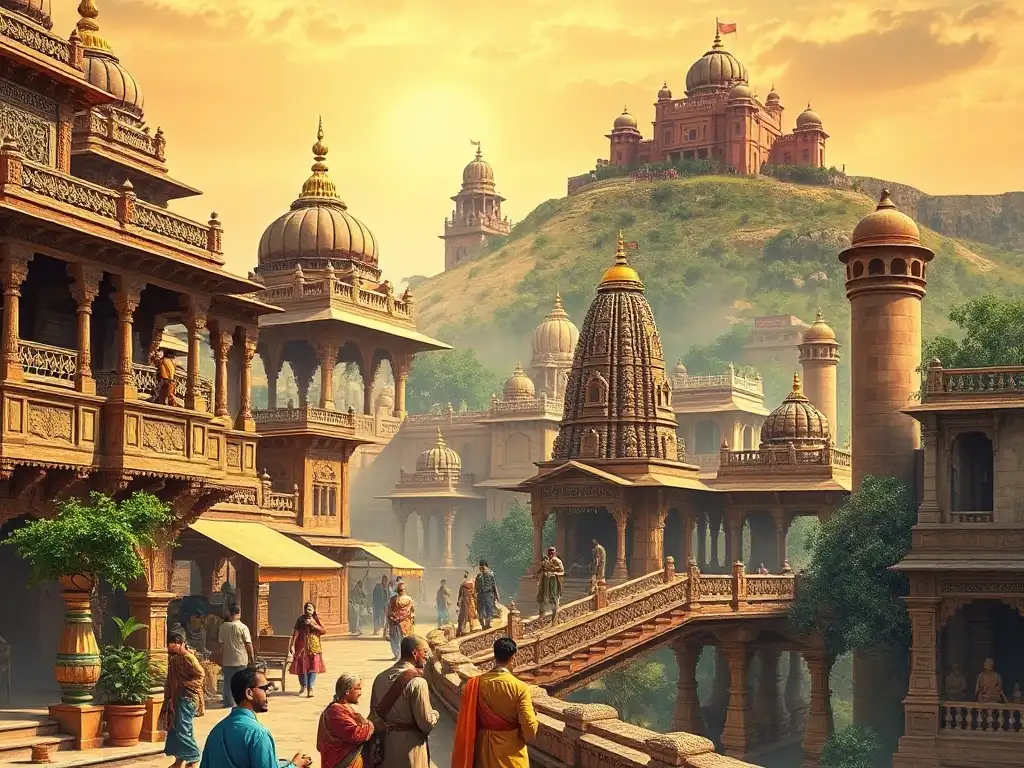
The Gupta Empire, which thrived from approximately 320 to 550 CE, is often regarded as a golden age of Indian history, marked by remarkable advancements in various fields, including urban design. One of the most significant influences on urban planning during this period was religion. The interplay between religious beliefs and architectural practices shaped not only the physical landscape but also the social and cultural fabric of Gupta cities.
Temples and Religious Structures in Urban Planning
Temples served as focal points in Gupta urban design, reflecting the religious devotion and cultural values of the time. Unlike earlier civilizations, where sacred structures might have been positioned randomly, Gupta architects integrated temples into their urban layouts with meticulous planning.
- Strategic Placement: Temples were often situated at the heart of cities, such as the famous Dashavatara Temple in Deogarh, which was designed to be accessible to all citizens. This central location reinforced the temple's role as a community gathering space.
- Civic Layout: The surrounding areas of these religious structures often featured marketplaces and public spaces, fostering a sense of community and enhancing economic activities. For instance, the presence of temples attracted pilgrims and traders alike, stimulating local economies.
- Architectural Innovations: Gupta architects employed advanced techniques in construction, such as the use of stone masonry and intricate carvings. This not only ensured durability but also added aesthetic value to the urban environment. The temples were adorned with elaborate sculptures that depicted deities and mythological scenes, enhancing their religious significance.
- Water Management: Many Gupta cities incorporated water bodies, such as tanks and wells, adjacent to temples. This not only served a practical purpose but was also symbolically important, as water was considered purifying in Hinduism and Buddhism.
Influence of Hindu and Buddhist Architecture
The Gupta period is notable for its synthesis of Hindu and Buddhist architectural styles, which significantly influenced urban design. This architectural fusion can be seen in the following aspects:
- Stupas and Viharas: The construction of stupas, which housed relics, and viharas, or monastic complexes, played a crucial role in Buddhist urban planning. The Great Stupa at Sanchi, an exemplar of this era, showcases the scale and grandeur of Buddhist architecture. These structures often formed the nucleus around which settlements developed, guiding urban expansion.
- Hindu Temple Architecture: The temples built during this time, such as the Vishnu Temple at Deogarh, reflect a shift towards more intricate and ornate designs. The shikhara (tower) above the sanctum became a defining feature, symbolizing the connection between the divine and the earthly realm. The use of mandapas (pillared halls) not only enhanced the temple's functionality but also served as gathering spaces for worshipers.
- Integration of Nature: Gupta urban design often included gardens and green spaces surrounding temples, promoting a harmonious relationship between nature and spirituality. This integration is evident in the layout of the city of Ujjain, where temples were strategically placed within lush landscapes.
- Symbolism in Design: Both Hindu and Buddhist architecture during the Gupta period emphasized symbolic elements, such as the lotus motif, which represents purity and spiritual awakening. These symbols were not only decorative but also conveyed deeper philosophical meanings, influencing the overall aesthetic of urban environments.
The Gupta Empire's urban design techniques were deeply intertwined with religious practices, resulting in cities that were not only functional but also rich in cultural significance. The careful planning of temples and the integration of Hindu and Buddhist architectural styles contributed to a unique urban identity that resonated with the spiritual aspirations of its inhabitants.
Infrastructure Development in Gupta Urban Design
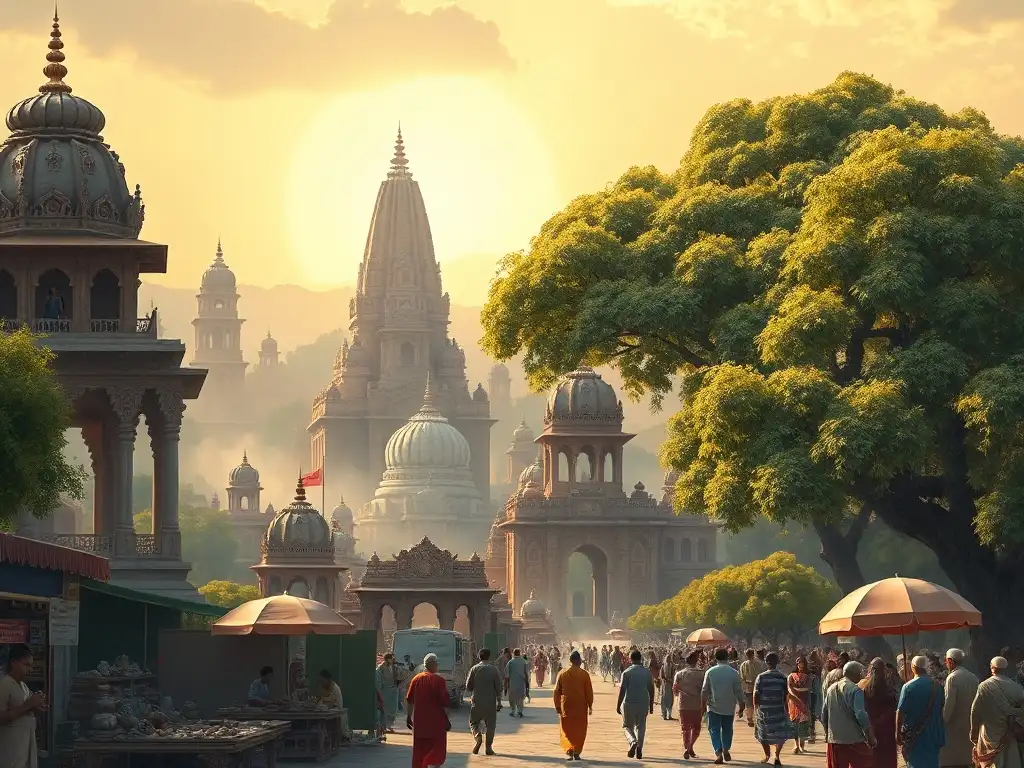
The Gupta Empire, flourishing from approximately 320 to 550 CE, is renowned for its significant advancements in urban design and construction techniques. This period is marked by a remarkable transformation in infrastructure, particularly in cities like Pataliputra, Ujjain, and Kannauj, which served as major urban centers. The Gupta urban design techniques emphasized not only aesthetic appeal but also functionality, reflecting a sophisticated understanding of urban planning that catered to the needs of a growing population.
One of the most notable aspects of Gupta urban design was the integration of various infrastructure elements, including roads, transportation systems, and public facilities. The strategic layout of cities facilitated trade, culture, and governance, showcasing an impressive level of organization. Urban centers were often characterized by well-planned neighborhoods, public squares, and temples, which were essential in fostering community life.
Roads and Transportation Systems
The Gupta Empire placed a strong emphasis on the development of roads and transportation systems, which were crucial for facilitating trade and communication across the vast territories of the empire. The road networks were meticulously designed to connect major cities and trade routes, allowing for efficient movement of goods and people.
- Construction Techniques: The roads were constructed using durable materials, often featuring layers of gravel and stone to ensure longevity. The use of well-compacted earth also contributed to the stability of these thoroughfares.
- Road Size and Layout: Gupta roads varied in width, accommodating different types of traffic, from pedestrian pathways to routes for carts and animals. Main roads were often wider, lined with trees to provide shade and enhance the aesthetic appeal of the urban environment.
- Way Stations and Rest Areas: Strategically located along these routes were way stations, known as "dharmashalas," which offered travelers rest and provisions. This not only supported commerce but also helped in the cultural exchange between regions.
The effective road systems of the Gupta Empire played a pivotal role in enhancing trade activities, contributing to economic prosperity. The seamless connectivity between urban centers fostered a vibrant marketplace, where goods such as textiles, spices, and precious metals circulated widely.
Water Management Techniques in Gupta Cities
Water management was another critical element of urban design during the Gupta period, reflecting a deep understanding of hydrology and sustainability. The Gupta Empire implemented innovative techniques to ensure a reliable water supply for both domestic use and agriculture.
- Aqueducts and Canals: Ingeniously designed aqueducts and canals were constructed to transport water from nearby rivers and reservoirs into urban areas. These systems not only provided drinking water but also enabled irrigation for agricultural lands surrounding cities.
- Public Baths and Reservoirs: The presence of public baths, which served both practical and social functions, showcased the Gupta emphasis on hygiene and communal spaces. Additionally, large reservoirs were built to store rainwater, ensuring a steady supply even during dry spells.
- Sewage and Drainage Systems: Advanced sewage and drainage systems were integral to Gupta urban design. Wastewater was channeled away from residential areas through a network of underground drains, which helped maintain public health and sanitation. This attention to hygiene significantly improved the quality of life in urban environments.
The combination of these water management techniques not only enhanced the living conditions of Gupta citizens but also reflected the empire's commitment to sustainable urban planning, setting a precedent for future civilizations.
The Gupta Empire's urban design techniques, characterized by their advanced infrastructure development, road networks, and innovative water management systems, played a crucial role in redefining construction practices. This era stands as a testament to the ingenuity and foresight of ancient Indian civilization in addressing the complexities of urban living.
Case Studies of Notable Gupta Cities
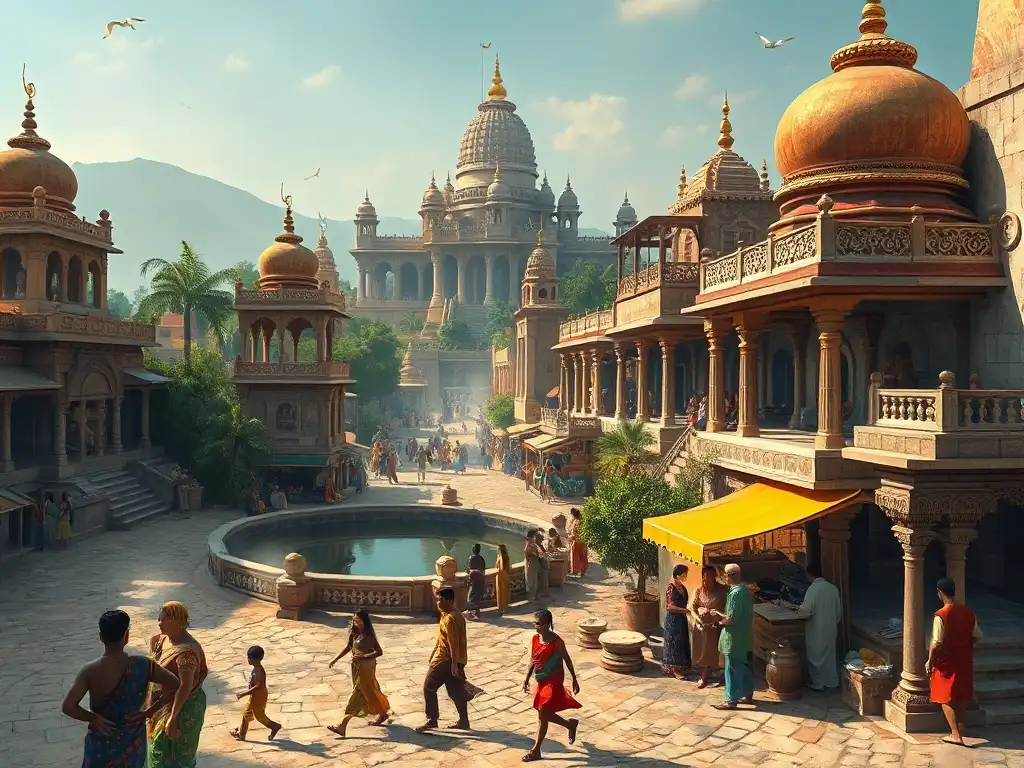
The Gupta Empire is renowned for its significant advancements in urban design techniques, which are exemplified through notable cities such as Pataliputra and Ujjain. These cities not only served as administrative and cultural centers but also showcased innovative construction methods and urban planning that influenced future generations.
Pataliputra: A Model of Urban Design
Pataliputra, the capital of the Gupta Empire, is often cited as a quintessential example of ancient urban planning. This city was strategically located at the confluence of the Ganges and Son rivers, which facilitated trade and communication. The layout of Pataliputra was meticulously organized, featuring broad avenues, well-defined residential areas, and public spaces designed to promote social interaction.
Key Features of Pataliputra's Urban Design:
- Grid Pattern Streets: The city was designed with a systematic grid pattern, allowing for efficient movement and accessibility. The main streets were lined with shops and public buildings, while the residential areas were organized into distinct neighborhoods.
- Fortifications: To ensure security, Pataliputra was surrounded by impressive fortifications, which included massive walls and gates. These structures not only served as defense mechanisms but also as symbols of the city's grandeur.
- Water Management Systems: The Gupta engineers implemented advanced water management systems, including canals and reservoirs, that ensured the availability of water for drinking and irrigation. This innovation was crucial for supporting the urban population and agriculture around the city.
- Public Spaces: The city featured large public parks and gardens, which served as recreational areas for the citizens. These spaces were often adorned with sculptures and fountains, reflecting the artistic achievements of the Gupta period.
Pataliputra exemplified the Gupta Empire's urban design techniques through its strategic planning, fortifications, and sophisticated water management systems, making it a model for future cities.
Ujjain: Architectural Marvels and Urban Innovation
Ujjain, another prominent city during the Gupta Empire, was renowned for its architectural innovations and urban design. Known as a major religious and cultural hub, Ujjain attracted scholars, traders, and pilgrims alike. The urban design of Ujjain reflected a blend of functionality and aesthetics, contributing to its status as a remarkable city of this era.
Notable Aspects of Ujjain's Urban Design:
- Religious Structures: Ujjain was home to several significant temples and religious sites, including the Mahakaleshwar Temple. These structures were not only architectural marvels but also central to the city's identity, influencing its layout and design.
- Astronomical Observatories: The city housed early astronomical observatories, which were pivotal in advancing scientific knowledge. The architectural design of these observatories incorporated precise alignments to celestial bodies, showcasing the Gupta Empire's commitment to science and innovation.
- Marketplaces and Trade Routes: Ujjain's urban design included bustling marketplaces strategically located along trade routes, facilitating commerce. The city's layout allowed for easy access to goods and services, fostering economic prosperity.
- Integration of Nature: The design of Ujjain incorporated natural elements, with gardens and water bodies interspersed throughout the urban landscape. This integration not only enhanced the city's beauty but also contributed to a sustainable living environment.
Ujjain's architectural marvels and urban innovations illustrate the Gupta Empire's sophisticated approach to urban design. The combination of religious significance, scientific advancement, and economic vitality made Ujjain a notable example of Gupta urban design techniques, leaving a lasting legacy in ancient Indian history.
Comparison of Gupta Empire Urban Design Techniques with Other Ancient Civilizations
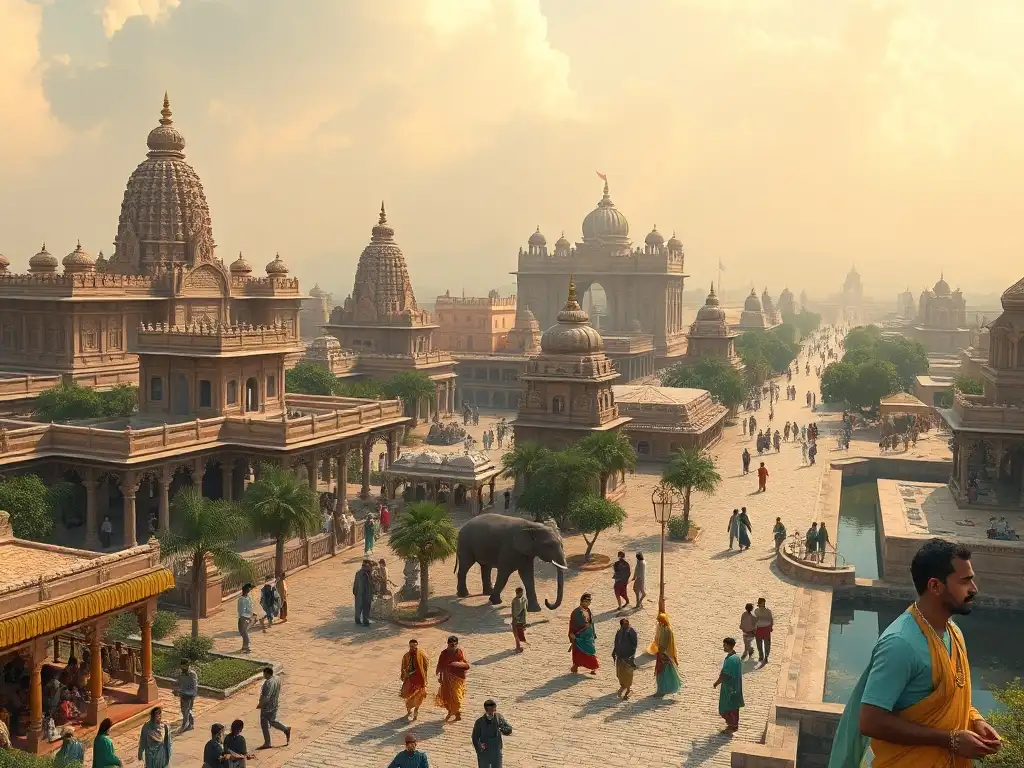
The Gupta Empire, flourishing from approximately 320 to 550 CE, is renowned for its advancements in various fields, including urban design and construction techniques. When comparing the urban design techniques of the Gupta Empire with those of other ancient civilizations, particularly the Indus Valley and the Mauryan Empire, we observe a fascinating interplay of similarities and differences that underscore the evolution of architectural practices in ancient India.
Similarities with Indus Valley Urban Planning
The urban planning of the Gupta Empire shares several notable similarities with the sophisticated urban design of the Indus Valley Civilization (c. 2600–1900 BCE). Both civilizations showcased a remarkable understanding of urban infrastructure, which can be examined through various aspects:
- Grid Layout: Similar to the Indus Valley cities like Mohenjo-Daro and Harappa, Gupta cities often featured a grid pattern. This organization facilitated efficient movement and improved accessibility, showcasing a planned approach to urban development.
- Drainage Systems: The Gupta Empire inherited advanced drainage techniques from the Indus Valley. Both civilizations implemented sophisticated drainage systems to manage water effectively, preventing flooding and maintaining hygiene. For instance, the use of covered drains and soak pits was prominent in both eras.
- Public Facilities: Both cultures prioritized public amenities, including baths, granaries, and marketplaces. The presence of public baths in Gupta cities reflects the same emphasis on communal spaces as seen in the Indus Valley.
- Material Use: The use of fired bricks and stone, prevalent in both civilizations, highlights a common understanding of durable construction materials that could withstand the test of time.
The continuity of these urban design principles from the Indus Valley to the Gupta Empire exemplifies the cultural and technological legacy that influenced subsequent urban planning in ancient India.
Differences from Mauryan Construction Techniques
While there are similarities between Gupta and Indus Valley urban design, significant differences emerge when comparing Gupta construction techniques with those of the Mauryan Empire (c. 322–185 BCE):
- Architectural Style: The Mauryan Empire is characterized by its monumental architecture, exemplified by structures such as the Ashoka Pillars and the Great Stupa at Sanchi. In contrast, Gupta architecture leaned towards more intricate and decorative styles, particularly in temple construction, which showcased elaborate carvings and sculptures that were less emphasized in Mauryan designs.
- City Layouts: The Mauryan cities, such as Pataliputra, exhibited a more complex layout with larger fortifications and a focus on defensive structures. In contrast, Gupta urban design often featured open spaces and gardens, reflecting a shift towards aesthetics and community-centered design rather than purely defensive considerations.
- Technological Advancements: The Gupta period saw advancements in construction techniques, including the use of cement and mortar, allowing for more intricate structures and the creation of larger spans in temple architecture. The Mauryan techniques were primarily focused on massive stone constructions without the same level of refinement seen later during the Gupta era.
- Cultural Influences: The Gupta Empire was significantly influenced by the cultural and artistic movements of its time, leading to the development of new styles in sculpture and architecture that were less prominent during the Mauryan period. This cultural evolution is evident in the temples built during the Gupta Empire, which often featured elaborate iconography and intricate design elements.
While the Gupta Empire's urban design techniques demonstrate a continuity with the Indus Valley's planning principles, they diverge significantly from the construction practices of the Mauryan Empire, reflecting an evolution in architectural styles and urban priorities during this influential period in ancient Indian history.
The Legacy of Gupta Urban Design Techniques
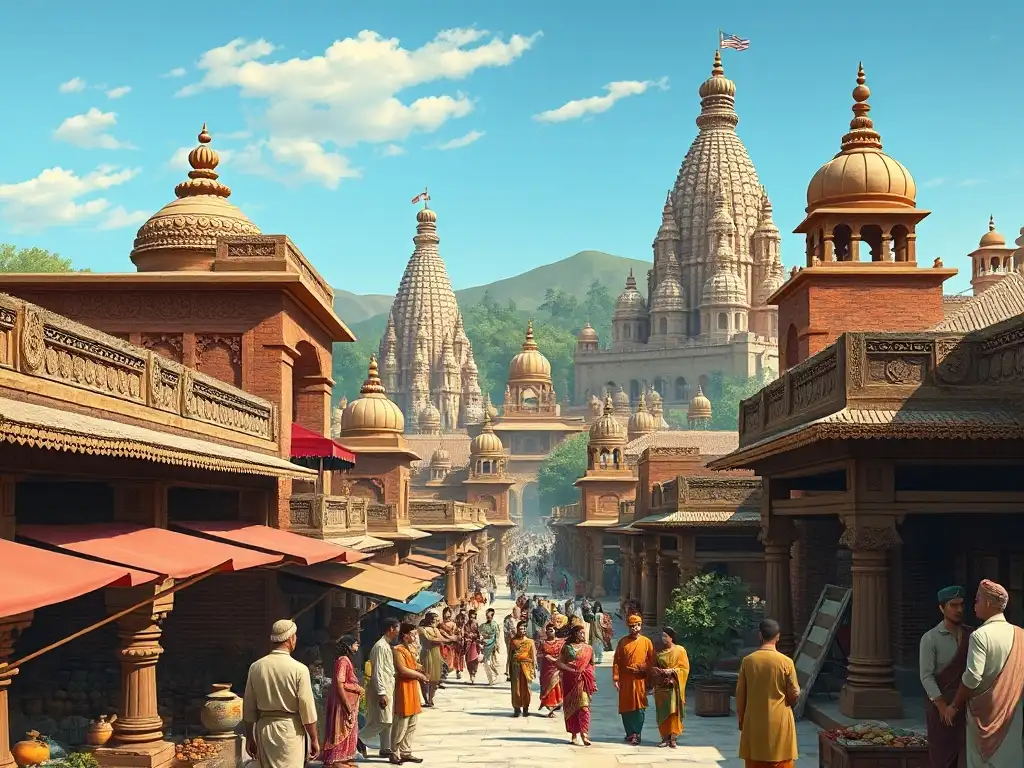
The Gupta Empire, which flourished from approximately 320 to 550 CE, is renowned for its remarkable contributions to urban design and construction techniques. This period is often considered a golden age in Indian history, marked by advancements in the arts, sciences, and infrastructure. The Gupta urban design techniques laid the foundation for future architectural practices in India and beyond.
One of the most significant aspects of Gupta urban design was the systematic planning of cities. The cities during this era, such as Pataliputra and Ujjain, were characterized by their organized layout. They featured wide streets, well-defined residential and commercial areas, and public spaces that fostered community interaction. The use of grid patterns in city planning was a revolutionary technique that ensured efficient land use and ease of navigation.
Influence on Later Indian Architecture
The influence of Gupta urban design techniques can be seen in the subsequent architectural styles that emerged in India. The use of brick and stone, which became prominent during the Gupta period, paved the way for later structures that showcased intricate carvings and elaborate facades. The architectural principles established during this era were instrumental in shaping the design of temples, forts, and palaces in later dynasties.
Key Features of Gupta Influence:
- Temple Architecture: The Gupta period is credited with the evolution of temple architecture, characterized by shikhara (spire) and mandapa (pillared hall). This style served as a template for subsequent temple constructions, influencing the Chola and Vijayanagara empires.
- Urban Planning: The grid system of urban design adopted by the Guptas promoted the concept of functional zoning, which separated residential, commercial, and religious spaces. This approach influenced city planning in medieval and modern India.
- Water Management: The Guptas excelled in hydraulic engineering, developing sophisticated systems for water supply and drainage. This emphasis on sanitation and public health set a precedent for later urban centers, ensuring a sustainable environment.
The Gupta Empire’s legacy in urban design techniques is evident in the architectural marvels that followed, which continued to reflect the principles of order, functionality, and aesthetic beauty.
Global Impact of Gupta Construction Methods
The construction methods pioneered by the Gupta Empire had a significant global impact, particularly through trade and cultural exchanges. The Gupta period enhanced the dissemination of architectural ideas and techniques beyond the Indian subcontinent, influencing various regions.
Notable Global Influences:
- Trade Routes: The extensive trade networks established during the Gupta era facilitated cultural exchange with neighboring regions, including Southeast Asia and the Middle East. Merchants and travelers carried knowledge of Gupta construction methods, inspiring local architectures.
- Buddhist Architecture: The spread of Buddhism during the Gupta Empire led to the establishment of stupas and vihara (monasteries) in regions far beyond India, notably in Sri Lanka, Myanmar, and Indonesia. The architectural elements introduced during the Gupta period were integrated into local practices, creating unique styles while retaining core Gupta principles.
- Cultural Exchange: The interaction between Indian artisans and foreign cultures during the Gupta Empire fostered a blend of architectural styles. This cross-cultural exchange enriched the architectural landscape, leading to innovations in design and construction techniques.
The Gupta Empire's urban design techniques and construction methods not only transformed Indian architecture but also left a lasting impression on global architectural practices. Their influence is evident in the continued evolution of urban planning and construction techniques that prioritize functionality, aesthetic appeal, and cultural integration.
Conclusion: The Enduring Impact of Gupta Empire Urban Design Techniques
The Gupta Empire, often referred to as the Golden Age of India, not only flourished in arts and sciences but also left a significant mark on construction techniques and urban design. The innovative approaches adopted during this era have had lasting influences that extend well beyond their time.
Summary of Key Contributions to Construction and Urban Planning
The Gupta Empire introduced several pivotal construction and urban design techniques that enhanced the efficiency and aesthetic of urban environments.
- Standardized Brick Sizes:
- The use of uniform brick sizes facilitated quicker construction and improved structural integrity.
- This practice paved the way for more complex architectural designs and structures, influencing subsequent Indian architectural styles.
- Urban Planning Principles:
- Gupta cities were often meticulously planned, with specific zones designated for residential, commercial, and religious purposes.
- The layout of cities like Pataliputra exemplifies the use of grid patterns and organized street layouts that optimized traffic flow and accessibility.
- Water Management Systems:
- The Gupta Empire excelled in hydraulic engineering, developing sophisticated water management systems, including reservoirs, canals, and drainage systems.
- These innovations not only supported agriculture but also improved sanitation and public health in urban areas.
- Architectural Styles:
- Temples built during the Gupta period, such as the Dashavatara Temple, showcased intricate carvings and elaborate designs that blended functionality with artistry.
- The emergence of temple architecture during this time influenced regional styles and became a hallmark of later Indian architecture.
- Use of Stone and Mortar:
- Advances in the use of stone as a primary building material allowed for more durable and aesthetically pleasing structures.
- The integration of mortar in construction techniques increased the longevity and resilience of buildings against environmental factors.
Through these contributions, the Gupta Empire significantly shaped the trajectory of urban design techniques, laying the foundation for future developments in Indian architecture and city planning.
Future Research Directions in Ancient Indian Urban Design
To fully appreciate the contributions of the Gupta Empire to urban design, further research is needed in several areas:
- Comparative Studies:
- Analyzing how Gupta urban design techniques compare with those from contemporary civilizations, such as the Roman Empire, could provide insights into cross-cultural influences and parallel developments.
- Archaeological Investigations:
- Excavations of lesser-known Gupta sites may uncover additional urban planning features and construction techniques, enriching our understanding of their architectural prowess.
- Technological Advancements:
- Investigating the materials and technologies available during the Gupta period can reveal how these innovations influenced construction methods and urban design.
- Cultural Impacts:
- Understanding the social and cultural factors that influenced urban design choices during the Gupta Empire may offer a more nuanced view of its contributions to urban planning.
- Sustainability Practices:
- Examining ancient Indian water management and urban sustainability practices could inform modern urban planning, especially in regions facing similar environmental challenges.
The urban design techniques of the Gupta Empire not only reflect the ingenuity of ancient Indian civilization but also serve as a vital area of study for understanding the evolution of urban environments. Further research will undoubtedly illuminate the enduring legacy of these contributions in the context of both historical and modern urban planning.
Frequently Asked Questions
What were the urban design techniques used during the Gupta Empire?
The Gupta Empire is known for its innovative urban design techniques, which included planned cities, advanced drainage systems, and the use of grid patterns in city layouts.
How did the Gupta Empire contribute to construction techniques?
The Gupta Empire introduced new construction methods that utilized bricks more effectively, along with advancements in architectural styles that influenced later Indian architecture.
What role did art and culture play in urban design during the Gupta period?
Art and culture flourished during the Gupta period, leading to the integration of aesthetic elements in urban design, such as temples and public spaces that showcased intricate sculptural work.
How did the Gupta Empire influence later Indian civilizations?
The urban design and construction techniques established during the Gupta Empire laid a foundation that influenced subsequent Indian civilizations in terms of urban planning and architectural styles.
Can you name some notable examples of urban planning from the Gupta Empire?
Notable examples include the cities of Pataliputra and Ujjain, which featured well-planned streets, public buildings, and sophisticated drainage systems, showcasing the advanced urban design techniques of the time.
Final Reflection: The Lasting Legacy of Gupta Empire Urban Design Techniques
The Gupta Empire's innovative urban design techniques continue to resonate in today's architectural and urban planning practices. As we explore the intricate relationship between historical advancements and modern methodologies, it becomes evident that the principles established during the Gupta period have laid foundational stones for contemporary urban landscapes. The ingenuity of their construction techniques not only transformed cities of their time but also set a precedent that echoes through the ages, reminding us of the power of creativity and functionality in urban design.
The influence of the Gupta Empire on our cultural and social landscape is profound and enduring. From the meticulous planning of cities to the integration of public spaces, the legacy of Gupta urban design techniques can be seen in the way we approach urban living today. The emphasis on community, accessibility, and aesthetic harmony is a testament to their forward-thinking vision. As architect Louis Kahn once said, A great building must begin with the unmeasurable, must go through measurable means when it is being designed and in the end must be unmeasurable.
This encapsulates the essence of the Gupta Empire's approach, where the unmeasurable qualities of beauty and functionality were harmoniously intertwined.
As we reflect on the lessons from the Gupta Empire, let us consider how we can apply these timeless principles in our own lives and communities. How can we embrace creativity and functionality in our surroundings? I invite you to think critically about the spaces you inhabit—whether they are homes, workplaces, or public areas—and envision how they can be transformed to foster connection and innovation. By drawing inspiration from the past, we can contribute to a future where urban design not only meets the needs of the present but also inspires generations to come.
Unveil the Secrets of Gupta Architectural Excellence!
Thank you for taking the time to explore the remarkable contributions of the Gupta Empire to construction and urban design. You’ve uncovered fascinating insights into how this ancient society shaped the structures we admire today. Now, it's time to take that knowledge further and make it your own!
Here’s how you can dive deeper and engage with this incredible era of architectural innovation:
- Visit a Local Museum: Experience artifacts from the Gupta period first-hand to get inspired by the artistry and techniques used in their structures.
- Start a Discovery Journal: Document your findings on Gupta architecture and urban design— record your thoughts, sketches, or ideas for modern applications.
- Share the Knowledge: Discuss what you've learned with friends or on social media— ignite curiosity and foster conversations about ancient civilizations and their lasting influence.
What lessons can we draw from the Gupta Empire's construction techniques to inform sustainable design in contemporary architecture?