
Innovations in Ancient Indian Irrigation: Feeding a Civilization

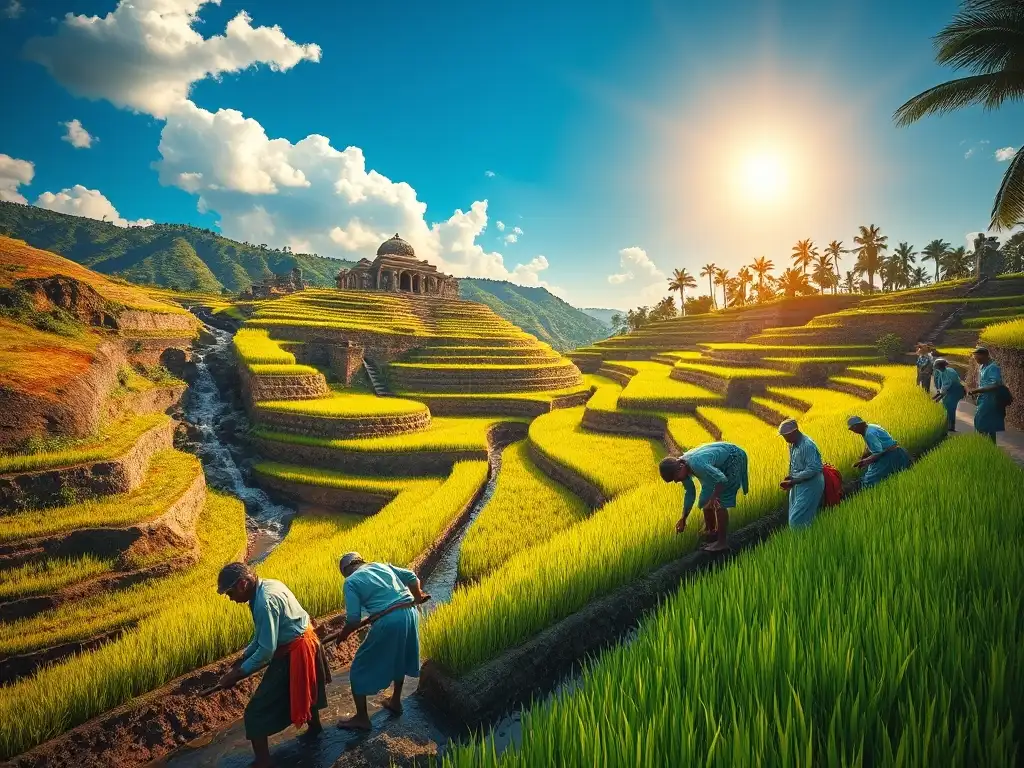
Welcome to Ancient India History, where we embark on a fascinating journey through time to uncover the rich tapestry of ancient Indian civilizations. Did you know that groundbreaking irrigation techniques played a pivotal role in shaping the agricultural landscape of ancient India? In our featured article, "Innovations in Ancient Indian Irrigation: Feeding a Civilization," we delve into the ingenious methods that not only nourished crops but also sustained entire communities.
Prepare to be captivated by the innovative spirit of the past as we explore how these remarkable advancements laid the foundation for a thriving civilization. Join us as we unravel the secrets of ancient wisdom and its enduring impact on today’s world!
Introduction to Ancient Indian Irrigation Techniques
The history of ancient Indian irrigation techniques is a testament to the ingenuity and adaptability of early civilizations in the Indian subcontinent. As societies evolved, so too did their understanding and application of water management, which played a crucial role in agricultural productivity and, by extension, the overall development of these civilizations.
From the sophisticated systems of the Indus Valley to the innovations seen during the Gupta Empire, ancient Indian irrigation techniques were not only vital for sustaining crops but also for supporting burgeoning urban centers. This article delves into the rich tapestry of these techniques, highlighting their impact on society and their lasting legacy.
Overview of Irrigation in Ancient India
Irrigation in ancient India was a complex interplay of natural resources and human innovation. Various methods were employed to harness water from rivers, lakes, and rainfall to ensure the fertility of the land. Some of the notable techniques included:
- Canal Systems: Constructed to divert river water to agricultural fields.
- Dug Wells: Hand-dug wells that tapped into groundwater sources.
- Stepwells: Ingeniously designed to allow access to water at different levels, particularly in arid regions.
These methods illustrate the early understanding of hydrology and the importance of water management in agriculture.
Importance of Water Management in Ancient Civilizations
Water management was pivotal for the sustenance of ancient civilizations. In regions where rainfall was unpredictable, effective irrigation ensured consistent agricultural output. The ability to control water resources directly influenced:
- Food Security: Increased crop yields helped sustain larger populations.
- Economic Growth: Surpluses allowed for trade and the development of markets.
- Social Structure: Reliable food sources contributed to the evolution of complex societies and governance.
Thus, ancient Indian irrigation techniques were not merely agricultural practices; they were foundational to the very fabric of civilization.
Role of Irrigation in Agricultural Development
The relationship between irrigation and agricultural development in ancient India cannot be overstated. With effective irrigation systems in place, farmers could cultivate multiple crops throughout the year, transitioning from subsistence farming to more sophisticated agricultural practices. This led to:
- Crop Diversification: Introduction of various crops such as rice, wheat, and pulses.
- Increased Productivity: Enhanced yields allowed for surplus production, fostering trade.
- Cultural Practices: The agricultural calendar influenced festivals, rituals, and community life.
In essence, irrigation techniques were integral to the agricultural success that defined ancient Indian civilizations.
Historical Context of Ancient Indian Irrigation
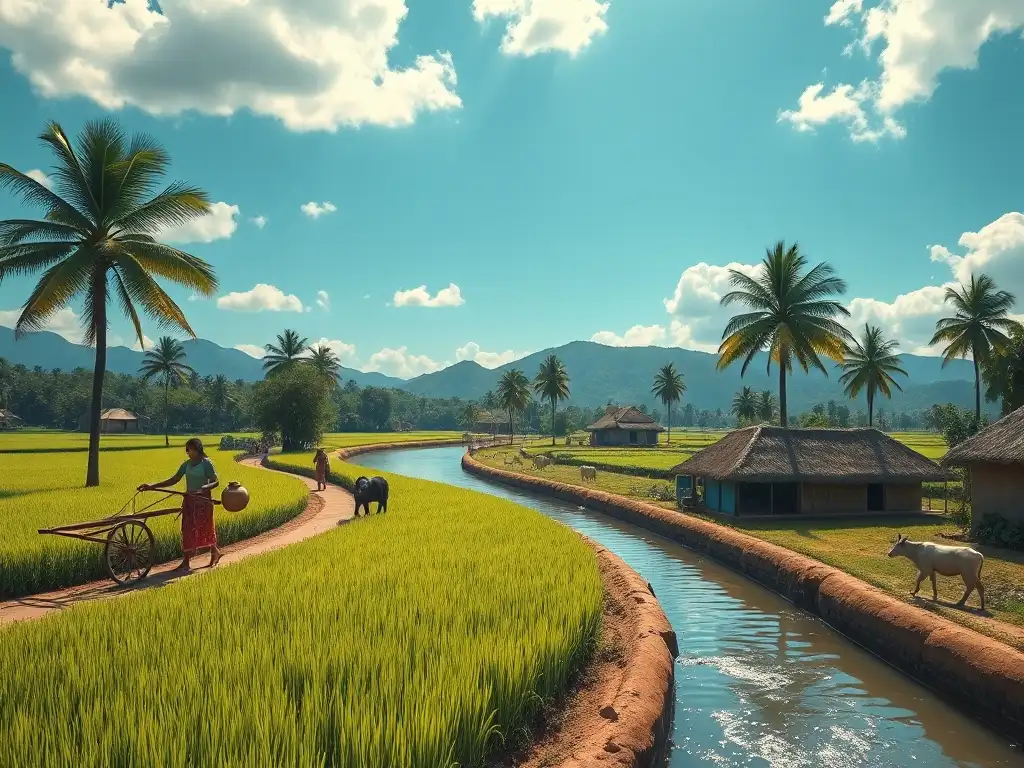
To fully appreciate the innovations in irrigation techniques, it is essential to explore their historical development across different periods in ancient India.
Early Irrigation Systems in the Indus Valley Civilization
The Indus Valley Civilization (circa 3300-1300 BCE) is often recognized for its advanced urban planning, which included an intricate system of irrigation. Archaeological evidence suggests that:
- Canals: Excavated canals connected to rivers like the Indus facilitated the distribution of water to fields.
- Water Storage: Large reservoirs were constructed to capture seasonal runoff, ensuring a reliable water source.
These early systems set a precedent for future irrigation techniques and highlighted the civilization's sophisticated understanding of agriculture and hydrology.
Innovations during the Vedic Period
The Vedic period (circa 1500-500 BCE) saw significant advancements in irrigation methods. Key developments included:
- Use of Ploughs: The introduction of iron ploughs enhanced land cultivation, allowing for more effective irrigation.
- Rainwater Harvesting: Techniques for capturing and storing rainfall became more refined, further supporting agricultural practices.
These innovations reflected a growing knowledge of agricultural science and the importance of water management in sustaining communities.
Advancements in the Mauryan and Gupta Empires
During the Mauryan (circa 322-185 BCE) and Gupta Empires (circa 320-550 CE), irrigation continued to evolve. Notable advancements included:
- Massive Canal Projects: Large-scale canal systems were constructed, promoting agricultural expansion across the empires.
- Water Regulation: Techniques for regulating water flow and distribution improved efficiency and reduced the risk of drought or flooding.
These advancements not only bolstered agriculture but also contributed to the wealth and stability of these powerful empires, highlighting the lasting impact of ancient Indian irrigation techniques on civilization.
Types of Ancient Indian Irrigation Techniques
Ancient Indian irrigation techniques were essential for agriculture, enabling civilizations to thrive in diverse geographical terrains. The methods developed over centuries reflected a deep understanding of local hydrology, soil types, and climate variations. Two primary categories of irrigation techniques emerged: surface irrigation methods and subsurface irrigation techniques. Each method served unique purposes and adapted to the environmental conditions of specific regions, showcasing the ingenuity of ancient Indian engineers and farmers.
Surface Irrigation Methods
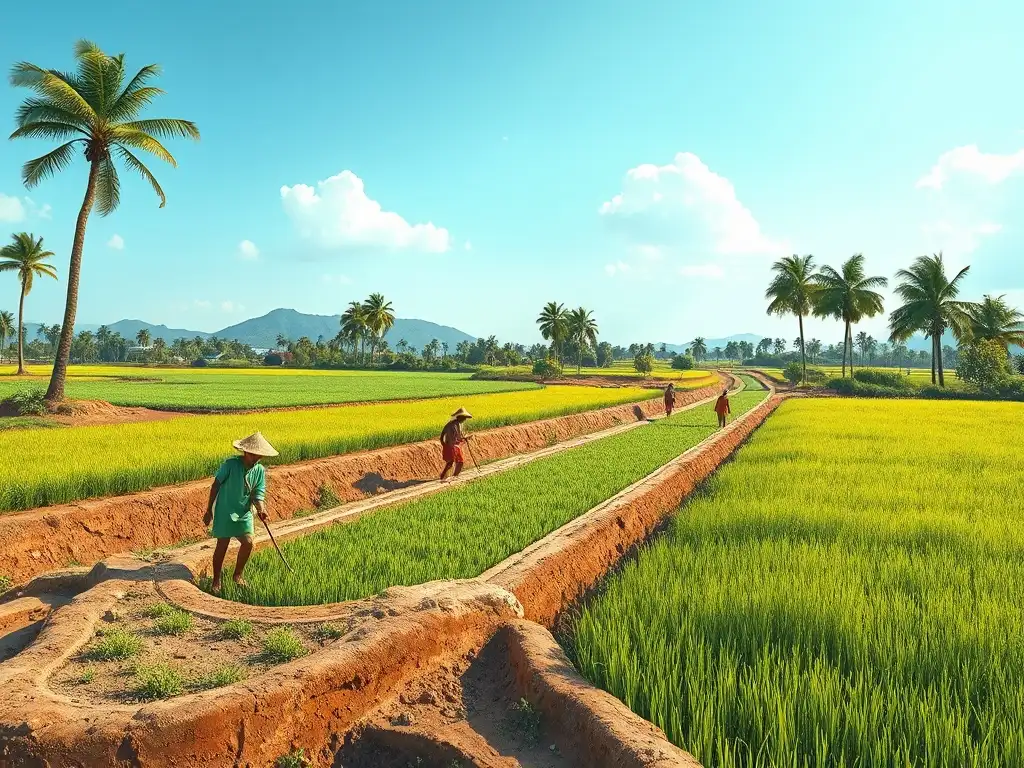
Surface irrigation, one of the oldest forms of irrigation, involves distributing water across the soil surface, allowing it to infiltrate and irrigate crops. This method was prevalent in ancient India due to its simplicity and effectiveness. Several techniques were employed, including:
- Furrow Irrigation: Farmers dug small channels or furrows between rows of crops, directing water flow from a source to nourish plants. This method reduced water wastage and allowed for efficient moisture distribution.
- Flood Irrigation: In areas with abundant water sources, farmers would flood fields to saturate the soil. This approach was particularly effective in regions like the Indus Valley, where river systems facilitated easy water access.
- Basin Irrigation: This technique involved creating basins around plants, where water could be pooled and absorbed. It was especially useful for crops that required consistent moisture, like rice.
Surface irrigation methods were not only practical but also aligned with the topography of ancient Indian landscapes, allowing farmers to maximize crop yields while conserving water resources.
Subsurface Irrigation Techniques
Subsurface irrigation techniques offered an innovative solution to water management by placing water delivery systems below the soil surface. This method helped reduce evaporation and enhanced water retention in the soil. Key subsurface irrigation techniques included:
- Clay Pipe Systems: Ancient engineers crafted clay pipes that directed water underground, ensuring that it reached the plant roots directly. This technique minimized surface runoff and improved water efficiency.
- Wells and Stepwells: These structures were built to access groundwater. Stepwells, in particular, were ingeniously designed with stairs leading down to the water level, allowing for easy access to water for irrigation as well as daily needs.
- Subsurface Drip Irrigation: Although more advanced, early forms of drip irrigation can be traced back to ancient practices where water was delivered slowly to the root zone through buried channels, reducing water wastage and promoting healthy plant growth.
Subsurface irrigation was particularly advantageous in arid regions, where water conservation was critical for sustaining agricultural practices and supporting growing populations.
Technological Innovations in Irrigation
The technological innovations in irrigation during ancient India were remarkable and laid the foundation for sustainable agricultural practices. These innovations encompassed tools, implements, and architectural advancements that enhanced efficiency and expanded agricultural output.
Tools and Implements Used for Irrigation
Various tools and implements were developed to facilitate effective irrigation, reflecting the skills and creativity of ancient Indian craftsmen. Some notable examples include:
- Ploughs: Wooden ploughs, often pulled by oxen, were essential for preparing fields and creating furrows for surface irrigation. The design evolved over time, contributing to improved soil cultivation.
- Water Lifting Devices: Devices such as the 'Rohit' (a simple lever device) and the 'Persian wheel' (a water-lifting mechanism) were used to draw water from rivers and wells for irrigation purposes. These innovations greatly increased water accessibility for farmers.
- Canals and Ditches: Ancient engineers constructed canals and ditches to transport water from rivers to agricultural fields. This network of channels was vital for managing water flow and ensuring that crops received adequate irrigation.
These tools and implements not only revolutionized irrigation practices but also played a crucial role in boosting agricultural productivity across ancient Indian civilizations.
Architectural Innovations in Water Storage
The architectural innovations in water storage were pivotal for managing water resources effectively. Ancient Indians constructed various structures to harness and store water, ensuring a steady supply for irrigation. Some significant innovations included:
- Reservoirs and Tanks: Large reservoirs were built to collect rainwater and river water, allowing for storage during dry seasons. These tanks were often equipped with sluice gates to control water flow to surrounding fields.
- Stepwells: As mentioned earlier, stepwells were architectural marvels designed for water storage. They allowed communities to store water for irrigation and domestic use while providing easy access through descending steps.
- Rainwater Harvesting Systems: Ancient civilizations implemented rainwater harvesting techniques, capturing and storing rainwater through specially designed structures. This method not only conserved water but also replenished groundwater supplies.
These architectural innovations demonstrated a profound understanding of hydrology and resource management, enabling ancient Indian civilizations to thrive agriculturally and sustain their populations. The legacy of these irrigation techniques and technologies continues to influence modern practices in water management and agriculture.
The Impact of Ancient Indian Irrigation Techniques on Society
Ancient Indian irrigation techniques played a pivotal role in shaping the civilization's social and economic landscape. The ability to manage water resources effectively allowed societies to thrive in a variety of climates and terrains, leading to the development of agriculture, trade, and complex social structures. The intricate systems of canals, wells, and reservoirs not only enhanced agricultural productivity but also fostered communal ties and economic interdependence among various regions.
Agricultural Productivity and Food Security
The innovations in irrigation significantly boosted agricultural productivity across ancient India. The construction of elaborate canal systems, such as those seen in the Indus Valley Civilization, facilitated the cultivation of diverse crops, including wheat, barley, and cotton. These advancements allowed farmers to irrigate their fields during dry seasons, ensuring a stable food supply. As a result, food security was enhanced, which led to population growth and the establishment of permanent settlements. The surplus production supported not only local consumption but also trade, creating a foundation for economic stability.
Economic Growth and Trade Enhancements
With improved agricultural yields, ancient Indian societies experienced notable economic growth. Surpluses enabled farmers to engage in trade, both within and beyond their local communities. The establishment of trade routes facilitated the exchange of goods, including textiles and spices, which were highly sought after by neighboring regions and foreign civilizations. The flourishing trade networks contributed to the overall prosperity of ancient Indian states, allowing them to invest in further technological advancements and architectural projects, such as the construction of irrigation systems themselves.
Social Structures and Community Development
The implementation of irrigation systems required significant labor and cooperation among community members, leading to the development of social structures. Villagers often organized themselves into cooperative groups to manage water distribution and maintain irrigation infrastructure. This collaboration fostered a sense of community and shared responsibility, which was crucial for the sustenance of agriculture. Moreover, the successful management of these systems often led to the emergence of leadership roles, contributing to the formation of more complex social hierarchies and governance structures.
Legacy of Ancient Indian Irrigation Techniques

The legacy of ancient Indian irrigation techniques is evident in both historical studies and contemporary practices. The principles and methods developed by ancient engineers continue to influence water management strategies in various regions.
Influence on Modern Irrigation Practices
Many modern irrigation practices can trace their roots to ancient Indian techniques. Concepts such as the use of gravity for water flow, the construction of check dams, and the implementation of rainwater harvesting systems were all prevalent in ancient India. These techniques have been adapted and refined over the centuries, highlighting their effectiveness and sustainability. Today, as water scarcity becomes a pressing issue, these ancient methods are being revisited and integrated into modern agricultural practices, showcasing their enduring relevance.
Preservation and Restoration of Ancient Irrigation Systems
Efforts to preserve and restore ancient irrigation systems have gained momentum as awareness of their historical significance grows. Initiatives aimed at rehabilitating traditional canals and ponds not only protect cultural heritage but also enhance local ecosystems and agricultural productivity. Community-driven projects often involve local populations in the restoration process, fostering a sense of pride and ownership over their historical resources, while simultaneously addressing contemporary water management challenges.
Lessons from Ancient Techniques for Contemporary Water Management
Ancient Indian irrigation techniques offer valuable lessons for modern water management. The focus on sustainability, community involvement, and the adaptation to local environments are principles that can guide contemporary practices. By studying these ancient systems, modern societies can develop more resilient approaches to water management, ensuring that future generations have access to this vital resource. The integration of traditional knowledge with modern technology can lead to innovative solutions for current water crises, proving that the wisdom of the past remains relevant today.
Conclusion
The innovations in ancient Indian irrigation techniques played a vital role in supporting and sustaining the diverse civilizations that flourished across the subcontinent. From the intricate systems of the Indus Valley Civilization to the advanced engineering feats during the Gupta Empire, these methods not only transformed agriculture but also influenced socio-economic structures, trade, and urban development. The ingenuity of ancient Indian engineers and planners laid a strong foundation for future generations, showcasing their ability to adapt and innovate in harmony with the environment.
Summary of Key Innovations in Ancient Indian Irrigation
Several key innovations stand out in the history of ancient Indian irrigation:
- Canal Systems: Extensive canal networks, such as those found in the Indus Valley, facilitated the distribution of water over large areas, ensuring that agriculture thrived even in arid regions.
- Stepwells and Tanks: Ingenious designs of stepwells and water tanks allowed for the collection and storage of rainwater, providing reliable water sources throughout the year.
- Water Lifting Devices: Techniques such as the use of the Persian wheel (charkha) enabled farmers to lift water from rivers and wells, enhancing irrigation efficiency.
- Terracing: In hilly terrains, terracing techniques were employed to create flat land for cultivation, minimizing soil erosion and maximizing arable land.
- Crop Rotation and Diversification: Ancient Indian agricultural practices included crop rotation and the cultivation of diverse crops, which improved soil fertility and ensured food security.
These innovations not only improved agricultural productivity but also showcased a deep understanding of hydraulics and environmental management.
The Lasting Impact on Indian Civilization and Beyond
The impact of ancient Indian irrigation techniques extended far beyond immediate agricultural benefits. By ensuring a stable food supply, these irrigation systems fostered population growth, urbanization, and the evolution of complex societies. The surplus production facilitated trade, not only within regions but also with neighboring civilizations, leading to cultural exchanges and economic integration.
Moreover, the principles of ancient Indian irrigation have been influential in modern agricultural practices. Many contemporary water management strategies still draw inspiration from these time-tested techniques. The enduring legacy of these innovations is evident in the continuous reliance on integrated water resource management and sustainable agricultural practices in India today.
References
Key Historical Texts and Archaeological Studies
- Arthashastra by Kautilya: This ancient treatise on statecraft includes insights into water management and agriculture.
- Rigveda: References to agriculture and irrigation practices within this ancient text highlight the significance of water resources in early Indian civilization.
- Archaeological findings from sites like Mohenjo-Daro and Harappa provide evidence of sophisticated drainage and water management systems.
Further Reading on Ancient Indian Technology and Engineering
- "Ancient Indian Engineering and Technology" by R. S. Sharma: This book explores various engineering marvels of ancient India, including irrigation systems.
- "The Indus Valley Civilization: An Inquiry into its Cultural and Technological Achievements" by A. R. Khan: This work delves into the technological advancements of the Indus Valley, particularly in water management and agriculture.
- "Water and Society in Early India" by R. P. Tripathi: This text examines the relationship between water resources and societal development in ancient India, offering a comprehensive understanding of irrigation techniques and their implications.
- Introduction to Ancient Indian Irrigation Techniques
- Overview of Irrigation in Ancient India
- Importance of Water Management in Ancient Civilizations
- Role of Irrigation in Agricultural Development
- Historical Context of Ancient Indian Irrigation
- Types of Ancient Indian Irrigation Techniques
- Technological Innovations in Irrigation
- The Impact of Ancient Indian Irrigation Techniques on Society
- Legacy of Ancient Indian Irrigation Techniques
- Conclusion
- References
- What were some key ancient Indian irrigation techniques?
- How did irrigation impact ancient Indian agriculture?
- What role did the Indus Valley Civilization play in irrigation development?
- How did religion influence irrigation practices in ancient India?
- What were the long-term effects of ancient Indian irrigation on society?
Frequently Asked Questions
What were some key ancient Indian irrigation techniques?
Ancient Indian civilizations utilized canals, dams, and stepwells to efficiently manage water resources, ensuring agricultural productivity.
How did irrigation impact ancient Indian agriculture?
Irrigation techniques allowed for increased crop yields, which supported larger populations and facilitated the growth of urban centers throughout ancient India.
What role did the Indus Valley Civilization play in irrigation development?
The Indus Valley Civilization was known for its sophisticated drainage systems and water management, which set the foundation for later irrigation innovations in India.
How did religion influence irrigation practices in ancient India?
Religious beliefs often dictated the construction and maintenance of irrigation systems, with many communities considering water bodies as sacred, leading to their preservation.
What were the long-term effects of ancient Indian irrigation on society?
The development of irrigation systems fostered economic stability, social organization, and cultural advancements, significantly shaping the civilians' lives in ancient India.
Final Reflection: The Enduring Legacy of Ancient Indian Irrigation Techniques
The innovations in ancient Indian irrigation techniques are not just relics of a bygone era; they are foundational pillars that shaped the very fabric of civilization. Today, as we grapple with the challenges of climate change and water scarcity, the lessons learned from these ancient practices resonate more than ever. The ingenuity of our ancestors in harnessing water resources reminds us that sustainable solutions often lie in the wisdom of the past.
Cultural and social landscapes are continually influenced by the advancements in irrigation that emerged from ancient India. These techniques not only supported agriculture but also fostered community development and trade, laying the groundwork for thriving societies. As we witness a resurgence in interest towards sustainable farming practices, we can draw parallels to the ancient methods that prioritized harmony with nature. The greatest threat to our planet is the belief that someone else will save it.
– Robert Swan. This quote encapsulates the urgency of applying historical wisdom to contemporary issues, urging us to take responsibility for our environmental future.
As you reflect on the significance of ancient Indian irrigation techniques, consider how you can incorporate these lessons into your own life. Embrace the spirit of innovation and sustainability in your daily choices, whether through water conservation efforts or supporting local agriculture. Let the ingenuity of the past inspire you to take action today, ensuring that we not only honor our heritage but also pave the way for a sustainable future.
Unleash the Power of Ancient Wisdom!
Thank you for diving into the fascinating world of ancient Indian irrigation—your interest highlights the ingenuity of those who laid the foundations of sustainable agriculture. Now, it's time to take inspiration from this rich history and transform it into actionable steps that can benefit our present and future.
Here’s how you can make a real impact:
- Dive Deeper: Explore local historical sites or museums that feature ancient agricultural practices and irrigation systems. Understanding these methods can offer invaluable insights for modern sustainability efforts.
- Subscribe & Share: Stay connected by subscribing to our newsletter for more intriguing articles. Don’t forget to share this information with friends or on social media—let’s spread the wisdom of ancient practices!
- Innovate: Consider starting a community gardening project that incorporates ancient techniques. Engaging with your neighbors can be a fun and educational way to revive these practices in your own lives.
What ancient irrigation practice do you find most inspiring, and how could we use it to tackle today’s water challenges? Share your thoughts below, and let’s start a conversation!