
The Connection Between Ancient Scripts and Regional Cultures in India


Welcome to Ancient India History! Immerse yourself in the captivating journey through the rich tapestry of ancient Indian civilizations, where every inscription tells a story of cultural brilliance and human endeavor. In our featured article, "The Connection Between Ancient Scripts and Regional Cultures in India," we delve into the fascinating world of ancient Indian scripts and cultures.
Discover how these scripts not only document history but also reflect the diverse regional identities that shaped the subcontinent. As you explore, prepare to unlock the secrets of a past that continues to influence the present. Let your curiosity guide you through the wonders of ancient India!
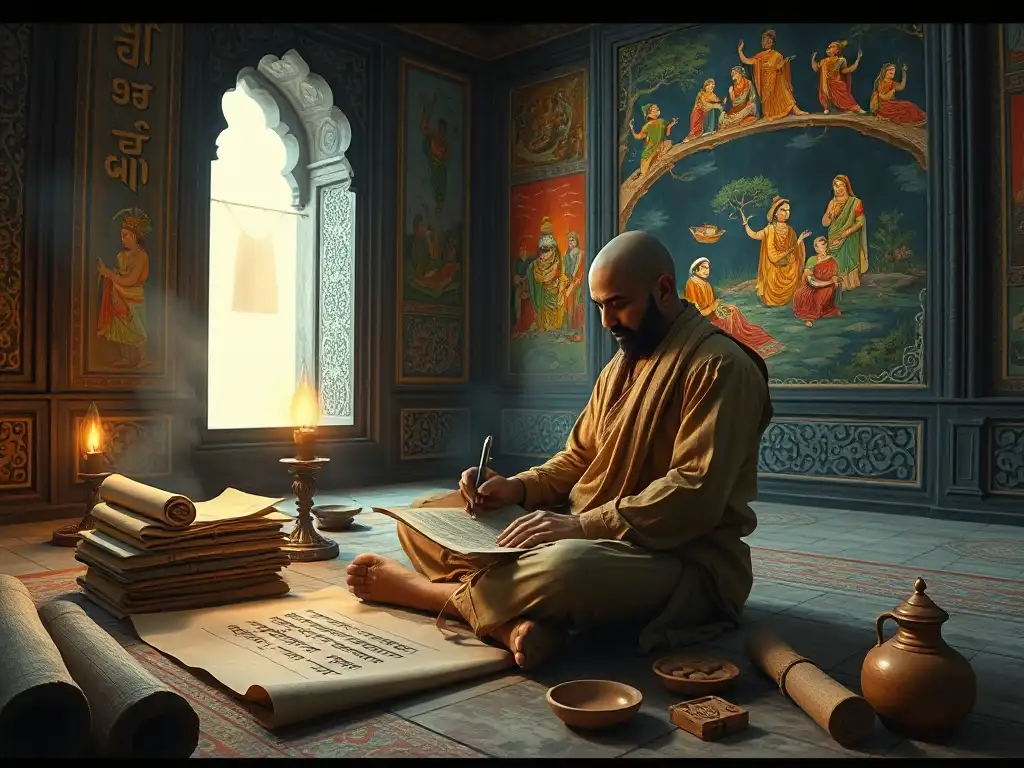
Introduction to Ancient Indian Scripts and Cultures
The tapestry of ancient Indian history is intricately woven with a multitude of scripts, each embodying the unique cultural narratives of diverse regional civilizations. From the sophisticated urban centers of the Indus Valley Civilization to the scholarly pursuits of the Gupta Empire, ancient Indian scripts serve as vital links to understanding the rich cultural heritage of the subcontinent.
They not only provide insights into the languages spoken but also reveal the socio-political, religious, and artistic expressions of their times. By exploring the connection between ancient scripts and regional cultures in India, we can appreciate how these elements shaped the identity of communities and contributed to the broader narrative of Indian civilization.
Importance of Ancient Indian Scripts in Cultural Heritage
Ancient Indian scripts, such as Brahmi, Kharosthi, and Tamil-Brahmi, are not merely forms of writing; they are repositories of history and culture. Each script carries with it the weight of civilization's thoughts, beliefs, and innovations. The importance of these scripts can be summarized as follows:
- Preservation of Knowledge: Ancient scripts have been instrumental in documenting religious texts, scientific literature, and philosophical treatises that form the bedrock of Indian intellectual heritage.
- Cultural Reflection: The styles and characteristics of different scripts highlight the linguistic diversity across regions, reflecting the unique identities and traditions of various communities.
- Historical Insights: Inscriptions found on temples, monuments, and coins provide invaluable information about political regimes, trade relations, and cultural exchanges that have shaped Indian history.
Overview of Regional Cultures in India
India's regional cultures are as diverse as its languages and scripts. Each region boasts its own customs, art forms, and historical narratives, contributing to the mosaic of Indian civilization. Key regional cultures include:
- Indus Valley Civilization: Known for advanced urban planning and the use of the Indus script, this early civilization laid the foundations of social organization and trade.
- Vedic Culture: Emerging in Northern India, this period saw the development of Sanskrit and the composition of the Vedas, fostering a spiritual and philosophical legacy.
- Dravidian Culture: Predominantly found in Southern India, this culture is characterized by unique temple architecture and the Tamil script, one of the oldest living scripts in the world.
- Buddhist and Jain Influences: The spread of Buddhism and Jainism introduced Pali and Prakrit scripts, which contributed to cultural dialogues and artistic expressions across the region.
The Role of Ancient Scripts in Shaping Regional Identities
How Scripts Reflect Cultural Diversity
The scripts used in ancient India are a testament to the region's cultural diversity. This diversity is not only linguistic but also encompasses a wide array of traditions, beliefs, and practices. For instance, the Brahmi script, which is the ancestor of many modern Indian scripts, symbolizes the unity of diverse cultural strands while still allowing for regional adaptations.
- Regional Variations: Scripts like Gurmukhi in Punjab and Bengali in West Bengal demonstrate how ancient writing systems evolved to meet the specific cultural needs of their communities.
- Symbol of Identity: For many communities, the script used in writing is a source of pride and a marker of cultural identity, linking contemporary societies to their ancient roots.
Ancient Scripts as Tools for Communication and Preservation
Ancient scripts served as vital tools for effective communication and the preservation of cultural heritage. They enabled the documentation of laws, stories, and rituals, ensuring the transmission of knowledge across generations.
- Inscriptions and Epigraphy: The study of inscriptions has revealed much about the governance, economy, and societal norms of ancient Indian civilizations, showcasing the role of scripts in maintaining order and coherence.
- Cultural Continuity: By preserving literary and religious texts, ancient scripts have sustained cultural practices and beliefs, allowing them to thrive even in the face of changing political landscapes.
The exploration of ancient Indian scripts and their connection to regional cultures not only enriches our understanding of history but also highlights the dynamic interplay between language, culture, and identity in shaping the Indian subcontinent's legacy.
Major Ancient Indian Scripts and Their Cultural Significance
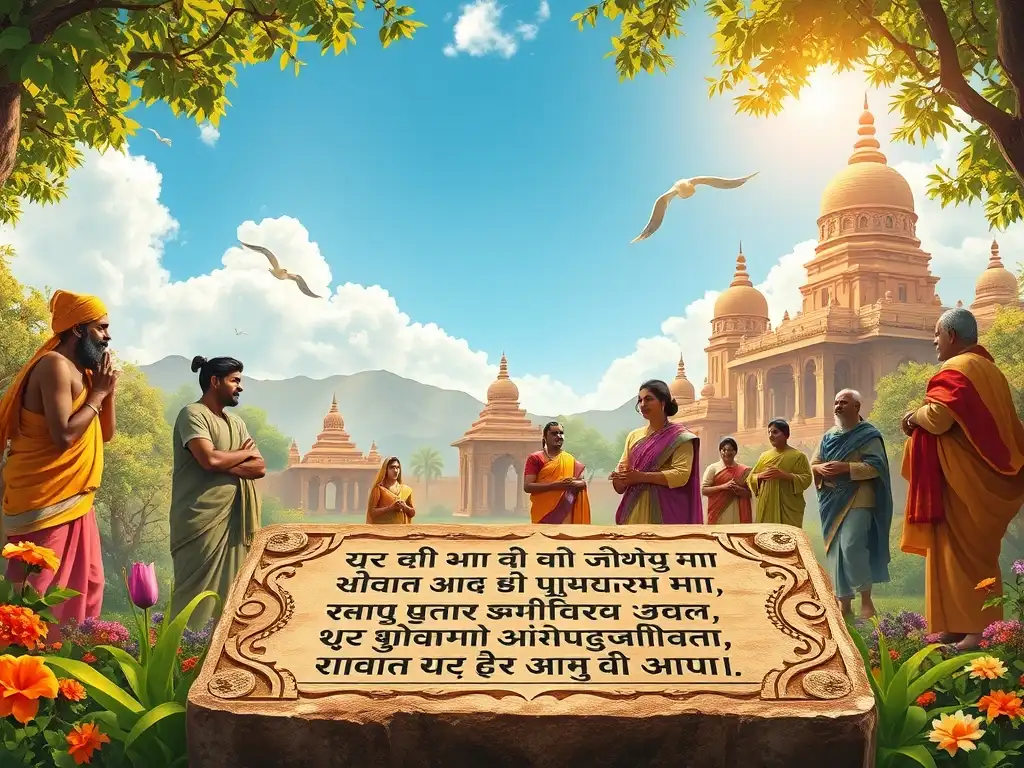
Ancient Indian scripts serve as a testament to the rich tapestry of cultures and civilizations that flourished across the subcontinent. Each script not only represents a means of communication but also reflects the historical, philosophical, and artistic expressions of the societies that utilized them. Understanding these scripts is crucial for deciphering the cultural contexts of ancient India.
The scripts developed in ancient India played a pivotal role in the propagation of religious texts, literature, and administrative documentation. For instance, the Brahmi script is often considered the progenitor of many modern Indian scripts, influencing languages such as Hindi, Bengali, and Tamil. Similarly, the Kharosthi script was instrumental in disseminating Buddhist texts across Asia, highlighting the interconnectedness of cultural and religious practices.
In addition to their functional aspects, these scripts also embody artistic features unique to their cultural milieu. The intricate designs and calligraphy found in inscriptions not only convey information but also serve as a medium for aesthetic expression, reflecting the values and beliefs of the time.
Indus Valley Script: Understanding Its Mystique
The Indus Valley Script remains one of the most enigmatic aspects of ancient Indian history. This script, associated with the Indus Valley Civilization (circa 3300–1300 BCE), consists of short, inscribed symbols found on seals, pottery, and other artifacts. Despite extensive research, the script has not been conclusively deciphered, leading to various theories about its language and purpose.
The mystique surrounding the Indus Valley Script is compounded by the civilization's advanced urban planning, trade networks, and artistic achievements. Scholars speculate that the script may have been used for administrative purposes, trade, or ritualistic communication. The lack of bilingual inscriptions, akin to the Rosetta Stone, hinders definitive interpretations, leaving room for ongoing research and debate.
The significance of the Indus Valley Script extends beyond mere communication; it symbolizes the sophistication of one of the world's earliest urban cultures. Understanding its context provides insights into the social, economic, and spiritual life of the people who thrived along the banks of the Indus River.
Brahmi Script: The Foundation of Indian Writing
Brahmi script is heralded as the foundation of Indian writing systems, emerging around the 3rd century BCE. Its historical significance is immense, as it laid the groundwork for many contemporary scripts, including Devanagari, Tamil, and Telugu. Brahmi inscriptions are found on various monuments, edicts, and manuscripts, notably those of Emperor Ashoka, which played a crucial role in the spread of Buddhism.
The script's structure is characterized by its phonetic nature, where characters represent sounds rather than ideas or objects. This phonetic quality facilitated the transcription of multiple languages across the Indian subcontinent, promoting literacy and cultural exchange. The adaptability of Brahmi allowed it to evolve into numerous regional scripts, each reflecting the local linguistic nuances and cultural identities.
Brahmi's artistic representation is also noteworthy. The inscriptions often feature intricate designs and calligraphy, showcasing the aesthetic values of ancient Indian society. The script's legacy continues to be celebrated in modern India, where it symbolizes the rich literary and cultural heritage of the nation.
Kharosthi: A Script of Historical Importance
Kharosthi script, contemporary with Brahmi, emerged in the northwestern regions of ancient India, particularly in Gandhara (present-day Pakistan and Afghanistan). This script was predominantly used for writing the Gandhari language, associated with early Buddhist texts. Kharosthi is unique in that it is written from right to left, contrasting with the left-to-right orientation of Brahmi.
The historical importance of Kharosthi is underscored by its role in the dissemination of Buddhist teachings. Notable manuscripts, such as the Gandharan Buddhist texts, provide invaluable insights into the philosophical and cultural exchanges during the Mauryan and post-Mauryan eras. The script's influence extended beyond India, as it was adopted in Central Asia, facilitating the spread of Buddhism along trade routes.
Kharosthi inscriptions are often found on coins and seals, reflecting the administrative and economic practices of the time. As such, the script not only serves as a linguistic tool but also as a window into the socio-political landscape of ancient India.
Regional Variations in Ancient Indian Scripts
The diversity of ancient Indian scripts is mirrored in the regional cultures that produced them. Each region developed its unique writing style, shaped by local languages, traditions, and artistic expressions. This regional variation highlights the adaptability of scripts in meeting the communicative needs of different communities.
Northern India: Scripts and Cultural Practices
In Northern India, scripts such as Devanagari and Gurmukhi have deep cultural roots. Devanagari, which emerged from Brahmi, became the script for several languages, including Hindi, Sanskrit, and Marathi. Its use in religious texts, literature, and administration underscores its significance in shaping cultural identity.
Gurmukhi, developed in the 15th century, is closely associated with Sikhism and the Punjabi language. The script reflects the cultural ethos of the Sikh community, particularly through religious texts like the Guru Granth Sahib. The regional scripts in Northern India not only facilitate communication but also serve as a means of preserving and promoting cultural heritage.
Southern India: Unique Scripts and Their Influence
Southern India boasts a rich tapestry of unique scripts, including Tamil, Telugu, and Kannada, each with its distinct characteristics. The Tamil script, one of the oldest living scripts, has a history that dates back over 2,000 years. Its development has paralleled the evolution of Tamil literature, which is celebrated for its classical poetry and philosophical texts.
Telugu script, derived from the Brahmi script, has evolved over centuries to accommodate the phonetic nuances of the Telugu language. The script is integral to the region's cultural practices, particularly in literature and performing arts.
In Southern India, scripts are often intertwined with religious practices, as seen in temple inscriptions and devotional literature. The unique scripts of the region not only reflect linguistic diversity but also embody the cultural and spiritual heritage of the communities.
Eastern and Western India: Diverse Scripts and Cultural Expressions
Eastern and Western India showcase an array of diverse scripts, each contributing to the region's cultural expressions. In Eastern India, scripts like Bengali and Odia reflect the linguistic richness of the region. The Bengali script, known for its curvilinear forms, is used in literature, journalism, and education, while the Odia script is celebrated for its distinct style and historical texts.
In Western India, Gujarati and Marathi scripts have developed as vital components of their respective cultures. The Gujarati script, characterized by its rounded shapes, is essential for business and literature, while the Marathi script, derived from Devanagari, plays a key role in preserving Marathi literature and cultural identity.
The regional scripts of Eastern and Western India highlight the diverse cultural landscapes and historical developments that have shaped the identities of these communities. Through their scripts, these regions articulate their unique narratives and artistic expressions, contributing to the broader mosaic of ancient Indian history.
The Interconnection Between Scripts and Local Traditions
The relationship between ancient scripts and the diverse regional cultures of India is profound and multifaceted. Scripts are not merely tools for communication; they encapsulate the ethos, traditions, and histories of the communities that created and used them. Each script, from Brahmi to Kharosthi, is a testament to the cultural landscape of its time. For instance, the usage of the Brahmi script in inscriptions reflects the spread of Buddhism and its philosophy across different regions, which in turn influenced local customs and practices.
Moreover, scripts often served as a bridge between different cultures. The spread of Sanskrit as a literary language facilitated the exchange of ideas, religious beliefs, and artistic expressions across vast territories. As local dialects absorbed elements of Sanskrit, they contributed to a rich tapestry of linguistic diversity, showcasing how scripts can embody the synthesis of various cultural influences. This phenomenon is particularly evident in the way regional scripts adapted and evolved, incorporating local stylistic elements that reflect unique traditions and identities.
How Scripts Influence Language and Dialects
Ancient Indian scripts have played a crucial role in shaping the languages and dialects of various regions. For example, the evolution of the Devanagari script has not only facilitated the standardization of Hindi and other languages but has also influenced the phonetic structure of regional dialects. As communities engaged with written forms of language, they often incorporated script-based influences into their spoken dialects, leading to a dynamic interplay between oral and written traditions.
Additionally, scripts have served as a vehicle for preserving local folklore, religious texts, and philosophical treatises, which in turn enrich the linguistic fabric of the region. The influence of the Tamil script on the Tamil language illustrates how writing systems can reinforce cultural identity. The preservation of classical texts in Tamil has helped maintain a continuous linguistic tradition that is deeply intertwined with the region's history and cultural practices.
The Impact of Ancient Scripts on Art and Architecture
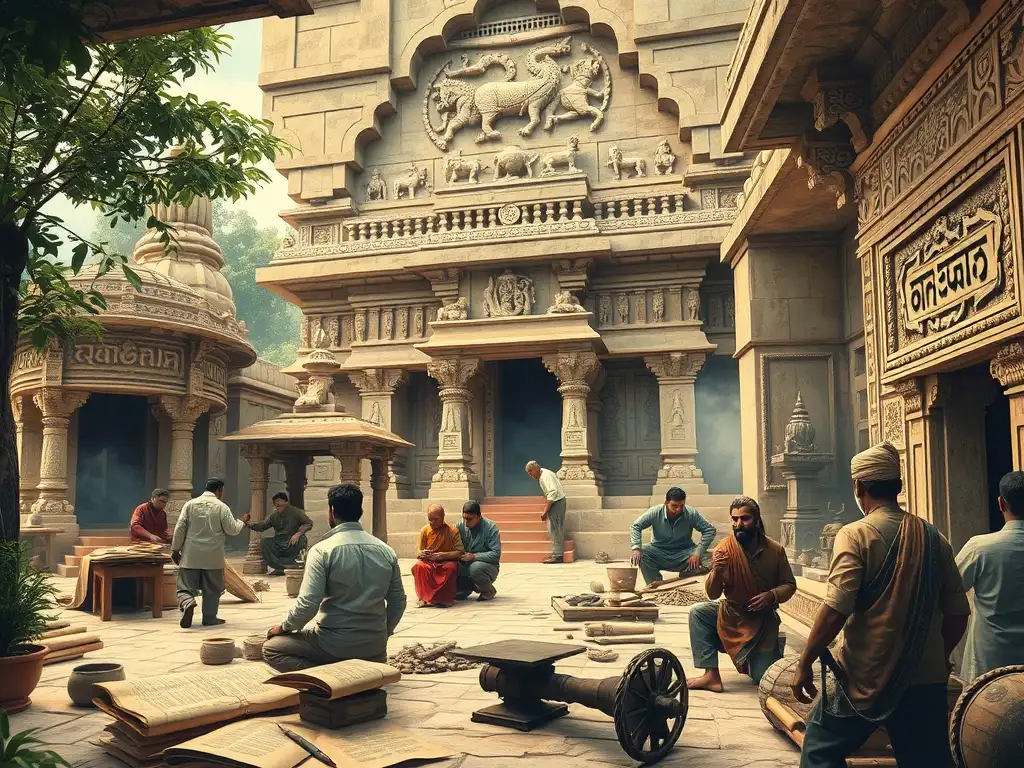
The aesthetic dimensions of ancient scripts have significantly impacted the art and architecture of India. Inscriptions found on temples, sculptures, and pottery reveal not only the linguistic prowess of ancient societies but also their artistic sensibilities. The intricate carvings of scripts such as Brahmi and Grantha on temple walls serve both a decorative and a communicative purpose, merging the visual with the verbal.
Moreover, the application of scripts in architectural design can be seen in the grandeur of monuments like the Ashoka Pillars, which are adorned with inscriptions that convey moral and ethical teachings. These inscriptions not only reflect the artistic style of the period but also serve as a testament to the cultural and philosophical values of ancient Indian civilization. As a result, ancient scripts are not merely remnants of communication; they are integral to understanding the broader context of India's artistic heritage.
Deciphering Ancient Scripts: Challenges and Advances
Deciphering ancient Indian scripts presents a myriad of challenges, primarily due to the complex nature of the scripts and the historical context in which they were used. The lack of bilingual inscriptions, such as those that aided in deciphering Egyptian hieroglyphs, complicates the task for researchers. Additionally, variations in script styles across regions and time periods further obscure understanding, necessitating a multidisciplinary approach that combines linguistics, archaeology, and history.
Despite these challenges, advances in technology and methodologies have opened new avenues for deciphering these scripts. The application of computational techniques, such as machine learning, has begun to aid researchers in recognizing patterns and making connections across inscriptions, enhancing our understanding of the relationships between different scripts and their cultural contexts.
The Complexity of Ancient Indian Scripts
Ancient Indian scripts exhibit remarkable complexity, both in their structure and their evolution. Scripts such as Brahmi and Kharosthi were not static; they evolved over centuries to accommodate the changing linguistic needs of diverse cultures. This evolution includes the development of regional variants, which can differ significantly in style and usage.
The complexity is further compounded by the fact that many scripts were used for multiple languages, leading to a rich interchange of phonetic and grammatical features. For instance, the same script may represent different sounds in varying dialects, complicating the task of linguists and epigraphists who seek to establish a comprehensive understanding of ancient texts.
Recent Discoveries and Their Implications for Cultures
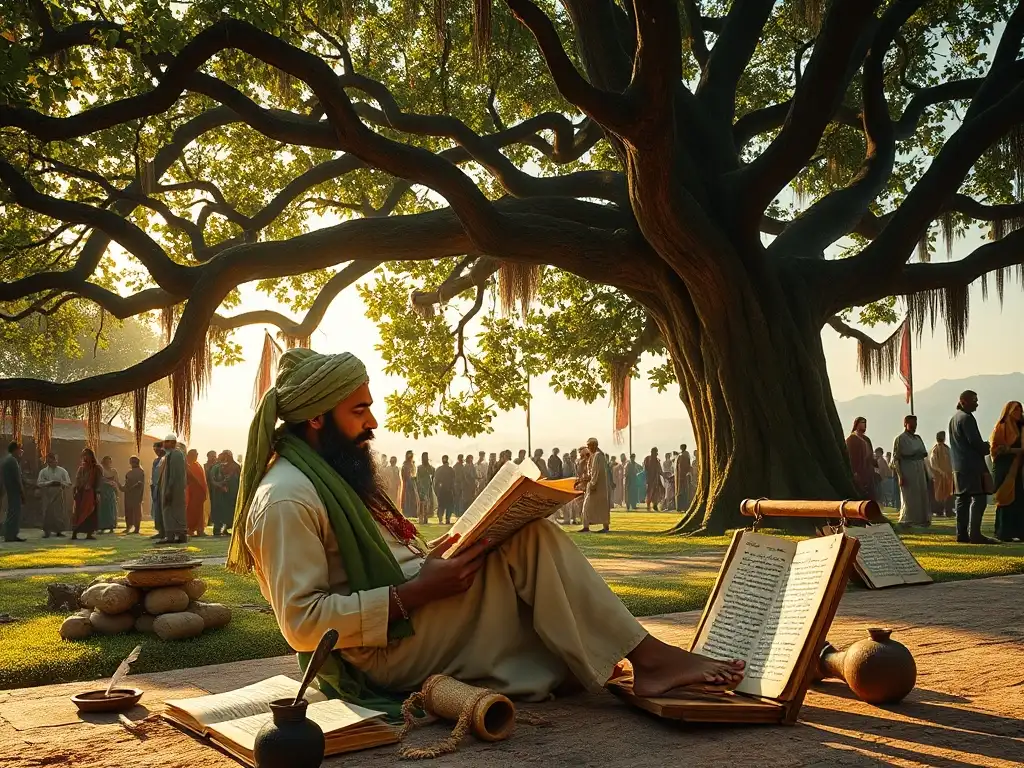
Recent archaeological discoveries and advancements in technology have shed new light on ancient Indian scripts and their cultural implications. The finding of inscriptions in lesser-known scripts has provided insight into the linguistic diversity of ancient India, revealing previously undocumented languages and dialects. These discoveries are critical for understanding the socio-political dynamics of ancient civilizations and how they influenced one another.
Additionally, the analysis of these inscriptions has implications for the study of trade, religion, and cultural exchange. For example, inscriptions found in trade centers illustrate the economic interactions between different regions, highlighting how scripts facilitated commerce and cultural exchange. This underscores the significance of ancient scripts not only as a means of communication but also as a reflection of the interconnectedness of ancient Indian societies.
Case Studies: Ancient Scripts and Their Cultural Contexts
The study of ancient Indian scripts reveals a rich tapestry of regional cultures and historical contexts. Insights gleaned from the examination of these scripts allow us to understand the social, economic, and religious nuances of the civilizations that flourished in India. By analyzing notable case studies, we can see how scripts served not just as a means of communication but also as vital instruments of cultural identity and interregional connections.
The Indus Valley Civilization: Scripts and Societal Organization
The Indus Valley Civilization (IVC), which thrived around 2500 BCE, is renowned for its advanced urban planning and sophisticated societal organization. The script utilized by the IVC remains undeciphered, yet it comprises around 400 distinct symbols, indicating a complex system of communication. Artefacts bearing these inscriptions have been discovered at various sites, such as Harappa and Mohenjo-Daro, suggesting that this script played a crucial role in administration and trade.
The presence of seals with inscriptions points to a potential usage in commerce, possibly for identifying ownership or regulating trade. Additionally, the uniformity of script across diverse urban centers implies a shared cultural ethos, reflecting the interconnectedness of the IVC. The lack of monumental literature or extensive inscriptions, however, raises questions about the extent of literacy and the role of written communication in daily life. Despite these challenges, the Indus script is an emblem of the civilization's cultural coherence and organizational sophistication, hinting at a society that valued record-keeping and communication.
The Gupta Empire: Scripts and Cultural Flourishing
The Gupta Empire, often referred to as a golden age of Indian culture, witnessed a remarkable flourishing of arts, sciences, and literature from the 4th to the 6th century CE. During this period, the development of the Brahmi script became significant. This script, characterized by its simplicity and adaptability, laid the foundation for many modern Indian scripts.
Literary works like Kalidasa's "Shakuntala" and the medical texts of Charaka were composed using the Brahmi script, reflecting the profound intellectual and cultural advancements of the time. The use of inscriptions on temples and monuments illustrates the rising importance of religion and patronage in society. The Gupta rulers endorsed various forms of writing, promoting the synthesis of regional dialects and local scripts, which enriched the cultural landscape.
Furthermore, the Gupta period was marked by the establishment of educational institutions, such as Nalanda, where ancient texts were studied and preserved. The interplay between script and culture during this era highlights how writing systems not only preserved knowledge but also influenced the socio-political fabric of the empire.
Conclusion: The Lasting Legacy of Ancient Indian Scripts on Regional Cultures
The legacy of ancient Indian scripts extends far beyond mere communication; they encapsulate the essence of regional cultures and their evolution over centuries. From the undeciphered symbols of the Indus Valley to the flourishing literary traditions of the Gupta Empire, these scripts provide invaluable insights into the social structures, religious beliefs, and cultural exchanges that shaped ancient Indian civilizations.
Reflections on the Importance of Preserving Ancient Scripts
Preserving ancient scripts is paramount to understanding our cultural heritage. These writings are not only historical documents but also windows into the minds and lives of those who came before us. They offer clues about language evolution, trade routes, and cultural interactions. Efforts to document, study, and conserve these scripts are essential to ensure that future generations can access the rich narratives embedded within them.
Moreover, modern technology, such as digitization and machine learning, presents new opportunities for deciphering and preserving ancient scripts. Collaborative efforts among historians, linguists, and archaeologists can lead to breakthroughs in understanding these texts, fostering a deeper appreciation of their significance in the broader context of world history.
The Future of Research in Ancient Indian Scripts and Their Cultural Connections
The future of research in ancient Indian scripts is poised for exciting developments. As interdisciplinary approaches gain traction, scholars are increasingly integrating archaeological findings, linguistic analysis, and cultural studies to decode ancient scripts and their societal implications. The continued discovery of artefacts and inscriptions will undoubtedly enrich our understanding of regional cultures and their connections.
Moreover, with advancements in technology, such as artificial intelligence and machine learning, there is potential for new methodologies to emerge, paving the way for breakthroughs in deciphering complex scripts. The collaboration between institutions and scholars across the globe can drive innovations in research, enabling a deeper exploration of the nuances of ancient Indian scripts and their lasting impact on regional cultures. Engaging with these ancient writings not only enhances our historical knowledge but also strengthens our cultural identity in an increasingly interconnected world.
- Introduction to Ancient Indian Scripts and Cultures
- Importance of Ancient Indian Scripts in Cultural Heritage
- Overview of Regional Cultures in India
- The Role of Ancient Scripts in Shaping Regional Identities
- Major Ancient Indian Scripts and Their Cultural Significance
- Regional Variations in Ancient Indian Scripts
- The Interconnection Between Scripts and Local Traditions
- How Scripts Influence Language and Dialects
- The Impact of Ancient Scripts on Art and Architecture
- Deciphering Ancient Scripts: Challenges and Advances
- The Complexity of Ancient Indian Scripts
- Recent Discoveries and Their Implications for Cultures
- Case Studies: Ancient Scripts and Their Cultural Contexts
- Conclusion: The Lasting Legacy of Ancient Indian Scripts on Regional Cultures
Frequently Asked Questions
What are ancient Indian scripts?
Ancient Indian scripts refer to the writing systems developed in India, such as Brahmi and Kharosthi, which played a crucial role in documenting history, literature, and culture.
How did regional cultures influence ancient Indian scripts?
Regional cultures shaped the development and evolution of ancient scripts, as they adapted to local languages and traditions, thus reflecting the diversity of Indian civilization.
What is the significance of the Indus Valley script?
The Indus Valley script remains one of the earliest forms of writing in India, and its undeciphered nature continues to intrigue researchers about the culture and society of that era.
How did the Gupta Empire contribute to ancient scripts?
The Gupta Empire is known for its patronage of literature and arts, leading to advancements in writing styles and the creation of Sanskrit literature, which influenced many regional cultures.
What are some examples of ancient Indian texts that showcase these scripts?
Examples include the Vedas, Puranas, and Panini's Ashtadhyayi, which illustrate the complexity and richness of ancient Indian scripts and cultures throughout history.
Final Reflection: The Enduring Legacy of Ancient Indian Scripts and Cultures
The intricate relationship between ancient Indian scripts and regional cultures remains profoundly relevant today, as it highlights the rich tapestry of diversity that defines India. In a world increasingly characterized by globalization and homogenization, understanding the roots of our cultural identities through these ancient scripts is not just an academic exercise; it is a vital endeavor that fosters appreciation for our heritage. The scripts serve as a bridge connecting us to our past, reminding us of the stories, philosophies, and values that have shaped our societies over millennia.
The influence of ancient Indian scripts extends far beyond historical significance; they continue to resonate in contemporary cultural practices, art forms, and languages across the subcontinent. The scripts embody the wisdom of our ancestors, and their revival in modern contexts speaks to a collective yearning for identity and belonging. As noted by the renowned scholar R. S. Sharma, The scripts of ancient India are not just relics of the past; they are living symbols of our cultural continuity.
This ongoing dialogue between the past and present enriches our understanding of who we are as a nation and as individuals.
As we reflect on the lessons imparted by ancient Indian scripts and cultures, let us embrace the call to action: to engage with our heritage actively and ensure its preservation for future generations. Take a moment to explore your own cultural roots, delve into the stories encapsulated in these scripts, and share them with others. By doing so, we not only honor our ancestors but also contribute to a vibrant cultural landscape that celebrates diversity and unity. Let us carry forward this legacy, weaving the wisdom of the past into the fabric of our future.
Unveil the Rich Tapestry of India's Ancient Scripts!
Thank you for diving into the fascinating connection between ancient scripts and regional cultures in India! By exploring this topic, you've gained insight into how written language has shaped the diverse cultural landscape of the subcontinent. Now, it’s time to take action and further enrich your journey through India's history.
Here are some exciting steps you can take:
- Explore Local Museums: Visit a museum in your area that showcases ancient scripts and artifacts to experience history firsthand.
- Join Online Communities: Connect with others who share a passion for ancient Indian culture by participating in forums or social media groups to exchange discoveries and insights.
- Become an Advocate for Preservation: Support initiatives focused on preserving ancient scripts and languages, ensuring that future generations can appreciate this invaluable heritage.
What aspect of ancient Indian scripts resonates with you the most? How can you incorporate this understanding into your own cultural identity?