
The Role of Women in Classical Indian Literature: Voices from the Past

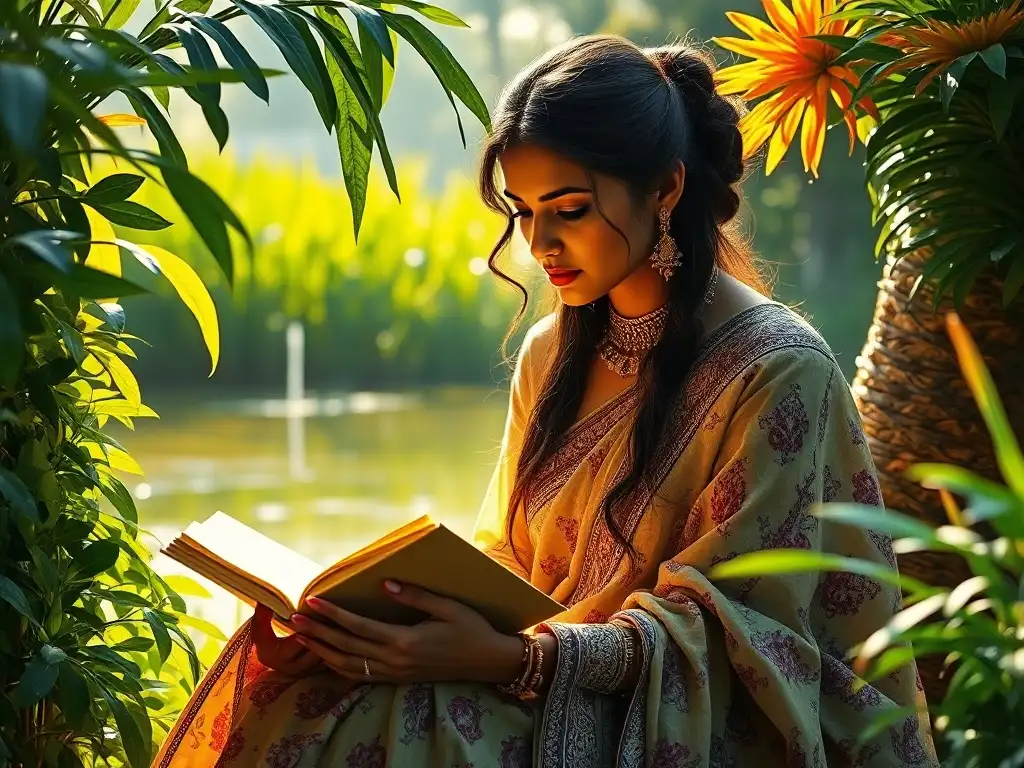
Welcome to Ancient India History, where we invite you to embark on a captivating journey through the rich tapestry of India's past. In our featured article, "The Role of Women in Classical Indian Literature: Voices from the Past," we delve into the remarkable narratives that highlight the often-overlooked contributions of women in a time when their voices were rarely heard.
Prepare to uncover the profound impact these women had on literature and society, as we explore their stories beyond the well-trodden epics. Join us as we unveil the layers of history that shaped the cultural landscape of ancient India, sparking your curiosity to dig deeper into this vibrant legacy.
Introduction to Women in Classical Indian Literature
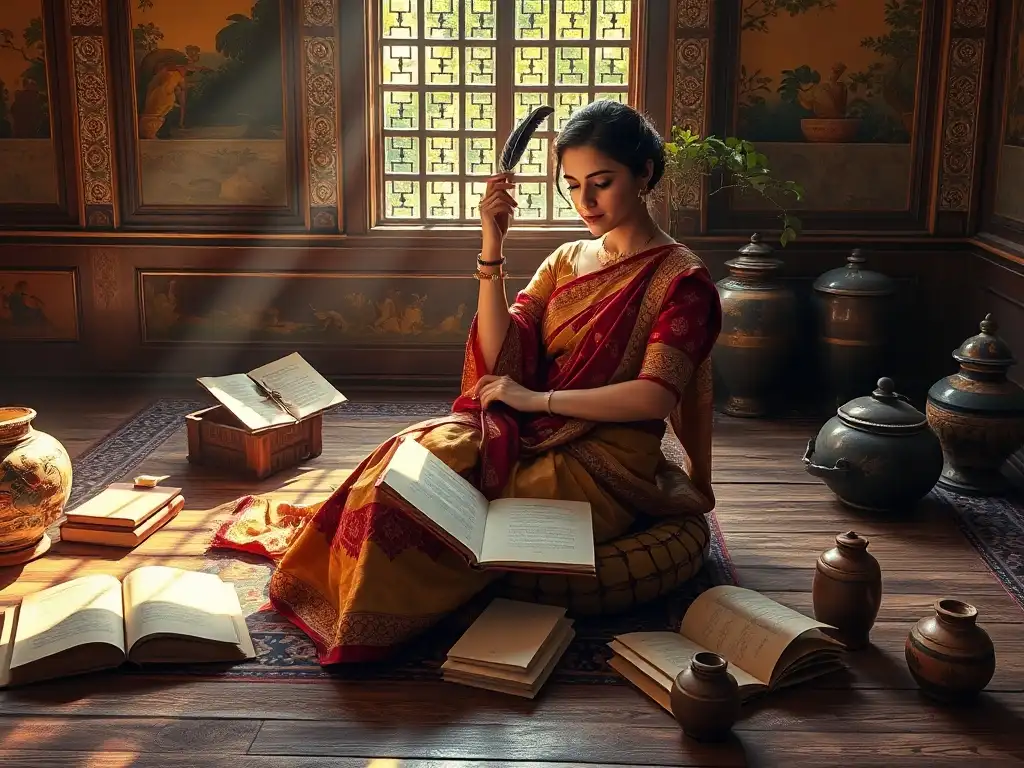
The role of women in classical Indian literature is a profound yet often overlooked aspect of the literary landscape that has shaped India's cultural and historical narrative. From ancient texts to lyrical poetry, the voices of women have echoed through the ages, offering insights into their lives, struggles, and contributions.
This article delves into the rich tapestry of women in classical Indian literature, examining their representation, the societal norms that influenced their writing, and the enduring legacy of their works. By exploring these elements, we can better appreciate the depth and complexity of women's experiences throughout history and their significant impact on literature beyond the epics.
Overview of Classical Indian Literature
Classical Indian literature spans a multitude of genres, languages, and forms, reflecting the diverse cultural heritage of the subcontinent. From the sacred Vedas and Upanishads to the poetic verses of Kalidasa, the literary tradition of ancient India is as varied as its people. Within this expansive framework, women's contributions are evident, though often marginalized. Notable works such as "The Mudrarakshasa" by Vishakhadatta and "Shakuntala" by Kalidasa feature strong female characters, showcasing the complexity of women's roles in society.
The literary output of women writers, although less documented, includes profound poetry, philosophical treatises, and devotional literature. Women like Meera Bai, a 16th-century poetess, and Akka Mahadevi, a saint-poet, emerge as powerful figures, articulating themes of spirituality, love, and resistance against patriarchal norms.
Importance of Women's Voices in Literary History
Women's voices in classical Indian literature serve as crucial markers of social change and resilience. They offer perspectives that challenge the conventional narratives dominated by male authors. By examining these literary works, we gain a deeper understanding of the societal roles women occupied, as well as the constraints they navigated.
Moreover, the inclusion of women's perspectives enriches literary discourse, allowing for a more comprehensive view of cultural and social dynamics. As we explore the writings of women in ancient India, we uncover themes of empowerment, identity, and the quest for autonomy that resonate even today.
Historical Context of Women in Classical Indian Literature
Understanding the role of women in classical Indian literature requires a thorough examination of the historical context in which these texts were produced. The societal norms, religious beliefs, and philosophical frameworks of ancient India significantly influenced women's literary contributions.
Societal Roles of Women in Ancient India
In ancient Indian society, women's roles were often defined by rigid social structures and cultural expectations. While women held significant positions in certain contexts, such as in the regal courts or as educators, their primary responsibilities were frequently centered around the household and family.
The complexities of women's roles are reflected in literature, where they are portrayed as both nurturers and, at times, powerful figures who challenge societal norms. Texts reveal a spectrum of experiences, from the idealized depiction of women as devoted wives to representations of women who assert their independence and agency. This duality underscores the multifaceted nature of women's identities in classical Indian literature.
The Influence of Religion and Philosophy on Women's Writing
Religion and philosophy have played pivotal roles in shaping the literary contributions of women in ancient India. Various religious texts and philosophical doctrines often dictated the moral framework within which women operated, influencing their expression in literature.
For instance, the Bhakti movement of the medieval period encouraged women to express their spiritual experiences through poetry, allowing them to voice their devotion in ways that transcended traditional restrictions. This movement fostered a unique literary space for women to articulate their beliefs, desires, and struggles, leading to the emergence of a distinct body of women's literature.
The exploration of women's voices in classical Indian literature reveals a rich and diverse heritage that deserves recognition and celebration. As we delve deeper into this fascinating subject, we will uncover the myriad ways in which women have contributed to the literary landscape of ancient India, providing us with invaluable insights into their lives and legacies.
Prominent Female Figures in Classical Indian Literature
Classical Indian literature is replete with the voices of remarkable women who have contributed significantly to its richness and diversity. These women not only shaped literary traditions but also challenged societal norms, becoming symbols of strength and resilience. Among the most prominent figures is Brahmavadini, an ancient scholar whose teachings are recorded in the Upanishads, illustrating the intellectual contributions of women even in the early philosophical texts.
Another notable figure is Mahadevi Akka, a 12th-century poet-saint of the Vachana movement, whose works expressed deep devotion and a quest for spiritual liberation. Her poetry reflects both personal and universal themes, resonating with the struggles of women in her era. Additionally, Mirabai, a 16th-century mystic poet, is celebrated for her passionate verses dedicated to Lord Krishna, embodying the themes of love, devotion, and defiance against patriarchal constraints.
These women, alongside many others, not only enriched the literary landscape but also served as role models, inspiring future generations to express their thoughts and emotions through literature.
Women Poets and Their Contributions
Women poets in classical Indian literature have made remarkable strides, often expressing their innermost feelings and societal observations through their verses. Annamayya's contemporary, Pochamma, is known for her devotional poetry that highlights the power of spirituality in women's lives. Her works often addressed the struggles of women in society, creating a bridge between personal experience and broader social issues.
Another influential poetess, Akka Mahadevi, utilized her poetry to voice the injustices faced by women and to promote the idea of individual spiritual quest over societal expectations. Her verses often served as a critique of the patriarchal structures that restricted women's freedom. The Bhakti movement, to which many of these women contributed, was pivotal in reshaping the narrative surrounding women in literature, allowing them to emerge as powerful voices within their communities.
The contributions of women poets have not only enriched the literary canon but have also paved the way for discussions on women's rights and empowerment within the context of spirituality and love.
Women Characters in Classical Prose
In classical prose, women characters often inhabit complex roles that reflect their societal positions and personal aspirations. Works such as the Mahabharata and Ramayana feature female characters like Draupadi and Sita, who embody the virtues and struggles of their times. Draupadi, for instance, is portrayed as a strong-willed woman who stands up for her dignity in the face of adversity, making her a symbol of resilience and strength.
Similarly, Sita represents the ideal of womanhood, embodying virtues such as loyalty and sacrifice. However, her narrative also raises critical questions about the expectations placed on women, challenging readers to rethink traditional gender roles.
In the writings of authors like Bhasa and Kalidasa, female characters often serve as catalysts for the plot, driving the narrative forward through their actions and decisions. These portrayals not only reflect the complexities of women's lives but also serve to highlight the societal norms of the time, inviting readers to engage with the evolving roles of women in Indian society.
Themes Explored by Women Writers in Classical Indian Literature
The themes explored by women writers in classical Indian literature are diverse, often reflecting their unique perspectives and experiences. These themes provide insight into the societal norms and challenges faced by women, as well as their aspirations and desires for agency.
Love and Sacrifice in Women’s Poetry
One of the most prevalent themes in women's poetry is the interplay of love and sacrifice. Poets like Mirabai have used their verses to explore the depths of love—both divine and earthly—while simultaneously grappling with the sacrifices that such love necessitates. Mirabai's poems often depict her longing for Krishna, portraying love as a powerful, transformative force that transcends worldly attachments.
Similarly, Akka Mahadevi's poetry reflects the tension between individual desire and societal expectations. Her works often emphasize the sacrifices women make in the name of love, whether for a divine figure or a human partner, thus illuminating the emotional landscapes women navigate in their lives.
Empowerment and Identity in Prose Narratives
Women writers in classical prose have also sought to explore themes of empowerment and identity. Characters like Draupadi serve as embodiments of strength and self-assertion, challenging the status quo and advocating for their rights. Through their narratives, these women articulate the struggles for self-identity in a patriarchal society, highlighting their quest for autonomy.
The prose of authors such as Ban Zhao, who wrote during the Han Dynasty but influenced Indian thought, emphasizes the importance of education and self-expression for women. Her writings advocate for women's empowerment through knowledge, positioning education as a means to achieve independence and self-identity.
The Intersection of Gender and Social Issues
The intersection of gender and social issues is a recurring theme in the works of classical Indian women writers. Their literature often critiques societal norms and addresses issues such as caste, class, and gender discrimination. By examining the roles and expectations placed on women, these writers provide a nuanced understanding of the societal dynamics at play.
For example, Tulsidas's portrayal of Sita in the Ramayana can be seen as a commentary on women's roles in society, reflecting both reverence and restriction. Such narratives compel readers to confront uncomfortable truths about gender inequality and inspire discussions about women's rights and societal reform.
Through their exploration of these themes, women writers in classical Indian literature have paved the way for future generations to engage with the complexities of gender and society, ensuring that their voices continue to resonate through time.
Comparative Analysis of Women’s Voices in Different Texts
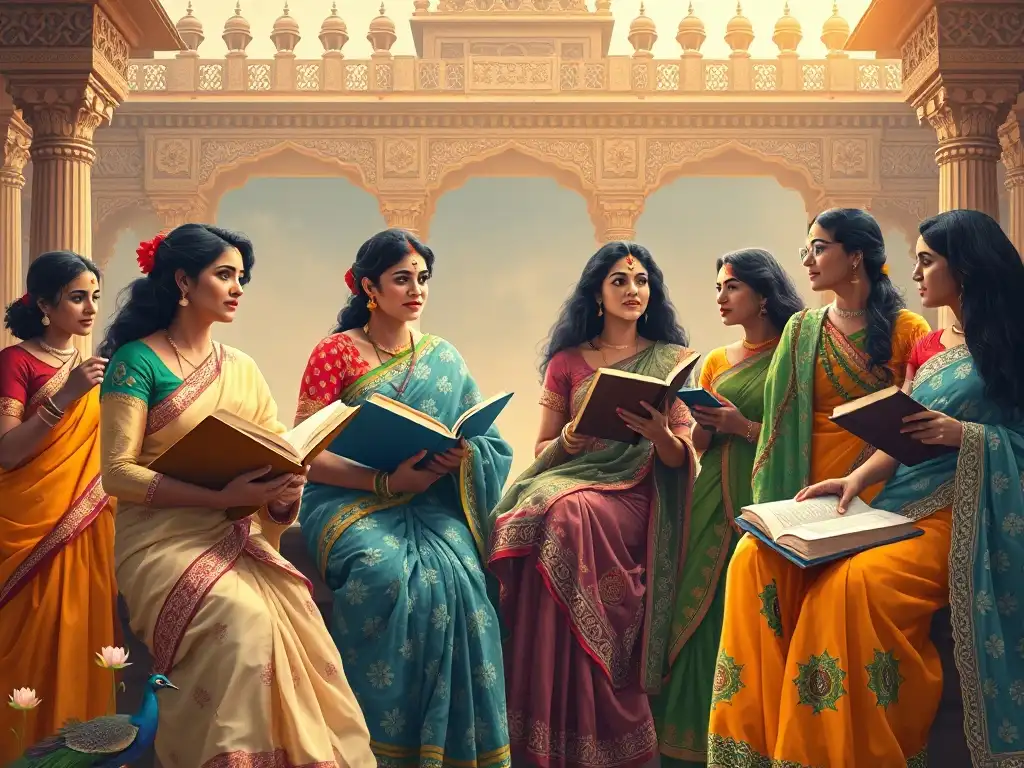
The examination of women's voices in classical Indian literature reveals a rich tapestry of perspectives that evolved over time and across various genres. By analyzing texts from different periods and regions, we gain insights into how women's identities and roles were represented, celebrated, or constrained. This comparative approach allows us to appreciate the nuances in their portrayal and the underlying cultural contexts that shaped these narratives.
Women in Vedic Texts vs. Post-Vedic Literature
In Vedic texts, women were often portrayed in a relatively empowered light, enjoying rights to education, participation in rituals, and even authorship of hymns. Figures such as Gargi and Maitreyi exemplify the intellectual prowess women could achieve in this era. Their dialogues in the Brihadaranyaka Upanishad showcase a profound engagement with philosophical discourses, indicating that women were not merely passive observers but active contributors to spiritual and intellectual life.
However, as we transition to post-Vedic literature, particularly during the later phases of ancient Indian history, the depiction of women began to shift. Texts such as the Mahabharata and Ramayana present women in more complex yet often constrained roles, emphasizing their duties within the domestic sphere. Characters like Draupadi and Sita embody both strength and subservience, navigating societal expectations while asserting their agency. This shift reflects broader societal changes, including the increasing stratification of gender roles and the emphasis on dharma (duty) that often placed women in subordinate positions.
The Feminine Perspective in Sanskrit vs. Regional Languages
The representation of women in Sanskrit literature often adheres to the dominant narratives of the time, but regional languages provide a more diverse range of feminine perspectives. In Sanskrit, women's voices are frequently framed within the context of their relationships with men, focusing on themes of loyalty, sacrifice, and virtue. Works like Kalidasa's "Shakuntala" highlight the emotional depth and complexity of female characters, yet still operate within patriarchal confines.
In contrast, regional literature often features women as central characters with their own narratives and struggles. For instance, the writings of Mirabai in Rajasthani language position her as a poet-saint defying societal norms in her quest for spiritual love. Similarly, the narratives in Tamil literature, such as those found in the Sangam poetry, depict women as warriors, lovers, and leaders, showcasing a broader spectrum of female agency. This divergence underscores how language and regional context can significantly influence the representation and understanding of women's experiences.
The Legacy of Women in Classical Indian Literature
The legacy of women in classical Indian literature is profound, laying the groundwork for future literary explorations of female identity and agency. The voices that emerged from ancient texts continue to resonate, shaping cultural narratives and inspiring generations of writers and thinkers.
Impact on Modern Indian Literature
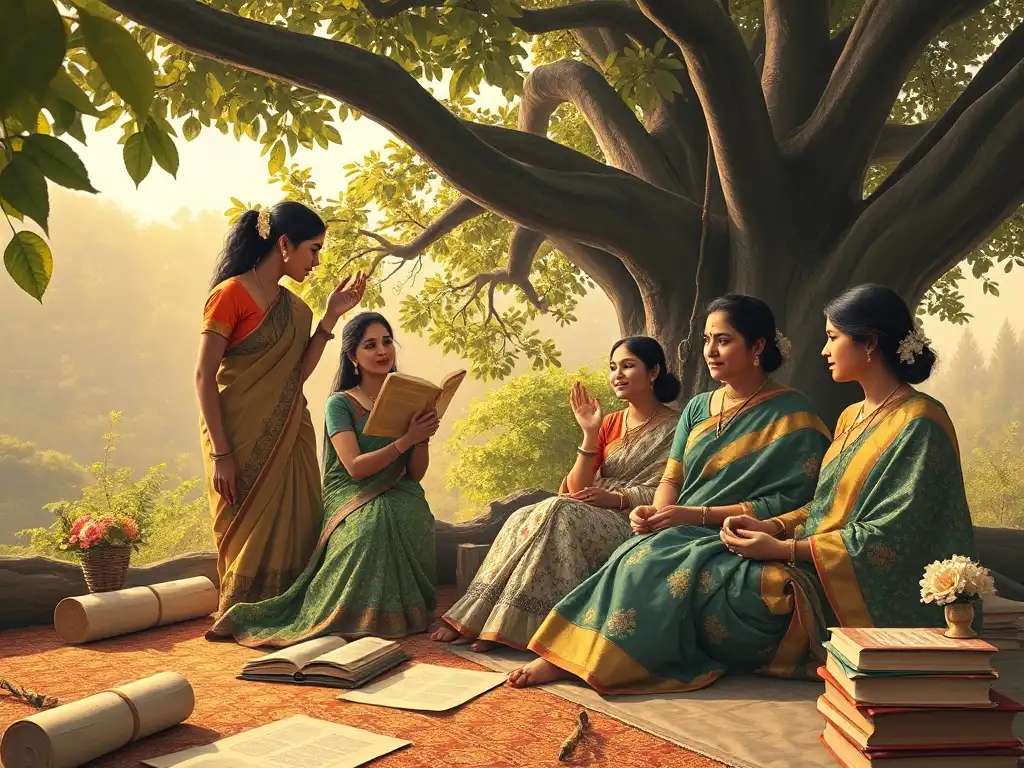
Modern Indian literature has witnessed a resurgence of interest in the voices of women from classical texts. Contemporary authors often draw on the rich tapestry of female characters and their struggles, reinterpreting traditional narratives to explore themes of empowerment, identity, and resistance. Writers like Kamala Das and Jhumpa Lahiri have revisited historical contexts, infusing their narratives with the complexities of women's lives, thereby creating a dialogue between past and present.
Continuing Influence of Classical Female Voices in Contemporary Works
The influence of classical female voices can be seen in various contemporary works that challenge societal norms and highlight women's experiences. The resurgence of feminist literature in India often references classical texts, using them as a lens to critique modern gender dynamics. This ongoing conversation not only honors the legacy of ancient women but also serves as a reminder of the continuous evolution of women's roles in literature and society. By embracing these voices, contemporary writers ensure that the rich heritage of women in classical Indian literature remains alive and relevant in today's discourse.
Conclusion: The Enduring Voices of Women in Classical Indian Literature
The exploration of women's roles in classical Indian literature reveals a tapestry of voices that have significantly contributed to the cultural and intellectual heritage of ancient India. From the profound poetic expressions of women like Mirabai to the philosophical discourses found in texts authored by female thinkers, these contributions highlight the importance of women's perspectives in shaping literary traditions.
Their experiences, emotions, and insights reflect not only personal narratives but also broader societal contexts, enriching the literature of the time. By acknowledging these voices, we can better appreciate the complexities of gender dynamics in historical narratives and the pivotal role women played in classical literature.
Reflection on the Importance of Recognizing Women's Contributions
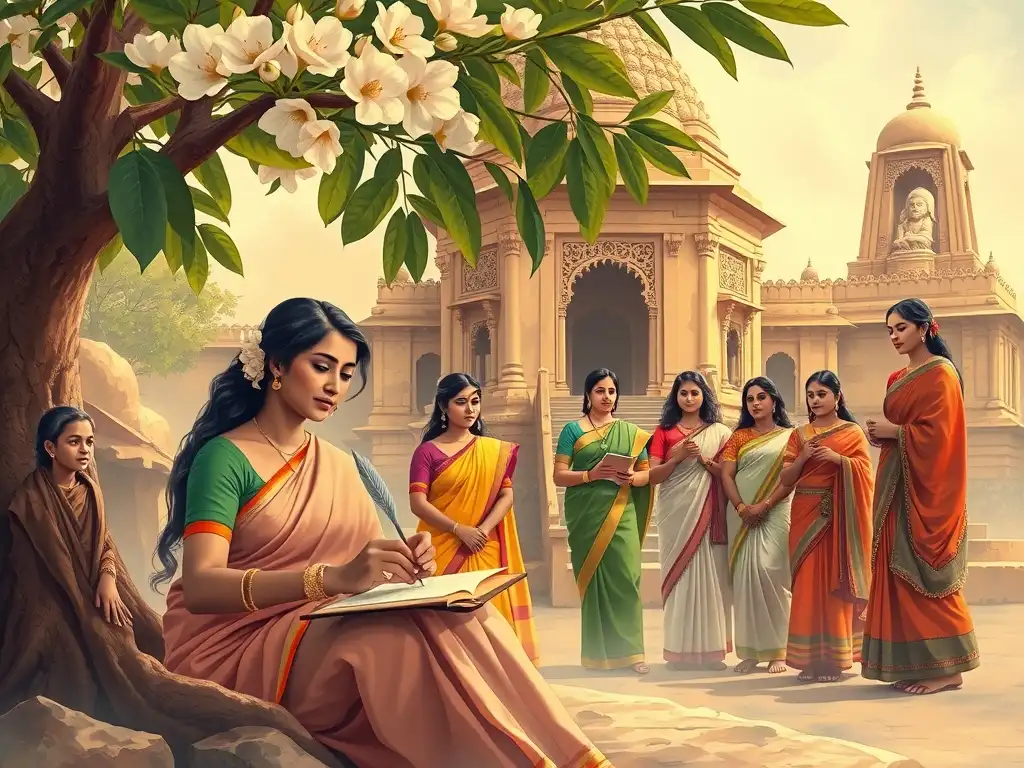
Recognizing the contributions of women in classical Indian literature is crucial for several reasons. First, it allows for a more inclusive understanding of history and culture, as literature serves as a mirror reflecting societal values and norms. By studying women's writings and portrayals, we gain a deeper insight into the lived experiences of half the population, which have often been marginalized or overlooked.
This recognition not only honors the legacy of these women but also challenges the prevailing narratives that have dominated literary history. Furthermore, it encourages contemporary writers and scholars to explore and highlight the voices of women, fostering a more equitable literary landscape.
The Future of Women’s Representation in Indian Literature
The future of women's representation in Indian literature looks promising, with a growing number of authors and scholars dedicated to exploring female narratives. As contemporary literature increasingly embraces diverse voices, we can expect a resurgence of interest in the historical roles of women, both as characters and as creators. This trend is evidenced by the rise of feminist literary criticism and the re-evaluation of classical texts that feature women prominently.
Additionally, the advent of digital platforms allows for the dissemination of women's literature, making it accessible to a wider audience. As society evolves, so too does the literary portrayal of women, presenting an opportunity for ongoing dialogue about gender, identity, and culture in India.
References and Further Reading on Women in Classical Indian Literature
For those interested in delving deeper into the role of women in classical Indian literature, a variety of texts and scholarly articles provide rich insights into their contributions. The following sections outline suggested texts and authors, as well as recommended research studies that explore this important theme.
Suggested Texts and Authors for Further Exploration
- "The Poetry of Mirabai" - A collection of poems that showcase the devotional and passionate voice of one of India's most celebrated female poets.
- "Women Writers in India: 600 B.C. to the Present": by Susie Tharu and K. Lalita - A comprehensive anthology that includes works from various periods, spotlighting women's contributions across genres.
- "The Tale of the Princess Fatima" - A narrative that provides insight into the life and struggles of women in historical contexts, illustrating their resilience and creativity.
- "Kamala Das: The Complete Poems": - Although more contemporary, her reflections on identity and womanhood resonate with the themes found in classical literature.
Recommended Scholarly Articles and Research Studies
- "Revisiting Women in Indian Literature" - An academic paper that critically examines the portrayal of women in classical texts and the implications for modern interpretations.
- "Gender and the Indian Epic: A Study of the Mahabharata": - This study explores the roles assigned to female characters in epic narratives, shedding light on their complexity and significance.
- "Feminine Voices in Ancient Indian Literature" - A research article that analyzes various texts, focusing on how women's voices have been represented and understood historically.
- "The Role of Women in Indian Mythology and Literature" - This research delves into the mythological narratives surrounding women, exploring how these narratives influence literary representations.
By engaging with these texts and studies, readers can gain a richer understanding of the nuanced roles that women have played in shaping classical Indian literature and the ongoing dialogue about their contributions in contemporary discourse.
- Introduction to Women in Classical Indian Literature
- Historical Context of Women in Classical Indian Literature
- Prominent Female Figures in Classical Indian Literature
- Themes Explored by Women Writers in Classical Indian Literature
- Comparative Analysis of Women’s Voices in Different Texts
- Women in Vedic Texts vs. Post-Vedic Literature
- The Feminine Perspective in Sanskrit vs. Regional Languages
- The Legacy of Women in Classical Indian Literature
- Impact on Modern Indian Literature
- Continuing Influence of Classical Female Voices in Contemporary Works
- Conclusion: The Enduring Voices of Women in Classical Indian Literature
- Reflection on the Importance of Recognizing Women's Contributions
- The Future of Women’s Representation in Indian Literature
- References and Further Reading on Women in Classical Indian Literature
- What is the significance of women in classical Indian literature?
- How did ancient texts portray women in India?
- What are some notable works that feature women's voices in classical Indian literature?
- How did the status of women evolve in literature from the Indus Valley to the Gupta Empire?
- What impact did classical literature have on the perception of women in ancient Indian society?
Frequently Asked Questions
What is the significance of women in classical Indian literature?
The role of women in classical Indian literature is significant as it reflects their thoughts, emotions, and experiences, showcasing their contributions to society and culture throughout history.
How did ancient texts portray women in India?
Ancient texts often portrayed women as multifaceted characters, representing various roles such as mothers, warriors, and scholars, thus highlighting their importance in both domestic and public spheres.
What are some notable works that feature women's voices in classical Indian literature?
Notable works include "Mahabharata", where female characters like Draupadi and Kunti play pivotal roles, and "Ramayana", showcasing the strength and resilience of characters such as Sita.
How did the status of women evolve in literature from the Indus Valley to the Gupta Empire?
The status of women evolved from being depicted as powerful figures in the Indus Valley to experiencing more restricted roles during the Gupta Empire, reflecting broader societal changes and norms.
What impact did classical literature have on the perception of women in ancient Indian society?
Classical literature greatly influenced the perception of women in ancient Indian society, often reinforcing both traditional roles and providing glimpses of their agency and strength, shaping societal attitudes over time.
Final Reflection: Empowering Voices of Women in Classical Indian Literature
The exploration of Women in Classical Indian Literature reveals not only the rich tapestry of narratives woven by female characters but also their profound relevance in today's society. As we navigate a world that continues to grapple with gender inequality and the quest for women's rights, the stories of these resilient women from the past serve as powerful reminders of the strength and agency that women have always possessed. Their voices, though often muted in historical discourse, resonate with a striking clarity that challenges contemporary norms and inspires change.
The impact of these literary figures extends far beyond the pages of ancient texts; they have shaped cultural narratives and social perceptions throughout generations. Their stories encourage us to reflect on the evolving role of women in society and the importance of reclaiming their narratives. As we recognize the contributions of these women, we find echoes of their struggles and triumphs in the ongoing fight for equality today. The stories we tell shape the world we live in.
This quote encapsulates the enduring influence of these narratives, reminding us that literature is not just a reflection of society but a catalyst for transformation.
As we conclude this exploration, I invite you to reflect on the lessons embedded in these timeless tales. Consider how the voices of women in classical Indian literature can inspire you to advocate for gender equality and amplify the stories of women in your own life. By recognizing and celebrating these narratives, we not only honor the past but also pave the way for a future where every woman's voice is heard and valued. Let us carry forward the legacy of these remarkable women, ensuring that their stories continue to inspire generations to come.
Unveil the Powerful Voices of Women!
Thank you for diving into the rich tapestry of classical Indian literature with us! You've taken the first step towards appreciating the remarkable contributions of women throughout history. Now, let’s bring these voices to life and explore their profound impact on the literary landscape.
Here are some engaging steps you can take right now:
- Join a local book club focused on classical Indian literature, where you can delve deeper into works by female authors and discuss their influential roles and lasting legacies.
- Share your insights from this article on social media to spark conversations about the significance of women in literature—your voice can inspire many!
- Explore additional resources that highlight women's contributions, such as documentaries or podcasts featuring interviews and critical analysis.
What literary masterpiece have you read that showcases the strength and wisdom of women? We would love to hear your thoughts!