
Chandragupta Maurya: A Study of His Governance and Administrative Reforms

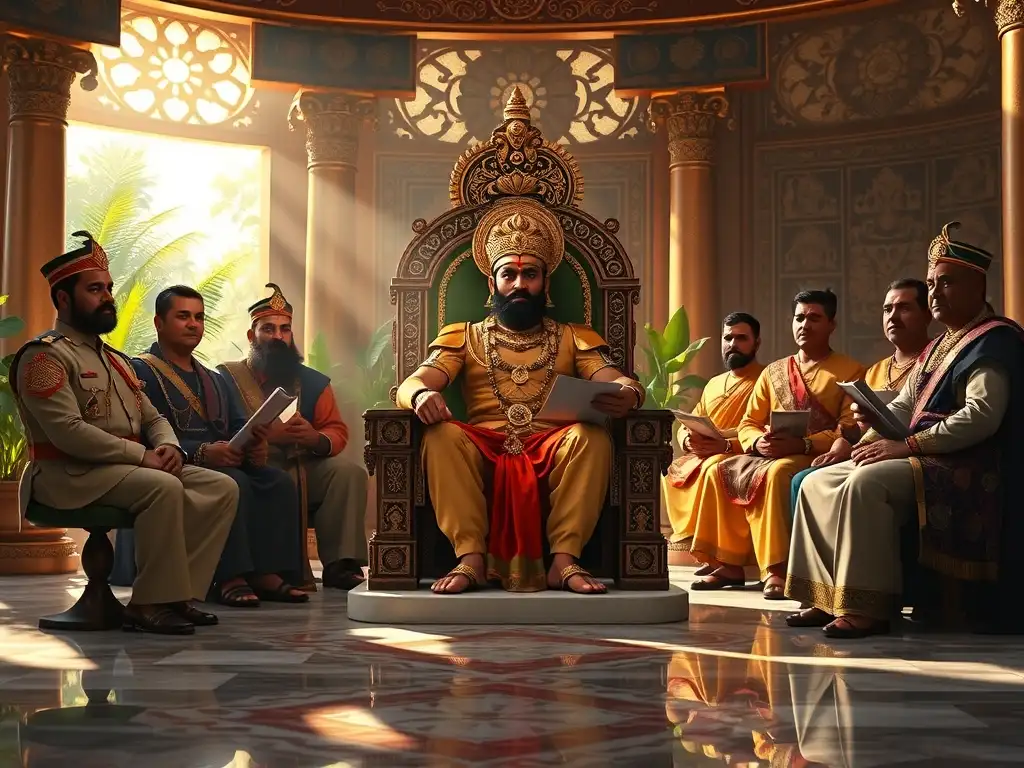
Welcome to Ancient India History, where we embark on a captivating journey through the vibrant tapestry of India’s past! Here, we delve into the profound impact of ancient civilizations, illuminating their rich culture and remarkable contributions. Our featured article on Chandragupta Maurya's governance reforms invites you to explore the innovative strategies that defined his reign and laid the groundwork for a united India.
As you uncover the intricacies of his administrative prowess, prepare to be intrigued by how these reforms shaped a powerful empire. Join us as we unveil the stories that shaped history—your adventure into the depths of ancient Indian legacy starts now!
Chandragupta Maurya stands as one of the pivotal figures in ancient Indian history, renowned for his remarkable governance and transformative administrative reforms that laid the foundation for the Mauryan Empire. Emerging from the shadows of the fragmented regional powers of the time, Chandragupta united a vast expanse of territories under a centralized rule, effectively establishing a model of governance that would resonate throughout the ages. His reign marked a significant turning point, not just in political terms, but also in the socio-economic landscape of ancient India.
This article delves into the intricate details of Chandragupta Maurya's governance and the reforms he implemented, which not only strengthened his empire but also influenced subsequent generations. By examining his strategies and policies, we gain insight into how Chandragupta Maurya shaped the trajectory of Indian history, making him a monumental figure worthy of exploration.
The Emergence of Chandragupta Maurya
Chandragupta's rise to power was nothing short of extraordinary. Born into a humble lineage, he ascended from relative obscurity to become the founder of the Mauryan Empire around 321 BCE. His initial years were marked by a series of strategic alliances and military campaigns, notably against the Nanda dynasty, which dominated the region of Magadha.
- Key Factors in His Rise:
- Military Strategy: Chandragupta employed innovative military tactics that leveraged both infantry and cavalry.
- Alliances: He formed crucial alliances with local rulers and influential figures, including the philosopher Chanakya, who played a significant role in his ascent.
- Public Support: Gaining the support of the common people was pivotal, as he presented himself as a liberator from Nanda tyranny.
Governance Structure Under Chandragupta Maurya
Chandragupta implemented a sophisticated administrative structure that was integral to the governance of his expansive empire. His system was characterized by a clear hierarchy and division of responsibilities that allowed for efficient management of vast territories.
- Centralized Authority:
- The emperor held supreme power, supported by a council of ministers.
- Regular communication and oversight were ensured through a network of officials.
- Provincial Administration:
- The empire was divided into provinces, each governed by appointed officials who reported directly to the emperor.
- Local governance was entrusted to village headmen, promoting grassroots participation.
Administrative Reforms: Innovations and Impact
Chandragupta's governance reforms were groundbreaking and set precedents for future rulers. His policies focused on economic stability, taxation, law, and order, which contributed to the overall prosperity of the empire.
- Taxation System:
- A standardized taxation system was introduced, ensuring fairness and consistency.
- Taxes were collected in kind and cash, reflecting the agrarian nature of the economy.
- Legal Framework:
- Establishment of a codified legal system to ensure justice and order.
- Promotion of trade laws that facilitated commerce and economic growth.
- Infrastructure Development:
- Investment in infrastructure such as roads and irrigation systems improved connectivity and agricultural productivity.
Legacy of Chandragupta Maurya's Governance
The governance reforms initiated by Chandragupta Maurya not only solidified his empire but also left an indelible mark on Indian polity. His model of centralized governance and administrative efficiency influenced subsequent dynasties, including the famed Gupta Empire.
Chandragupta Maurya's reign exemplifies the successful combination of military prowess, strategic governance, and innovative administrative reforms. His legacy continues to be a subject of study for historians, offering valuable insights into the effective governance of ancient civilizations.
- The Emergence of Chandragupta Maurya
- Governance Structure Under Chandragupta Maurya
- Administrative Reforms: Innovations and Impact
- Legacy of Chandragupta Maurya's Governance
- What were the key aspects of Chandragupta Maurya's governance reforms?
- How did Chandragupta Maurya contribute to the unification of India?
- What role did Kautilya play in Chandragupta Maurya's governance?
- What were the effects of Chandragupta Maurya's reforms on trade and economy?
- How did Chandragupta Maurya's governance influence future Indian rulers?
Introduction to Chandragupta Maurya
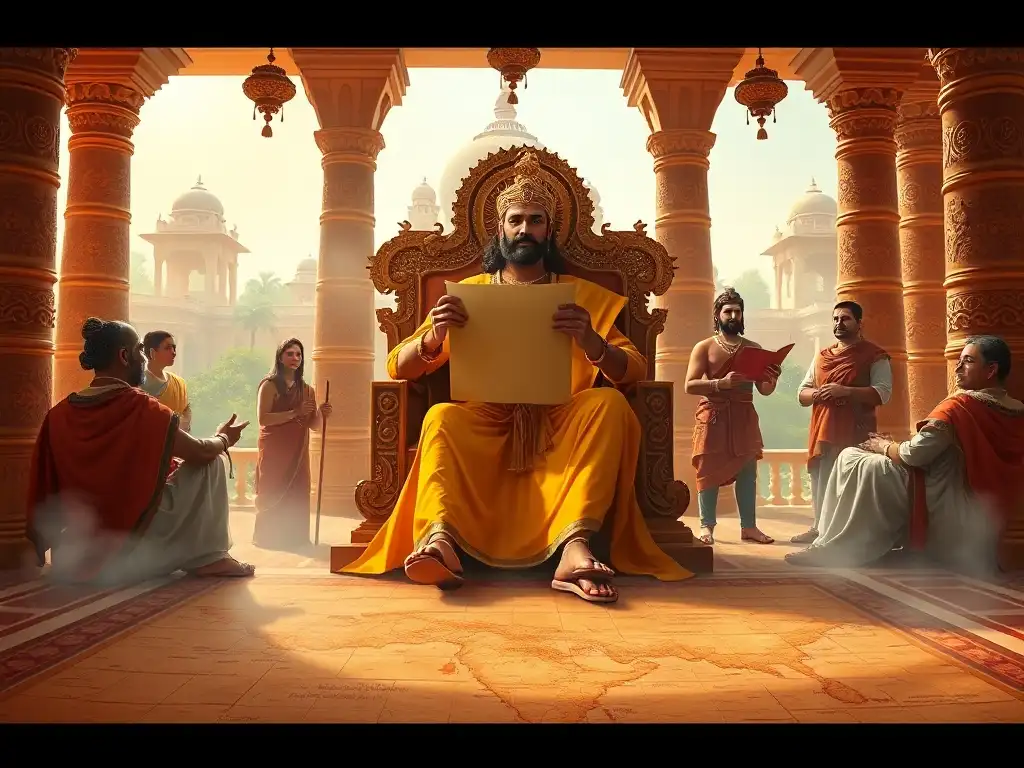
Chandragupta Maurya, the founder of the Maurya Empire in ancient India, is a pivotal figure in Indian history. His reign, which began in 321 BCE, marked a significant transition in the political landscape of the Indian subcontinent. Chandragupta's governance reforms were not merely administrative changes; they laid the foundation for a centralized state that would influence future rulers and kingdoms. His strategies encompassed a wide array of policies aimed at strengthening the empire, ensuring economic prosperity, and enhancing the welfare of his subjects.
Historical Context of Chandragupta Maurya
To understand the governance reforms of Chandragupta Maurya, it is essential to examine the historical context in which he rose to power. The period preceding his reign was characterized by fragmentation among various regional powers. The decline of the Nanda dynasty created a vacuum that Chandragupta skillfully filled.
- Rise of Chandragupta: Initially, Chandragupta was a youth who belonged to a humble background. With the guidance of his mentor, Chanakya (also known as Kautilya), he organized a rebellion against the Nandas. Together, they mobilized support from local rulers and armies, ultimately overthrowing the Nanda king, Dhana Nanda. This marked the beginning of the Maurya Empire.
- Influences on Governance: Influenced by the teachings of Chanakya, Chandragupta adopted various strategies to consolidate power. Chanakya’s work, Arthashastra, provided a framework for governance that emphasized realpolitik, economic management, and military strategy, which greatly shaped Chandragupta's approach to ruling.
- Political Landscape: The political landscape during this period was rife with conflict. Chandragupta capitalized on this by implementing reforms that not only stabilized his rule but also promoted unity among diverse tribes and communities in the empire.
Significance of Governance in Ancient India
Governance in ancient India, particularly during the Maurya Empire, was a complex system that played a critical role in shaping the societal structure and cultural development of the region. Chandragupta's governance reforms are significant for several reasons:
- Centralization of Power: One of Chandragupta's key reforms was the centralization of power. He established a bureaucratic system that allowed for efficient administration across the vast territories of the Maurya Empire. This system included various officials and departments responsible for different aspects of governance, such as taxation, law enforcement, and trade regulation.
- Legal Reforms: Chandragupta introduced legal reforms that helped standardize laws across the empire, providing a sense of order and justice. The legal system was based on fairness, which aimed to protect the rights of citizens while maintaining the authority of the state.
- Economic Management: The Maurya Empire's economy flourished under Chandragupta’s administration. He implemented policies that promoted trade and agriculture, which were crucial for sustaining the empire's vast population. The establishment of state monopolies on key commodities ensured revenue generation for the state.
- Public Welfare Initiatives: Chandragupta’s governance also focused on the welfare of his subjects. He initiated public works projects, including the construction of roads, irrigation systems, and urban infrastructure, which facilitated trade and improved living standards.
Chandragupta Maurya's governance reforms were instrumental in creating a robust administrative framework that not only unified a diverse population but also fostered economic growth and societal development. His legacy continues to influence the understanding of governance in the context of ancient Indian history, making his reign a critical study for historians and scholars alike.
The Rise of Chandragupta Maurya
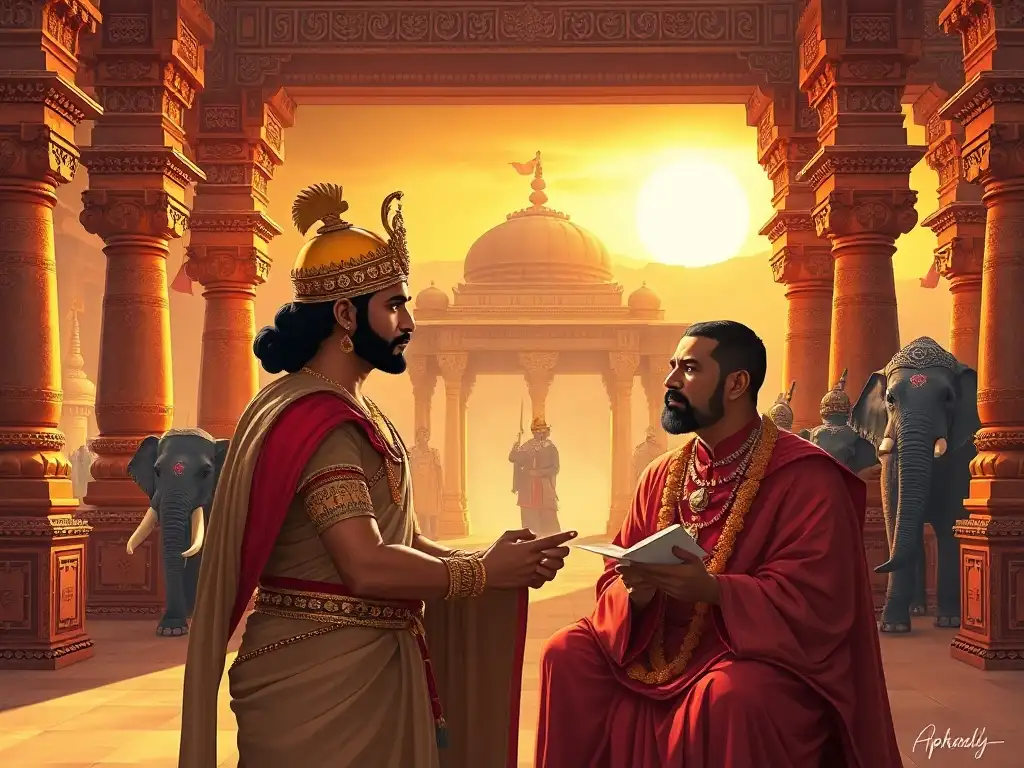
Chandragupta Maurya emerged as one of the most significant figures in ancient Indian history, known primarily for his role in founding the Mauryan Empire. His governance reforms played a crucial role in establishing a centralized state that effectively managed a vast territory. This section delves into the early life and influences that shaped Chandragupta's leadership and the subsequent establishment of the Mauryan Empire.
Early Life and Influences
Chandragupta Maurya was born around 340 BCE into a humble family in the region that is now Bihar, India. Though historical records about his early life are scarce, several accounts suggest that he was influenced by various factors that shaped his character and aspirations.
- Cultural Context: Growing up in the aftermath of the Nanda dynasty's rule, which was characterized by corruption and mismanagement, Chandragupta witnessed the plight of the common people. This exposure ignited his desire to overthrow the Nanda rulers and establish a just governance system.
- Mentorship by Chanakya: A pivotal figure in Chandragupta's life was Chanakya (also known as Kautilya), a learned Brahmin and the former prime minister of the Nanda dynasty. Chanakya’s wisdom and political acumen were instrumental in shaping Chandragupta's strategies. After being humiliated by the Nandas, Chanakya vowed to dethrone them and saw in Chandragupta a capable leader.
- Military Training: Under Chanakya’s guidance, Chandragupta received rigorous military training. He learned about warfare, diplomacy, and administration, which equipped him to lead an army effectively and understand the complexities of governance.
- Alliances and Support: Chandragupta also garnered support from local rulers and influential factions discontented with Nanda rule. This network of alliances helped him gather resources and manpower necessary for his campaign against the Nandas.
Through these influences, Chandragupta Maurya developed a vision for governance that emphasized stability, order, and the welfare of the people, setting the stage for his later reforms.
Establishment of the Mauryan Empire
The establishment of the Mauryan Empire marked a significant turning point in Indian history. Chandragupta’s ascension to power was marked by a series of strategic moves that culminated in the overthrow of the Nanda dynasty.
- Military Campaigns: In 321 BCE, with Chanakya at his side, Chandragupta launched a series of military campaigns against the Nandas. His tactics included guerilla warfare and the formation of alliances with rival factions, which allowed him to gradually weaken Nanda defenses.
- Capture of Pataliputra: The decisive moment came when he captured Pataliputra (modern-day Patna), the capital of the Nanda Empire. This victory not only marked the end of Nanda rule but also signified the birth of the Mauryan Empire.
- Consolidation of Power: Following his victory, Chandragupta focused on consolidating his power. He enacted a series of governance reforms aimed at stabilizing the newly established empire. This included the restructuring of administrative divisions, implementation of a taxation system, and promotion of trade and agriculture.
- Influence of Chanakya’s Arthashastra: Chandragupta’s governance was heavily influenced by Chanakya’s Arthashastra, a treatise on statecraft and military strategy. This text laid the foundation for the administrative framework of the Mauryan Empire, advocating for a strong central authority, efficient bureaucracy, and a well-maintained army.
Chandragupta Maurya's governance reforms established a model for future Indian empires, emphasizing the importance of a centralized administration and effective governance in maintaining order and promoting prosperity across diverse regions. The legacy of his reign influenced subsequent leaders and shaped the trajectory of Indian history for centuries to come.
Overview of Chandragupta Maurya's Governance Reforms
Chandragupta Maurya, the founder of the Maurya Empire, is renowned for his pioneering governance reforms that laid the foundation for a centralized and efficient administration. His reign marked a significant shift from fragmented regional rule to a cohesive state apparatus, which not only unified the Indian subcontinent but also established principles that would influence governance in India for centuries.
Under Chandragupta's rule, the Maurya Empire witnessed the implementation of various administrative reforms that emphasized centralized authority, systematic taxation, and a structured bureaucratic framework. His governance strategies were instrumental in managing the vast territories of the empire while maintaining social order and economic stability.
The Concept of Centralized Governance
Chandragupta Maurya's governance reforms were characterized by a strong central authority that sought to unify the diverse regions of his empire. This concept of centralized governance was groundbreaking for its time and involved several key elements:
- Central Authority: Chandragupta established himself as the supreme ruler, consolidating power and reducing the autonomy of local chieftains and regional kings. This helped in creating a uniform policy across the empire.
- Standardization of Laws: One of the critical aspects of his governance was the introduction of standardized laws which were applicable throughout the empire. This legal uniformity not only simplified governance but also promoted justice and equality among the subjects.
- Administrative Divisions: The empire was divided into provinces, each governed by a governor appointed by Chandragupta. This hierarchical structure ensured that the central government maintained control over local administrations while allowing for localized governance that addressed regional issues.
- Collective Decision-Making: Chandragupta incorporated a council of ministers to assist him in decision-making. This council comprised experienced officials who provided counsel on various matters, ensuring that governance was not solely reliant on the whims of the ruler.
The effectiveness of this centralized governance model was evident as it facilitated rapid decision-making and coherence in policy implementation across the vast territories of the Maurya Empire.
Innovations in Administrative Structure
Chandragupta Maurya introduced several innovations in the administrative structure that significantly enhanced the efficiency of governance. These innovations included:
- Bureaucratic Organization: He established a comprehensive bureaucratic system with various departments responsible for specific functions such as revenue collection, defense, and public works. This specialization allowed for improved management and execution of policies.
- Taxation System: A systematic taxation framework was implemented, which ensured that the empire's revenue was collected consistently. Land revenue was a major source of income, and officials were tasked with assessing and collecting taxes in a fair manner.
- Surveillance and Intelligence: To maintain order and prevent dissent, Chandragupta employed a network of spies and informants. This intelligence apparatus was crucial for identifying potential threats and ensuring the stability of the empire.
- Public Welfare Programs: Recognizing the importance of public welfare, Chandragupta initiated various programs aimed at improving the living conditions of his subjects. These included infrastructure development such as roads and irrigation systems, which facilitated trade and agriculture.
- Legal Framework: He established a legal framework based on the principles of Dharma (righteousness) that guided the moral conduct of citizens and the administration. This legal system was pivotal in maintaining social order and justice.
The governance reforms instituted by Chandragupta Maurya were revolutionary, laying a robust foundation for the future of Indian administration. His emphasis on centralized governance, innovative administrative structures, and public welfare not only strengthened the Maurya Empire but also set a precedent for subsequent Indian rulers.
Key Administrative Reforms Implemented by Chandragupta Maurya
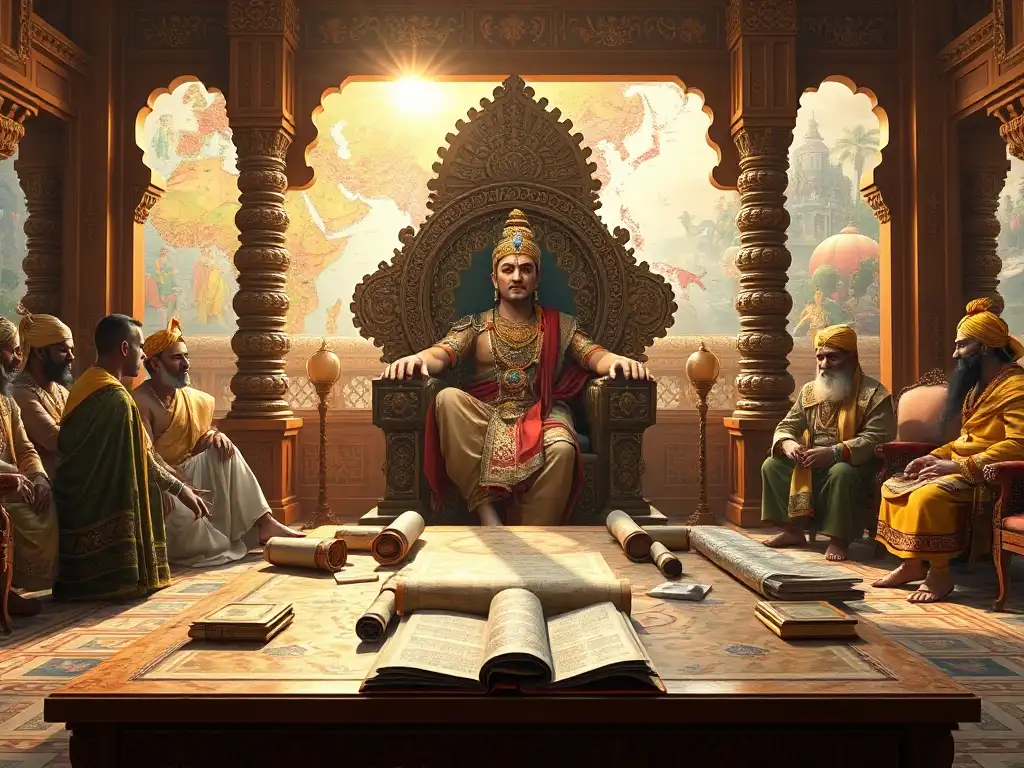
Chandragupta Maurya, the founder of the Maurya Empire, is renowned for his significant contributions to the governance and administrative framework of ancient India. His reforms were instrumental in consolidating power, enhancing revenue, and establishing a robust state apparatus that laid the groundwork for subsequent Indian empires. This section delves into the key administrative reforms that characterized Chandragupta Maurya's governance.
Taxation Reforms and Revenue System
One of the crucial aspects of Chandragupta Maurya's governance reforms was the establishment of a comprehensive taxation system. This system was designed to ensure a steady revenue stream for the state, which was vital in maintaining the empire's military and administrative machinery.
- Standardization of Tax Rates: Chandragupta introduced standardized tax rates across the empire, which helped in simplifying the collection process. The tax was primarily levied on agricultural produce, trade, and crafts.
- Agricultural Taxation: The primary source of revenue was from agriculture, where farmers paid approximately one-sixth of their produce as tax (known as ‘Bhaga’). This fair taxation system encouraged agricultural productivity while ensuring that the state had adequate resources.
- Trade and Commerce: Chandragupta also imposed taxes on trade, which included customs duties on goods entering and exiting the empire. This not only increased revenue but also boosted commerce, facilitating economic prosperity.
- Revenue Collection Officials: To ensure efficient collection, Chandragupta appointed specialized officials known as ‘Amatyas’, responsible for overseeing revenue collection and maintaining records. This bureaucratic structure enhanced accountability and reduced corruption.
A well-organized revenue system not only ensured the stability of the empire but also promoted economic growth and prosperity.
Legal and Judicial Reforms
Chandragupta Maurya's governance was marked by significant legal and judicial reforms that aimed to establish a fair and just legal system across his empire.
- Codification of Laws: He is credited with the codification of laws, which brought uniformity and clarity to legal proceedings. The legal system was designed to be accessible to all citizens, ensuring that justice was not merely a privilege for the elite.
- Establishment of Courts: Chandragupta established a network of courts that were responsible for adjudicating disputes and enforcing laws. These courts were presided over by trained judges who were expected to be impartial and knowledgeable in legal matters.
- Emphasis on Dharma: The legal system under Chandragupta emphasized ‘Dharma’ or righteousness, which aligned legal principles with moral values. This approach helped in fostering a sense of ethical conduct among citizens and officials alike.
- Punishments and Rehabilitation: The reforms included a clear outline of punishments, which were aimed not only at deterrence but also at rehabilitation. Offenders were given opportunities for reform, reflecting a progressive approach to justice.
Military Organization and Defense Strategies
The military organization and defense strategies implemented by Chandragupta Maurya were pivotal in securing the empire's borders and maintaining internal stability.
- Professional Army: Chandragupta established a well-trained, professional army that was central to his governance. This army was composed of infantry, cavalry, and war elephants, which provided a formidable force against external threats.
- Military Hierarchy: A structured military hierarchy was instituted, with appointed commanders known as ‘Senapati’ overseeing various divisions. This clear chain of command ensured effective communication and strategic planning during military campaigns.
- Fortifications and Defense: To protect the empire from invasions, Chandragupta built fortifications around key cities and strategic locations. These defenses were crucial in deterring enemy attacks and maintaining the security of trade routes.
- Intelligence and Espionage: Chandragupta employed a sophisticated intelligence network to gather information about potential threats and unrest within the empire. This proactive approach allowed for swift responses to any signs of rebellion or invasion.
The administrative reforms instituted by Chandragupta Maurya were foundational in shaping the governance of his empire. His emphasis on taxation, legal structure, and military organization not only strengthened his rule but also served as a model for future Indian monarchs. The legacy of these reforms continues to be studied and admired in the context of ancient Indian history.
The Role of Chanakya in Governance
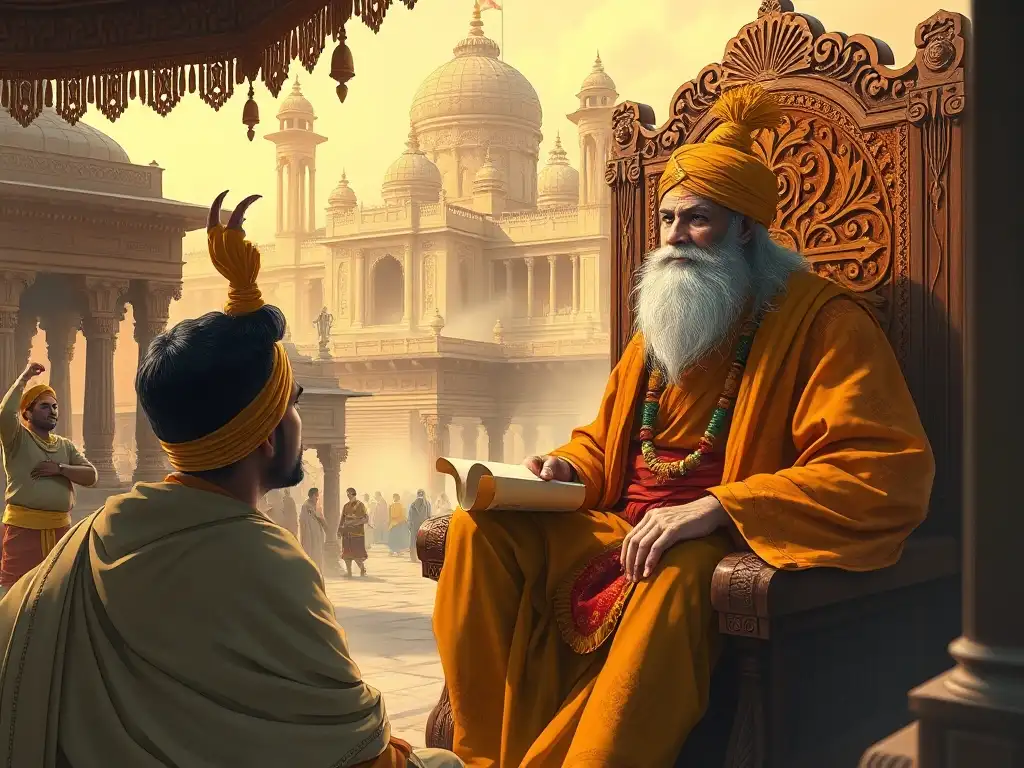
Chandragupta Maurya's ascension to power was significantly influenced by his mentor, Chanakya, a brilliant strategist and philosopher. Chanakya, also known as Kautilya, played an instrumental role in shaping the governance framework of the Mauryan Empire. His insights on statecraft laid the groundwork for effective administration, military strategy, and economic policies that would define Chandragupta's rule.
Chanakya's Philosophy on Statecraft
Chanakya's philosophy on governance is primarily documented in his seminal work, the Arthashastra, which serves as both a treatise on statecraft and a manual for rulers. Key tenets of his philosophy include:
- Realism in Politics: Chanakya emphasized the importance of pragmatism in governance. He believed that rulers should be prepared to use any means necessary to achieve and maintain power, including diplomacy, espionage, and, if needed, warfare.
- Centralized Authority: He advocated for a strong, centralized government where the king held significant power. This approach allowed for swift decision-making and effective control over the vast Mauryan territories.
- Meritocracy: Chanakya promoted the idea of appointing officials based on merit rather than birthright. This principle ensured that capable individuals could rise to positions of authority, enhancing the efficiency of administration.
- Economic Management: His views on economic policies included the importance of agriculture, taxation, and trade. He believed that a prosperous economy was vital for the stability of the state and encouraged policies that would maximize revenue without burdening the populace.
Through these principles, Chanakya shaped a governance model that was both effective and adaptive, allowing Chandragupta to consolidate power and expand the empire.
Influence of Chanakya on Chandragupta's Reforms
The relationship between Chanakya and Chandragupta was not merely that of mentor and student; it was a partnership that transformed the political landscape of ancient India. Chanakya's influence is evident in several key areas of Chandragupta's governance reforms:
- Military Organization: Chanakya's strategic insights led to the establishment of a well-organized military. Chandragupta implemented a standing army that was trained, equipped, and ready to defend the empire from external threats while also suppressing internal dissent.
- Administrative Structure: Under Chanakya's guidance, Chandragupta restructured the administration into a bureaucratic system that included various departments, each responsible for different aspects of governance. This division of labor improved efficiency and accountability.
- Intelligence Network: Recognizing the importance of information gathering, Chanakya emphasized the establishment of a robust intelligence network. Chandragupta utilized spies to monitor both his enemies and his own officials, ensuring loyalty and preempting potential uprisings.
- Legal Reforms: Chanakya's legal philosophy influenced Chandragupta to codify laws that were fair yet firm. This legal framework helped in maintaining order and justice across the empire, contributing to its stability.
- Economic Policies: Reflecting Chanakya's economic theories, Chandragupta implemented policies that promoted trade and agriculture. His reforms included the establishment of trade routes and the introduction of fair taxation, which helped in the economic development of the Mauryan Empire.
Chanakya's philosophy and strategies were pivotal in shaping the governance reforms of Chandragupta Maurya, creating a foundation that would enable the Mauryan Empire to flourish and become one of the most significant empires in ancient India.
Impact of Governance Reforms on Society
Economic Growth and Trade Expansion
Chandragupta Maurya's governance reforms had a profound impact on the economic landscape of ancient India. By establishing a centralized administration, he facilitated the efficient collection of taxes and the regulation of trade. The Mauryan Empire, under his leadership, emphasized the importance of agricultural production, leading to surplus yields which in turn stimulated trade.
- Taxation System: Chandragupta implemented a systematic taxation policy that included land revenue, which was one of the primary sources of income for the empire. This revenue was crucial for funding public projects and maintaining the military.
- Trade Routes: The Mauryan Empire saw the enhancement of trade routes, both overland and maritime. This expansion not only boosted local economies but also established India as a key player in international trade networks, connecting with regions as far as the Mediterranean and Southeast Asia.
| Economic Aspects | Details |
|---|---|
| Tax Collection | Centralized and systematic, improving revenue flow. |
| Agricultural Surplus | Enhanced productivity through irrigation projects. |
| Trade Expansion | Increased connectivity with foreign markets. |
The establishment of an efficient bureaucracy allowed for better oversight of these economic activities, ensuring that trade flourished and local economies thrived.
Chandragupta Maurya's governance reforms also significantly influenced the social structure of his empire. He implemented policies that aimed to create a more organized society, promoting stability and cohesion among various classes.
- Varna System: While the varna system (social hierarchy) was prevalent, Chandragupta's administration sought to manage class relations by ensuring that each class had defined roles and responsibilities. This helped mitigate conflicts and promote social harmony.
- Meritocracy: The recruitment of officials based on merit rather than birth allowed for upward mobility within the social hierarchy. This reform encouraged individuals from lower classes to aspire for administrative positions, thus fostering a more dynamic society.
Class Management Strategies:
- Councils and Assemblies: Local governance was bolstered through councils that included representatives from different classes, ensuring diverse input in decision-making processes.
- Support for Artisans and Merchants: Chandragupta promoted guilds and associations for artisans and traders, providing them with a structured framework to operate within, which enhanced their economic status and social standing.
These reforms contributed to a more cohesive society, where individuals felt a sense of belonging and purpose, which was crucial for the stability of the Mauryan Empire.
Cultural Developments under Chandragupta's Rule
Cultural advancements flourished during Chandragupta Maurya's reign, largely as a result of his governance reforms that emphasized the importance of arts, education, and religious tolerance.
- Patronage of Arts and Literature: Chandragupta and his advisors, including the notable Chanakya (Kautilya), promoted the arts and literature. This period saw the emergence of significant literary works and artistic expressions that reflected the rich cultural tapestry of the empire.
- Religious Tolerance: The Mauryan Empire is known for its policy of religious tolerance, especially towards Jainism and Buddhism. This openness led to a flourishing of religious thought and artistic expression, as seen in the construction of stupas and rock-cut caves that became centers of learning and worship.
| Cultural Contributions | Description |
|---|---|
| Literature | Flourishing of texts in Sanskrit and local languages. |
| Art and Architecture | Development of stupas, pillars, and rock-cut temples. |
| Religious Institutions | Support for monasteries and educational centers. |
Chandragupta's emphasis on cultural development not only enhanced the identity of the Mauryan Empire but also laid the foundation for future dynasties, marking an era of cultural richness that would influence generations to come.
The governance reforms instituted by Chandragupta Maurya were not merely administrative changes; they were transformative measures that reshaped the economic, social, and cultural fabric of ancient India, leaving a lasting legacy.
Legacy of Chandragupta Maurya's Governance
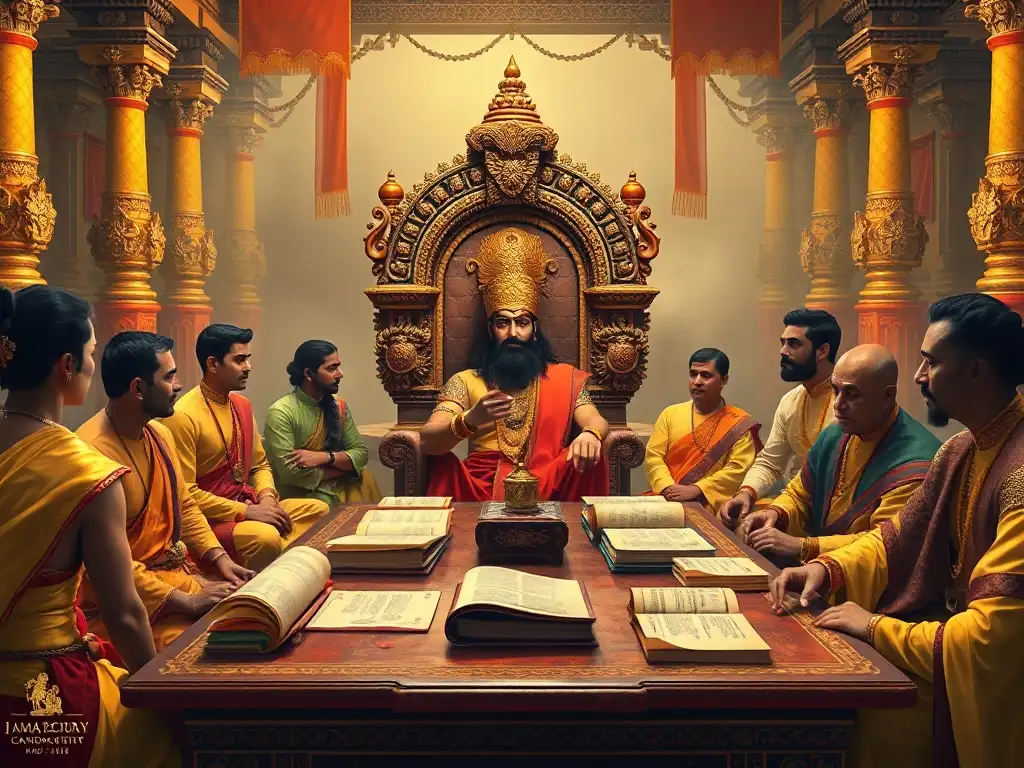
Chandragupta Maurya's governance left an indelible mark on Indian history, establishing a framework that would influence not just his immediate successors but also subsequent empires across the subcontinent. His approach to administration, military organization, and economic policies set the stage for a centralized form of governance that was both innovative and effective for its time.
At the heart of his legacy is the establishment of a vast empire that embraced a diverse population, showcasing a remarkable ability to integrate various cultures and traditions under a single administrative umbrella. Chandragupta's reforms in governance emphasized the importance of a strong bureaucratic system, where officials were appointed based on merit rather than hereditary rights, thus enabling an efficient administration that could manage the complexities of a large empire.
Influence on Subsequent Indian Rulers
The governance reforms initiated by Chandragupta Maurya had a profound influence on subsequent Indian rulers. His establishment of a centralized government and a well-organized administrative structure became a template for future dynasties. Notable examples include:
- Bindusara (Chandragupta's Son): He continued his father's policies, further consolidating the Mauryan Empire and expanding its territories.
- Ashoka the Great: Perhaps the most famous Mauryan emperor, Ashoka adopted and adapted Chandragupta's governance principles, promoting a welfare state that emphasized moral governance and public welfare through his edicts.
Chandragupta's strategies, such as the use of a standing army and a network of spies, were emulated by later rulers like the Gupta emperors, who recognized the importance of maintaining control over vast territories. Moreover, the revenue collection methods instituted during his reign laid the groundwork for the taxation systems in subsequent Indian states.
The Mauryan Administrative Model in Later Empires
The Mauryan administrative model, characterized by its sophisticated bureaucratic structure, set a precedent that would resonate through the ages. Key features of this model included:
- Centralized Government: The Mauryan Empire was governed from a central authority, with Chandragupta at its helm, supported by a council of ministers. This centralization allowed for uniform policies across diverse regions.
- Meritocratic Bureaucracy: Chandragupta's recruitment of officials based on ability rather than noble birth was revolutionary. This meritocracy ensured skilled individuals were in positions of power, enhancing administrative efficiency.
- Provincial Administration: The empire was divided into provinces, each overseen by a governor who reported directly to the emperor. This system facilitated local governance while maintaining overall imperial control.
- Legal Reforms: Chandragupta instituted legal codes that emphasized justice and order, which were later refined by his successors. This legal framework provided a basis for governance that would be mirrored in later empires.
- Economic Policies: His focus on trade and agriculture as the backbone of the economy paved the way for prosperous trade networks that flourished under later dynasties.
The impact of Chandragupta Maurya's governance reforms can be seen in the administrative structures of the Gupta Empire and even in the policies of regional kingdoms that arose in the centuries following the fall of the Mauryan dynasty. His legacy not only shaped the political landscape of ancient India but also laid the foundations for governance models that would influence future generations.
Conclusion
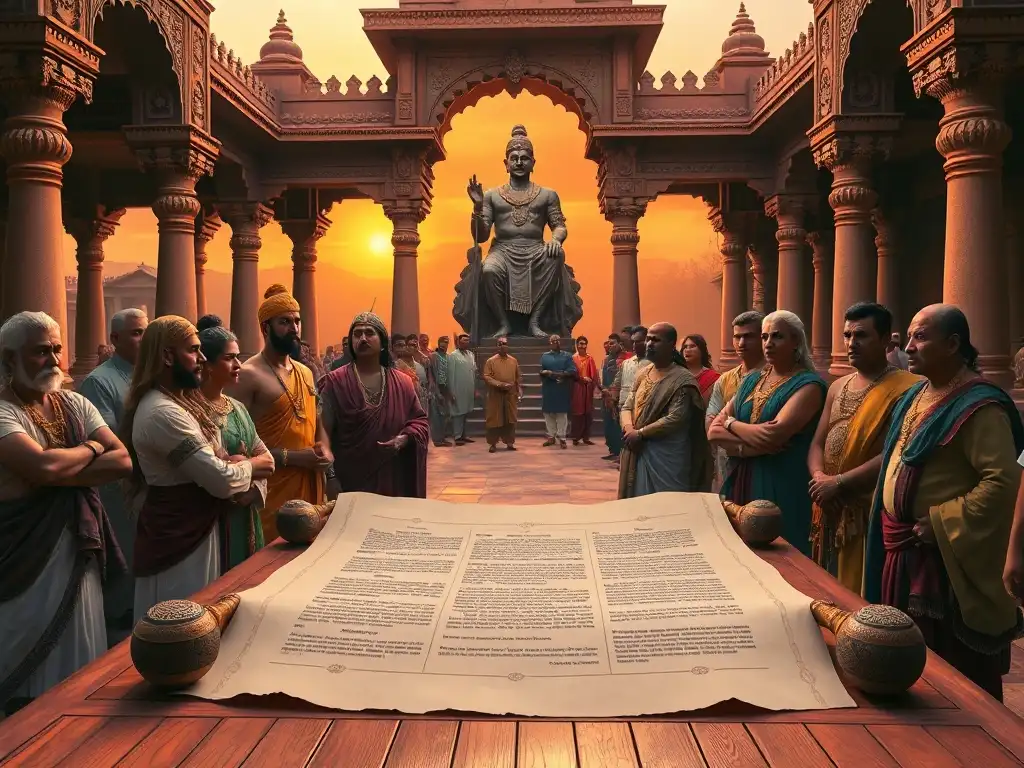
Summary of Chandragupta Maurya's Governance Reforms
Chandragupta Maurya, the founder of the Maurya Empire, is renowned for his revolutionary governance reforms that laid the groundwork for a unified India. His administrative strategies were pivotal in establishing a centralized authority that effectively managed vast territories. Key reforms included:
- Centralized Administration: Chandragupta implemented a hierarchical system of governance, ensuring that power was concentrated in the capital while delegating responsibilities to regional governors. This structure enabled efficient decision-making and resource allocation.
- Revenue System: He introduced a systematic approach to taxation, which was based on land revenue. This not only increased the treasury's wealth but also facilitated infrastructure development, such as roads and irrigation systems.
- Legal Framework: Under his rule, a comprehensive legal code was established, which emphasized justice and fairness. This legalism helped in maintaining order and resolving disputes, thereby enhancing the stability of the empire.
- Military Organization: Chandragupta reorganized the military, creating a standing army that was well-trained and equipped. This military prowess was crucial not only for defense but also for expanding the empire's boundaries.
- Diplomatic Relations: His reign also marked the beginning of sophisticated diplomatic relations with neighboring states, fostering trade and cultural exchanges that enriched the Mauryan Empire.
These reforms collectively transformed the socio-political landscape of ancient India, setting a precedent for subsequent rulers and empires.
Reflection on the Importance of His Contributions to Ancient India
The governance reforms instituted by Chandragupta Maurya significantly shaped the trajectory of ancient Indian civilization. His ability to unify diverse regions and cultures under a single administrative umbrella is considered one of his most enduring legacies. The impact of his reforms can be observed in several ways:
- Cultural Integration: By fostering unity among different ethnic and cultural groups, Chandragupta created an environment where art, literature, and philosophy flourished. The Mauryan era became a pivotal moment for cultural exchanges that influenced subsequent generations.
- Economic Prosperity: His effective taxation and resource management led to economic stability, allowing trade networks to expand. This economic foundation provided the necessary support for future advancements in various fields, including science and technology.
- Political Legacy: Chandragupta’s administrative model served as a blueprint for future Indian rulers, including his grandson, Ashoka the Great. The principles of governance he established influenced not only Indian history but also the political systems of neighboring regions.
- Historical Significance: The Maurya Empire, under Chandragupta, is often viewed as the first major empire in Indian history, marking the transition from fragmented regional kingdoms to a centralized state. This shift was crucial in shaping the historical narrative of India.
In essence, Chandragupta Maurya's governance reforms were not merely administrative changes; they were transformative actions that resonated throughout history, leaving an indelible mark on the foundation of Indian civilization. His contributions continue to be studied and admired, highlighting the importance of effective governance in shaping societies.
References
Primary Sources on Chandragupta Maurya
Chandragupta Maurya, the founder of the Maurya Empire, is a pivotal figure in ancient Indian history, and several primary sources provide firsthand insights into his governance and administrative reforms. These texts are invaluable for understanding the socio-political landscape of his era.
-
Arthashastra:
Written by Kautilya (Chanakya), who played a crucial role in Chandragupta's rise to power, the Arthashastra is a significant treatise on statecraft, economics, and military strategy. It outlines the principles of governance that Chandragupta implemented, emphasizing realpolitik and the importance of a well-structured administration. Key topics include:
- Diplomacy and Warfare: Strategies for maintaining power and managing conflicts.
- Economic Policy: Taxation, trade regulation, and resource management.
- Law and Order: Legal frameworks for maintaining peace within the empire.
-
Indica:
Authored by the Greek ambassador Megasthenes, Indica provides an external perspective on Chandragupta's reign. Megasthenes spent time at the Mauryan court and documented various aspects of Indian society, administration, and culture. His observations include:
- Administrative Divisions: Description of the provinces and local governance.
- Public Welfare: Insights into Chandragupta’s efforts in infrastructure and public health.
- Cultural Practices: Accounts of social customs and religious practices during the Maurya period.
-
Puranas:
Various Puranic texts, including the Brahmanda Purana and Vayu Purana, mention Chandragupta Maurya and his lineage. Although written later, these sources provide context regarding his legacy and the historical significance attributed to him by subsequent generations.
These primary sources are crucial for understanding the intricacies of Chandragupta Maurya’s governance reforms and the administrative structure that supported one of ancient India's most significant empires.
Recommended Literature for Further Reading
To delve deeper into the governance reforms of Chandragupta Maurya and the historical context of his reign, the following literature is highly recommended:
-
"The Mauryan Empire" by Romila Thapar
This work offers a comprehensive overview of the Mauryan Empire's rise, focusing on Chandragupta’s political strategies and reforms. Thapar's analysis of primary sources enriches the understanding of the historical narrative.
-
"Chandragupta Maurya and His Times" by R. S. Sharma
Sharma provides an in-depth exploration of Chandragupta’s life, his political acumen, and administrative frameworks. This book discusses the socio-economic conditions during his rule and the impact of his reforms.
-
"History of Ancient India" by Upinder Singh
Singh’s text presents a broad overview of ancient Indian history, with detailed chapters dedicated to the Maurya period. The book highlights the significance of Chandragupta’s governance and the cultural developments of the time.
-
"Kautilya's Arthashastra: A New Translation" by R. P. Kangle
This translation of the Arthashastra provides modern readers with access to Kautilya’s insights on governance. The commentary included enhances understanding of the text's relevance to Chandragupta's administrative practices.
-
"The Maurya Dynasty: A Historical Overview" by R. C. Majumdar
This work offers a chronological account of the Maurya Dynasty, with a focus on Chandragupta’s reforms and their long-term effects on Indian governance.
These texts will provide further insights into the legacy of Chandragupta Maurya and his remarkable contributions to governance and administration in ancient India.
Frequently Asked Questions
What were the key aspects of Chandragupta Maurya's governance reforms?
Chandragupta Maurya implemented administrative reforms that included a centralized administration, a system of taxation, and a network of spies to maintain order and stability in his empire.
How did Chandragupta Maurya contribute to the unification of India?
He is credited with unifying various regional kingdoms under a centralized rule, establishing the Mauryan Empire which laid the foundation for future political structures in India.
What role did Kautilya play in Chandragupta Maurya's governance?
Kautilya, also known as Chanakya, was a key advisor and strategist who influenced Chandragupta’s policies and helped him formulate important administrative strategies and diplomatic tactics.
What were the effects of Chandragupta Maurya's reforms on trade and economy?
His reforms facilitated a more structured trade system, improved infrastructure, and established standardized weights and measures, which significantly boosted the economy of the Mauryan Empire.
How did Chandragupta Maurya's governance influence future Indian rulers?
His innovative administrative practices and strong governance set a precedent for future rulers, influencing political thought and administration in subsequent Indian dynasties.
Final Reflection: The Enduring Legacy of Chandragupta Maurya's Governance Reforms
Chandragupta Maurya's governance reforms remain profoundly relevant today, as they laid the groundwork for effective administration and statecraft in ancient India. His innovative strategies not only unified a fragmented subcontinent but also established a model of governance that resonates with contemporary political frameworks. The lessons drawn from his reign underscore the importance of strong leadership and systematic administration in fostering societal stability and growth.
The influence of Chandragupta's reforms can be seen in the way modern governments approach governance and public administration. His emphasis on a structured bureaucracy and the welfare of the populace continues to inspire leaders and policymakers around the world. The greatest gift of leadership is a boss who wants you to be successful.
This quote encapsulates the essence of Chandragupta's approach, where the ruler's responsibility extended beyond mere authority to encompass the well-being of his subjects, a principle that remains vital in today's governance.
As we reflect on the lessons from Chandragupta Maurya's reign, I invite you to consider how these timeless principles can be applied in your own life and community. What can you learn from his commitment to effective governance and social welfare? Embrace the challenge of leadership in your own sphere, whether it be in your career, community, or personal relationships, and strive to create a positive impact that echoes the transformative legacy of Chandragupta Maurya.
Unveil the Legacy of Chandragupta Maurya Today!
Thank you for taking the time to explore the remarkable governance and administrative reforms of Chandragupta Maurya! You've gained valuable insights into how his leadership shaped Ancient India. Now, let's transform that inspiration into action!
- Immerse yourself in further learning by exploring classic texts like the "Arthashastra," which provide deeper insights into Maurya’s administrative strategies.
- Share your newfound knowledge with friends or family—discuss how effective governance can influence modern society.
- Join an online forum or community dedicated to Ancient Indian history to engage with fellow enthusiasts and share your perspectives!
Which aspects of Chandragupta Maurya's reforms do you believe are most relevant to the challenges we face in governance today?