
The Significance of Urban Layout in the Technological Mastery of the Indus Valley

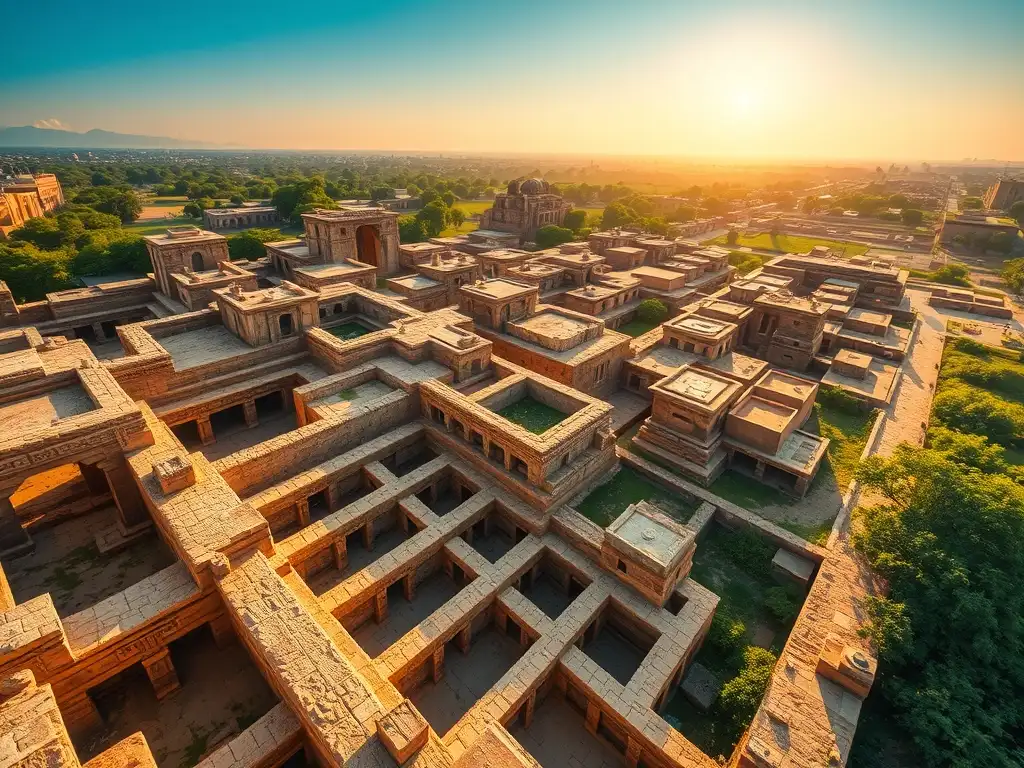
Welcome to Ancient India History, where we embark on a fascinating journey through the diverse tapestry of ancient Indian civilizations. As you delve into our latest article on the significance of urban layout in the technological mastery of the Indus Valley, prepare to uncover the innovative planning that set this remarkable society apart. What secrets lie within the meticulously designed streets and advanced drainage systems of this ancient civilization?
Join us as we explore the profound impact of urban planning on the lives of the Indus Valley inhabitants and its lasting legacy in the annals of history. Your adventure into the depths of ancient India begins now!
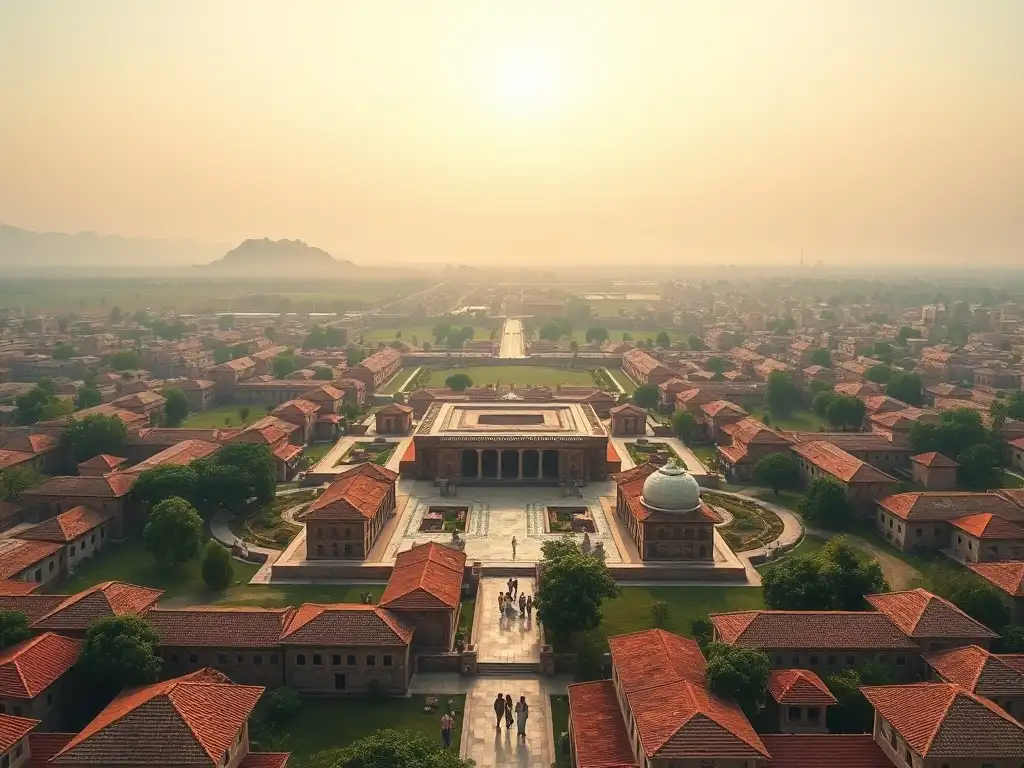
The Indus Valley Civilization, one of the world's earliest urban societies, flourished between approximately 2600 BCE and 1900 BCE in what is now Pakistan and northwest India. This civilization is renowned for its advanced urban planning, sophisticated architecture, and technological innovations that set a benchmark for subsequent cultures. Understanding the Indus Valley urban planning significance not only sheds light on the ingenuity of its society but also reveals the crucial role that urban layout played in enhancing the quality of life and governance in ancient times.
In this article, we will explore the intricate urban planning of the Indus Valley, examining its key features, the principles underlying its design, and the broader implications for urban planning in ancient civilizations. By analyzing this remarkable aspect of the Indus Valley Civilization, we can gain insights into how urban design reflects technological mastery and societal values.
Introduction to Indus Valley Civilization
Overview of the Indus Valley Civilization
The Indus Valley Civilization, also known as the Harappan Civilization, was characterized by its remarkable urban centers such as Harappa and Mohenjo-Daro. These cities were meticulously planned, featuring grid layouts, advanced drainage systems, and standardized fired-brick construction. Scholars estimate that the civilization supported a population of over five million people at its zenith, making it one of the most populous urban societies of its time. The economic foundation of the Indus Valley was based on agriculture, trade, and crafts, with evidence of extensive commerce with neighboring regions.
Importance of Urban Planning in Ancient Civilizations
Urban planning has always been a critical component of civilization, serving as a blueprint for social organization and economic activities. In ancient civilizations, effective urban planning facilitated trade, governance, and the provision of public services. It allowed for the efficient movement of people and goods, promoted social cohesion, and enhanced the overall living environment. By examining the urban planning of the Indus Valley, we can appreciate how thoughtful design contributed to the technological and cultural achievements of ancient societies.
The Concept of Urban Planning in the Indus Valley
Definition of Urban Planning
Urban planning is the process by which communities design and regulate the use of land, resources, and infrastructure to create sustainable and functional urban spaces. This encompasses not only the layout of streets and buildings but also the integration of public amenities, transportation networks, and environmental considerations. In the context of the Indus Valley, urban planning was intricately linked to the civilization's technological advancements and social organization.
Key Features of Indus Valley Urban Design
The urban design of the Indus Valley Civilization boasts several distinctive features that highlight its advanced planning:
- Grid Layout: Cities were constructed on a grid system, promoting organization and facilitating navigation.
- Drainage Systems: Sophisticated drainage networks ensured sanitation and hygiene, reflecting the civilization's commitment to public health.
- Standardized Brick Sizes: The use of uniform bricks allowed for consistency in construction and facilitated trade.
- Zoning: Segregation of residential, commercial, and industrial areas contributed to efficient land use and minimized conflicts.
These elements combined to create urban environments that were not only functional but also resilient, showcasing the technological mastery of the Indus Valley civilization.
Technological Innovations in Urban Layout
The urban layout of the Indus Valley Civilization is a testament to the remarkable technological prowess of its inhabitants. This civilization, which thrived between 3300 BCE and 1300 BCE, showcased innovative urban planning that reflects a sophisticated understanding of engineering and design principles. The layout of cities such as Harappa and Mohenjo-Daro demonstrates the significance of urban planning in promoting functionality, health, and social cohesion. Key technological innovations include advanced drainage systems, a grid pattern city layout, and standardized brick sizes, each contributing profoundly to the civilization's success.
Advanced Drainage Systems
One of the most impressive technological achievements of the Indus Valley was its advanced drainage systems. These systems featured:
- Covered Drains: Almost every house had a private drain connected to a public drainage system, which was carefully constructed to maintain hygiene and sanitation.
- Slope and Gradient Design: Drains were built with a slight slope to facilitate the flow of wastewater, showcasing an understanding of fluid dynamics.
- Materials Used: The use of burnt bricks for constructing drains ensured durability and resistance to corrosion, which was vital for long-term functionality.
The effectiveness of these drainage systems not only indicates a high level of engineering skill but also highlights the civilization's commitment to public health and urban sanitation, which are crucial for the sustainability of any urban environment.
Grid Pattern City Layout
The grid pattern layout of Indus Valley cities is another hallmark of their urban planning significance. This design included:
- Right-Angled Streets: The cities were organized with streets intersecting at right angles, forming a grid that allowed for easy navigation and efficient land use.
- Zoning of Areas: Different zones were designated for residential, commercial, and administrative purposes, facilitating organized urban development.
- Wide Streets: The streets were notably wide, allowing for the movement of goods and people, which reflects an understanding of urban mobility and accessibility.
This grid pattern not only optimized space but also contributed to the effective management of resources and services within the urban environment, enhancing the overall quality of life for its inhabitants.
Standardized Brick Sizes
Standardized brick sizes played a crucial role in the construction practices of the Indus Valley Civilization. Key points include:
- Uniform Dimensions: The bricks used in construction were of uniform size, which simplified the building process and ensured structural consistency.
- Facilitated Construction: The standardization of brick sizes allowed for quicker and more efficient construction, supporting the rapid urbanization of the civilization.
- Strength and Durability: The use of high-quality materials and uniform sizes contributed to the strength and durability of structures, many of which have survived to this day.
This practice of standardization not only reflects advanced engineering techniques but also underscores the importance of organization and efficiency in the urban planning of the Indus Valley.
The urban layout of the Indus Valley Civilization was instrumental in shaping social organization and interactions among its inhabitants. The design of the cities facilitated community engagement, social stratification, and economic activities, all of which were essential for the civilization's cohesion and prosperity.
Community Spaces and Public Buildings
Community spaces and public buildings were strategically integrated into the urban layout, serving as focal points for social interaction. Notable features included:
- Public Baths: Structures like the Great Bath of Mohenjo-Daro highlight the importance of communal hygiene and religious practices, serving as a gathering place for social and ritualistic activities.
- Marketplaces: Designated areas for trade and commerce facilitated economic exchanges, allowing the community to thrive through commerce and interaction.
- Administrative Buildings: The presence of structures that likely served administrative purposes indicates a structured governance system, promoting civic engagement and order.
These communal spaces fostered a sense of identity and belonging among the residents, reinforcing social ties and collective responsibility.
Residential Areas and Societal Structure
The layout of residential areas within the cities reflected the societal structure of the Indus Valley Civilization. Considerations include:
- Housing Types: The variation in housing sizes and designs suggests a stratified society, where wealth and status influenced residential choices.
- Proximity to Amenities: The arrangement of residential areas in relation to public facilities indicates a planned approach to ensuring accessibility to essential services, such as water supply and sanitation.
- Neighborhood Dynamics: The clustering of houses also hints at social networks and community support systems, which were vital for survival and cooperation.
This thoughtful organization of residential areas underscores the complexities of social structure and interactions among different classes within the civilization.
Influence of Urban Design on Trade and Economy
The urban design of the Indus Valley had a profound impact on trade and economic activities. Key influences included:
- Strategic Location of Markets: The placement of marketplaces at the crossroads of major streets facilitated trade, attracting merchants and customers alike.
- Infrastructure for Trade: Well-planned streets and drainage systems ensured that goods could be transported efficiently, enhancing trade routes and economic exchanges.
- Cultural Exchange: The cities' designs enabled interactions with neighboring civilizations, fostering cultural exchanges that enriched the economy and society.
Overall, the urban layout not only supported the day-to-day activities of its residents but also played a crucial role in the economic vitality of the Indus Valley Civilization, illustrating the interconnectedness of urban planning and economic growth.
Comparison of Indus Valley Urban Planning with Other Ancient Civilizations
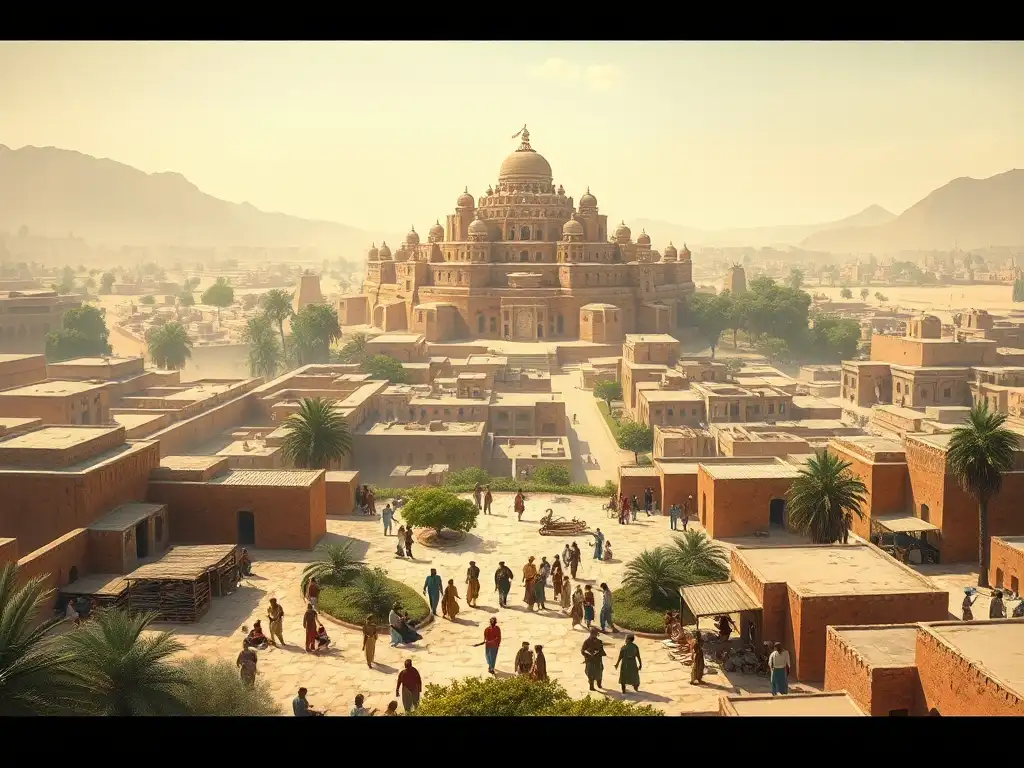
The urban planning of the Indus Valley Civilization (IVC) stands out in the context of ancient civilizations due to its sophisticated and systematic approach. When compared to other notable ancient civilizations such as Mesopotamia and Egypt, the urban layout of the IVC reveals both similarities and distinct differences that highlight its unique technological mastery.
Indus Valley vs. Mesopotamian Urban Planning
While both the Indus Valley and Mesopotamian civilizations exhibited advanced urban planning, their methodologies differed significantly. Mesopotamian cities, such as Ur and Babylon, were often characterized by irregular street layouts and monumental structures, which were usually built around central temples or ziggurats. The urban centers were more focused on religious and political significance, leading to a less systematic approach regarding residential and commercial spaces.
In contrast, the Indus Valley cities, such as Mohenjo-Daro and Harappa, displayed a remarkable level of organization. Streets were laid out in a grid pattern, demonstrating a premeditated approach to urban design. Buildings were constructed using standardized fired bricks, and the cities featured advanced drainage systems that were unparalleled in the ancient world. This difference in planning reflects contrasting societal priorities, with the IVC emphasizing functionality and hygiene alongside aesthetics.
Indus Valley vs. Egyptian City Layout
Egyptian urban planning was heavily influenced by the geography of the Nile River, which dictated the layout of cities such as Thebes and Memphis. These cities often developed along the riverbanks, with structures constructed in a linear fashion. The Egyptians prioritized monumental architecture, including temples and tombs, which were central to their religious practices. As a result, urban spaces were often informal and less organized compared to the IVC.
In comparison, the Indus Valley cities were remarkably uniform in their design. The presence of wide, straight streets intersecting at right angles, along with the inclusion of residential and commercial areas within the same urban fabric, indicates a sophisticated understanding of urban dynamics. The IVC's emphasis on sanitation and public health, as seen in their drainage systems, further distinguishes their urban planning from that of ancient Egypt.
Unique Aspects of Indus Valley Urban Development
One of the most unique aspects of Indus Valley urban development is the emphasis on standardized measurements and construction techniques. The use of uniform brick sizes facilitated the construction of well-planned buildings and infrastructure, allowing for efficient use of space and resources. Moreover, the cities were often constructed on elevated platforms, helping to protect them from flooding and ensuring better drainage.
Another distinguishing feature is the presence of public baths, like the Great Bath of Mohenjo-Daro, which indicates a cultural significance placed on cleanliness and communal activities. The integration of residential, commercial, and institutional areas within the urban layout showcases an advanced understanding of community living, demonstrating the civilization's commitment to creating cohesive and functional urban spaces.
The Significance of Urban Planning in the Technological Mastery of the Indus Valley
The urban planning of the Indus Valley Civilization reflects a profound technological mastery that contributed significantly to its societal development. The meticulous layout of cities speaks to an advanced understanding of engineering, architecture, and social organization, which played a crucial role in shaping daily life and the overall culture of the civilization.
Impact on Daily Life and Culture
The well-planned urban layout facilitated efficient transportation, trade, and communication among the inhabitants. The grid-like streets allowed for easy navigation, while the proximity of residential areas to markets and public facilities promoted social interaction and economic activities. This organization fostered a sense of community and contributed to a vibrant urban culture, where trade and craftsmanship thrived.
Additionally, the advanced drainage and sewage systems not only improved public health but also reflected the cultural importance placed on hygiene and sanitation. This attention to urban infrastructure likely enhanced the quality of life for residents, allowing them to engage in various cultural and recreational activities, thus enriching the overall societal fabric.
Contribution to Technological Advancements
The technological prowess displayed in the urban planning of the IVC contributed to several advancements that were pivotal for its sustainability. The use of baked bricks for construction, the development of sophisticated drainage systems, and the implementation of standardized weights and measures for trade all highlight the innovative spirit of the civilization.
Furthermore, the establishment of granaries and warehouses indicates advanced agricultural practices and resource management. These innovations not only supported the population but also laid the groundwork for future urban developments, influencing subsequent civilizations in the region.
Legacy of Indus Valley Urban Planning
The legacy of Indus Valley urban planning extends beyond its immediate historical context. The principles of organization, sanitation, and community integration that characterized Indus cities have influenced urban planning concepts in various cultures throughout history. The emphasis on functionality and public health continues to resonate in modern urban design, reflecting the enduring impact of the IVC's technological mastery.
Moreover, the archaeological discoveries of Indus Valley sites have inspired contemporary discussions regarding sustainable urban development and environmental management. The lessons learned from the IVC's approach to urban planning serve as valuable insights for addressing contemporary urban challenges, highlighting the civilization’s relevance in today's world.
Conclusion
The urban layout of the Indus Valley Civilization is a testament to the remarkable technological mastery and planning acumen of its inhabitants. This civilization, which thrived around 2500 BCE, showcased an advanced understanding of urban design that not only facilitated effective governance and trade but also ensured the well-being of its population.
The grid-like street patterns, sophisticated drainage systems, and centralized public structures highlight the importance of urban planning in promoting social order, economic stability, and public health. As a result, the significance of Indus Valley urban planning extends beyond mere functionality; it reflects a deep-rooted cultural ethos that prioritized community and efficiency.
Summary of Key Points
- Innovative Urban Design: The Indus Valley Civilization featured meticulously planned cities such as Harappa and Mohenjo-Daro, characterized by grid layouts and uniform brick sizes, indicating advanced architectural techniques.
- Advanced Infrastructure: The civilization is renowned for its impressive drainage systems, which were essential for sanitation and public health, showcasing a proactive approach to urban management.
- Civic Planning: Centralized structures, including public baths and granaries, reveal the organizational skills of the society and their commitment to communal facilities.
- Economic and Trade Efficiency: The urban layout facilitated trade and economic activities, allowing for easy transportation of goods and fostering interactions with other cultures.
These key points underscore how urban planning was integral to the technological advancements and societal structure of the Indus Valley Civilization.
The Lasting Influence of Indus Valley Urban Layout on Future Civilizations
The urban layout of the Indus Valley has had a profound impact on subsequent civilizations, both in the Indian subcontinent and beyond. The principles of organized city planning and sanitation pioneered by the Indus Valley people can be seen in later urban centers, including those of the Maurya and Gupta empires. Furthermore, the emphasis on grid layouts and drainage systems influenced urban planning in various cultures across the world, paving the way for modern city designs.
This legacy of urban planning persists today, as many contemporary cities draw inspiration from the efficiency and functionality found in ancient urban layouts. The Indus Valley Civilization serves as an early model of how thoughtful urban design can enhance quality of life, making its influence both significant and enduring.
References and Further Reading
A wealth of literature exists that delves into the urban planning significance of the Indus Valley Civilization, offering insights into its technological achievements and cultural values. Here are some recommended resources:
Suggested Books and Articles on Indus Valley Urban Planning
- "The Indus Civilization: A Contemporary Perspective": by Gregory L. Possehl – This book provides an in-depth analysis of the urban planning and societal structures of the Indus Valley Civilization.
- "Harappa: The Invention of a Civilization": by Shereen Ratnagar – This work explores the archaeological findings of Harappa and discusses its significance in understanding urban development.
- "Cities of the Indus Valley Civilization" by R.S. Sharma – This article examines the layout and infrastructure of key urban centers within the civilization, highlighting their importance.
Academic Journals Relevant to Ancient Urban Studies
- Journal of Archaeological Science – This journal frequently publishes articles on ancient urban planning and the technological advancements of past civilizations, including the Indus Valley.
- Urban History – A publication dedicated to the study of urban development, this journal often features research on the impact of ancient civilizations on modern urban planning.
- Antiquity – This journal covers a wide range of topics in archaeology and history, often including studies on the urban layouts of ancient societies like the Indus Valley.
These resources will provide readers with a deeper understanding of the significance of urban planning in the Indus Valley Civilization and its influence on later societies.
- Introduction to Indus Valley Civilization
- The Concept of Urban Planning in the Indus Valley
- Technological Innovations in Urban Layout
- The Role of Urban Layout in Social Organization
- Comparison of Indus Valley Urban Planning with Other Ancient Civilizations
- The Significance of Urban Planning in the Technological Mastery of the Indus Valley
- Conclusion
- References and Further Reading
- What is the Indus Valley urban planning significance?
- How did the Indus Valley civilization achieve such advanced urban planning?
- What are some key features of the urban layout in the Indus Valley?
- How did urban planning influence the daily life of Indus Valley inhabitants?
- What lessons can modern cities learn from Indus Valley urban planning?
Frequently Asked Questions
What is the Indus Valley urban planning significance?
The Indus Valley urban planning significance lies in its sophisticated city layouts, which featured advanced drainage systems, standardized bricks, and careful zoning, showcasing their technological mastery.
How did the Indus Valley civilization achieve such advanced urban planning?
The Indus Valley civilization utilized innovative techniques and materials, such as fired bricks and grid layouts, to create well-organized cities that reflected their understanding of urban infrastructure.
What are some key features of the urban layout in the Indus Valley?
Key features include grid-like street patterns, drainage systems, public baths, and fortified structures, all contributing to a functional and efficient urban environment.
How did urban planning influence the daily life of Indus Valley inhabitants?
The urban planning ensured that residents had access to clean water, sanitation, and communal spaces, significantly enhancing their quality of life and social organization.
What lessons can modern cities learn from Indus Valley urban planning?
Modern cities can learn the importance of sustainable design, effective infrastructure, and public health considerations, as exemplified by the well-planned cities of the Indus Valley civilization.
Final Reflection: The Enduring Legacy of Indus Valley Urban Planning
The significance of urban layout in the Indus Valley civilization remains profoundly relevant today, as it showcases the intricate relationship between environment, technology, and societal development. The advanced urban planning of the Indus Valley not only highlights the ingenuity of its people but also serves as a timeless reminder of how thoughtful design can enhance the quality of life and foster community resilience. In an era where urbanization is accelerating, the lessons from this ancient civilization are more crucial than ever.
The influence of Indus Valley urban planning extends beyond historical curiosity; it continues to shape contemporary discussions about sustainable city development and infrastructure. The meticulous grid patterns, drainage systems, and public spaces of this civilization illustrate a commitment to functionality and harmony with nature. The cities of the Indus Valley were not just places to live; they were reflections of a society that understood the importance of order, sanitation, and community.
This observation underscores the ongoing relevance of their urban strategies in addressing modern urban challenges, such as overcrowding and environmental degradation.
As we reflect on the remarkable achievements of the Indus Valley civilization, let us take inspiration from their urban planning principles and apply them to our own lives and communities. Consider how you can advocate for sustainable practices in your environment, whether through supporting local initiatives or reimagining the spaces you inhabit. By embracing the lessons of the past, we can create urban landscapes that are not only functional but also enriching, fostering a sense of belonging and harmony for future generations.
Unleash the Legacy of the Indus Valley Mastery!
Thank you for diving into the fascinating world of the Indus Valley and its ingenious urban layout. Your journey through this article has unveiled the remarkable ways in which technology and design intertwine within ancient civilizations. Now, it's your turn to take action and engage with this inspired history!
Here's how you can explore further and become a part of this exciting discussion:
- Delve Deeper: Explore local museums or conduct online research about urban planning in other ancient civilizations to see how they compare to the Indus Valley.
- Share Your Insights: Engage in discussions about this article with friends or on social media! Encourage conversations about how ancient designs continue to influence modern cities.
- Join the Community: Participate in local history clubs or online forums focused on ancient cultures and urban planning to share your learnings and connect with like-minded enthusiasts.
What aspect of the Indus Valley's urban layout do you find most intriguing and why? Let’s engage in an enlightening discussion!