
The Evolution of Southern Indian Cuisine: A Culinary Journey Through History

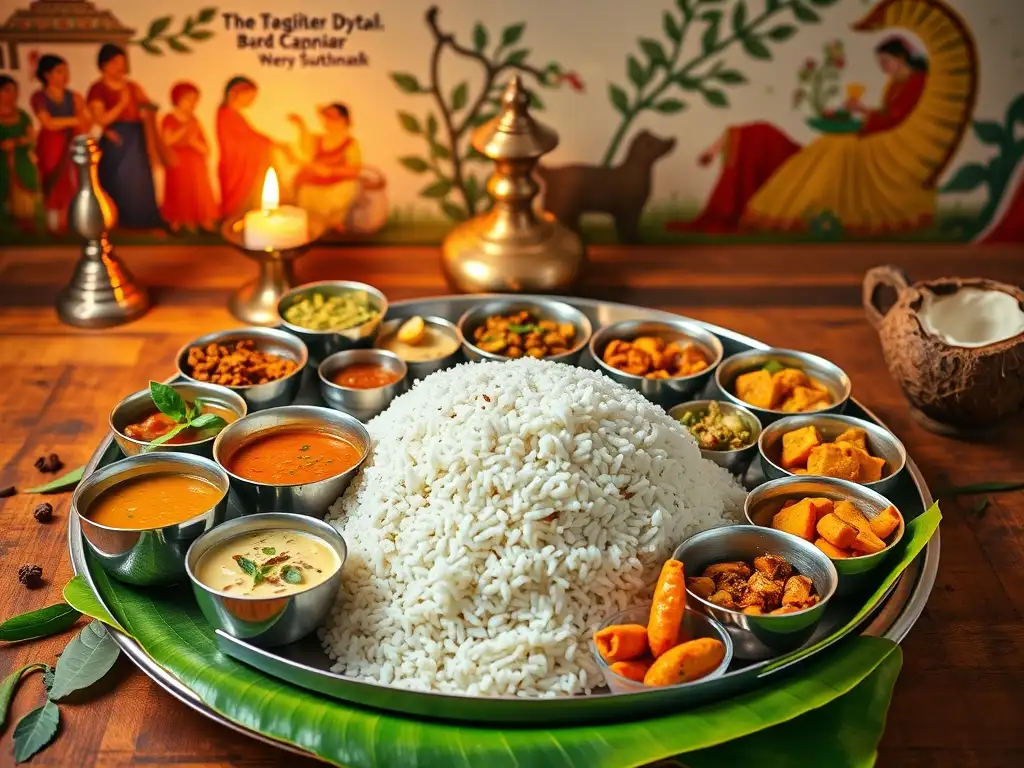
Welcome to Ancient India History, where we embark on a fascinating journey through the rich tapestry of India's past. In our featured article, "The Evolution of Southern Indian Cuisine: A Culinary Journey Through History," we delve into the vibrant culinary traditions that have shaped Southern India, uncovering the cultural influences and historical narratives behind its exquisite dishes.
As you explore the intricate connections between food and history, prepare to be captivated by the stories that define a region's identity. Join us as we savor the flavors of the past and discover how ancient civilizations have left a delicious mark on the present!
Introduction to Southern Indian Culinary History
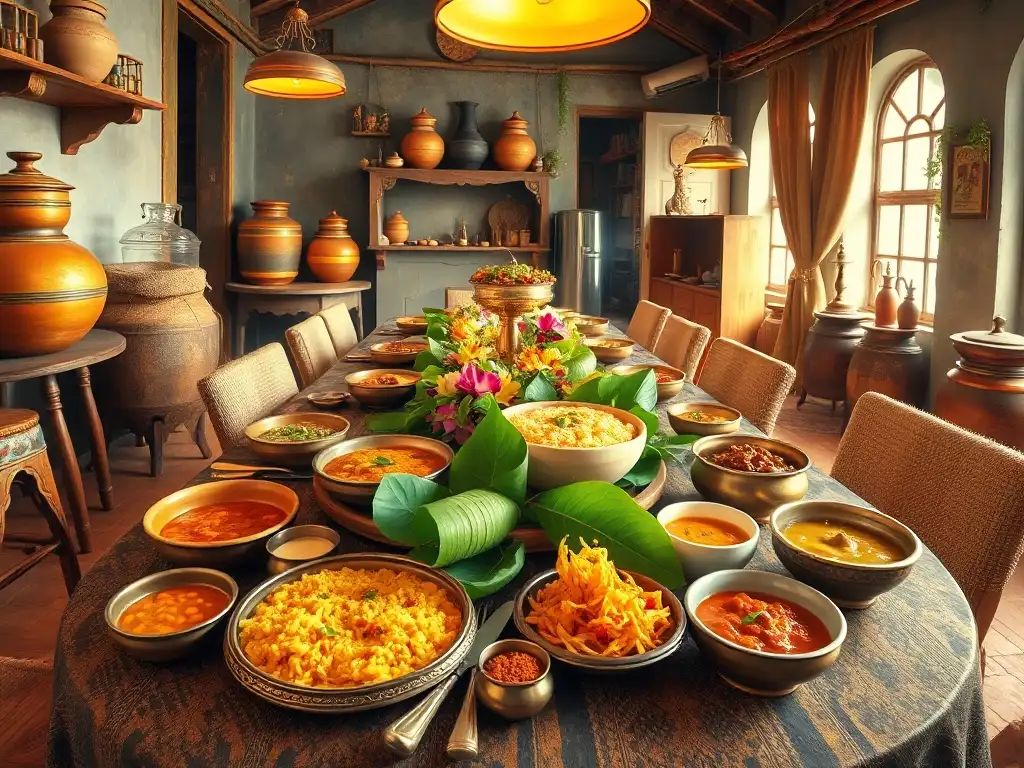
Southern Indian culinary history is a rich tapestry woven with the threads of diverse cultures, ancient traditions, and vibrant flavors. From the spicy curries of Tamil Nadu to the delicate dosa of Karnataka, the cuisine of this region reflects its historical significance and cultural diversity. Over centuries, Southern Indian cuisine has evolved, influenced by various historical events, trade routes, and the mingling of different communities.
This article aims to explore the intricate evolution of Southern Indian cuisine, tracing its roots from ancient times through the various dynasties that shaped its development and the traditions that continue to thrive today. Understanding this culinary journey not only enriches our appreciation of the food but also offers insights into the broader historical narrative of Southern India.
Overview of Southern Indian Cuisine
Southern Indian cuisine is characterized by its unique ingredients, cooking methods, and flavor profiles. It typically includes:
- Staple Foods: Rice, lentils, and millet serve as the foundation of many meals.
- Spices and Flavors: A wide array of spices such as mustard seeds, curry leaves, and tamarind create the distinct flavors synonymous with the region.
- Traditional Dishes: Signature dishes include sambar, rasam, idli, and various types of chutneys, each carrying its own historical significance and preparation techniques.
The culinary practices of Southern India vary significantly across its states (Tamil Nadu, Kerala, Karnataka, and Andhra Pradesh), showcasing a fascinating blend of local ingredients, climate influences, and cultural traditions. This diversity is a testament to the region's agricultural richness and its people's ingenuity in utilizing available resources.
Significance of Culinary Traditions in Southern India
Culinary traditions in Southern India hold profound cultural and social importance. They are often intertwined with festivals, rituals, and community gatherings, where food serves not just as sustenance but as a medium for cultural expression and social bonding. For instance:
- Festivals: Special dishes are prepared during festivals such as Pongal and Onam, reflecting the agricultural cycles and seasonal changes.
- Social Customs: Traditional meals are often enjoyed on banana leaves, emphasizing the importance of sustainability and connection to nature.
These culinary practices contribute to a shared sense of identity among the people of Southern India, reinforcing community ties and preserving age-old traditions.
Historical Influences on Southern Indian Culinary Practices
Ancient Civilizations and Their Impact on Food
The roots of Southern Indian culinary history can be traced back to ancient civilizations such as the Indus Valley and the Chola dynasty. Archaeological evidence suggests that early agricultural practices laid the groundwork for future culinary developments. The introduction of rice cultivation, along with the use of various spices and grains, significantly shaped the dietary patterns of the region.
Moreover, ancient texts, such as the Manasollasa, provide insights into the sophisticated cooking techniques and culinary arts that flourished in Southern India. These texts highlight the importance of food not only as nourishment but also as an art form, showcasing the creativity and innovation of ancient cooks.
The Influence of Dynasties on Southern Indian Cuisine
Throughout history, various dynasties played pivotal roles in shaping Southern Indian cuisine. The Chola, Pandya, and Vijayanagara empires, among others, contributed to culinary evolution by introducing new ingredients and cooking styles.
- Chola Dynasty: Known for its maritime trade, the Chola dynasty facilitated the exchange of spices and culinary techniques with Southeast Asia, enriching the local palate.
- Vijayanagara Empire: This empire saw the blending of diverse culinary traditions, leading to the creation of iconic dishes that are still enjoyed today.
These dynastic influences not only enriched the culinary landscape but also established Southern India as a significant player in global trade routes, further enhancing its culinary heritage.
By understanding the historical influences that have shaped Southern Indian culinary practices, we can appreciate the depth and richness of this vibrant cuisine, which continues to evolve while honoring its ancient roots.
Key Ingredients in Southern Indian Cuisine
Southern Indian cuisine is characterized by its rich tapestry of flavors, aromas, and textures, which are deeply rooted in the region's geography, climate, and agricultural practices. At the heart of this culinary tradition are key ingredients that define its uniqueness.
Staples of Southern Indian Cooking
Rice is undoubtedly the cornerstone of Southern Indian meals, serving as the primary staple across the region. Varieties such as Sona Masuri, Ponni, and Basmati are widely cultivated and enjoyed.
- Lentils (Dal): Legumes like toor dal, urad dal, and moong dal are integral, providing protein and forming the base for many dishes.
- Coconut: Fresh, grated coconut is a common ingredient, used in curries, chutneys, and desserts, reflecting the influence of coastal regions.
- Millets: Traditional grains like ragi (finger millet) and jowar (sorghum) are increasingly being embraced for their health benefits and sustainability.
These staples are often combined to create wholesome meals, typically served with a variety of side dishes, reflecting the diversity of Southern Indian culinary practices.
Spices and Herbs Unique to Southern India
Southern Indian cuisine is renowned for its bold use of spices and herbs, which impart distinctive flavors.
- Curry Leaves: These aromatic leaves are essential in tempering dishes, offering a unique flavor profile that is synonymous with the region.
- Asafoetida (Hing): Known for its pungent aroma, hing is used sparingly to enhance the taste of lentil dishes and curries.
- Tamarind: This souring agent is a vital component in many Southern dishes, adding tanginess to sambar and rasam.
- Black Mustard Seeds: Often used for tempering, they add a nutty flavor and a satisfying crunch to various preparations.
These spices and herbs not only elevate the taste but also contribute to the health benefits associated with Southern Indian cuisine.
Regional Variations in Southern Indian Culinary History
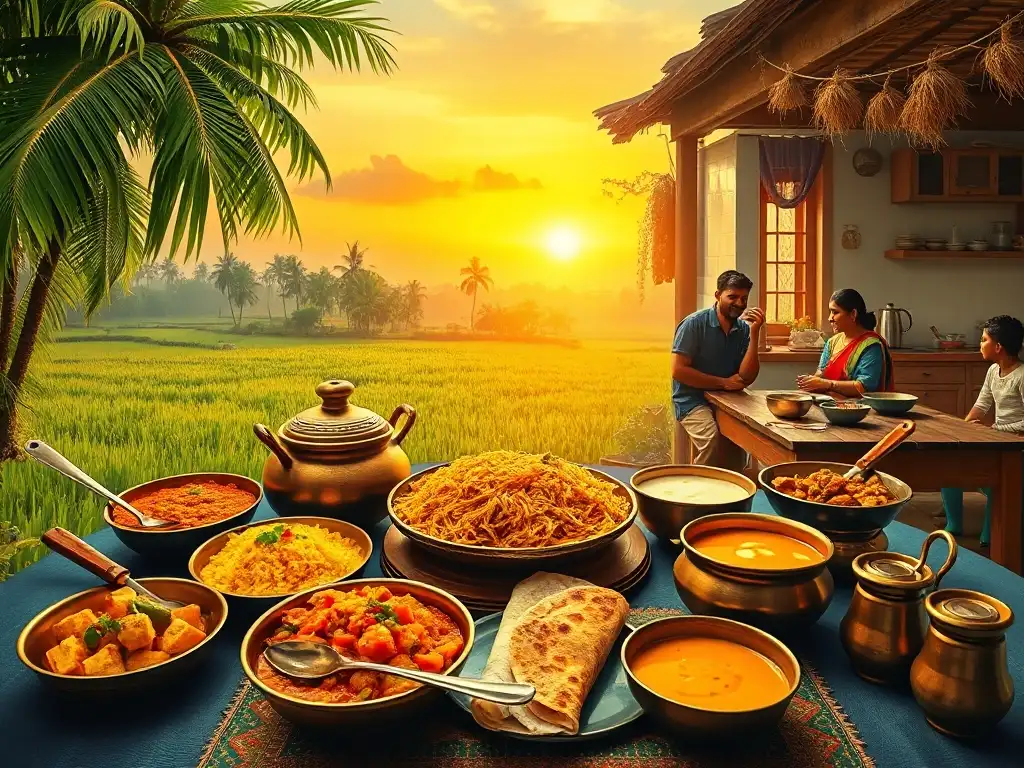
Southern India is a melting pot of diverse culinary traditions influenced by geography, culture, and history. Each state and region boasts its own specialties, resulting in a rich variety of flavors and cooking styles.
Coastal Cuisine: Flavors of the Sea
The coastal regions of Southern India, particularly Kerala and Tamil Nadu, are famous for their seafood dishes. Fresh fish, prawns, and crabs are staples, often cooked with coconut milk and flavored with local spices.
- Kerala Fish Curry: Made with fresh catch, tamarind, and a robust blend of spices, this dish showcases the region's affinity for seafood.
- Chettinad Prawn Curry: Known for its fiery heat, this dish utilizes roasted spices and coconut to create a rich, aromatic sauce.
Coastal cuisine reflects the abundance of marine resources, emphasizing freshness and bold flavors, making it a cornerstone of Southern Indian culinary heritage.
Hill Station Delicacies: A Unique Culinary Identity
The hill stations of Southern India, such as Ooty and Kodaikanal, offer a unique twist on traditional cuisine. The cooler climate influences the types of ingredients used and the preparation methods employed.
- Vegetable Stews: Utilizing locally grown vegetables like carrots, peas, and potatoes, these hearty stews are often flavored with simple spices, reflecting a comfort food tradition.
- Homemade Cheese: In some hill stations, local dairies produce fresh cheese, which is incorporated into various dishes, adding a creamy texture.
- Tea and Snacks: The famous Nilgiri tea is accompanied by a variety of snacks, including freshly baked goods and fried delicacies, showcasing the influence of colonial history.
These hill station delicacies not only highlight the adaptability of Southern Indian cuisine but also celebrate the region's unique climatic and agricultural characteristics.
Traditional Cooking Techniques and Methods
Southern Indian culinary history is characterized by a rich tapestry of traditional cooking techniques and methods that have been passed down through generations. These time-honored practices not only enhance the flavors of the dishes but also reflect the diverse cultural influences that have shaped the region's cuisine.
One of the key aspects of traditional Southern Indian cooking is the emphasis on using fresh, local ingredients. Spices, herbs, and vegetables are often sourced from nearby markets, ensuring that the food retains its authenticity and nutritional value. Techniques such as grinding spices with a mortar and pestle or using stone grinders are commonly employed, allowing for a more robust flavor profile in dishes.
Additionally, the cooking methods often vary by region, influenced by local customs and available resources. For instance, coastal areas might highlight seafood dishes and methods like steaming and frying, while inland regions may focus on lentils and grains, utilizing techniques such as boiling and sautéing. The diversity in cooking methods contributes significantly to the overall richness of Southern Indian cuisine.
The Art of Using Clay Pots and Earthenware
The use of clay pots and earthenware is a hallmark of Southern Indian cooking, deeply rooted in the region's history. These vessels are not merely utensils; they play a crucial role in the culinary process. Cooking in clay pots offers several advantages, including better heat retention and moisture regulation, which help to enhance the flavors of the food.
Clay pots are porous, allowing steam to escape while also imparting a unique earthy flavor to the dishes. This characteristic is especially beneficial for slow-cooked meals, where flavors can meld and develop over time. Traditional dishes such as "Biryani" or "Sambar" are often prepared in clay pots, with the cooking process celebrated as an art form.
Moreover, using earthenware aligns with the sustainable practices that have been part of Southern Indian culture for centuries. These materials are biodegradable and environmentally friendly, reflecting a reverence for nature and its resources. The revival of clay cooking in modern kitchens is a testament to its enduring legacy in Southern Indian culinary history.
The Importance of Slow Cooking in Southern Indian Cuisine
Slow cooking is a fundamental technique in Southern Indian cuisine, known for its ability to develop deep, complex flavors. This method allows ingredients to meld harmoniously, resulting in dishes that are rich in taste and aroma. Slow-cooked meals often include a variety of spices and herbs, which release their essential oils over time, enriching the overall flavor profile.
One of the most celebrated examples of slow cooking in Southern India is "Chettinad" cuisine, known for its aromatic curries and rich gravies. The traditional preparation methods often involve marinating meats and vegetables for several hours, followed by prolonged cooking on low heat, allowing the spices to penetrate deeply.
In addition to enhancing flavor, slow cooking also promotes nutrition. Cooking at lower temperatures helps to preserve the vitamins and minerals in the ingredients, making meals not only delicious but also healthy. This technique has been integral to family meals and communal gatherings, where food is prepared with care and shared among loved ones.
The Role of Festivals and Rituals in Shaping Cuisine
Festivals and rituals play a pivotal role in shaping Southern Indian cuisine, serving as occasions to celebrate cultural heritage, religious beliefs, and community bonding. Each festival is marked by specific culinary traditions that highlight the region’s diversity and rich history. The food prepared during these occasions often carries significant symbolic meanings and varies from one community to another.
In Southern India, festivals like Pongal, Diwali, and Onam are characterized by elaborate feasts that showcase a variety of dishes. These gatherings not only bring families and communities together but also serve as a platform to preserve and pass down culinary skills and knowledge to younger generations.
The rituals associated with food preparation during festivals often involve traditional techniques, such as grinding spices manually or using specific cooking vessels, which further enhance the cultural significance of the meals prepared.
Culinary Traditions During Festivals
Culinary traditions during festivals in Southern India are a vibrant display of the region's rich culinary history. Each festival features its own set of special dishes, often prepared with great care and attention to detail. For example, during Pongal, a harvest festival, the preparation of "Pongal" (a dish made from rice and lentils) is central to the celebrations. It is traditionally cooked in a clay pot and offered to deities as a form of gratitude.
Similarly, Onam, celebrated in Kerala, is famous for the "Onam Sadhya," a grand vegetarian feast served on banana leaves. This meal typically consists of an array of dishes, including curries, pickles, and desserts, symbolizing the abundance of the harvest season.
Moreover, the rituals surrounding food preparation during these festivals often include family gatherings, where recipes are shared, and cooking techniques are demonstrated. This communal aspect not only strengthens family bonds but also reinforces the importance of culinary heritage in Southern Indian culture.
Through these festive culinary traditions, the rich history and diversity of Southern Indian cuisine continue to thrive, ensuring that generations to come can appreciate and enjoy this vibrant gastronomic heritage.
Modern Influences on Southern Indian Culinary History
Southern Indian culinary history has undergone significant transformations in recent decades, influenced by globalization, migration, and technological advancements. The rich tapestry of flavors that defines Southern Indian cuisine is now interwoven with elements from various international culinary traditions. This fusion has not only diversified the food landscape but has also sparked a renewed interest in traditional practices.
The rise of urbanization and the increasing availability of global ingredients have paved the way for innovative culinary creations. Chefs and home cooks alike are experimenting with traditional Southern dishes, incorporating ingredients and techniques from different cultures. This blend of old and new showcases the adaptability of Southern Indian cuisine while honoring its roots.
Globalization and the Fusion of Flavors
The impact of globalization on Southern Indian culinary history cannot be overstated. With the advent of international travel and communication, Southern Indian cuisine has been introduced to a global audience, leading to a cross-pollination of culinary ideas.
- Culinary Trends: The introduction of health-conscious eating has led to the incorporation of superfoods and organic ingredients into traditional recipes. For instance, quinoa idlis and millet dosas have emerged as popular alternatives, maintaining the essence of traditional dishes while catering to contemporary dietary preferences.
- Fusion Restaurants: Many restaurants in urban areas are now offering fusion dishes that blend Southern Indian flavors with cuisines from around the world. Examples include dosa tacos and sambar risotto, reflecting a creative culinary dialogue that broadens the appeal of Southern Indian food.
As a result, the culinary identity of Southern India is not static; it evolves continuously, influenced by global trends while still retaining its distinctive character.
The Revival of Traditional Recipes in Modern Times
Despite the modern influences, there is a notable revival of traditional Southern Indian recipes, driven by a desire to reconnect with cultural heritage. This revival is facilitated by several factors:
- Culinary Initiatives: Numerous organizations and culinary schools are dedicated to preserving and promoting traditional cooking techniques. Workshops and cook-offs aimed at teaching classic Southern recipes, such as Chettinad chicken curry or Kerala sadya, are gaining popularity.
- Social Media Influence: Platforms like Instagram and YouTube have become vital tools for food enthusiasts, allowing for the sharing of traditional recipes and cooking methods. Home cooks are showcasing their culinary heritage, inspiring a younger generation to explore and appreciate their culinary roots.
This revival is not merely a nostalgic return but rather a celebration of the flavors and techniques that have shaped Southern India’s culinary landscape over centuries.
Conclusion: The Continuing Legacy of Southern Indian Culinary History
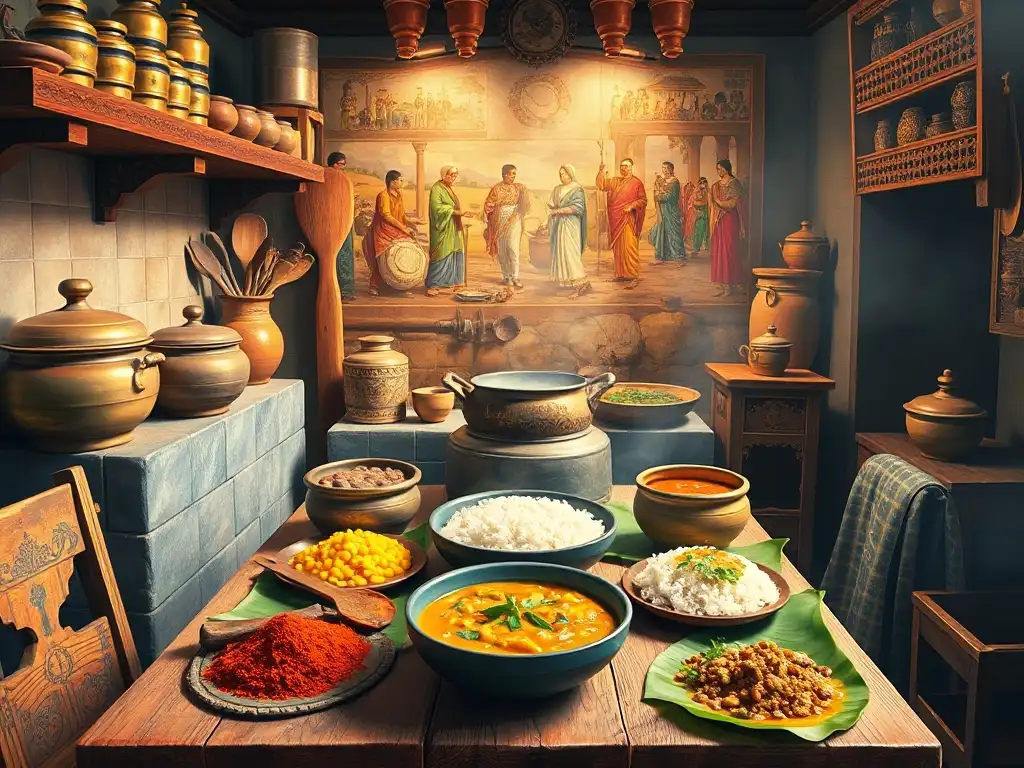
The journey of Southern Indian culinary history is marked by its resilience and adaptability. The ongoing influences of modernity, coupled with a revival of traditional practices, ensure that this rich culinary heritage continues to thrive.
The Importance of Preserving Culinary Heritage
Preserving Southern Indian culinary heritage is crucial for several reasons:
- Cultural Identity: Food is a vital component of cultural identity. Traditional recipes encapsulate the stories, rituals, and practices of communities, passing down knowledge through generations.
- Sustainability: Many traditional cooking methods emphasize local ingredients and sustainable practices. By preserving these methods, we can encourage environmentally friendly practices in contemporary cooking.
Efforts to document and celebrate these culinary traditions are essential for maintaining a connection to the past while navigating the future.
Future Directions for Southern Indian Cuisine
Looking ahead, Southern Indian cuisine is poised for exciting developments. Some potential future directions include:
- Culinary Tourism: As global interest in authentic food experiences grows, Southern India could become a significant culinary tourism destination, showcasing its diversity through food festivals and culinary tours.
- Health-Conscious Innovations: With an increasing focus on health and wellness, Southern Indian cuisine may see further adaptations, emphasizing plant-based dishes and ancient grains.
Ultimately, the future of Southern Indian culinary history lies in its ability to embrace change while honoring its rich past, ensuring that the flavors of Southern India continue to resonate for generations to come.
References and Further Reading on Southern Indian Culinary History
Studying the evolution of Southern Indian cuisine offers a fascinating glimpse into the region's rich cultural tapestry and the influences that have shaped its culinary practices over centuries. For those interested in delving deeper into the history and development of Southern Indian culinary traditions, the following references and resources provide valuable insights:
Books
-
"Cuisines of India" by Madhur Jaffrey
This comprehensive book explores the diverse culinary practices across India, with dedicated sections on Southern Indian dishes, their historical significance, and regional variations.
-
"The Food of India: A Journey for Food Lovers" by Brinder Narula
Narula’s work provides a culinary journey through India, highlighting Southern Indian cuisine's rich heritage, ingredients, and cooking techniques.
-
"Indian Food: A Historical Companion" by K. T. Achaya
This book offers a detailed historical perspective on Indian food, including the evolution of Southern Indian culinary practices and the influences of trade, migration, and cultural exchange.
Academic Journals
-
Journal of Ethnic Foods
Various issues of this journal contain articles focusing on Southern Indian cuisine, including studies on traditional cooking methods and the impact of globalization on local food practices.
-
Indian Journal of Traditional Knowledge
This journal features research on traditional food practices in Southern India, emphasizing the sustainable aspects of local cuisines and their historical significance.
Online Resources
-
The Indian Food History Project
An online initiative that documents regional Indian cuisines, including an extensive section dedicated to Southern Indian culinary history, featuring articles, recipes, and interviews with local chefs.
-
Food and Culture: A Reader
This compilation includes essays that discuss the intersection of food and culture, with specific references to Southern Indian traditions and practices in various contexts.
Documentaries and Films
-
"Indian Harvest"
This documentary provides a visual exploration of the agricultural practices and culinary traditions of Southern India, showcasing the connection between culture, cuisine, and the land.
-
"Taste of India"
A series that highlights regional dishes and cooking methods, with episodes dedicated to Southern Indian cuisine, offering insights into its historical influences and contemporary practices.
Conclusion
These references and resources serve as a foundation for exploring the rich and diverse history of Southern Indian culinary practices. They illuminate the intricate connections between food, culture, and history, enabling a deeper understanding of how Southern Indian cuisine has evolved over time. Whether you are a culinary enthusiast, a historian, or simply curious about the flavors of Southern India, these materials offer a wealth of knowledge to enrich your exploration of this vibrant culinary heritage.
- Introduction to Southern Indian Culinary History
- Overview of Southern Indian Cuisine
- Historical Influences on Southern Indian Culinary Practices
- Key Ingredients in Southern Indian Cuisine
- Regional Variations in Southern Indian Culinary History
- Traditional Cooking Techniques and Methods
- The Role of Festivals and Rituals in Shaping Cuisine
- Modern Influences on Southern Indian Culinary History
- Conclusion: The Continuing Legacy of Southern Indian Culinary History
- References and Further Reading on Southern Indian Culinary History
- Conclusion
Frequently Asked Questions
What are the origins of Southern Indian culinary history?
Southern Indian culinary history traces back to ancient civilizations like the Indus Valley, where early agricultural practices established a foundation for diverse grains and spices.
How has geography influenced Southern Indian food?
The geographical diversity of Southern India, including coastal regions and hills, has led to significant variations in cuisine, utilizing local ingredients such as fish, coconut, and rice.
What role do spices play in Southern Indian cuisine?
Spices are central to Southern Indian cooking, adding depth and flavor to dishes. Key spices like curry leaves, mustard seeds, and turmeric are integral to traditional recipes.
How has Southern Indian cuisine evolved over time?
Southern Indian cuisine has evolved through trade, migration, and cultural exchanges, incorporating influences from Buddhism, Islam, and European colonialism, while retaining its unique identity.
What are some signature dishes of Southern Indian cuisine?
Signature dishes include dosa, idli, sambar, and rasam, which showcase the region's unique flavors and cooking techniques, often featuring fermented and spiced ingredients.
Final Reflection: The Rich Tapestry of Southern Indian Culinary History
The evolution of Southern Indian cuisine is not just a journey through flavors; it is a testament to the resilience and creativity of a culture that has thrived for centuries. Today, as we navigate a globalized world where culinary traditions often blend and blur, understanding the roots of Southern Indian culinary history becomes increasingly relevant. This rich tapestry of spices, techniques, and stories invites us to appreciate the depth of our food heritage and the narratives that shape our identities.
Culinary traditions are a mirror reflecting the social and cultural dynamics of a region. The intricate interplay of local ingredients, historical influences, and community practices continues to shape Southern Indian cuisine, making it a vibrant part of contemporary gastronomy. As we savor each dish, we are reminded of the generations that have come before us, each contributing to the culinary landscape we cherish today. Food is our common ground, a universal experience.
— James Beard. This quote encapsulates the essence of how Southern Indian cuisine transcends mere sustenance, becoming a shared experience that connects us all.
As you reflect on the journey through Southern Indian culinary history, I invite you to explore the flavors and stories that resonate with you. Consider how you can incorporate these lessons into your own culinary practices or daily life.
Whether it's trying your hand at a traditional recipe, visiting a local restaurant that celebrates this cuisine, or simply sharing the stories behind these dishes with friends and family, each action contributes to the preservation and appreciation of this rich heritage. Let the flavors of Southern India inspire you to embrace the diversity of our world, one meal at a time.
Savor the Flavors: Embark on Your Culinary Adventure!
Thank you for taking the time to explore the rich and diverse flavors of Southern Indian cuisine with us! We hope you’ve discovered its remarkable history and vibrant cultural significance. Now, it's your turn to bring this culinary journey to life!
Here’s how you can dive deeper into the world of Southern Indian cuisine:
- Try your hand at a traditional recipe: Select a dish that intrigues you, gather the ingredients, and prepare a feast that connects you to this cultural heritage.
- Share your culinary creations: Post a photo of your dish on social media and tag us, or join a local cooking group to explore recipes together.
- Explore local Indian restaurants: Support your community by visiting restaurants that specialize in Southern Indian cuisine and discover new flavors.
What dish from Southern Indian cuisine are you most excited to try, and what draws you to it?