
The Decline of the Pandya Dynasty: Lessons from Southern Indian History

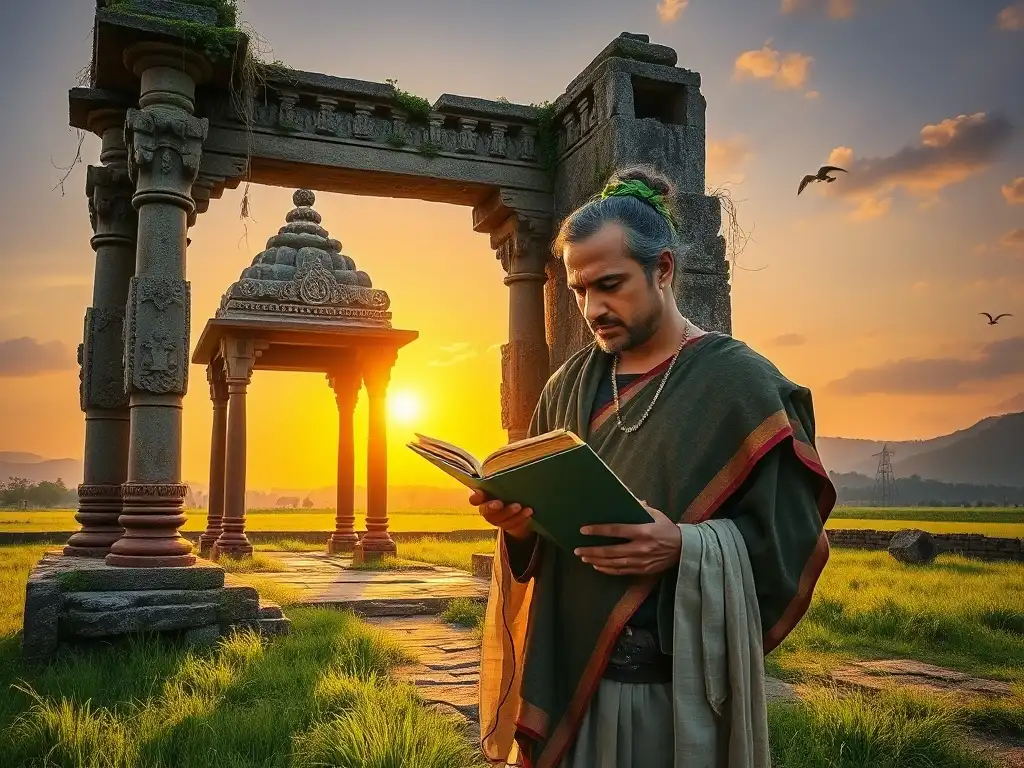
Welcome to Ancient India History, where we invite you to journey through the vibrant tapestry of India's past. In our featured article, “The Decline of the Pandya Dynasty: Lessons from Southern Indian History,” we delve into the fascinating factors that led to the fall of one of the most illustrious dynasties in Southern India. What lessons can we glean from their rise and eventual decline? Prepare to uncover the intricate web of cultural and political dynamics that shaped this period. Let your curiosity guide you as you explore the rich narratives that define our shared heritage!

The decline of the Pandya Dynasty is a pivotal chapter in the history of Southern India, marking a significant transformation in the political and cultural landscape of the region. The Pandya Dynasty, known for its rich contributions to art, literature, and trade, played a crucial role in shaping the early medieval period of Indian history.
Understanding the factors that led to its decline not only sheds light on the historical trajectory of Southern India but also provides valuable lessons about governance, societal changes, and the interplay of regional powers. This article will explore the intricate dynamics surrounding the Pandya Dynasty's rise and fall, offering insights into its legacy and relevance in contemporary discussions about regional histories.
Introduction to the Pandya Dynasty
Overview of the Pandya Dynasty's Rise to Power
The Pandya Dynasty, one of the oldest royal families in Southern India, has its roots traced back to the ancient Tamil Sangam period. Initially, the Pandyas rose to prominence in the 6th century BCE, establishing their capital in Madurai. Their reign is characterized by significant advancements in trade, culture, and administration.
The dynasty's strategic maritime trade routes facilitated connections with distant lands, including the Roman Empire and Southeast Asia, contributing to their wealth and influence. Notable rulers like Maravarman Sundara Pandyan I and Jatavarman Sundara Pandyan II expanded the kingdom's territories and strengthened its political stature through military conquests and alliances.
Significance of the Pandya Dynasty in Southern Indian History
The Pandya Dynasty holds a distinguished place in the annals of Southern Indian history, not only for its military prowess but also for its patronage of art and literature. The dynasty's contributions to Tamil literature, particularly during the Sangam period, paved the way for a rich cultural heritage that continues to resonate in modern Tamil Nadu.
The Pandyas were instrumental in the establishment of temples and educational institutions, fostering a flourishing cultural and religious environment. Their legacy is evident in the architectural marvels and literary works that emerged during their reign, reflecting the dynasty's enduring influence on Southern Indian culture.
Historical Context of the Decline
Political Landscape of Southern India during the Pandya Era
The political landscape of Southern India during the Pandya era was marked by a complex interplay of power dynamics among various regional kingdoms, including the Cholas and the Cheras. The Pandyas faced constant challenges from these neighboring powers, which often led to conflicts and territorial disputes. Additionally, the rise of feudalism and the emergence of local chieftains further complicated the political scenario. The shifting alliances and rivalries among these kingdoms created an environment of instability, which ultimately contributed to the decline of the Pandya Dynasty.
Key Events Leading to the Decline of the Pandya Dynasty
Several key events precipitated the decline of the Pandya Dynasty, including military defeats, internal strife, and economic challenges. The invasion of the Delhi Sultanate in the 14th century marked a significant turning point, as the Pandyas struggled to defend their territories against external threats. Furthermore, a series of succession disputes weakened the dynasty's central authority, leading to fragmentation and the rise of competing factions. The cumulative effect of these factors created a perfect storm that culminated in the eventual decline of one of Southern India's most illustrious dynasties.
Factors Contributing to the Decline of the Pandya Dynasty
The decline of the Pandya Dynasty, one of the prominent ancient dynasties of Southern India, can be attributed to a confluence of various factors that weakened their hold over the region. Understanding these factors provides essential lessons about the dynamics of power, governance, and social structures in ancient Indian history. The interplay of internal conflicts, economic challenges, and external threats created an environment conducive to the eventual fall of this once-mighty dynasty.
Internal Conflicts and Civil Strife
Internal conflicts played a significant role in the decline of the Pandya Dynasty. The power struggles among various factions within the royal family led to fragmentation and weakened centralized authority. Succession disputes, often exacerbated by the lack of a clear line of inheritance, caused rifts among the nobility and military leaders. These disputes not only drained resources but also diverted attention from external threats.
Additionally, civil strife ignited by local chieftains challenging the authority of the Pandya rulers contributed to instability in governance. As local leaders sought autonomy or allegiance to rival factions, the unity of the dynasty crumbled, making it difficult for the Pandya kings to maintain control over their territories. The resulting chaos created a power vacuum that rival kingdoms were eager to exploit.
Economic Challenges and Trade Disruptions
Economic challenges further compounded the issues faced by the Pandya Dynasty. The Pandyas were historically known for their thriving trade networks, both inland and overseas. However, several factors led to disruptions in these vital trade routes. Natural disasters, such as floods and droughts, affected agricultural productivity, which was the backbone of the economy. The decline in agricultural output led to food shortages and increased taxation, further burdening the populace.
Moreover, the rise of competing powers, such as the Cholas and the Cheras, disrupted trade routes and diminished the Pandya's influence in maritime commerce. This loss of economic strength not only weakened the dynasty's finances but also diminished its capacity to maintain a formidable military presence. As trade diminished, so did the Pandya's ability to project power and influence across Southern India.
Invasions and External Threats
External threats, particularly invasions from neighboring kingdoms and foreign powers, significantly impacted the decline of the Pandya Dynasty. The historical accounts indicate that repeated incursions by the Chola Empire, known for its aggressive expansionist policies, posed a severe challenge to the Pandyas. The Cholas seized strategic territories, undermining the Pandya's authority and control.
Additionally, incursions from the north, including invasions by various dynasties, further destabilized the region. These external threats forced the Pandya rulers to allocate resources to defense rather than development. The cumulative effect of these invasions not only diminished the military strength of the Pandyas but also eroded the confidence of their subjects in the dynasty’s ability to protect them.
The Impact of the Decline on Southern India

The decline of the Pandya Dynasty had far-reaching consequences for Southern India, reshaping its cultural, social, and political landscape. The vacuum left by the fading power of the Pandyas allowed other kingdoms to rise, leading to a significant transformation in the region's dynamics.
Cultural and Social Changes Post-Pandya Decline
The aftermath of the Pandya decline witnessed notable cultural and social changes across Southern India. With the fall of a central authority, local traditions and practices began to flourish, leading to a diversification of cultural expressions. Different regions started to develop their identities, leading to a mosaic of languages, art forms, and religious practices.
Moreover, the decline of the Pandya Dynasty facilitated the spread of new religious ideologies and practices. The rise of Bhakti movements, which emphasized personal devotion over ritualistic practices, gained traction. This shift contributed to a more inclusive society, as various sects and communities began to interact and influence each other, fostering a rich cultural tapestry that characterized the post-Pandya era.
The Shift in Power Dynamics within Southern India
The power vacuum created by the decline of the Pandya Dynasty resulted in a significant shift in political dynamics within Southern India. As the Pandyas weakened, rival dynasties like the Cholas and the Cheras capitalized on the opportunity to expand their territories. This period marked the emergence of new political entities that filled the void left by the Pandyas.
The Chola Empire, in particular, rose to prominence, establishing itself as a dominant power in Southern India and beyond. The new power dynamics led to a reconfiguration of alliances, trade networks, and military strategies. The region experienced increased competition among emerging kingdoms, which spurred advancements in administration, culture, and trade, ultimately shaping the future trajectory of Southern Indian history.
Lessons Learned from the Decline of the Pandya Dynasty
The decline of the Pandya Dynasty offers valuable insights into governance, economic management, and the importance of resilience in the face of external threats. As one of the prominent dynasties of ancient southern India, their eventual downfall serves as a case study for modern governance and historical analysis. By examining the factors that contributed to their decline, we can extract lessons that are relevant even today, particularly in the context of regional histories and the dynamics of power.
Understanding Governance and Leadership in Ancient India
The Pandya Dynasty's governance was characterized by a complex interplay of local administration and centralized power. Effective leadership was essential for maintaining harmony within the diverse communities of the region. However, as internal strife and succession disputes emerged, the lack of stable leadership weakened the dynasty's grip on power.
- Decentralization vs. Centralization: The Pandya kings initially employed a decentralized approach, which allowed local chieftains to maintain some autonomy. However, this led to fragmented authority when disputes arose, highlighting the need for a balanced governance structure that encourages local participation while ensuring centralized oversight.
- Meritocracy in Leadership: The rise of influential families and local leaders often overshadowed the royal authority. A lesson here is the importance of establishing a merit-based leadership system to ensure capable governance, regardless of lineage.
The Importance of Economic Stability and Trade
Economic prosperity was a cornerstone of the Pandya Dynasty's success. The region thrived on agriculture and trade, particularly through its ports that facilitated maritime commerce. However, economic instability played a significant role in their decline.
- Diversification of Economy: The Pandya economy relied heavily on agriculture, making it vulnerable to natural disasters and fluctuations in crop yield. A diversified economic approach, incorporating trade and industry, could have mitigated these risks.
- Trade Networks: The decline of maritime trade routes during the Pandya's later years significantly impacted their wealth. Maintaining and expanding trade networks is crucial for economic resilience and growth, underscoring the need for strategic international relations.
Strategies for Resilience Against External Threats
The Pandya Dynasty faced numerous external threats, including invasions and competition from rival kingdoms. Their eventual inability to respond effectively to these challenges marked a turning point in their history.
- Military Preparedness: The Pandya rulers initially maintained a strong military presence; however, neglecting military reforms and modernization led to their downfall. Establishing a structured and adaptable military strategy is essential for defending against potential invasions.
- Alliances and Diplomacy: Forming strategic alliances with neighboring kingdoms could have bolstered their defenses and provided additional resources. The necessity of diplomacy in statecraft is a critical lesson from their experience.
Conclusion
The decline of the Pandya Dynasty serves as a poignant reminder of the complexities involved in governance, economic management, and defense strategies. Their experience underscores the importance of adaptability in leadership, economic diversification, and proactive responses to external threats.
Reflection on the Legacy of the Pandya Dynasty
Despite their decline, the Pandya Dynasty left an indelible mark on southern Indian history. Their contributions to culture, literature, and architecture continue to resonate today. The lessons learned from their decline can inspire current and future leaders to foster more resilient and inclusive governance structures.
Final Thoughts on Lessons from Southern Indian History
In studying the decline of the Pandya Dynasty, we gain not only historical insights but also practical lessons that remain relevant in contemporary discourse. Understanding the past enhances our appreciation for the intricate tapestry of southern Indian history, providing a framework for addressing the challenges faced by modern societies.
- Introduction to the Pandya Dynasty
- Historical Context of the Decline
- Factors Contributing to the Decline of the Pandya Dynasty
- The Impact of the Decline on Southern India
- Lessons Learned from the Decline of the Pandya Dynasty
- Conclusion
- What led to the decline of the Pandya Dynasty?
- How did the Pandya Dynasty contribute to ancient Indian culture?
- What were the major events that marked the fall of the Pandya Dynasty?
- How does the decline of the Pandya Dynasty reflect broader trends in ancient Indian history?
- What lessons can be learned from the decline of the Pandya Dynasty?
Frequently Asked Questions
What led to the decline of the Pandya Dynasty?
The decline of the Pandya Dynasty was influenced by a combination of internal strife, external invasions, and the rise of competing powers such as the Cholas, which weakened their control over southern India.
How did the Pandya Dynasty contribute to ancient Indian culture?
The Pandya Dynasty made significant contributions to art, literature, and trade. Their patronage of Tamil literature and temple architecture showcased the rich cultural heritage of ancient India.
What were the major events that marked the fall of the Pandya Dynasty?
Key events included the invasions by the Cholas, the absorption of territories, and a series of political alliances that led to the eventual disintegration of the Pandya influence in the region.
How does the decline of the Pandya Dynasty reflect broader trends in ancient Indian history?
The decline of the Pandya Dynasty mirrors broader trends such as the fragmentation of power among regional dynasties and the impact of trade routes and cultural exchanges, which influenced the political landscape of ancient India.
What lessons can be learned from the decline of the Pandya Dynasty?
The decline of the Pandya Dynasty teaches us about the importance of political unity, adaptability in governance, and the need for strategic alliances in maintaining power and influence in a changing world.
Final Reflection: Lessons from the Decline of the Pandya Dynasty
The decline of the Pandya Dynasty serves as a poignant reminder of how the rise and fall of empires are intricately woven into the fabric of history. In today's fast-paced world, where societies are constantly evolving, the lessons learned from the Pandya Dynasty's downfall resonate profoundly. The fragility of power and the consequences of internal strife remind us that even the mightiest can falter, urging us to reflect on our own societal structures and the importance of unity and resilience.
Culture and history are not merely relics of the past; they shape our present and future. The Pandya Dynasty's legacy continues to influence Southern Indian culture, from art to governance, showcasing the enduring impact of historical narratives. As we navigate contemporary challenges, we can draw inspiration from the wisdom of our ancestors. History is not a burden on the memory but an illumination of the soul.
This quote encapsulates the essence of learning from history, encouraging us to embrace the lessons of the past as we forge our paths forward.
As you reflect on the decline of the Pandya Dynasty, consider how its lessons apply to your own life and community. What can you learn from their triumphs and failures? Take a moment to ponder how you can contribute to fostering unity and resilience in your own circles. By embracing the lessons of history, we can build a stronger future, ensuring that the echoes of the past guide us toward a more harmonious existence.
Uncover the Lessons of History and Take Action Today!
Thank you for exploring the rich tapestry of the Pandya Dynasty's decline! You have gained insights not only into this fascinating period but also into the valuable lessons it holds for us today. Now, it’s time to transform that knowledge into meaningful action!
- Engage with community discussions: Join online forums or social media groups dedicated to South Indian history and share your insights about the Pandya Dynasty. Your voice matters!
- Explore further: Read a book or watch a documentary about the history of Southern India. Each resource can deepen your understanding and appreciation of this remarkable era.
- Reflect: Consider writing a journal entry about one lesson you learned from this exploration and how you can apply it to modern challenges within your community or personal life.
Which lesson from the rise and fall of the Pandya Dynasty resonates most with you? Share your thoughts in the comments!