
The Role of Trade in Shaping Southern India's Economic Landscape

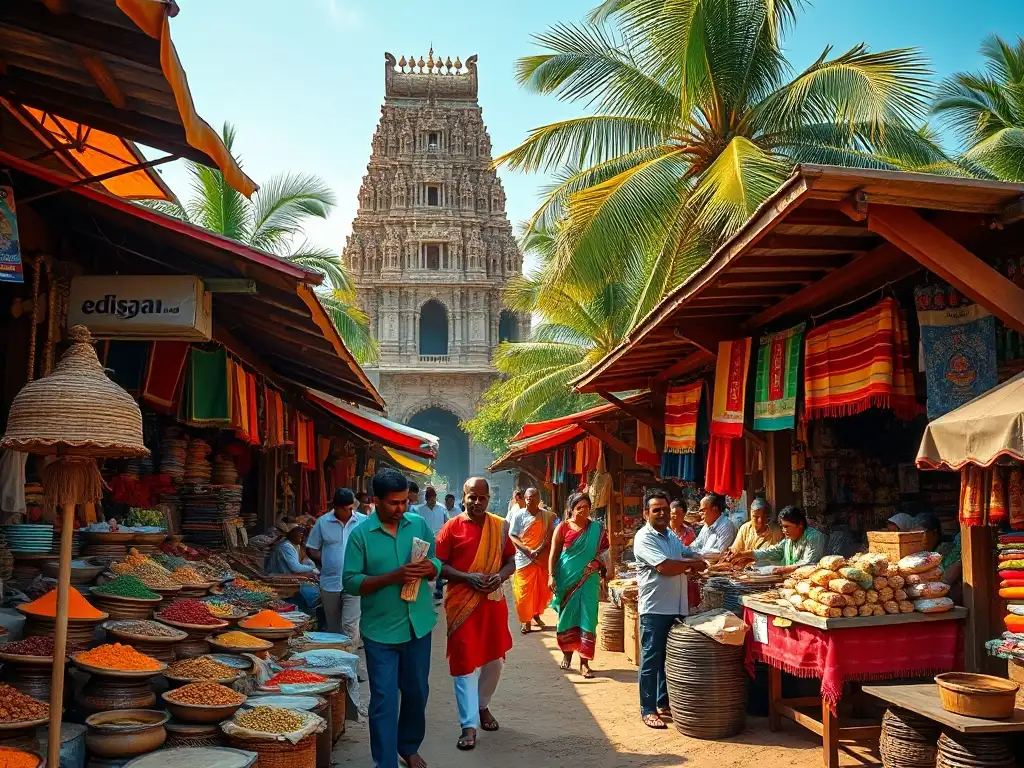
Welcome to Ancient India History, where we embark on a fascinating journey through the tapestry of time that has shaped one of the world's oldest civilizations. In our featured article, "The Role of Trade in Shaping Southern India's Economic Landscape," we delve into the intricate web of commerce that connected diverse cultures and fueled the flourishing economies of ancient Southern India.
Discover how trade routes not only exchanged goods but also ideas and innovations, leaving an indelible mark on the region's history. Get ready to unlock the secrets of a vibrant past that continues to influence our present—your exploration begins here!
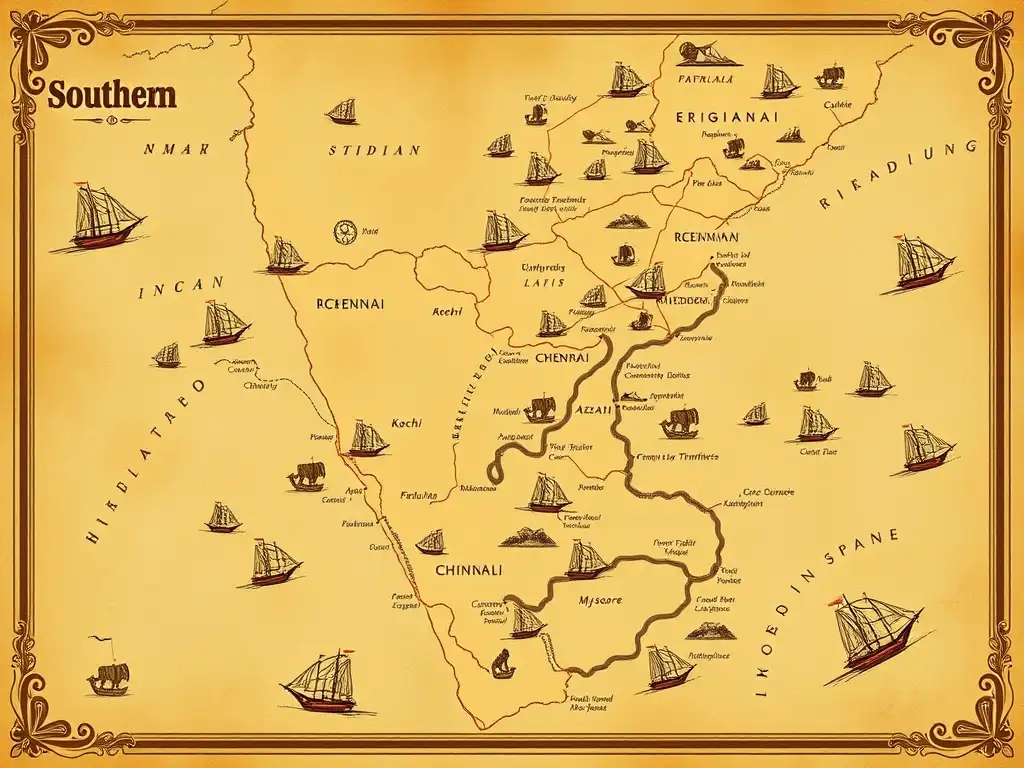
Introduction to Southern India Trade History
Southern India has long been a vibrant hub of economic activity, distinguished by its rich tapestry of trade practices that have evolved over millennia. From the bustling markets of the ancient city of Madurai to the coastal ports of Kanyakumari, the trade dynamics in this region have not only shaped its economic landscape but have also significantly influenced cultural exchanges and interactions with distant civilizations.
The trade history of Southern India is a fascinating narrative that encapsulates the prosperity brought forth by commerce, the establishment of trade routes, and the impact of geography on economic practices. This article delves into the intricate relationships between trade and the economic development of Southern India, illuminating the pivotal role that trade has played in the region's historical evolution.
Overview of Southern India's Economic Development
Southern India’s economic development has been intricately linked to its trade practices throughout history. The region's fertile lands, abundant resources, and strategic coastal locations have made it a focal point for trade. Key agricultural products, such as spices, textiles, and gemstones, drew merchants from across the globe, including traders from the Roman Empire, the Middle East, and Southeast Asia. The exchange of goods fostered not only economic growth but also cultural interactions, leading to a rich synthesis of traditions and ideas.
- Key Economic Contributors:
- Agriculture: The cultivation of rice, sugarcane, and spices.
- Craftsmanship: Renowned artisans produced textiles and metalworks.
- Natural Resources: The availability of gemstones and minerals bolstered trade.
Importance of Trade in Ancient Civilizations
Trade was fundamental to the rise and sustainability of ancient civilizations in Southern India. It functioned as a catalyst for economic prosperity, social structure, and cultural development. The wealth generated through trade enabled the patronage of arts, architecture, and learning, giving rise to significant cultural achievements.
- Cultural Impact:
- Trade facilitated the exchange of philosophical and religious ideas, notably Buddhism and Hinduism.
- The interaction with foreign traders led to a blend of cultural practices, visible in the region's art, cuisine, and languages.
Historical Background of Trade in Southern India
Understanding the historical background of trade in Southern India is essential to grasp its evolution over the centuries. The region's trade practices can be traced back to ancient times, highlighting a legacy that reflects both local ingenuity and external influences.
Early Trade Practices in Southern India
The early trade practices in Southern India were characterized by bartering and local commerce before evolving into more complex systems involving currency and long-distance trade. The emergence of urban centers facilitated trade, allowing merchants to gather, exchange goods, and establish networks that spanned vast distances.
- Notable Trade Centers:
- Madurai: A major center for textiles and spices.
- Kochi: Known for its bustling port and trade with foreign nations.
Key Trade Routes of Ancient Southern India
Southern India was crisscrossed by several key trade routes that facilitated both land and maritime commerce. These routes not only enabled the movement of goods but also served as channels for cultural exchange and the diffusion of innovations.
- Important Trade Routes:
- Silk Route: Contributed to trade with regions as far as China and the Middle East.
- Maritime Trade Routes: Linked Southern India with Southeast Asia and beyond, influencing trade dynamics significantly.
Influence of Geography on Trade Activities
Geography played a crucial role in shaping the trade activities of Southern India. The region's diverse landscapes, including mountains, rivers, and coastlines, influenced the routes taken by traders and the types of goods exchanged.
- Geographical Features:
- Western Ghats: Provided resources and served as natural barriers affecting trade routes.
- Coastal Proximity: Facilitated maritime trade, allowing for easy access to international markets.
The trade history of Southern India is a vital aspect of its economic development and cultural heritage. By exploring the various dimensions of trade, we gain insights into how these ancient practices laid the foundation for the region's prosperity and its enduring legacy in the tapestry of Indian history.
Major Trade Commodities of Southern India
Southern India has a long and illustrious history of trade, primarily characterized by its diverse range of commodities that have significantly influenced both local and global economies. The region was known for its agricultural produce, textiles, spices, and precious gems, which played pivotal roles in the trade networks that connected Southern India with other civilizations.
Spices and Their Impact on Trade
Spices have historically been one of the most sought-after commodities in Southern India, particularly during the ancient and medieval periods. The region was renowned for its rich variety of spices, such as black pepper, cardamom, and cinnamon. The demand for these spices in international markets, especially in Europe and the Middle East, led to the establishment of flourishing trade routes.
The spice trade not only boosted the economy of Southern India but also contributed to the cultural exchanges between different civilizations. Merchants and traders from various regions, including the Romans, Arabs, and Europeans, sought to acquire these valuable spices, leading to a cultural confluence that enriched the local heritage. This demand resulted in the rise of numerous trading ports along the coastline, such as Kochi and Thanjavur, which became bustling centers of commerce.
Textiles and Handicrafts: A Trade Perspective
Textiles and handicrafts have been integral to Southern India's trade history. The region produced a variety of fabrics, including silk and cotton, known for their intricate designs and quality. The famous Kanchipuram silk sarees, for instance, gained immense popularity and became a staple in both domestic and international markets.
Handicrafts, including pottery, metalwork, and wood carvings, also played a significant role in trade. Artisans in Southern India were skilled in creating unique products that reflected the region's rich cultural heritage. The trade of textiles and handicrafts not only supported local economies but also facilitated cultural exchange, as these goods were often traded for spices, precious metals, and other commodities from different regions.
Precious Metals and Gems in Southern Indian Trade
Southern India has been a significant player in the precious metals and gems trade, particularly during ancient times. The region was known for its gold and silver mines, which attracted traders from far and wide. Precious stones, including diamonds and rubies, sourced from mines in regions like Golconda, were highly prized in both domestic and international markets.
The trade in precious metals and gems contributed to the wealth of various dynasties, such as the Cholas and the Vijayanagara Empire, who used this wealth to fund their extensive architectural projects and military campaigns. Additionally, the influx of wealth from this trade led to the patronage of arts, culture, and religion, further enhancing Southern India's cultural landscape.
Trade Networks and Cultural Exchange
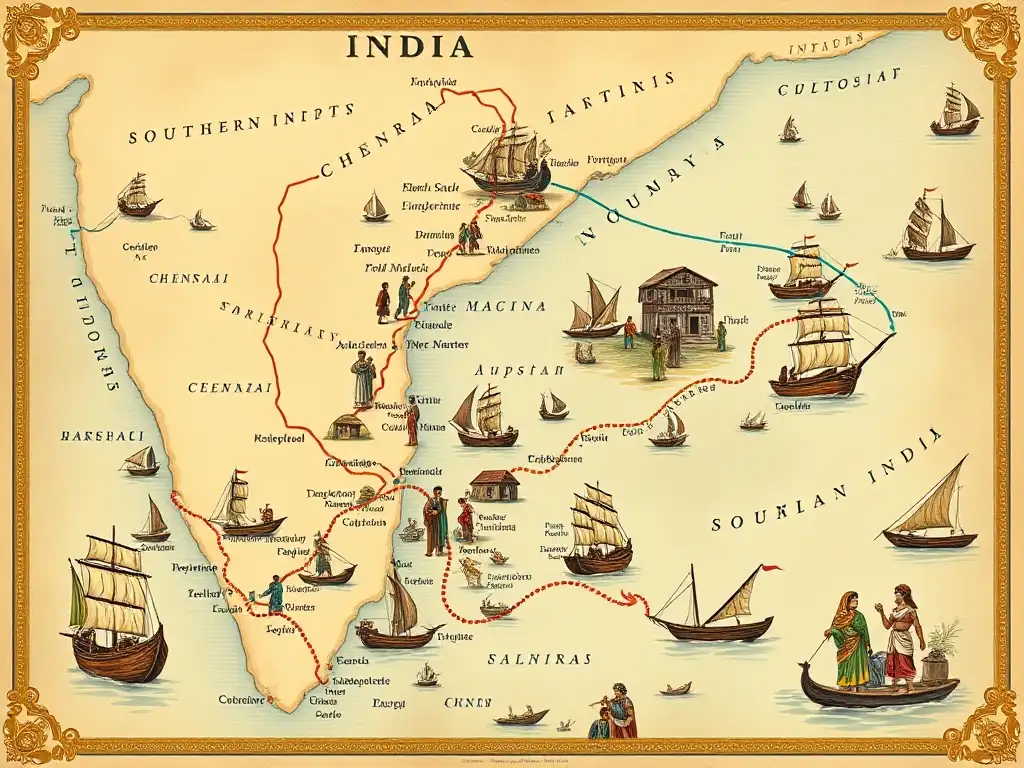
Trade networks in Southern India were extensive, connecting the region with various parts of the world, including Southeast Asia, the Middle East, and Africa. These networks facilitated not only the exchange of goods but also the interchange of ideas, culture, and technology, which had a lasting impact on the region's development.
Maritime Trade and its Influence on Southern India
Maritime trade played a crucial role in shaping Southern India's economic landscape. The region's strategic location along major sea routes allowed it to engage in trade with distant lands. Coastal cities like Kochi, Nagapattinam, and Madurai emerged as significant trading hubs, where merchants from different cultures converged.
The maritime trade routes facilitated the exchange of commodities, ideas, and cultures, leading to a vibrant maritime community. This trade network helped in the dissemination of cultural practices, religious beliefs, and technological advancements, enriching the social fabric of Southern India. The voyages of traders and explorers not only broadened the economic prospects of the region but also established Southern India as a key player in global commerce.
The Role of Ports in Trade Development
Ports were the lifeblood of trade in Southern India, serving as vital links between land and sea routes. The development of ports such as Kaveripattinam and Puhar fostered trade activities, allowing goods to be exported and imported efficiently. These ports provided the necessary infrastructure for ships, including docking facilities and warehouses, enabling large-scale trade operations.
The prosperity of these ports led to the growth of urban centers around them, which became melting pots of diverse cultures and communities. The resulting economic activities generated employment opportunities and contributed to the overall prosperity of the region, making Southern India a significant trading power in the ancient world.
Cultural Exchanges Through Trade: A Two-Way Influence
Trade in Southern India was not merely an economic activity; it was a catalyst for cultural exchange. The interactions between traders and local communities led to the sharing of ideas, customs, and technologies, creating a rich tapestry of cultural influences. For instance, the introduction of new agricultural practices from trading partners improved local farming methods.
Moreover, the arrival of different religious beliefs through trade, such as Buddhism and Islam, added to the region's spiritual diversity. Festivals, art forms, and culinary practices were transformed through these exchanges, showcasing the dynamic nature of Southern India's cultural identity. Thus, trade served as a bridge, enriching the lives of people and fostering a sense of interconnectedness across diverse cultures.
The Impact of Trade on Southern India's Economy
Trade has played a pivotal role in shaping the economic landscape of Southern India throughout its history. The region's strategic geographic location, with access to both land and sea routes, enabled it to become a vital trade hub linking various civilizations. This connectivity facilitated the exchange of not only goods but also ideas, culture, and technology, significantly influencing the economic development of Southern Indian states.
The influx of trade led to the development of specialized crafts and industries, which in turn contributed to a more diverse economy. Agricultural products, textiles, spices, and precious stones were among the key exports of Southern India, attracting traders from distant regions, including the Middle East, Southeast Asia, and even Europe. The wealth generated from trade activities enabled local kingdoms to flourish, invest in infrastructure, and patronize arts and culture, marking an era of prosperity and growth in the region.
Economic Growth Driven by Trade Activities
The economic growth of Southern India can be traced back to its active participation in various trade networks. The establishment of trade routes, both overland and maritime, allowed for the seamless movement of goods which stimulated local economies. For instance, the spice trade, especially the lucrative trade in black pepper, positioned Southern India as a significant player in global commerce.
The exchange of goods also led to the rise of urban centers that became focal points of economic activity. Cities like Madurai and Kanchipuram thrived as trade hubs, where merchants and artisans converged to exchange goods and services. The revenue generated from taxes on trade significantly contributed to the coffers of local rulers, enabling them to enhance their military strength and expand their territories.
Trade and Urbanization in Southern India
The growth of trade in Southern India was closely linked to the process of urbanization. As trade flourished, numerous towns and cities emerged, transitioning from small settlements to bustling urban centers. These urban areas became melting pots of culture, where diverse communities interacted, leading to the exchange of ideas, languages, and traditions.
The rise of urban centers also led to the development of infrastructure such as roads, ports, and marketplaces. Notably, ports like Kozhikode and Kochi became essential for maritime trade, facilitating the export of local products and the import of foreign goods. This urbanization not only enhanced economic opportunities but also contributed to a more structured society, with specialized roles emerging in commerce, craftsmanship, and governance.
The Role of Merchants and Trade Guilds
Merchants played an integral role in the trade dynamics of Southern India. They were the driving force behind the region's economy, facilitating trade both within India and with foreign nations. The emergence of trade guilds further organized the merchant community, providing a framework for cooperation and mutual support.
Trade guilds, such as the Ayyavole and the Manigramam, were crucial in regulating trade practices, setting standards for quality, and protecting the interests of their members. These guilds not only contributed to economic stability but also played a significant role in social and cultural development by sponsoring festivals, religious activities, and educational initiatives. The influence of these merchants and guilds extended beyond mere economics; they were instrumental in the dissemination of cultural practices and the establishment of trade relations that spanned continents.
Case Studies of Trade Centers in Southern India
The City of Madurai as a Trade Hub
Madurai, one of the oldest cities in Southern India, emerged as a prominent trade hub due to its strategic location along major trade routes. During the Sangam period, Madurai was known for its flourishing markets and vibrant cultural life, making it an attractive destination for traders from various regions. The city was famous for its textiles, particularly cotton and silk, which were highly sought after in both domestic and international markets.
The wealth generated from trade allowed Madurai to become a center for learning and culture, with the establishment of temples, universities, and literary assemblies. The city's significance as a trade hub continued into later periods, where it maintained its reputation as a center of commerce and cultural exchange.
The Historical Importance of Kanchipuram
Kanchipuram, often referred to as the "City of Thousand Temples," played a significant role in Southern India's trade history. Known for its silk weaving industry, Kanchipuram became a major supplier of high-quality silk sarees, which were popular not only in India but also across the globe. The city's artisans and weavers were highly skilled, contributing to the local economy and enhancing Kanchipuram's reputation as a center of textile trade.
In addition to textiles, Kanchipuram was a vital religious center, attracting pilgrims and traders alike. This dual significance as a religious and commercial hub facilitated the exchange of goods and ideas, further solidifying its importance in the region's trade landscape.
Other Notable Trading Centers in Southern India
Apart from Madurai and Kanchipuram, several other cities emerged as notable trading centers in Southern India.
- Kozhikode: Known as Calicut, this coastal city became a crucial port for spice trade during the medieval period, attracting European traders, including the Portuguese and Dutch.
- Thanjavur: Renowned for its agricultural produce and as a center for the arts, Thanjavur also played a role in regional trade networks.
- Coimbatore: Emerging as a textile manufacturing hub, Coimbatore contributed significantly to the textile trade in Southern India, particularly in cotton and yarn production.
These cities not only contributed to the economic prosperity of Southern India but also served as cultural crossroads, facilitating the exchange of ideas and practices that enriched the region's heritage.
Challenges Faced in Southern India Trade History

Southern India has a rich tapestry of trade history that flourished through various eras, but it was not without its challenges. Several factors influenced the trade dynamics, leading to shifts in economic patterns and the rise and fall of trading centers. Understanding these challenges provides insight into how trade shaped the region’s economic landscape.
Political Changes and Their Impact on Trade
Political stability is a cornerstone of prosperous trade. In Southern India, the rise and fall of various dynasties significantly impacted trade routes and economic activities. For instance, the decline of the Chola dynasty in the 13th century led to disruptions in maritime trade, as their naval power was crucial for securing trade routes across the Indian Ocean. Similarly, the invasions by the Delhi Sultanate disrupted trade networks that had been established through centuries of stability.
Moreover, shifting alliances and the emergence of new powers often resulted in the re-routing of trade. As local kingdoms allied or turned against one another, traders faced uncertainty, leading to fluctuations in trade volume and economic downturns in certain areas. The political fragmentation during the later medieval period also led to the rise of regional powers, which sometimes imposed heavy taxes on trade, further complicating the landscape.
Environmental Factors Affecting Trade Routes
Southern India's geography played a dual role in trade. The region is crisscrossed by rivers and bordered by the Indian Ocean, offering rich opportunities for both land and sea trade. However, environmental factors such as monsoon variability impacted these trade routes significantly. Flooding during the monsoon season could render roads impassable, causing delays and losses for traders reliant on timely deliveries.
Additionally, natural disasters like cyclones could devastate coastal trading posts and disrupt maritime trade routes, leading to economic instability. The need to adapt to these environmental challenges often meant that traders had to diversify their routes or develop new strategies, affecting the overall economic dynamics of the region.
Socio-Economic Challenges for Traders
Traders in Southern India faced a myriad of socio-economic challenges, including competition, market access, and societal norms that could hinder trade. The presence of established guilds often monopolized trade in certain goods, making it difficult for new traders to enter the market. These guilds wielded substantial power, dictating prices and controlling distribution, which could stifle innovation and competition.
Furthermore, societal structures sometimes dictated who could engage in trade. Caste systems influenced the types of goods that could be traded by different communities, limiting the potential for broader economic participation. This socio-economic stratification could lead to tensions and conflicts, impacting the overall trade environment.
Conclusion: The Legacy of Trade in Southern India's Economic Landscape
The trade history of Southern India is a testament to the resilience and adaptability of its people in the face of various challenges. The interplay between political, environmental, and socio-economic factors shaped the region's economic landscape, leaving a lasting legacy that continues to influence Southern India today.
Summary of Trade's Role in Shaping Southern India
Trade served as the backbone of Southern India's economy, facilitating cultural exchanges and the movement of goods, ideas, and technologies. The establishment of trade routes not only connected Southern India to other regions but also fostered urban growth and the development of centers like Madurai and Kanchipuram. These cities became hubs of commerce and culture, reflecting the dynamic nature of trade in the region.
The Continuing Influence of Ancient Trade Practices on Modern Economy
The ancient trade practices of Southern India have laid the groundwork for contemporary economic activities. Modern trade routes often mirror those established centuries ago, demonstrating the enduring legacy of historical trade patterns. Additionally, the importance of cultural exchanges that emerged from ancient trade continues to influence Southern Indian society, contributing to its rich cultural heritage and economic practices today. The lessons learned from past trade experiences, including the need for adaptability and resilience, remain relevant in the face of modern economic challenges.
References
The study of Southern India's trade history is enriched by a variety of sources that offer insights into the economic dynamics, cultural exchanges, and the overall impact of trade on the region's development. Here, we present a selection of key references that form the foundation of our understanding of this intricate subject.
- Books:
- The Spice Route: A History by John Keay - This book delves into the historical trade routes that linked India to the world, particularly emphasizing the spices that were a significant part of Southern India's trade.
- India's Economic History: From the Earliest Times to the Present by Tirthankar Roy - Roy provides a comprehensive overview of India's economic evolution, including the critical role of Southern India in trade.
- Ancient Indian Trade and Commerce by S. S. Singh - This work focuses on the trade practices and economic structures in ancient India, with a specific emphasis on the southern regions.
- Academic Journals:
- The Journal of Asian Studies frequently publishes articles that explore various aspects of trade in Southern India, providing peer-reviewed research that is invaluable for further study.
- Indian Economic History Review offers scholarly articles that analyze trade patterns, economic policies, and their implications for Southern India's historical context.
- Websites and Online Archives:
- The Digital South Asia Library hosts a wealth of documents and resources relevant to the economic history of Southern India, including maps, trade documents, and scholarly articles.
- The Archaeological Survey of India's website provides access to archaeological findings that illuminate trade practices and economic interactions in ancient Southern India.
Suggested Reading on Southern India Trade History
To gain a deeper understanding of the trade history of Southern India, the following suggested readings provide a rich tapestry of information that covers various aspects of trade, commerce, and cultural exchange:
- The Trading World of the Indian Ocean: 1500-1800 edited by Om Prakash - This collection of essays examines the intricate trade networks of the Indian Ocean, with a focus on Southern India's role within these exchanges.
- Maritime India: Trade and Cultural Exchanges in the Indian Ocean by Madhu B. K. - This book investigates maritime trade routes and cultural exchanges, highlighting Southern India's strategic position.
- The Economic History of India: 1500-1800 by Tapan Raychaudhuri - This classic text provides a historical overview of India's economy, with significant insights into the trade practices of Southern India during this period.
Key Resources for Further Exploration
Exploring the trade history of Southern India is facilitated by a variety of key resources. Below are some recommended materials that can enhance your understanding of the region's economic landscape:
- Online Databases:
- JSTOR provides access to a vast array of academic articles and papers focused on trade history, including those specific to Southern India.
- Google Scholar is another excellent tool for finding scholarly articles, theses, and research papers related to Southern India's trade history.
- Documentaries and Lectures:
- Various educational platforms, such as YouTube and Coursera, offer documentaries and lectures on ancient Indian trade that include segments specifically addressing Southern India.
- The National Geographic channel occasionally features documentaries on ancient civilizations, including segments on trade networks that influenced Southern India.
- Museums and Exhibitions:
- Visiting museums such as the Government Museum in Chennai can provide insights into artifacts related to trade and commerce in ancient Southern India.
- Temporary exhibitions focusing on trade artifacts, coins, and historical documents can be found in various cultural institutions across Southern India.
These references and resources collectively create a robust framework for understanding the intricate tapestry of Southern India’s trade history, enabling further exploration into its economic and cultural significance.
- Introduction to Southern India Trade History
- Historical Background of Trade in Southern India
- Major Trade Commodities of Southern India
- Trade Networks and Cultural Exchange
- The Impact of Trade on Southern India's Economy
- Case Studies of Trade Centers in Southern India
- Challenges Faced in Southern India Trade History
- Conclusion: The Legacy of Trade in Southern India's Economic Landscape
- References
- What was the significance of trade in ancient Southern India?
- Which civilizations were prominent in Southern India's trade history?
- What goods were commonly traded in Southern India?
- How did trade impact the cultural landscape of Southern India?
- What were the major trade routes in ancient Southern India?
Frequently Asked Questions
What was the significance of trade in ancient Southern India?
Trade played a crucial role in the economic development of Southern India, enhancing cultural exchanges and facilitating the flow of goods, ideas, and technologies.
Which civilizations were prominent in Southern India's trade history?
Prominent civilizations include the Chola, Pandya, and Cheras, each contributing to a vibrant trading network that reached as far as Southeast Asia.
What goods were commonly traded in Southern India?
Southern India was known for trading a variety of goods, including spices, textiles, and precious stones, which were highly sought after in both domestic and international markets.
How did trade impact the cultural landscape of Southern India?
Trade fostered cultural diversity and interaction among different communities, leading to the exchange of art, religion, and language, which enriched the region's cultural tapestry.
What were the major trade routes in ancient Southern India?
Major trade routes included land and maritime paths that connected Southern India to Asia, facilitating the movement of goods and contributing to its economic prosperity.
Final Reflection: The Enduring Legacy of Southern India’s Trade History
**The intricate tapestry of Southern India's trade history continues to weave its influence into the modern economic landscape, demonstrating that trade is not merely a transaction but a powerful catalyst for cultural exchange and growth. As we navigate the complexities of today's global economy, understanding the historical context of trade in Southern India provides invaluable insights into the region's resilience and adaptability. The lessons learned from centuries of commerce remind us that economic prosperity is often built on the foundations of collaboration and mutual benefit.
The impact of Southern India's trade extends far beyond its borders, shaping not only local economies but also the cultural identity of its people. The vibrant markets and bustling ports of the past have evolved into modern hubs of innovation and commerce, yet the spirit of trade remains a unifying force. Trade is the lifeblood of any economy, fostering connections that transcend geographical boundaries.
This ongoing influence serves as a testament to the enduring power of trade in fostering relationships and driving progress within the region and beyond.
As we reflect on the lessons of Southern India's trade history, let us embrace the opportunity to apply these insights in our own lives. Consider how you can foster connections, whether through local commerce or global partnerships, to contribute to a thriving community. The legacy of trade is not just a historical narrative; it is a call to action for each of us to engage in meaningful exchanges that enrich our lives and the lives of those around us. Together, we can honor the past while shaping a prosperous future.
Unlock Opportunities: Dive Deeper into Southern India's Trade Legacy!
Thank you for exploring the fascinating role of trade in shaping Southern India's economic landscape. You've uncovered valuable insights into how commerce has influenced culture and growth in this region. Now, it's time to take those insights further and become an active participant in this vibrant story!
Here’s how you can continue your journey of discovery and engagement:
- Explore local markets: Visit a nearby market that showcases regional goods and flavors. Experience firsthand how trade fosters community and enriches local culture.
- Share your thoughts: Engage with us by commenting below or on our social media channels. What aspect of Southern India's trade history intrigued you the most?
- Read further: Discover more articles on our website that delve into the intricacies of ancient trade routes and their lasting impact on today’s economy.
As you reflect on these actions, consider this: How can understanding historical trade practices shape our economic choices for a sustainable future? Join the conversation!