
Gupta Cultural Festivals: Celebrations That Shaped Society

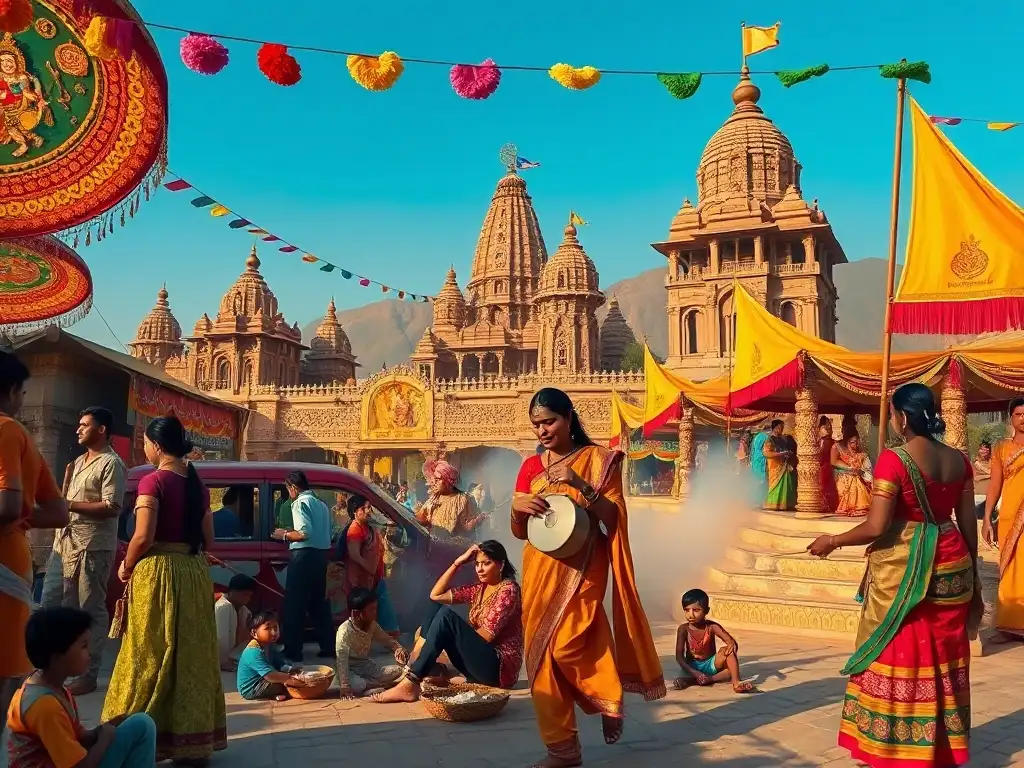
Welcome to Ancient India History, where we embark on an exciting journey through the vibrant tapestry of ancient Indian civilizations. Today, we delve into the fascinating world of the Gupta Empire, exploring the cultural celebrations that not only enriched the lives of its people but also shaped the very fabric of society. What were these grand festivals that brought communities together, and how did they influence art, religion, and social norms? Join us as we uncover the stories behind these spectacular events and their enduring legacy. Your adventure into the heart of history begins now!
- Gupta Empire Cultural Celebrations: An Overview
- Major Festivals of the Gupta Empire
- The Role of Festivals in Gupta Society
- The Influence of Gupta Cultural Celebrations on Society
- Conclusion: The Legacy of Gupta Empire Cultural Celebrations
- Frequently Asked Questions
- Final Reflection: Celebrating the Legacy of Gupta Empire Cultural Festivals
- Celebrate and Revitalize Gupta Heritage Today!
Gupta Empire Cultural Celebrations: An Overview
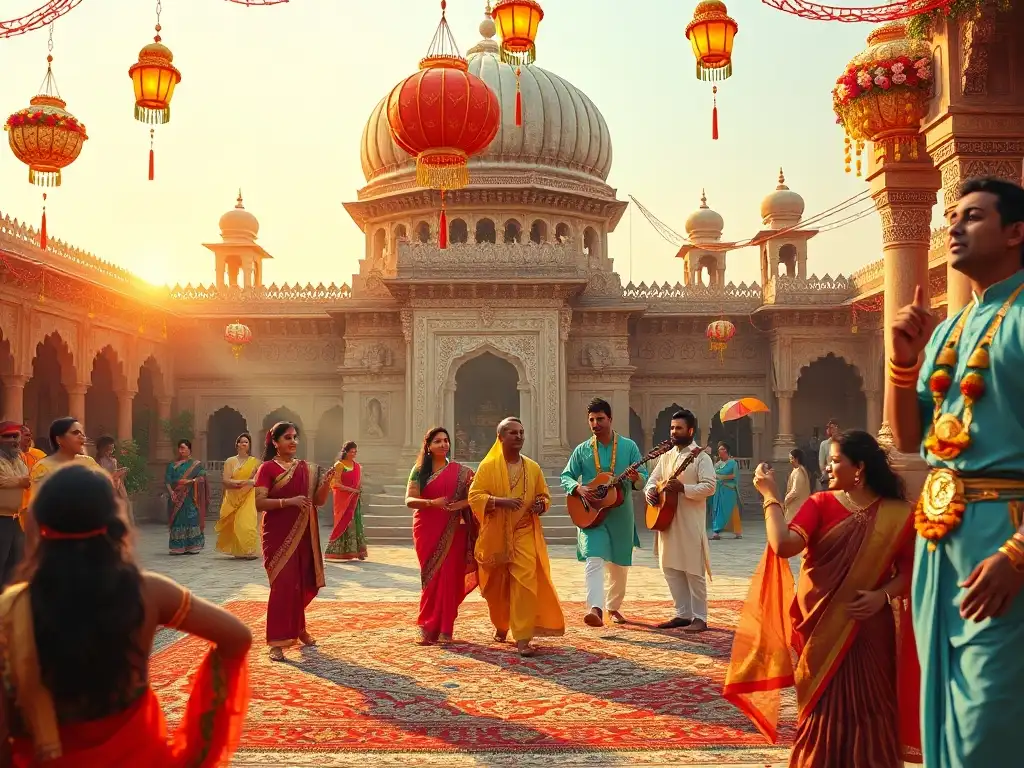
The Gupta Empire, often referred to as the "Golden Age of India," flourished from approximately 320 to 550 CE. This period is renowned not only for its remarkable advancements in art, science, and literature but also for its vibrant cultural celebrations. Festivals during the Gupta period played a pivotal role in shaping societal norms, fostering community bonds, and preserving traditions.
These celebrations were not merely occasions for revelry; they were deeply intertwined with religious beliefs, agricultural cycles, and social hierarchies, reflecting the diverse tapestry of life in ancient India. Understanding the significance of these cultural celebrations provides valuable insights into the Gupta society's values, practices, and its enduring legacy in the history of India.
Introduction to Gupta Empire Cultural Celebrations
The cultural celebrations of the Gupta Empire were multifaceted, encompassing a variety of festivals that honored deities, marked seasonal changes, and celebrated significant life events. Key festivals included:
- Maha Shivaratri: A festival dedicated to Lord Shiva, celebrated with night vigils and prayers.
- Vasant Panchami: Celebrating the arrival of spring, this festival involved worshipping Goddess Saraswati, the deity of knowledge and arts.
- Durga Puja: Although more prominent in later periods, early forms of this festival honored the goddess Durga and her victory over evil.
Each of these festivals served specific purposes, such as agricultural rituals ensuring bountiful harvests or community gatherings strengthening social ties. The festivities were marked by various activities, including music, dance, and elaborate feasts, which not only showcased artistic expressions but also reinforced cultural identity among the people.
Importance of Festivals in Gupta Society
In Gupta society, festivals were crucial for several reasons:
- Religious Significance: They provided an opportunity for the populace to engage with their spirituality, fostering a sense of connection with the divine. The festivals often included rituals that reflected the religious beliefs prevalent in Gupta culture.
- Social Cohesion: Festivals served as a platform for community interaction, allowing people from various backgrounds to come together, share joy, and strengthen communal bonds. This was especially important in a society characterized by diverse ethnicities and languages.
- Cultural Preservation: By celebrating traditional festivals, the Gupta Empire ensured the transmission of customs, stories, and practices from one generation to the next, preserving their rich cultural heritage.
- Economic Activity: Festivals also played an economic role, as they stimulated trade and commerce. Markets would flourish during festival times, providing opportunities for artisans and merchants to showcase their crafts.
Overall, the cultural celebrations of the Gupta Empire were not only festivities; they were integral to the empire's social fabric, influencing various aspects of everyday life and contributing to the richness of ancient Indian civilization.
Major Festivals of the Gupta Empire
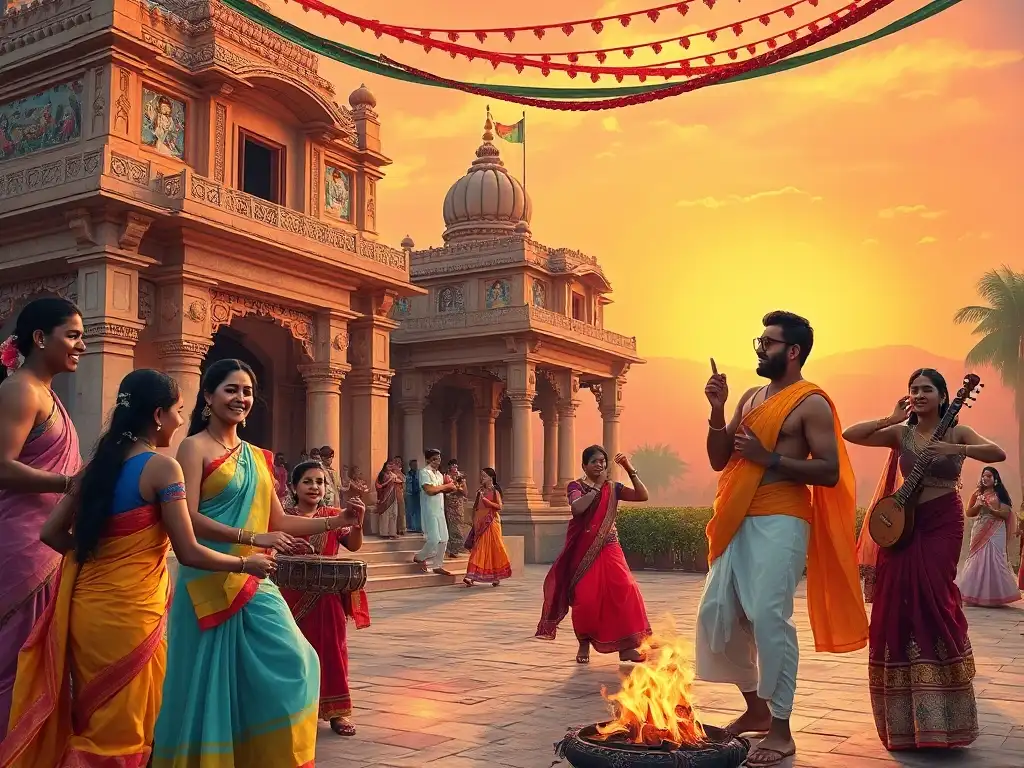
The Gupta Empire, known for its remarkable advancements in art, science, and philosophy, also boasted a vibrant tapestry of cultural celebrations. Festivals during this era were not merely events; they were essential threads in the fabric of society that fostered community bonds, expressed gratitude, and honored the divine. Understanding these festivals offers insight into the societal values and beliefs of the Gupta period.
The Harvest Festival: A Time of Gratitude
One of the most significant cultural celebrations during the Gupta Empire was the Harvest Festival, often referred to as P harvest. This festival symbolized gratitude towards nature for providing sustenance and abundance. Celebrated at the end of the harvest season, it typically occurred in the month of Kartika (around October-November), aligning with the lunar calendar.
During the Harvest Festival, communities engaged in various rituals and activities, including:
- Offerings to the Earth: Farmers would create altars and offer prayers and food to deities associated with agriculture, seeking blessings for future harvests.
- Feasting and Merriment: Families would prepare traditional dishes made from freshly harvested crops, such as rice, barley, and lentils. This communal feast was an occasion for joy, bringing together families and neighbors.
- Cultural Performances: Traditional dances and music played a vital role in the festivities. Performers would showcase folk songs and dances that narrated the history of the land and its bounties.
The Harvest Festival not only celebrated agricultural success but also reinforced the community's connection to nature and the cycles of life, emphasizing the importance of gratitude and togetherness in Gupta society.
Religious Celebrations: Honoring the Divine
Religious festivals were integral to the Gupta Empire, reflecting the deep spiritual practices of its people. These celebrations were characterized by rituals, ceremonies, and communal gatherings that honored various deities, showcasing the rich tapestry of religious beliefs during this period.
Festivals Dedicated to Hindu Deities
Among the most prominent religious celebrations were those dedicated to Hindu deities. Some notable festivals included:
- Diwali: Known as the Festival of Lights, Diwali was celebrated in honor of Goddess Lakshmi, the deity of wealth and prosperity. Homes were adorned with oil lamps (diyas) and colorful rangoli designs, symbolizing the victory of light over darkness.
- Holi: The festival of colors, Holi, celebrated the arrival of spring and the triumph of good over evil. Participants would throw colored powders (gulal) at each other, representing joy and the vibrant spirit of life.
- Navaratri: This nine-night festival honored the Goddess Durga, symbolizing the victory of good over evil. Each night featured prayers, fasting, and dance, culminating in the celebration of Dussehra, which marked the end of the festivities.
These festivals served not only as spiritual observances but also as a means to reinforce social bonds, as communities came together to share in the celebrations and uphold traditions.
Jain Festivals and Their Significance
Jainism flourished during the Gupta period, contributing significantly to its cultural landscape. Jain festivals were marked by their emphasis on non-violence, truth, and asceticism, offering a distinctive perspective on religious celebrations. Key Jain festivals included:
- Paryushana: A time for introspection and spiritual renewal, Paryushana involved fasting, meditation, and the study of sacred texts. Jains would seek forgiveness from others for past wrongs, emphasizing the importance of compassion and humility.
- Mahavir Jayanti: Celebrated to honor the birth of Lord Mahavir, the 24th Tirthankara, this festival involved rituals, prayers, and community service. It highlighted the values of non-violence and truth, central tenets of Jain philosophy.
- Diwali: Interestingly, Jains also celebrate Diwali, but with a different focus. For them, it marks the attainment of moksha (liberation) by Lord Mahavir, emphasizing spiritual enlightenment rather than material wealth.
Jain festivals were characterized by their contemplative nature and commitment to ethical living, reflecting the diverse religious practices and philosophical thought present in Gupta society.
The festivals of the Gupta Empire were rich cultural expressions that shaped society. They fostered community spirit, honored the divine, and reinforced the values of gratitude, compassion, and joy. Understanding these celebrations provides a deeper appreciation for the vibrant cultural landscape of ancient India.
Seasonal Festivals: Marking the Changes in Nature
Seasonal festivals in the Gupta Empire played a crucial role in the social and cultural fabric of ancient Indian society. These celebrations were inherently tied to the agricultural calendar, reflecting the agrarian lifestyle that dominated the region during this time. The cyclical changes in nature, such as the monsoon and harvest seasons, were celebrated with fervor, signifying gratitude toward the deities responsible for fertility and abundance.
One of the most prominent seasonal festivals was Makar Sankranti, which marked the transition of the sun into the zodiac sign of Capricorn. This festival, celebrated around mid-January, was synonymous with the harvest season and involved rituals that expressed appreciation for the bountiful crops. People engaged in various activities such as kite flying, feasting on traditional sweets made from jaggery and sesame, and offering prayers to the Sun God for a prosperous year ahead.
Similarly, the Holi festival, although widely recognized today for its vibrant colors, had its roots in the seasonal cycle as well. Celebrated in the spring, Holi symbolized the victory of good over evil, but it also marked the end of winter and the arrival of warmer days. Communities gathered to throw colored powders at each other, dance, and share festive foods. This celebration not only fostered social harmony but also reinforced the agricultural community's connection to nature's rhythms.
Another notable festival was Onam, primarily celebrated in the southern parts of the Gupta Empire. It heralded the harvest season and was marked by a series of festivities that included elaborate feasts, traditional boat races, and the decoration of homes with floral arrangements known as "Pookalam." The festival honored the mythical King Mahabali, whose spirit was believed to visit the land during this time. Such celebrations showcased the region’s rich agricultural produce and highlighted the importance of community participation in seasonal rituals.
Moreover, these seasonal festivals were not merely agricultural observances; they also served as a means to strengthen social bonds and cultural identity. The shared rituals and communal activities fostered a sense of belonging among individuals, transcending social classes and regional differences. As families and communities came together to celebrate, they reinforced their cultural heritage and shared values, ensuring the continuity of traditions that enriched the Gupta Empire's vibrant tapestry.
In essence, the seasonal festivals of the Gupta Empire were integral in marking the changes in nature, reflecting both the agricultural cycles and the cultural ethos of the time. They underscored the symbiotic relationship between the people and their environment, celebrating the abundance of nature while reinforcing community ties through shared rituals and festivities.
The Role of Festivals in Gupta Society
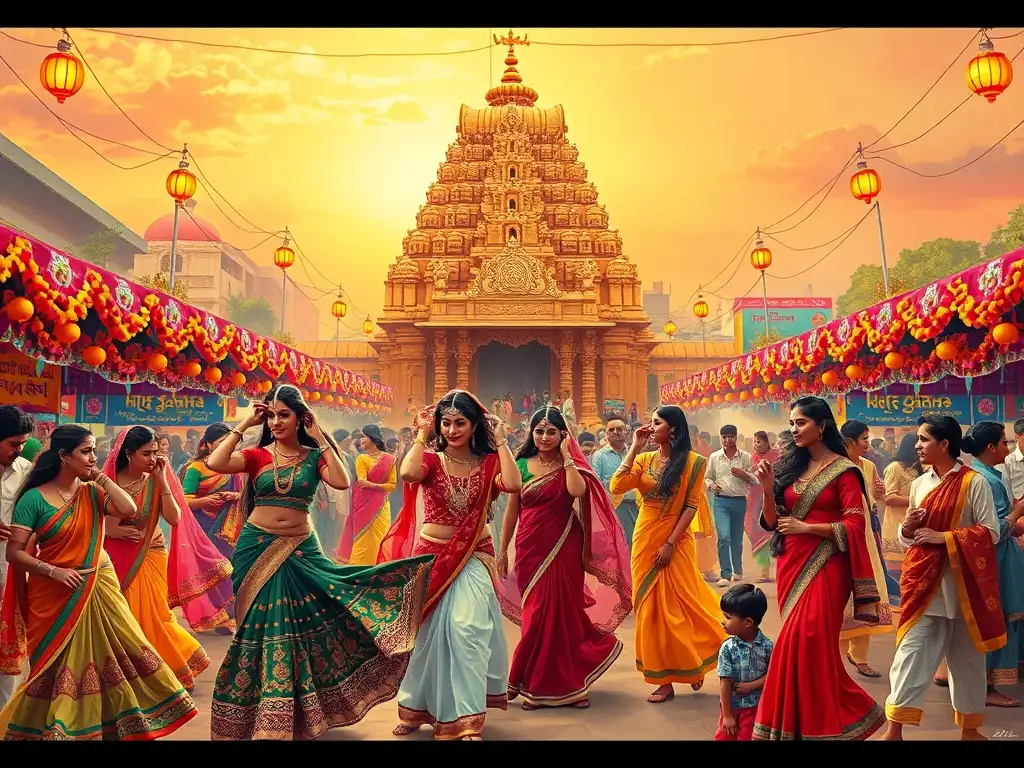
Festivals during the Gupta Empire played a pivotal role in shaping the social fabric of society. These vibrant celebrations were not merely occasions for enjoyment; they were essential for fostering a sense of identity and unity among the diverse communities that made up the empire. The significance of festivals can be understood through their impact on social cohesion, economic vitality, and artistic expression.
Festivals in the Gupta Empire served as a catalyst for social interaction, bringing together people from different backgrounds and regions. They were often marked by communal prayers, feasts, and processions, which reinforced the bonds among community members.
- Inclusivity in Celebrations: Festivals like Makar Sankranti and Durga Puja were celebrated by a wide range of social classes, enabling individuals to connect with their neighbors and build networks across caste lines. This inclusivity was essential for maintaining harmony in a society characterized by its diversity.
- Rituals and Traditions: Ritualistic practices during festivals fostered a sense of belonging and collective identity. For instance, the performance of traditional rituals not only honored deities but also reflected the community's shared values and beliefs.
- Strengthening Family Ties: Festivals often encouraged family reunions, as people traveled great distances to celebrate together. These gatherings played a crucial role in reinforcing familial bonds and cultural continuity.
Economic Impact: Trade and Local Economies
Festivals also had a significant economic dimension, contributing to both local and regional economies within the Gupta Empire. The influx of visitors for festivals spurred trade and commerce, leading to increased economic activity.
- Market Opportunities: Many festivals featured vibrant markets where artisans and traders showcased their goods. This exchange of products not only enhanced local economies but also facilitated trade between different regions of the empire.
- Agricultural Celebrations: Festivals like Pongal, which celebrated the harvest, stimulated agricultural productivity. They encouraged communities to engage in agricultural practices and provided farmers with a platform to sell their produce.
- Job Creation: The demand for goods and services during festivals created temporary employment opportunities for many, ranging from artisans producing festival-related items to laborers assisting in preparations.
Artistic Expression During Festivals
The cultural landscape of the Gupta Empire was rich and diverse, with festivals serving as a stage for artistic expression. These celebrations showcased various art forms, reflecting the aesthetic sensibilities of the time.
Dance and Music: Cultural Performances
Music and dance were integral to Gupta festivals, providing entertainment and spiritual upliftment.
- Classical Dance Forms: Dances performed during festivals often drew on classical traditions, involving intricate footwork and expressive gestures. Styles such as Bharatanatyam and Kathak can trace their roots to this period, highlighting the sophistication of Gupta-era performing arts.
- Musical Ensembles: Live music was a staple of festival celebrations, with ensembles that featured instruments like the veena, tabla, and flute. These performances not only entertained but also educated the audience about mythological tales and moral lessons.
Traditional Crafts and Art Forms
Festivals were also a showcase for traditional crafts and art forms, allowing artisans to display their skills and creativity.
- Handicrafts: The production of handicrafts, particularly those related to religious artifacts, flourished during festivals. Artisans created intricately designed pottery, textiles, and jewelry, which were often used as offerings or as part of the celebratory decor.
- Visual Arts: Festivals provided a platform for visual artists, who created vibrant murals and sculptures that depicted religious themes and historical narratives. These artworks not only beautified public spaces but also served to educate the populace about their cultural heritage.
The Gupta Empire's cultural celebrations were multifaceted, impacting social structures, economic systems, and artistic expressions. These festivals were vital in shaping the identity and cohesion of Gupta society, leaving a lasting legacy that contributed to the rich tapestry of ancient Indian civilization.
The Influence of Gupta Cultural Celebrations on Society
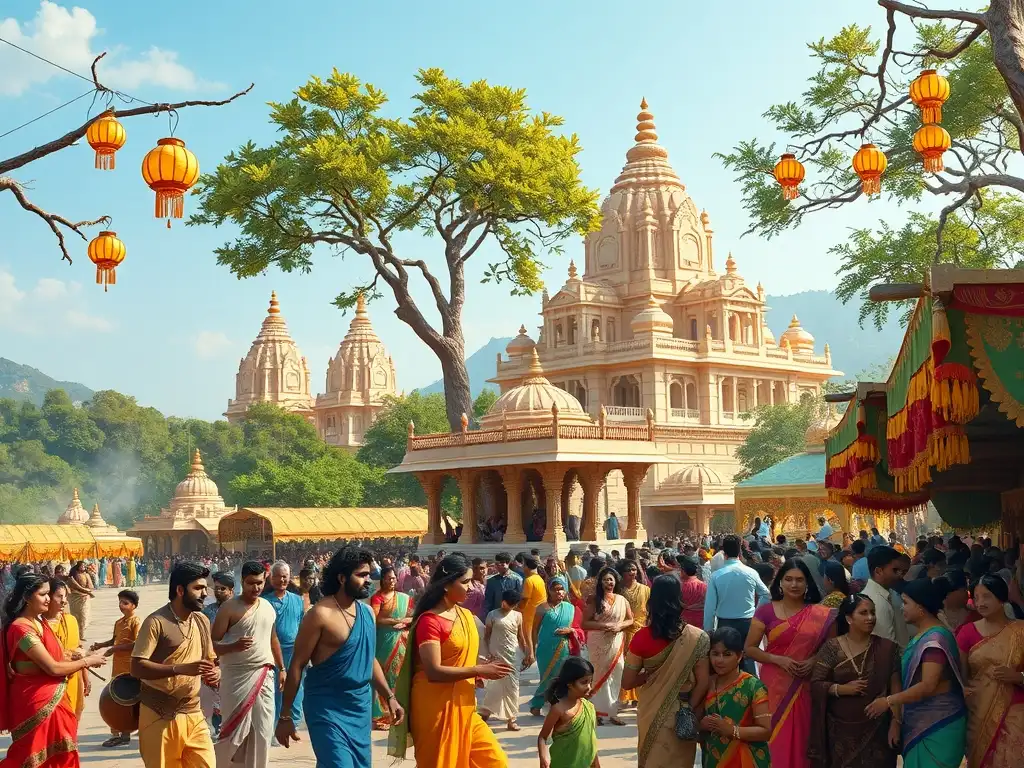
The Gupta Empire, often referred to as the Golden Age of India, thrived from approximately 320 to 550 CE. During this period, cultural celebrations played a pivotal role in shaping society, influencing social norms, education, and intercultural interactions. The festivals celebrated during this time were not only occasions for joy and entertainment but also served as platforms for the dissemination of values, knowledge, and cultural identity.
Cultural celebrations in the Gupta Empire had a profound impact on social norms and traditions. These festivals acted as a unifying force, fostering a sense of community and belonging among the diverse populations of the empire.
- Religious Significance: Many festivals were rooted in religious beliefs, celebrating deities such as Vishnu, Shiva, and Durga. These celebrations reinforced the spiritual fabric of society and established rituals that dictated daily life. For instance, the festival of Makar Sankranti marked the transition of the sun into the zodiac sign of Capricorn, symbolizing prosperity and abundance.
- Community Engagement: Festivals such as Holi and Diwali encouraged communal participation, transcending social hierarchies. The practice of exchanging gifts, preparing special foods, and participating in communal prayers helped strengthen bonds among families and neighborhoods.
- Cultural Expression: Artistic expressions during festivals, including music, dance, and drama, played a crucial role in preserving and transmitting cultural heritage. The performances often depicted moral stories and epics, instilling ethical values among the attendees.
Festivals and Their Role in Education
Education in the Gupta Empire was intricately linked to cultural celebrations, which served as informal platforms for learning and enlightenment.
- Knowledge Dissemination: Festivals often featured scholarly discussions, poetry recitations, and philosophical debates. Great thinkers and poets of the time, such as Kalidasa, used these occasions to share their works, allowing the public to engage with literature and philosophy.
- Skill Development: Artisans and craftsmen showcased their skills during festivals, providing practical learning opportunities for the younger generation. Through hands-on participation, children learned crafts, music, and dance, ensuring the survival of traditional skills.
- Moral and Ethical Lessons: Many festivals included storytelling sessions that conveyed moral lessons. These stories, often derived from epics like the Ramayana and Mahabharata, were instrumental in shaping the ethical framework of Gupta society.
Interactions with Other Cultures and Civilizations
The Gupta Empire was marked by significant interactions with other cultures and civilizations, and cultural celebrations facilitated these exchanges.
- Trade and Cultural Exchange: Festivals attracted merchants and travelers from various regions, including Central Asia and Southeast Asia. This interaction led to the exchange of goods, ideas, and cultural practices, enriching Gupta culture. For example, the Silk Road facilitated not only trade but also the spread of artistic styles and religious beliefs.
- Influence on Neighboring Regions: The cultural practices and celebrations of the Gupta Empire influenced neighboring kingdoms. Elements of Gupta festivals can be traced in the cultural practices of regions that were part of the empire, showcasing how local traditions absorbed and adapted influences from the Gupta celebrations.
- Integration of Diverse Beliefs: With the empire being a melting pot of various religions and cultures, festivals often showcased a blend of rituals and customs. This integration promoted tolerance and understanding among different communities, contributing to a cohesive societal fabric.
The Gupta Empire cultural celebrations were integral to the development of a rich societal framework. They shaped social norms, facilitated education, and fostered intercultural interactions, leaving a lasting legacy that influenced subsequent generations in India and beyond.
Conclusion: The Legacy of Gupta Empire Cultural Celebrations
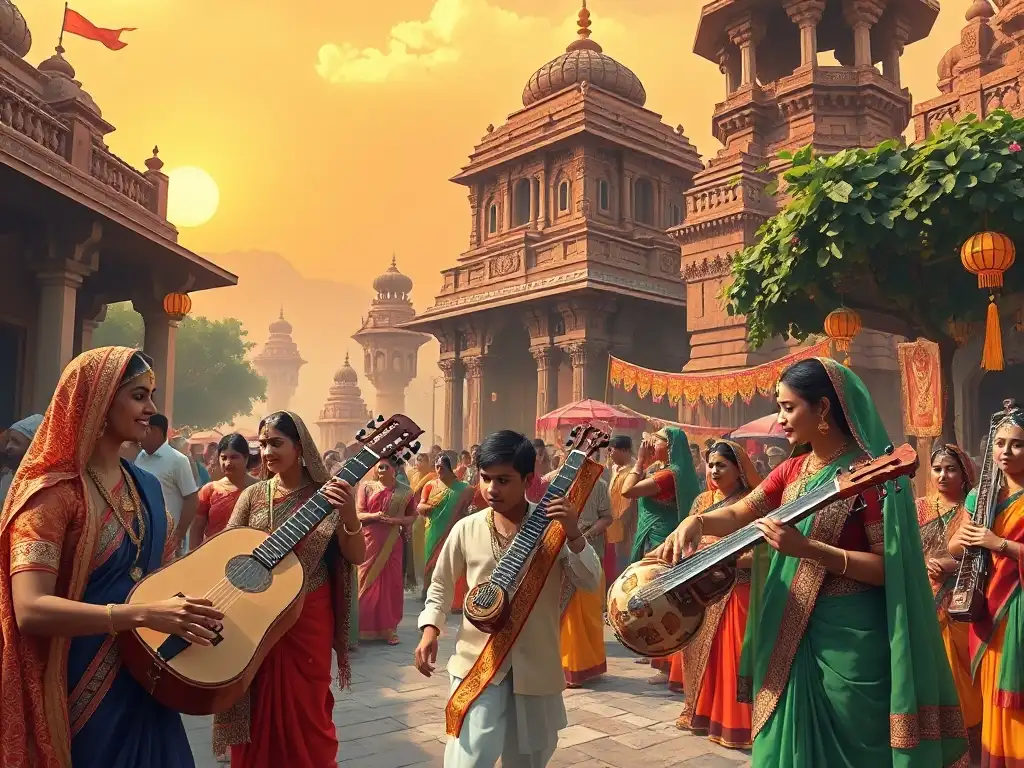
The Gupta Empire, often referred to as the "Golden Age of India," was not only marked by remarkable advancements in science, mathematics, and literature, but also by vibrant cultural celebrations that played a pivotal role in shaping societal norms and values. These cultural celebrations fostered a sense of community, reinforced religious beliefs, and provided an opportunity for artistic expression. The legacy of these festivals can still be observed in modern Indian society, where the essence of Gupta celebrations continues to resonate.
The festivals during the Gupta period were characterized by their inclusivity and diversity, reflecting the multi-faceted nature of Gupta society. They integrated various regional customs, religious practices, and artistic performances, creating a rich tapestry of cultural identity. Events such as Maha Shivaratri, Diwali, and harvest festivals were celebrated with great enthusiasm, highlighting the connection between spirituality and community life.
In essence, the Gupta Empire's cultural celebrations laid the foundation for many contemporary Indian festivals, which continue to be vibrant, dynamic, and deeply rooted in tradition. The impact of these celebrations is a testament to their significance in fostering unity, promoting artistic expression, and nurturing the cultural fabric of society.
Lasting Impact on Modern Indian Festivals
The influence of Gupta Empire cultural celebrations is evident in several aspects of modern Indian festivals. Many contemporary celebrations retain the core elements of those ancient traditions, evolving yet remaining true to their roots. Here are some key ways in which these ancient festivals have shaped today’s cultural landscape:
- Themes of Community and Togetherness: Festivals like Diwali and Holi encourage community gatherings and cooperation, reminiscent of the Gupta era’s emphasis on collective participation in celebrations.
- Religious Significance: The religious aspects of festivals, such as worshipping deities and performing rituals, trace their origins back to Gupta celebrations. For instance, Maha Shivaratri remains a vital religious observance that reflects the reverence for deities established during Gupta times.
- Artistic Expressions: The Gupta period saw significant contributions to art and performance, which are mirrored in modern celebrations through dances, music, and theatrical performances. Traditional folk dances and songs often performed during festivals have their roots in ancient practices.
- Rituals and Customs: Many rituals associated with modern festivals, such as the lighting of lamps during Diwali or the use of colors during Holi, can be traced back to Gupta customs, illustrating the continuity of traditions over centuries.
The continuity of these practices underscores the enduring legacy of the Gupta Empire's cultural celebrations, which have become integral to the social and cultural identity of modern India.
Reflections on the Gupta Empire's Cultural Heritage
The cultural heritage of the Gupta Empire offers profound insights into the values and beliefs that shaped ancient Indian civilization. By reflecting on the nature of their cultural celebrations, we can draw several important conclusions:
- Cultural Syncretism: The Gupta Empire was characterized by a harmonious blend of various traditions and practices, creating a rich cultural milieu. This syncretism fostered tolerance and understanding among diverse communities, a lesson that remains relevant in today's multicultural society.
- Promotion of Arts and Literature: Festivals served as a platform for artists, poets, and scholars to showcase their talents, leading to a flourishing of arts and literature. This cultural patronage during the Gupta period contributed significantly to the development of Indian art and literature, a legacy that continues to inspire contemporary artists and writers.
- Social Cohesion: By bringing people together for communal celebrations, the Gupta festivals reinforced social bonds and encouraged cooperation. This emphasis on unity is a vital aspect of contemporary celebrations, where social cohesion remains paramount.
- Spiritual Dimensions: The spiritual significance of Gupta festivals laid the groundwork for the continued importance of spirituality in modern Indian culture. The rituals and beliefs that originated during this period still resonate deeply with the populace today.
The cultural celebrations of the Gupta Empire not only enriched the society of their time but also left an indelible mark on the cultural landscape of India. As modern society continues to embrace these ancient traditions, the Gupta Empire's cultural heritage remains a vital part of India's identity, reflecting a rich tapestry woven from the threads of history, art, and spirituality.
Frequently Asked Questions
What are the main cultural festivals of the Gupta Empire?
The Gupta Empire celebrated various cultural festivals including Vasant Panchami, Maha Shivaratri, and Diwali, which played a significant role in social cohesion and community bonding.
How did Gupta cultural celebrations influence society?
These cultural celebrations fostered a sense of identity and belonging among the people, promoting the arts, literature, and philosophy, thus shaping the societal values of the time.
Were religious practices involved in Gupta festivals?
Yes, religious practices were deeply intertwined with cultural festivals in the Gupta Empire, where festivities often included rituals and offerings to deities, reflecting the spiritual beliefs of the society.
How did Gupta festivals contribute to the economy?
Cultural celebrations stimulated the economy by encouraging trade, craftsmanship, and tourism, as people traveled for festivities, benefiting local merchants and artisans.
What is the significance of these celebrations today?
The cultural celebrations from the Gupta Empire continue to influence modern Indian festivals, highlighting the historical continuity of traditions and the enduring legacy of ancient Indian civilization.
Final Reflection: Celebrating the Legacy of Gupta Empire Cultural Festivals
The cultural celebrations of the Gupta Empire are not merely historical footnotes; they are vibrant threads woven into the fabric of our contemporary society. Today, as we navigate a world rich in diversity and tradition, the essence of these festivals continues to resonate, reminding us of the importance of community, heritage, and shared joy. The Gupta Empire's cultural celebrations were pivotal in shaping societal norms and values, and their relevance in our lives today is a testament to their enduring legacy.
The influence of Gupta cultural festivals extends beyond their historical context, permeating our modern cultural landscape and inspiring contemporary celebrations. These festivals foster a sense of identity and belonging, encouraging us to honor our roots while embracing the future. As we reflect on the significance of these celebrations, we are reminded of the words of historian Romila Thapar: Cultural festivals are not just events; they are the lifeblood of a community, connecting generations and preserving traditions.
This insight underscores the vital role that such celebrations play in maintaining the continuity of culture and fostering social cohesion.
As we conclude this exploration of Gupta Empire cultural celebrations, I invite you to reflect on the festivals that shape your own life and community. Consider how these celebrations can serve as a bridge between the past and the present, encouraging you to engage with your heritage and share it with others. Let the spirit of the Gupta festivals inspire you to celebrate your own traditions, fostering a deeper connection with your culture and the people around you. In doing so, you contribute to a vibrant tapestry of shared human experience that transcends time and place.
Celebrate and Revitalize Gupta Heritage Today!
Thank you for exploring the rich cultural tapestry of Gupta festivals with us! We hope you’re inspired by the profound impact these celebrations had on society. Now, let’s take that inspiration and weave it into our lives today.
Here are some practical steps to honor and celebrate Gupta heritage:
- Participate in a local cultural festival or event related to Indian traditions—experience the vibrancy firsthand!
- Share what you've learned about Gupta festivals with friends or on social media to spark conversations and interest.
- Consider reading more about the significance of these festivals and their relevance today; look for engaging books or documentaries that highlight this remarkable era.
How can you incorporate the spirit of Gupta festivals into your daily life or community?