
The Indispensable Role of Agriculture in the Development of Northern Indian Societies

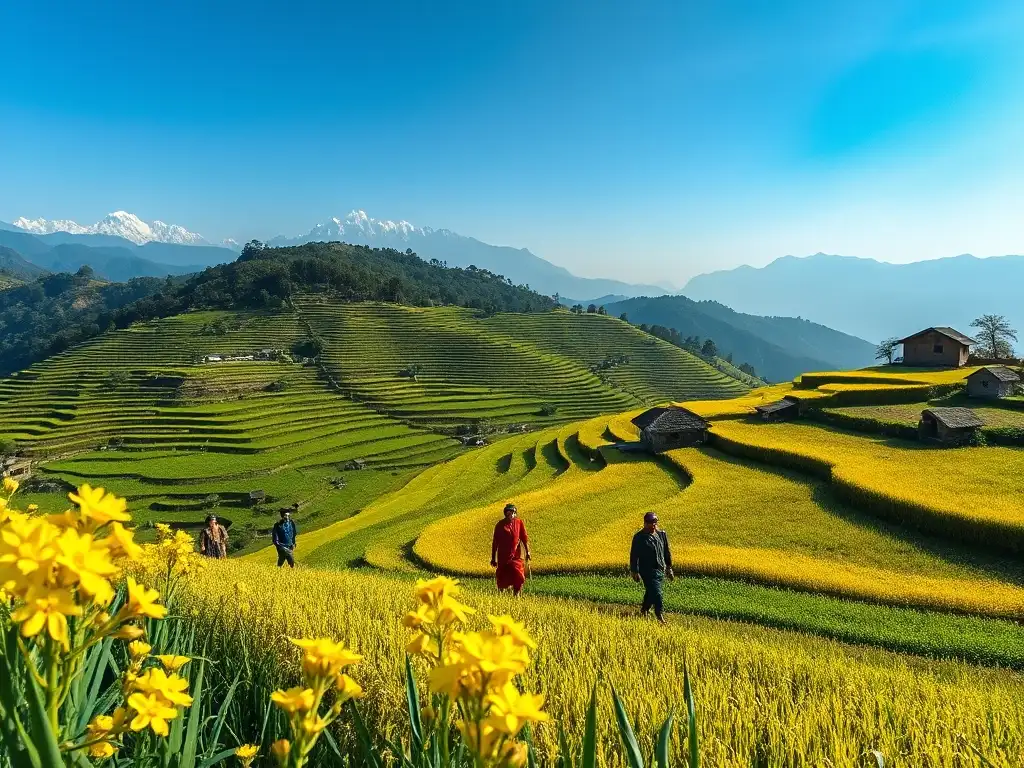
Welcome to Ancient India History, where we invite you to journey through the rich tapestry of India’s past. In our featured article, The Indispensable Role of Agriculture in the Development of Northern Indian Societies, we delve into how agriculture shaped the very foundations of ancient Indian civilizations. From the fertile banks of the Indus River to the thriving agrarian communities of the Gupta Empire, discover the profound impact that farming had on social structures, trade, and cultural development.
Are you ready to uncover the secrets of how agriculture fueled the growth of these remarkable societies? Dive in and let your curiosity lead the way!
Introduction to Agriculture's Role in Ancient India
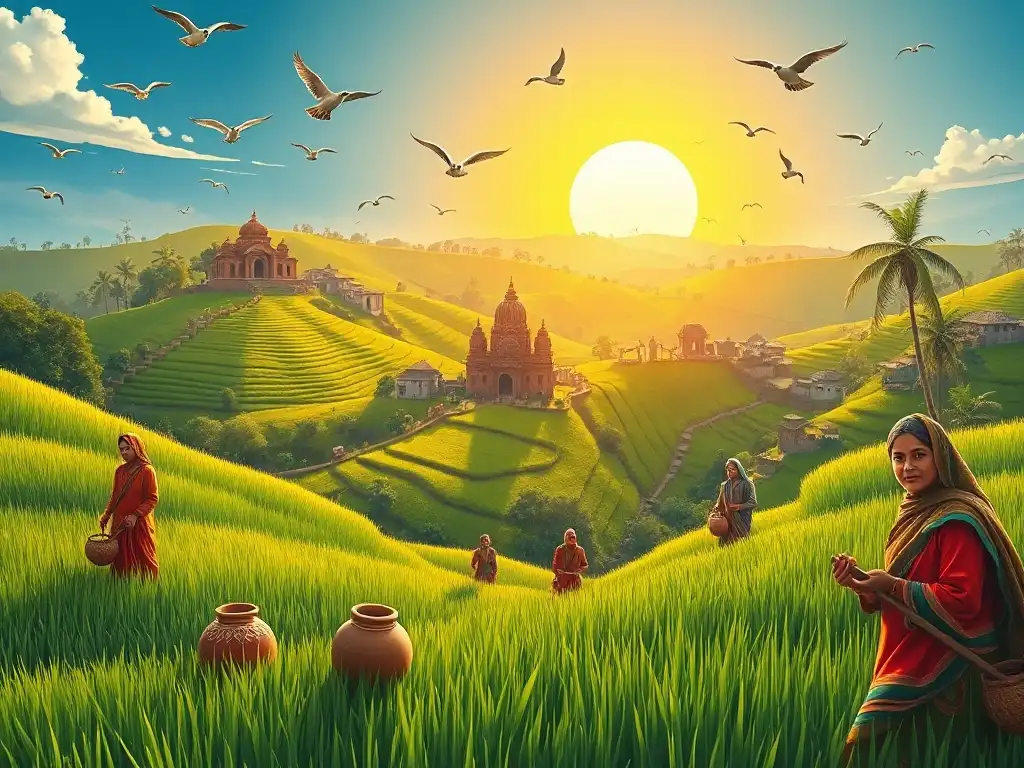
Agriculture was not merely a means of sustenance in ancient India; it was the backbone that supported the rise and development of complex societies, particularly in Northern India. The role of agriculture in ancient India shaped social structures, economic systems, and cultural practices, laying the foundation for the flourishing civilizations that emerged over millennia.
From the fertile plains of the Indus Valley to the expansive agricultural landscapes of the Gupta Empire, farming facilitated trade, population growth, and technological advancements. Understanding this critical component of societal evolution offers insights into how agriculture shaped the identities and legacies of ancient Indian civilizations.
Overview of Ancient Indian Agriculture
The agricultural practices in ancient India were diverse and evolved over time, influenced by regional climates, topographies, and technological advancements. The early agrarian societies relied primarily on the cultivation of crops such as wheat, barley, rice, and millet. Notably, the Indus Valley Civilization, one of the world's earliest urban centers, showcased advanced agricultural techniques, including irrigation and crop rotation, which allowed for sustained agricultural output.
- Key Crops:
- Wheat
- Barley
- Rice
- Millets
The agricultural calendar was profoundly tied to the monsoon season, which dictated planting and harvesting cycles. Farmers developed a deep understanding of seasonal patterns, enabling them to maximize yields and ensure food security for their communities.
Importance of Agriculture in Societal Development
Agriculture served as a catalyst for the transformation of small, nomadic groups into settled societies. The surplus generated from farming enabled population growth and the establishment of permanent settlements, which, in turn, fostered the development of trade, crafts, and urban centers. As communities became more organized, social hierarchies emerged, and specialized labor began to take shape, leading to advancements in various fields such as metallurgy, textiles, and architecture.
- Societal Impacts:
- Establishment of permanent settlements
- Emergence of trade networks
- Development of social hierarchies
- Advancements in crafts and technologies
The reliance on agriculture also influenced cultural aspects, with rituals and festivals often centered around planting and harvest seasons, highlighting the deep connection between the land and the people's identity.
Historical Context of Agriculture in Northern India
To comprehend the indispensable role of agriculture in the development of Northern Indian societies, it is crucial to explore the historical context that shaped its evolution. This includes examining ancient agricultural practices, the evolution of farming techniques, and the geographical factors that influenced agricultural development.
Agricultural Practices in the Indus Valley Civilization
The Indus Valley Civilization, one of the earliest known urban cultures, thrived between approximately 3300 and 1300 BCE. Its inhabitants developed sophisticated agricultural practices, utilizing the fertile alluvial plains of the Indus River. Evidence suggests that they employed advanced irrigation techniques, which allowed them to cultivate crops on a larger scale than ever before.
- Key Features:
- Advanced irrigation systems
- Use of ploughs and other agricultural tools
- Evidence of crop storage facilities
The agricultural surplus generated by this civilization was crucial for sustaining its urban centers and facilitating trade with neighboring regions, establishing the Indus Valley as a critical hub in ancient commerce.
Evolution of Farming Techniques in Ancient India
As centuries progressed, ancient Indian agriculture saw significant advancements in techniques and tools. The introduction of iron ploughs around 1000 BCE revolutionized farming, making land cultivation more efficient. Moreover, the understanding of crop rotation and the domestication of various plants contributed to increased agricultural productivity.
- Technological Advancements:
- Introduction of iron tools
- Crop rotation practices
- Domestication of new plant varieties
These evolving practices not only enhanced food production but also laid the groundwork for the emergence of larger political entities and more complex societal structures.
Impact of Geography on Agricultural Development in Northern India
Geography played a pivotal role in shaping the agricultural landscape of Northern India. The region's diverse topography, comprising fertile plains, river valleys, and mountainous terrains, allowed for varied agricultural practices. The Ganges River and its tributaries, for example, provided water resources essential for irrigation, enabling extensive farming in the surrounding areas.
- Geographical Factors:
- Fertile river valleys
- Diverse climatic conditions
- Access to water resources
These geographical advantages contributed to the establishment of prosperous agricultural societies that could support growing populations and foster cultural and economic development, ultimately influencing the historical trajectory of Northern Indian civilizations.
The exploration of agriculture's role in ancient India reveals its profound impact on societal development, providing a foundation for understanding the complexities of Northern Indian history.
Major Crops Cultivated in Northern India
Agriculture has been the backbone of Northern Indian societies since ancient times, shaping their economy, culture, and way of life. The fertile plains of the Indo-Gangetic region provided an ideal environment for various crops to flourish. Major crops cultivated in this region included wheat, barley, rice, pulses, and oilseeds, each playing a vital role in sustaining the population and enabling trade.
Staple Crops of Ancient Northern India
Wheat was the most significant staple crop, thriving in the cooler climate of Northern India. Archaeological evidence suggests that wheat cultivation dates back to the Indus Valley Civilization around 2500 BCE, indicating its long-standing importance. Barley followed closely, often used for brewing and animal fodder.
Rice, although more prevalent in the southern regions, was cultivated in certain areas of Northern India, particularly in the eastern parts, where monsoon rains provided adequate water. Pulses, including lentils and chickpeas, were crucial for providing essential proteins, while oilseeds, such as mustard, were cultivated for their oil and culinary uses. The diversity of these staple crops not only supported local diets but also contributed to the overall agricultural economy.
The Influence of Climate on Crop Cultivation
The climate of Northern India, characterized by distinct seasons, played a significant role in determining agricultural practices. The monsoon season, typically from June to September, provided much-needed rainfall for crops. Farmers developed a keen understanding of seasonal patterns, allowing them to plan sowing and harvesting effectively.
In regions with heavier rainfall, such as the eastern plains, rice became the dominant crop due to its water-intensive nature. Conversely, the drier western regions favored wheat and barley, which could withstand less moisture. This adaptability to climate variations was crucial for maximizing yields and ensuring food security for ancient societies.
Trade and Exchange of Agricultural Products
The surplus production of crops in Northern India facilitated trade and exchange, both locally and with distant regions. Agricultural products were not only consumed by local populations but also became commodities for trade with neighboring areas and civilizations. Wheat, barley, and pulses were often bartered for goods such as textiles, pottery, and metal tools.
Markets and trade routes developed around key agricultural centers, connecting Northern India with the broader economic networks of the subcontinent. This exchange not only enriched the local economies but also fostered cultural interactions, leading to the dissemination of agricultural knowledge and practices.
Agricultural Innovations and Technologies
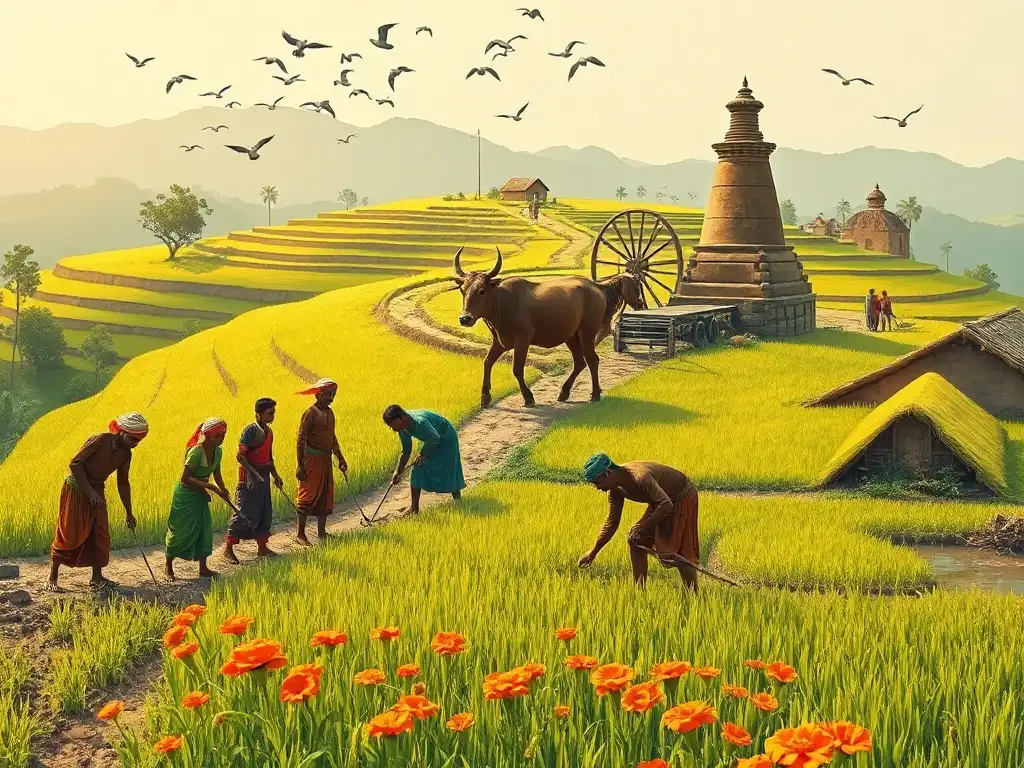
Innovation in agricultural practices played a crucial role in enhancing productivity in ancient Northern Indian societies. From the development of specialized tools to the implementation of sophisticated irrigation techniques, these advancements significantly contributed to the efficiency of farming.
Tools and Techniques Used in Ancient Agriculture
Ancient farmers in Northern India employed a variety of tools made from materials such as wood, stone, and metal. Plows, often pulled by oxen, were essential for tilling the soil and preparing fields for planting. The use of sickles for harvesting crops allowed for efficient collection, while wooden hoes and spades were utilized for planting and weeding.
Techniques such as crop rotation and intercropping were also practiced, ensuring that soil fertility was maintained and that pests were controlled naturally. These practices highlighted the farmers' deep understanding of their environment and their commitment to sustainable agriculture.
Irrigation Systems and Their Impact on Crop Yield
Irrigation was a pivotal factor in maximizing agricultural output in Northern India. Ancient civilizations developed various irrigation systems, including canals, wells, and reservoirs, to ensure a steady water supply for their crops. The construction of these systems not only enhanced crop yields but also allowed for the expansion of arable land.
The strategic use of irrigation facilitated the cultivation of water-intensive crops, such as rice, even in areas with less rainfall. This innovation contributed to the reliable food supply that supported population growth and urbanization in ancient Northern Indian societies.
Role of Livestock in Agricultural Practices
Livestock played an indispensable role in ancient agriculture, serving multiple functions that enhanced productivity. Animals such as oxen and buffaloes were primarily used for plowing fields, making the labor-intensive process of tilling much more efficient.
Additionally, livestock provided manure, which served as a natural fertilizer, enriching the soil and promoting healthier crop growth. The integration of livestock into agricultural practices exemplified the interconnectedness of farming and animal husbandry, showcasing the holistic approach that ancient farmers adopted to sustain their communities.
Societal Impacts of Agriculture in Northern Indian Civilizations
Agriculture played a pivotal role in shaping the societies of Northern India, serving as the backbone of their economies and influencing social structures, cultural practices, and settlement patterns. The development of farming practices led to stable food supplies, which allowed populations to grow and communities to flourish. With the advent of agriculture, Northern Indian civilizations transitioned from nomadic lifestyles to settled communities, fostering complex social interactions and the establishment of governance systems.
The importance of agriculture can be seen in how it molded the socio-economic fabric of these societies. As farming became more sophisticated, it not only ensured food security but also encouraged the specialization of labor. This specialization led to the emergence of artisans and tradespeople, contributing to a more structured and diverse society. Furthermore, agricultural practices were deeply intertwined with the spiritual and cultural lives of these communities, influencing rituals and community gatherings.
Agriculture and Settlement Patterns
The shift from a nomadic lifestyle to a sedentary one was primarily driven by agricultural practices. The fertile plains of the Ganges and the Indus river valleys provided ideal conditions for farming, leading to the establishment of permanent settlements. These areas became bustling hubs of activity where communities could thrive, characterized by the construction of homes, granaries, and storage facilities.
As settlements grew, they evolved into towns and cities, with agriculture at their core. The predictable cycles of planting and harvesting allowed societies to develop a calendar-based lifestyle, which in turn influenced their architecture, social organization, and governance. Settlements began to form around irrigation systems and fertile lands, leading to the rise of urban centers like Harappa and Mohenjo-Daro, which were strategically located to maximize agricultural productivity.
The Role of Agriculture in Social Stratification
Agriculture significantly contributed to social stratification in ancient Northern Indian societies. The control of land and agricultural resources became a source of power and wealth, leading to the emergence of distinct social classes. Landowners and affluent farmers gained influence over those who worked the land, leading to a hierarchical structure where wealth dictated social status.
This stratification was further compounded by the division of labor. While some individuals engaged in farming, others became craftspeople, traders, or leaders, creating a complex social network. The disparities in wealth and resources led to the development of social institutions, including governance and religion, which reflected and reinforced these social hierarchies. The caste system, which became more defined over time, can also be traced back to agricultural practices and the roles individuals played within the agrarian economy.
Agriculture's Influence on Cultural Practices and Festivals
The agricultural calendar played a fundamental role in shaping the cultural practices and festivals of Northern Indian societies. Key agricultural activities such as sowing, harvesting, and the changing of seasons were celebrated through various festivals, which brought communities together and reinforced social bonds.
Festivals like Makar Sankranti and Pongal, celebrated at harvest time, reflect the deep connection between agricultural cycles and cultural identity. These events not only served as a means of honoring agricultural deities but also provided opportunities for communities to come together, share resources, and strengthen communal ties. Rituals associated with agriculture, from prayers for rain to ceremonies marking the harvest, were integral to the cultural fabric of these societies, demonstrating how agriculture shaped their spiritual and social lives.
Agriculture and Economic Development
Agriculture was a driving force behind the economic development of Northern Indian civilizations. It provided not just sustenance but also the surplus needed for trade, urbanization, and overall economic growth. The agrarian economy supported various industries and crafts, contributing to the prosperity and stability of ancient societies.
Agricultural Surplus and Trade in Ancient Societies
The ability to produce agricultural surplus was crucial for the development of trade networks in ancient Northern India. As farming techniques improved and crop yields increased, communities began to produce more than they could consume. This surplus allowed for the exchange of goods, both locally and with neighboring regions, facilitating trade and commerce.
Markets emerged around these agricultural hubs, where surplus crops were bartered for other goods, including textiles, pottery, and metalwork. The rise of trade not only stimulated economic growth but also fostered cultural exchanges, integrating Northern Indian societies with others across the subcontinent and beyond. Evidence of trade routes, such as those that connected the Indus Valley Civilization with Mesopotamia, highlights the significance of agriculture in fostering economic interdependence.
The Relationship Between Agriculture and Urbanization
Agriculture was intrinsically linked to the urbanization of Northern India. The establishment of agricultural settlements laid the groundwork for the growth of cities. As populations increased, settlements transformed into urban centers characterized by increased specialization, commerce, and governance.
Urbanization led to the development of infrastructure such as roads, irrigation systems, and storage facilities, which were vital for supporting larger populations. Cities like Pataliputra and Varanasi became cultural and economic powerhouses, thriving due to their agricultural base. The relationship between agriculture and urban development underscores the importance of farming not just as a means of sustenance but as a catalyst for societal transformation.
Contributions of Agriculture to the Economy of Northern India
The contributions of agriculture to the economy of Northern India were profound. It provided the essential resources necessary for survival and growth, underpinning every aspect of life from social organization to cultural practices. The agricultural economy also stimulated technological advancements, such as the plough and irrigation methods, which enhanced productivity.
Moreover, agriculture influenced taxation systems and governance structures, as rulers often relied on agricultural production for revenue. The surplus generated by farming enabled the funding of public projects, military campaigns, and trade expeditions, further entrenching agriculture's role as a cornerstone of the ancient economy. The legacy of these agricultural practices continues to inform the economic frameworks of modern Northern India, demonstrating the enduring importance of agriculture in shaping society.
Challenges Faced by Ancient Agricultural Societies

The agricultural societies of ancient Northern India encountered a myriad of challenges that shaped their development and resilience. From environmental hurdles to political instability, these factors significantly influenced agricultural practices and, consequently, the socio-economic fabric of the region. Understanding these challenges provides insight into how ancient civilizations adapted and thrived despite adversity.
Environmental Challenges and Agricultural Resilience
Ancient agricultural societies in Northern India faced several environmental challenges, including:
- Monsoon Variability: The Indian monsoon is crucial for agriculture, but its unpredictability often led to either droughts or floods. Farmers had to develop adaptive strategies, such as crop rotation and the construction of irrigation systems, to mitigate the impact of these fluctuations.
- Soil Fertility Issues: The fertility of soil in certain regions could diminish over time due to over-farming. Societies had to implement sustainable practices, such as the use of organic fertilizers and fallow periods, to maintain soil health.
- Pest Infestations and Crop Diseases: The risk of pests and diseases could devastate crops. Ancient farmers utilized a range of organic methods, including crop diversity and natural repellents, to safeguard their harvests.
These environmental challenges forced ancient societies to innovate and adapt continuously, leading to the development of sophisticated agricultural techniques that would serve as a foundation for future generations.
Political and Social Factors Affecting Agricultural Development
The political landscape and social structures of ancient Northern India also played a critical role in shaping agricultural practices:
- Land Ownership and Class Structure: Land ownership was often concentrated among the elite, influencing agricultural productivity. Peasant revolts and demands for land reforms sometimes arose from inequities in land distribution, prompting changes in agricultural policies.
- State Support and Taxation: The role of the state was significant in agricultural development. Rulers often implemented systems of taxation that could either incentivize or hinder agricultural expansion. For instance, favorable policies such as irrigation projects could boost productivity, while heavy taxation could stifle growth.
- Cultural Practices and Beliefs: Agricultural practices were intertwined with religious and cultural beliefs, which sometimes dictated planting and harvesting times. Festivals often celebrated agricultural milestones, fostering a communal approach that strengthened social bonds and collective agricultural efforts.
These political and social dynamics created a complex environment in which agricultural practices evolved, reflecting the interplay between human agency and structural constraints.
Conclusion: The Lasting Legacy of Agriculture in Northern India
The legacy of agriculture in ancient Northern India is profound, influencing not only the economy but also shaping the cultural and social frameworks of the region. The ability of these societies to overcome challenges through innovation and adaptation laid the groundwork for subsequent developments in Indian civilization.
Summary of Agriculture's Role in Historical Development
Agriculture was the backbone of ancient Northern Indian societies, facilitating trade, supporting population growth, and enabling the establishment of urban centers. It served as a critical catalyst for technological advancements, including irrigation systems and crop diversification techniques. The successful cultivation of staple crops, such as rice and wheat, contributed significantly to the sustenance and prosperity of these civilizations.
Lessons Learned from Ancient Agricultural Practices
Examining the agricultural practices of ancient Northern India offers valuable lessons for contemporary societies:
- Sustainability: Ancient farmers practiced sustainable methods that preserved soil health and biodiversity, highlighting the importance of environmentally friendly practices in modern agriculture.
- Adaptability: The resilience shown by these societies in the face of environmental challenges teaches the importance of adaptability in agricultural strategies to cope with climate change and other modern challenges.
- Community Collaboration: The communal approach to agriculture fostered social cohesion and collective problem-solving, underscoring the value of community in addressing agricultural and environmental issues today.
The role of agriculture in ancient India extends beyond mere sustenance; it encompasses a rich tapestry of cultural and social dynamics that continue to inform modern practices and philosophies.
References
[List of Academic Sources and Texts]
-
R. S. Sharma, Indian Feudalism
This comprehensive work delves into the socio-economic structures of ancient India, emphasizing the central role of agriculture in shaping feudal relationships and land ownership patterns.
-
N. P. Chakrabarti, The Archaeology of Ancient Indian Cities
Chakrabarti's analysis provides insights into the urbanization processes in ancient India, with a focus on how agricultural surplus facilitated trade and the growth of cities.
-
D. N. Jha, Ancient India: In Historical Outline
Jha outlines the evolution of Indian civilization, highlighting the significance of agricultural practices and innovations that underpinned societal development.
-
K. C. S. K. Ranjit, Agriculture in Ancient India: From the Vedic Period to the Gupta Empire
This text explores the agrarian landscape of ancient India, detailing the methods, tools, and crops that were pivotal to the economic stability and prosperity of northern Indian societies.
-
B. R. Ambedkar, Thoughts on Linguistic States
Ambedkar discusses the impact of agriculture on regional identities and socio-political structures, providing a lens through which to understand the agricultural dynamics of ancient northern India.
-
S. R. Sharma, The Economy of the Gupta Period
Focused on the Gupta Empire, this work delves into agricultural production, trade, and their influences on the overall economy, illustrating the interconnectedness of agriculture and societal development.
-
P. N. K. Bhat, Agricultural Techniques in Ancient India
This text provides a detailed examination of the farming techniques and tools used in ancient India, shedding light on innovations that enhanced productivity and efficiency.
-
M. A. K. Jaiswal, The Role of Agriculture in the Growth of Northern Indian Civilizations
Jaiswal analyzes the various ways agriculture shaped the cultural, social, and political landscapes of northern India, emphasizing its foundational role in civilization development.
These sources collectively provide a well-rounded perspective on the vital role of agriculture in the development of ancient Indian societies, particularly in the northern regions. They offer valuable insights into the agricultural practices, economic implications, and social transformations that arose from the agrarian foundation of these civilizations.
- Introduction to Agriculture's Role in Ancient India
- Historical Context of Agriculture in Northern India
- Major Crops Cultivated in Northern India
- Agricultural Innovations and Technologies
- Societal Impacts of Agriculture in Northern Indian Civilizations
- Agriculture and Economic Development
- Challenges Faced by Ancient Agricultural Societies
- Conclusion: The Lasting Legacy of Agriculture in Northern India
- References
- What was the significance of agriculture in ancient India?
- How did agriculture influence societal structures in ancient India?
- What were the main crops cultivated in ancient India?
- How did technology impact agriculture in ancient India?
- What role did agriculture play in the economic exchanges of ancient Indian civilizations?
Frequently Asked Questions
What was the significance of agriculture in ancient India?
Agriculture played an indispensable role in the economic and social development of ancient Indian societies, providing sustenance and enabling trade.
How did agriculture influence societal structures in ancient India?
The rise of agriculture led to the establishment of settlements and social hierarchies, as communities formed around farming practices, leading to more complex societal structures.
What were the main crops cultivated in ancient India?
Ancient Indians primarily grew wheat, barley, and rice, which were essential for food security and supported population growth.
How did technology impact agriculture in ancient India?
Technological innovations, such as irrigation systems and plowing techniques, significantly improved agricultural productivity and efficiency.
What role did agriculture play in the economic exchanges of ancient Indian civilizations?
Agriculture was a cornerstone of the economy, facilitating trade routes and exchanges, which connected diverse cultures and enhanced economic prosperity.
Final Reflection: The Enduring Legacy of Agriculture in Ancient India
The role of agriculture in ancient India is not merely a historical footnote; it is a cornerstone of societal development that resonates profoundly in our contemporary world. As we explore the intricate tapestry of Northern Indian societies, we uncover how agriculture has shaped not only economies but also cultures, identities, and social structures. The lessons learned from ancient practices remind us that the roots of our civilization are deeply intertwined with the land we cultivate.
The influence of agriculture extends far beyond the fields; it has been a catalyst for social cohesion, innovation, and sustainability. In examining the agricultural practices of ancient India, we see how communities thrived through cooperation and shared knowledge, fostering a sense of belonging and purpose. This historical perspective is vital today, as we face challenges such as food security and climate change. Agriculture is the foundation of civilization and any stable economy.
This quote encapsulates the essence of agriculture's role, urging us to recognize its significance in both past and present.
As we reflect on the indispensable role of agriculture in shaping societies, let us consider how we can apply these lessons in our lives. Take a moment to appreciate the food on your table, the farmers who cultivate it, and the traditions that have been passed down through generations. Engage with local agricultural practices, support sustainable farming, and advocate for policies that honor our agricultural heritage. By doing so, we not only honor the past but also pave the way for a future where agriculture continues to nourish both our bodies and our communities.
Empower Change in Agriculture Today!
Thank you for exploring the crucial role of agriculture in shaping communities in Northern India! Your interest in this topic not only enhances your understanding but also contributes to the ongoing dialogue about sustainable development in our societies. Now, let’s leverage this newfound knowledge and take meaningful action!
- Connect with local farmers' markets to discover indigenous farming practices in your area.
- Share this article with friends and family to raise awareness about the significant contributions of agriculture throughout history and its impact on our future.
- Engage with community groups that focus on sustainable agriculture—participate in a workshop or volunteer on a local farm to see how you can make a difference!
How can you contribute to the revival of agricultural traditions in your community today? We invite you to share your thoughts in the comments!