
The Role of Women in the Indus Valley Civilization: Empowerment or Subjugation?

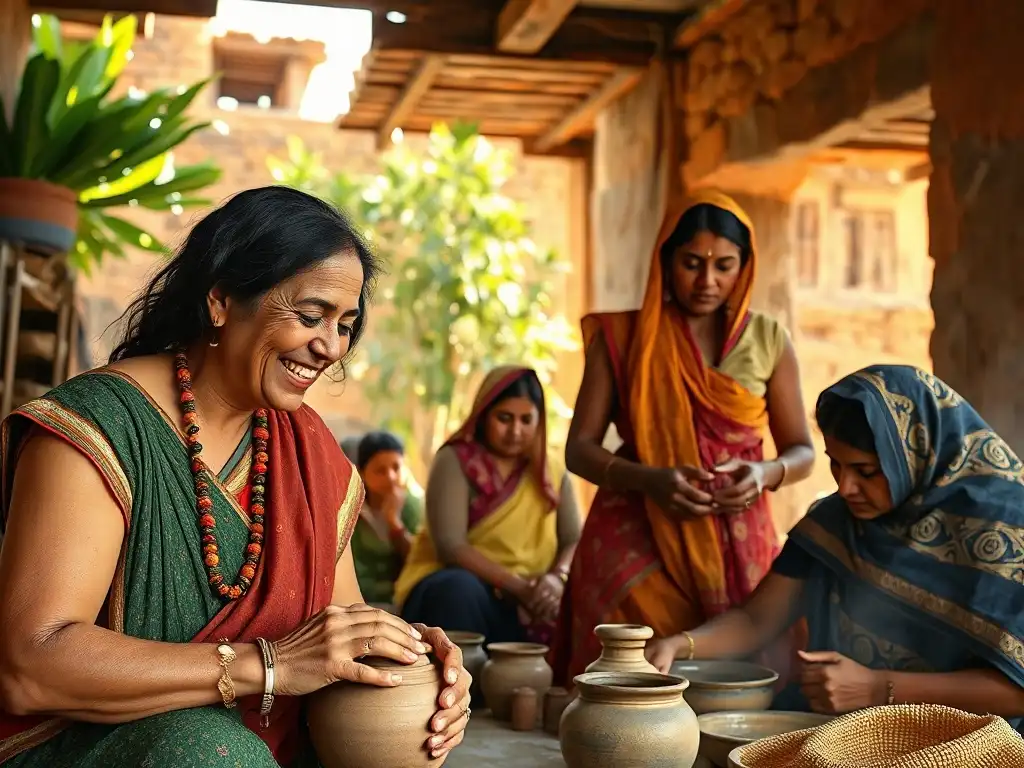
Welcome to Ancient India History, where we embark on a fascinating journey through the remarkable tapestry of ancient Indian civilizations. In our featured article, "The Role of Women in the Indus Valley Civilization: Empowerment or Subjugation? ", we delve deep into the lives of women in one of the world's earliest urban societies.
Were they revered figures of empowerment or bound by the chains of subjugation? As you explore this intriguing topic, prepare to uncover the nuanced roles that shaped not only the Indus Valley but also the very foundations of Indian culture. Join us as we unravel the mysteries of the past and spark your curiosity about the legacies that continue to influence us today.
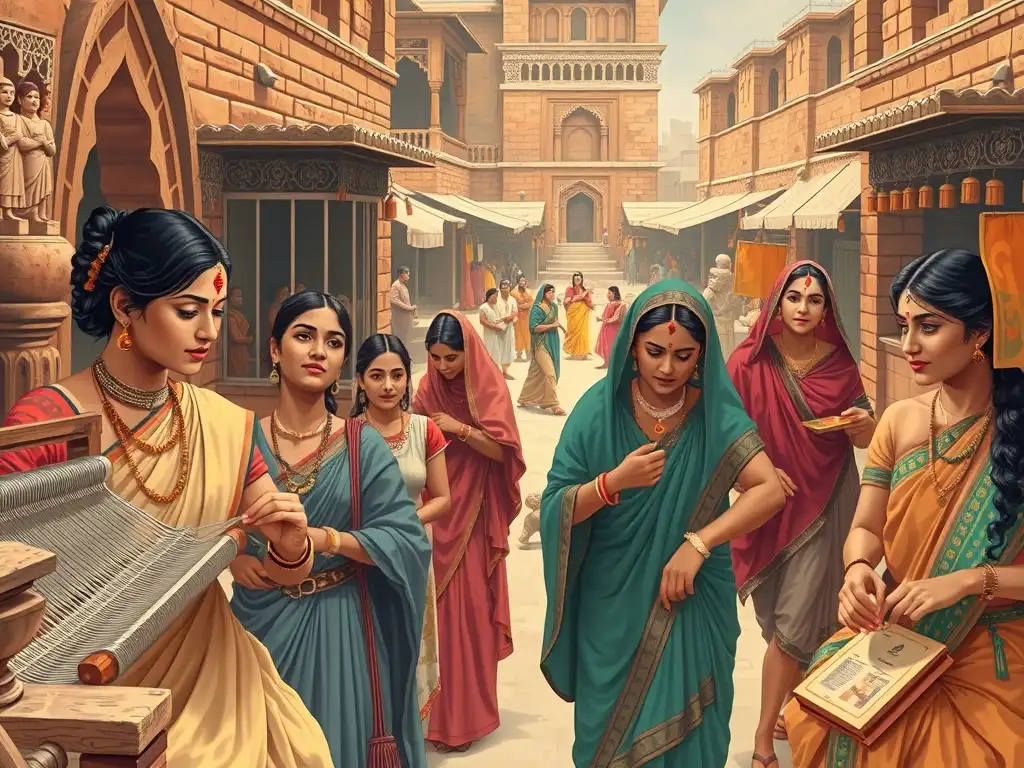
The Indus Valley Civilization, one of the world's oldest urban cultures, flourished between 3300 BCE and 1300 BCE in what is now modern-day Pakistan and northwest India. This civilization is renowned for its advanced urban planning, sophisticated drainage systems, and impressive architecture. However, amidst these remarkable achievements lies a critical aspect often overlooked: the role of women in this ancient society.
Understanding whether women in the Indus Valley experienced empowerment or subjugation requires a nuanced exploration of archaeological findings, socio-cultural practices, and historical context. This article aims to delve into the complexities of gender roles within this civilization, shedding light on the lives of women and their contributions to society.
Introduction to Women in Indus Valley Civilization
Overview of the Indus Valley Civilization
The Indus Valley Civilization (IVC), also known as the Harappan Civilization, is characterized by its urban centers like Harappa and Mohenjo-Daro, which were remarkable for their grid layout and advanced infrastructure. The civilization thrived due to its strategic location along trade routes connecting the east and west. Its economy was predominantly agrarian, supported by innovations in irrigation and crop cultivation. Despite the absence of written records, researchers have unearthed a wealth of artifacts that provide insights into the daily lives of its inhabitants, including women.
Key features of the Indus Valley Civilization include:
- Urban Planning: Cities were meticulously planned with sophisticated drainage systems.
- Trade and Economy: Engaged in extensive trade with neighboring regions, enhancing economic prosperity.
- Craftsmanship: Known for intricate beadwork, pottery, and metallurgy.
Importance of Studying Gender Roles in Ancient Societies
Examining the roles of women in ancient societies like the IVC is crucial for several reasons:
- Cultural Understanding: Gender roles reflect broader cultural values and social structures, offering insights into ancient worldviews.
- Historical Contributions: Recognizing women's contributions challenges traditional narratives that often marginalize their roles in history.
- Contemporary Relevance: Understanding past gender dynamics can inform current discussions about gender equality and women's rights.
Historical Context of Women in the Indus Valley Civilization
Timeline of the Indus Valley Civilization
The timeline of the Indus Valley Civilization spans several phases:
- Early Harappan Phase (c. 3300–2600 BCE): Initial settlements and the development of agriculture.
- Mature Harappan Phase (c. 2600–1900 BCE): Urban centers reached their peak, showcasing advanced architecture and social organization.
- Late Harappan Phase (c. 1900–1300 BCE): Decline of urban centers, possibly due to environmental changes and resource depletion.
This timeline provides a framework for analyzing the evolving roles of women throughout these periods, particularly during the Mature Harappan Phase when urban life flourished.
Societal Structure and Gender Dynamics
The societal structure of the Indus Valley Civilization remains a subject of debate among historians and archaeologists. However, several key points emerge regarding gender dynamics:
- Equal Participation: Evidence suggests that women participated in various economic activities, including weaving and pottery, indicating a degree of economic agency.
- Religious and Cultural Roles: Artifacts depicting female figurines suggest that women may have held significant religious or ritualistic roles within the society.
- Social Stratification: The presence of luxury goods and differentiated housing indicates a complex social hierarchy, which may have impacted women's status based on class.
Exploring the role of women in the Indus Valley Civilization reveals a tapestry of empowerment and subjugation, shaped by cultural practices, economic contributions, and the broader context of ancient Indian society. Understanding these dynamics is essential for a comprehensive view of this remarkable civilization.
Evidence of Women's Roles in the Indus Valley Civilization
The role of women in the Indus Valley Civilization (IVC) has long been a subject of scholarly investigation, revealing a complex tapestry of their status and contributions. Evidence gathered from archaeological findings, as well as artistic expressions, provides insight into the lives of women during this ancient period. By examining these facets, we can better understand whether women enjoyed empowerment or faced subjugation in this vibrant civilization.
Archaeological Findings and Artifacts
Archaeological excavations in sites such as Mohenjo-Daro and Harappa have unearthed numerous artifacts that shed light on the roles of women. Notable discoveries include terracotta figurines, pottery, and seals that often depict women in various activities, suggesting that they were integral to domestic life and possibly held roles in trade and craft production.
For example, the famous "Dancing Girl" statue, a bronze figurine, illustrates not only the artistic prowess of the civilization but also implies that women may have participated in public performances or held positions of respect within their communities. Additionally, the presence of household items, such as weaving tools, indicates that women were active in textile production, a significant economic activity of the time.
Depictions of Women in Indus Valley Art
Artistic representations from the Indus Valley further illuminate women's roles and societal standing. Many seals and terracotta figurines portray women adorned with jewelry and engaged in various activities, such as dance, music, and possibly ritualistic practices. These depictions often emphasize the importance of women in both domestic and ceremonial contexts.
The adornment of women in art suggests a level of agency and self-expression, challenging the notion of subjugation. Moreover, the presence of women in artistic narratives indicates that they were not merely passive figures but rather active participants in their culture. This complexity reflects a society where women's roles were multifaceted and potentially valued.
Empowerment of Women in the Indus Valley Civilization
The evidence suggests that women in the Indus Valley Civilization likely enjoyed a degree of empowerment, particularly in economic, social, and religious contexts. This empowerment can be gleaned from various aspects of their lives, which collectively portray women as agents within their communities.
Economic Contributions of Women
Women in the Indus Valley Civilization played a crucial role in the economy, contributing significantly to agriculture, trade, and craft production. Artifacts such as grinding stones and tools indicate that women were likely involved in food production and preparation, which was essential for sustaining households and supporting the community.
Moreover, indications of women's participation in textile production and trade further illustrate their economic agency. The presence of woven fabrics and trade goods in archaeological finds suggests that women may have engaged in local and long-distance commerce, thus contributing to the economic vitality of the civilization. This active role in the economy highlights a level of autonomy that contradicts the idea of complete subjugation.
Social Status and Community Involvement
Social structures in the Indus Valley appear to have allowed women to occupy significant roles within their communities. Evidence of women participating in public life, such as rituals and festivals, suggests that they were not confined to domestic spaces.
Additionally, the presence of female figurines in various contexts, such as religious or ceremonial settings, indicates that women may have held specific social statuses that allowed them to engage in community affairs actively. This involvement reflects a society where women could exercise influence and contribute to communal identity, further reinforcing the notion of empowerment.
Religious and Spiritual Roles of Women
Women in the Indus Valley Civilization likely participated in religious and spiritual practices, as evidenced by the presence of female figurines that may represent goddesses or spiritual figures. These representations suggest that women were not only participants in religious life but might have also been involved in rituals that held societal significance.
The discovery of altars and shrines associated with female deities points to an acknowledgment of feminine divinity within the spiritual landscape of the IVC. This recognition of women's roles in religion underscores their importance in the cultural and spiritual fabric of the civilization, indicating a level of reverence and respect that is characteristic of empowerment rather than subjugation.
Subjugation of Women in the Indus Valley Civilization
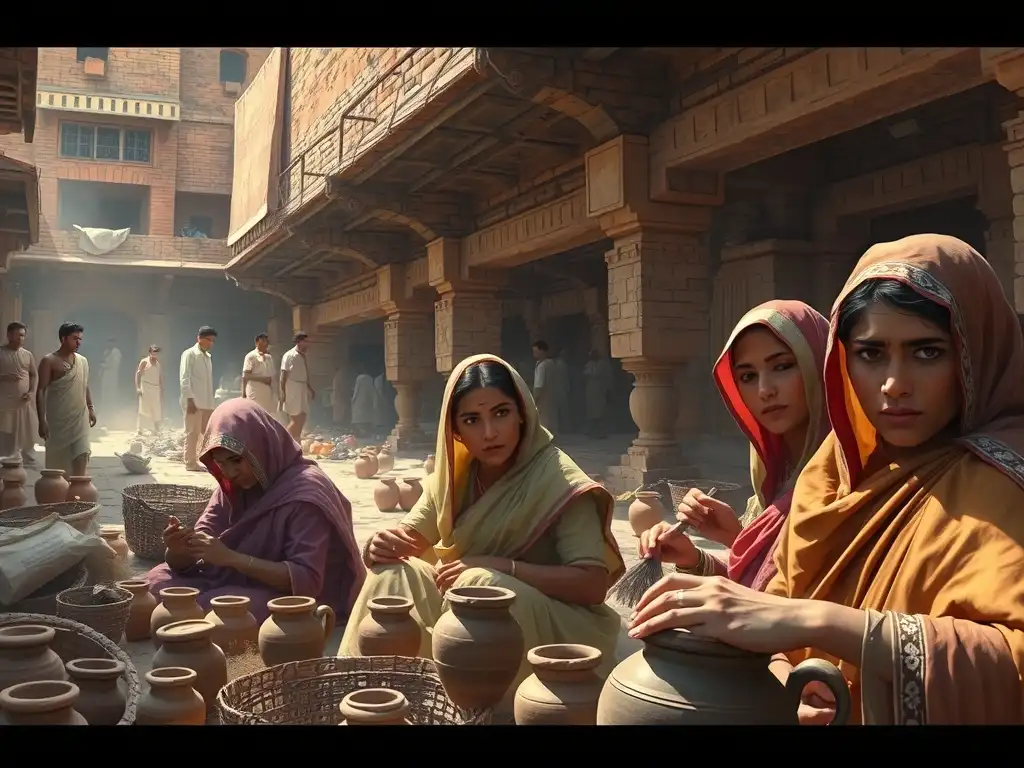
The role of women in the Indus Valley Civilization has been a subject of much debate among historians and archaeologists. Evidence suggests that women faced various limitations that could be interpreted as forms of subjugation. Archaeological findings, such as the layout of cities and the division of labor, point to gender roles that may have restricted women's participation in certain societal functions. While the civilization is often characterized by its advanced urban planning and trade networks, the status of women remains less clear, appearing to reflect both empowerment in some areas and subjugation in others.
Artifacts such as seals, pottery, and figurines depicting female figures often suggest that women held some degree of significance within their communities. However, the absence of explicit written records makes it challenging to ascertain the full extent of their rights and freedoms. The limited references to women in the archaeological record lead to interpretations that often emphasize their domestic roles, potentially overshadowing any evidence of their participation in public or economic life.
Limitations on Women's Rights and Freedoms
The limitations on women's rights and freedoms in the Indus Valley Civilization can be inferred from various archaeological and anthropological studies. The prevailing view is that while women may have played significant roles in domestic spheres, their autonomy was likely constrained by patriarchal structures.
- Property Rights: Evidence from the Indus Valley suggests that inheritance and property rights were predominantly male-centric. Women might have had limited or no rights to own property independently, thereby diminishing their economic agency.
- Social Roles: Gender roles were likely defined by societal norms that prioritized male authority. Women's primary responsibilities may have been centered around home and family, limiting their engagement in trade or governance, which were predominantly male domains.
- Cultural Representation: The depiction of women in art and seals often emphasizes traditional roles, such as motherhood or domesticity. While this might highlight the importance of women in family structures, it also suggests a lack of representation in spheres of power and influence.
Comparison with Contemporary Civilizations
When comparing the status of women in the Indus Valley Civilization to that of contemporary civilizations, such as Mesopotamia and Ancient Egypt, notable differences and similarities emerge.
- Mesopotamia: Women in Mesopotamia had some legal rights, including the ability to own property and engage in business. In contrast, evidence from the Indus Valley suggests that women may not have enjoyed similar legal autonomy, pointing to a potentially more restrictive environment.
- Ancient Egypt: Egyptian women could inherit property and engage in legal contracts, indicating a level of societal equality not clearly present in the Indus Valley. While some women in the Indus Valley may have participated in religious or cultural activities, the absence of evidence for broader rights indicates a more subdued role.
Overall, while women in both the Indus Valley and its contemporaries faced restrictions, the degree of autonomy and rights varied significantly, suggesting that the Indus Valley may have been more patriarchally oriented.
Debates Among Scholars: Empowerment vs. Subjugation
The discussions surrounding the role of women in the Indus Valley Civilization often pivot between two opposing perspectives: empowerment and subjugation. Scholars have explored various angles of this debate, leading to a rich discourse that reflects the complexity of the civilization itself.
Different Perspectives on Women's Status
Scholars advocating the empowerment perspective highlight potential roles women may have played in the economy and social life of the Indus Valley. For instance, some argue that women may have been involved in textile production and trade, positions that would have provided them with some financial independence.
Conversely, those emphasizing subjugation point to the lack of direct evidence supporting women's agency in economic or political spheres. They argue that the prevailing patriarchal norms and the limited archaeological record reflect a society where women were confined to domestic roles, thereby undermining their autonomy.
These differing viewpoints underscore the difficulty in reconstructing the past, demonstrating that interpretations of women's roles are often contingent on the available evidence and the biases of those interpreting it.
Key Research Studies and Their Findings
Several key research studies have significantly contributed to the ongoing debates about women in the Indus Valley Civilization.
- Archaeological Surveys: Various surveys have analyzed settlement patterns, revealing that residential spaces may have been gender-segregated, suggesting differing roles in domestic and public life. Such findings have implications for understanding women's societal positions.
- Artifact Analysis: Studies examining figurines and seals have revealed a variety of depictions of women, some of which may suggest ritualistic or religious significance. This has led to arguments that women could have held important roles in spiritual contexts, highlighting a form of empowerment despite societal limitations.
- Comparative Studies: Research comparing the status of women in the Indus Valley with those in other ancient civilizations has provided context for understanding their roles. For example, some studies suggest that while women in the Indus Valley may not have enjoyed the same rights as their Mesopotamian counterparts, they still participated in significant ways within their cultural framework.
These studies illustrate the complexity of women's roles in the Indus Valley Civilization and emphasize the need for nuanced interpretations that consider both the evidence available and the broader historical context.
Conclusion: Understanding the Role of Women in the Indus Valley Civilization
The role of women in the Indus Valley Civilization remains a multifaceted subject that invites both admiration and critical examination. While evidence suggests a degree of empowerment, including participation in economic activities and possibly in religious practices, it is essential to consider the context of the time. Women appear to have held significant roles within domestic spheres and might have been involved in crafting, trade, and even governance at local levels. However, the lack of detailed records from this ancient civilization leaves room for interpretation, leading to varying conclusions about their status and rights.
Understanding the complexities surrounding women's roles in this civilization is crucial, as it reflects broader themes of gender dynamics in ancient societies. The juxtaposition of empowerment versus subjugation illustrates the nuanced nature of women's experiences and highlights the importance of considering diverse perspectives when analyzing historical contexts.
Summary of Key Findings on Women’s Empowerment and Subjugation
The research into the role of women in the Indus Valley Civilization reveals several key findings:
- Economic Participation: Women likely engaged in various economic activities, such as textile production and pottery, demonstrating a level of financial independence and skill.
- Religious Involvement: Artefacts suggest that women may have participated in religious rituals, indicating a respected role in spiritual practices.
- Social Status: The presence of female figurines and other artifacts hints at a societal acknowledgment of women's contributions, though the precise status and autonomy of women remain unclear.
- Lack of Written Evidence: The absence of extensive written records complicates our understanding, leading to speculation about women's rights and societal roles that may not align with the available archaeological evidence.
These findings underscore the duality of empowerment and subjugation faced by women, reflecting a society that may have held both progressive and restrictive elements regarding gender roles.
The Legacy of Women in Indus Valley Civilization on Modern Society
The legacy of women in the Indus Valley Civilization continues to resonate in modern society. Their potential roles in early urban centers provide a foundation for discussions about gender equality and women's rights today. By examining the contributions and experiences of women in ancient contexts, contemporary societies can draw parallels and contrasts that inform modern understandings of gender dynamics.
Furthermore, recognizing the historical significance of women’s roles encourages a more nuanced narrative of history, one that acknowledges the contributions of all members of society, not just those in dominant positions. This holistic view fosters a greater appreciation for gender equity movements and advocates for the rights of women in various cultural contexts.
Further Reading and References
For those interested in delving deeper into the role of women in the Indus Valley Civilization and related topics, the following resources offer valuable insights and perspectives.
Suggested Books and Articles on Women in Ancient Civilizations
- "Women in Ancient India" by Kumkum Roy: This book explores the status and roles of women across various ancient Indian cultures, including the Indus Valley.
- "Gender and the Archaeology of Death" by Sarah Tarlow and Liv Nilsson Stutz: This work examines how gender roles can be interpreted through archaeological findings.
- "The Indus Valley Civilization: A Historical Overview" by Jonathan Mark Kenoyer: A comprehensive analysis of the Indus Valley Civilization that touches on social structures, including gender roles.
Additional Resources on Indus Valley Civilization
- "The Archaeology of the Indus Valley": A collection of scholarly articles that discuss various aspects of the Indus Valley Civilization, including its societal structures.
- Online databases and journals: Platforms such as JSTOR and Project MUSE provide access to scholarly articles on the Indus Valley Civilization and women’s roles within it.
- Documentaries and lectures: Many educational platforms offer visual resources that explore ancient civilizations, providing context and engaging narratives about the lives of women in the Indus Valley.
These resources serve as a starting point for further exploration into the intriguing topic of women in the Indus Valley Civilization and their lasting impact on history.
- Introduction to Women in Indus Valley Civilization
- Historical Context of Women in the Indus Valley Civilization
- Evidence of Women's Roles in the Indus Valley Civilization
- Empowerment of Women in the Indus Valley Civilization
- Subjugation of Women in the Indus Valley Civilization
- Debates Among Scholars: Empowerment vs. Subjugation
- Conclusion: Understanding the Role of Women in the Indus Valley Civilization
- Further Reading and References
- What was the role of women in the Indus Valley Civilization?
- Were women in the Indus Valley Civilization considered equal to men?
- What artifacts provide insight into the lives of women in the Indus Valley?
- How did the status of women in the Indus Valley compare to other ancient civilizations?
- What impact did the decline of the Indus Valley Civilization have on women?
Frequently Asked Questions
What was the role of women in the Indus Valley Civilization?
Women in the Indus Valley Civilization played a significant role in society, engaging in craftsmanship, trade, and possibly agriculture, indicating a degree of empowerment.
Were women in the Indus Valley Civilization considered equal to men?
While evidence suggests that women had certain rights and could participate in various activities, the extent of their equality with men remains debated among historians.
What artifacts provide insight into the lives of women in the Indus Valley?
Artifacts such as figurines, pottery, and seals have been discovered, depicting women in various roles, which helps researchers understand their social status and daily lives.
How did the status of women in the Indus Valley compare to other ancient civilizations?
In comparison to other ancient civilizations, women in the Indus Valley may have enjoyed greater freedoms and responsibilities, though patriarchal structures likely existed.
What impact did the decline of the Indus Valley Civilization have on women?
The decline of the Indus Valley Civilization led to significant changes in social structures and cultural practices, which likely affected the roles and status of women in subsequent societies.
Final Reflection: The Duality of Women's Roles in the Indus Valley Civilization
The exploration of women's roles in the Indus Valley Civilization reveals a complex tapestry of empowerment and subjugation that resonates with contemporary discussions on gender equality. As we delve into the archaeological evidence and cultural narratives, it becomes clear that the past is not merely a relic but a mirror reflecting our ongoing struggles and triumphs in the pursuit of gender equity. The question of whether women were empowered or subjugated in this ancient society is not just an academic inquiry; it is a call to understand and challenge the dynamics of power that persist today.
Clearly, the legacy of women in the Indus Valley Civilization continues to shape our cultural and social landscape, prompting us to reconsider the roles of women throughout history. The insights gleaned from this civilization encourage us to recognize the multifaceted nature of women's experiences, both in the past and present. As we reflect on this, we are reminded of the words of feminist historian Gerda Lerner: The history of women is the history of the world.
This statement underscores the importance of acknowledging women's contributions and struggles as integral to our collective narrative, urging us to elevate their stories in our ongoing discourse.
As we conclude our exploration of the roles of women in the Indus Valley Civilization, I invite you to reflect on how these historical insights can inform your understanding of gender dynamics today. Consider how you can contribute to a more equitable society by amplifying women's voices and recognizing their historical significance. Let the lessons from the past inspire you to advocate for change in your own community, fostering an environment where empowerment prevails over subjugation, and every individual's story is valued and celebrated.
Empower Your Understanding of Ancient Women!
Thank you for delving into the fascinating world of the Indus Valley Civilization with us! By exploring the roles of women in this ancient society, you’ve uncovered insights into empowerment and societal dynamics that resonate today. Now, let’s take the next step in your journey!
Here’s how you can deepen your knowledge and engage with this captivating topic:
- Join the Conversation: Share your thoughts and insights about the role of women in ancient civilizations in our online community forum. Your perspective matters!
- Dive Deeper: Explore more articles on the complexities of gender roles in history. Visit our resource section for a variety of readings and videos that provide further context and analysis.
- Spread the Knowledge: Share this article on your social media platforms to spark discussions with your friends and followers about the empowerment of women throughout history.
What aspects of the historical portrayal of women do you think reflect issues we observe in society today? Join the discussion below!