
How Ancient Indian Civilizations Integrated Yoga into Daily Life

Welcome to Ancient India History, where we embark on a fascinating journey through the rich tapestry of one of the world's oldest civilizations. In this exploration, we delve into the profound impact of Yoga in ancient Indian life, uncovering how this timeless practice was woven into the daily routines and spiritual beliefs of our ancestors. Prepare to be intrigued as we reveal the connections between ancient philosophies and our modern understanding of wellness.
Join us as we unlock the secrets of how these early civilizations embraced Yoga, shaping not only their own lives but also leaving a lasting legacy that continues to inspire today. Dive in and discover the synergy between ancient wisdom and contemporary wellness!
- Introduction to Yoga in Ancient Indian Life
- The Roots of Yoga in Ancient Indian Culture
- Daily Practices: How Yoga Was Integrated into Daily Life
- Yoga in Religious and Spiritual Practices
- The Contribution of Great Ancient Indian Scholars
- Yoga and Health: The Ancient Indian Perspective
- The Evolution of Yoga Practices Over Time
- Conclusion: The Lasting Legacy of Yoga in Ancient Indian Life
- Further Reading and Resources
-
Frequently Asked Questions
- What was the significance of Yoga in ancient Indian life?
- How did ancient Indian civilizations incorporate Yoga into their culture?
- Who were the key figures in the development of Yoga in ancient India?
- What were the different forms of Yoga practiced in ancient times?
- How is the legacy of Yoga in ancient Indian life reflected today?
- Final Reflection: The Enduring Legacy of Yoga in Ancient Indian Life
- Embrace the Wisdom of Yoga Daily!
Introduction to Yoga in Ancient Indian Life
Yoga is more than just a physical practice; it is deeply rooted in the fabric of ancient Indian life, embodying a comprehensive philosophy that influenced various aspects of daily existence. Emerging from the rich tapestry of civilizations such as the Indus Valley, Vedic societies, and later, the Gupta Empire, yoga served as a vital tool for personal and communal development.
This article delves into how yoga was integrated into the daily lives of ancient Indians, emphasizing its multifaceted role beyond mere physical exercise. Understanding the historical context and significance of yoga reveals the profound impact it had on spirituality, health, and overall well-being in ancient Indian society.
Understanding the Historical Context of Yoga
To fully appreciate the role of yoga in ancient Indian life, it is essential to explore its historical origins. Yoga traces back to over 5,000 years ago, with some of the earliest references found in the Vedas, the sacred texts of Hinduism. The term "yoga" itself derives from the Sanskrit word "yuj," meaning to unite or join, symbolizing the union of body, mind, and spirit.
- Indus Valley Civilization (c. 3300–1300 BCE): Archaeological findings suggest that practices resembling yoga may have been part of the ritualistic life of this early civilization. Seals depicting figures in seated postures have led scholars to theorize about pre-Vedic yoga practices.
- Vedic Period (c. 1500–500 BCE): The Vedas introduced hymns and chants that emphasized meditation and contemplation, laying the groundwork for yoga as a spiritual practice. This period also saw the emergence of various philosophical schools, notably the Samkhya and Vedanta, which further shaped the understanding of yoga.
- Upanishads (c. 800–400 BCE): These texts expanded on the concept of yoga, associating it with the pursuit of knowledge and enlightenment. They introduced the idea of Brahman (the ultimate reality) and Atman (the individual soul), emphasizing the importance of inner exploration.
Importance of Yoga in Ancient Indian Civilizations
Yoga's importance in ancient Indian civilizations cannot be overstated. It served as a bridge between the material and spiritual realms, offering a structured approach to achieving harmony and balance. Here are some key aspects that highlight its significance:
- Spiritual Development:
- Yoga was integral to spiritual practices, facilitating meditation and self-realization. It was believed that through yoga, individuals could transcend the physical realm and connect with the divine.
- Health and Well-being:
- Ancient texts describe various asanas and breathing techniques that promoted physical health. Practices such as Pranayama (breath control) were essential for maintaining vitality and preventing ailments.
- Community and Rituals:
- Yoga often played a role in communal rituals and festivals, fostering a sense of unity and shared purpose among practitioners. Group meditation and yoga sessions were common, reinforcing social bonds.
- Philosophical Framework:
- The philosophical principles underpinning yoga influenced various aspects of life, including ethics, governance, and education. The Yoga Sutras of Patanjali, composed around the 2nd century BCE, provided a comprehensive framework that guided individuals in their personal and communal lives.
The integration of yoga into daily life in ancient India reflects a holistic approach to existence, where physical, mental, and spiritual well-being were interconnected. Understanding this rich historical context is crucial for appreciating the profound legacy of yoga that continues to resonate in modern practices today.
The Roots of Yoga in Ancient Indian Culture
The integration of yoga into daily life in ancient India reflects the deep-seated philosophies and practices that have shaped Indian culture for millennia. Yoga, as a holistic discipline, was not merely a series of physical postures; it was an intricate system that encompassed spirituality, philosophy, and lifestyle. This section delves into the origins of yoga, highlighting how it emerged from the earliest Indian civilizations and evolved through philosophical frameworks.
Origins of Yoga: From the Indus Valley Civilization
The earliest evidence of yoga practices dates back to the Indus Valley Civilization (circa 2500-1900 BCE). Archaeological findings from sites such as Harappa and Mohenjo-Daro suggest that the inhabitants were engaged in rituals and practices that resemble yoga.
- Figurines and Artifacts: Numerous terracotta figures depict postures that closely align with modern yoga asanas, suggesting a form of physical discipline intertwined with spiritual practices. For instance, the famous Pashupati Seal, which features a seated figure surrounded by animals, is often interpreted as a representation of a yogic practitioner, possibly meditating.
- Daily Life and Rituals: The integration of yoga into daily life is evident in the spiritual rituals of the Indus Valley people, which emphasized harmony with nature and community. The emphasis on cleanliness, meditation, and physical well-being signifies an early understanding of holistic health, where yoga played a pivotal role.
- Cultural Continuity: The practices from the Indus Valley laid the foundation for yoga's evolution, influencing subsequent Indian civilizations and their interpretations of physical and spiritual well-being. This continuity underscores the significance of yoga as a cultural thread throughout ancient Indian history.
The Philosophical Foundations of Yoga in Vedic Texts
The Vedic texts, composed around 1500-500 BCE, mark a significant development in the philosophical foundations of yoga. These texts, particularly the Rigveda, Yajurveda, Samaveda, and Atharvaveda, introduced concepts that would deeply influence the practice and understanding of yoga in ancient Indian life.
- Spiritual Exploration: The Vedas emphasize the pursuit of knowledge (jnana) and the importance of meditation (dhyana) as pathways to spiritual enlightenment. This reflects a shift from the physical practices of the Indus Valley to a more introspective approach, where yoga became a means of understanding the self and the universe.
- Integration with Rituals: Vedic rituals incorporated yogic practices, where meditation and breath control (pranayama) were essential to achieving spiritual goals. The Upanishads, philosophical texts that followed the Vedas, further elaborate on yoga as a means to attain moksha (liberation) and understand the nature of reality.
- The Yoga Sutras of Patanjali: Although composed later (circa 200 BCE), the Yoga Sutras build upon the philosophical ideas found in the Vedic texts, formally codifying the principles of yoga. Patanjali's work emphasizes the eight limbs of yoga (Ashtanga), outlining a comprehensive framework that integrates ethics, physical practices, and meditation into daily life.
The roots of yoga in ancient Indian culture are deeply intertwined with the historical and philosophical developments of the time. From the practices of the Indus Valley Civilization to the profound teachings of the Vedic texts, yoga emerged as a fundamental aspect of life, shaping the spiritual and cultural landscape of ancient India. This legacy continues to influence contemporary practices, affirming the enduring relevance of yoga in ancient Indian life.
Daily Practices: How Yoga Was Integrated into Daily Life

Morning Rituals Influenced by Yoga
In ancient Indian civilizations, the morning was considered a sacred time, marked by rituals that set the tone for the day. These morning rituals often included yogic practices that promoted physical, mental, and spiritual well-being. One such practice was the Surya Namaskar (Sun Salutation), which not only served as a physical exercise but also as a way to greet the sun and harness its energy for the day ahead.
The integration of yoga into morning routines can be seen in various texts, such as the Vedas and Upanishads, which emphasize the importance of beginning the day with pranayama (breathing exercises) and asanas (postures). These practices were believed to purify the body and mind, preparing individuals for the challenges of daily life.
Key Elements of Morning Rituals:
- Meditation: A few minutes of silent meditation to cultivate inner peace.
- Breath Control: Techniques like Nadi Shodhana (alternate nostril breathing) for balancing energy.
- Physical Postures: Simple stretches and yoga poses to awaken the body.
- Chanting: Recitation of mantras or hymns to invoke spiritual blessings.
Yoga and Meditation Practices in Daily Routines
Yoga in ancient Indian life extended beyond just physical postures; it was intricately woven into daily routines. Meditation practices, such as Dhyana, played a crucial role in enhancing concentration and mindfulness throughout the day. Scholars and practitioners alike dedicated time to engage in meditation, often during the early hours when the mind was most tranquil.
Daily life was structured around the principles of ahimsa (non-violence) and sattva (purity), which were reinforced through consistent yogic practices. This philosophical foundation not only influenced personal behavior but also shaped societal interactions.
Daily Meditation Practices Included:
- Morning Meditation: Focusing on breath and intention-setting.
- Midday Breaks: Short sessions for mental clarity and stress relief.
- Evening Reflections: Reviewing the day's events, promoting gratitude and mindfulness.
The Role of Yoga in Family and Community Life
Yoga was not merely an individual pursuit; it played a pivotal role in the fabric of family and community life in ancient India. Families often practiced yoga together, reinforcing bonds and promoting collective well-being. This communal aspect of yoga practice fostered a sense of unity and support within households.
In many villages, yoga was integrated into community gatherings and festivals, where groups would participate in yoga sessions, dance, and communal prayers. This collective practice served to uplift the community spirit and strengthen social ties.
Community Practices Included:
- Group Yoga Sessions: Held in public spaces, encouraging participation from all ages.
- Festivals and Celebrations: Incorporating yoga into traditional events to promote health and harmony.
- Teaching and Sharing: Elders passing down yogic knowledge to younger generations, ensuring the continuity of these practices.
The integration of yoga in ancient Indian life was deeply rooted in daily practices, transcending individual habits to encompass family and community dynamics. This holistic approach to yoga not only contributed to physical health but also nurtured a profound sense of belonging and interconnectedness.
Yoga in Religious and Spiritual Practices
The Connection Between Yoga and Hinduism
Yoga has deep roots in Hinduism, where it serves as both a spiritual discipline and a pathway to achieving higher consciousness. The ancient texts of Hindu philosophy, particularly the Vedas and the Upanishads, provide the foundational concepts of yoga, emphasizing the importance of meditation, breath control, and ethical living.
In the Bhagavad Gita, a revered scripture, yoga is described as a means to attain a harmonious state of being. The text introduces various paths of yoga—Karma Yoga (the path of action), Bhakti Yoga (the path of devotion), and Jnana Yoga (the path of knowledge)—each offering unique methodologies for integrating yoga into daily life.
Moreover, yoga is not merely a physical practice within Hinduism but also encompasses a holistic approach that involves moral and ethical guidelines known as Yamas and Niyamas. These principles encourage practitioners to cultivate virtues such as non-violence ( Ahimsa), truthfulness ( Satya), and contentment ( Santosha), thereby fostering a deeper spiritual connection.
Yoga's Influence on Buddhism and Jainism
The influence of yoga transcends Hinduism and extends into other ancient Indian religions, notably Buddhism and Jainism. Both religions acknowledge and incorporate yogic practices, albeit with distinct interpretations and objectives.
In Buddhism, particularly within the Theravada and Mahayana traditions, meditation is central to the practice of yoga. The Noble Eightfold Path, which guides practitioners towards enlightenment, emphasizes right mindfulness and right concentration—elements that align closely with yogic meditation techniques. Furthermore, the Yoga Sutras of Patanjali, although primarily a Hindu text, have been influential in shaping Buddhist meditation practices, showcasing the interconnectedness of these spiritual traditions.
Jainism, on the other hand, places a significant emphasis on asceticism and self-discipline. The Tattvartha Sutra outlines the importance of meditation and self-control, which are integral to achieving liberation ( moksha). Jain yoga practices focus on physical austerities and meditative techniques that promote inner peace and non-attachment, echoing the principles found in both Hindu and Buddhist practices.
Rituals and Festivals Incorporating Yoga Elements
Many ancient Indian rituals and festivals embody the principles of yoga, reflecting its integration into community life and spiritual observance. One prominent example is the celebration of Maha Shivaratri, a festival dedicated to Lord Shiva, who is often associated with yogic practices. Devotees engage in night-long vigils filled with chanting, meditation, and yoga postures, seeking spiritual awakening and inner transformation.
Another festival, Navaratri, celebrates the divine feminine and includes specific yogic practices aimed at purification and devotion. Each day of the festival is associated with a different aspect of the goddess, and participants often engage in prayer, meditation, and physical movement that aligns with yogic principles.
Moreover, yoga is frequently interwoven into daily rituals, such as puja (worship), where practitioners may perform specific asanas to prepare the body for meditation or prayer. This integration exemplifies how yoga in ancient Indian life was not confined to physical postures but was a comprehensive lifestyle that embraced spirituality, ethics, and community engagement.
Yoga's integration into religious and spiritual practices across ancient Indian civilizations showcases its profound impact on daily life, offering pathways for individuals to connect with the divine, cultivate self-awareness, and foster harmony within themselves and their communities.
The Contribution of Great Ancient Indian Scholars
Patanjali and the Yoga Sutras: A Comprehensive Guide
Patanjali, often referred to as the father of yoga, made significant contributions to the understanding and practice of yoga through his seminal work, the Yoga Sutras. This collection of 196 aphorisms serves as a guide to the philosophy and practice of yoga, emphasizing the importance of discipline, meditation, and ethical living.
Key Concepts in the Yoga Sutras
- Ashtanga Yoga: Patanjali outlines the eight limbs of yoga, known as Ashtanga, which include:
- Yama (ethical standards)
- Niyama (self-discipline)
- Asana (postures)
- Pranayama (breath control)
- Pratyahara (withdrawal of senses)
- Dharana (concentration)
- Dhyana (meditation)
- Samadhi (state of bliss or enlightenment)
- The Role of Meditation: Patanjali emphasizes meditation as a fundamental practice for achieving mental clarity and spiritual growth. The Yoga Sutras detail various meditation techniques, highlighting their benefits for achieving inner peace and mindfulness.
- Achieving Liberation: The ultimate goal of yoga, according to Patanjali, is kaivalya, or liberation from the cycle of birth and rebirth. His teachings provide a framework for practitioners on how to transcend worldly attachments and realize their true nature.
The Influence of Other Scholars on Yoga Philosophy
While Patanjali laid the groundwork for yoga philosophy, many other scholars and sages contributed to its evolution and understanding throughout ancient Indian history.
Notable Figures
- Vyasa: Known for his work in the Mahabharata, he incorporates yoga principles into the text, emphasizing the importance of devotion ( bhakti) alongside meditation and ethical living.
- Shankara: A prominent philosopher who advocated Advaita Vedanta, Shankara's interpretations of yoga highlight the non-dual nature of reality, blending it with meditation practices to achieve self-realization.
- Vasubandhu: His contributions to Buddhist philosophy and the practice of yoga established a connection between yoga and mindfulness. He emphasized the importance of mental discipline and clarity in achieving enlightenment.
These scholars, among others, shaped the discourse around yoga, contributing to its rich tapestry and making it an integral aspect of ancient Indian life.
Key Texts on Yoga in Ancient Literature
Ancient Indian literature is replete with texts that explore the themes and practices of yoga, showcasing its significance in daily life and spiritual pursuits.
Essential Texts
- The Bhagavad Gita: This sacred text offers profound insights into yoga, particularly karma yoga (the yoga of action) and jnana yoga (the yoga of knowledge). Through the dialogue between Krishna and Arjuna, the text illustrates how yoga can be integrated into ethical living and decision-making.
- The Upanishads: These philosophical texts delve into the nature of reality and the self, providing foundational concepts for yoga practice. They explore meditation and the quest for knowledge, emphasizing the connection between the individual and the universal.
- The Hatha Yoga Pradipika: Written in the 15th century, this text serves as a manual for Hatha yoga, detailing physical postures ( asanas), breath control ( pranayama), and meditation techniques. It emphasizes the importance of a disciplined lifestyle to achieve spiritual goals.
These texts not only illustrate the philosophical foundations of yoga but also its practical applications in ancient Indian life, reinforcing its role as a comprehensive system for achieving balance and harmony.
The integration of yoga into daily life in ancient India was greatly influenced by the contributions of scholars like Patanjali and others. Their works continue to resonate, guiding practitioners on a path toward wellness and enlightenment while highlighting the profound legacy of yoga in ancient Indian civilizations.
Yoga and Health: The Ancient Indian Perspective
Ayurvedic Practices Complementing Yoga
In ancient India, the integration of Ayurveda and Yoga was fundamental to achieving holistic well-being. Ayurveda, known as the science of life, emphasized balance among the body's energies, or doshas—Vata, Pitta, and Kapha. This framework complemented the practice of Yoga, which sought to harmonize the mind, body, and spirit.
- Dietary Guidelines: Ancient texts recommended specific diets based on an individual’s dosha. For instance, those with a Pitta constitution might consume cooling foods to balance their fiery nature, while Vata individuals could benefit from grounding, warm meals. This dietary alignment supported physical health, enhancing the effects of Yoga practice.
- Seasonal Practices: Just as Ayurveda emphasizes the importance of seasonal changes, Yoga practices were also adapted to suit various times of the year. For example, during the hot summer months, early morning sessions might focus on cooling postures and breathing techniques (pranayama) to help regulate body temperature.
- Detoxification and Cleansing: Ayurveda introduced concepts like Panchakarma, which involved detoxification. Combining these cleansing practices with Yoga helped practitioners maintain vitality and flexibility, making the body more receptive to deeper states of meditation and relaxation.
Overall, the synergistic relationship between Ayurveda and Yoga created a comprehensive approach to health, encouraging a lifestyle that honored both physical and spiritual dimensions.
Benefits of Yoga for Physical and Mental Well-being
Yoga in ancient Indian life was not merely a physical practice; it was a holistic approach to enhancing overall well-being. The benefits of Yoga are manifold, impacting both physical and mental health.
- Physical Strength and Flexibility: Regular practice of asanas (postures) helped ancient Indians develop strength and flexibility. Notable asanas like Padmasana (Lotus Pose) were designed to open the hips and promote circulation, making them essential for prolonged meditation.
- Mental Clarity and Focus: Yoga encouraged the practice of Dharana (concentration). Techniques like Trataka (candle gazing) were employed to sharpen mental focus, which was crucial for scholars and practitioners devoted to spiritual study.
- Emotional Stability: Ancient texts such as the Yoga Sutras of Patanjali emphasized the importance of emotional balance. The practice of Pranayama (breathing exercises) was instrumental in calming the mind, reducing anxiety, and enhancing emotional resilience.
The ancient Indian perspective on Yoga recognized its role as a preventative measure against health issues, promoting a balanced lifestyle that aligned physical health with mental clarity and emotional stability.
Ancient Techniques for Stress Relief through Yoga
Stress relief was a significant aspect of Yoga practice in ancient India, with various techniques specifically designed to alleviate tension and promote relaxation.
- Meditative Practices: Meditation (Dhyana) was central to stress relief. Techniques such as Sankalpa (intention-setting) encouraged individuals to cultivate positive thoughts, thus reducing mental clutter and anxiety.
- Breathing Techniques: Pranayama, particularly practices like Nadi Shodhana (alternate nostril breathing), was employed to balance the nervous system, calming the mind and reducing stress levels. These techniques helped in grounding practitioners, allowing them to reconnect with their inner selves.
- Restorative Yoga: The use of gentle, restorative poses such as Supta Baddha Konasana (Reclining Bound Angle Pose) was common to promote relaxation. These postures were often held for extended periods, allowing the body to release tension and restore energy.
- Nature Connection: Ancient practitioners often conducted their Yoga sessions in natural settings, recognizing the calming effects of nature on the mind. This connection to the earth was believed to enhance the benefits of Yoga, fostering peace and tranquility.
By integrating these ancient techniques into daily life, practitioners were able to cultivate resilience against stress, enriching their overall quality of life and promoting a sense of peace and well-being.
The Evolution of Yoga Practices Over Time
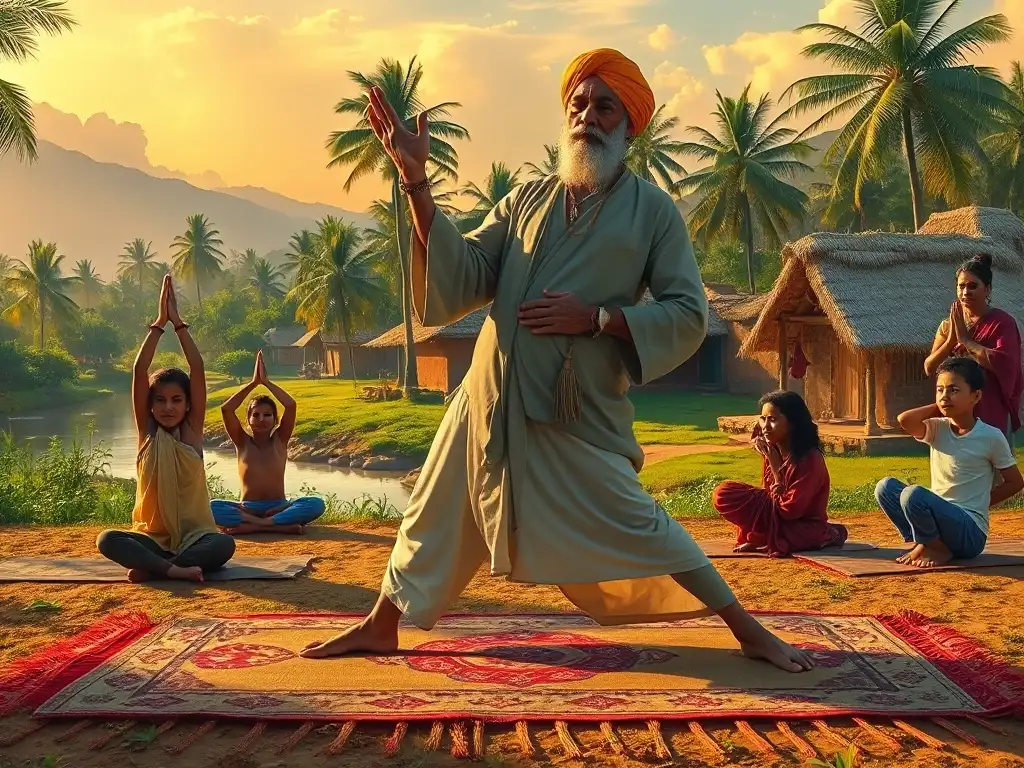
The evolution of yoga practices in ancient Indian civilizations is a fascinating journey that reflects the interplay between philosophy, spirituality, and physical discipline. Yoga in ancient Indian life was not merely a set of exercises but a holistic approach to well-being, deeply intertwined with daily routines, spiritual practices, and societal norms.
From Ancient Traditions to Modern Interpretations
The origins of yoga can be traced back over 5,000 years, with foundational texts such as the Vedas and Upanishads laying the groundwork for its philosophical underpinnings. These texts describe yoga as a means to achieve mental clarity, self-discipline, and spiritual enlightenment.
- Indus Valley Civilization: Archaeological evidence suggests that yoga's roots may lie in the Indus Valley Civilization (circa 2600–1900 BCE). Seals depicting figures in yoga postures indicate that practices resembling yoga were part of their culture, emphasizing a connection between the mind and body.
- Vedic Period: During the Vedic period (circa 1500–500 BCE), the concept of yoga evolved, becoming more spiritual and philosophical. The Vedas introduced the idea of meditation (dhyana) and sacrifice (yajna), linking yoga with rituals and the worship of deities.
- Classical Yoga: The Yoga Sutras of Patanjali (circa 200 BCE–200 CE) marked a significant turning point. Patanjali systematized yoga into eight limbs (Ashtanga), outlining a comprehensive approach that included ethical precepts (yamas and niyamas), physical postures (asanas), breath control (pranayama), and meditation.
- Medieval and Modern Influences: The medieval period saw the emergence of various yoga schools, each interpreting practices through different philosophical lenses. Hatha Yoga, emphasizing physical postures and breath control, gained popularity in the later centuries and laid the foundation for many modern yoga styles practiced today.
- Global Spread: In the 19th and 20th centuries, yoga began to spread beyond India, adapting to Western contexts and integrating with various fitness and wellness trends. This transformation resulted in the emergence of new styles, such as Iyengar and Ashtanga Yoga, which focus on alignment and dynamic movement, respectively.
The transition from ancient traditions to modern interpretations reflects not only a change in practice but also a broader cultural exchange. While contemporary yoga may emphasize physical fitness, its roots in ancient Indian life remain a testament to its holistic approach to well-being.
The Role of Gurus in Preserving Yoga Practices
The transmission of yoga practices through generations has largely depended on the role of gurus, or teachers, who serve as custodians of this ancient knowledge. Gurus have played a crucial part in ensuring that the essence of yoga is preserved while adapting it to contemporary contexts.
- Spiritual Lineages: In ancient India, yoga was often passed down through specific lineages, each led by a revered guru. These lineages maintained the integrity of teachings and practices, ensuring that the philosophical depth of yoga was not lost over time. For instance, the teachings of the Himalayan yogis emphasized meditation and spiritual awakening, while the teachings of the Hatha Yoga tradition focused on physical postures.
- Oral Tradition: The oral transmission of knowledge was a critical aspect of preserving yoga practices. Gurus would impart wisdom and techniques directly to their disciples, emphasizing experiential learning. This method fostered a deep connection between the teacher and student, allowing for personalized guidance and adaptation of practices.
- Adaptation and Innovation: As yoga spread beyond its Indian roots, gurus played a pivotal role in adapting practices to suit diverse audiences. Figures such as Swami Vivekananda and B.K.S. Iyengar introduced yoga to the West, modifying traditional techniques to resonate with new practitioners while retaining core principles.
- Cultural Ambassadors: Gurus also served as cultural ambassadors, promoting understanding and appreciation of yoga's philosophical underpinnings. Through workshops, retreats, and public demonstrations, they educated the global community about the significance of yoga in ancient Indian life, emphasizing its role in personal and collective well-being.
The evolution of yoga practices and the pivotal role of gurus highlight the dynamic nature of yoga in ancient Indian life. As both a spiritual and physical discipline, yoga has adapted over millennia, allowing it to remain relevant and impactful in today's world. By understanding its rich history, practitioners can deepen their connection to the art and philosophy of yoga, fostering a holistic approach to health and wellness.
Conclusion: The Lasting Legacy of Yoga in Ancient Indian Life
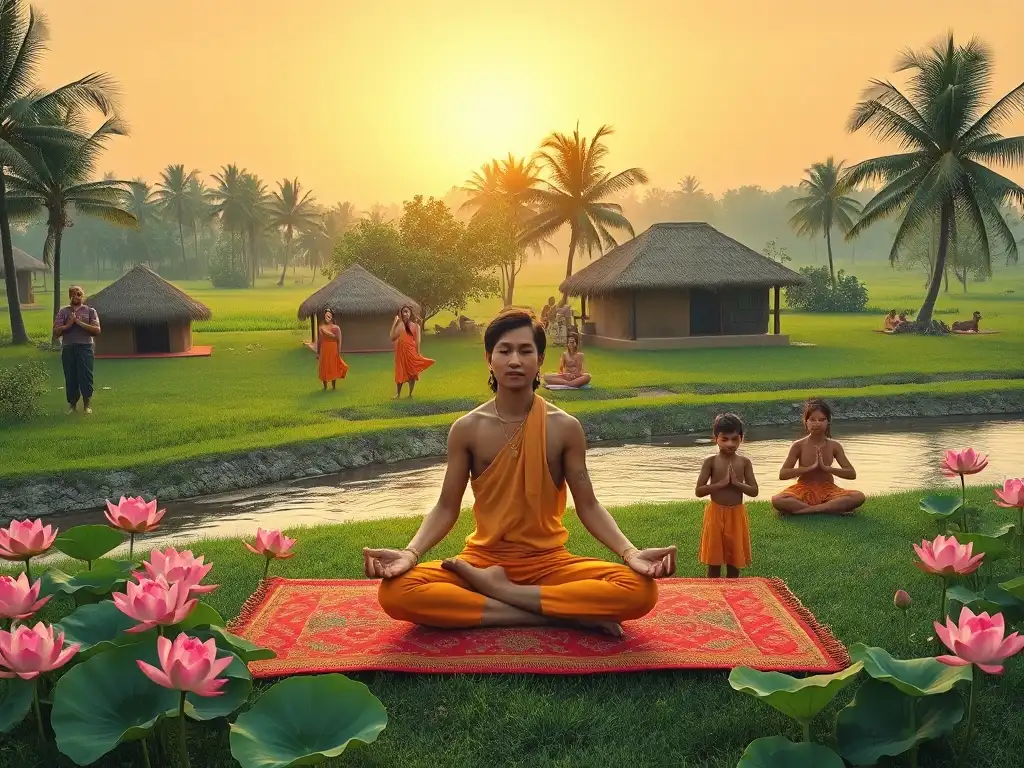
The influence of yoga in ancient Indian life is profound and enduring. Emerging from the spiritual and philosophical traditions of the subcontinent, yoga has integrated itself into various aspects of daily existence, shaping not just individual practices but also societal values and norms. The historical roots of yoga can be traced back thousands of years, with texts like the Vedas and Upanishads laying the groundwork for its principles and practices.
How Ancient Practices Influence Today's Yoga Culture
Modern yoga is a tapestry woven from the rich threads of ancient practices, philosophies, and rituals. The core principles established in ancient India continue to resonate in contemporary yoga classes around the world. Here are some key influences:
- Philosophical Foundations: The Yoga Sutras of Patanjali, composed around the 2nd century BCE, offer a comprehensive guide to the practice, emphasizing the eight limbs of yoga (Ashtanga). These principles guide practitioners to achieve mental clarity, self-discipline, and spiritual insight.
- Physical Postures (Asanas): While the physical practice of yoga, or asana, has evolved significantly, many of the foundational poses have their origins in ancient traditions. For instance, postures that mimic animal movements or natural elements reflect the deep connection between yoga and the environment.
- Meditative Practices: Meditation, or dhyana, was an integral component of ancient yoga. Techniques developed during this time fostered mindfulness and self-awareness, which are now central to modern interpretations of yoga.
- Rituals and Routines: Daily practices, such as pranayama (breath control) and sadhana (spiritual practice), were essential in ancient times. These rituals not only enhanced physical health but also cultivated a sense of community and spirituality, which are still emphasized in today's yoga culture.
The synthesis of these elements has led to a dynamic practice that appeals to a diverse audience, promoting both physical and mental well-being.
Continuing the Tradition: Yoga's Relevance in Modern Times
In today's fast-paced world, the relevance of yoga continues to grow. Here are some ways in which ancient Indian practices maintain their significance:
- Health and Wellness: With increasing awareness of mental health, yoga has emerged as a holistic approach to wellness. Its emphasis on balance, mindfulness, and physical fitness aligns perfectly with contemporary health trends, making it a popular choice for stress relief and overall well-being.
- Cultural Preservation: Yoga serves as a bridge connecting modern practitioners with ancient traditions. The preservation of original teachings through workshops, retreats, and teacher training programs ensures that the philosophical and cultural heritage of yoga remains intact.
- Global Community: The global spread of yoga fosters cross-cultural exchanges, allowing practitioners from various backgrounds to share their experiences and insights. This interconnectedness celebrates diversity while honoring the rich history of yoga.
- Adaptability: Ancient practices have shown remarkable adaptability, evolving to meet the needs of contemporary society. Whether through restorative yoga for relaxation or power yoga for fitness, the essence of yoga remains rooted in its ancient teachings while embracing modern lifestyles.
The lasting legacy of yoga in ancient Indian life is a testament to its enduring impact, highlighting the importance of integrating these practices into daily life for physical, mental, and spiritual enrichment. As we continue to explore and embrace yoga, we honor the rich tapestry of history from which it originates, ensuring that its benefits are accessible to all.
Further Reading and Resources
Recommended Books on Ancient Indian Yoga
When delving into the intricate connection between yoga and ancient Indian life, several key texts provide valuable insights. Here are some recommended readings that explore various aspects of this profound subject:
-
"The Yoga Sutras of Patanjali" by Sri Swami Satchidananda
This classic text outlines the philosophy and practice of yoga as articulated by Patanjali. It serves as a foundational reference for understanding the ethical and spiritual frameworks that governed yoga in ancient India.
-
"The Heart of Yoga: Developing a Personal Practice" by T.K.V. Desikachar
This book emphasizes the practical application of ancient yoga teachings in daily life. It blends historical context with practical instructions, making it accessible for both beginners and seasoned practitioners.
-
"Yoga: The Spirit and Practice of Moving into Stillness" by Erich Schiffmann
While contemporary in approach, this book draws heavily from ancient philosophies, integrating historical teachings into modern practice. It highlights the cultural significance of yoga in ancient India.
-
"The Bhagavad Gita" translated by Eknath Easwaran
This epic text is not solely about yoga but incorporates the principles of yoga into its teachings. The Gita discusses the paths of devotion, knowledge, and disciplined action, providing a comprehensive view of yoga’s role in ancient Indian life.
-
"Ancient Indian Philosophy" by Radhakrishnan
This book offers a broader philosophical context, exploring how yoga fits within the larger tapestry of Indian philosophy, including the metaphysical and ethical dimensions of yoga practices.
Online Courses and Workshops on Yoga Philosophy
For those seeking a deeper understanding of yoga in ancient Indian life, numerous online courses and workshops can enhance your knowledge and practice. Here are some noteworthy options:
- Yoga Alliance offers various courses focusing on the history and philosophy of yoga, which include insights into ancient practices.
- Course Example: "The Roots of Yoga: A Journey Through Ancient Texts"
- Duration: 6 weeks
- Format: Online lectures and interactive discussions
- Coursera partners with universities to provide courses on Indian philosophy and yoga.
- Course Example: "Yoga and Mindfulness"
- Duration: 4 weeks
- Format: Video lectures and peer discussion forums
- Udemy features a range of workshops that delve into the historical context of yoga.
- Workshop Example: "Ancient Practices of Yoga and Meditation"
- Duration: 3 hours
- Format: On-demand video with downloadable resources
- Insight Timer provides guided meditations and discussions led by experienced instructors that often touch upon ancient philosophies and the integration of yoga into daily life.
- Feature: Daily live talks on the significance of yoga practices in historical contexts.
By engaging with these resources, individuals can cultivate a richer understanding of how yoga was woven into the fabric of ancient Indian civilization, enhancing both their personal practice and academic knowledge.
Frequently Asked Questions
What was the significance of Yoga in ancient Indian life?
Yoga played a crucial role in ancient Indian life by promoting mental, physical, and spiritual well-being. It was integrated into daily routines, emphasizing harmony between the body and mind.
How did ancient Indian civilizations incorporate Yoga into their culture?
Ancient Indian civilizations, like those during the Indus Valley and Gupta Empire, incorporated Yoga through rituals, practices, and teachings that emphasized self-discipline, meditation, and physical postures.
Who were the key figures in the development of Yoga in ancient India?
Prominent figures such as Patanjali, who authored the Yoga Sutras, and Gautama Buddha, who integrated meditative practices, significantly shaped the philosophy and techniques of Yoga in ancient India.
What were the different forms of Yoga practiced in ancient times?
Ancient Indian societies practiced various forms of Yoga, including Hatha Yoga for physical well-being, Bhakti Yoga for devotion, and Raja Yoga for meditation and introspection, each serving different facets of life.
How is the legacy of Yoga in ancient Indian life reflected today?
The legacy of Yoga is evident in its global popularity and the continued emphasis on mindfulness, wellness, and holistic health, which trace back to its roots in ancient Indian civilizations.
Final Reflection: The Enduring Legacy of Yoga in Ancient Indian Life
The integration of yoga into daily life in ancient Indian civilizations is not just a historical curiosity; it is a profound testament to the holistic approach to well-being that resonates with our modern lives. Today, as we navigate the complexities of contemporary existence, the principles of yoga offer a pathway to balance, mindfulness, and self-discovery. The ancient wisdom of yoga continues to inspire individuals seeking harmony amidst chaos, reminding us that the practices of the past hold immense relevance in our present.
The influence of yoga on our cultural and social landscape is undeniable, shaping not only personal wellness but also community connections and spiritual growth. The teachings of ancient Indian civilizations encourage us to cultivate a deeper awareness of ourselves and our surroundings. As we embrace these practices, we become part of a larger narrative that transcends time and geography. Yoga is the journey of the self, through the self, to the self.
– The Bhagavad Gita. This quote encapsulates the essence of yoga's transformative power, urging us to explore our inner landscapes while fostering connections with others.
As we reflect on the lessons drawn from the integration of yoga into daily life, I invite you to consider how you can weave these principles into your own routine. Take a moment to pause, breathe, and reconnect with your inner self. Whether through meditation, physical practice, or simply a mindful moment in your day, let the wisdom of ancient Indian civilizations guide you toward a more balanced and fulfilling life. Embrace the journey of self-discovery and allow the teachings of yoga to illuminate your path forward.
Embrace the Wisdom of Yoga Daily!
Thank you for taking the time to explore how ancient Indian civilizations wove yoga into the fabric of daily life. You've uncovered valuable insights that can enhance your own routines and wellbeing. Now, let’s turn that knowledge into action!
- Start your day with just 10 minutes of yoga practice! Use online resources or apps to find a routine that suits your experience and personal goals.
- Dive deeper into the philosophy by reading a book about yoga's history this month—this will expand your understanding and appreciation of the practice.
- Share your journey with friends! Organize a small yoga session or discussion to inspire others and build a supportive community.
What unique practices from ancient yoga do you think could transform your modern routine? We’d love to hear your thoughts!