
The Timeless Allure of Bandhani: Adapting Traditional Techniques for Contemporary Styles

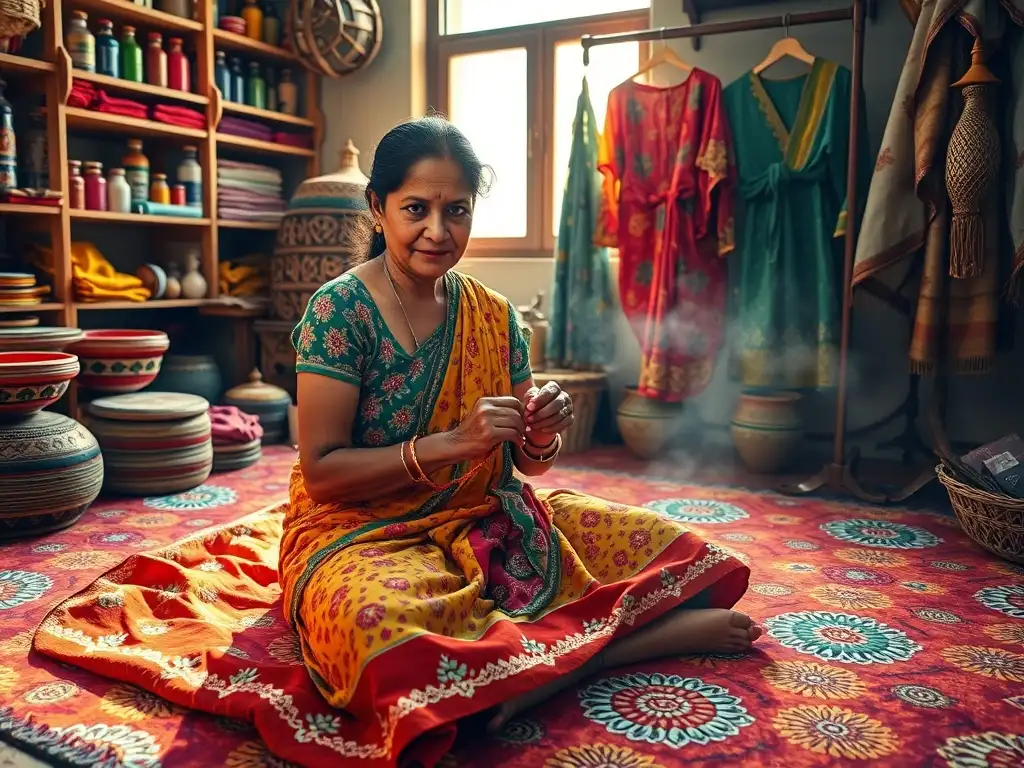
Welcome to Ancient India History, where we delve into the rich tapestry of India’s past. In our latest exploration, we uncover the fascinating history of Bandhani textile techniques—a vibrant tradition that has not only adorned ancient wardrobes but continues to inspire contemporary fashion. What secrets lie behind these intricate patterns that have captivated generations?
Join us on this journey through time as we reveal how the artistry of Bandhani weaves together culture, history, and style, inviting you to discover the timeless allure that still resonates today. Let your curiosity guide you deeper into the vibrant world of ancient Indian textiles!
- Introduction to Bandhani Textile Techniques History
- Traditional Bandhani Techniques: Craftsmanship Through the Ages
- Modern Adaptations of Bandhani: Bridging Tradition and Contemporary Fashion
- Bandhani in Everyday Fashion: How to Incorporate Traditional Textiles
- The Economic Impact of Bandhani: Supporting Artisans and Local Communities
- Conclusion: The Timeless Allure of Bandhani in Modern Fashion
- Call to Action: Explore Bandhani Textiles
-
Frequently Asked Questions
- What is Bandhani and its significance in ancient Indian textiles?
- How do Bandhani textile techniques differ from other dyeing methods?
- What are the historical origins of Bandhani techniques in India?
- How has Bandhani adapted to contemporary fashion trends?
- What role do Bandhani textiles play in Indian festivals and celebrations?
- Final Reflection: Embracing the Timeless Allure of Bandhani
- Embrace the Artistry of Bandhani Today!
Introduction to Bandhani Textile Techniques History
The art of Bandhani, a traditional Indian textile technique, is a captivating reflection of the rich tapestry of ancient Indian civilizations. As we delve into the history of Bandhani textile techniques, we uncover a unique blend of craftsmanship, artistry, and cultural significance that has transcended time and remains relevant in contemporary fashion.
Originating from the vibrant regions of Gujarat and Rajasthan, Bandhani employs intricate tie-dye methods that transform plain fabrics into colorful masterpieces. This article explores the evolution of Bandhani, tracing its roots from ancient practices to its adaptation in modern styles, and highlights its enduring allure in the realm of fashion and textiles.
The Origin of Bandhani: A Glimpse into Ancient Indian Traditions
Bandhani, derived from the Sanskrit word "bandh," meaning to tie, showcases a rich heritage that dates back thousands of years. The origins of this textile technique can be traced to the Indus Valley Civilization, where evidence of early dyeing techniques suggests the use of similar practices for fabric decoration.
- Historical Evidence: Archaeological findings have revealed dyed fragments that exhibit patterns reminiscent of modern Bandhani, indicating its ancient roots.
- Regional Variations: While Gujarat and Rajasthan are the most well-known centers for Bandhani, variations exist across India, reflecting local customs and aesthetics.
The meticulous process of creating Bandhani involves tying small portions of fabric with threads before dyeing, resulting in stunning patterns that carry cultural significance. This technique has been passed down through generations, preserving the artistry and stories of the communities that practice it.
The Cultural Significance of Bandhani in Indian History
Bandhani is not merely a textile technique; it embodies the cultural ethos of the regions where it flourished. Throughout history, this craft has played a pivotal role in various social and religious contexts:
- Festivals and Rituals: Bandhani garments are often worn during significant events and celebrations, symbolizing joy and festivity. For instance, the vibrant colors and patterns are particularly popular during weddings and festivals like Navratri.
- Social Identity: Different styles of Bandhani can signify various communities and regions, allowing individuals to express their heritage and identity through their attire.
The significance of Bandhani extends beyond aesthetics; it serves as a medium for storytelling and cultural expression. As contemporary designers draw inspiration from these age-old techniques, the legacy of Bandhani continues to thrive, bridging the gap between tradition and modernity while captivating new generations with its timeless allure.
Traditional Bandhani Techniques: Craftsmanship Through the Ages
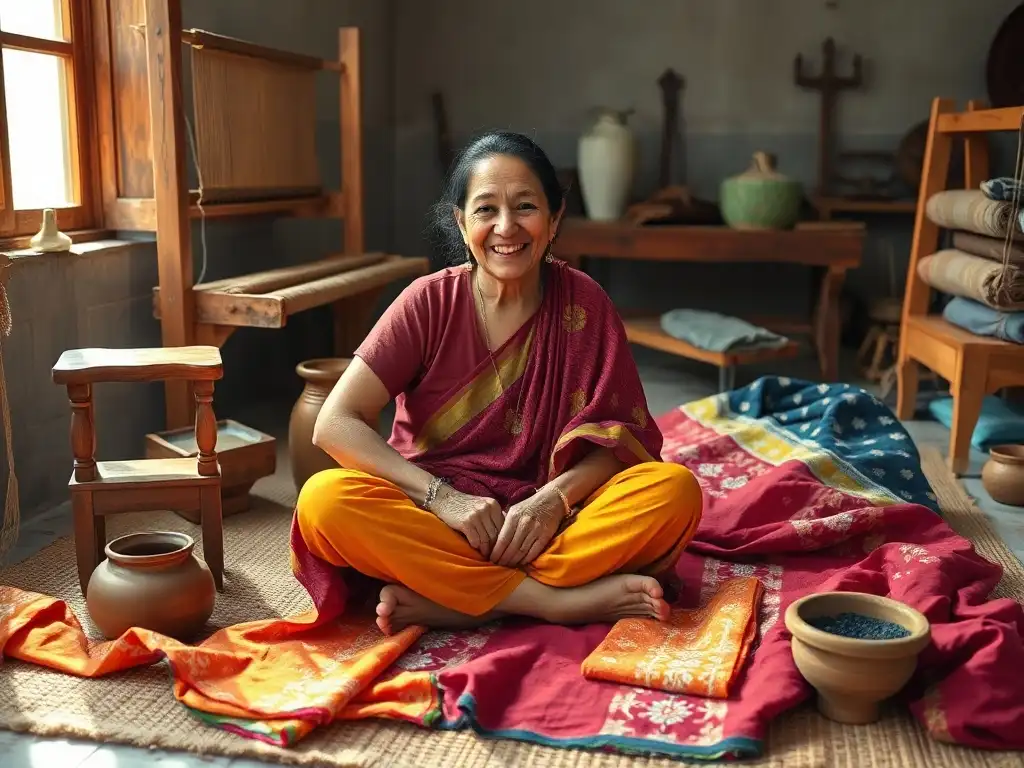
Bandhani, a traditional Indian textile technique characterized by intricate tie-dye patterns, has captivated artisans and fashion enthusiasts alike for centuries. This age-old craft embodies the rich heritage of Indian culture and reflects the remarkable craftsmanship of various communities. Bandhani, derived from the Hindi word bandhna meaning "to tie," involves a meticulous process of tying small portions of fabric before dyeing, creating unique and mesmerizing patterns.
The artistry of Bandhani is not just about the final product; it is also about the stories woven into each piece. The techniques have been passed down through generations, with artisans often dedicating their lives to perfecting these skills. Bandhani textiles are typically made from cotton or silk, which are ideal for absorbing dyes and showcasing vibrant colors.
As contemporary fashion evolves, the traditional methods of Bandhani are being adapted to create modern styles, allowing this ancient technique to thrive in today's market. The fusion of traditional craftsmanship with contemporary design elements has led to a resurgence of interest in Bandhani, making it relevant for new generations of consumers.
Overview of Bandhani Dyeing Methods: Knotting and Dyeing Process
The Bandhani dyeing process is a fascinating blend of artistry and technique, requiring precision and patience. The following steps outline the fundamental aspects of this intricate process:
- Preparation of Fabric: The process begins with selecting the right fabric, usually cotton or silk. The fabric is pre-washed to remove any impurities.
- Tying the Fabric: Skilled artisans tie small sections of the fabric using threads or rubber bands. The knots create areas that resist dye penetration. The pattern and density of the knots dictate the final design.
- Dyeing: Once the fabric is tied, it is immersed in dye baths. Common natural dyes used in Bandhani include indigo, turmeric, and madder. The fabric may undergo multiple dyeing sessions to achieve vibrant colors.
- Untying and Washing: After dyeing, the fabric is carefully un-tied, revealing the stunning patterns. It is then washed to remove excess dye and fix the colors.
- Finishing Touches: Finally, the fabric is dried and ironed, ready to be crafted into garments or other textile products.
The entire process is labor-intensive and can take several days to complete, highlighting the dedication of artisans who keep this tradition alive.
Historical Context: Bandhani in Ancient Indian Civilizations
Bandhani textile techniques have deep roots in ancient Indian civilizations, with historical evidence suggesting its practice as far back as the Indus Valley Civilization (approximately 2500–1500 BCE). The intricate designs found on ancient textiles point to a sophisticated understanding of dyeing methods and craftsmanship.
Historically, Bandhani was not just a decorative art form but also served functional purposes. It was often used to create garments for various social and cultural rituals, reflecting the identity and status of individuals. The technique gained prominence in regions like Gujarat and Rajasthan, where it became a hallmark of local culture.
Archaeological findings indicate that Bandhani was utilized in ceremonial attire, as well as everyday clothing. The association of this technique with different communities, particularly women, underscores its role in social and cultural expression. Over time, Bandhani evolved, influenced by trade and cultural exchanges with neighboring regions, further enriching its history.
Regional Variations in Bandhani Techniques Across India
Bandhani techniques exhibit remarkable regional variations, shaped by local customs, resources, and cultural influences. Some of the notable regions known for their distinct Bandhani practices include:
- Gujarat: Often considered the heart of Bandhani, Gujarat is renowned for its vibrant colors and bold patterns. The Kutch and Saurashtra regions are particularly famous for intricate Bandhani designs, often used in traditional attire like sarees and turbans.
- Rajasthan: Rajasthan showcases a unique style of Bandhani known for its fine detailing and use of contrasting colors. The Jaisalmer and Udaipur areas are known for their exquisite Bandhani work, frequently seen in turbans and dupattas.
- Madhya Pradesh: In this region, Bandhani techniques are often combined with other textile arts, resulting in innovative designs that incorporate traditional motifs.
- Maharashtra: Bandhani in Maharashtra reflects a blend of influences, with designs often featuring floral and geometric patterns that cater to modern aesthetics.
The diversity in Bandhani techniques across regions not only highlights the adaptability of this art form but also emphasizes its importance in preserving cultural heritage. As artisans continue to innovate within these traditional frameworks, Bandhani remains a vibrant testament to India's rich textile history.
Modern Adaptations of Bandhani: Bridging Tradition and Contemporary Fashion
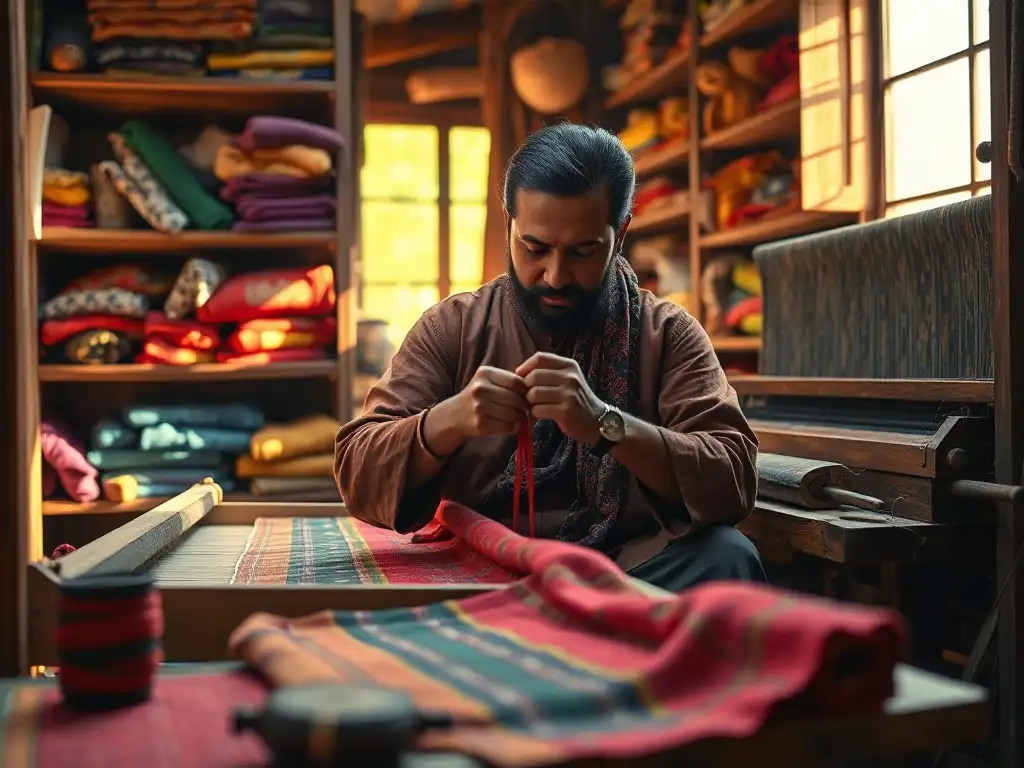
The Bandhani textile techniques have a rich history that intertwines with the cultural fabric of ancient India. Originating from the vibrant regions of Gujarat and Rajasthan, Bandhani is known for its intricate tie-dye patterns and vivid colors. As the world of fashion evolves, contemporary designers are reinterpreting this traditional craft, infusing it with modern sensibilities while preserving its cultural significance. This adaptation not only keeps the ancient techniques alive but also makes them relevant for today’s fashion-conscious consumers.
Contemporary Designers Embracing Bandhani: Innovators in Fashion
In recent years, a wave of designers has taken up the mantle of Bandhani, implementing innovative approaches to this age-old technique. Designers such as Ritu Kumar and Anita Dongre have integrated Bandhani into their collections, showcasing its versatility and timeless appeal. These designers recognize that Bandhani is not merely a traditional craft; it is an art form that can be transformed to fit modern aesthetics.
- Sustainable Practices: Many of these contemporary designers emphasize sustainable fashion by using natural dyes and eco-friendly materials, thus promoting the longevity of Bandhani techniques.
- Global Influence: By participating in international fashion weeks, these designers have introduced Bandhani to a global audience, allowing for a cross-cultural exchange of ideas and styles.
- Revival of Artisan Skills: Designers are also involved in reviving the skills of traditional artisans, ensuring that the knowledge of Bandhani techniques is passed down through generations. This not only supports local economies but also keeps the craft alive.
Fusion Fashion: Blending Bandhani with Modern Styles
Fusion fashion has become a significant trend in the contemporary textile landscape, and Bandhani techniques are at the forefront of this movement. Designers are creatively blending Bandhani with various modern styles to cater to diverse fashion preferences. This fusion results in unique pieces that celebrate both heritage and innovation.
- Western Wear Adaptations:
- Dresses and Tops: Bandhani patterns can be seen on contemporary dresses and tops, merging traditional craftsmanship with modern silhouettes.
- Accessories: Items like bags and scarves featuring Bandhani designs provide a subtle yet stylish nod to heritage.
- Athleisure and Casual Wear:
- Loungewear: Bandhani prints are being incorporated into comfortable loungewear, making traditional art accessible for everyday use.
- Activewear: The vibrant colors and patterns of Bandhani are finding their way into activewear, appealing to a younger, more dynamic audience.
- Bridal Fashion:
- Contemporary Lehengas: Modern bridal collections often feature Bandhani lehengas that combine traditional craftsmanship with contemporary cuts and embellishments, creating a perfect balance between past and present.
Case Study: Anita Dongre and Their Bandhani-Inspired Collection
Anita Dongre’s collections are a testament to the successful integration of Bandhani techniques into contemporary fashion. Her work exemplifies how traditional arts can be celebrated and modernized without losing their essence.
- Sustainable Luxury: Dongre is known for her commitment to sustainable practices. Her Bandhani pieces are crafted using organic materials and natural dyes, making them eco-friendly.
- Cultural Narratives: Each collection tells a story, often inspired by Indian heritage. The use of Bandhani serves not only as a design element but also as a conversation starter about the rich history of Indian textiles.
- Celebrity Endorsements: Dongre’s designs have been worn by various celebrities, further popularizing Bandhani among fashion enthusiasts and highlighting its adaptability to contemporary trends.
The evolution of Bandhani textile techniques within contemporary fashion illustrates a beautiful synergy between tradition and modernity. As designers continue to innovate and embrace this ancient craft, Bandhani remains a timeless allure, bridging the past with the future of fashion.
Bandhani in Everyday Fashion: How to Incorporate Traditional Textiles
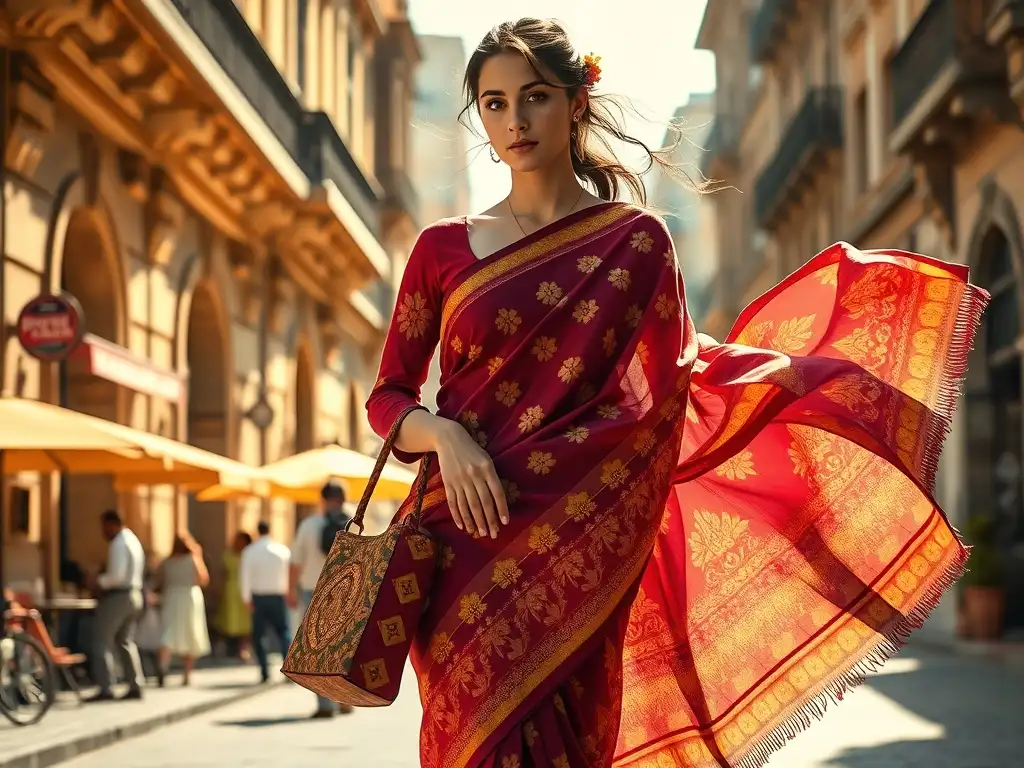
The Bandhani textile, with its intricate tie-dye patterns and vibrant colors, offers a unique way to infuse traditional Indian craftsmanship into contemporary fashion. Incorporating Bandhani into everyday wear not only celebrates the rich heritage of Indian textiles but also provides a chic and artistic flair to modern attire. Here are some innovative ways to seamlessly blend Bandhani into your wardrobe.
Styling Tips: Pairing Bandhani with Modern Attire
- Casual Chic: Pair a Bandhani dupatta with a simple white tee and denim jeans. This look is effortlessly stylish and perfect for casual outings. The dupatta adds a pop of color and intricate design, elevating the overall outfit.
- Layering with Bandhani: Utilize Bandhani kurtas as layering pieces. A Bandhani kurta can be worn over a fitted turtleneck and paired with tapered trousers for a sophisticated, yet comfortable look suitable for both work and social gatherings.
- Mix and Match: Don’t hesitate to mix Bandhani textiles with other fabrics. A Bandhani skirt can be paired with a solid-colored crop top or blouse. This contrast highlights the vibrant patterns of the Bandhani while maintaining a balanced silhouette.
- Footwear Choices: Incorporate Bandhani patterns into your footwear. Bandhani juttis or sandals can be a great way to add a traditional touch without overwhelming your outfit.
- Color Coordination: When styling with Bandhani, consider the color palette of the garment. Opt for complementary colors or neutral shades to allow the Bandhani piece to stand out without clashing.
Accessorizing with Bandhani: From Scarves to Bags
- Bandhani Scarves: A Bandhani scarf can be a versatile accessory. It can be worn around the neck, draped over the shoulders, or used as a headband. The lightweight fabric and vibrant patterns make it an ideal choice for both summer and winter.
- Bandhani Bags: Incorporating Bandhani into handbags or clutches adds a unique touch to your look. Look for bags that feature Bandhani patterns and textures, providing a statement piece that complements your attire.
- Jewelry Pairing: When accessorizing with Bandhani, consider pairing it with traditional jewelry such as jhumkas or bangles. The intricate designs of both the Bandhani textiles and traditional jewelry create a harmonious and culturally rich aesthetic.
- Belted Looks: A Bandhani wrap can also be used as a belt over a flowing dress or long tunic. This not only defines the waist but also adds an artistic element to your outfit.
Sustainable Fashion: The Eco-Friendly Appeal of Bandhani Textiles
Bandhani textiles are not only beautiful but also align with the principles of sustainable fashion. The traditional methods of creating Bandhani involve manual labor and natural dyes, making them an eco-friendly choice.
- Natural Dyes: Many Bandhani artisans use natural dyes derived from plants and minerals, reducing the environmental impact compared to synthetic dyes. This practice promotes sustainability and supports local biodiversity.
- Handcrafted Techniques: Bandhani is a labor-intensive process that supports traditional craftsmanship. By choosing Bandhani textiles, consumers are contributing to the preservation of ancient techniques and providing livelihoods to artisans.
- Durability: The quality of Bandhani textiles is often superior to mass-produced items. Their durability ensures that these pieces can be worn for years, making them a sustainable addition to any wardrobe.
- Timeless Appeal: The design and craftsmanship of Bandhani textiles ensure their relevance in fashion across seasons and trends. They can be dressed up or down, making them a versatile choice for various occasions.
By integrating Bandhani textiles into everyday fashion, one not only embraces a piece of history but also promotes a sustainable future in the fashion industry. Whether through styling, accessorizing, or understanding their eco-friendly appeal, Bandhani textiles offer an alluring blend of tradition and modernity that resonates deeply with contemporary consumers.
The Economic Impact of Bandhani: Supporting Artisans and Local Communities
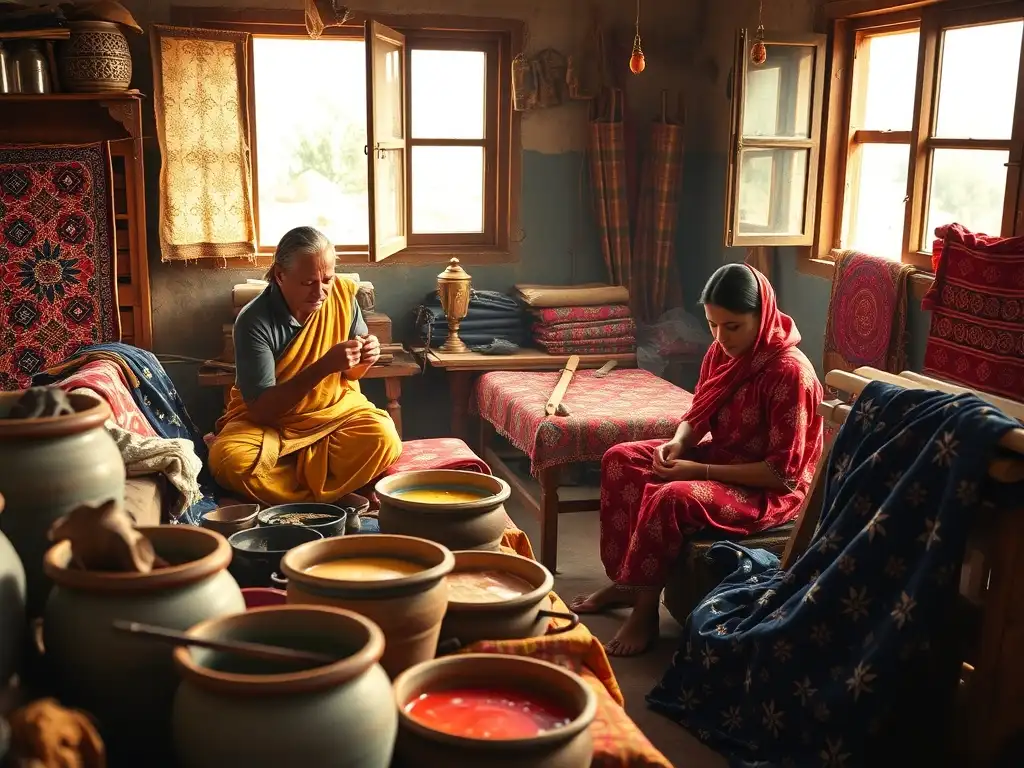
The Bandhani textile techniques history is not just about the intricate patterns and vibrant colors; it also plays a crucial role in the economy of the regions where this craft is practiced. Bandhani, which involves tie-dyeing fabric to create beautiful designs, has been a traditional art form in India for centuries. This craft supports a significant number of artisans and their families, predominantly in states like Gujarat and Rajasthan.
Employment Opportunities and Skill Development
The Bandhani industry provides employment to thousands of artisans, many of whom are women. By engaging in this craft, they gain financial independence and contribute to their household income. Moreover, various NGOs and government initiatives have focused on skill development programs, allowing artisans to refine their techniques and learn about modern design trends. This empowerment has a ripple effect, fostering community development and enhancing the overall socio-economic status of these regions.
Impact on Local Economies
The production of Bandhani textiles contributes significantly to local economies. Artisans source materials locally, which supports surrounding businesses and encourages the growth of related industries, such as dye production and fabric weaving. Additionally, the increasing demand for Bandhani products in both domestic and international markets has led to a rise in local entrepreneurship, as artisans and small businesses seek to expand their offerings.
The Role of E-Commerce in Promoting Bandhani Products
The rise of e-commerce has revolutionized the way Bandhani textiles are marketed and sold.
- Increased Accessibility: Artisans can now reach a global audience without the need for intermediaries, which often cut into their profits. Online platforms allow customers from around the world to purchase authentic Bandhani products directly from the makers.
- Showcasing Craftsmanship: E-commerce platforms enable artisans to showcase their work through high-quality images and detailed descriptions. This visibility helps educate consumers about the history and significance of Bandhani textile techniques, fostering appreciation for this age-old craft.
- Sustainability Initiatives: Many online platforms emphasize sustainable practices, appealing to conscious consumers. By promoting eco-friendly products, they not only help artisans maintain traditional methods but also attract a demographic that values ethical fashion.
Key Brands and Platforms Selling Authentic Bandhani Items
Several brands and online platforms have emerged as champions of Bandhani textiles, providing artisans with wider market access and consumers with authentic products.
- Fabindia: A pioneer in promoting Indian handloom and handicrafts, Fabindia offers a wide range of Bandhani products, from dupattas to clothing. The brand focuses on fair trade practices, ensuring artisans receive fair compensation for their work.
- Amazon India: This platform has become a significant marketplace for Bandhani textiles, making it easier for artisans to reach a broader audience. The inclusion of Bandhani items in their catalog highlights the growing demand for traditional craftsmanship in contemporary fashion.
- Local Artisans and Online Stores: Numerous local artisans have established their own online stores, using social media and e-commerce platforms to market their products. This direct-to-consumer approach allows them to build a loyal customer base while maintaining control over their pricing and branding.
The economic impact of Bandhani textiles extends far beyond the fabric itself. It encompasses the livelihoods of artisans, the vibrancy of local economies, and the ongoing adaptation of traditional techniques in contemporary fashion. The intersection of these elements highlights the timeless allure of Bandhani, ensuring its continued relevance in today's market.
Conclusion: The Timeless Allure of Bandhani in Modern Fashion
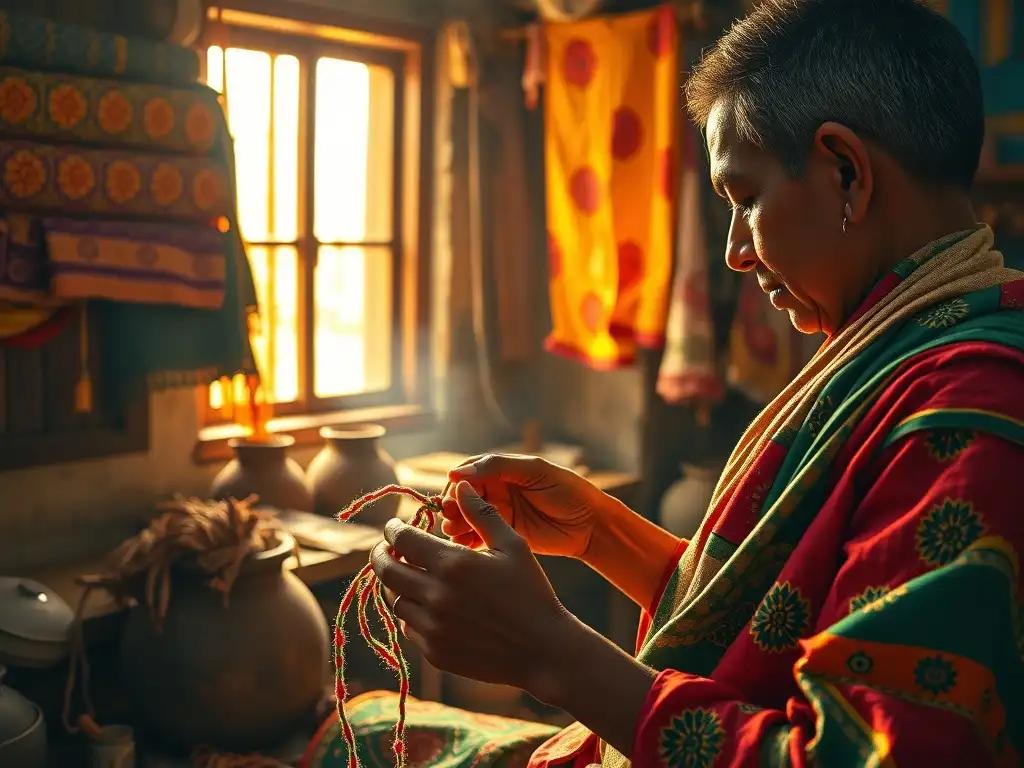
The Bandhani textile techniques, originating from the vibrant landscapes of Rajasthan and Gujarat, have transcended time, maintaining their allure in modern fashion. This ancient art form, known for its intricate tie-dye patterns, is not merely a relic of the past but a living tradition that continues to inspire contemporary designers. As we delve into the significance of Bandhani, it is crucial to understand its historical context and the adaptations that have emerged in today's fashion landscape.
The resurgence of Bandhani in modern clothing is a testament to the enduring appeal of traditional craftsmanship. Designers are increasingly incorporating Bandhani techniques into various garments, from sarees to contemporary dresses, thereby preserving this artistic heritage while appealing to contemporary aesthetics. The blend of traditional craftsmanship with modern sensibilities creates unique pieces that resonate with both history and innovation.
Preserving Heritage: The Importance of Bandhani Textile Techniques
The preservation of Bandhani textile techniques is vital not only for the cultural heritage of India but also for sustaining the livelihoods of artisans. The intricate process of Bandhani involves tying tiny knots in fabric before dyeing, which creates stunning designs that are both intricate and meaningful. Each pattern tells a story, often linked to regional traditions, festivals, or historical narratives.
- Artisan Communities: The Bandhani craft is predominantly practiced by artisan communities, especially among the Khatri community in Gujarat. Supporting these artisans ensures the survival of their traditional skills and provides them with sustainable livelihoods.
- Cultural Significance: Bandhani holds cultural importance in various Indian communities. Traditionally, it is associated with celebrations such as weddings and festivals, where the vibrant colors and intricate designs symbolize joy and prosperity.
- Education and Training: Initiatives aimed at educating young artisans in Bandhani techniques are crucial for the preservation of this art form. Workshops and training programs can help bridge the gap between traditional practices and modern fashion demands.
The integration of Bandhani into contemporary fashion not only enhances its relevance but also encourages a deeper appreciation for traditional crafts among younger generations. As consumers become more conscious of their fashion choices, the demand for sustainable and ethically produced textiles like Bandhani is on the rise.
Future Trends: What Lies Ahead for Bandhani in Contemporary Fashion
The future of Bandhani in contemporary fashion looks promising, with several trends emerging that could shape its evolution. Designers and fashion enthusiasts are exploring new ways to reinterpret this ancient craft, ensuring that it remains relevant in today’s rapidly changing fashion landscape.
- Sustainable Fashion: As the global fashion industry shifts toward sustainability, Bandhani's eco-friendly dyeing methods and use of natural fabrics align perfectly with this trend. Consumers are increasingly seeking out sustainable options, and Bandhani offers a unique blend of tradition and environmental consciousness.
- Fusion Designs: The fusion of Bandhani with other textile techniques and styles is gaining traction. For instance, combining Bandhani with Western silhouettes or using it in accessories like bags and jewelry can create innovative designs that appeal to a broader audience.
- Digital Platforms: The rise of e-commerce and social media platforms is providing artisans and designers with new avenues to showcase and sell Bandhani products. Online marketplaces can help reach global consumers, promoting the craft beyond regional boundaries.
- Collaborations: Partnerships between traditional artisans and contemporary designers can yield exciting results. Such collaborations can result in innovative collections that respect the heritage of Bandhani while appealing to modern tastes.
The Bandhani textile techniques history demonstrates a remarkable journey from ancient tradition to contemporary fashion. As we continue to explore and adapt these techniques, we not only celebrate the rich heritage of Bandhani but also ensure its place in the future of fashion. The timeless allure of Bandhani lies in its ability to evolve while retaining the essence of its cultural significance.
Call to Action: Explore Bandhani Textiles
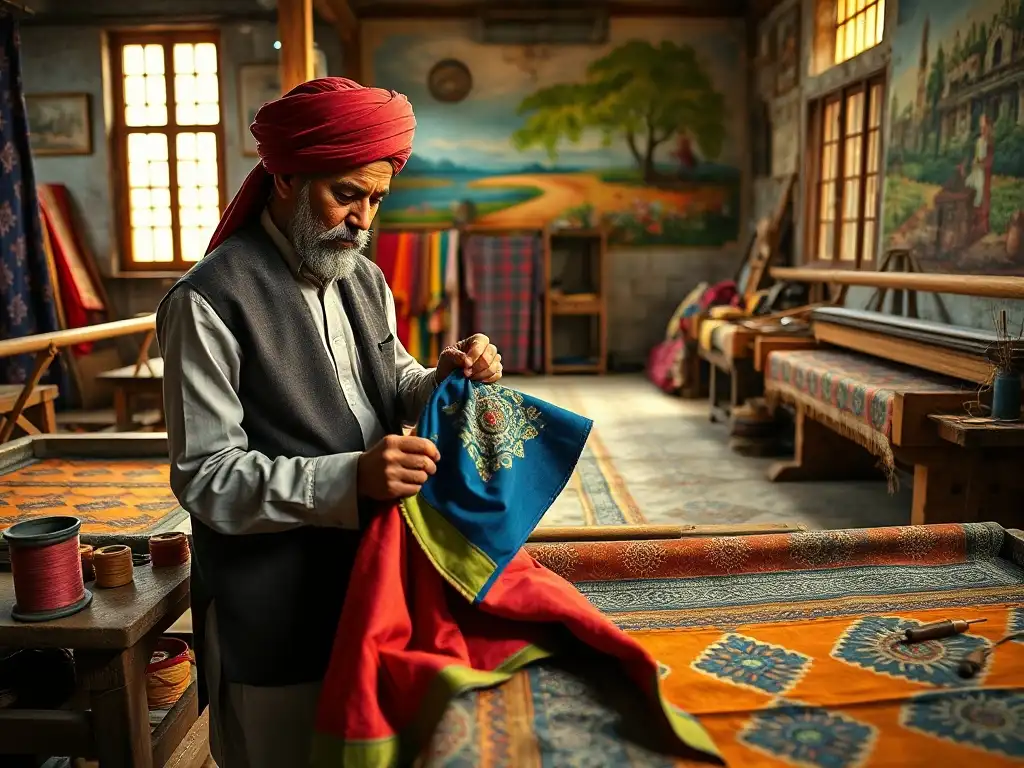
Bandhani, a traditional Indian textile technique, boasts a rich history that dates back centuries. As you delve into the world of Bandhani, you'll uncover not just a craft but a profound cultural heritage that has stood the test of time. The intricate designs, vibrant colors, and unique patterns of Bandhani textiles are a testament to the skill and creativity of artisans.
We invite you to explore this timeless craft, whether you are a fashion enthusiast, a cultural historian, or someone simply looking to appreciate the beauty of ancient techniques. Consider incorporating Bandhani textiles into your wardrobe or home decor, allowing these traditional designs to enrich your modern lifestyle.
Recommended Resources for Learning More About Bandhani Techniques
To deepen your understanding of Bandhani textile techniques, here are some valuable resources:
- Books:
- Bandhani: The Art of Tie and Dye by [Author Name] - A comprehensive guide to the history and techniques of Bandhani.
- Indian Textiles: 5000 Years of Art and Design by [Author Name] - Offers insights into various textile traditions, including Bandhani.
- Online Courses:
- Crafting Bandhani: An online course that teaches the basics of Bandhani techniques, including dyeing methods and design creation.
- Textile Heritage of India: This course covers various textile techniques, with a dedicated module on Bandhani.
- Documentaries:
- Threads of Tradition: A fascinating documentary exploring the lives of Bandhani artisans and the significance of their craft.
- Dyeing Traditions of India: A visual journey through the dyeing techniques used in Indian textiles, featuring Bandhani prominently.
- Workshops:
- Local Artisans: Check for workshops conducted by local artisans in your area, where you can experience Bandhani firsthand.
- Textile Festivals: Attend textile fairs and festivals that celebrate Indian crafts and feature live demonstrations of Bandhani techniques.
By engaging with these resources, you will gain a deeper appreciation for the artistry and cultural significance of Bandhani textiles.
Where to Buy Authentic Bandhani Products Online
If you're interested in purchasing authentic Bandhani products, numerous online platforms offer a wide range of options. Here are some reliable sources:
- E-commerce Platforms:
- Amazon: Search for “Bandhani” to find a variety of products, from clothing to home decor.
- Etsy: A marketplace for handmade and vintage items, where you can find unique Bandhani textiles crafted by artisans.
- Specialty Websites:
- Craftsvilla: A platform dedicated to Indian handicrafts, featuring a selection of authentic Bandhani products made by skilled artisans.
- Jaypore: Offers a curated collection of traditional Indian textiles, including Bandhani sarees, stoles, and more.
- Social Media:
- Many artisans showcase their work on platforms like Instagram and Facebook. Search for hashtags like #Bandhani and #BandhaniTextiles to discover independent sellers.
- Local Artisans:
- Explore local artisan shops or markets that specialize in traditional textiles, ensuring authenticity and supporting local craftspeople.
By choosing authentic Bandhani products, you not only enhance your wardrobe but also contribute to preserving this exquisite craft for future generations.
Frequently Asked Questions
What is Bandhani and its significance in ancient Indian textiles?
Bandhani is a traditional Indian tie-dye technique, known for its intricate designs and bright colors. It holds a significant place in the cultural heritage of India, especially in the Rajasthan and Gujarat regions.
How do Bandhani textile techniques differ from other dyeing methods?
Bandhani techniques involve tying small portions of fabric before dyeing, creating unique patterns. This contrasts with other methods, like block printing, where the dye is applied more uniformly across the fabric.
What are the historical origins of Bandhani techniques in India?
The history of Bandhani can be traced back to ancient times, with evidence found in the Indus Valley Civilization. Its techniques have evolved over centuries, influenced by various cultures and traditions.
How has Bandhani adapted to contemporary fashion trends?
In recent years, Bandhani has been incorporated into modern fashion, blending traditional techniques with contemporary styles. This adaptation has made it popular among younger generations and designers alike.
What role do Bandhani textiles play in Indian festivals and celebrations?
Bandhani textiles are often worn during significant festivals and celebrations in India, symbolizing joy and prosperity. Their vibrant colors and intricate designs make them a favorite for special occasions, enhancing the festive spirit.
Final Reflection: Embracing the Timeless Allure of Bandhani
The enduring charm of Bandhani textile techniques lies in their ability to transcend time and trends, weaving a rich tapestry of history into contemporary fashion. Today, as we witness a resurgence in the appreciation for artisanal crafts, Bandhani stands out not only as a symbol of cultural heritage but also as a beacon of sustainable fashion. The intricate tie-dye patterns and vibrant colors remind us that tradition can harmoniously coexist with modern aesthetics, creating a unique dialogue between the past and the present.
Cultural narratives are often shaped by the textiles we wear, and Bandhani is no exception. The revival of interest in Bandhani techniques has sparked a broader conversation about the significance of preserving traditional crafts in an increasingly industrialized world. As we embrace these age-old methods, we also honor the artisans who have dedicated their lives to mastering this craft. Tradition is not the worship of ashes, but the preservation of fire.
This quote resonates deeply as we consider how Bandhani continues to inspire new generations of designers and consumers alike, reminding us that our choices can reflect our values and heritage.
As you reflect on the allure of Bandhani, I invite you to consider how you can incorporate this rich tradition into your own life. Explore the stories behind the textiles you choose to wear, and support artisans who are keeping these techniques alive. By doing so, you not only celebrate the beauty of Bandhani but also contribute to a sustainable future that honors our shared cultural heritage. Let us embrace the timeless allure of Bandhani and carry its legacy forward, one beautifully crafted piece at a time.
Embrace the Artistry of Bandhani Today!
Thank you for diving into the fascinating world of Bandhani with us! You've uncovered the beautiful connection between traditional techniques and modern style. Now, it's time to bring this timeless art into your life.
Here are a few steps to get started:
- Explore local artisans or online stores that offer Bandhani products to support traditional craftsmanship.
- Try your hand at creating your own Bandhani designs—grab a piece of fabric, some dye, and let your creativity flow!
- Share your discoveries and creations on social media to connect with fellow Bandhani enthusiasts.
What unique twist would you incorporate into traditional Bandhani to make it your own?