
How the Rich Heritage of Indian Weaving Techniques Influences Modern Designers

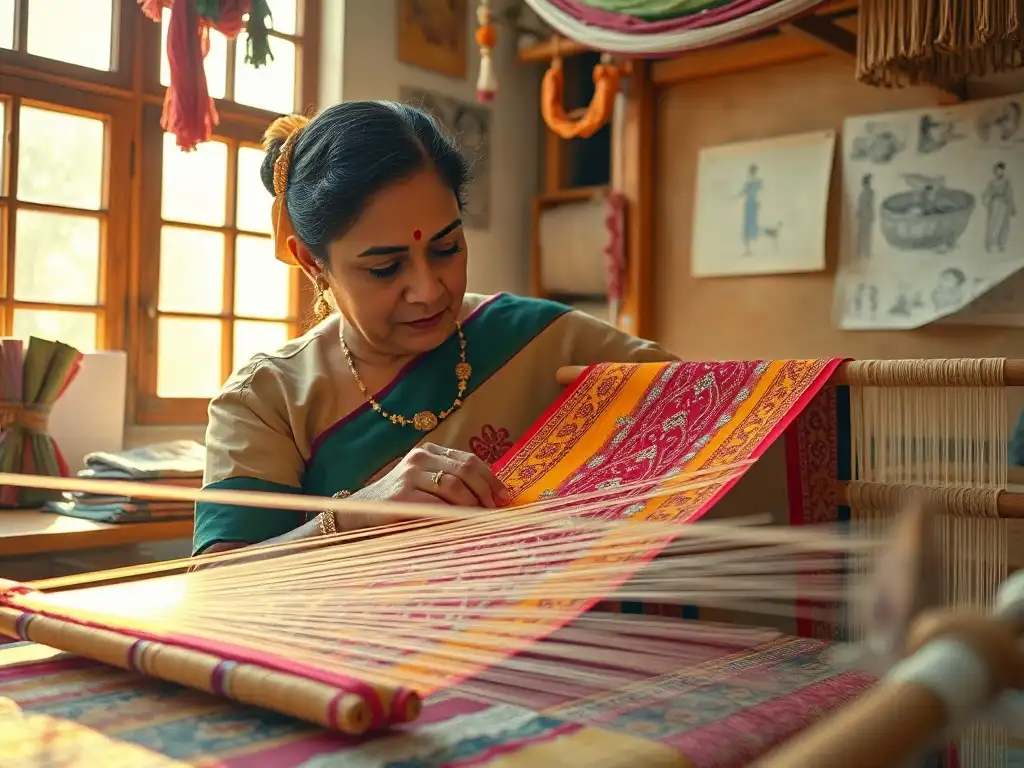
Welcome to Ancient India History, where we embark on a captivating journey through the rich tapestry of India's past! In this exploration, we delve into the intricate world of Indian weaving techniques history, uncovering how these time-honored practices have not only shaped ancient civilizations but also continue to inspire modern designers today.
From the sophisticated artistry of the Indus Valley to the vibrant patterns of the Gupta Empire, the legacy of Indian textiles is a story waiting to be told. Join us as we unravel these threads of history and discover the enduring impact of India's weaving heritage on contemporary fashion!
- Introduction to Indian Weaving Techniques History
- Historical Context of Indian Weaving Techniques
- Modern Adaptations of Ancient Indian Weaving Techniques
- The Influence of Indian Weaving on Global Fashion
- Challenges Faced by Traditional Weaving Techniques Today
- Exploring the Future of Indian Weaving Techniques
- Conclusion: Celebrating the Legacy of Indian Weaving Techniques
- Call to Action: Supporting Indian Weaving Artisans
- Frequently Asked Questions
- Final Reflection: Embracing the Legacy of Indian Weaving Techniques
- Unveil the Timeless Artistry of Indian Weaving!
Introduction to Indian Weaving Techniques History
The history of Indian weaving techniques is a testament to the rich cultural heritage and artistic prowess of ancient Indian civilizations. Spanning thousands of years, these techniques have not only played a critical role in the daily lives of people but have also served as a medium of artistic expression and cultural identity. From the intricate patterns of the Indus Valley civilization to the elaborate designs of the Gupta Empire, weaving has been an integral part of Indian society, reflecting the diverse traditions and influences that have shaped the subcontinent.
As modern designers increasingly draw inspiration from these ancient practices, understanding the historical context of Indian weaving techniques becomes essential. This article explores how the heritage of Indian weaving influences contemporary fashion, highlighting the enduring legacy of techniques that have stood the test of time.
Overview of Indian Weaving as a Cultural Heritage
Indian weaving is not merely a craft; it is a vibrant cultural heritage that embodies the traditions, stories, and identities of various communities across the subcontinent. Each region boasts its own unique weaving styles, materials, and motifs, making Indian textiles a diverse tapestry of colors and textures. Here are some key aspects:
- Regional Diversity:
- From the silk saris of Varanasi to the cotton weaves of Kutch, every region has its distinct style.
- Techniques such as Ikat, Brocade, and Jacquard have evolved, showcasing local skills and resources.
- Symbolism and Storytelling:
- Many weaving patterns hold significant cultural meanings, often depicting mythological tales or local flora and fauna.
- Traditional weaves can serve as a canvas for storytelling, preserving folklore and heritage through intricate designs.
- Community and Tradition:
- Weaving is often a communal activity, passed down through generations, fostering a sense of identity and belonging.
- Festivals and rituals frequently feature handwoven textiles, emphasizing their role in social and spiritual life.
Importance of Weaving in Ancient Indian Civilizations
Weaving has played a crucial role in ancient Indian civilizations, serving multiple functions that extend beyond mere fabric production. Its importance can be understood through the following facets:
- Economic Significance:
- Weaving was a vital industry, contributing to trade both locally and internationally, with textiles being one of India's earliest exports.
- Ancient texts and inscriptions often mention guilds of weavers, highlighting the economic structure surrounding this craft.
- Cultural Practices:
- Textiles were integral to various rituals and ceremonies, symbolizing prosperity, purity, and identity.
- The craftsmanship associated with weaving was often regarded as a form of art, elevating the status of weavers in ancient society.
- Technological Innovations:
- Ancient weavers developed sophisticated tools and looms, showcasing their ingenuity and adaptability.
- Techniques such as dyeing and pattern-making laid the groundwork for the rich textile traditions that continue to thrive today.
The historical significance of Indian weaving techniques is profound, intertwining economic, cultural, and technological threads that have shaped India's rich tapestry. As we delve deeper into this subject, we will uncover how these ancient practices continue to inspire modern designers and influence contemporary fashion trends.
Historical Context of Indian Weaving Techniques
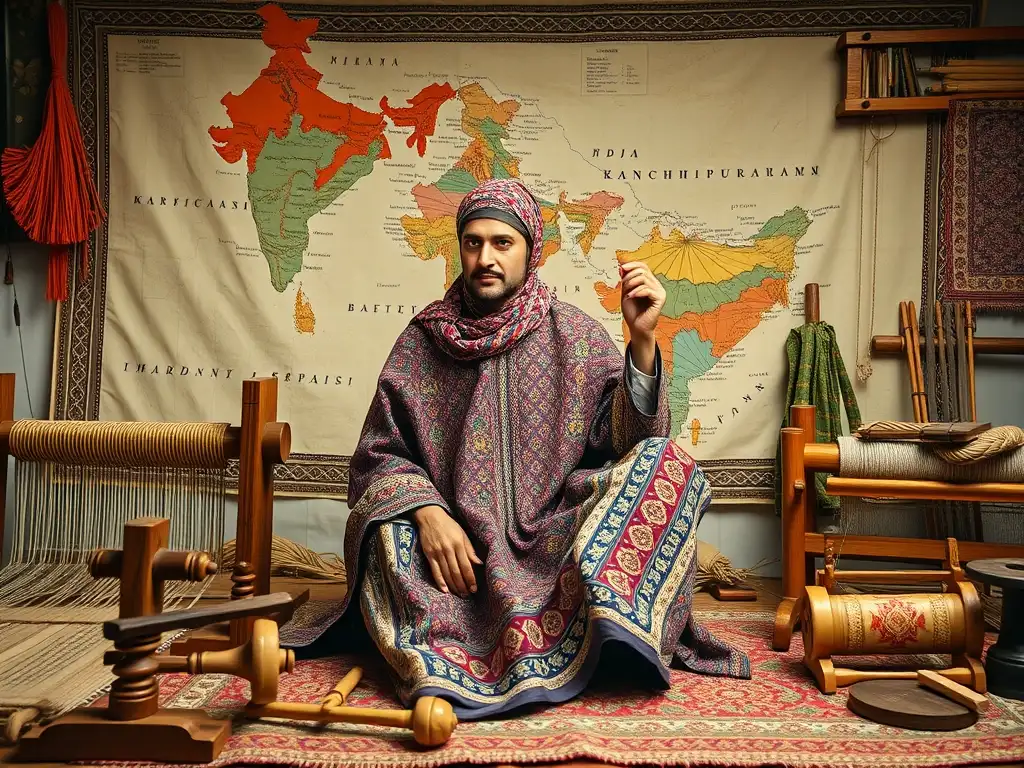
The Evolution of Weaving in Ancient India
Weaving has played a pivotal role in the cultural and economic landscape of ancient India. The history of Indian weaving techniques is not just about producing fabric; it is a reflection of the artistry, traditions, and social structures of its time. From the intricate designs of the Indus Valley Civilization to the elaborate patterns of the Gupta Empire, weaving evolved over millennia, adapting to the demands of society while preserving its rich heritage.
Indus Valley Civilization: The Origins of Weaving
The journey of weaving in India can be traced back to the Indus Valley Civilization (circa 3300–1300 BCE). Archaeological finds in sites such as Mohenjo-Daro and Harappa reveal evidence of advanced textile production. The inhabitants used cotton, which is believed to be one of the earliest regions to cultivate this fiber.
- Materials Used: Cotton and wool were the primary materials.
- Techniques: Simple loom structures were employed, with evidence suggesting the use of both plain and patterned weaving.
The discovery of spindle whorls and woven cloth remnants indicates a well-developed industry, showcasing the craftsmanship that would later influence generations of weavers. The intricate motifs found on textiles suggest a high degree of artistic expression, serving both functional and aesthetic purposes.
The Influence of the Mauryan and Gupta Empires
As India transitioned into the Mauryan (circa 322–185 BCE) and Gupta (circa 240–550 CE) Empires, weaving techniques became increasingly sophisticated.
- Patronage: These empires promoted arts and crafts, leading to a flourishing textile industry.
- Innovations: New techniques, such as dyeing and finely detailed embroidery, emerged, allowing for more elaborate designs.
The Gupta period, in particular, is noted for its artistic excellence, where textiles began to depict religious and cultural narratives. Historical texts, such as the Arthashastra, highlight the significance of textiles in trade and economy, indicating that weaving was not only a craft but also a vital aspect of commerce.
Traditional Weaving Techniques and Their Significance
The traditional weaving techniques that emerged from ancient India have left an indelible mark on the textile industry. These methods are not just techniques; they embody the cultural identity of various regions and communities.
Techniques such as Ikat, Brocade, and Khadi
- Ikat: This resist-dyeing technique creates intricate patterns by dyeing the threads before weaving. Originating from regions like Gujarat and Odisha, Ikat textiles are known for their vibrant colors and geometric designs.
- Brocade: Famous for its rich patterns, brocade weaving involves the use of gold or silver threads to create elaborate designs. This technique gained prominence during the Mughal era, influencing the aesthetics of royal garments.
- Khadi: A symbol of India's independence movement, Khadi weaving emphasizes handspun and handwoven fabrics. It represents the ideals of self-sufficiency and sustainability, with techniques passed down through generations.
Regional Variations in Weaving Styles Across India
The diversity of India's geography and culture has resulted in a plethora of regional weaving styles:
- Kanchipuram: Known for its silk sarees with vibrant borders and intricate designs.
- Banaras: Famous for its luxurious brocade textiles adorned with gold and silver thread.
- Pochampally: Renowned for its Ikat patterns, reflecting the rich heritage of Telangana.
Each regional style carries with it a unique history and significance, often tied to local traditions, festivals, and rituals. This regional diversity not only enriches the fabric of Indian culture but also serves as a wellspring of inspiration for modern designers seeking to incorporate traditional techniques into contemporary fashion.
The history of Indian weaving techniques is a testament to the skill and creativity of ancient artisans. As modern designers draw from this rich heritage, they not only honor the past but also contribute to the ongoing evolution of textile art in India.
Modern Adaptations of Ancient Indian Weaving Techniques
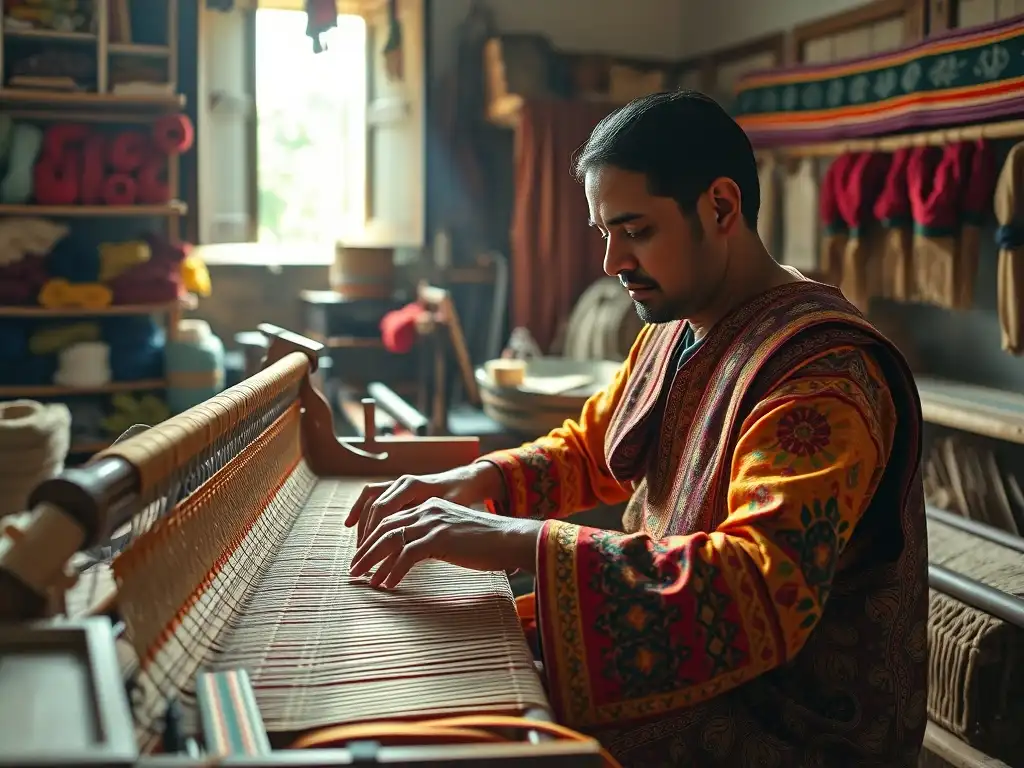
How Modern Designers Incorporate Traditional Weaving
Modern designers are increasingly drawing inspiration from the rich history of Indian weaving techniques as they seek to create unique, culturally resonant pieces. By integrating traditional methods into contemporary fashion, these designers not only pay homage to the craftsmanship of the past but also breathe new life into age-old practices.
- Utilization of Traditional Patterns: Many designers incorporate intricate patterns and motifs that are characteristic of specific regions, such as the paisley from Kashmir or the geometric designs of Kutch. These patterns are often reinterpreted in modern silhouettes.
- Fusion of Textiles: Designers frequently blend traditional textiles like khadi, banarasi, or tussar silk with modern fabrics to create pieces that are both functional and aesthetically pleasing. This fusion allows for versatile clothing that appeals to contemporary consumers while respecting traditional craftsmanship.
- Artisan Collaborations: Collaborating with local artisans is a hallmark of modern design. By working directly with weavers, designers can ensure that traditional techniques are preserved and appreciated, while also providing economic support to the artisans.
Case Study: Anita Dongre and Their Use of Indian Weaving Techniques
Anita Dongre, a prominent name in the Indian fashion industry, exemplifies how traditional weaving techniques can be adapted for modern tastes. Her brand is renowned for incorporating handmade textiles, especially those derived from Indian heritage, into her collections.
- Handcrafted Fabrics: Dongre’s commitment to sustainability is evident in her use of handwoven fabrics. For instance, her Anita Dongre Grassroot collection champions local artisans, showcasing textiles such as kantha, which is known for its exquisite embroidery and intricate patterns.
- Cultural Storytelling: Each collection tells a story, often highlighting the weaving traditions of various Indian states. By doing so, Dongre not only brings attention to the beauty of these techniques but also educates consumers about their significance in Indian culture.
- Global Reach: Dongre’s designs have garnered international acclaim, illustrating the global appeal of Indian weaving techniques. Her ability to fuse tradition with contemporary design has enabled her to capture a diverse audience, from local fashion enthusiasts to global celebrities.
Contemporary Fashion Trends Inspired by Indian Weaving
As the fashion landscape evolves, several contemporary trends have emerged that are heavily influenced by Indian weaving techniques history.
The Rise of Sustainable Fashion and Handloom Textiles
The growing emphasis on sustainability within the fashion industry has led to a resurgence in the popularity of handloom textiles. Consumers are increasingly seeking out brands that prioritize ethical production and sustainable practices, which aligns perfectly with the ethos of traditional Indian weaving.
- Eco-Friendly Materials: Handloom textiles are often made from organic materials, which not only have a lower environmental impact but also offer unique textures and finishes that mass-produced fabrics cannot replicate.
- Support for Local Economies: By choosing handloom products, consumers contribute to the livelihoods of artisans and weavers, fostering a more sustainable and equitable fashion industry.
Blending Tradition with Modern Design Aesthetics
The integration of traditional weaving techniques into modern fashion is characterized by a unique blend of aesthetics that appeals to a wide range of consumers.
- Innovative Cuts and Silhouettes: Designers are experimenting with contemporary silhouettes that contrast with traditional fabrics, creating a fresh take on age-old techniques. For example, pairing a classic banarasi fabric with a modern asymmetrical dress can create a striking visual impact.
- Color Palettes and Prints: Modern interpretations often involve bold color choices and innovative prints that breathe new life into traditional designs. This approach not only attracts younger audiences but also keeps the weaving traditions relevant in today's fashion scene.
- Cultural Fusion: The blending of Indian weaving techniques with global fashion trends allows for a unique cultural exchange that enriches the fashion landscape. Designers are increasingly experimenting with cross-cultural elements, resulting in garments that are both diverse and inclusive.
Through these modern adaptations, the rich heritage of Indian weaving techniques continues to thrive, influencing contemporary designers and shaping the future of fashion.
The Influence of Indian Weaving on Global Fashion
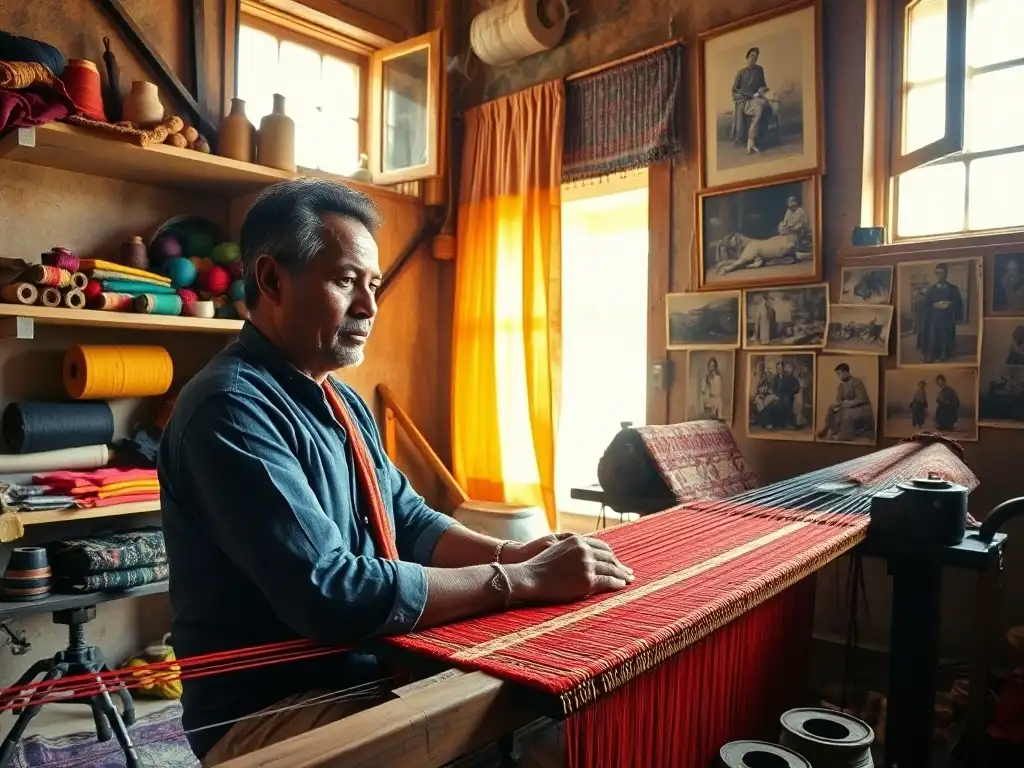
Global Recognition of Indian Textiles in Fashion
The rich history of Indian weaving techniques has garnered global recognition, significantly influencing contemporary fashion. Textiles such as sarees, kanjivaram, and banarasi are not merely garments; they embody centuries of craftsmanship and cultural narratives. As these garments entered the global fashion arena, they brought with them intricate patterns, vibrant colors, and unique weaving methods that captivated international designers and consumers alike.
In recent years, there has been a growing appreciation for sustainable fashion, and Indian textiles have emerged as a frontrunner in this movement. The use of natural dyes, hand-spun yarns, and eco-friendly practices resonate with modern ethical consumerism. According to a report by the Textile Association of India, exports of Indian textiles have surged by over 15% in the last five years, highlighting their appeal in foreign markets.
Moreover, Indian weaving techniques have inspired collections from renowned fashion houses like Chanel and Dior, who have incorporated elements of Indian textiles into their designs. This blend of traditional and contemporary styles not only honors the heritage but also allows for innovation within fashion.
Collaborations Between Indian Artisans and International Designers
Collaborations between Indian artisans and international designers have become a hallmark of contemporary fashion, showcasing the adaptability and timelessness of Indian weaving techniques. These partnerships often involve a fusion of styles, where traditional methods are employed to create modern silhouettes.
For instance, acclaimed designer Manish Arora has worked alongside artisans from various regions to create pieces that honor the traditional crafts of India while appealing to a global audience. In addition to enhancing aesthetic value, these collaborations also empower local artisans, ensuring the survival of traditional crafts.
The Fashion for Good initiative exemplifies such partnerships, where designers are encouraged to source materials and techniques from Indian artisans, promoting sustainability and ethical practices. This not only brings the rich heritage of Indian weaving to the forefront but also creates a narrative of respect and empowerment in the fashion industry.
The Role of Fashion Weeks in Showcasing Indian Weaving
Fashion weeks across the globe have increasingly recognized the significance of Indian weaving techniques, providing a platform for designers to showcase their work and the rich heritage behind it. Major events like Lakmé Fashion Week in Mumbai and India Fashion Week are pivotal in highlighting the craftsmanship of Indian textiles.
These events not only celebrate traditional weaving techniques but also promote innovation within the realm of fashion. Designers often use these platforms to debut collections that incorporate ancient crafts, thus bridging the gap between historical practices and modern fashion trends.
Notable Events and Shows Featuring Indian Weaving Techniques
Several notable events and shows have prominently featured Indian weaving techniques, drawing attention to their artistry and cultural importance. One such event is the Textiles India exhibition, which showcases the diversity of Indian textiles, including handloom weaving, embroidery, and dyeing techniques. This exhibition serves as a significant platform for artisans to present their work to a global audience, fostering connections with international buyers and designers.
Another example is the Sustainable Fashion Day at various fashion weeks, where designers highlight eco-friendly practices, including the use of traditional Indian weaving techniques. For instance, the NIFT (National Institute of Fashion Technology) often collaborates with fashion weeks to showcase student collections that incorporate traditional Indian crafts, reflecting the ongoing relevance of these techniques in modern fashion.
These events not only enhance the visibility of Indian weaving techniques but also create opportunities for cultural exchange and understanding, reinforcing the importance of preserving these ancient crafts for future generations.
Challenges Faced by Traditional Weaving Techniques Today
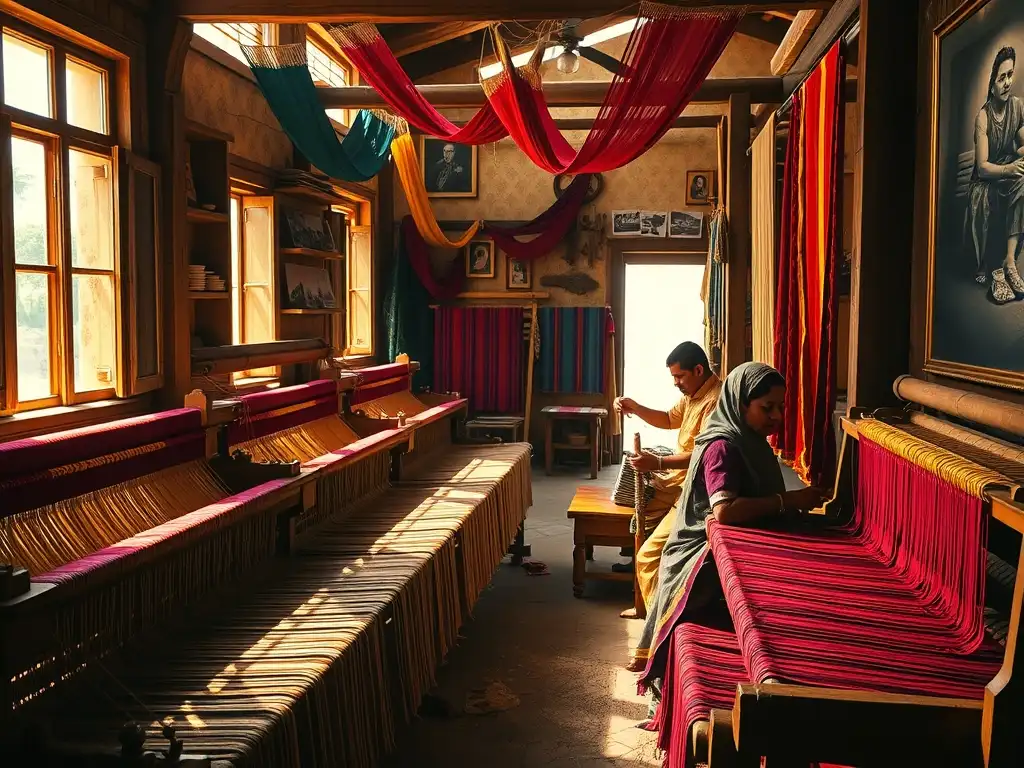
The traditional Indian weaving techniques, steeped in centuries of heritage, face numerous challenges in the contemporary landscape. These challenges stem from various factors, including industrialization, globalization, and changing consumer preferences. As modernity encroaches upon these ancient practices, the authenticity and sustainability of traditional weaving are at risk.
The Impact of Industrialization on Handloom Weaving
The advent of industrialization has significantly altered the fabric of Indian weaving practices. Here are some critical aspects to consider:
- Rise of Mechanization:
- Traditional handlooms are being overshadowed by mechanized production methods that prioritize speed and cost-effectiveness. This shift not only diminishes the demand for handwoven textiles but also threatens the livelihoods of skilled weavers.
- Mass Production:
- The proliferation of fast fashion has led to a preference for mass-produced garments, which are often cheaper and more accessible than handwoven alternatives. Consequently, consumers are less inclined to invest in artisanal products, leading to a decline in the market for traditional weaves.
- Quality vs. Quantity:
- As manufacturers prioritize quantity over quality, the exquisite craftsmanship of traditional weaves is often compromised. This not only impacts the aesthetic value of the textiles but also erodes the skills and traditions passed down through generations.
- Global Competition:
- Indian weavers now face competition from textile producers around the world who can offer similar products at lower prices. This global market pressure further threatens the viability of traditional weaving practices.
Efforts to Preserve Indian Weaving Heritage
Despite the challenges posed by industrialization, numerous initiatives aim to preserve the rich heritage of Indian weaving techniques. These efforts emphasize the importance of maintaining traditional practices while adapting to modern demands.
Government Initiatives and Non-Profit Organizations Supporting Weavers
Several government programs and non-profit organizations are working diligently to support and revitalize traditional weaving practices. Key initiatives include:
- Skill Development Programs:
- The government has launched various skill development programs aimed at training new generations of weavers. These initiatives focus on not just preserving traditional techniques but also incorporating modern design sensibilities to appeal to contemporary markets.
- Financial Assistance:
- Subsidies and loans are offered to weavers and cooperatives to help them invest in tools and technology that can enhance their productivity without compromising on traditional techniques.
- Promotion of Handloom Products:
- Campaigns such as "Handloom Day" and "Weave the Future" promote handloom textiles, encouraging consumers to appreciate and purchase handmade products. These campaigns highlight the stories behind the weaves, enhancing their value and cultural significance.
- Collaborations with Designers:
- Non-profit organizations often partner with modern designers to create collections that marry traditional techniques with contemporary styles. Such collaborations not only open new market avenues but also cultivate a renewed interest in traditional crafts among younger consumers.
- Cultural Preservation Initiatives:
- Various cultural organizations are dedicated to documenting and preserving the history and techniques of Indian weaving. By archiving knowledge and practices, they ensure that these skills remain vibrant for future generations.
While traditional Indian weaving techniques face significant hurdles due to industrialization and changing market dynamics, ongoing efforts by the government and non-profit organizations are pivotal in preserving this rich heritage for future generations. The fusion of ancient techniques with modern design continues to inspire both artisans and consumers, reinforcing the relevance of these textiles in today's fashion landscape.
Exploring the Future of Indian Weaving Techniques
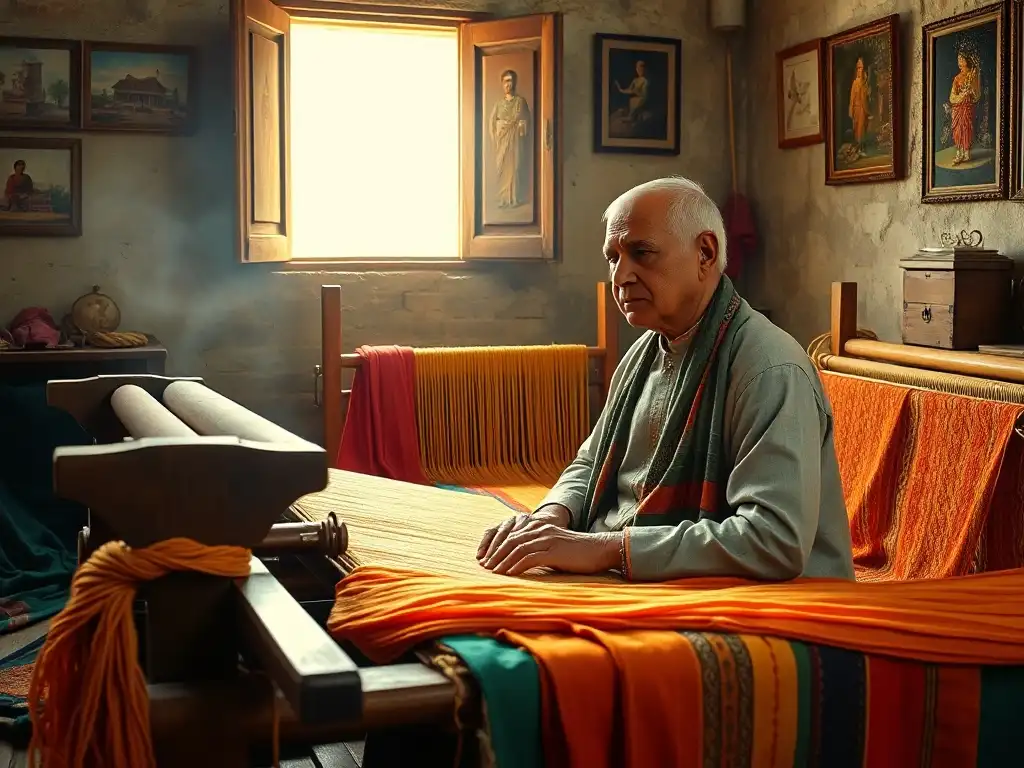
Innovations in Weaving: Technology Meets Tradition
The fusion of technology and traditional craftsmanship has sparked a renaissance in Indian weaving techniques, reshaping the landscape of modern fashion. Innovations in weaving machinery and methods are enhancing productivity while preserving the artisanal qualities intrinsic to Indian textiles.
- Smart Looms:
- Modern looms equipped with software that allows for intricate designs to be programmed and executed efficiently.
- These looms can reproduce traditional patterns such as kanjeevaram or banarasi silk with precision, ensuring that the essence of the craft remains intact.
- Digital Printing:
- The advent of digital printing technology has revolutionized fabric design.
- Designers can now create vibrant, complex patterns directly on the fabric, significantly reducing the time taken to produce intricate designs traditionally.
- Eco-Friendly Materials:
- Sustainability has become a key focus, with designers experimenting with organic dyes and recycled materials.
- Innovations in dyeing techniques, such as the use of natural extracts, are not only eco-friendly but also revive ancient practices that were sustainable.
- Collaborative Platforms:
- Platforms connecting artisans with designers allow for a collaborative approach, integrating traditional skills with contemporary design sensibilities.
- This synergy promotes the preservation of heritage while also ensuring artisans benefit economically.
Through these innovations, the future of Indian weaving techniques looks to blend the best practices of the past with the conveniences of modern technology, creating a unique synergy that celebrates both heritage and progress.
Predictions for the Future of Indian Weaving in Fashion
As we look ahead, several trends suggest a dynamic evolution in the role of Indian weaving techniques within the fashion industry. These predictions highlight not only the potential growth of traditional practices but their adaptation to meet modern demands.
- Increased Global Demand:
- As consumers become more conscious of sustainability and ethical fashion, the demand for handcrafted textiles is expected to rise.
- Indian weavers, known for their intricate craftsmanship and use of natural materials, are poised to capture a larger share of the global market.
- Cultural Fusion:
- Expect to see a continued blending of Indian weaving techniques with global fashion trends. Designers from various cultures are increasingly inspired by Indian textiles, incorporating them into their collections.
- This cross-cultural exchange will likely lead to innovative designs that respect traditional methods while appealing to modern aesthetics.
- Educational Initiatives:
- Institutions may increasingly focus on preserving and teaching traditional weaving techniques, ensuring that the knowledge is passed down through generations.
- Workshops and courses dedicated to ancient Indian weaving methods will equip new designers with the skills needed to innovate while respecting tradition.
- Technological Integration:
- The integration of augmented reality (AR) in fashion retail may allow consumers to visualize how traditional weaves will look in contemporary garments.
- This technology could enhance customer experiences, leading to greater appreciation for the craftsmanship behind Indian textiles.
The future of Indian weaving techniques in fashion appears bright, driven by a blend of tradition, innovation, and a growing global appreciation for ethical and sustainable practices. As designers continue to draw inspiration from the rich heritage of Indian textiles, the influence of these ancient techniques will undoubtedly endure and evolve in the modern fashion landscape.
Conclusion: Celebrating the Legacy of Indian Weaving Techniques
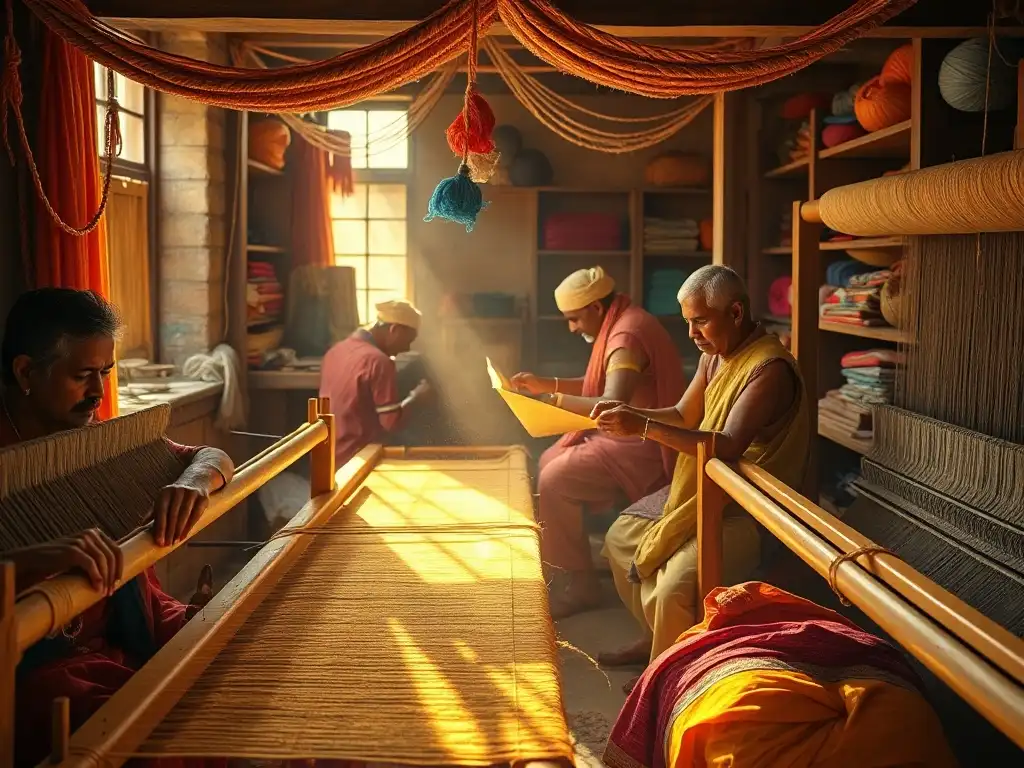
The rich heritage of Indian weaving techniques is a testament to the creativity and craftsmanship that has flourished in the subcontinent for millennia. From the intricate patterns of Banarasi silk to the vibrant hues of Kanchipuram sarees, these traditional methods not only showcase artistic expression but also reflect the cultural narratives of various regions. As we conclude our exploration, it becomes clear that these ancient techniques are more than mere historical footnotes; they are living traditions that continue to inspire contemporary designers.
The revival and adaptation of these weaving practices by modern designers signify a respect for cultural roots while pushing the boundaries of innovation. By melding traditional artistry with contemporary aesthetics, designers today are ensuring that the legacy of Indian weaving remains vibrant and relevant in the fashion industry. This fusion not only enriches global fashion but also empowers local artisans, allowing them to thrive in an increasingly competitive market.
The Importance of Preserving Indian Weaving Techniques for Future Generations
Preserving Indian weaving techniques is crucial for several reasons:
- Cultural Identity: Weaving is deeply intertwined with the cultural identity of various communities in India. Each region boasts unique styles and patterns that tell stories of its history, mythology, and social customs. By maintaining these techniques, we ensure that future generations understand and appreciate their heritage.
- Economic Viability: The textile industry is a significant source of employment for millions of artisans across India. By supporting the preservation of traditional weaving techniques, we contribute to the economic stability of these communities. Modern designers can play a pivotal role by collaborating with artisans, creating sustainable business models that respect traditional practices.
- Environmental Sustainability: Many ancient weaving techniques utilize natural fibers and dyes, promoting eco-friendly production methods. In a world increasingly focused on sustainability, these practices offer valuable lessons in minimizing environmental impact while producing beautiful textiles.
- Innovation and Creativity: Preserving these traditional techniques does not mean resisting change. Instead, it encourages innovation. When modern designers incorporate ancient methods into their work, they create a dialogue between the past and present, resulting in unique pieces that celebrate both tradition and modernity.
Final Thoughts on the Influence of Ancient Techniques on Modern Design
The influence of ancient Indian weaving techniques on modern design is profound and multifaceted. Designers draw inspiration from the intricate motifs, vibrant colors, and unique textures that characterize traditional textiles. This influence manifests in various ways:
- Textile Blends: Many contemporary collections feature blends of traditional and modern fabrics, showcasing the versatility of Indian textiles in various contexts, from haute couture to everyday wear.
- Sustainable Fashion: As the fashion industry shifts towards sustainability, ancient techniques that prioritize craftsmanship and natural materials are increasingly relevant. Designers are turning to these methods to create eco-conscious collections that resonate with consumers.
- Cultural Narratives: Modern designers are also using their platforms to tell stories of the artisans behind these techniques. By highlighting the narratives of weavers and their communities, they foster a deeper connection between consumers and the cultural heritage of the textiles they wear.
The legacy of Indian weaving techniques is not only a celebration of the past but also a foundation for future innovation in fashion. As we honor these traditions, we encourage a dynamic interplay between heritage and contemporary design, ensuring that the artistry of Indian weaving continues to thrive in a global context.
Call to Action: Supporting Indian Weaving Artisans
The rich tapestry of Indian weaving techniques is not only a testament to the skill and creativity of artisans but also a vital source of cultural heritage. Supporting these artisans ensures the preservation of ancient techniques that have shaped the identity of Indian textiles for centuries. By choosing to purchase authentic handwoven products, you contribute to the livelihood of skilled weavers and promote sustainable practices in the fashion industry.
How to Purchase Authentic Handwoven Products
When seeking to buy authentic handwoven products, it is essential to consider platforms and brands that prioritize ethical sourcing and fair trade practices. Here are some valuable steps to guide your purchasing journey:
- Research Artisans and Their Techniques: Understanding the specific weaving techniques used in different regions of India can help you appreciate the artistry behind each product. Look for information on:
- Kanchipuram silk from Tamil Nadu
- Banarasi weaves from Varanasi
- Kullu shawls from Himachal Pradesh
- Visit Local Markets: If possible, visit local artisan markets or exhibitions to experience the quality and craftsmanship firsthand. This supports the weavers directly and allows you to engage with their stories.
- Verify Authenticity: Look for labels or certifications indicating that products are genuinely handwoven. This helps in distinguishing authentic items from mass-produced replicas.
Recommended Online Platforms and Brands
Many online platforms and brands focus on promoting traditional Indian weaving techniques while ensuring fair compensation for artisans. Here are some notable examples:
| Platform/Brand | Description |
|---|---|
| Chidiya | Offers a curated collection of handwoven textiles, emphasizing regional craftsmanship. Each purchase directly supports the artisans. |
| FabIndia | A well-known brand that combines traditional Indian weaving with contemporary designs, promoting sustainable fashion through its extensive range of handwoven fabrics and garments. |
These platforms not only provide access to authentic products but also educate consumers about the history and significance of different weaving techniques.
Encouraging Sustainable Fashion Choices Through Ethical Shopping
Choosing to support Indian weaving artisans aligns with the broader movement toward sustainable fashion. Here are some reasons why ethical shopping is essential:
- Environmental Impact: Handwoven products often use natural dyes and sustainable materials, reducing the carbon footprint associated with industrial manufacturing processes.
- Cultural Preservation: By purchasing handwoven textiles, you are actively participating in the preservation of ancient weaving techniques, ensuring they are passed down to future generations.
- Empowerment of Artisans: Ethical shopping empowers artisans by providing them with fair wages and promoting their craftsmanship, enhancing their economic stability and community development.
Embracing the rich heritage of Indian weaving techniques through ethical shopping not only enriches your wardrobe but also contributes to a sustainable future for the fashion industry. By supporting artisans, you help keep the vibrant traditions of Indian textiles alive while making responsible fashion choices.
Frequently Asked Questions
What are the origins of Indian weaving techniques?
Indian weaving techniques have their roots in ancient civilizations, particularly the Indus Valley Civilization, known for its advanced textile production and dyeing methods.
How have Indian weaving techniques evolved over time?
Over centuries, Indian weaving has seen various regional styles emerge, influenced by cultural exchanges, trade, and technological advancements, leading to a rich tapestry of diverse techniques.
What are some prominent Indian weaving techniques?
Some notable techniques include Banarasi, Kanchipuram, and Patola, each showcasing unique patterns, materials, and craftsmanship that reflect the local traditions and aesthetics.
How do modern designers incorporate traditional Indian weaving?
Modern designers often blend traditional weaving techniques with contemporary styles, creating sustainable fashion by emphasizing handcrafted elements and supporting local artisans.
Why is the history of Indian weaving important today?
Understanding the history of Indian weaving helps preserve cultural heritage and inspires new generations of designers to innovate while respecting ancient practices and celebrating their significance.
Final Reflection: Embracing the Legacy of Indian Weaving Techniques
The rich heritage of Indian weaving techniques not only shapes the fabric of our cultural identity but also serves as a profound source of inspiration for modern designers today. As we navigate a world increasingly driven by fast fashion and fleeting trends, the timeless artistry of Indian weaving reminds us of the importance of craftsmanship, sustainability, and cultural appreciation. This legacy is not merely a relic of the past; it is a vibrant thread woven into the contemporary tapestry of fashion and design.
The influence of Indian weaving techniques extends beyond aesthetics; it fosters a deeper understanding of cultural narratives and social responsibility. Designers today are increasingly recognizing the value of these traditional methods, which embody stories of community, heritage, and resilience. As fashion evolves, we see a growing movement towards ethical practices that honor these age-old techniques. Fashion is the armor to survive the reality of everyday life.
– Bill Cunningham. This quote encapsulates how the stories behind these weaves can empower both creators and consumers to engage with fashion in a more meaningful way.
As you reflect on the insights shared in this article, consider how you can incorporate the values of sustainability and cultural appreciation into your own life. Whether through supporting artisans, choosing ethically-made products, or simply educating yourself about the rich history of Indian weaving techniques, every small action contributes to a larger movement. Let us embrace the beauty of this heritage and allow it to inspire not just our wardrobes, but our values and choices as we move forward into a future that honors the past.
Unveil the Timeless Artistry of Indian Weaving!
Thank you for taking the time to explore the rich tapestry of Indian weaving techniques and their influence on modern design. Your interest not only highlights the importance of preserving these traditions but also empowers you to become a part of this vibrant heritage.
Now is the perfect moment to take action and immerse yourself further in this fascinating world. Here are a few inspiring steps you can take:
- Explore local artisans: Visit nearby craft fairs or markets to connect with artisans who showcase traditional weaving techniques. Your support can make a significant impact!
- Incorporate vintage textiles: Consider adding a piece of traditional Indian fabric to your wardrobe or home décor. This addition not only enriches your style but also honors the beauty of this heritage.
- Share the story: Discuss the significance of Indian weaving with your friends and family. Utilize social media to raise awareness— post about your discoveries and share your favorite pieces!
Which aspect of Indian weaving techniques resonates most with you, and how do you envision incorporating this artistry into your everyday life?