
The Role of Livestock in Ancient Indian Farming Practices

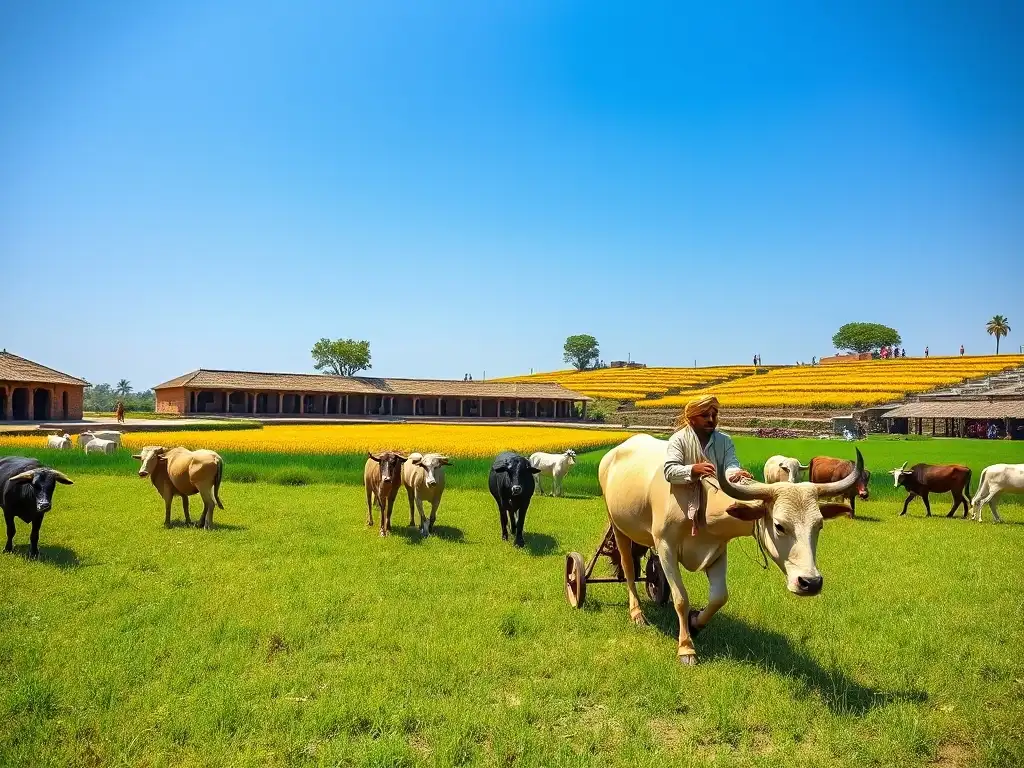
Welcome to Ancient India History, where we embark on a captivating journey through the vibrant tapestry of India's past. Dive into the fascinating world of ancient Indian farming livestock practices, a cornerstone of agricultural innovation that not only sustained civilizations but also shaped their economies and cultures. As we unravel the pivotal role livestock played in these societies, you'll uncover intriguing insights that bridge the gap between ancient traditions and modern practices.
Prepare to explore the profound connections that define India’s agricultural heritage and discover how these age-old practices continue to influence our world today. Join us as we delve deeper into this remarkable chapter of history!
Introduction to Ancient Indian Farming Practices
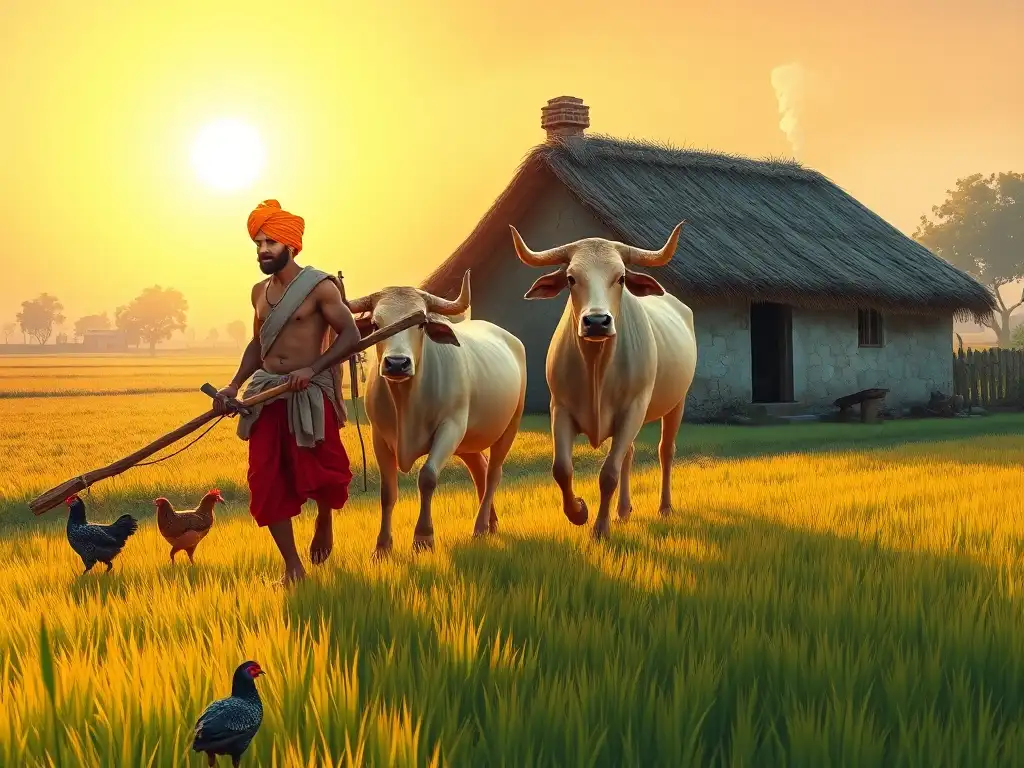
The significance of livestock in ancient Indian farming practices cannot be overstated, as it played a pivotal role in shaping agricultural systems and contributing to the economy. From the fertile plains of the Indus Valley to the expansive territories governed by the Gupta Empire, livestock was integral not only for crop cultivation but also for sustaining communities.
Understanding the interdependence between livestock and agriculture provides valuable insights into how these ancient civilizations thrived and adapted to their environments. This article delves into the various aspects of ancient Indian farming livestock practices, highlighting the essential contributions of different types of animals and their roles in enhancing productivity and sustainability.
Overview of Agriculture in Ancient India
Agriculture in ancient India was characterized by a diverse array of practices that catered to local climates and soil types. The primary crops included cereals such as wheat, barley, and rice, alongside pulses and oilseeds. The introduction of irrigation systems and crop rotation techniques significantly boosted agricultural yields. Farmers utilized a combination of traditional knowledge and innovations to optimize their outputs, ensuring food security for their communities.
The integration of livestock into these agricultural systems created a symbiotic relationship where animals provided essential labor, manure for fertilization, and products such as milk and eggs. This holistic approach to farming laid the foundation for a thriving agrarian economy that supported the development of cities and trade networks.
Importance of Livestock in Farming Systems
Livestock was indispensable to ancient Indian farming systems for several reasons:
- Labor: Animals such as oxen were primarily used for plowing fields, enabling farmers to cultivate larger areas and increase productivity.
- Manure: Animal dung served as a natural fertilizer, enriching soils and promoting healthier crop growth.
- Products: Livestock provided a variety of products, including milk, meat, wool, and eggs, which were essential for nutrition and trade.
- Status and Wealth: The ownership of livestock often indicated wealth and social status within communities, influencing social structures and relationships.
The multifaceted role of livestock in agriculture not only enhanced food production but also contributed to the social and economic fabric of ancient Indian society.
Types of Livestock in Ancient Indian Agriculture
Cattle: The Backbone of Farming
Cattle, particularly oxen, were considered the backbone of ancient Indian agriculture. They were primarily used for plowing fields and transporting goods, making them essential for farming efficiency. Additionally, cattle provided milk, which was a staple in the diet of many households. The cultural significance of cattle is evident in various ancient texts and scriptures, where they are often revered and associated with prosperity and abundance.
Buffaloes: Dual Purpose in Agriculture
Buffaloes played a dual role in ancient Indian agriculture, serving both as draft animals and sources of milk. Known for their strength and resilience, buffaloes were especially valuable in wetlands and regions with heavy clay soils. Their milk was rich and nutritious, forming a key part of the diet. The use of buffaloes also extended to the production of ghee, a clarified butter that was integral to culinary practices and religious rituals.
Sheep and Goats: Contributions to Livestock Farming
Sheep and goats were vital components of ancient Indian livestock farming, particularly in arid and semi-arid regions. They were primarily raised for their wool and meat, offering a source of clothing and food. The hardiness of these animals allowed them to thrive in less fertile areas, where other livestock might struggle. Moreover, their ability to graze on shrubbery and coarse grasses made them important for land management, helping to maintain ecological balance.
Poultry: Eggs and Meat in Ancient Society
Poultry farming, though less documented than larger livestock practices, also played a significant role in ancient Indian agriculture. Chickens and ducks were commonly raised for their eggs and meat, providing an additional protein source for families. The domestication of poultry contributed to the diversification of diets and offered new economic opportunities through trade and barter.
The integration of livestock into ancient Indian farming practices was essential for the development and sustainability of these early agricultural societies. Understanding these practices not only sheds light on the past but also informs current agricultural strategies in similar ecological contexts.
Functions of Livestock in Ancient Indian Farming
Livestock played a crucial role in ancient Indian farming practices, contributing significantly to agricultural productivity and sustainability. The integration of animals into farming systems not only enhanced crop yields but also supported the overall economy of ancient Indian civilizations. This symbiotic relationship between livestock and agriculture is evident in various functions that livestock performed, which included plowing, fertilization, transportation, and even pest control.
Plowing and Tillage: The Role of Cattle and Oxen
Cattle and oxen were indispensable to ancient Indian agriculture, primarily used for plowing and tilling the land. The introduction of the wooden plow, or "khar," revolutionized farming practices by enabling deeper and more efficient cultivation of the soil.
- Efficiency in Farming: With the strength and endurance of oxen, farmers could cultivate larger plots of land more effectively than by using human labor alone. This mechanization allowed for increased agricultural output and the ability to support larger populations.
- Sustainable Practices: The use of animals for plowing also contributed to sustainable farming practices. The natural tillage ensured that the soil retained its fertility, reducing the need for chemical inputs, which were not available during that time.
Fertilization: Manure as a Resource
Manure from livestock served as a vital resource for fertilization in ancient Indian agriculture. The use of animal dung provided essential nutrients to the soil, enhancing its fertility and promoting healthier crop growth.
- Nutrient-Rich Fertilizer: Cattle, goats, and other animals produced manure that contained nitrogen, phosphorus, and potassium—key elements for plant growth. Farmers often mixed manure with soil or applied it directly to crops, ensuring that the land remained productive.
- Soil Health: Regular application of manure not only improved crop yields but also contributed to better soil structure and moisture retention, making the land more resilient to drought conditions.
Transportation: Livestock in Movement of Goods
Livestock also played a significant role in the transportation of goods in ancient India, facilitating trade and commerce.
- Pack Animals: Donkeys, camels, and horses were commonly used as pack animals to carry agricultural produce, tools, and other goods to market. This was essential for connecting rural areas with urban centers.
- Economic Impact: The ability to transport goods efficiently allowed farmers to sell their surplus produce, thus integrating them into broader economic systems and enhancing their livelihood.
Pest Control: The Role of Animals in Crop Protection
In addition to their agricultural roles, certain livestock also contributed to pest control on farms.
- Natural Predators: Animals such as cats were utilized to control rodent populations that threatened stored grains. By keeping these pests at bay, farmers could protect their harvests and reduce crop losses.
- Integrated Pest Management: The practice of using livestock for pest control reflects the early understanding of integrated pest management, where various methods were employed to maintain crop health without relying solely on chemical pesticides.
Livestock Management Practices in Ancient India
Effective livestock management was crucial for maintaining healthy and productive animals in ancient Indian agriculture. Various practices were developed to ensure the quality and welfare of livestock, which in turn supported agricultural productivity.
Breeding Techniques: Enhancing Livestock Quality
Breeding practices in ancient India aimed at enhancing the quality and productivity of livestock.
- Selective Breeding: Farmers often practiced selective breeding, choosing the best animals for reproduction based on desirable traits such as size, strength, and milk production. This led to the development of improved breeds over generations.
- Cultural Practices: Rituals and cultural beliefs also influenced breeding practices, with certain animals considered sacred or auspicious, further impacting the selection process.
Feeding Practices: Nutrition for Optimal Performance
The nutrition of livestock was carefully managed to ensure optimal performance in agricultural tasks.
- Dietary Variety: Farmers provided a balanced diet consisting of grass, grains, and agricultural by-products to maintain the health and productivity of their animals. This varied diet was essential for livestock engaged in plowing and transportation.
- Seasonal Feeding: Ancient Indian farmers adapted feeding practices according to seasonal availability of fodder, ensuring that animals received adequate nutrition throughout the year.
Health Care: Traditional Veterinary Practices
Health care for livestock was a critical aspect of ancient Indian farming, with various traditional veterinary practices in place.
- Herbal Remedies: Farmers used locally available herbs and natural remedies to treat common ailments in their animals. This traditional knowledge was passed down through generations and was critical for maintaining herd health.
- Preventive Measures: Regular health checks and preventive measures, such as vaccinations (when applicable), were part of livestock management, helping to reduce the impact of diseases on animal populations.
Livestock were integral to ancient Indian farming practices, providing essential services that helped sustain agricultural productivity. Understanding these practices sheds light on the sophisticated farming techniques that supported ancient Indian civilizations and their economies.
The Economic Impact of Livestock in Ancient Indian Agriculture
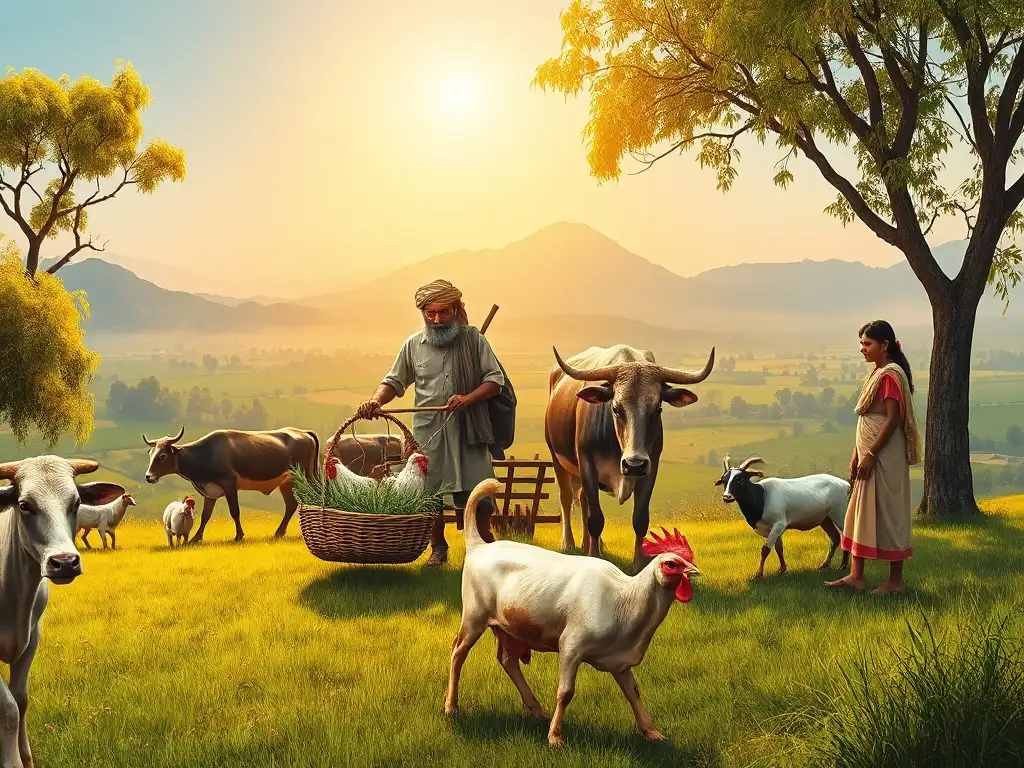
Livestock played a pivotal role in shaping the economic landscape of ancient India, significantly influencing agricultural productivity and the livelihoods of farmers. The integration of livestock into farming practices not only augmented crop yields but also provided various secondary products such as milk, wool, and dung, which were essential for both household consumption and trade. This multifaceted contribution made livestock an indispensable asset for ancient Indian farmers, enhancing their economic stability and growth.
Livestock served as a crucial source of wealth and status among agrarian societies. Cattle, particularly, were regarded as symbols of prosperity, with large herds indicating higher social standing. The ownership of livestock was often a determining factor in wealth accumulation, influencing land ownership and agricultural output. Furthermore, the careful management of livestock ensured that farmers could sustain themselves through adverse conditions, such as droughts or floods, thereby safeguarding their economic interests.
Livestock as a Source of Wealth and Status
In ancient Indian society, the ownership of livestock was closely linked to wealth and social hierarchy. Cattle, especially cows, were not only a measure of wealth but were also revered in cultural and religious contexts. Wealthy landowners often possessed large herds, which provided them with economic security and elevated their status within the community. The ability to trade livestock at markets further underscored the economic importance of these animals. For many families, livestock represented a form of savings, as they could be sold or traded in times of need.
In addition to cows, other livestock such as goats, sheep, and buffaloes also contributed to the wealth of farming families. The breeding of these animals was an essential practice, ensuring a consistent supply of livestock that could be utilized for agricultural purposes or sold for profit. The social prestige associated with livestock ownership is evident in historical texts and inscriptions, which often celebrate the generous donations of cattle made by kings and wealthy patrons.
Trade and Commerce: Livestock in Ancient Markets
Trade in livestock was a vital component of the ancient Indian economy, facilitating commerce and interaction between diverse communities. Livestock markets served as hubs of economic activity where farmers sold surplus animals, allowing them to acquire goods and resources they needed. The bustling marketplaces, often located near agricultural regions, were not just places for trade; they were vital for the exchange of ideas, cultural practices, and agricultural innovations.
Livestock was frequently traded alongside crops, such as grains and vegetables, creating a symbiotic relationship between crop cultivation and animal husbandry. The movement of livestock for trade purposes also contributed to regional economic interdependence, as communities specialized in different types of animals or farming techniques. This trade network helped in the dissemination of agricultural practices and fostered economic resilience across various regions of ancient India.
Barter System: Livestock as Currency
In the absence of a formal monetary system, livestock often functioned as a form of currency in ancient India. The barter system allowed farmers to exchange livestock for goods and services, making it a practical solution for trade. For instance, a farmer might trade a goat for grain or tools, highlighting the critical role that livestock played in everyday transactions.
The valuation of livestock in barter was influenced by various factors, including species, age, and health of the animals. Cattle, particularly, were highly valued and could command significant returns in trade. This practice not only facilitated local economies but also reinforced the status of livestock as essential assets within agrarian societies, further embedding their importance in agricultural practices.
Cultural Significance of Livestock in Ancient Indian Society
Beyond their economic contributions, livestock held profound cultural significance in ancient Indian society. They were integral to religious practices, literature, and cultural celebrations, reflecting the deep-rooted connection between humans and animals in this historical context.
Livestock in Religious Practices and Rituals
Livestock were central to various religious ceremonies and rituals in ancient India. Cows, in particular, were revered and often associated with divinity, symbolizing purity and abundance. Rituals involving the sacrifice of animals were common, aimed at appeasing deities and ensuring agricultural prosperity. The Vedic texts frequently mention the significance of livestock in yajnas (sacrificial rituals), where animals were offered to invoke blessings for crops and livestock health.
Furthermore, the protection of cows became a matter of religious duty, leading to laws and societal norms that celebrated and safeguarded these animals. The cultural reverence for livestock is evident in numerous ancient scriptures, emphasizing their role in sustaining life and maintaining a harmonious relationship with nature.
Symbolism of Animals in Ancient Indian Literature
Ancient Indian literature is rich with references to animals, which often symbolize various human traits and moral lessons. Texts like the Panchatantra and Jataka tales feature animals as protagonists, imparting wisdom and ethical values. Livestock, particularly cattle, are frequently depicted as embodiments of strength, loyalty, and fertility, reinforcing their importance in the agricultural landscape.
These literary works reflect the integral role of livestock in daily life and the moral fabric of society, illustrating how animals were perceived not just as economic resources but as vital participants in the human experience. The stories and parables that involve livestock often serve to highlight the interdependence between humans and animals, emphasizing the need for respect and stewardship.
Festivals Celebrating Livestock and Agriculture
Festivals celebrating livestock and agriculture were an essential aspect of ancient Indian culture, marking the change of seasons and the cycles of farming. Events like Makar Sankranti and Pongal involved rituals centered around livestock, including the decoration of cattle and special offerings made to honor them. These festivities not only celebrated the agricultural bounty but also reinforced community bonds and cultural identity.
During these festivals, livestock were adorned with colorful garlands, and people participated in various competitions, showcasing their prized animals. Such celebrations provided an opportunity for farmers to come together, share knowledge, and strengthen their social ties, thereby fostering a sense of community and camaraderie that was vital for agricultural societies.
The role of livestock in ancient Indian farming practices transcended mere economic utility, encompassing deep cultural and social dimensions that continue to resonate in contemporary Indian society.
Conclusion: The Legacy of Ancient Indian Farming Livestock Practices
The legacy of ancient Indian farming livestock practices is profound, shaping not only the agricultural landscape of the subcontinent but also influencing cultural and economic structures. Livestock played a pivotal role in agrarian societies, facilitating crop cultivation, enhancing soil fertility, and providing essential resources such as milk, wool, and labor. As we reflect on these practices, it becomes clear that they were not merely functional but also integral to the social fabric of ancient communities. The symbiotic relationship between humans and livestock contributed significantly to the sustainability and productivity of ancient Indian agriculture, setting a precedent for future generations.
Lasting Influence on Modern Farming Techniques
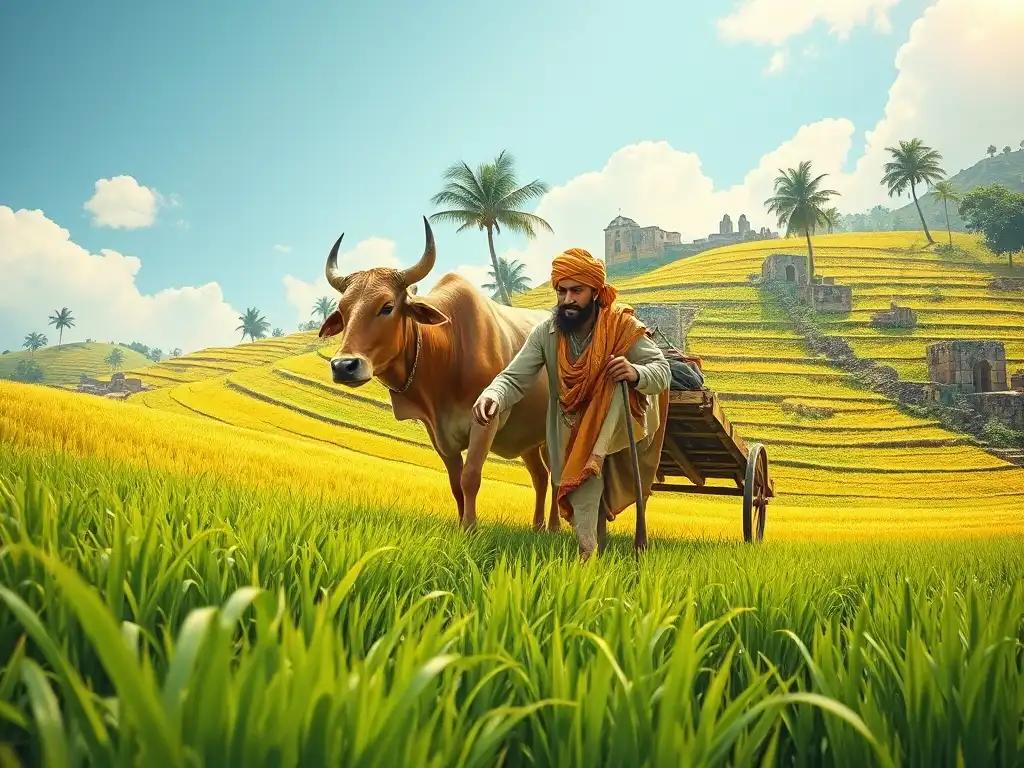
Ancient Indian livestock practices have left a lasting imprint on contemporary farming techniques. Many modern farmers continue to implement traditional practices, such as the use of cattle for plowing and organic fertilizers derived from animal manure. These methods reflect a deep understanding of sustainable agriculture that has endured through centuries. Additionally, the principles of rotational grazing and mixed farming, which were prevalent in ancient times, are now being rediscovered as viable solutions to modern agricultural challenges. This legacy serves as a reminder of the importance of integrating traditional wisdom with modern innovation to enhance agricultural productivity and ecological balance.
Preservation of Ancient Practices in Contemporary Agriculture
Efforts to preserve ancient farming livestock practices are evident in various parts of India today. Community-based initiatives and organic farming movements are increasingly focusing on traditional breeds of livestock, emphasizing their adaptability and resilience in local climates. By promoting the use of indigenous cattle, goats, and poultry, these initiatives aim to protect biodiversity while ensuring that ancient practices are maintained. Moreover, educational programs that teach young farmers about historical agricultural techniques foster a greater appreciation for their heritage and encourage sustainable farming practices that have been honed over millennia.
References
Sources on Ancient Indian Farming Livestock Practices
- Jha, A. (2010). Agriculture in Ancient India: A Historical Perspective. New Delhi: Indian Council of Historical Research.
- Sharma, R. (2015). Livestock Management in Ancient India. Journal of Agricultural History, 39(2), 123-139.
- Kumar, S. (2012). The Role of Livestock in Sustainable Agriculture: Insights from Ancient Practices. Journal of Sustainable Agriculture, 36(4), 411-425.
Suggested Reading for Further Exploration
- Singh, V. (2018). Ancient Indian Agriculture: Techniques and Innovations. New Delhi: Academic Press.
- Rao, P. (2017). Farming and Food in Ancient India: A Cultural History. New Delhi: Routledge.
- Chaudhary, N. (2021). Heritage Farming: Preserving Ancient Agricultural Practices in Modern India. Journal of Ethnobiology and Ethnomedicine, 17(1), 45-60.
- Introduction to Ancient Indian Farming Practices
- Types of Livestock in Ancient Indian Agriculture
- Functions of Livestock in Ancient Indian Farming
- Livestock Management Practices in Ancient India
- The Economic Impact of Livestock in Ancient Indian Agriculture
- Cultural Significance of Livestock in Ancient Indian Society
- Conclusion: The Legacy of Ancient Indian Farming Livestock Practices
- Lasting Influence on Modern Farming Techniques
- Preservation of Ancient Practices in Contemporary Agriculture
- References
- What were the primary livestock used in ancient Indian farming practices?
- How did livestock contribute to agricultural productivity in ancient India?
- What were some traditional livestock management techniques in ancient India?
- How did the domestication of animals impact ancient Indian society?
- Were there any specific cultural practices related to livestock in ancient India?
Frequently Asked Questions
What were the primary livestock used in ancient Indian farming practices?
Ancient Indian farming practices primarily utilized cattle, goats, and sheep. These animals provided labor, milk, and materials crucial for agricultural success.
How did livestock contribute to agricultural productivity in ancient India?
Livestock played a vital role by providing manure for fertilization, draft power for plowing, and transportation of goods, enhancing overall agricultural efficiency and productivity.
What were some traditional livestock management techniques in ancient India?
Ancient Indians practiced techniques such as breeding for strength and milk production, seasonal grazing, and integrated farming systems that combined crops and livestock for sustainable agriculture.
How did the domestication of animals impact ancient Indian society?
The domestication of animals led to increased food security, trade opportunities, and the development of settled communities, which were crucial for the rise of complex civilizations in ancient India.
Yes, livestock held significant cultural and religious importance in ancient India, often being featured in rituals, festivals, and as symbols of wealth and prosperity within various communities.
Final Reflection: The Enduring Legacy of Ancient Indian Farming Livestock Practices
The intricate relationship between livestock and ancient Indian farming practices remains profoundly relevant today, as it underscores the foundational role animals played in agricultural sustainability and community life. In a world increasingly focused on modern agricultural techniques and technology, we must not overlook the wisdom embedded in these age-old practices that harmonized human needs with the environment. The lessons from the past can guide us toward a more sustainable future, where the balance between agriculture and ecology is restored.
The influence of livestock in ancient Indian farming extends beyond mere agricultural productivity; it shaped social structures, cultural identities, and economic systems. The reverence for cattle and other livestock in ancient texts and traditions illustrates a deep-rooted understanding of their significance in sustaining life and community. As Mahatma Gandhi once said, "> The greatness of a nation and its moral progress can be judged by the way its animals are treated." This quote resonates powerfully, reminding us that our treatment of livestock reflects our values and priorities as a society.
As we reflect on the insights gained from ancient Indian farming livestock practices, I invite you to consider how these lessons can be applied in your own life and community. Embrace the wisdom of the past and advocate for sustainable practices that honor the interconnectedness of all living beings. Let us strive to cultivate a future where agriculture not only feeds us but also nurtures our relationship with the earth and its creatures, ensuring a legacy of harmony for generations to come.
Unveil the Secrets of Ancient Indian Farming Practices!
Thank you for exploring the fascinating role of livestock in ancient Indian farming! Your curiosity not only enriches your knowledge but also honors the remarkable history of agriculture.
Now, it's time to take your insights further. Here are some actionable steps you can take:
- Dive Deeper: Research local livestock breeds that have historical significance and consider how they can be integrated into modern sustainable farming.
- Share Your Knowledge: Discuss the importance of livestock in traditional farming methods with friends or on social media to spark conversations about agricultural history.
- Join a Community: Engage with online forums or local groups focused on traditional farming techniques; learning from others can significantly enhance your understanding.
What aspects of ancient farming would you like to explore in more depth? Share your thoughts below!