
The Lasting Impact of Gupta Architecture on Modern India

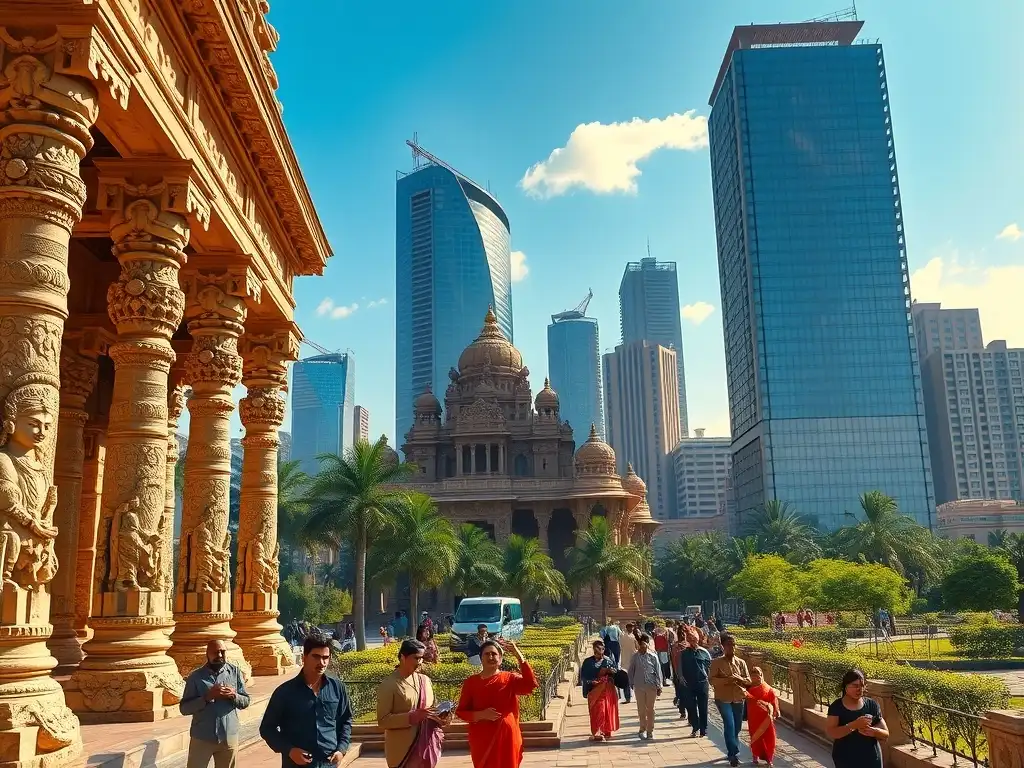
Welcome to Ancient India History, where we embark on a fascinating journey through the rich tapestry of civilizations that shaped the Indian subcontinent. Delve into the captivating world of the Gupta Empire as we uncover how its remarkable architecture continues to influence modern India today. With every stone and structure, the legacy of Gupta design echoes in our contemporary landscape, sparking a curiosity that invites you to explore further. Join us in discovering the profound connections between past and present as we analyze the lasting impact of Gupta architecture on the world around us.
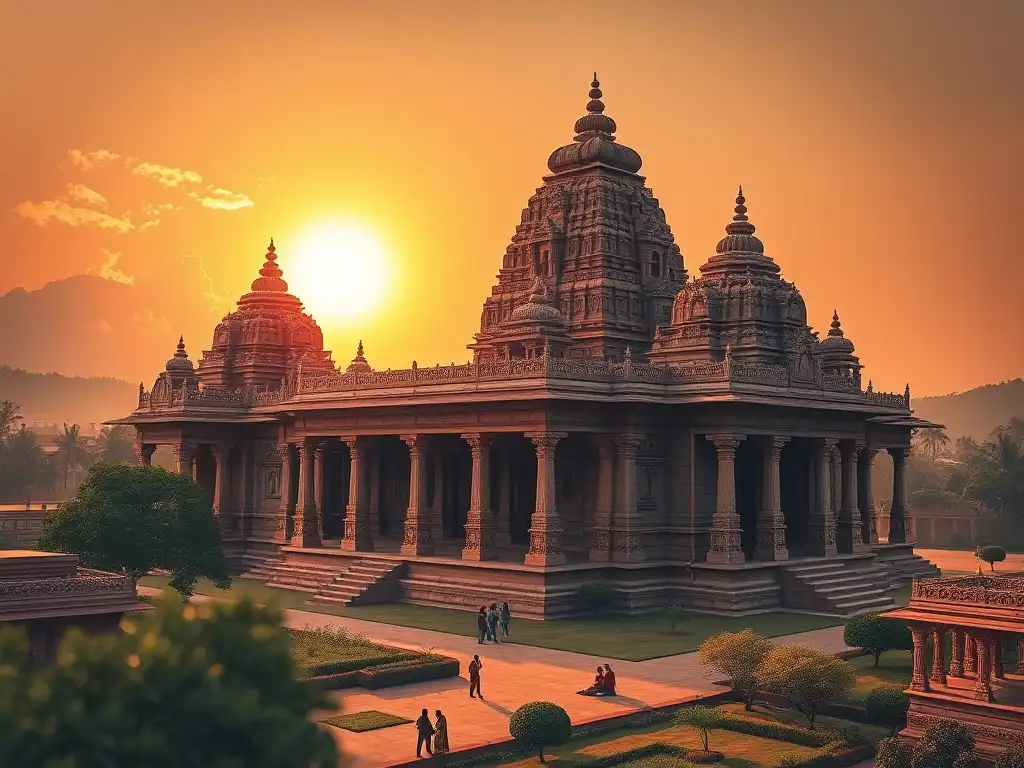
Introduction to Gupta Architecture
The Gupta Empire, often hailed as the "Golden Age of India," flourished between approximately 320 and 550 CE. This period is not only renowned for its advancements in science, mathematics, and literature but also for its remarkable contributions to architecture. The architectural innovations that emerged during the Gupta period laid the groundwork for many modern architectural forms and practices in India. As we delve into the lasting impact of Gupta architecture, we will explore how these ancient designs continue to resonate in contemporary Indian architecture, reflecting the rich cultural tapestry of the subcontinent.
Overview of Gupta Empire's Architectural Contributions
The Gupta period marked a significant turning point in Indian architecture, characterized by the emergence of new styles and techniques. Major advancements included:
- Religious Structures: The construction of temples and monasteries became prevalent, showcasing intricate designs that blended functionality with aesthetic appeal.
- Cave Architecture: The Guptas were instrumental in developing rock-cut architecture, with notable examples like the Ajanta and Ellora caves.
- Urban Planning: The layout of cities during this era emphasized organized public spaces, which influenced later urban designs.
These contributions not only reflect the artistic prowess of the time but also underscore the spiritual and cultural values of Gupta society.
Significance of Gupta Architecture in Ancient India
Gupta architecture played a crucial role in shaping the cultural and religious landscape of ancient India. It served as a medium for expressing religious devotion and community identity. The temples constructed during this period were not mere places of worship; they were also centers for social gatherings and cultural activities. This architectural legacy has left an indelible mark on the spiritual and cultural practices in modern India, where temples continue to serve as vital community hubs.
Key Features of Gupta Architecture
Understanding the features that define Gupta architecture is essential to appreciate its lasting influence. The following aspects highlight its distinctiveness:
Distinctive Elements of Gupta Architectural Style
Gupta architecture is characterized by several distinctive elements, including:
- Shikhara: The towering spire of temples, symbolizing the connection between the earthly and the divine.
- Mandapas: Pillared halls that served as gathering spaces for devotees and facilitated various ritualistic activities.
- Intricate Stone Carvings: These detailed artworks often depicted mythological scenes and figures, enhancing the visual appeal of structures.
These features not only demonstrate the artistic capabilities of Gupta artisans but also reflect the cultural significance of these structures in the society of the time.
Influence of Religious Architecture: Temples and Shrines
The temples built during the Gupta era are perhaps the most enduring symbols of this architectural style. They were designed to accommodate various religious practices and rituals, fostering a sense of community among worshippers. The influence of Gupta temple architecture can be seen in:
- Modern Temple Designs: Contemporary Indian temples often incorporate Gupta-style elements, such as shikharas and mandapas.
- Cultural Festivals: Many festivals are still celebrated at these ancient sites, connecting modern practices to their historical roots.
Use of Intricate Sculpture and Carvings in Gupta Structures
The intricate sculptures and carvings found in Gupta architecture are a testament to the high level of craftsmanship that existed during this era. These artworks served multiple purposes:
- Religious Narratives: They often depicted stories from Hindu epics, providing a visual representation of mythology that educated and inspired the populace.
- Cultural Identity: The art styles reflected the societal values and norms of the time, fostering a sense of identity among the people.
Today, the influence of these sculptural techniques can be observed in various forms of modern Indian art and architecture, showcasing the enduring legacy of Gupta craftsmanship.
The Legacy of Gupta Architecture in Modern India
The Gupta Empire, often referred to as the Golden Age of India, is renowned for its significant contributions to architecture that have left a lasting legacy on the cultural and structural landscape of modern India. The architectural advancements during this period not only showcased the ingenuity of ancient builders but also served as a foundation for later architectural styles. The hallmark of Gupta architecture includes intricate carvings, grand temples, and innovative structural designs, many of which continue to influence modern Indian architecture.
Gupta architecture emphasized the use of stone, with temples often featuring elaborate sculptures depicting deities, mythological scenes, and intricate motifs. This emphasis on craftsmanship and aesthetic beauty can be seen in various modern structures, where artisans and architects draw inspiration from the detailed ornamentation and spatial forms characteristic of Gupta temples. As a result, the essence of Gupta architecture remains embedded in contemporary design philosophies, reaffirming its relevance in today's architectural discourse.
Architectural Inspirations in Contemporary Indian Structures
Modern Indian architecture frequently looks back to the Gupta period for inspiration, particularly in the design of religious and public buildings. Temples constructed in the modern era often replicate the classic features of Gupta architecture, such as shikhara (tower) styles and mandapas (pillared halls), incorporating intricate stonework and detailed sculptures that pay homage to ancient techniques.
One notable example is the BAPS Swaminarayan Akshardham Temple in Gandhinagar, which reflects the grandeur of Gupta architecture through its intricate carvings and traditional Vastu Shastra principles. The use of sandstone and marble, alongside meticulous craftsmanship, mirrors the architectural ethos of the Gupta period, blending ancient wisdom with modern engineering.
Additionally, urban structures such as cultural centers and museums are increasingly incorporating elements from Gupta architecture, creating a dialogue between the past and the present. This blend of styles not only serves aesthetic purposes but also fosters a deeper appreciation of India’s rich architectural heritage.
Preservation of Gupta Architectural Sites in Modern India
The preservation of Gupta-era sites is crucial for maintaining the historical integrity and cultural significance of these architectural marvels. Many ancient temples and structures have been recognized as UNESCO World Heritage Sites, ensuring their protection and restoration. Initiatives aimed at preserving sites like the Dashavatara Temple in Deogarh and the famous temples of Khajuraho highlight the importance of safeguarding these structures for future generations.
Modern conservation efforts involve using advanced technology and traditional restoration techniques to maintain the integrity of these ancient buildings. This preservation work is essential not only for historical education but also for fostering national pride and identity. By recognizing the significance of Gupta architecture, modern India can cultivate a sense of continuity with its historical past.
Impact of Gupta Style on Modern Urban Planning
The influence of Gupta architecture extends beyond individual structures to impact urban planning in contemporary India. The principles of symmetry, layout, and the integration of natural landscapes that were prominent in Gupta city planning can be observed in modern urban designs. For instance, cities today often feature parks and open spaces that reflect the harmonious relationship between built environments and nature, a concept that was valued in Gupta times.
Moreover, the communal spaces within Gupta cities, which served as centers for social interaction and cultural exchange, set a precedent for modern urban planners who aim to create inclusive and vibrant public spaces. The revival of traditional courtyards and marketplaces in urban redevelopment projects can be traced back to Gupta architectural concepts, showcasing how ancient wisdom continues to inform modern practices.
Case Studies of Gupta Architecture Influence
Analysis of Notable Modern Buildings Inspired by Gupta Architecture
Several modern buildings exemplify the enduring influence of Gupta architecture, showcasing its aesthetic and functional principles. The Akshardham Temple in Delhi, for example, draws heavily from Gupta architectural styles, featuring intricately carved stone pillars and elaborate sculptures that echo the artistry of ancient Gupta craftsmanship. This temple not only serves as a place of worship but also as a cultural hub, reflecting the social and spiritual values of the Gupta era.
Another significant example is the ISKCON Temple in Bangalore, where the design incorporates traditional Gupta elements, such as domed roofs and ornate entrance gateways. These structures serve as reminders of the rich architectural legacy, combining modern construction techniques with ancient styles to create spaces that resonate with cultural heritage.
Comparison of Gupta Temples with Modern Religious Structures
When comparing Gupta temples with modern religious structures, several similarities and differences become apparent. Gupta temples are characterized by their elaborate stone carvings, towering shikharas, and sanctums that house deities, often adorned with intricate iconography. This attention to detail and spiritual symbolism is mirrored in many contemporary religious buildings, which strive to convey a sense of divinity and aesthetic beauty.
However, modern religious structures often incorporate new materials and technologies that were not available during the Gupta period. For instance, the use of reinforced concrete and glass allows for innovative designs and larger spaces, while still drawing inspiration from ancient forms. The blend of traditional and contemporary elements in modern religious architecture reflects an evolving dialogue between the past and the present, ensuring that the influence of Gupta architecture continues to thrive in modern India.
Cultural and Historical Significance of Gupta Architecture
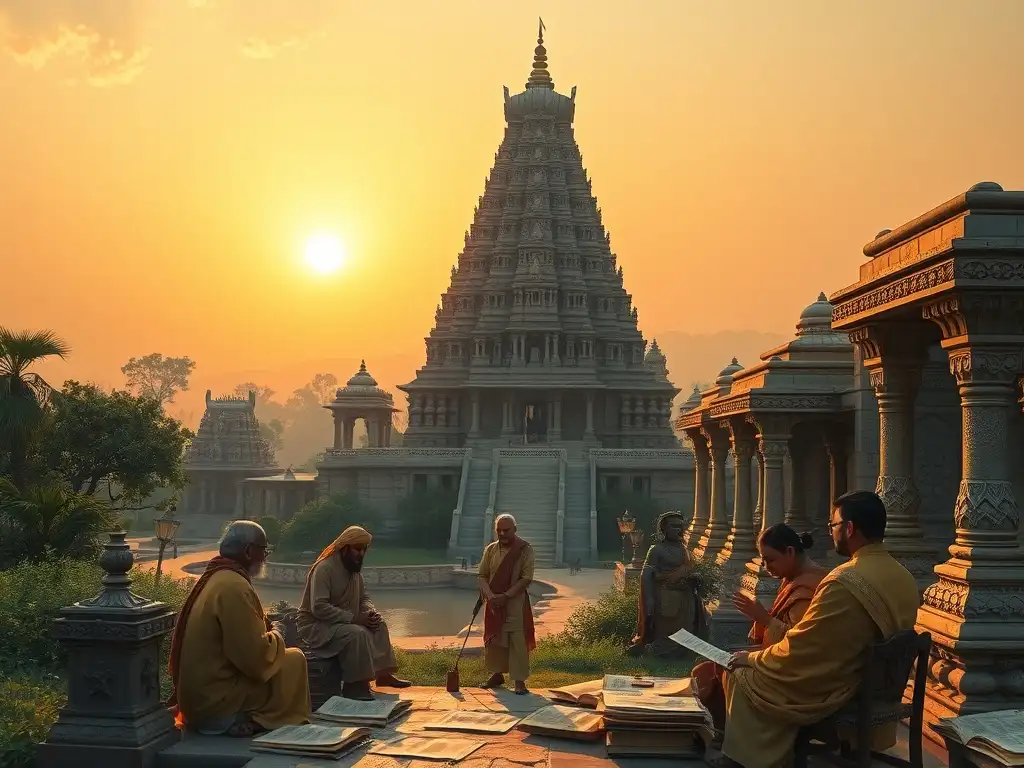
Gupta architecture, flourishing from the 4th to the 6th centuries CE during the Gupta Empire, stands as a monumental testament to the cultural and historical advancements of ancient India. This period is often referred to as the Golden Age, characterized by significant developments in art, science, and philosophy. The architectural achievements of this era were not merely functional; they embodied the spiritual and cultural ethos of the time.
Prominent features of Gupta architecture include the use of red sandstone, intricate carvings, and the establishment of stupas and temple complexes. Structures such as the Dashavatara Temple at Deogarh and the Vishnu Temple at Tigawa showcase the sophisticated craftsmanship and aesthetic sensibilities of Gupta artisans. These buildings were often adorned with depictions of deities and mythological scenes, reflecting the religious beliefs and practices of the society. The architectural style also marked a transition toward more Hindu-centric designs, which would significantly influence subsequent architectural movements in India.
The significance of Gupta architecture extends beyond aesthetics; it is a crucial marker of the socio-political climate of the time. The construction of large temples and stupas indicated the power and influence of the Gupta rulers, who used architecture as a means to legitimize their rule and foster a sense of unity among their subjects. Today, these sites serve as vital historical resources, providing insights into the cultural narratives and technological innovations of ancient India.
Gupta Architecture as a Reflection of Societal Values
The structures built during the Gupta period are profound reflections of the societal values that prevailed at the time. Gupta architecture is characterized by its emphasis on harmony, proportion, and symmetry, which were seen as essential qualities in both physical and spiritual realms. The temples were not merely places of worship; they were designed to facilitate a connection between the divine and the human, embodying the belief in a cosmos governed by order and beauty.
In addition to religious significance, the architectural designs also mirrored the social hierarchy and community structure of Gupta society. Temples served as centers for communal gathering, fostering a sense of identity and belonging among the populace. The intricate carvings often depicted narratives from Hindu epics like the Mahabharata and Ramayana, highlighting the moral and ethical values that were cherished by the society.
Furthermore, the incorporation of educational institutions such as monasteries within temple complexes showcases the Gupta commitment to knowledge and learning. Structures like the Nalanda University exemplify this ideal, where architecture provided a conducive environment for academic pursuits. Thus, Gupta architecture serves as a visual narrative of the societal values, beliefs, and aspirations of its time.
The Role of Gupta Architecture in Shaping Modern Indian Identity
Gupta architecture has played a pivotal role in shaping the modern Indian identity. As a symbol of India's rich heritage, the architectural styles and techniques developed during this period continue to resonate in contemporary Indian culture. The revival of traditional architectural elements in modern structures is a testament to the enduring influence of Gupta designs.
Many modern Indian architects draw inspiration from the intricate carvings and temple layouts of the Gupta period. This revival is not only aesthetic; it serves to instill a sense of pride in India's historical achievements and cultural diversity. The use of traditional motifs in contemporary buildings fosters a continuity of cultural identity, linking present-day India to its illustrious past.
Moreover, Gupta architecture has become a focal point for heritage tourism, attracting scholars and enthusiasts from around the world. The preservation and promotion of Gupta-era sites and their architectural significance contribute to a collective national identity, emphasizing unity in diversity. In this way, Gupta architecture is not just a relic of the past; it is an active participant in the ongoing narrative of modern India.
The Future of Gupta Architecture Influence in India
As India strides into the future, the influence of Gupta architecture remains relevant. The principles of design, aesthetic sensibilities, and cultural narratives embedded in Gupta architecture offer valuable insights for contemporary architectural practices. By embracing these influences, modern architects can create spaces that honor tradition while innovatively responding to current needs.
Trends in Architectural Design Inspired by Gupta Heritage
In recent years, there has been a noticeable trend towards integrating Gupta architectural elements into modern building designs. Features such as ornate facades, geometric patterns, and the use of local materials reflect a growing appreciation for India's architectural heritage. Architects are increasingly incorporating traditional styles into contemporary residential and commercial projects, merging functionality with cultural significance.
Additionally, the emphasis on sustainability in modern architecture aligns with the principles observed in Gupta designs, which often utilized locally sourced materials and environmentally harmonious layouts. This trend not only preserves the aesthetic qualities of Gupta architecture but also promotes environmental consciousness, making it a relevant influence in today’s architectural landscape.
Challenges in Preserving Gupta Architectural Influence in Modern Times
Despite the appreciation for Gupta architecture, several challenges hinder its preservation and influence in modern times. Urbanization and rapid development pose significant threats to ancient structures, as many historical sites face encroachment and neglect. The lack of adequate funding for preservation efforts often results in the deterioration of these invaluable heritage sites.
Moreover, there is a need for a heightened awareness and education regarding the importance of Gupta architecture among the general populace. Without a collective effort to honor and preserve this heritage, the influence of Gupta architecture may diminish over time. Strategies must be implemented to safeguard these structures while promoting their significance in modern architectural discourse, ensuring that the legacy of Gupta architecture continues to inspire future generations.
Conclusion: The Enduring Influence of Gupta Architecture on Modern India
The architectural legacy of the Gupta Empire, often referred to as the Golden Age of India, continues to resonate through the cultural and structural fabric of modern India. The innovative techniques, styles, and aesthetics that emerged during this period have laid the groundwork for a distinctive architectural identity, influencing subsequent generations of builders and artists. Key features such as intricate stone carvings, the use of arches, and the establishment of temple architecture deeply rooted in spirituality have found their way into contemporary designs, reflecting a continuous dialogue between the past and the present.
In modern India, one can observe the lasting influence of Gupta architecture in various forms, from the grand temples that dot the landscape to urban structures that incorporate traditional elements. The emphasis on symmetry, proportion, and harmonious integration with nature seen in Gupta architecture informs current architectural practices, where sustainability and aesthetic beauty remain paramount. Furthermore, the revival and preservation of ancient sites have become central to India's cultural tourism, highlighting the significance of Gupta architectural innovations in attracting visitors and fostering a sense of national pride.
Summary of Key Points on Gupta Architecture Influence
- Innovative Techniques: Gupta architects pioneered the use of stone as a primary material, enabling the construction of durable and intricate structures that have withstood the test of time.
- Temple Design: The design principles established during the Gupta period, particularly in temple architecture, emphasize verticality and ornate decoration, elements that are still celebrated in modern Indian temples.
- Cultural Integration: Gupta architecture reflects a synthesis of various regional styles and influences, contributing to a rich tapestry of cultural expression that is evident in contemporary architecture across India.
- Artistic Expression: The detailed sculptures and relief work from the Gupta period set a high standard for artistic expression, inspiring modern artists and architects to incorporate similar motifs and themes in their work.
- Educational Impact: The architectural advancements during the Gupta Empire laid the groundwork for architectural education and training in India, influencing how modern architects approach design and construction.
Final Thoughts on the Importance of Gupta Architectural Heritage
The Gupta architectural heritage is not merely a relic of the past; it is a living testament to India’s rich history and cultural evolution. As modern India continues to grow and develop, the principles and aesthetics derived from Gupta architecture serve as a foundation for innovation and creativity. The preservation and study of this heritage are essential, as they allow future generations to connect with their roots, understand their cultural identity, and appreciate the artistic achievements of their ancestors.
Ultimately, the influence of Gupta architecture on modern India is profound and multifaceted. It reflects an enduring legacy that continues to inspire and shape the architectural landscape, reinforcing the notion that the past is an integral part of the present. Through education, preservation, and adaptive reuse of ancient structures, modern India can honor this heritage while forging ahead into the future.
- Introduction to Gupta Architecture
- Key Features of Gupta Architecture
- The Legacy of Gupta Architecture in Modern India
- Case Studies of Gupta Architecture Influence
- Cultural and Historical Significance of Gupta Architecture
- The Future of Gupta Architecture Influence in India
- Conclusion: The Enduring Influence of Gupta Architecture on Modern India
Frequently Asked Questions
What is Gupta architecture?
Gupta architecture refers to the style of building and design that flourished during the Gupta Empire (circa 320-550 CE), known for its intricate sculptures, elaborate temples, and innovative use of space.
How has Gupta architecture influenced modern India?
Gupta architecture has had a lasting impact on modern Indian architecture, particularly in the design of temples and public buildings, showcasing ornate carvings and proportional symmetry.
What are some notable examples of Gupta architecture?
Key examples include the Ajanta Caves, famous for their rock-cut sculptures and murals, and the Dashavatara Temple at Deogarh, which highlights the architectural principles established during this era.
How does Gupta architecture reflect the culture of its time?
Gupta architecture embodies the cultural and religious values of the era, emphasizing Hindu and Buddhist themes and demonstrating a sophisticated understanding of artistic expression and engineering.
Why is the study of Gupta architecture important for understanding Indian history?
Studying Gupta architecture provides insights into the socio-political climate, religious beliefs, and technological advancements of ancient India, making it essential for comprehending the cultural legacy that continues to influence modern India.
Final Reflection: The Enduring Legacy of Gupta Architecture in Modern India
The influence of Gupta architecture on modern India is not merely a historical footnote; it is a vibrant thread woven into the fabric of contemporary culture. As we navigate through the complexities of modernity, the architectural marvels of the Gupta period remind us of a time when artistry and innovation flourished, shaping the very essence of Indian identity. The intricate designs, structural ingenuity, and spiritual significance of these ancient edifices continue to resonate, urging us to appreciate our rich heritage while embracing the future.
The lasting impact of Gupta architecture extends far beyond the physical structures; it has permeated our cultural consciousness and social practices. From the majestic temples that inspire devotion to the artistic motifs that adorn our homes, the echoes of Gupta ingenuity are omnipresent. As we witness a resurgence of interest in traditional art forms and sustainable architecture, we are reminded of the words of renowned architect Charles Correa: Architecture is not just about building; it's about creating a sense of place and identity.
This sentiment underscores the importance of recognizing and preserving our architectural heritage as we forge ahead.
As you reflect on the insights shared in this article, I invite you to consider how the principles of Gupta architecture can inspire your own life and surroundings. Embrace the beauty of tradition while innovating for the future; let the elegance of the past guide your creative endeavors. Whether through the design of your living space, the art you choose to support, or the values you instill in your community, remember that the legacy of Gupta architecture is not just a relic of history but a living influence that can enrich our modern experience.
Embrace the Legacy: Bring Gupta Architecture to Life!
Thank you for taking the time to explore the remarkable influence of Gupta architecture on modern India. By understanding this rich heritage, you're equipped to appreciate the profound impact it has on contemporary design and culture. Now, it’s time to take this understanding further!
- Dive into your local heritage: Visit a museum or architectural site influenced by Gupta designs in your area to experience this legacy firsthand.
- Share your thoughts: Discuss this article with friends or on social media—what insights or inspirations do you have from Gupta architecture that could reshape our modern aesthetic?
- Create something unique: Try your hand at sketching a monument that blends Gupta elements with a modern twist—share your creation with the community!
What aspect of Gupta architecture resonates most with you, and how do you think it could inspire today's architectural trends?