
Investing in Authentic Indian Gemstones: What You Should Know

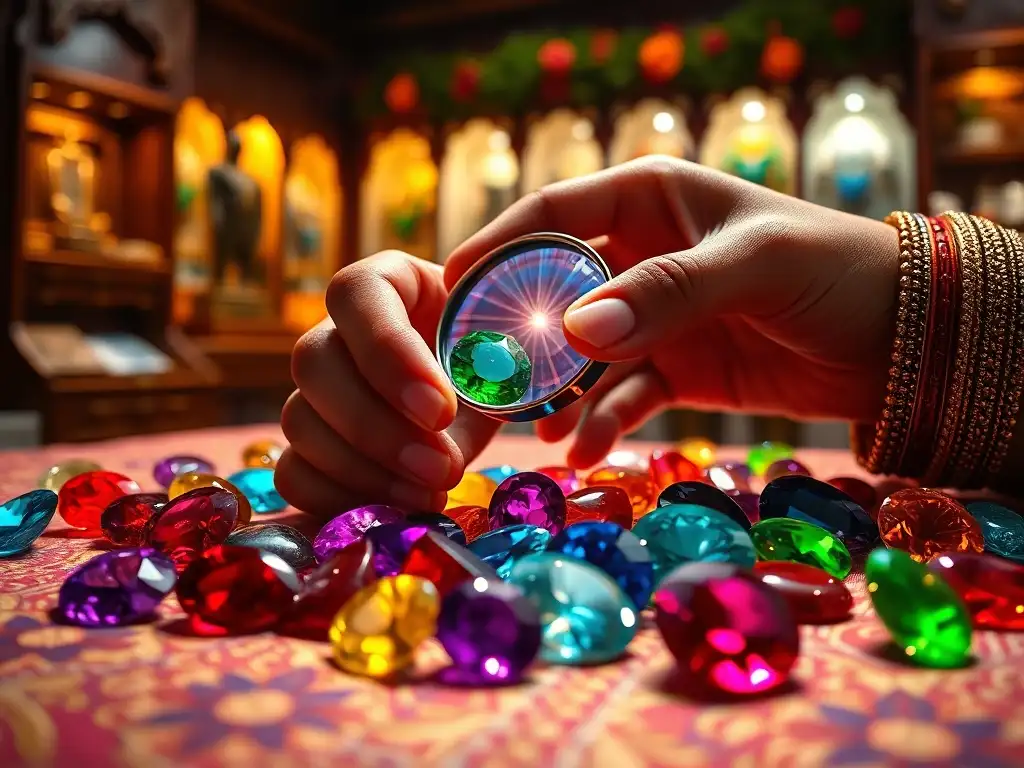
Welcome to Ancient India History, where we delve into the rich tapestry of India's past and uncover the remarkable contributions of its ancient civilizations. Today, we invite you to explore our compelling article, "Investing in Authentic Indian Gemstones: What You Should Know." Are you curious about how the vibrant world of Indian gemstones has evolved through the ages? Join us as we unveil the secrets of investing in these exquisite treasures, and discover how their historical significance adds value to your collection. Prepare to embark on a journey that connects the past with your future investments!
- Introduction to Authentic Indian Gemstones
- Authentic Indian Gemstones Investment Guide
- The Best Practices for Investing in Indian Gemstones
- Comparison of Popular Authentic Indian Gemstones for Investment
- The Benefits of Investing in Authentic Indian Gemstones
- Common Myths and Realities About Investing in Indian Gemstones
- Conclusion: Making Informed Decisions in Gemstone Investment
- Frequently Asked Questions
- Final Reflection: The Timeless Value of Authentic Indian Gemstones
- Unlock the Treasure of Authentic Indian Gemstones!
Introduction to Authentic Indian Gemstones
The world of gemstones is as vibrant and diverse as the cultures that produce them, and when it comes to authentic Indian gemstones, the allure is both profound and multifaceted. India has a rich history of gemstone mining and craftsmanship, stretching back thousands of years, making it one of the leading sources of precious stones worldwide.
This article serves as an investment guide for those looking to explore the significance, value, and cultural heritage behind authentic Indian gemstones. Whether you are a seasoned collector or a novice investor, understanding the nuances of this market can open doors to both aesthetic beauty and financial gain.
As we delve deeper into this guide, we will explore critical aspects of investing in Indian gemstones, including their inherent value, reasons to invest, and their historical significance in Indian culture. By arming yourself with knowledge, you can make informed decisions that not only honor the craftsmanship of these exquisite stones but also enhance your collection or investment portfolio.
Understanding the Value of Authentic Indian Gemstones
The value of authentic Indian gemstones is influenced by a variety of factors, including:
- Rarity: Certain gemstones, like the highly sought-after Padparadscha sapphires or Indian emeralds, are rare and can command high prices due to their limited availability.
- Quality: The quality of a gemstone is determined by its cut, clarity, color, and carat weight—often referred to as the "Four Cs." These characteristics significantly impact the stone's market value.
- Provenance: The origin of a gemstone can add to its allure. For example, gemstones sourced from regions like Kashmir or Ceylon are often considered more valuable due to their historical significance and quality.
Investors should also be aware of the certification process, as gemstones accompanied by a certificate from a reputable gemological laboratory can significantly enhance their value.
Why Invest in Indian Gemstones?
Investing in Indian gemstones offers several compelling reasons:
- Cultural Heritage: Indian gemstones are steeped in history and tradition, adding a layer of cultural significance to your investment. They have been used in royal adornments, religious ceremonies, and as symbols of status for centuries.
- Market Demand: The global demand for authentic Indian gemstones has been on the rise, driven by their unique beauty and craftsmanship. This growing interest can lead to increased value over time.
- Diversification: Investing in gemstones can serve as a hedge against inflation and market volatility. Unlike stocks or bonds, gemstones can provide a tangible asset that retains intrinsic value.
- Aesthetic Appeal: Beyond investment, authentic Indian gemstones can enhance personal jewelry collections, making them both a practical and beautiful investment.
The Historical Significance of Gemstones in Indian Culture
Gemstones have played a pivotal role in Indian culture for millennia, serving not just as decorative objects but as symbols of power, spirituality, and trade. Historically, gemstones were associated with:
- Royalty: Kings and queens adorned themselves with lavish jewelry made from precious stones, believing they conferred protection and prosperity.
- Religion: Many gemstones hold spiritual significance in Hinduism and Buddhism, often used in rituals and worn for their believed healing properties.
- Trade: India has been a hub for the trade of gemstones since ancient times, with cities like Jaipur earning the title of "Gem City" for their flourishing gemstone markets.
Understanding the historical context of these gemstones enhances their value and appeal, making them not only investment-worthy but also culturally enriching.
As we proceed through this guide, we will delve into practical tips for purchasing authentic Indian gemstones, ensuring that your investment is both rewarding and meaningful.
Authentic Indian Gemstones Investment Guide
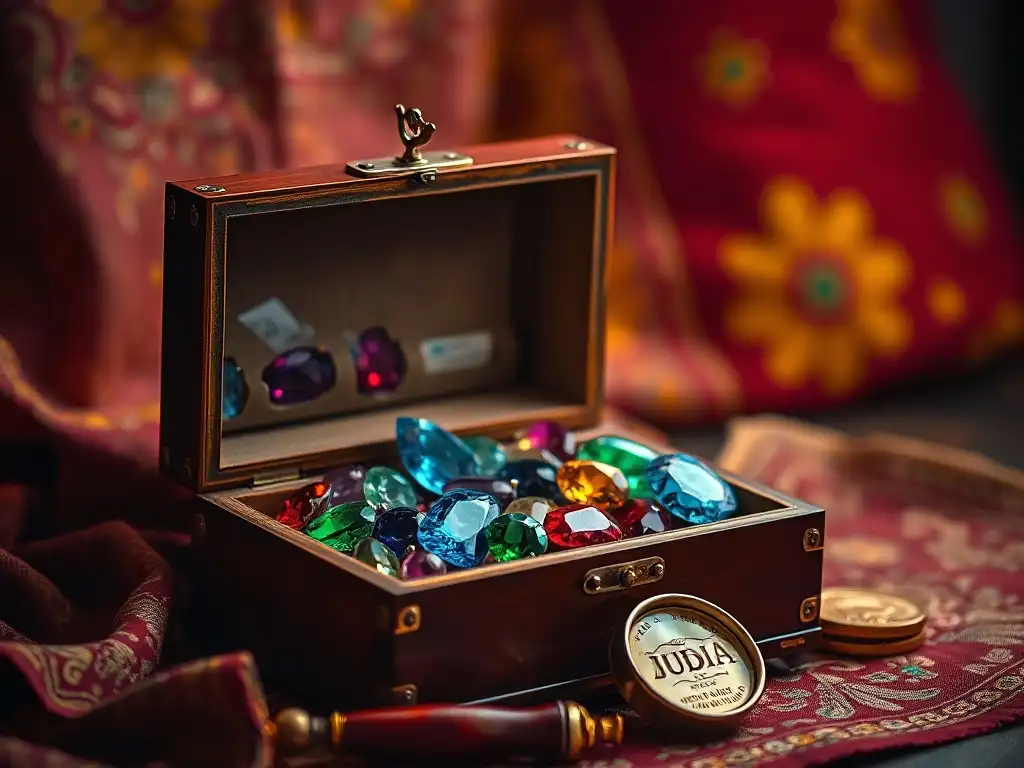
Investing in authentic Indian gemstones can be a rewarding venture, both financially and culturally. However, it requires a thorough understanding of various factors to ensure a wise investment. This guide aims to provide essential insights into the complexities of investing in these vibrant treasures.
Key Factors to Consider When Investing in Gemstones
When considering an investment in authentic Indian gemstones, several key factors should be evaluated to maximize your potential returns:
- Gemstone Type: Different gemstones hold varying levels of value based on rarity, demand, and historical significance.
- Emeralds: Known for their captivating green hues, Indian emeralds are among the most sought after.
- Rubies: Often referred to as the 'king of gemstones,' Indian rubies are prized for their vivid red color and quality.
- Sapphires: Particularly the Kashmir variety, recognized for their deep blue shades and clarity.
- Quality and Clarity: The quality of a gemstone significantly impacts its value.
- Cut: A well-cut gemstone reflects light beautifully, enhancing its appearance and worth.
- Clarity: Fewer inclusions or blemishes generally result in a higher value.
- Origin and Authenticity: Gemstones sourced directly from India often come with a rich history, increasing their desirability.
- Ensure you acquire gems from reputable dealers who can trace their origins.
- Market Trends: Keeping abreast of market trends can help you make informed decisions.
- Prices can fluctuate based on demand, economic conditions, and global events.
- Long-Term Value: Consider the potential for appreciation over time. Some gemstones may appreciate significantly, while others may not offer the same return on investment.
Market Trends in Indian Gemstone Investments
The market for Indian gemstones has witnessed significant changes over the years. Key trends influencing the market include:
- Increased Global Demand: With the rise of online marketplaces, there's been a surge in global interest in authentic Indian gemstones, leading to increased prices.
- Sustainability Focus: Modern consumers are increasingly favoring ethically sourced and sustainable gemstones, influencing market dynamics.
- Investment Diversification: Many investors are diversifying their portfolios to include tangible assets like gemstones, which are perceived as a stable investment during economic uncertainty.
The Role of Gemstone Certification and Appraisal
Certification plays a crucial role in gemstone investment. It provides verification of authenticity and quality, which are critical for ensuring a good return on investment.
- Certification Bodies: Reputable organizations such as the Gemological Institute of America (GIA) and the International Gemological Institute (IGI) provide certifications that detail a gemstone’s quality, cut, color, and clarity.
- Appraisal Services: Regular appraisals help investors understand the current market value of their gemstones. This is especially important for insurance purposes and resale opportunities.
Identifying Authentic Indian Gemstones
Identifying authentic Indian gemstones requires careful scrutiny and knowledge of specific characteristics.
Common Types of Indian Gemstones (Emerald, Ruby, Sapphire)
- Emerald:
- Color: Rich green, often with slight blue undertones.
- Clarity: High-quality emeralds may have inclusions, but these should not detract significantly from their appearance.
- Ruby:
- Color: Deep red to purplish-red, known as "pigeon blood" rubies are the most valuable.
- Clarity: The best rubies have minimal inclusions and excellent transparency.
- Sapphire:
- Color: Primarily deep blue, but can come in a range of colors (except red).
- Clarity: High-quality sapphires have few inclusions and a brilliant luster.
How to Differentiate Between Natural and Synthetic Gemstones
Understanding the difference between natural and synthetic gemstones is crucial for any investor:
- Natural Gemstones: Formed in nature without human intervention. They carry unique characteristics that make them valuable.
- Synthetic Gemstones: Created in laboratories; while they can be visually identical to natural stones, they often lack the intrinsic value and uniqueness of their natural counterparts.
Tips for Differentiation:
- Visual Inspection: Look for natural inclusions or flaws that are typically absent in synthetic gems.
- UV Light Test: Some synthetic gemstones may fluoresce differently under UV light compared to natural stones.
- Professional Testing: Consider having gemstones tested by a certified gemologist for definitive identification.
Investing in authentic Indian gemstones can be a fulfilling endeavor when approached with diligence and knowledge. Understanding the nuances of the market, certification processes, and the identification of genuine gemstones is essential for making informed investment decisions.
The Best Practices for Investing in Indian Gemstones
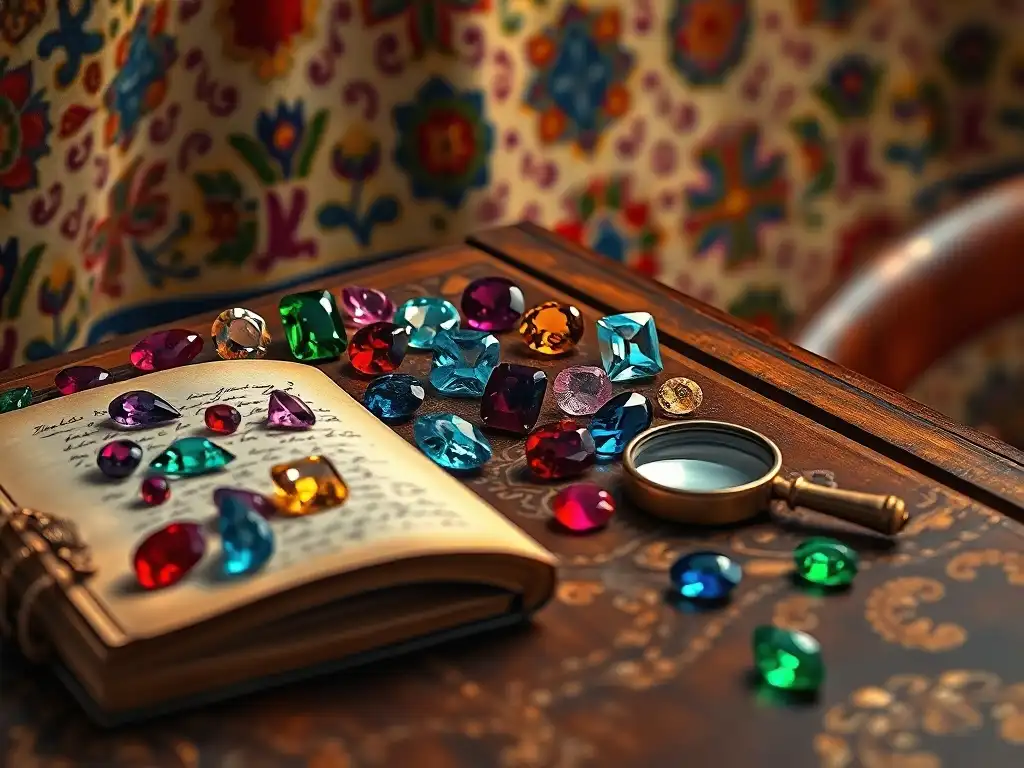
Investing in authentic Indian gemstones can be a rewarding venture, both in terms of financial returns and personal satisfaction. However, navigating the complexities of the gemstone market requires a strategic approach. Here are some best practices to guide you in making informed decisions.
Setting a Budget for Your Gemstone Investment
Establishing a budget is a crucial first step in the investment process. Consider the following factors when setting your budget:
- Personal Financial Situation: Analyze your financial health to determine how much you can comfortably allocate to gemstones without jeopardizing your other financial goals.
- Investment Goals: Define what you hope to achieve with your investment. Are you looking for long-term appreciation, or are you interested in acquiring pieces for personal enjoyment?
- Market Trends: Research current market conditions and trends in gemstone pricing. For example, certain gemstones like emeralds and rubies may appreciate faster than others, impacting your budget allocation.
Tip: Create a detailed list of gemstones you are interested in, along with their price ranges, to help you establish a realistic budget.
Researching Reputable Sources for Authentic Indian Gemstones
Once your budget is set, the next step is to identify reputable sources for purchasing authentic Indian gemstones. This involves thorough research and due diligence to ensure authenticity and quality. Consider these methods:
- Gemological Certifications: Seek gemstones that come with certificates from recognized gemological laboratories. These certificates provide information about the stone's quality, origin, and authenticity.
- Reviews and Testimonials: Look for customer reviews and testimonials about dealers or platforms. Positive feedback from previous buyers can be a strong indicator of reliability.
- Networking with Experts: Engage with gemologists or jewelry experts who can offer insights and recommendations on trustworthy sources.
Recommended Dealers and Online Platforms
Here are some reputable dealers and online platforms you might consider for purchasing authentic Indian gemstones:
| Dealer/Platform | Specialties | Location |
|---|---|---|
| Gem Palace | High-quality traditional gemstones | Jaipur, India |
| Jaipur Gems | Custom designs and rare stones | Jaipur, India |
| Gempundit | Online marketplace for gemstones | Online |
| The Gem Tree | Ethical sourcing and education | Online |
| Indian Jewelry House | Unique handcrafted jewelry | Online |
When choosing a dealer, always ensure they provide a return policy and a guarantee of authenticity. This will protect your investment and give you peace of mind as you make your purchases.
Investing in authentic Indian gemstones requires careful planning and informed decision-making. By setting a budget and researching reputable sources, you can navigate the market confidently and build a valuable collection.
Understanding Pricing: What Affects the Cost of Gemstones?
When it comes to investing in authentic Indian gemstones, understanding the pricing structure is crucial for making informed decisions. The cost of a gemstone is not arbitrary; it is influenced by a variety of interconnected factors. These variables include the quality of the gemstone, its rarity, and its origin, among others. By grasping how these elements interplay, investors can better assess the value of a gemstone and make sound investment choices.
The gemstone market can be complex, with prices fluctuating based on demand, trends, and market conditions. Additionally, the presence of treatments and enhancements can also impact pricing significantly. Recognizing these factors will provide a more comprehensive view of the gemstone's worth, ensuring that you invest wisely.
Factors Influencing Gemstone Prices (Quality, Rarity, Origin)
- Quality: The quality of a gemstone is a primary determinant of its price. Several attributes define quality:
- Color: The hue, tone, and saturation of a gemstone significantly affect its desirability. For instance, a deep blue sapphire is more valuable than a lighter shade.
- Clarity: This refers to the presence of inclusions or blemishes within the gemstone. Higher clarity often leads to a higher price, as flawless stones are rare.
- Cut: The way a gemstone is cut influences its brilliance and overall appearance. Well-cut stones that maximize light reflection are generally more valuable.
- Rarity: The rarity of a gemstone plays a crucial role in determining its price. Some gemstones, like diamonds, rubies, and emeralds, are more common, while others, such as alexandrite or certain types of garnet, are less frequently found. The law of supply and demand dictates that rarer stones tend to command higher prices, especially if they exhibit exceptional quality.
- Origin: The geographical origin of a gemstone can also affect its value. Certain regions are renowned for producing gemstones of superior quality. For example:
- Kashmir sapphires are famous for their vibrant color and rarity, significantly increasing their market value.
- Burmese rubies are highly sought after due to their rich red hue and historical significance.
Understanding these factors will not only help investors identify valuable gemstones but also guide them in negotiating better prices and ensuring they make wise investments in authentic Indian gemstones.
Comparison of Popular Authentic Indian Gemstones for Investment
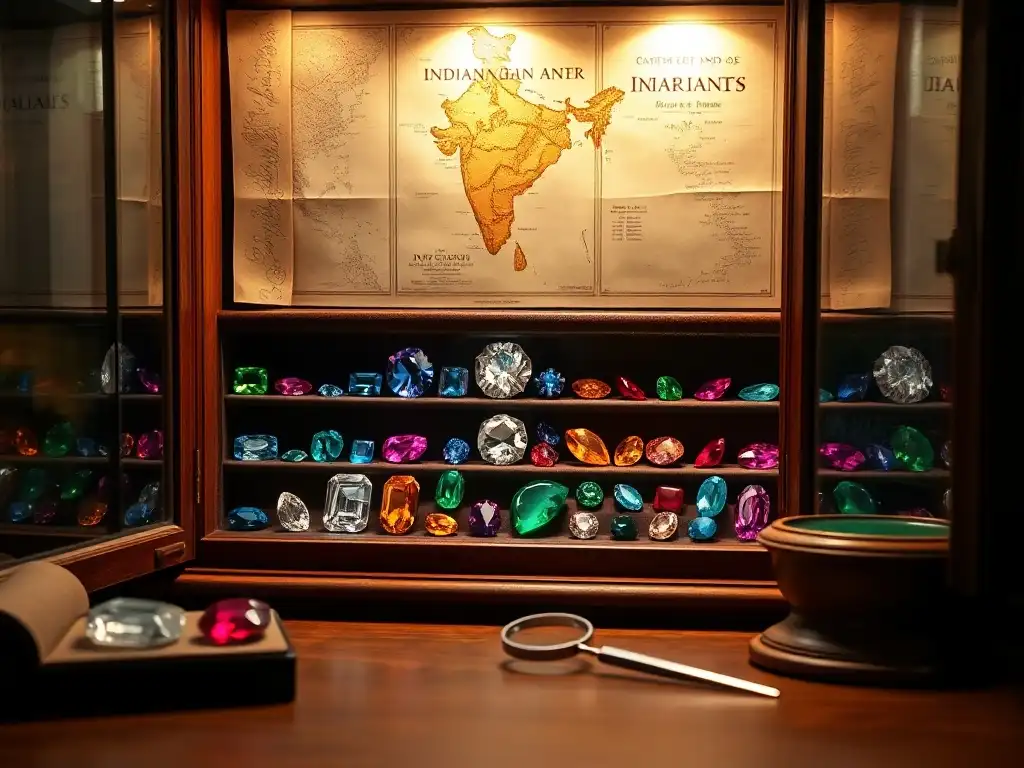
Investing in authentic Indian gemstones can be a lucrative venture, but it’s crucial to understand the differences between various gemstones to make informed decisions. In this section, we will compare some of the most popular gemstones for investment, focusing on emeralds, rubies, sapphires, and diamonds. Each of these gemstones has unique characteristics, market demand, and potential returns, making them worthy of consideration for any investor.
Emerald vs. Ruby: Which is the Better Investment?
Emeralds and rubies are two of the most sought-after gemstones in the world. Both offer unique beauty and have significant investment potential, but they also come with their own set of advantages and challenges.
Features, Benefits, and Market Demand
- Emeralds:
- Color: The most valuable emeralds exhibit a vivid green color, often attributed to chromium and vanadium.
- Clarity: High-quality emeralds are rare, as most contain inclusions known as "jardin" (French for "garden"). However, these inclusions can add character and are often accepted in the market.
- Market Demand: Emeralds are increasingly popular due to their association with luxury and status. They have seen a steady rise in demand, particularly in markets like India, the Middle East, and China.
- Rubies:
- Color: The finest rubies are deep red, with a hint of blue, often referred to as "pigeon's blood" rubies.
- Clarity: While rubies also have inclusions, those that are eye-clean can command significantly higher prices.
- Market Demand: Rubies have historically been valued highly and are often seen as a safe investment. Their demand remains strong, particularly among collectors and investors looking for high-quality stones.
| Feature | Emeralds | Rubies |
|---|---|---|
| Color | Vivid green | Deep red |
| Clarity | Inclusions accepted | Higher value for eye-clean |
| Market Demand | Rising, especially in Asia | Historically strong |
Both emeralds and rubies have their strengths as investment options. The choice largely depends on individual preferences and market trends.
Sapphire vs. Diamond: A Comparative Analysis
Sapphires and diamonds are two of the most famous gemstones globally, each offering unique investment opportunities. Understanding their characteristics can aid in making a wise investment decision.
Pros and Cons of Each Gemstone for Investment
- Sapphires:
- Variety: Available in a range of colors, including blue, pink, yellow, and white. Blue sapphires, particularly those from Kashmir, are highly prized.
- Durability: With a hardness of 9 on the Mohs scale, sapphires are extremely durable, making them suitable for everyday wear.
- Market Demand: The demand for sapphires is growing, especially colorful varieties, as consumers seek unique gemstones.
- Diamonds:
- Brilliance: Renowned for their sparkle and brilliance, diamonds are the most recognized and sought-after gemstones.
- Value Retention: While diamonds can fluctuate in value, high-quality stones often retain their value well over time.
- Market Demand: The diamond market is well-established, and while there's a steady demand, the rise of alternative gemstones can impact prices.
| Feature | Sapphires | Diamonds |
|---|---|---|
| Variety | Multiple colors available | Primarily colorless |
| Durability | Extremely durable | Very durable (hardness 10) |
| Market Demand | Growing, particularly in colors | Established but competitive |
Both sapphires and diamonds provide excellent investment opportunities, with sapphires appealing to those seeking color and uniqueness, while diamonds remain a classic choice for their brilliance and value retention.
Investing in authentic Indian gemstones requires careful consideration of each stone's characteristics, market trends, and personal preferences. As you explore your options, ensure that you are well-informed to make the best investment choice.
The Benefits of Investing in Authentic Indian Gemstones
Cultural and Historical Value of Gemstones
Investing in authentic Indian gemstones is not merely a financial decision; it encapsulates a rich tapestry of cultural and historical significance that dates back thousands of years. India has been a prominent player in the gemstone market since ancient times, with references to gemstones found in ancient scriptures, including the Vedas and the Mahabharata. Each gemstone carries its own unique story, often tied to the mythology and traditions of the region it originates from.
- Symbolism: Many gemstones are associated with various deities and are believed to possess specific powers. For instance, rubies are linked to the sun and symbolize power and passion, while sapphires represent wisdom and protection.
- Artisan Craftsmanship: The intricate craftsmanship involved in the cutting, polishing, and setting of gemstones reflects the skills passed down through generations. Acquiring these gemstones supports traditional artisans and helps preserve these age-old techniques.
- Cultural Heritage: Each gemstone can be seen as a piece of history. The famed Golconda diamonds, for example, were once part of the treasures of Indian royalty. By investing in these gemstones, one not only owns a tangible piece of history but also contributes to the preservation of India’s cultural heritage.
As you delve into the world of gemstones, consider the profound connection they hold with Indian culture and history, making them not just an investment, but a meaningful addition to one’s collection.
Potential for High Returns on Investment
The market for authentic Indian gemstones has demonstrated significant potential for high returns on investment. Historically, gemstones have been known to appreciate in value over time due to their rarity and the growing global demand.
- Market Trends: The gemstone market has shown resilience, even during economic downturns. For instance, the prices of high-quality emeralds and sapphires have increased steadily over the past decade, driven by both domestic and international buyers.
- Rarity and Demand: Certain gemstones, such as natural rubies and fancy colored diamonds, are becoming increasingly scarce. As supply diminishes and demand continues to rise, the value of these gemstones is expected to soar.
- Investment Diversification: Including authentic Indian gemstones in your investment portfolio can provide a hedge against market volatility. Unlike stocks or bonds, gemstones are tangible assets that can provide a sense of security.
Investors should conduct thorough research and seek expert advice when investing in gemstones to ensure they are purchasing high-quality, certified pieces that will stand the test of time.
Gemstones as a Hedge Against Inflation
Investing in authentic Indian gemstones serves as a strategic hedge against inflation. As traditional currencies lose value due to rising inflation rates, tangible assets like gemstones become increasingly attractive.
- Intrinsic Value: Unlike paper currency, gemstones possess intrinsic value. Their worth is not solely dependent on economic conditions, making them a reliable investment during inflationary periods.
- Historical Performance: Historically, gemstones have maintained their value during times of economic uncertainty. For example, during the 2008 financial crisis, while many assets plummeted in value, high-quality gemstones remained stable and even appreciated in certain cases.
- Global Market Appeal: The international market for gemstones continues to expand, with buyers from various countries looking to invest in authentic pieces. This global interest helps sustain the value of gemstones, regardless of local economic conditions.
Incorporating authentic Indian gemstones into your investment strategy can provide not only aesthetic pleasure but also a sound financial decision to protect against inflation and economic instability.
Common Myths and Realities About Investing in Indian Gemstones
Investing in authentic Indian gemstones can be a rewarding venture, but it is often shrouded in misconceptions. Understanding these myths and the corresponding realities can help potential investors make informed decisions.
Myth: All Gemstones Are a Safe Investment
Reality: Understanding Market Volatility
One of the most pervasive myths surrounding gemstone investment is the belief that all gemstones are inherently safe investments. While gemstones, especially those that are high-quality and rare, can appreciate in value over time, the market is not immune to fluctuations.
- Market Cycles: The gemstone market experiences cycles similar to other investment sectors. Economic downturns, changes in consumer preferences, and increasing supply can lead to price drops. For instance, during the financial crisis of 2008, luxury goods, including gemstones, saw a significant decline in demand.
- Quality Matters: Not all gemstones are created equal. Factors such as color, clarity, cut, and carat weight play crucial roles in determining a gemstone's value. For example, a poorly cut diamond may not hold its value compared to a well-cut one, regardless of carat weight.
- Emerging Trends: The popularity of certain gemstones can change over time. Stones like Alexandrite or Paraiba Tourmaline may see a surge in demand, while others may fall out of favor. Understanding these trends is essential for making informed investment choices.
Myth: Only Rich Investors Can Buy Gemstones
Reality: Affordable Options for Every Investor
Another common misconception is that investing in gemstones is exclusively for the wealthy. In reality, there are affordable options available for investors at all levels.
- Diverse Price Range: The market for authentic Indian gemstones is diverse, with options available at various price points. While high-end stones like Kashmir sapphires can command exorbitant prices, there are numerous gemstones such as garnets, peridots, and citrines that are both beautiful and budget-friendly.
- Fractional Ownership: Some investors are turning to fractional ownership models, where they can invest in a share of a high-value gemstone without the need to purchase it outright. This approach allows more individuals to participate in the gemstone market.
- Education and Research: Educating oneself about gemstones can significantly reduce the risk of overpaying. Resources such as gemological institutes and trade shows provide opportunities to learn about gemstones and connect with reputable dealers.
While investing in authentic Indian gemstones can be daunting due to prevalent myths, understanding the realities can empower investors to explore this vibrant market confidently. Whether you are an experienced investor or a newcomer seeking affordable options, the world of Indian gemstones has something for everyone.
Conclusion: Making Informed Decisions in Gemstone Investment
Investing in authentic Indian gemstones can be a rewarding venture, but it requires careful consideration and a well-informed approach. The rich history and cultural significance of these gemstones not only enhance their aesthetic appeal but also their value as investment assets. A thorough understanding of the market, authenticity verification, and proper maintenance can lead to fruitful returns.
Summary of Key Takeaways
- Research is Crucial: Understanding the different types of authentic Indian gemstones, their origins, and market trends is essential. Popular gemstones include diamonds, rubies, emeralds, and sapphires, each with unique characteristics and price points.
- Authenticity Matters: Only purchase gemstones from reputable dealers who provide certification of authenticity. Look for certifications from recognized gemological institutes to ensure the quality and legitimacy of your investment.
- Market Trends: Stay updated on market trends, as the demand for certain gemstones can fluctuate. Factors such as rarity, quality, and regional preferences can significantly influence price.
- Investment Duration: Consider the duration of your investment. While some gemstones appreciate quickly, others may require a longer holding period to see significant returns.
- Maintenance is Key: Proper care and maintenance of your gemstones can help preserve their beauty and value over time.
Final Recommendations for Aspiring Gemstone Investors
As you embark on your journey of investing in authentic Indian gemstones, here are some final recommendations to keep in mind:
- Start Small: If you are new to gemstone investing, consider starting with smaller investments to gain experience and knowledge of the market.
- Diversify Your Portfolio: Just like any investment, diversification can help mitigate risks. Consider investing in a variety of gemstones to enhance your portfolio.
- Network with Experts: Engage with gemologists, jewelers, and fellow investors to gain insights and advice. Building a network can provide valuable information and opportunities.
- Keep Emotions in Check: While the beauty of gemstones can be alluring, make decisions based on market research and data rather than emotions.
- Document Everything: Maintain records of your purchases, including receipts, certifications, and appraisals. This documentation will be essential for future sales or appraisals.
Where to Buy Authentic Indian Gemstones
Finding a reliable source for purchasing authentic Indian gemstones is critical. Here are some avenues to consider:
- Reputable Jewelers: Look for established jewelers known for their quality and integrity. Visit their stores or websites to explore their offerings.
- Gem Fairs and Exhibitions: Attend gem fairs and exhibitions where certified dealers showcase their gemstones. This allows you to see the stones in person and verify their authenticity.
- Online Marketplaces: Utilize trusted online platforms that specialize in gemstones. Ensure they offer guarantees of authenticity and return policies.
- Auctions: Participating in auctions can sometimes lead to unique finds at competitive prices, but do your due diligence on the auction house’s reputation.
Long-term Care and Maintenance of Your Investment
Caring for your authentic Indian gemstones is vital for maintaining their value. Here are some essential maintenance tips:
- Regular Cleaning: Clean your gemstones regularly using a soft cloth and mild soap. Avoid harsh chemicals that can damage the stone.
- Safe Storage: Store gemstones in a cool, dry place, ideally in a padded jewelry box or separate pouches to prevent scratches and damage.
- Professional Appraisals: Schedule regular professional appraisals to monitor the value of your investment and ensure proper insurance coverage.
- Avoid Exposure: Protect your gemstones from extreme temperatures and direct sunlight, which can cause fading or damage over time.
By following these guidelines and making informed decisions, you can navigate the world of authentic Indian gemstone investments with confidence and success.
Frequently Asked Questions
What are authentic Indian gemstones?
Authentic Indian gemstones are precious and semi-precious stones sourced from India's rich geological landscape. They are known for their vibrant colors and unique characteristics.
Why should I invest in Indian gemstones?
Investing in Indian gemstones can be lucrative due to their cultural significance, historical value, and increasing global demand. They often appreciate in value over time, making them a worthy investment.
How can I determine the authenticity of Indian gemstones?
To determine authenticity, consult a reputable gemologist or obtain certification from recognized gemological laboratories. Look for natural stones without enhancements, as they hold better value.
What are the best types of Indian gemstones for investment?
Some of the best types for investment include diamonds, sapphires, emeralds, and rubies. These stones are not only beautiful but also tend to have a high resale value.
Are there risks associated with investing in gemstones?
Yes, there are risks such as market fluctuations, potential frauds, and the need for expert knowledge. It's essential to conduct thorough research and seek professional advice before investing.
Final Reflection: The Timeless Value of Authentic Indian Gemstones
Investing in authentic Indian gemstones is not just a financial decision; it is a journey into the rich tapestry of culture, history, and craftsmanship. As we navigate through a world increasingly driven by fleeting trends and mass production, the allure of authentic gemstones stands as a testament to enduring beauty and value. The knowledge shared in this article serves as a guide for those looking to make informed investments, ensuring that each piece not only holds monetary worth but also carries a story that transcends generations.
Cultural heritage and craftsmanship are woven into the very fabric of authentic Indian gemstones. The impact of this investment extends beyond personal gain; it contributes to the preservation of traditional art forms and supports local artisans who pour their heart and soul into each creation. As noted by gemologist and historian Dr. Anjali Rao, Each gemstone is a piece of history, a reflection of the earth's beauty and the hands that shaped it.
This ongoing influence reminds us that our choices in investment can resonate through time, fostering a deeper appreciation for the artistry and culture behind these precious stones.
As you consider your own journey into the world of authentic Indian gemstones, I invite you to reflect on the values that guide your investments. Think about the stories you wish to support and the legacy you want to create. By choosing to invest in these remarkable pieces, you are not just acquiring a beautiful object; you are becoming a steward of tradition and a champion of authenticity. Embrace this opportunity to connect with the past while building a future that honors the craftsmanship and cultural significance of authentic Indian gemstones.
Unlock the Treasure of Authentic Indian Gemstones!
Thank you for exploring the captivating world of authentic Indian gemstones with us! We hope you gained valuable insights into their beauty and significance. Now, it's time to take action and deepen your connection with these stunning treasures.
Here are a few steps to get you started on your gemstone journey:
- Discover your ideal gemstone by researching its history and properties. Choose one that resonates with you personally— it’s time to bring home your own piece of India’s heritage!
- Share your newfound knowledge with friends or join a local gemstone enthusiasts group to connect with others who appreciate the beauty of these gems.
- Explore opportunities to support ethical gemstone sourcing by visiting artisanal shops or attending gemstone fairs in your community.
What gemstone are you excited to explore further, and how do you plan to incorporate its beauty into your life? Join the conversation below!