
Gupta Medicine: The Science Behind Ancient Healing Practices

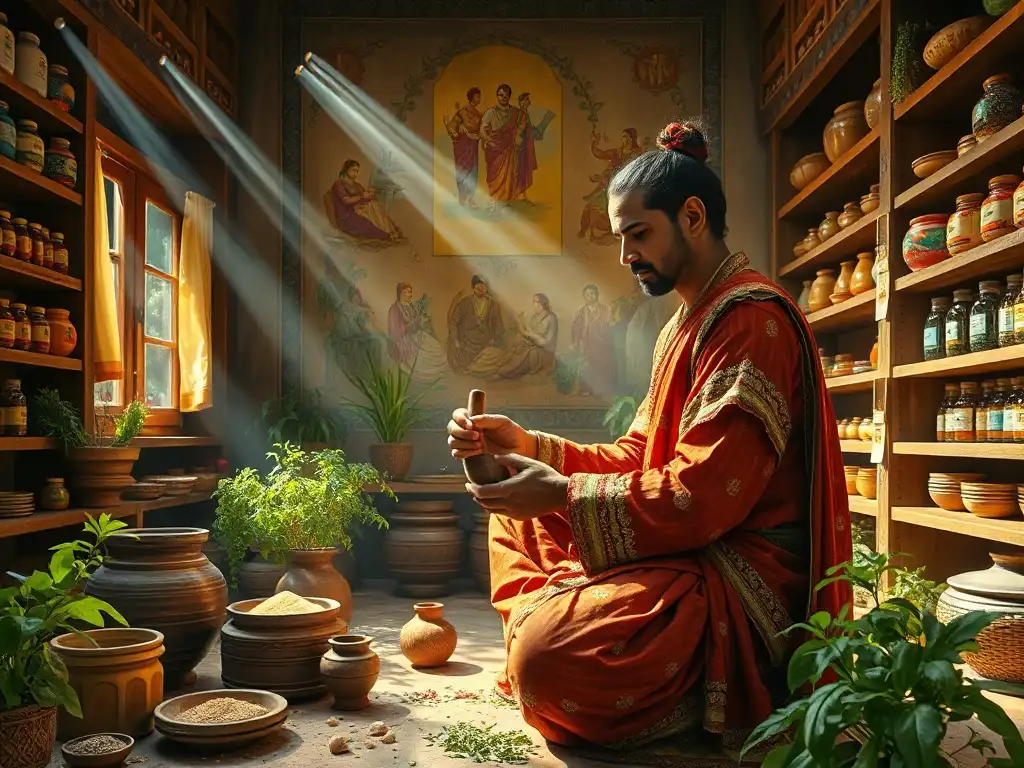
Welcome to Ancient India History, where we embark on a fascinating journey through the tapestry of time, exploring the rich and diverse cultures that shaped one of the world's oldest civilizations. Today, we delve into the remarkable world of ancient Gupta medicine practices, uncovering the science and wisdom behind these time-honored healing traditions. What secrets did the Gupta physicians hold, and how do their methods resonate with modern medicine? Join us as we unravel the mysteries of this captivating era, inviting you to delve deeper into the legacy of ancient Indian civilizations. Your adventure into the past begins now!
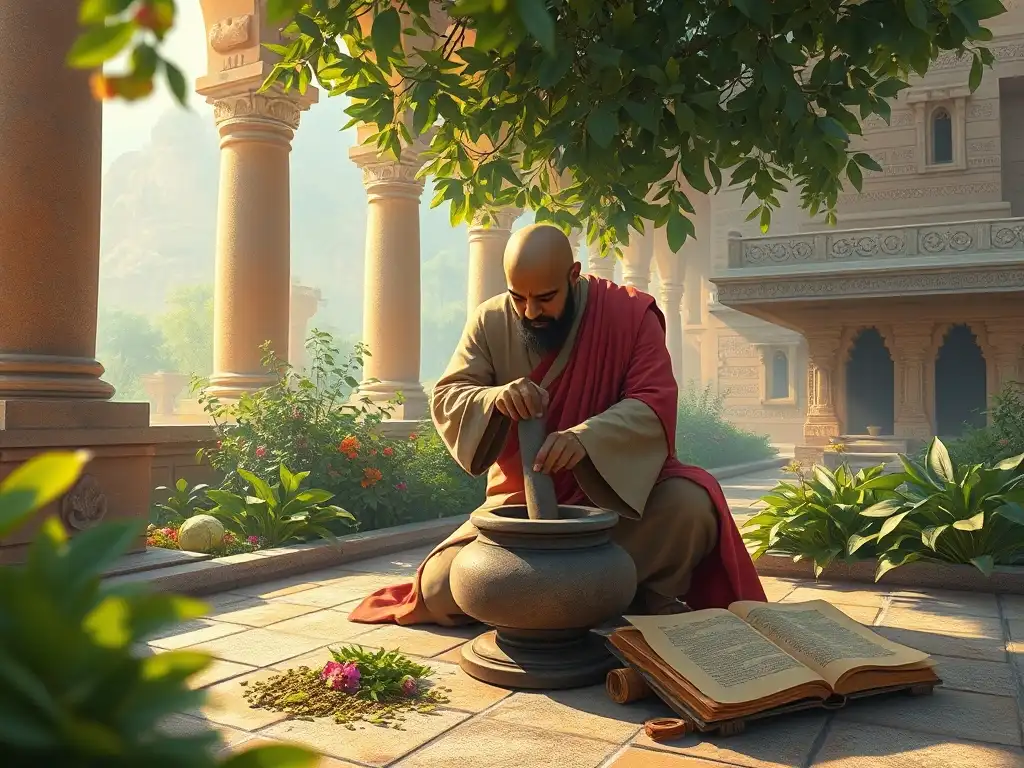
Introduction to Ancient Gupta Medicine Practices
The Gupta Empire, which flourished from approximately 320 to 550 CE, stands as a beacon of cultural and intellectual achievement in ancient Indian history. Among its numerous contributions to science, technology, and philosophy, ancient Gupta medicine practices play a pivotal role in understanding the holistic approach to health and healing that characterized this era.
The Gupta period is often referred to as the "Golden Age" of India, not only for its advancements in arts and literature but also for its significant progress in medical knowledge and practices. This article delves into the intricate world of Gupta medicine, exploring its foundations, methodologies, and the enduring impact it has had on contemporary healing practices.
Overview of Gupta Empire Contributions to Medicine
The Gupta Empire made remarkable strides in medicine, establishing a framework that blends empirical observation with spiritual beliefs. The ancient Gupta medicine practices were deeply influenced by earlier traditions such as Ayurveda, which emphasized balance and harmony within the body. During this period, several key contributions emerged:
- Ayurveda's Advancement: The Gupta period saw the formalization and expansion of Ayurvedic texts, which documented herbal remedies and surgical techniques.
- Surgical Techniques: Notable advancements in surgery, including the use of instruments and techniques for cataract operations and cesarean sections, showcased the sophistication of Gupta medical practitioners.
- Pharmacology: The exploration of medicinal plants led to the development of various formulations, establishing a rich tradition of herbal medicine that is still in use today.
The contributions of Gupta medicine not only enriched the medical landscape of India but also influenced neighboring cultures, laying the groundwork for future medical practices.
Importance of Ancient Healing in Indian Culture
Ancient healing practices during the Gupta Empire were not merely about curing ailments; they were intertwined with cultural and spiritual beliefs. The importance of these practices can be understood through several lenses:
- Spiritual Well-being: Healing was often viewed as a holistic process that encompassed the physical, mental, and spiritual aspects of a person. Rituals and prayers were integral to medical treatments.
- Cultural Heritage: The medical knowledge of the Gupta period became a part of the cultural fabric, with practitioners revered as both healers and spiritual leaders.
- Community Health: Ancient Gupta medicine emphasized community well-being, with practitioners often serving as a central figure in villages, promoting health education and preventive care.
This deep-rooted relationship between medicine and culture underscored the value placed on health and wellness within ancient Indian society.
Historical Context of Gupta Medicine
The historical backdrop of Gupta medicine is marked by a synthesis of various medical traditions and the flourishing of scholarly activities. Several factors contributed to its development:
The Evolution of Medical Practices in Ancient India
Medical practices in ancient India evolved significantly over centuries, driven by both empirical observations and philosophical inquiries. Key aspects include:
- Integration of Knowledge: Gupta medicine was characterized by the amalgamation of various medical systems, including Ayurveda, Siddha, and Unani, creating a rich tapestry of healing practices.
- Textual Developments: Prominent texts such as the Sushruta Samhita and the Charaka Samhita were refined and studied, providing a systematic approach to diagnosis and treatment.
- Educational Institutions: The establishment of medical schools and universities facilitated the transmission of knowledge, ensuring that medical expertise was cultivated and passed down through generations.
This evolution set the stage for the remarkable advancements witnessed during the Gupta Empire.
Key Figures in Gupta Medicine and Their Contributions
The Gupta Empire was home to several distinguished figures whose contributions significantly shaped the landscape of ancient medicine:
- Sushruta: Often referred to as the "father of surgery," Sushruta authored the Sushruta Samhita, which detailed surgical procedures and techniques that are still relevant today.
- Charaka: A key figure in the development of Ayurveda, Charaka's contributions to pharmacology and internal medicine have had a lasting influence on holistic healing practices.
- Vagbhata: Another prominent physician, Vagbhata synthesized knowledge from earlier texts and emphasized the importance of diet and lifestyle in maintaining health.
These figures not only advanced medical knowledge but also established a legacy that continues to inspire modern medicine.
The exploration of ancient Gupta medicine practices reveals a sophisticated understanding of health, deeply rooted in cultural traditions and scientific inquiry. The advancements made during this era laid the foundation for contemporary medical practices and continue to resonate in the realm of holistic healing today.
Core Principles of Ancient Gupta Medicine Practices
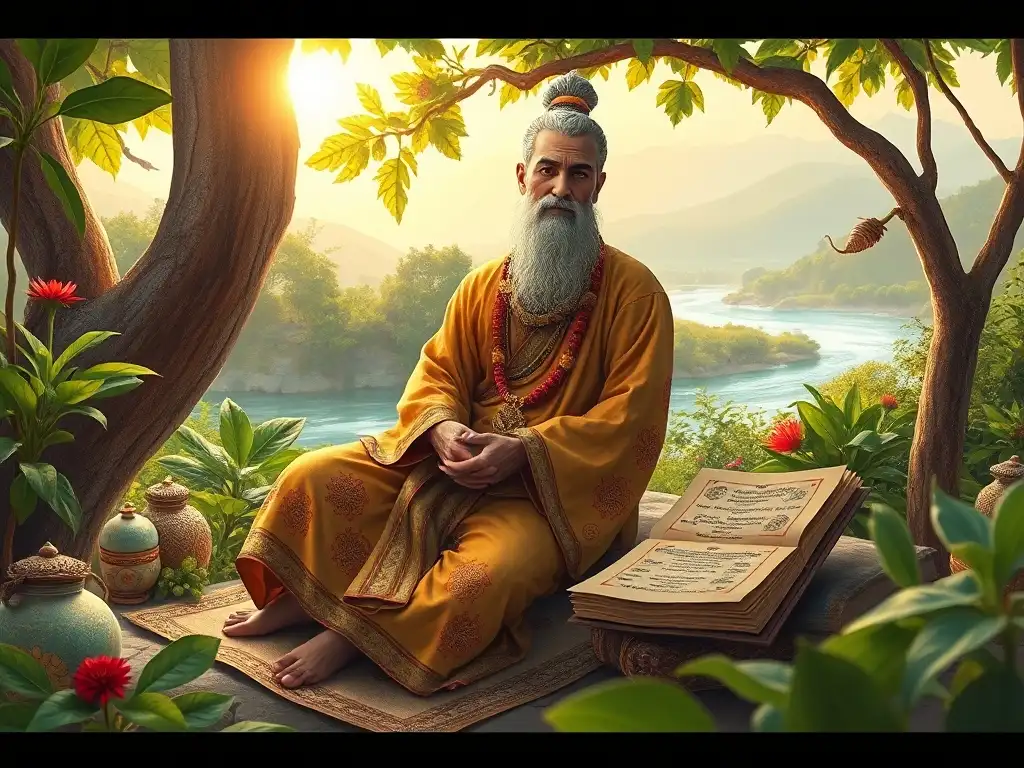
Ancient Gupta medicine practices were deeply rooted in a holistic understanding of health, emphasizing the interconnection of the body, mind, and spirit. The Gupta period, known for its advancements in various sciences, saw medicine evolve into a sophisticated discipline. The core principles of these practices included balance, natural remedies, and preventive care.
A significant aspect of Gupta medicine was the belief in the body's innate ability to heal itself, a concept that encouraged practitioners to focus on restoring harmony within the individual rather than merely treating symptoms. This approach fostered a deep respect for nature and the healing properties of various plants and minerals, which were integral to their medical practices.
Holistic Approach to Health and Healing
The holistic approach in Gupta medicine emphasized that health is not just the absence of disease but a state of complete physical, mental, and social well-being. This perspective was evident in various healing practices, where the treatment plan often included lifestyle changes, dietary adjustments, and mental health support alongside physical treatments.
Practitioners encouraged meditation, yoga, and other spiritual practices as essential components of healing. This integrative approach recognized that factors such as stress, emotional imbalance, and environmental influences could significantly affect a person's health. By addressing these aspects, Gupta physicians aimed to promote overall well-being and prevent illness.
The Role of Ayurveda in Gupta Medicine
Ayurveda, meaning "the science of life," played a pivotal role in Gupta medicine. It was a comprehensive system that encompassed various medical practices, including herbal medicine, surgery, and lifestyle guidance. The Ayurvedic texts from this period, such as the "Charaka Samhita" and "Sushruta Samhita," laid down foundational principles and practices that are still relevant today.
In Ayurveda, the concept of the three doshas—Vata, Pitta, and Kapha—was central to understanding individual health. Gupta physicians would assess a patient's dosha balance to tailor treatments effectively. This personalized approach facilitated the use of dietary recommendations, herbal remedies, and therapies that aligned with the unique constitution of each individual.
Key Practices of Ancient Gupta Medicine
The Gupta Empire's contributions to medicine included various innovative and effective practices that remain influential today. These practices encompassed a range of techniques, from herbalism to surgical procedures, each designed to address specific health issues.
Herbal Remedies and Their Applications
Herbal remedies were a cornerstone of ancient Gupta medicine practices. Practitioners utilized a vast array of plants and herbs, each known for its specific healing properties. For instance, turmeric was commonly used for its anti-inflammatory benefits, while ginger was favored for digestive issues.
The preparation of herbal medicines often involved complex processes, including drying, grinding, and mixing with other natural substances to enhance efficacy. Gupta practitioners believed in the power of nature to heal, and their extensive pharmacopoeia reflects a profound understanding of botany and herbal medicine.
Surgical Techniques in Gupta Medicine
The Gupta period is renowned for its advanced surgical techniques, which were documented in texts like the "Sushruta Samhita." Sushruta, often referred to as the father of surgery, introduced methods such as suturing, trepanation, and even rhinoplasty.
Surgical practices were conducted with a deep understanding of anatomy and patient care. Instruments were crafted with precision, and the procedures were performed under conditions that prioritized hygiene and patient safety, a remarkable feat for the time.
The Use of Minerals and Metals in Healing
In addition to herbal remedies, Gupta medicine incorporated the use of minerals and metals for therapeutic purposes. Substances like mercury, lead, and gold were believed to possess healing properties when processed correctly. For instance, mercurial compounds were used in specific formulations to treat ailments and enhance overall health.
The application of these materials required extensive knowledge and skill, as improper use could lead to toxicity. Gupta physicians were trained in the art of alchemy, allowing them to create potent medicinal concoctions that capitalized on the unique qualities of various minerals and metals. This practice reflected an advanced understanding of chemistry and its application in medicine during the Gupta Empire.
Influence of Ancient Gupta Medicine on Modern Practices
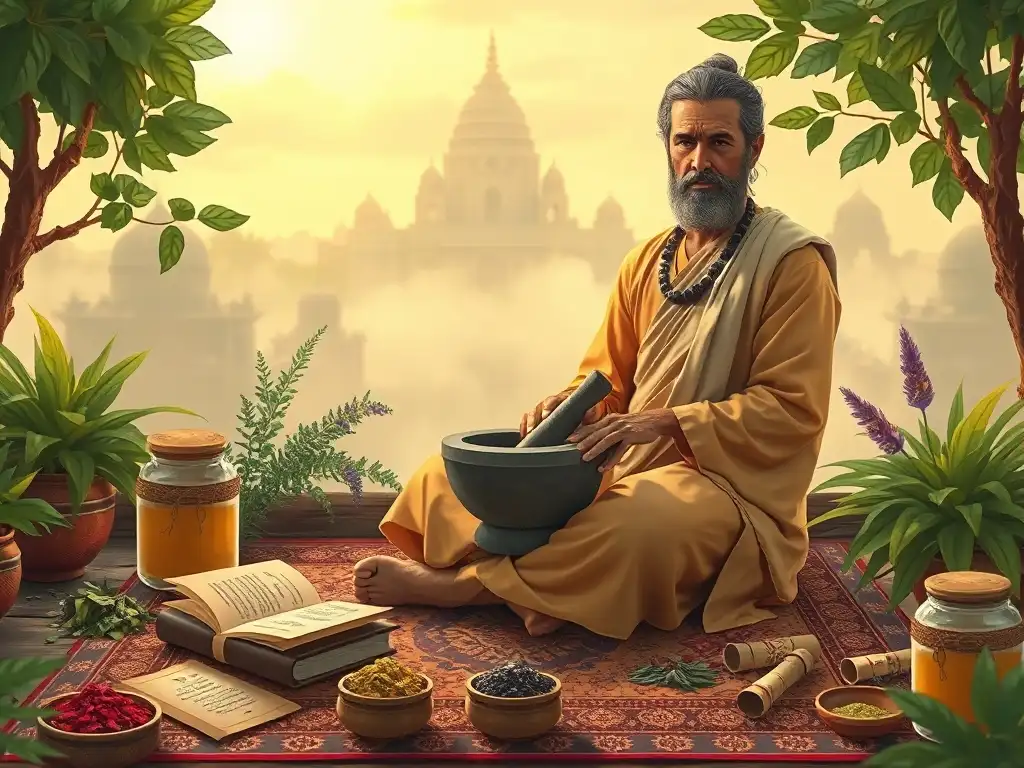
Ancient Gupta medicine, particularly through its texts and methodologies, has significantly influenced modern medical practices in India and beyond. The principles established during this era laid the groundwork for holistic approaches to health, emphasizing the balance between body, mind, and spirit. Practitioners of Ayurveda, which has roots in Gupta medicine, continue to utilize herbal remedies, dietary guidelines, and lifestyle adjustments that echo the ancient teachings.
Moreover, many of the surgical techniques and medicinal formulations documented in Gupta texts have been validated and integrated into contemporary practices. For instance, the surgical instruments described in ancient texts resemble those used in modern-day surgical procedures. The emphasis on patient-centered care, preventive measures, and the use of natural remedies remains prevalent in today's healthcare systems, particularly in alternative medicine.
Continuation of Ancient Healing Methods in Contemporary India
In contemporary India, many ancient healing practices from the Gupta period continue to thrive, particularly in rural areas where traditional medicine is often preferred. The practice of Ayurveda, which flourished during the Gupta Empire, is recognized by the Indian government and has gained international popularity. Ayurvedic practitioners incorporate ancient texts, such as the Sushruta Samhita and Charaka Samhita, which provide guidelines for treatment based on the principles of balance and harmony.
Furthermore, yoga and meditation, which were also integral to Gupta medicine, are widely practiced today for their health benefits. Many wellness centers in India and abroad offer programs that blend ancient techniques with modern health practices, promoting a holistic approach to well-being. This continuation not only preserves the ancient wisdom but also adapts it to fit contemporary lifestyles and health challenges.
Comparing Gupta Medicine to Other Ancient Healing Systems
When comparing Gupta medicine to other ancient healing systems, such as Traditional Chinese Medicine (TCM) and Greek medicine, several similarities and differences emerge. Like TCM, Gupta medicine emphasizes balance—specifically the balance of the three doshas (Vata, Pitta, and Kapha). Both systems advocate for personalized treatment plans based on individual constitutions and environmental factors.
However, Gupta medicine is distinct in its approach to surgery and anatomical knowledge. The Gupta period was marked by significant advancements in surgical techniques, as evidenced by the works of Sushruta, who is often referred to as the "father of surgery." In contrast, Greek medicine, particularly through Hippocrates, focused more on humoral theory and did not delve as deeply into surgical practices.
Additionally, Gupta medicine's integration of spiritual and philosophical elements sets it apart. The holistic view of health in Gupta practices emphasizes not only physical well-being but also mental and spiritual health, aligning closely with the prevailing cultural philosophies of the time.
The Science Behind Ancient Gupta Medicine
The scientific principles underlying ancient Gupta medicine were sophisticated for their time, reflecting a deep understanding of human anatomy, physiology, and the natural world. Gupta physicians conducted detailed observations and experiments, leading to the development of various treatment modalities based on empirical evidence.
The incorporation of herbal treatments was based on extensive knowledge of plant properties and their effects on the human body. Texts from this era cataloged numerous plants and their medicinal uses, forming the basis for many modern pharmacological practices. The scientific method, although not formalized, was evident in the systematic approach to diagnosis and treatment that characterized Gupta medicine.
Understanding the Philosophical Foundations of Gupta Healing
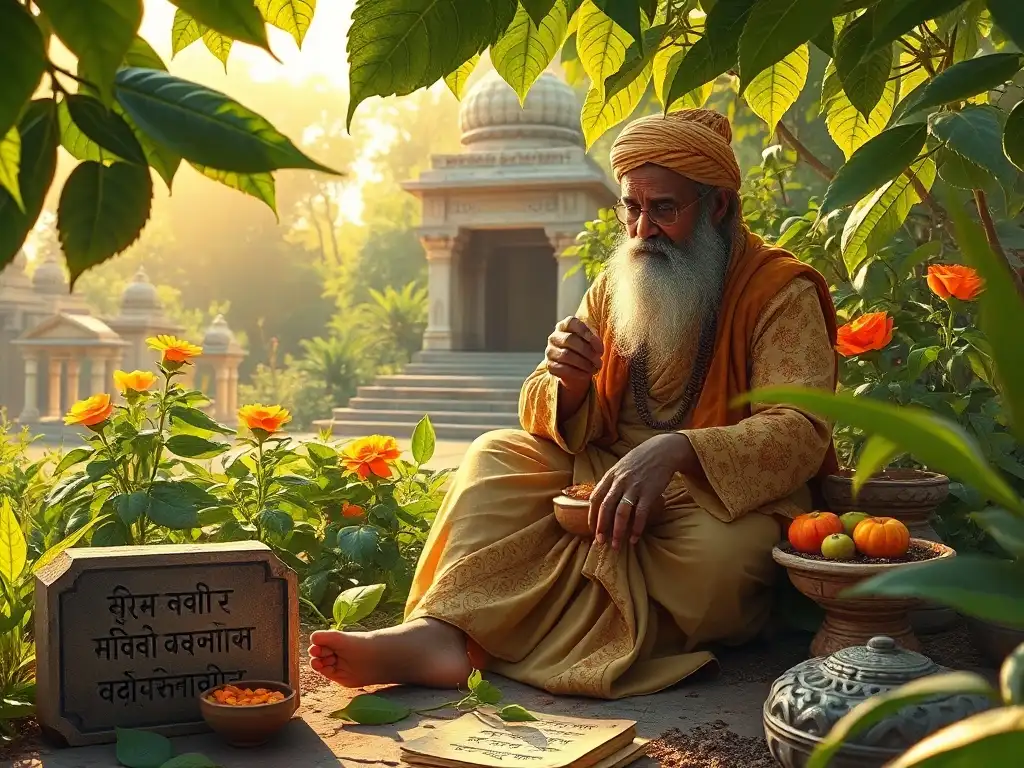
The philosophical foundations of Gupta healing are rooted in ancient Indian thought, particularly in concepts like Dharma (duty), Karma (action), and Moksha (liberation). These principles guided medical practitioners in their approach to health, emphasizing the importance of ethical conduct, balance in life, and the pursuit of knowledge.
The interconnectedness of body, mind, and spirit was a central tenet of Gupta medicine, suggesting that health is not merely the absence of disease but a state of overall well-being that encompasses physical, mental, and spiritual dimensions. This holistic view encouraged practitioners to consider the patient’s lifestyle, environment, and emotional state when devising treatment plans.
Evidence-Based Practices in Ancient Gupta Medicine
Evidence-based practices in ancient Gupta medicine emerged through meticulous documentation and observation. The Sushruta Samhita and Charaka Samhita serve as primary texts that not only outline surgical techniques and medicinal formulations but also emphasize the importance of clinical trials and patient observations.
Gupta physicians conducted assessments of various treatments based on patient outcomes, allowing them to refine their practices continually. The categorization of diseases and their respective treatments was systematic, providing a framework that modern evidence-based medicine has built upon. This scientific rigor in ancient Gupta medicine highlights its relevance and adaptability, influencing both traditional and contemporary medical practices.
Challenges and Misconceptions about Gupta Medicine
The ancient Gupta medicine practices have often been clouded by various challenges and misconceptions that hinder a comprehensive understanding of their significance and efficacy. One major hurdle is the lack of extensive documentation and preservation of texts, which has led to fragmented knowledge about these practices. The primary sources of Gupta medicine, such as the Sushruta Samhita and Charaka Samhita, although invaluable, are often interpreted through modern lenses that may not accurately reflect their original context and applications.
Moreover, the prevailing misconceptions about Gupta medicine often stem from a limited understanding of its holistic approach. Many individuals equate ancient practices with superstition, disregarding the empirical observations and methodologies that were foundational to Gupta medicine. This perspective undermines the sophisticated medical knowledge of the Gupta period, which included surgical techniques, herbal remedies, and detailed anatomical studies.
Debunking Myths Surrounding Ancient Healing Practices
One prevalent myth surrounding Gupta medicine is the belief that it was purely mystical and lacked scientific grounding. In reality, many ancient healing practices were based on systematic observations and practical applications. For instance, surgical procedures were documented with precision, showcasing a deep understanding of human anatomy and a commitment to patient care that was unprecedented for the time.
Another misconception is that Gupta medicine only catered to the elite. While it is true that some advanced treatments may have been accessible primarily to the wealthy, many remedies derived from local herbs and practices were widely used by the general population. This democratization of knowledge reflects a broader understanding of health and wellness that transcended social classes.
The Impact of Colonialism on Perception of Gupta Medicine
Colonialism significantly shaped the perception of Gupta medicine, often relegating it to the realm of superstition and folk remedies in favor of Western medical practices. Colonial powers, driven by their own medical paradigms, tended to dismiss indigenous practices as inferior or primitive. This attitude not only devalued the rich traditions of Gupta medicine but also led to a loss of knowledge and practices that were once integral to Indian society.
The impact of this colonial mindset persists today, as modern medicine continues to overshadow traditional practices in public perception. However, there is a growing movement to re-evaluate and integrate ancient Gupta medicine practices within contemporary health frameworks, recognizing their value in holistic and preventive care.
Conclusion: The Legacy of Gupta Medicine in Ancient Indian History
The legacy of Gupta medicine is a testament to the advanced understanding of health and illness that flourished during this golden age of Indian civilization. Gupta medical practices laid the groundwork for various fields, including surgery, pharmacology, and obstetrics, influencing not only Indian culture but also spreading across Asia and beyond. The meticulous documentation of medical knowledge in texts like the Sushruta Samhita continues to be a reference point for both historical and modern medical studies.
Reflection on the Importance of Preserving Ancient Healing Knowledge
Preserving the ancient healing knowledge of Gupta medicine is crucial not only for historical appreciation but also for its potential contributions to modern health practices. By maintaining these traditions, we can foster a greater understanding of holistic health perspectives that prioritize balance and natural remedies. This preservation is vital for educating future generations about the intricacies of ancient medical systems that have much to offer in today's context.
Future of Ancient Gupta Medicine in Modern Health Contexts
The future of ancient Gupta medicine within modern health contexts appears promising as there is an increasing recognition of the value of integrative medicine. As healthcare evolves, there is a growing trend towards combining traditional practices with contemporary medical science, providing a more comprehensive approach to patient care. This synergy can lead to enhanced treatment outcomes, particularly in areas such as preventive health and chronic disease management.
Moreover, ongoing research into the efficacy of herbal remedies and surgical techniques from the Gupta period could yield valuable insights for modern medicine. By bridging the gap between ancient practices and contemporary health paradigms, we can ensure that the wisdom of Gupta medicine continues to inform and enrich our understanding of health and healing.
- Introduction to Ancient Gupta Medicine Practices
- Overview of Gupta Empire Contributions to Medicine
- Importance of Ancient Healing in Indian Culture
- Historical Context of Gupta Medicine
- Core Principles of Ancient Gupta Medicine Practices
- Holistic Approach to Health and Healing
- The Role of Ayurveda in Gupta Medicine
- Key Practices of Ancient Gupta Medicine
- Influence of Ancient Gupta Medicine on Modern Practices
- Continuation of Ancient Healing Methods in Contemporary India
- Comparing Gupta Medicine to Other Ancient Healing Systems
- The Science Behind Ancient Gupta Medicine
- Understanding the Philosophical Foundations of Gupta Healing
- Evidence-Based Practices in Ancient Gupta Medicine
- Challenges and Misconceptions about Gupta Medicine
- Conclusion: The Legacy of Gupta Medicine in Ancient Indian History
Frequently Asked Questions
What were the main features of Gupta medicine?
Gupta medicine was characterized by its holistic approach, emphasizing the balance of mind, body, and spirit. It incorporated practices like herbal remedies, surgery, and yoga.
How did the Gupta Empire contribute to medical knowledge?
The Gupta Empire significantly advanced medical knowledge through texts like the Sushruta Samhita, which detailed surgical techniques and anatomy, laying the foundation for modern medical practices.
What role did herbal remedies play in Gupta medicine?
Herbal remedies were central to Gupta medicine, utilizing a wide range of plants and herbs to treat various ailments. These remedies were often combined with spiritual practices for enhanced healing.
Were surgical practices advanced during the Gupta period?
Yes, surgical practices in the Gupta period were quite advanced, with techniques for operations like cesarean sections and cataract surgery being documented, showcasing the high level of medical expertise.
How does ancient Gupta medicine influence modern practices?
Ancient Gupta medicine continues to influence modern practices, especially in the fields of Ayurveda and holistic healing, emphasizing natural remedies and the importance of prevention in healthcare.
Final Reflection: Embracing the Wisdom of Ancient Gupta Medicine Practices
The relevance of ancient Gupta medicine practices in today's world is undeniable; they remind us of the profound connection between mind, body, and spirit. In an era where modern medicine often prioritizes quick fixes, the holistic approach of Gupta medicine offers a refreshing perspective on health and wellness. This ancient wisdom encourages us to look beyond symptoms and consider the underlying causes of ailments, emphasizing prevention and balance as keys to a fulfilling life.
Culturally, the influence of Gupta medicine is still palpable, shaping contemporary practices in holistic health and wellness. The principles of balance, natural remedies, and mindfulness resonate deeply with those seeking alternative paths to healing. As we navigate the complexities of modern life, the teachings of Gupta medicine serve as a guiding light, reminding us of the importance of nurturing our well-being. The greatest wealth is health.
– Virgil. This quote encapsulates the essence of what Gupta medicine strives to achieve: a harmonious existence that prioritizes our physical, mental, and emotional health.
As we reflect on the lessons of ancient Gupta medicine practices, I invite you to explore how these teachings can be integrated into your daily life. Consider adopting a holistic approach to your health, one that honors the interconnectedness of your body and mind. By embracing the wisdom of the past, we can cultivate a healthier future for ourselves and our communities. Let the principles of Gupta medicine inspire you to seek balance, practice mindfulness, and prioritize your well-being in every aspect of your life.
Unveil the Secrets of Ancient Healing!
Thank you for diving into the fascinating world of Gupta Medicine with us! By exploring the science behind these ancient healing practices, you’ve unlocked valuable insights that bridge history and wellness. Now, let’s take the next step on your journey toward holistic health and knowledge.
Here are some practical actions you can take right away:
- Start incorporating natural remedies into your daily routine by trying out herbs like **Ashwagandha** or **Turmeric**, which have been used for centuries to promote health.
- Join a local workshop or online course focused on the principles of **Ayurvedic healing** to deepen your understanding of these time-honored practices.
- Share your journey! Connect with friends or family who are interested in ancient medicine – you might inspire them to explore these healing methods too.
As you continue to explore the wonders of Gupta Medicine, think about this: How can you integrate the wisdom of ancient healing into your modern lifestyle for lasting well-being?