
The Role of Ayurveda in Preventative Healthcare: A Modern Perspective


Welcome to Ancient India History, where we embark on an enthralling journey through the rich tapestry of past civilizations that shaped the subcontinent. Today, we delve into the fascinating world of ancient Indian Ayurveda practices, exploring how these time-honored traditions continue to influence modern preventative healthcare. What wisdom lies within these ancient texts, and how can they inspire innovative solutions today? Join us as we uncover the secrets of Ayurveda and its remarkable contributions to holistic well-being, inviting you to explore further into this captivating narrative.
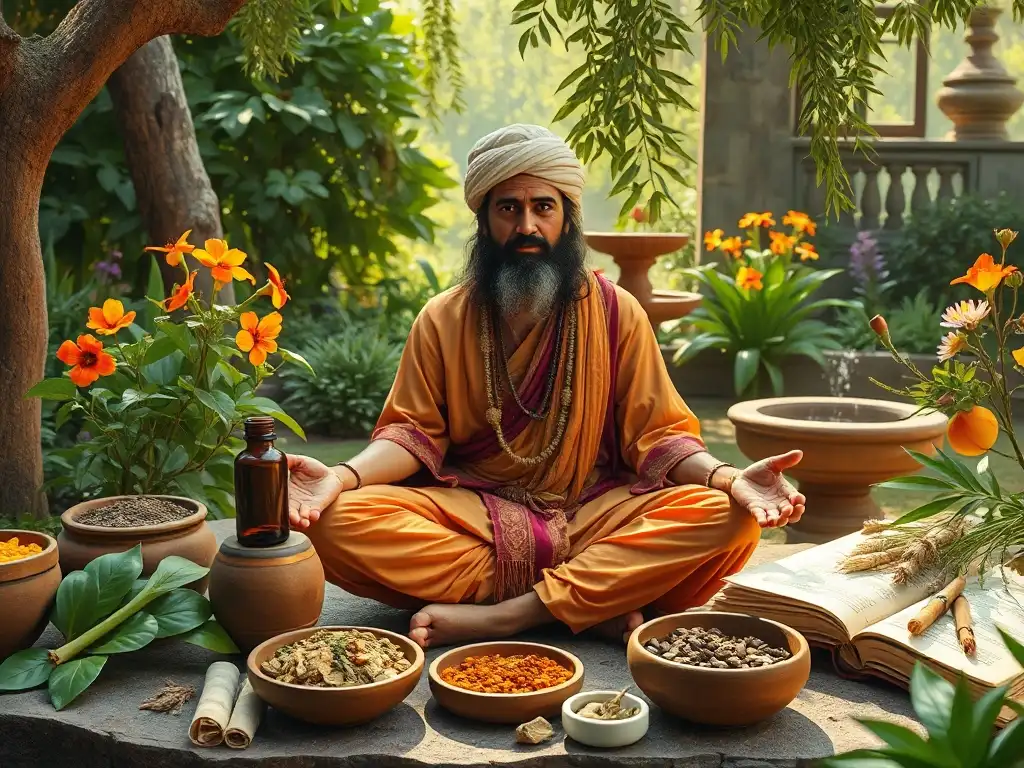
Introduction to Ancient Indian Ayurveda Practices
Ayurveda, a profound system of medicine that originated in ancient India, is more than just a healing practice; it embodies a holistic philosophy towards health and well-being. With roots tracing back over 5,000 years, Ayurveda emphasizes the balance between body, mind, and spirit. It is not only concerned with treating ailments but also focuses on preventing them through lifestyle choices and natural remedies.
The essence of Ayurveda lies in its understanding of individual constitution (Prakriti), the influence of seasons (Ritu), and the therapeutic use of plants and herbs. In recent years, there has been a resurgence of interest in ancient Indian Ayurveda practices, particularly as they relate to modern preventative healthcare approaches. This article delves into how these ancient practices can inform contemporary health strategies, particularly in the realm of preventative care.
Understanding Preventative Healthcare Through Ayurveda
Preventative healthcare is a proactive approach aimed at preventing diseases before they occur. It encompasses a variety of practices, lifestyle changes, and interventions designed to reduce the risk of illness and promote overall health. Ayurveda, with its rich heritage of natural healing techniques, offers valuable insights into preventative care that align well with modern health paradigms.
Definition of Preventative Healthcare
Preventative healthcare involves measures taken to prevent diseases and maintain wellness, rather than waiting to treat symptoms after they arise. This approach can be categorized into three main types:
- Primary Prevention: Strategies aimed at preventing the onset of disease (e.g., vaccinations, health education).
- Secondary Prevention: Early detection and treatment of disease to halt progression (e.g., screenings, regular check-ups).
- Tertiary Prevention: Managing and reducing the impact of ongoing illness or injury (e.g., rehabilitation programs).
The emphasis on maintaining health and well-being, rather than merely treating illnesses, is a central tenet of Ayurveda, which advocates for a balanced lifestyle that supports the body's natural defense mechanisms.
Ancient Indian Ayurveda Practices as a Preventative Measure
Ancient Indian Ayurveda practices serve as a foundation for modern preventative healthcare strategies. Some key aspects include:
- Dietary Guidelines: Ayurveda promotes personalized nutrition based on individual constitution, focusing on whole foods and seasonal ingredients.
- Herbal Remedies: The use of specific herbs and natural products, such as turmeric and ashwagandha, to bolster immunity and enhance overall health.
- Daily Routines (Dinacharya): Establishing daily practices that align with natural rhythms, such as proper sleep and stress management techniques, to maintain balance and prevent disease.
- Mind-Body Connection: Techniques such as yoga and meditation that foster mental well-being and reduce stress, key contributors to various health issues.
By integrating these ancient practices into modern preventative healthcare, individuals can cultivate a proactive approach to their health, potentially reducing the prevalence of chronic diseases and enhancing quality of life.
Key Principles of Ayurveda in Preventative Healthcare
Ayurveda, a holistic system of medicine originating in ancient India, emphasizes the prevention of illness through a balanced lifestyle and understanding of one’s individual constitution. The key principles of Ayurveda revolve around maintaining harmony between the body, mind, and spirit. This is achieved through various practices, including dietary modifications, herbal remedies, yoga, and meditation.
The primary goal of Ayurveda is to promote health and well-being by identifying and addressing the root cause of ailments rather than merely treating symptoms. This preventive approach is particularly relevant today, as modern healthcare increasingly recognizes the importance of wellness and disease prevention. By integrating Ayurvedic principles, individuals can enhance their physical and mental resilience, thereby reducing the risk of chronic diseases.
The understanding of individual constitution, or Prakriti, plays a vital role in Ayurveda’s preventive strategies. Each person has a unique dosha composition that influences their physical, emotional, and mental characteristics. By aligning one’s lifestyle and dietary choices with their dosha, individuals can maintain optimal health and prevent imbalances that may lead to illness.
The Doshas: Vata, Pitta, and Kapha
In Ayurveda, the concept of doshas is fundamental to understanding individual health and well-being. The three doshas—Vata, Pitta, and Kapha—represent a unique combination of the five elements (earth, water, fire, air, and space) that govern physiological and psychological functions.
- Vata: Composed of air and space, Vata is associated with movement, creativity, and dynamic energy. Individuals with a dominant Vata dosha tend to be energetic and imaginative but may experience anxiety and restlessness when out of balance. To maintain harmony, Vata individuals should focus on grounding activities, warm and nourishing foods, and regular routines.
- Pitta: Representing fire and water, Pitta is linked to metabolism, digestion, and transformation. Pitta-dominant individuals are often ambitious and focused, but they can become irritable or overly critical when imbalanced. Balancing Pitta involves cooling foods, stress-reducing practices, and moderate exercise.
- Kapha: Made up of earth and water, Kapha is related to structure, stability, and nourishment. Kapha individuals are usually calm and nurturing, but may struggle with weight gain and lethargy if not balanced. To support Kapha health, it’s essential to incorporate stimulating activities, lighter foods, and regular physical movement.
Understanding one’s dosha is crucial for implementing effective preventative healthcare strategies. By recognizing their unique constitution, individuals can tailor their lifestyle choices to promote balance and well-being.
Importance of Diet and Nutrition in Ayurveda
Diet and nutrition are central to Ayurvedic practice and play a critical role in preventative healthcare. Ayurveda posits that food is not only a source of sustenance but also a vital tool for maintaining health and preventing disease. According to Ayurvedic principles, the quality and type of food consumed should align with an individual's dosha and current environmental conditions.
Ayurveda emphasizes the consumption of Sattvic foods—pure, wholesome, and nourishing options that enhance vitality and consciousness. These include fresh fruits, vegetables, whole grains, nuts, and seeds. Conversely, Rajasic and Tamasic foods, which may lead to agitation and lethargy respectively, should be minimized. Foods that are overly processed, high in sugar, or fried are often discouraged.
In addition to the type of food, Ayurveda stresses the significance of mindful eating practices, such as eating in a calm environment, chewing food thoroughly, and being aware of hunger cues. This holistic approach to diet and nutrition not only supports digestive health but also fosters an overall sense of well-being, making it a powerful preventative healthcare strategy.
Modern Applications of Ancient Indian Ayurveda Practices

The resurgence of interest in holistic and preventative healthcare has led to a renewed focus on ancient Indian Ayurveda practices in modern contexts. These practices, which prioritize balance and wellness, are being integrated into contemporary healthcare systems and lifestyle choices.
One notable application is the use of Ayurvedic principles in stress management and mental health. Techniques such as meditation, yoga, and mindfulness derived from Ayurveda are increasingly recognized for their benefits in reducing anxiety and promoting emotional resilience.
Moreover, Ayurveda's focus on individual constitution encourages personalized healthcare, allowing practitioners to tailor treatments and lifestyle recommendations based on the unique needs of each person. This individualized approach is gaining traction in modern healthcare, where personalized medicine is becoming a central theme.
Integrating Ayurveda with Modern Healthcare
The integration of Ayurveda into modern healthcare systems presents a unique opportunity to enhance patient outcomes and promote preventative care. Many healthcare providers are beginning to recognize the value of holistic approaches and are incorporating Ayurvedic principles alongside conventional treatments.
One of the most effective methods of integration is through collaborative care models, where Ayurvedic practitioners work alongside medical professionals to provide comprehensive treatment plans. This can enhance the management of chronic conditions, such as diabetes or hypertension, by addressing not only the symptoms but also lifestyle factors and emotional well-being.
Furthermore, educational programs focusing on Ayurveda are emerging in medical schools and wellness centers, providing healthcare professionals with the knowledge to incorporate these ancient practices into their patient care. As more evidence supports the efficacy of Ayurvedic practices, the potential for a harmonious blend of ancient wisdom and modern science continues to grow.
Ayurvedic Products Supporting Preventative Healthcare
The market for Ayurvedic products has expanded significantly in recent years, reflecting a growing consumer interest in natural remedies and preventative healthcare solutions. These products range from herbal supplements and medicinal teas to skincare and wellness items, all designed to support health and prevent illness.
Herbal supplements are among the most popular Ayurvedic products. Formulations containing adaptogenic herbs like Ashwagandha, Tulsi, and Triphala are celebrated for their ability to enhance vitality, reduce stress, and support digestion. These supplements are based on centuries of Ayurvedic knowledge and are often backed by modern scientific research.
Ayurvedic skincare products, utilizing natural ingredients like neem, turmeric, and aloe vera, are also gaining attention for their effectiveness in promoting skin health and preventing conditions such as acne and premature aging. These products are not only beneficial for the skin but are also aligned with Ayurvedic principles of balance and harmony.
In addition, Ayurvedic teas infused with herbs and spices like ginger, cardamom, and licorice are increasingly used for their detoxifying and digestive properties. These teas serve as delicious and healthful beverages that support overall wellness.
The rise of Ayurvedic products in modern healthcare underscores the relevance of ancient Indian Ayurveda practices in promoting preventative health and well-being. As consumers seek natural and holistic solutions, the integration of these products into daily routines has the potential to enhance health outcomes and foster a deeper connection to traditional wisdom.
The Science Behind Ayurveda: Evidence and Research
Ayurveda, the ancient Indian system of medicine, has garnered increasing interest in recent years, particularly in the realm of preventative healthcare. The core philosophy of Ayurveda emphasizes a holistic approach to well-being, focusing on the balance of body, mind, and spirit. Modern science is beginning to validate many of these ancient practices through rigorous studies and research, highlighting the potential benefits of Ayurveda in contemporary healthcare.
Research into Ayurvedic practices often investigates their effects on various health conditions and overall wellness. Scientific scrutiny has revealed that Ayurvedic methods—ranging from herbal treatments to dietary recommendations—can significantly enhance health outcomes. The integration of Ayurvedic principles with modern medical practices is seen as a promising frontier in addressing chronic diseases, improving immunity, and promoting longevity.
Recent Studies Supporting Ayurvedic Practices
Recent studies have provided compelling evidence supporting the efficacy of Ayurvedic practices. For instance, a systematic review published in a reputable journal found that certain Ayurvedic herbal formulations displayed anti-inflammatory and antioxidant properties, contributing positively to the management of chronic conditions such as diabetes and arthritis.
Moreover, trials have shown that specific Ayurvedic therapies, including Panchakarma (detoxification treatments), have beneficial effects on metabolic health and stress reduction. In a randomized controlled trial, participants who underwent Ayurvedic detoxification experienced significant improvements in biomarkers associated with stress and inflammation compared to those receiving standard treatment.
These studies not only affirm the relevance of ancient Indian Ayurveda practices but also pave the way for more comprehensive research aimed at integrating these traditional methods into modern healthcare frameworks.
The Role of Technology in Ayurvedic Research
The advent of technology has transformed Ayurvedic research, enabling the systematic study of its practices and principles. Advanced techniques such as molecular biology, genomics, and bioinformatics are being employed to analyze Ayurvedic herbs and formulations at a molecular level. This integration allows researchers to identify active compounds responsible for therapeutic effects, bridging the gap between traditional knowledge and scientific validation.
Moreover, digital platforms have facilitated the documentation and dissemination of Ayurvedic knowledge, making it accessible to a global audience. Mobile applications and online databases are now being developed to help individuals incorporate Ayurvedic principles into their daily lives through personalized health recommendations based on their unique constitutions (Prakriti).
The synergy between technology and Ayurveda not only enhances research capabilities but also fosters innovation in developing Ayurvedic products and treatments tailored to contemporary health challenges.
Real-World Applications of Ayurveda in Daily Life
Ayurveda offers practical applications that can be seamlessly integrated into everyday routines, promoting holistic health and preventative care. By adopting Ayurvedic principles, individuals can cultivate a lifestyle that fosters balance and well-being.
Daily Routines Based on Ayurveda (Dinacharya)
The concept of Dinacharya, or daily routine, is a cornerstone of Ayurvedic practice. It emphasizes the importance of aligning daily activities with the natural rhythms of the body and the environment. Key components of Dinacharya include:
- Waking Up Early: Rising before sunrise to harness the energy of the morning.
- Hydration: Drinking warm water or herbal teas to stimulate digestion.
- Meditation and Breathing Exercises: Incorporating mindfulness practices to promote mental clarity and emotional stability.
- Balanced Meals: Eating fresh, seasonal, and balanced meals that cater to one's dosha (body constitution) throughout the day.
- Physical Activity: Engaging in regular exercise such as yoga or walking to maintain physical health.
By following a structured daily routine, individuals can enhance their physical and mental health while preventing various ailments.
Mindfulness and Stress Management Techniques in Ayurveda
In today's fast-paced world, stress management is crucial for maintaining overall health. Ayurveda provides a range of mindfulness techniques that can help individuals cope with stress and promote emotional resilience. Some key practices include:
- Meditation: Practicing mindfulness and meditation fosters a sense of calm and clarity, reducing anxiety and enhancing focus.
- Pranayama: Breath control exercises help regulate the nervous system and promote relaxation.
- Aromatherapy: Utilizing essential oils derived from Ayurvedic herbs can create a soothing environment, promoting mental well-being.
- Herbal Remedies: Incorporating adaptogenic herbs like Ashwagandha and Brahmi into daily routines can help the body adapt to stressors and enhance overall vitality.
By integrating these mindfulness and stress management techniques into daily life, individuals can cultivate a balanced and harmonious lifestyle, reflecting the holistic philosophy of Ayurveda.
Conclusion: Embracing Ancient Indian Ayurveda Practices for a Healthier Future

In today's fast-paced world, the principles of ancient Indian Ayurveda practices offer a refreshing perspective on health and wellness. As we face increasing stress and health challenges, integrating Ayurvedic methods into modern preventative healthcare can lead to a more balanced lifestyle. By emphasizing harmony between the mind, body, and spirit, Ayurveda promotes holistic well-being rather than merely addressing symptoms. This approach encourages individuals to cultivate self-awareness and adopt preventive measures tailored to their unique constitutions (doshas).
Furthermore, as scientific research continues to validate many Ayurvedic practices, there is growing recognition of its potential to complement conventional medicine. Techniques such as herbal remedies, dietary adjustments, yoga, and meditation not only enhance physical health but also improve mental resilience and emotional balance. By embracing these ancient practices, we can empower ourselves and future generations to lead healthier lives, grounded in the wisdom of our ancestors.
Additional Resources
To further explore the wealth of knowledge surrounding ancient Indian Ayurveda practices, consider the following resources:
Books and Literature on Ayurveda
-
"The Complete Book of Ayurvedic Home Remedies" by Vasant Lad
This comprehensive guide provides practical insights into Ayurvedic healing techniques and remedies for various ailments.
-
"Ayurveda: The Science of Self-Healing" by Dr. Vasant Lad
A foundational text that introduces the core concepts of Ayurveda and offers practical advice for integrating these principles into daily life.
-
"The Ayurvedic Cookbook" by Amadea Morningstar and Urmila Desai
This cookbook not only presents recipes but also explains the Ayurvedic philosophy of food and nutrition.
-
"Prakriti: Your Ayurvedic Constitution" by Dr. Robert E. Svoboda
This book delves into understanding one's dosha and how to maintain balance for optimal health.
Online Courses and Workshops
-
Ayurvedic Institute Online Courses
This institute offers a variety of online courses covering Ayurvedic principles, herbal medicine, and dietary practices.
-
Learn Ayurveda: Online Workshops
These workshops cater to different levels of knowledge, from beginners to advanced practitioners, focusing on practical applications of Ayurveda.
-
Coursera: Ayurveda and Wellness Specialization
A series of courses designed to provide a comprehensive understanding of Ayurvedic practices and their relevance in modern health contexts.
-
Institute of Integrative Nutrition: Ayurveda Training
Offers an integrative approach to health coaching that includes Ayurvedic teachings and practices, suitable for health coaches and wellness enthusiasts.
By exploring these resources, individuals can deepen their understanding of ancient Indian Ayurveda practices and how they can be effectively integrated into modern preventative healthcare strategies.
Final Thoughts on the Future of Ayurveda in Preventative Healthcare
As we navigate the complexities of modern healthcare, the ancient Indian Ayurveda practices offer invaluable insights and methodologies that could significantly enhance preventative care. The holistic approach of Ayurveda, which emphasizes balance, harmony, and individualized treatment, aligns with the increasing global shift towards personalized medicine. This makes it not just relevant but essential in today’s health landscape.
The future of Ayurveda in preventative healthcare will likely hinge on several factors:
- Integration with Modern Medicine: The collaboration between Ayurvedic practitioners and conventional healthcare providers can lead to a more comprehensive approach to health. This integration allows for a blend of traditional wisdom with modern scientific practices, enhancing patient outcomes. For example, Ayurvedic dietary recommendations can complement nutritional advice given by dietitians, providing a multi-faceted strategy for disease prevention.
- Research and Evidence-Based Practices: Continued research into Ayurvedic principles and practices is critical. Scientific validation of herbal remedies, dietary practices, and holistic therapies will strengthen Ayurveda's credibility in the eyes of the medical community and the public. Initiatives that focus on clinical trials and peer-reviewed studies can help in substantiating the efficacy of Ayurvedic treatments.
- Awareness and Education: Raising awareness about the benefits of Ayurveda in preventative healthcare is vital. Educational programs that inform healthcare professionals and the general public about ancient Indian Ayurveda practices can foster a greater understanding of its role in maintaining health and preventing disease. Workshops, seminars, and online courses can be effective in disseminating this knowledge.
- Technological Advancements: The integration of technology into Ayurveda can enhance its accessibility and applicability. Apps that guide users through Ayurvedic routines, dietary plans, and lifestyle tips can empower individuals to take charge of their health. Moreover, wearable health technology can facilitate real-time monitoring of individual health metrics, allowing for personalized adjustments to Ayurvedic practices.
- Global Health Trends: The rising interest in alternative and complementary medicine worldwide presents a unique opportunity for Ayurveda. As more people seek natural and holistic approaches to health, the relevance of Ayurvedic practices is likely to grow. This trend can also lead to more ethical sourcing of Ayurvedic ingredients, promoting sustainability and conservation of biodiversity.
The future of Ayurveda in preventative healthcare is bright, with the potential to revolutionize how we approach health and wellness. By embracing the ancient wisdom of Ayurveda and integrating it with modern practices, we can create a more balanced and effective healthcare model. The collaboration of tradition and innovation may very well be the key to enhancing health outcomes and preventing diseases in the modern world. Ayurvedic principles not only provide a framework for wellness but also inspire a deeper understanding of the interconnectedness of body, mind, and spirit, which is crucial for holistic health.
- Introduction to Ancient Indian Ayurveda Practices
- Understanding Preventative Healthcare Through Ayurveda
- Key Principles of Ayurveda in Preventative Healthcare
- Modern Applications of Ancient Indian Ayurveda Practices
- The Science Behind Ayurveda: Evidence and Research
- Real-World Applications of Ayurveda in Daily Life
- Conclusion: Embracing Ancient Indian Ayurveda Practices for a Healthier Future
- Additional Resources
- Final Thoughts on the Future of Ayurveda in Preventative Healthcare
Frequently Asked Questions
What is Ayurveda and how did it originate?
Ayurveda is an ancient Indian system of medicine that focuses on holistic health and well-being. It originated over 5,000 years ago in the Indus Valley, emphasizing the balance of body, mind, and spirit.
How does Ayurveda contribute to preventative healthcare?
Ayurveda promotes preventative healthcare through lifestyle changes, dietary choices, and natural remedies. Its practices aim to boost immunity and enhance overall wellness, reducing the risk of diseases.
What are some common Ayurvedic practices for health maintenance?
Common Ayurvedic practices include herbal treatments, yoga, meditation, and dietary guidelines. These practices are tailored to individual doshas, or body types, to promote balance and health.
Can modern medicine incorporate Ayurvedic principles?
Yes, modern medicine is increasingly recognizing the value of Ayurvedic principles in preventative healthcare. Integrating these practices can offer a complementary approach to traditional medical treatments.
Why is Ayurveda still relevant today?
Ayurveda remains relevant due to its holistic approach to health, addressing physical, mental, and emotional well-being. Its emphasis on natural remedies and lifestyle choices resonates with contemporary interests in sustainable health practices.
Final Reflection: Embracing Ancient Wisdom for Modern Wellness
The relevance of ancient Indian Ayurveda practices in today’s world cannot be overstated; they offer a holistic approach to health that resonates deeply with our current societal challenges. As we navigate the complexities of modern life, the principles of Ayurveda remind us that prevention is not just better than cure, but a fundamental aspect of maintaining our well-being. In a time when chronic illnesses are on the rise and stress levels are at an all-time high, the wisdom of Ayurveda provides a beacon of hope and a pathway to a healthier future.
The influence of Ayurveda extends beyond individual health; it is shaping our cultural and social landscapes by encouraging a shift towards holistic living. As more people seek natural and preventative solutions, Ayurveda's emphasis on balance, mindfulness, and self-care is becoming increasingly relevant. Health is a state of complete harmony of the body, mind, and spirit.
This quote encapsulates the essence of Ayurveda, reminding us that true wellness is an integration of all aspects of our being. The growing interest in Ayurveda signifies a collective yearning for a more connected and conscious way of living, one that honors our bodies and the environment.
As you reflect on the insights shared in this article, I invite you to consider how you can incorporate the timeless principles of Ayurveda into your daily life. Take a moment to explore your own health practices and ask yourself: How can I embrace a more holistic approach to my well-being? Whether it’s through mindful eating, regular self-care rituals, or simply taking time to connect with nature, each small step can lead to profound changes. Let the wisdom of ancient Indian Ayurveda practices guide you on your journey toward a healthier, more balanced life.
Embrace the Wisdom of Ayurveda Today!
Thank you for taking the time to explore the vital role of Ayurveda in preventative healthcare. By delving into this ancient practice, you've unlocked insights that can enhance your wellness journey. Now, let’s transform this knowledge into action!
Here’s how you can start integrating Ayurvedic principles into your daily life:
- Adopt a Daily Routine: Begin incorporating Ayurvedic practices such as early rising and mindful eating to create harmony within your body and mind.
- Explore Herbal Remedies: Try incorporating Ayurvedic herbs, such as Ashwagandha and Turmeric, to experience their powerful health benefits.
- Share Your Journey: Connect with others who are interested in Ayurveda by joining online communities or participating in local workshops to foster a collaborative learning environment.
What unique Ayurvedic practice do you believe will have the most significant impact on your well-being? We invite you to share your thoughts in the comments below!