
Discover the Secrets: How to Cook Authentic Indus Valley Cuisine at Home

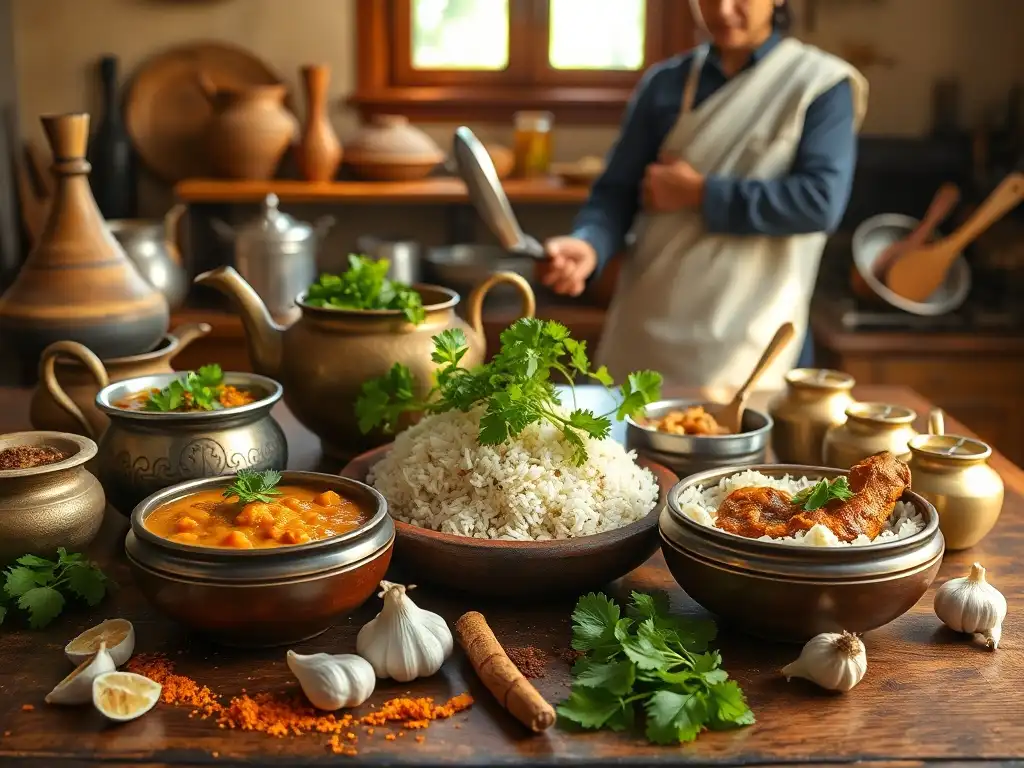
Welcome to Ancient India History, where we embark on a fascinating journey through the rich tapestry of ancient civilizations that shaped modern India. Today, we invite you to dive into the culinary delights of the past with our feature article on Authentic Indus Valley cuisine recipes. Have you ever wondered what flavors and ingredients were savored thousands of years ago? Discover the secrets of cooking like an ancient chef and unlock the history behind these delectable dishes. Join us as we explore the intersection of history and culinary tourism, and let your taste buds travel back in time!
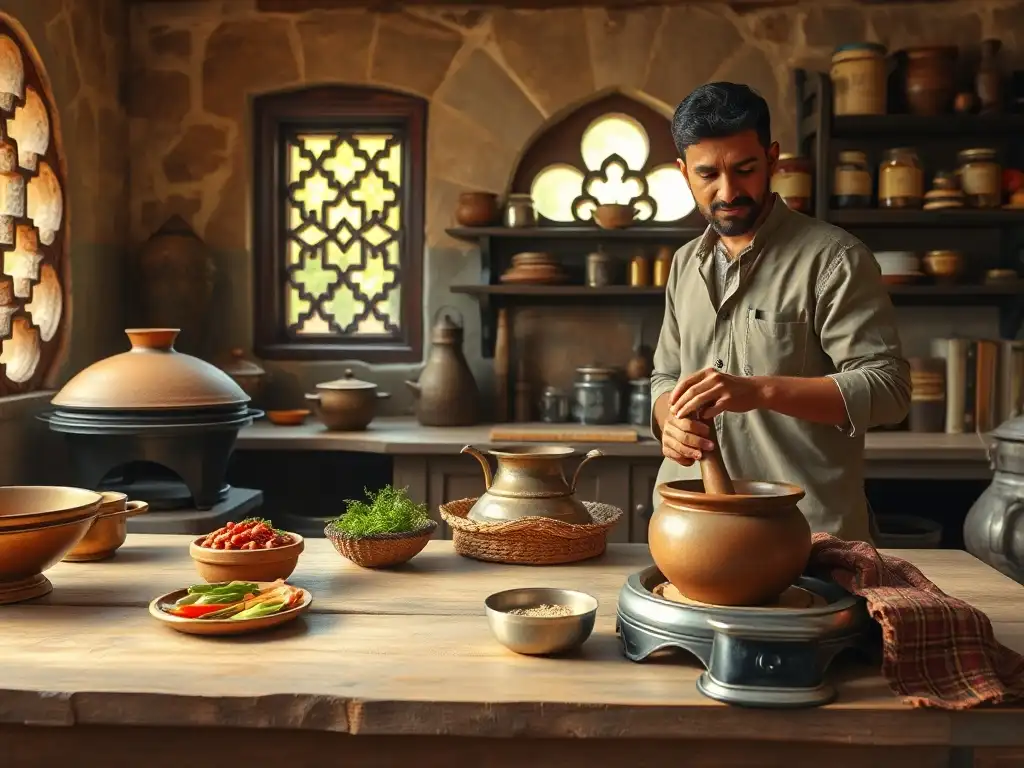
Exploring the culinary heritage of the Indus Valley Civilization offers an exciting glimpse into the past, revealing flavors and techniques that have shaped the foundation of Indian cuisine. As one of the world's earliest urban cultures, the Indus Valley Civilization thrived around 2500 BCE, showcasing remarkable advancements in agriculture, trade, and culinary practices. This article aims to guide you through the process of recreating authentic Indus Valley cuisine in your own kitchen, highlighting its unique ingredients and cooking methods.
By delving into the rich tapestry of flavors and traditions from this ancient civilization, you will not only experience the joy of cooking but also connect with a significant chapter of India's history. Get ready to uncover the secrets of authentic Indus Valley cuisine recipes that have stood the test of time!
Introduction to Authentic Indus Valley Cuisine
The cuisine of the Indus Valley is characterized by its diverse ingredients and innovative cooking methods that reflect the agricultural richness of the region. From wheat and barley to a variety of pulses and vegetables, the food of this era was both nutritious and flavorful.
As you embark on this culinary journey, you'll discover how the ancient inhabitants skillfully combined spices and herbs to create dishes that were not only delicious but also symbolic of their cultural identity. Understanding the historical context of these recipes enhances your cooking experience, allowing you to appreciate each dish as a link to the past.
Key Ingredients of Authentic Indus Valley Cuisine
To successfully recreate authentic Indus Valley cuisine, it's crucial to familiarize yourself with the key ingredients that defined the culinary practices of this ancient civilization. The following sections outline the primary ingredients used in Indus Valley cooking, as well as the essential tools needed to prepare these recipes.
Primary Ingredients in Indus Valley Cooking
The foundational ingredients of Indus Valley cuisine include a variety of grains, legumes, and vegetables that were locally sourced. Some of the primary ingredients are:
- Wheat: The staple grain widely used for making flatbreads and porridge.
- Barley: Another important grain, often used in soups and stews.
- Pulses: Lentils, chickpeas, and mung beans provided essential protein and were incorporated into many dishes.
- Vegetables: Seasonal vegetables such as eggplant, spinach, and gourds contributed freshness and flavor.
- Spices: While specific ancient spices are harder to identify, cumin, coriander, and mustard seeds were likely used to enhance the taste.
This combination of ingredients not only reflects the agricultural practices of the time but also showcases the health-conscious approach of the Indus Valley people.
Essential Cooking Tools for Authentic Recipes
To effectively cook authentic Indus Valley cuisine, having the right tools is essential. Here are some common cooking tools that can help you recreate these ancient recipes at home:
- Clay Pots: Traditionally used for slow-cooking and imparting unique flavors to dishes.
- Mortar and Pestle: Ideal for grinding spices and creating pastes, a staple in many recipes.
- Rolling Pin and Board: Necessary for making flatbreads like chapati or roti.
- Wooden Spoons and Ladles: For stirring and serving, these tools were commonly used in traditional kitchens.
Equipping yourself with these tools will enable you to honor the culinary traditions of the Indus Valley, ensuring an authentic cooking experience.
Step-by-Step Guide to Cooking Authentic Indus Valley Cuisine
Cooking authentic Indus Valley cuisine at home is a rewarding experience that connects you with one of the world's earliest civilizations. By following this step-by-step guide, you can recreate the flavors and techniques that have been passed down through generations.
- Research and Gather Ingredients: Start by researching the staple ingredients used in Indus Valley cuisine. Common ingredients include grains like barley and wheat, legumes like lentils and chickpeas, and a variety of herbs and spices such as cumin, coriander, and turmeric.
- Choose Traditional Cooking Methods: The Indus Valley people often used clay pots and open flames for cooking. If possible, use a clay pot or a heavy-bottomed vessel to replicate the traditional cooking experience.
- Preparation of Ingredients:
- Soak Legumes: Overnight soaking of legumes like mung beans and chickpeas is essential for better digestion and cooking.
- Grind Spices: Freshly grinding spices using a mortar and pestle can enhance the flavor of your dishes.
- Cooking Techniques:
- Boiling: Many dishes start with boiling grains and legumes.
- Steaming: Steaming is another common method, particularly for vegetables.
- Slow Cooking: Allowing dishes to simmer slowly helps blend the flavors.
- Plating and Serving: Finally, serve your dishes on traditional earthenware or wooden plates to maintain the authenticity of the meal. Accompany your dishes with sides like yogurt or pickles for added flavor.
Preparing Your Kitchen for Authentic Cooking
To fully immerse yourself in the process of cooking authentic Indus Valley cuisine, it’s important to prepare your kitchen appropriately.
- Declutter Your Space: Ensure your kitchen is clean and organized. A tidy kitchen allows for a smooth cooking process.
- Gather Essential Utensils:
- Clay pots, wooden ladles, and stone grinders are ideal for an authentic experience.
- A rolling pin and board for making flatbreads like chapatis or rotis.
- Stock Your Pantry:
- Staple Grains: Barley, wheat, and rice.
- Legumes: Lentils, chickpeas, and mung beans.
- Spices and Herbs: Cumin, coriander, turmeric, and fresh cilantro.
By setting up your kitchen with these tools and ingredients, you're laying a strong foundation for cooking meals that reflect the rich culinary heritage of the Indus Valley civilization.
Authentic Indus Valley Cuisine Recipes
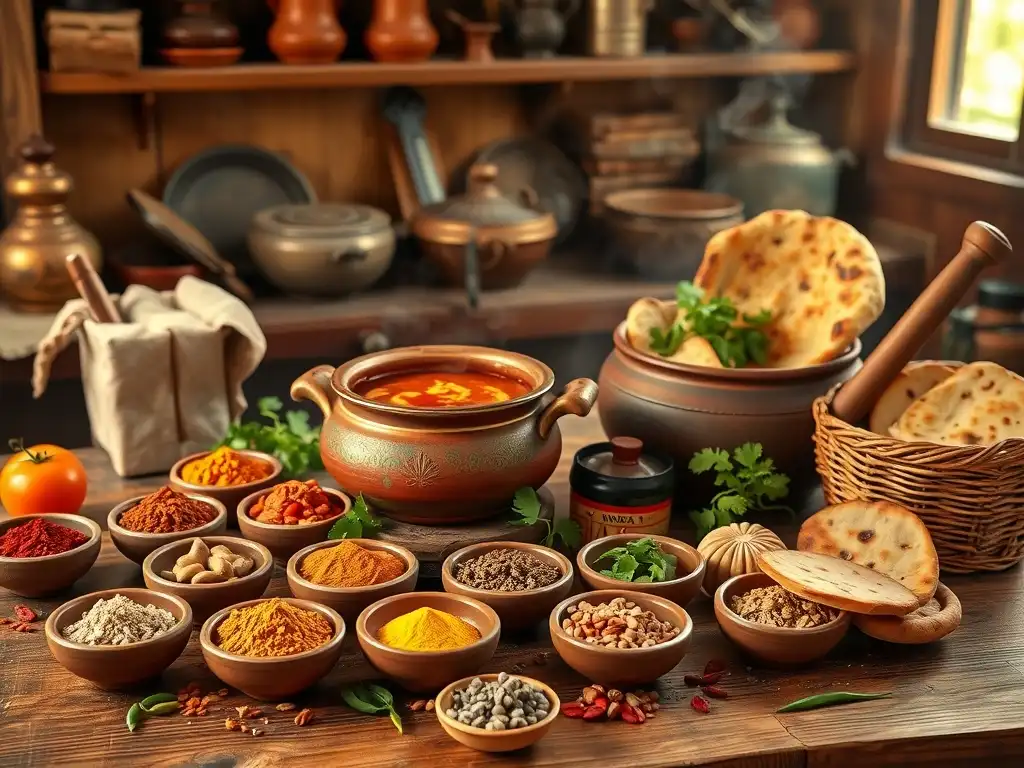
Here are a few authentic recipes inspired by the Indus Valley civilization:
- Barley Khichdi:
- Ingredients: Barley, mixed vegetables (carrots, peas), cumin seeds, turmeric, and salt.
- Instructions: Boil barley and vegetables together, seasoning with cumin and turmeric until well cooked.
- Lentil Stew:
- Ingredients: Split red lentils, tomatoes, onion, garlic, and spices (cumin, coriander).
- Instructions: Sauté onions and garlic, add tomatoes and spices, then stir in cooked lentils, simmer until thickened.
- Chickpea Flatbread (Bajra Roti):
- Ingredients: Pearl millet flour, water, salt.
- Instructions: Knead the flour with water and salt, roll into flatbreads, and cook on a hot griddle.
These recipes not only provide a glimpse into traditional cooking methods but also highlight the use of locally sourced ingredients that reflect the agricultural practices of the Indus Valley civilization.
The Cultural Significance of Indus Valley Cuisine
Indus Valley cuisine is deeply intertwined with the culture and daily life of one of the earliest urban societies. The food practices of this civilization reveal much about their agricultural advancements, trade relationships, and social structures.
- Agricultural Practices: The reliance on agriculture and domestication of crops and animals shaped the culinary landscape. Foods were not only sustenance but also a reflection of their connection to the land.
- Trade and Exchange: Spices and grains traded with neighboring regions influenced the cuisine, leading to a diverse palette of flavors and techniques.
- Social Structure: Meals often played a role in community gatherings and celebrations, highlighting the importance of food in social interactions.
Historical Context of Food in the Indus Valley Civilization
The Indus Valley civilization, which thrived from 3300 to 1300 BCE, had a sophisticated understanding of agriculture, which was central to its economy. Archaeological finds indicate that the diet was primarily vegetarian, with grains like barley and wheat forming the basis of their meals.
- Archaeological Evidence: Excavations at sites like Harappa and Mohenjo-Daro have uncovered remnants of grain storage facilities, pottery used for cooking, and even tools for grinding and processing food.
- Seasonal Eating: The people of the Indus Valley adapted their diets based on seasonal availability, consuming a variety of fruits, vegetables, and legumes throughout the year.
Understanding the historical context of food in the Indus Valley provides valuable insight into how their culinary practices developed over time, influenced by environmental conditions and societal changes.
Modern Interpretations of Indus Valley Recipes
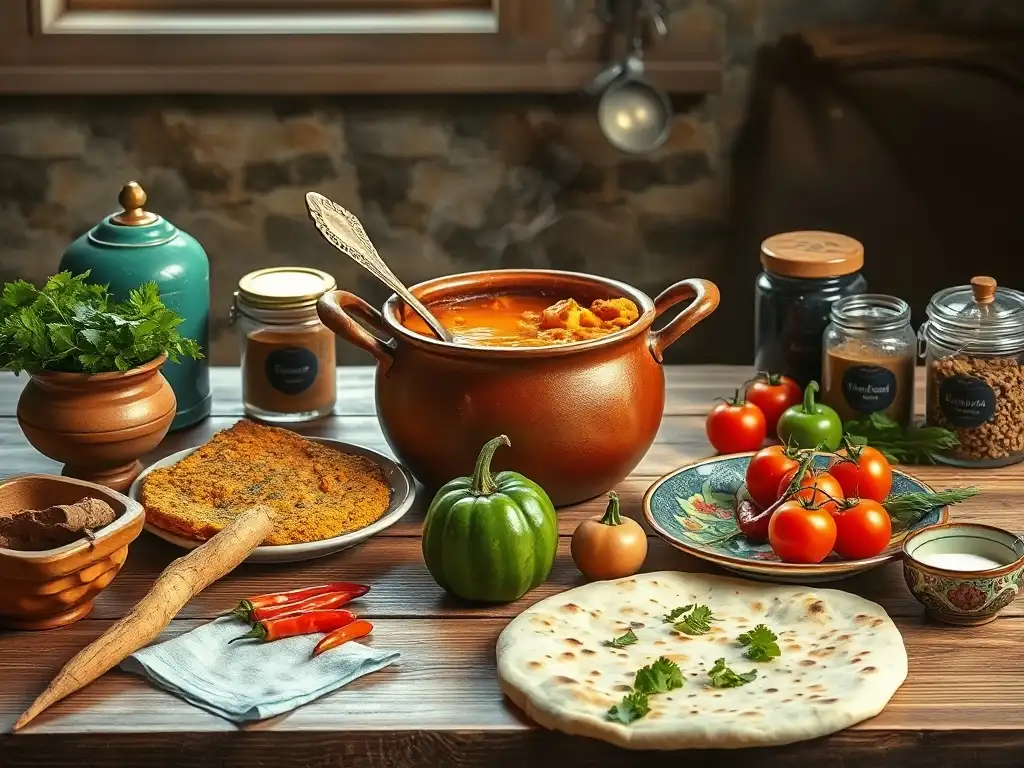
Today, chefs and home cooks are increasingly exploring the flavors of ancient cuisines, leading to modern interpretations of Indus Valley recipes.
- Fusion Cuisine: Many contemporary recipes blend traditional ingredients with modern culinary techniques, creating dishes that honor the past while appealing to today's palates.
- Health Consciousness: With a growing interest in health and nutrition, many are revisiting these ancient recipes for their wholesome and natural ingredients, emphasizing plant-based dishes rich in fiber and nutrients.
- Culinary Tourism: As part of culinary tourism, restaurants are showcasing Indus Valley-inspired menus, providing diners with a taste of this ancient civilization’s rich heritage.
These modern interpretations not only preserve the culinary traditions of the Indus Valley but also make them accessible to a broader audience, ensuring that this rich heritage continues to thrive in the contemporary culinary landscape.
Tips for Perfecting Your Indus Valley Cooking Skills
Cooking authentic Indus Valley cuisine requires a blend of traditional techniques, an understanding of regional ingredients, and a dash of creativity. Here are some essential tips to help you perfect your skills:
- Research Historical Recipes: Delve into the past by exploring ancient texts and archaeological findings that highlight the ingredients and methods used in Indus Valley cooking. This research will give you insight into the traditional flavors and techniques.
- Use Fresh, Local Ingredients: Indus Valley cuisine is characterized by its use of fresh, seasonal produce. Whenever possible, shop at local markets to find the best-quality ingredients, including vegetables, grains, and spices.
- Embrace Cooking Techniques: Familiarize yourself with traditional methods such as slow cooking, clay pot cooking, and steaming, which were commonly used in ancient times. These techniques can enhance the flavor and texture of your dishes.
- Experiment with Spices: Indus Valley cuisine employs a variety of spices that create depth in flavor. Don’t hesitate to experiment with quantities and blends to discover what works best for your palate.
- Practice Patience: Like any traditional cuisine, mastering Indus Valley cooking takes time. Be patient with the process and allow flavors to develop fully during cooking.
Techniques for Authentic Flavor
To achieve the authentic flavors of Indus Valley cuisine, consider the following techniques:
- Soaking and Fermenting: Many traditional recipes utilize soaked or fermented ingredients, such as lentils and grains, which not only enhance flavor but also improve digestibility. For instance, soaking dal overnight can yield a better texture and taste.
- Tandoor Cooking: If possible, try using a tandoor oven or a clay pot to replicate the traditional cooking methods. Tandoor cooking adds a unique smokiness and intensity to breads and meats.
- Slow Simmering: Many stews and curries benefit from slow simmering, allowing spices to meld together and flavors to deepen. Aim for a low flame and take your time to achieve the best results.
- Balanced Seasoning: Understand the importance of balancing flavors—sweet, sour, salty, and spicy. Taste your dishes as you cook and adjust the seasoning gradually.
Common Mistakes to Avoid in Indus Valley Cooking
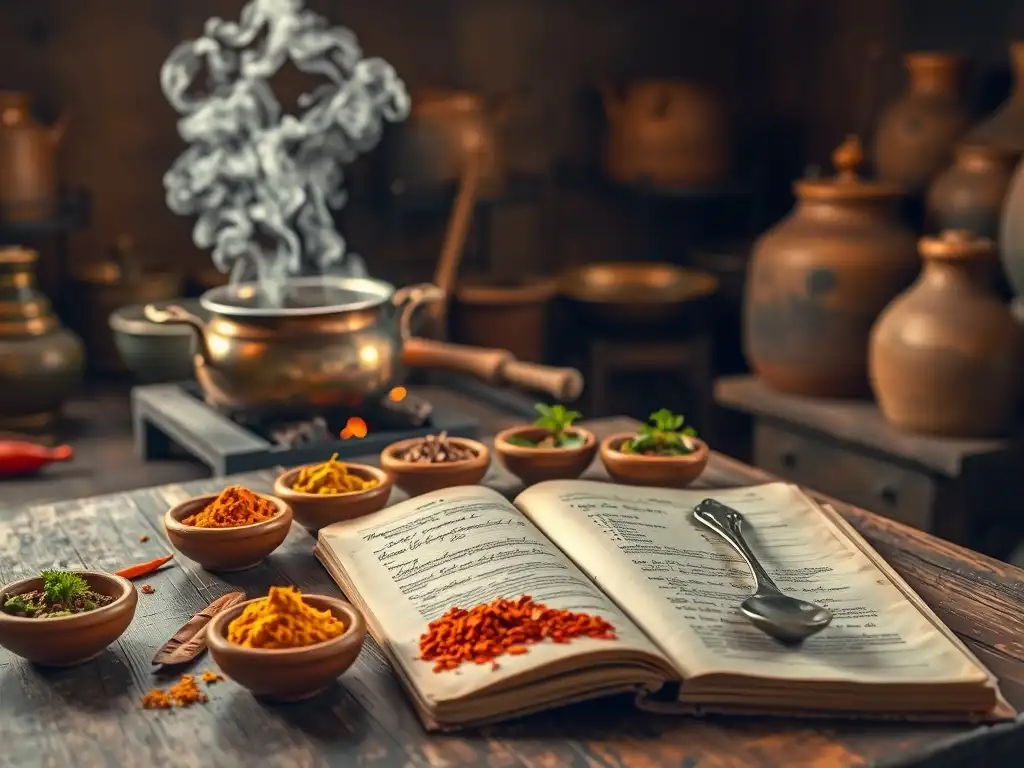
While cooking Indus Valley cuisine, be mindful of these common pitfalls:
- Overcooking or Undercooking Grains: Grains such as rice and millet are staples. Be sure to follow specific cooking times and water ratios to avoid mushy or hard textures.
- Neglecting Spice Tempering: Failing to properly temper spices can lead to a flat flavor profile. Always heat oil and add whole spices first to release their essential oils before adding other ingredients.
- Using Non-Traditional Ingredients: Straying too far from traditional ingredients can alter the essence of the dish. For instance, substituting ghee with vegetable oil can change the flavor significantly.
- Ignoring Cooking Times: Each ingredient has its ideal cooking time. For instance, adding vegetables too early can lead to overcooking. Pay attention to timing for a better texture in your dishes.
Exploring Further: Resources for Authentic Indus Valley Cuisine
To deepen your understanding and skills in cooking authentic Indus Valley cuisine, consider utilizing the following resources:
Recommended Cookbooks and Online Courses
- Cookbooks:
- The Flavors of Ancient India: This book delves into traditional ingredients and cooking methods, providing authentic recipes inspired by historical texts.
- Indus Valley Gastronomy: A comprehensive guide that focuses on the regional dishes of the Indus Valley, emphasizing local flavors and ingredients.
- Online Courses:
- Culinary Traditions of Ancient India: An online course that offers video tutorials and lectures on the techniques and recipes from Indus Valley cuisine.
- Spice Mastery: This course teaches participants how to use and blend spices, essential for achieving authentic flavors.
Where to Buy Authentic Ingredients
Finding the right ingredients is crucial for recreating authentic Indus Valley dishes. Here are some sources:
- Local Indian Grocery Stores: These often carry staples like lentils, spices, and grains that are essential for Indus Valley cuisine.
- Farmers' Markets: Check your local farmers' markets for fresh, organic produce that can enhance your dishes.
- Online Specialty Stores: Websites that specialize in Indian ingredients can be invaluable. Look for stores that offer bulk spices, specialty grains, and traditional cooking utensils.
By utilizing these tips and resources, you can embark on a flavorful journey through the culinary traditions of the Indus Valley, enriching your cooking repertoire with authentic recipes that pay homage to this ancient civilization.
Conclusion: Embrace the Flavors of Ancient India
As we conclude our exploration of authentic Indus Valley cuisine, it is essential to reflect on the rich tapestry of flavors, ingredients, and cooking techniques that have stood the test of time. The culinary traditions of this ancient civilization are not just a window into the past, but also a reminder of the diverse cultural exchanges that have shaped Indian gastronomy over millennia.
By embracing these flavors, you are not only indulging in delicious dishes but also participating in a cultural heritage that emphasizes sustainability, community, and the celebration of nature’s bounty. The recipes shared in this article are more than just meal ideas; they are a connection to the people who lived along the banks of the Indus River, who cultivated crops and developed techniques that are still relevant today.
To fully appreciate and replicate these authentic Indus Valley cuisine recipes, consider the following:
- Use Fresh Ingredients: Source your ingredients from local farmers' markets or organic stores to ensure the utmost freshness and quality, reminiscent of ancient agricultural practices.
- Experiment with Techniques: Don't hesitate to explore traditional cooking methods, such as clay pot cooking or open-fire roasting, which can enhance the flavor profiles of your dishes.
- Share the Experience: Cooking is often a communal activity. Engage friends and family in the preparation and enjoyment of these meals, fostering a sense of connection and shared history.
Incorporating these ancient recipes into your kitchen will not only elevate your culinary repertoire but also deepen your appreciation for the rich history of the Indus Valley civilization. As you savor each bite, remember that you are partaking in a legacy that has nourished countless generations. So, gather your ingredients, unleash your creativity, and embark on a delightful culinary journey through time! 🍽️✨
- Introduction to Authentic Indus Valley Cuisine
- Key Ingredients of Authentic Indus Valley Cuisine
- Step-by-Step Guide to Cooking Authentic Indus Valley Cuisine
- Preparing Your Kitchen for Authentic Cooking
- Authentic Indus Valley Cuisine Recipes
- The Cultural Significance of Indus Valley Cuisine
- Historical Context of Food in the Indus Valley Civilization
- Modern Interpretations of Indus Valley Recipes
- Tips for Perfecting Your Indus Valley Cooking Skills
- Techniques for Authentic Flavor
- Common Mistakes to Avoid in Indus Valley Cooking
- Exploring Further: Resources for Authentic Indus Valley Cuisine
- Conclusion: Embrace the Flavors of Ancient India
Frequently Asked Questions
What is Indus Valley cuisine known for?
Indus Valley cuisine is celebrated for its use of fresh ingredients, spices, and cooking techniques that reflect the region's agricultural practices and cultural diversity.
Are there any traditional recipes from the Indus Valley?
Yes, traditional recipes include dishes like dal, roti, and various vegetable curries, which highlight the local produce and flavor profiles of the region.
How can I recreate Authentic Indus Valley cuisine at home?
To recreate this cuisine, focus on using local spices, fresh vegetables, and ancient cooking techniques such as slow cooking and fermentation.
What are the key ingredients in Indus Valley dishes?
Key ingredients typically include legumes, grains, seasonal vegetables, and spices like cumin, coriander, and turmeric, which are essential for authentic flavors.
Where can I find Authentic Indus Valley cuisine recipes?
You can find authentic recipes in culinary books, online cooking platforms, and specialized cooking blogs focusing on ancient Indian traditions and cuisine.
Final Reflection: Embracing the Richness of Authentic Indus Valley Cuisine
The exploration of authentic Indus Valley cuisine is not just a culinary journey; it is a profound connection to our shared history and culture. In a world increasingly dominated by fast food and fleeting trends, the revival of ancient recipes offers us a chance to reconnect with our roots and appreciate the rich tapestry of flavors that have shaped our culinary landscape. The secrets of Indus Valley cuisine remind us that food is more than sustenance; it is a narrative of our ancestors, a celebration of diversity, and a bridge to understanding our heritage.
Cooking authentic Indus Valley cuisine at home allows us to engage with the past while influencing our present and future culinary practices. The techniques and ingredients used in these recipes not only nourish our bodies but also enrich our souls, fostering a sense of community and belonging. As we gather around the table to share these meals, we honor the traditions that have been passed down through generations. Food is our common ground, a universal experience.
– James Beard. This sentiment encapsulates the essence of our culinary exploration, emphasizing the importance of food as a unifying force in our lives.
As you reflect on the lessons of this article, I invite you to take action by incorporating these authentic recipes into your cooking repertoire. Consider how each dish you prepare can be a celebration of history, culture, and community. Engage your family and friends in this culinary adventure, and let the flavors of the Indus Valley inspire your meals. By embracing these ancient recipes, you are not only preserving a vital part of our heritage but also enriching your own life and the lives of those around you. Together, let us savor the past while creating a delicious future.
Unlock the Flavors of Indus Valley Cuisine Today!
Thank you for diving into the rich world of Indus Valley cuisine! We hope you’ve uncovered valuable insights and are inspired to create incredible dishes right in your kitchen. Now, it’s time to put that knowledge into action!
Here’s how you can bring the essence of ancient flavors to life:
- Start with an authentic recipe from the Indus Valley cuisine to master this week—let the adventure begin in your kitchen!
- Share your culinary creations on social media and tag us for a chance to be featured, inspiring others on this flavorful journey.
- Join a local cooking class or workshop focused on ancient cuisines to deepen your knowledge and skills while connecting with fellow food enthusiasts.
What dish from the Indus Valley are you most excited to try, and why? Share your thoughts in the comments below!