
Feast Like a Maharaja: Preparing Royal Indian Dishes for Special Occasions

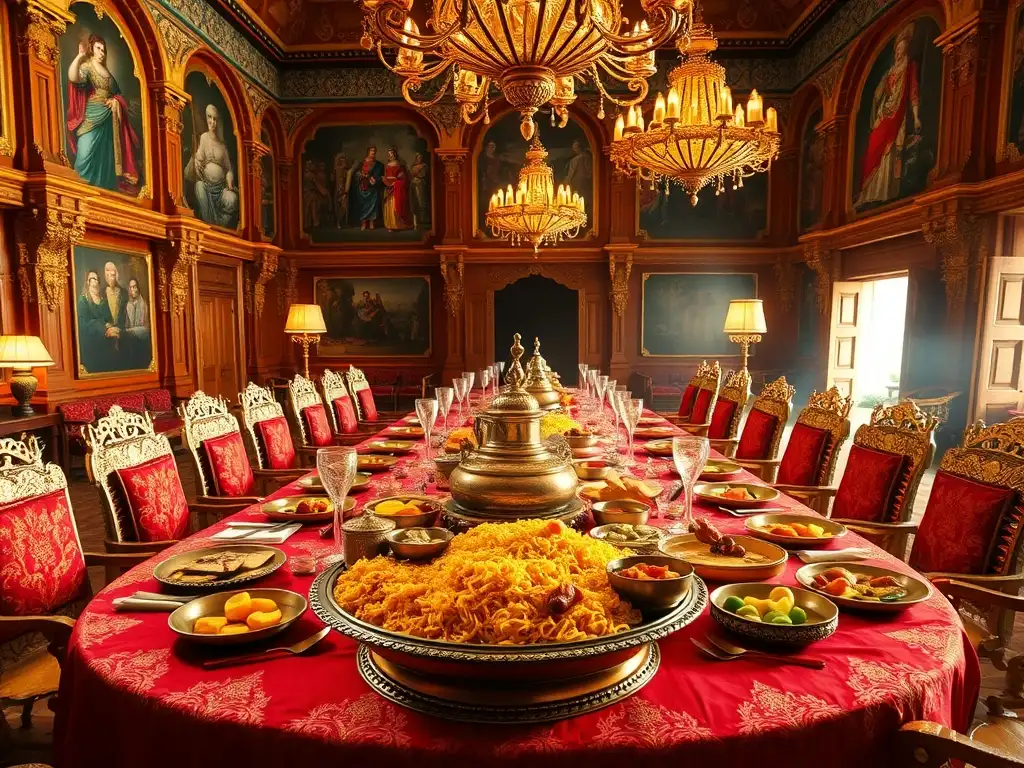
Welcome to Ancient India History, where we embark on a fascinating journey through the rich tapestry of ancient Indian civilizations. From the remarkable Indus Valley to the illustrious Gupta Empire, our exploration reveals the profound cultural contributions that shaped the subcontinent. In this edition, we invite you to discover the delectable world of Royal Indian dishes recipes, as we delve into the art of preparing sumptuous meals fit for a Maharaja.
Are you ready to tantalize your taste buds and uncover culinary secrets that have stood the test of time? Join us as we celebrate the flavors and traditions that define India’s culinary heritage!
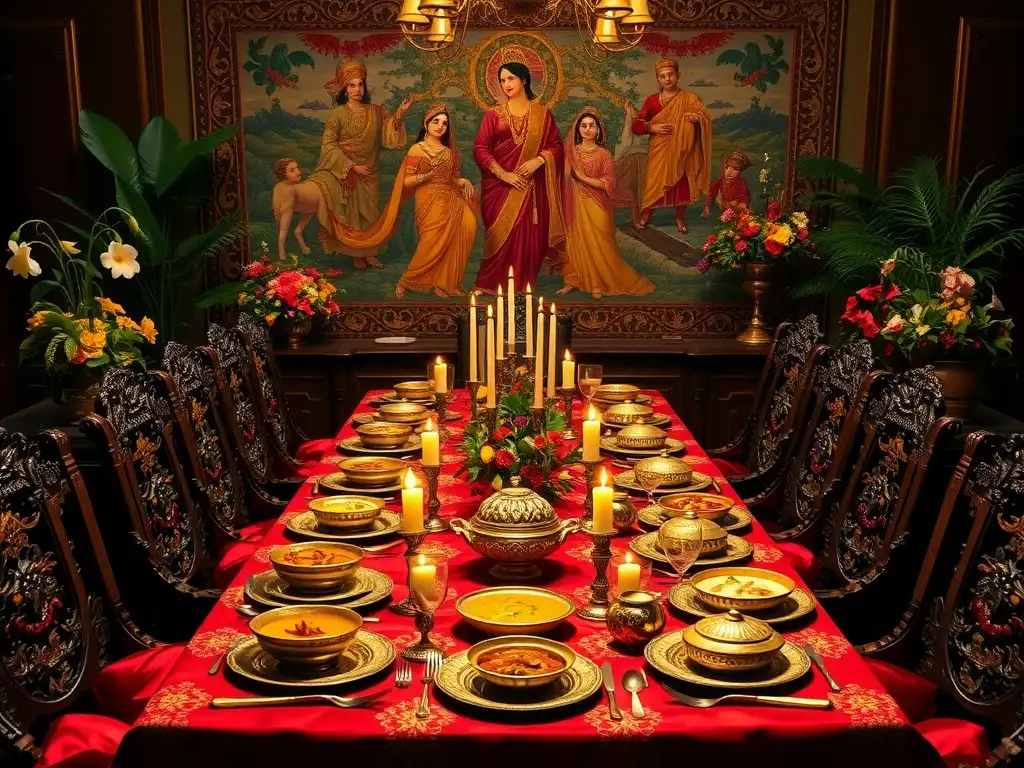
Exploring the culinary traditions of ancient Indian civilizations unveils a tapestry of flavors, techniques, and ingredients that have evolved over millennia. From the lavish feasts of the Indus Valley to the opulent banquets of the Gupta Empire, the royal Indian dishes reflect not only the rich cultural heritage but also the artistry and sophistication of Indian cuisine.
Special occasions in India are celebrated with grand meals that often feature a myriad of spices, herbs, and cooking methods that transform simple ingredients into extraordinary dishes fit for royalty. This article delves into the art of preparing royal Indian dishes, providing recipes and insights that will enable you to create an unforgettable dining experience reminiscent of a Maharaja's feast.
Introduction to Royal Indian Dishes
Royal Indian dishes are characterized by their intricate flavors and elaborate preparation methods. These recipes often incorporate a variety of ingredients, from aromatic spices to rich creams, showcasing the culinary prowess of ancient Indian chefs. The dishes served during special occasions, such as weddings and festivals, are not only a feast for the palate but also a visual treat, often garnished with edible flowers, nuts, and vibrant colors.
Historically, meals in royal courts were lavish affairs, where chefs competed to create the most exquisite dishes. Influences from various regions and cultures, including Persian and Mughal, have enriched the traditional recipes, leading to a diverse culinary heritage. Today, when we speak of royal Indian dishes, we often think of classics such as Biryani, Rogan Josh, and various rich curries, each telling a story of its cultural roots and the royal kitchens they originated from.
Key Ingredients in Royal Indian Dishes
To recreate the flavors of royal Indian dishes, it's essential to understand the key ingredients that form the foundation of these culinary delights. Here are some staples that play a crucial role:
- Spices: The essence of Indian cuisine lies in its spices. Commonly used spices include:
- Cumin
- Coriander
- Turmeric
- Cardamom
- Cloves
- Cinnamon
- Grains: Rice and various types of bread are integral to the Indian dining experience. Some popular choices are:
- Basmati Rice
- Naan
- Paratha
- Roti
- Dairy: Richness is often added through dairy products, enhancing flavors and textures. Key items include:
- Ghee (clarified butter)
- Yogurt
- Cream
- Vegetables and Legumes: A variety of vegetables and legumes not only provide nutrition but also add color and flavor. Examples include:
- Chickpeas
- Lentils
- Spinach
- Cauliflower
- Nuts and Dried Fruits: These are frequently used for garnishing and enriching dishes, providing a delightful crunch and sweetness. Commonly used items include:
- Cashews
- Almonds
- Raisins
- Pistachios
By mastering these ingredients, you can elevate your cooking and prepare royal Indian dishes that not only celebrate the rich culinary history of India but also bring a touch of grandeur to your special occasions. 🍽️✨
Royal Indian Dishes Recipes: An Overview
Royal Indian dishes, often referred to as "Maharaja" cuisine, are characterized by their rich flavors, elaborate presentations, and the use of high-quality ingredients. This culinary tradition dates back to the royal courts of India, where chefs were tasked with creating exquisite dishes that reflected the wealth and sophistication of their patrons. The cuisine is not just about taste; it embodies a cultural heritage that celebrates the art of cooking and the significance of food in Indian society.
Typically, royal Indian dishes feature a variety of meats, fresh vegetables, aromatic spices, and rich gravies, often enhanced with nuts and dried fruits. Recipes can vary significantly from region to region, reflecting the diverse cultural influences across India. Some popular royal dishes include Biryani, Korma, and Pulao, each offering a unique blend of flavors and cooking techniques. For a special occasion, preparing these dishes brings an element of grandeur to the dining experience, reminiscent of lavish feasts once enjoyed by the Maharajas.
How to Cook Traditional Indian Dishes
Cooking traditional Indian dishes, especially those fit for royalty, involves a few essential steps that ensure authenticity and flavor. The process can be both exciting and challenging, but with the right approach and ingredients, anyone can create a royal feast. Below, we outline the critical stages involved in preparing these delectable dishes.
Step 1: Selecting the Right Recipes
Choosing the right recipes is crucial when aiming to prepare royal Indian dishes. Look for recipes that highlight regional specialties and incorporate a variety of flavors and textures. Some classic options include:
- Biryani: A fragrant rice dish layered with marinated meat and spices.
- Nihari: A slow-cooked meat stew, traditionally enjoyed for breakfast.
- Gulab Jamun: A popular dessert made from milk solids and soaked in sugar syrup.
Consider the occasion and your guests' preferences when selecting recipes. Aim for a balanced menu that includes appetizers, a main course, and desserts, allowing guests to enjoy a full spectrum of flavors and textures.
Step 2: Preparing Ingredients
Preparation is key to achieving the best results in any royal Indian dish. Gather high-quality ingredients, as they play a significant role in flavor. Here are some tips for preparing your ingredients:
- Spices: Use whole spices when possible and grind them fresh for a more potent flavor. Common spices include cardamom, cloves, cinnamon, and cumin.
- Herbs: Fresh herbs like cilantro and mint add brightness to dishes. Always rinse them before use.
- Meat and Vegetables: Marinate meats ahead of time to infuse them with flavors. For vegetables, ensure they are chopped uniformly for even cooking.
Once all ingredients are prepared, set them out in an organized manner to streamline the cooking process.
Step 3: Cooking Techniques for Royal Indian Dishes
The cooking techniques used in preparing royal Indian dishes often reflect the complexity and richness of the cuisine. Here are some essential techniques to master:
- Slow Cooking: Many royal dishes benefit from slow cooking, allowing flavors to meld beautifully. Dishes like Korma are often simmered for hours to achieve a tender and flavorful result.
- Layering Flavors: Start by sautéing spices in oil or ghee to release their essential oils. This foundational step creates a rich flavor base for your dishes.
- Braising: This technique, often used for meats, involves cooking in a small amount of liquid over low heat for a long period, resulting in tender, flavorful dishes.
By incorporating these techniques, you can elevate your cooking and create authentic royal Indian dishes that will impress your guests and transport them to the opulent dining halls of ancient India.
Featured Royal Indian Dishes Recipes
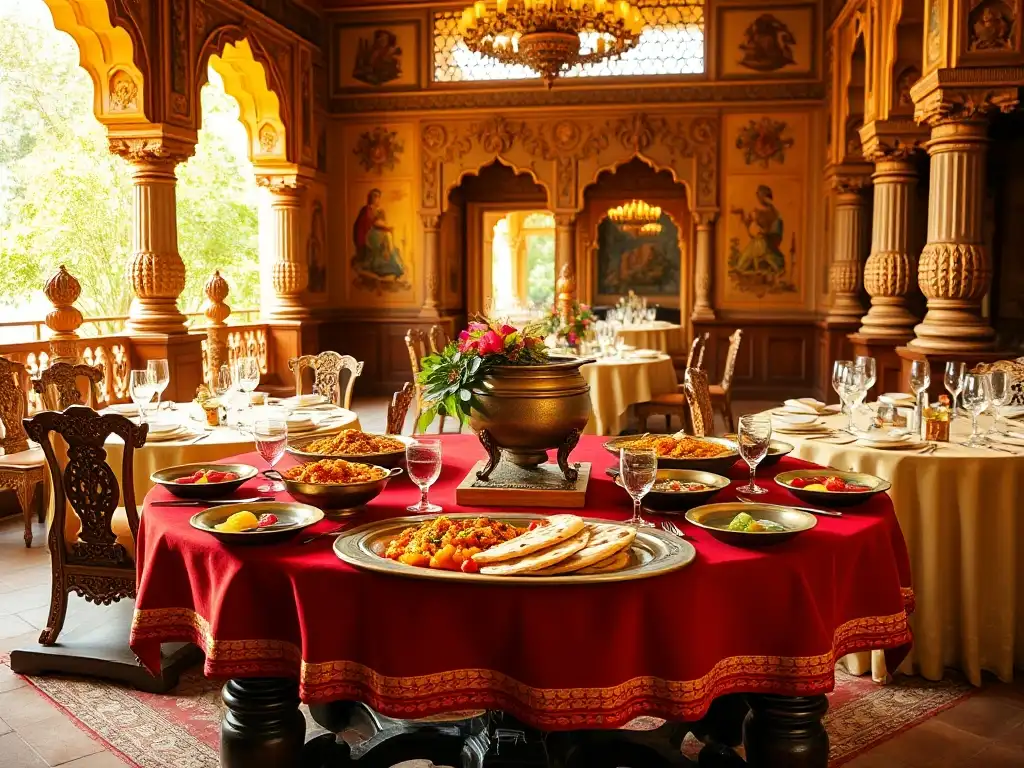
When planning a feast worthy of a Maharaja, the focus should be on vibrant flavors, exquisite presentation, and a blend of traditional and regional dishes. Here are some featured royal Indian dishes that are perfect for special occasions, showcasing the diverse culinary heritage of India.
1. Biryani: The King of Indian Rice Dishes
Biryani is not just a dish; it’s an experience that brings together fragrant basmati rice, marinated meats (or vegetables for a vegetarian version), and a palette of spices. Originating from Persian influences, this royal dish has numerous regional variations, including Hyderabadi, Lucknowi (Awadhi), and Kolkata biryani.
- Key Ingredients:
- Basmati rice
- Marinated chicken, lamb, or vegetables
- Saffron
- Whole spices (cinnamon, cardamom, cloves)
- Cooking Method:
- The meat is first marinated and then partially cooked. The rice is cooked separately until it's half done. The two are layered in a pot, often with fried onions and herbs, and then steamed together in a method called "dum," allowing the flavors to meld beautifully.
Biryani is often served with raita (yogurt sauce) and a side of salad, making it a complete meal fit for royalty.
2. Butter Chicken: A Royal Delight
Butter Chicken, or Murgh Makhani, is a dish that epitomizes the rich and creamy essence of North Indian cuisine. This dish originated in Delhi and is known for its velvety tomato-based sauce enriched with butter and cream.
- Key Ingredients:
- Chicken pieces
- Butter and cream
- Tomato puree
- Indian spices (garam masala, cumin, coriander)
- Cooking Method:
- The chicken is marinated in yogurt and spices, then grilled or cooked. The sauce is prepared separately, combining tomatoes, butter, and cream. The cooked chicken is then added to the sauce, allowing it to absorb the rich flavors.
Serve Butter Chicken with naan or basmati rice for a sumptuous meal that reflects the culinary sophistication of royal kitchens.
3. Paneer Tikka: A Vegetarian Royal Appetizer
For vegetarian guests, Paneer Tikka is a delightful option that brings the essence of Indian spices to the forefront. This dish features marinated cubes of paneer (Indian cottage cheese) grilled to perfection.
- Key Ingredients:
- Paneer
- Yogurt
- Bell peppers and onions
- Spices (red chili powder, turmeric, garam masala)
- Cooking Method:
- The paneer and vegetables are marinated in a mixture of yogurt and spices, then skewered and grilled. This method enhances the flavors while giving it a smoky aroma.
Paneer Tikka is often served with mint chutney and lemon wedges, making it an attractive and flavorful start to any royal feast.
4. Rogan Josh: The Signature Dish of Kashmiri Cuisine
Rogan Josh is a fragrant and flavorful curry that has become synonymous with Kashmiri cuisine. Its vibrant red color and rich taste come from the use of aromatic spices and tender meat, usually lamb.
- Key Ingredients:
- Lamb or goat meat
- Kashmiri red chili
- Yogurt
- Whole spices (cinnamon, cardamom, cloves)
- Cooking Method:
- The meat is cooked slowly with spices and yogurt, allowing it to become tender and absorb the flavors. The use of Kashmiri red chili gives it a distinctive color without excessive heat.
Rogan Josh is best enjoyed with steamed rice or naan, making it a hearty dish that embodies the royal heritage of Indian cuisine.
Tips for Hosting a Royal Feast
Hosting a royal feast involves more than just delicious recipes; it requires attention to detail and an atmosphere that reflects the grandeur of Indian royalty. Here are some tips to ensure that your gathering is memorable:
- Ambiance: Create an inviting atmosphere with traditional decorations such as colorful tablecloths, decorative plates, and traditional Indian music to set the mood.
- Presentation: Serve dishes in beautiful serving bowls and platters. Garnish with fresh herbs, nuts, or edible flowers to elevate the visual appeal of each dish.
- Menu Planning: Consider a balanced menu that includes appetizers, main courses, and desserts. Ensure a mix of vegetarian and non-vegetarian options to cater to all guests.
- Beverages: Complement the meal with traditional beverages like lassi, chai, or Indian cocktails to enhance the dining experience.
- Serving Style: If possible, serve the meal in a buffet style, allowing guests to choose their favorites, or opt for a formal sit-down dinner to add an element of elegance.
By focusing on these elements, you can create a feast that truly embodies the spirit of royal Indian hospitality, leaving your guests with a lasting impression.
Conclusion: Embrace the Royal Indian Culinary Tradition
Embracing the culinary traditions of royal India not only allows you to prepare exquisite dishes but also connects you to a rich history that spans centuries. The royal kitchens of India were renowned for their lavish meals, meticulous preparation, and the use of a diverse array of spices and ingredients. By exploring and experimenting with royal Indian dishes, you can bring a touch of opulence to your dining table, making every meal a celebration.
To truly appreciate these recipes, consider the cultural significance behind each dish. Many royal recipes tell stories of regional availability, historical influences, and the fusion of flavors that characterize Indian cuisine. As you recreate these dishes, remember that they are more than just food; they are a representation of India's heritage, artistry, and the grandeur of its past.
So whether it's for a festive occasion, a family gathering, or simply to indulge in the rich flavors of royal Indian cuisine, take the time to embrace these traditions. Discover the joy of cooking, the pleasure of sharing, and the satisfaction of serving dishes that were once enjoyed by kings and queens. Your kitchen could become a modern-day royal kitchen, filled with the aromas and flavors of a bygone era, all while creating cherished memories with loved ones.
Additional Resources for Aspiring Chefs
For those eager to delve deeper into the realm of royal Indian dishes, numerous resources can help enhance your culinary skills and knowledge. Here’s a list of valuable materials to consider:
- Cookbooks:
- The Royal Indian Cookbook by [Author Name] - A comprehensive guide featuring recipes from various princely states.
- Flavors of the Maharajas by [Author Name] - Offers authentic recipes along with historical context.
- Online Courses:
- Platforms like Udemy and Coursera often feature courses on Indian cooking, including specialized sections for royal cuisine.
- Websites like "MasterClass" occasionally offer sessions by renowned chefs focusing on Indian culinary arts.
- YouTube Channels:
- Channels such as "Nisha Madhulika" and "Sanjeev Kapoor Khazana" provide step-by-step video tutorials on preparing traditional Indian dishes.
- Culinary Workshops:
- Look for local cooking schools or cultural centers that offer workshops on traditional Indian cooking, focusing on royal recipes.
- Culinary Blogs:
- Blogs like The Spice Route or Indian Simmer often explore royal recipes, offering modern twists and tips for home cooks.
By utilizing these resources, aspiring chefs can not only master royal Indian dishes but also gain a deeper appreciation for the culinary heritage of India. Whether you are cooking for a special occasion or simply looking to spice up your daily meals, these tools will guide you on your journey through the flavors of ancient India.
- Introduction to Royal Indian Dishes
- Key Ingredients in Royal Indian Dishes
- Royal Indian Dishes Recipes: An Overview
- How to Cook Traditional Indian Dishes
- Featured Royal Indian Dishes Recipes
- Tips for Hosting a Royal Feast
- Conclusion: Embrace the Royal Indian Culinary Tradition
- Additional Resources for Aspiring Chefs
- What are some popular Royal Indian dishes often prepared for special occasions?
- How can I find authentic recipes for Royal Indian dishes?
- Are there specific ingredients unique to Royal Indian dishes?
- How do I adapt Royal Indian dishes for modern dietary preferences?
- What occasions are best for serving Royal Indian dishes?
Frequently Asked Questions
What are some popular Royal Indian dishes often prepared for special occasions?
Many Royal Indian dishes include Biryani, Butter Chicken, and Paneer Tikka, each with rich flavors and aromatic spices that reflect the grandeur of Indian royalty.
How can I find authentic recipes for Royal Indian dishes?
Authentic recipes can be found in traditional Indian cookbooks, culinary blogs, and websites dedicated to Indian cuisine, often featuring step-by-step guides to recreate these majestic meals.
Are there specific ingredients unique to Royal Indian dishes?
Yes, Royal Indian dishes often utilize exotic spices such as saffron, cardamom, and cloves, as well as rich ingredients like cream, ghee, and nuts to enhance the flavors.
How do I adapt Royal Indian dishes for modern dietary preferences?
You can adapt Royal Indian dishes by using healthier substitutes, such as low-fat dairy products, gluten-free grains, or plant-based proteins, while maintaining the essence of traditional flavors.
What occasions are best for serving Royal Indian dishes?
Royal Indian dishes are perfect for festivals, weddings, and family gatherings, making any event feel special and celebrating the rich culinary heritage of India.
Final Reflection: Embracing the Royal Heritage of Indian Cuisine
In a world where culinary traditions often fade into obscurity, the art of preparing royal Indian dishes remains a vibrant testament to our rich cultural heritage. The recipes we explored not only serve as a means to celebrate special occasions but also as a bridge connecting us to the opulence and grandeur of India's royal past. As we savor these flavors, we are reminded of the stories and traditions that have shaped our culinary landscape, making each dish a celebration of history and culture.
The influence of royal Indian dishes extends far beyond the dining table; it permeates our social gatherings and cultural celebrations, fostering a sense of community and belonging. Each recipe carries with it the essence of the regions they hail from, inviting us to partake in a shared experience that transcends time and geography. Food is not just what we eat; it is a reflection of our identity and our history.
This ongoing connection to our roots encourages us to honor and preserve these culinary traditions, ensuring that they continue to inspire future generations.
As you embark on your journey to prepare these royal Indian dishes, I invite you to reflect on the significance of each ingredient and the stories behind each recipe. Let the act of cooking become a celebration of your own heritage and a way to connect with loved ones. Embrace the flavors, the aromas, and the joy that comes from sharing a meal steeped in history. In doing so, you not only nourish your body but also enrich your spirit, creating lasting memories that honor the royal legacy of Indian cuisine.
Unleash Your Inner Maharaja!
Thank you for taking the time to explore the rich and flavorful world of royal Indian cuisine. We hope you've discovered delicious insights to elevate your meals for your next special occasion! Now, it’s time to put that inspiration into action.
Here’s how you can start your culinary journey:
- Prepare a royal feast: Choose an exotic dish from the world of Indian cuisine and make it the highlight of your next gathering. Let the spices and flavors dazzle your guests!
- Share the experience: Host a cooking night with family or friends where everyone contributes to the meal. Exchange recipes and stories to create cherished memories together.
- Join the conversation: Connect with fellow food enthusiasts online! Visit our community forum and share your experiences with royal recipes and any personal twists you’ve added.
How do you plan to add a royal touch to your next meal? Share your ideas in the comments!