
Understanding Authenticity: The Key to Valuing Indian Artifacts in Global Markets

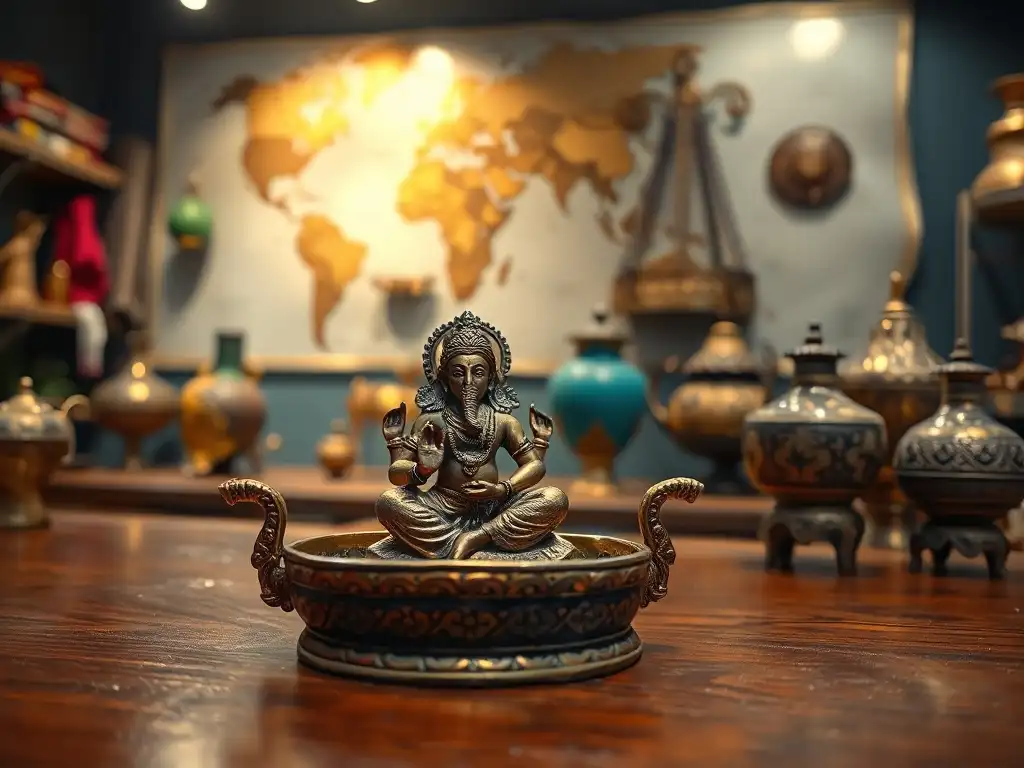
Welcome to Ancient India History, where we invite you to embark on a fascinating journey through the rich tapestry of India's past. As we delve into the intricacies of valuing Indian artifacts authenticity, you'll uncover the profound significance these treasures hold not just in cultural heritage, but also in today's global markets. What makes an artifact truly authentic, and how does its value transcend time and geography? Join us as we unravel these questions and more, igniting your curiosity and inspiring a deeper appreciation for the legacy of ancient Indian civilizations. Let the exploration begin!
- Understanding Authenticity in Valuing Indian Artifacts in Global Markets
- The Concept of Authenticity in Indian Artifacts
- The Global Market for Indian Artifacts
- Authenticity Verification Methods for Indian Artifacts
- Common Challenges in Valuing Indian Artifacts
- Investing in Authentic Indian Artifacts
-
Frequently Asked Questions
- What is the significance of valuing Indian artifacts authenticity?
- How can one determine the authenticity of Indian artifacts?
- Why is authenticity important in the global market for Indian artifacts?
- What role do certifications play in valuing Indian artifacts?
- How does the Gupta Empire contribute to the understanding of Indian artifacts?
- Final Reflection: Embracing Authenticity in Valuing Indian Artifacts
- Embrace Authenticity: Elevate Your Appreciation for Indian Artifacts!
Understanding Authenticity in Valuing Indian Artifacts in Global Markets
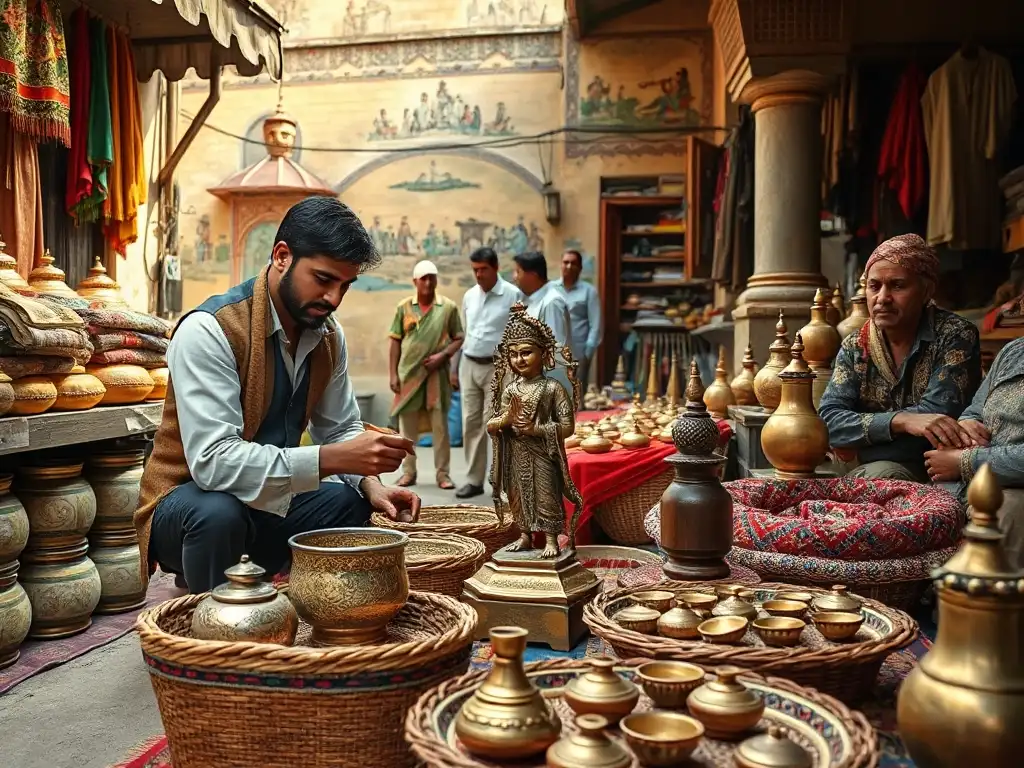
Understanding the authenticity of Indian artifacts is crucial for anyone interested in the global market for these historical treasures. As we delve into the intricate world of Indian art and culture, we uncover not only the beauty and craftsmanship of these artifacts but also the rich narratives they carry. From the ancient Indus Valley Civilization to the sophisticated art forms of the Gupta Empire, each piece reflects the profound cultural heritage of India.
In today's globalized market, the ability to accurately assess and authenticate these artifacts is paramount, not only to preserve their historical value but also to ensure fair valuation and trade practices. This article will explore the key aspects of valuing Indian artifacts, emphasizing the importance of authenticity as a cornerstone in the market.
Introduction to Indian Artifacts and Their Significance
Indian artifacts, which range from intricate sculptures and pottery to textiles and manuscripts, serve as tangible connections to the country's extensive history and diverse cultures. They encapsulate centuries of artistic expression, religious beliefs, and social practices, providing invaluable insights into the lives of those who came before us.
- Historical Context:
- The artifacts from the Indus Valley Civilization (circa 3300–1300 BCE) showcase advanced urban planning and craftsmanship.
- The Maurya Empire (322–185 BCE) is known for its monumental sculptures and architecture, such as the Ashoka Pillars.
- The Gupta Empire (circa 240–550 CE) is celebrated for its advancements in art, science, and literature, with artifacts reflecting the golden age of Indian culture.
- Cultural Significance:
- Artifacts often hold religious importance, representing deities, rituals, and spiritual beliefs.
- They are vital in understanding regional diversity, as different areas of India developed unique styles and techniques in their craftsmanship.
In a global context, the appreciation and valuation of Indian artifacts have surged, leading to their increased presence in international markets. However, this rise in interest also brings challenges, particularly concerning authenticity. Collectors, investors, and institutions face the pressing need to discern genuine artifacts from reproductions or forgeries. This article will address how authenticity influences the valuation of Indian artifacts and the implications for stakeholders in the global market.
The Concept of Authenticity in Indian Artifacts
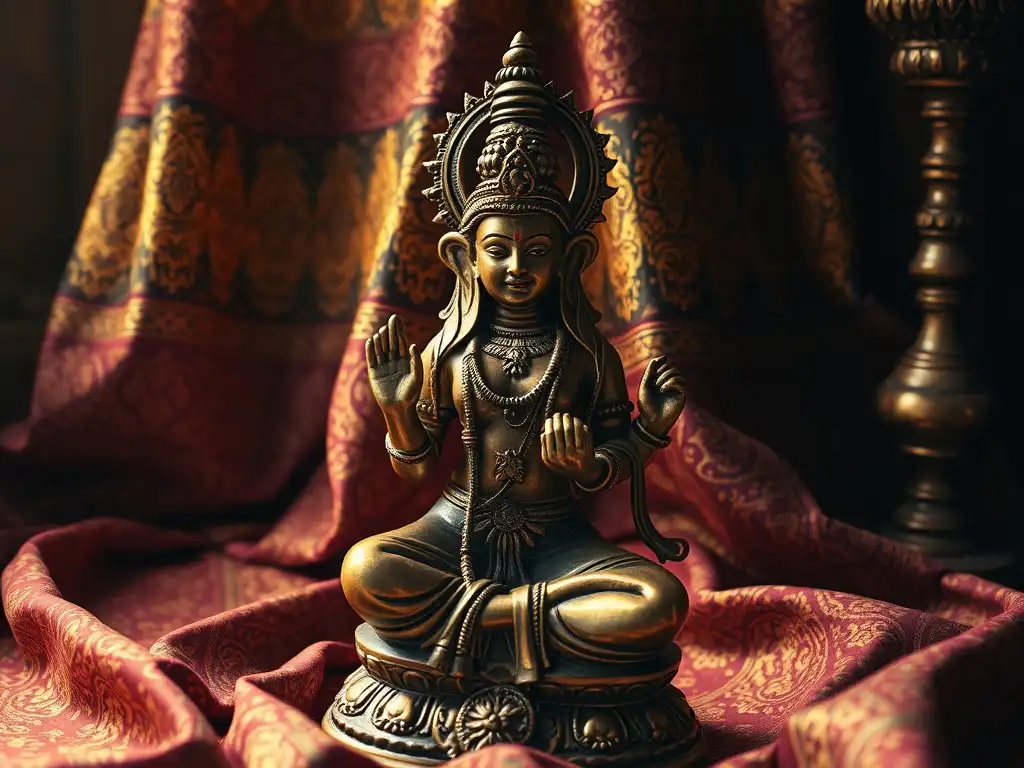
Understanding the concept of authenticity is paramount when it comes to valuing Indian artifacts in the global market. Authenticity not only reflects the genuine nature of an artifact but also its historical, cultural, and monetary significance. As collectors, historians, and investors delve into the world of Indian artifacts, the need to discern authentic pieces from replicas or forged items becomes increasingly crucial.
Defining Authenticity in the Context of Artifacts
The term authenticity in the realm of artifacts can be multifaceted. It encompasses various dimensions, including:
- Historical Authenticity: This relates to whether an artifact genuinely originates from the period or culture it is claimed to represent. Historical authenticity is often evaluated through meticulous research, examining historical records, and comparing stylistic elements with known works from that era.
- Cultural Authenticity: This aspect focuses on the artifact's relationship with the culture it is purported to represent. An artifact must resonate with the cultural practices, beliefs, and artistic expressions of its time and place. For instance, a statue crafted in the style of a specific Indian temple tradition would be deemed culturally authentic if it reflects the techniques and motifs used by artisans of that tradition.
- Material Authenticity: The materials used in creating an artifact play a significant role in determining its authenticity. Genuine Indian artifacts may be made from traditional materials such as bronze, wood, or stone, and their composition can provide insights into their age and origin.
- Provenance: This refers to the documented history of an artifact’s ownership. Provenance plays a critical role in establishing authenticity, as a well-documented provenance can enhance the credibility of an artifact's claim to authenticity.
Understanding these layers of authenticity is essential for collectors and investors, as they directly influence the valuation of Indian artifacts in the marketplace.
The Role of Provenance in Valuing Indian Artifacts
Provenance is often considered the backbone of authenticity in the valuation of Indian artifacts. A detailed provenance can substantially increase an artifact's market value and desirability among collectors. Here are some key aspects of how provenance impacts valuation:
- Historical Documentation: Artifacts with a well-documented history of ownership are generally valued higher. This documentation may include previous sales records, exhibition history, or references in scholarly publications. For instance, an ancient sculpture that has been part of a renowned collection and exhibited in museums is likely to fetch a premium price.
- Cultural Context: Provenance provides context to an artifact's significance within its cultural framework. For instance, if an artifact can be traced back to a specific temple or royal patronage, it enhances its cultural narrative, thereby increasing its value.
- Legal and Ethical Considerations: In recent years, the art market has faced scrutiny regarding the legality and ethical implications of artifact ownership. Artifacts with clear, unambiguous provenance are more likely to be viewed favorably in legal and ethical terms, which can affect their marketability.
- Market Demand: The demand for artifacts with documented provenance often exceeds that for similar items without such documentation. Collectors are generally more inclined to invest in pieces that come with a credible backstory, as this reassures them of their authenticity and investment.
Valuing Indian artifacts authenticity hinges significantly on understanding the multifaceted nature of authenticity itself and the indispensable role of provenance. As the global market for Indian artifacts continues to grow, collectors and investors must prioritize these aspects to ensure they are making informed and valuable acquisitions.
The Global Market for Indian Artifacts
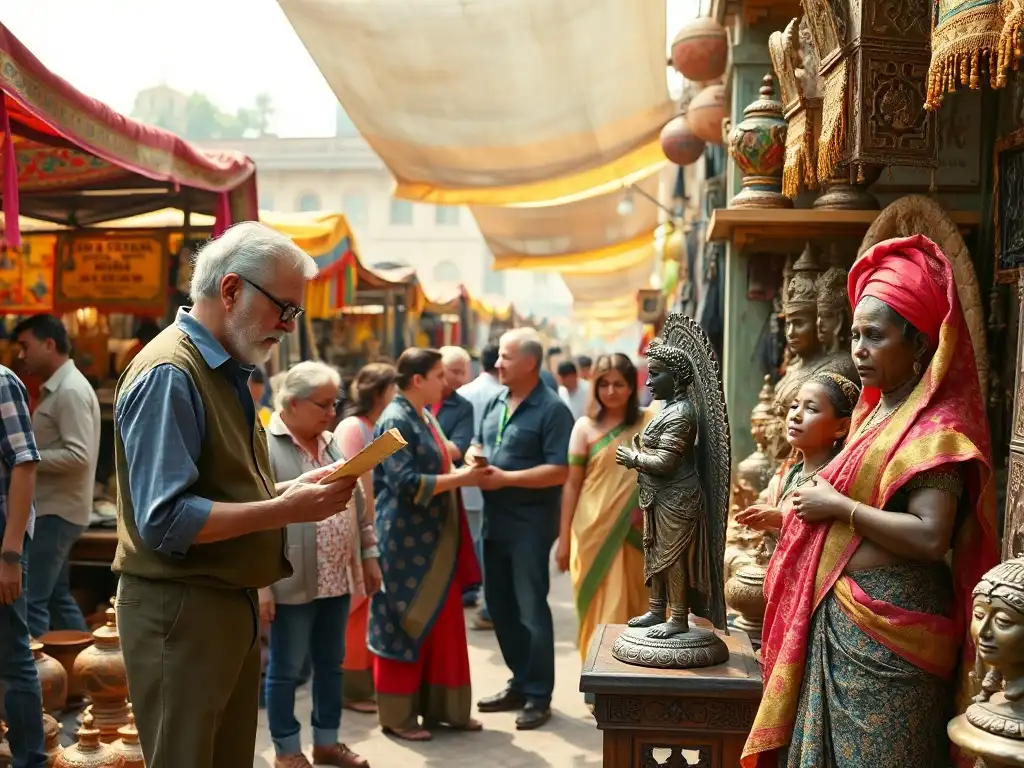
The global market for Indian artifacts has witnessed significant growth over the past few decades. As collectors, investors, and enthusiasts increasingly recognize the cultural and historical importance of these items, the demand for authentic Indian artifacts has surged. This market not only encompasses ancient relics and art pieces but also extends to textiles, pottery, sculptures, and various traditional crafts that reflect India's rich heritage.
The appreciation for Indian artifacts is driven by several factors, including the growing interest in heritage tourism, a rise in cultural awareness among global consumers, and the influence of art and design trends that favor unique, handcrafted items. Furthermore, as the world becomes more connected through technology and social media, the visibility of Indian artifacts has expanded, leading to a wider audience that seeks to incorporate these pieces into their collections or home decor.
Trends in the Global Market for Indian Artifacts
Recent trends in the global market for Indian artifacts reveal a dynamic landscape characterized by evolving consumer preferences and innovative marketing strategies. Some notable trends include:
- Increased Online Sales: The rise of e-commerce platforms has made it easier for collectors and enthusiasts to purchase Indian artifacts from around the world. Websites specializing in art and antiques have expanded their reach, allowing sellers to connect with buyers globally.
- Focus on Sustainability: As consumers prioritize sustainability, there is a growing demand for artifacts that are ethically sourced and produced. Artisans who use traditional techniques and sustainable materials are gaining popularity, and this trend is reshaping how artifacts are marketed.
- Cultural Collaborations: Collaborations between Indian artisans and contemporary artists or designers are creating new avenues for showcasing traditional craftsmanship. These partnerships often lead to innovative designs that attract a modern audience while preserving cultural heritage.
- Investment in Provenance: Buyers are increasingly interested in the provenance of artifacts. Detailed documentation and certification of authenticity not only enhance the item's value but also reassure collectors regarding its historical significance.
- Emergence of Auctions and Exhibitions: High-profile auctions and exhibitions featuring Indian artifacts are becoming more frequent, drawing attention from collectors, investors, and the media. These events not only highlight the beauty and craftsmanship of Indian artifacts but also contribute to their valuation in the global market.
Factors Influencing the Value of Indian Artifacts
Valuing Indian artifacts authenticity is crucial to understanding their market value. Several factors play a significant role in determining how artifacts are valued, including:
- Historical Significance: Artifacts with well-documented histories or connections to significant historical events or figures tend to command higher prices. Items associated with notable periods, such as the Indus Valley Civilization or the Mughal Empire, are particularly sought after.
- Condition and Rarity: The physical condition of an artifact greatly influences its value. Well-preserved items, free from damage or restoration, are more desirable. Additionally, the rarity of an artifact can significantly boost its value; unique pieces or those produced in limited quantities are often prized by collectors.
- Cultural Authenticity: Authenticity is paramount in the valuation of Indian artifacts. Items that can be verified as genuine through documentation, expert appraisal, or provenance are usually more valuable. The growing awareness of counterfeit artifacts emphasizes the need for thorough authentication processes.
- Artistic Quality: The craftsmanship and artistic merit of an artifact play a crucial role in its valuation. Artifacts that showcase exceptional skill, intricate detailing, or unique artistic styles are often valued higher. The influence of traditional techniques and the story behind the creation can also add to the perceived value.
- Market Demand: Current trends and consumer interests can dramatically impact the value of Indian artifacts. The popularity of certain styles or periods can lead to fluctuations in market prices, making awareness of market dynamics essential for collectors and investors.
Understanding these factors provides valuable insight into the complexities of valuing Indian artifacts in global markets. By prioritizing authenticity and recognizing these influencing factors, collectors can make informed decisions that reflect both appreciation for the art and a keen understanding of market trends.
Authenticity Verification Methods for Indian Artifacts
Scientific Techniques for Authenticity Verification
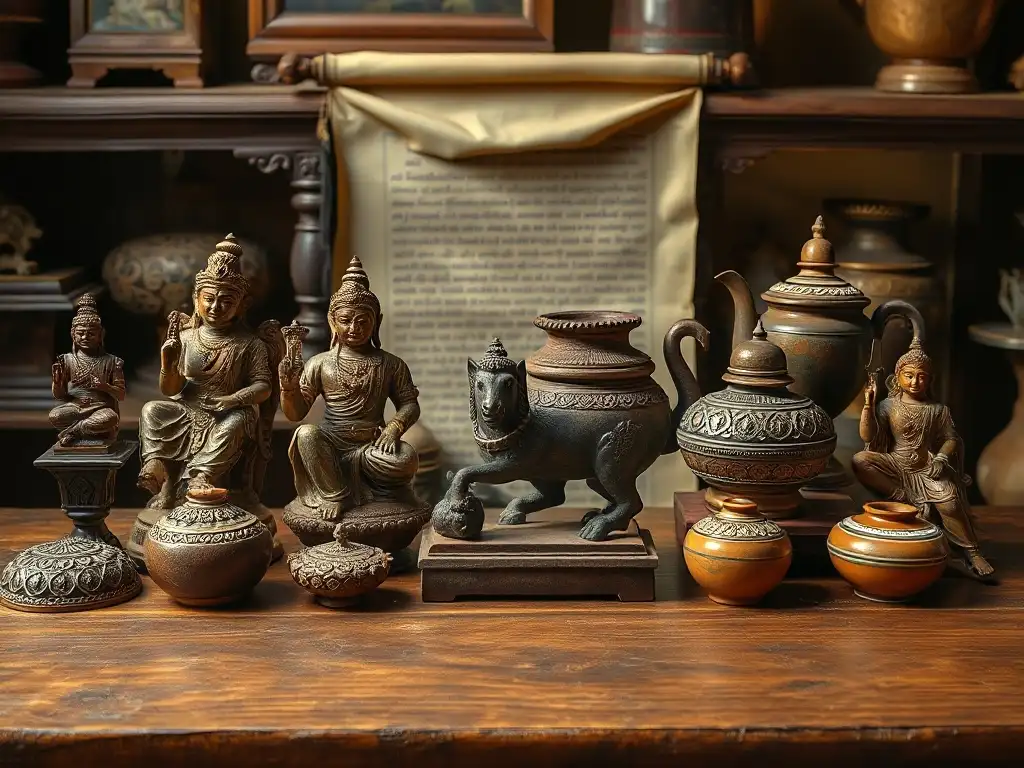
Verifying the authenticity of Indian artifacts is crucial for collectors and investors aiming to navigate the global market effectively. Various scientific techniques are employed to ascertain whether an artifact is genuine or a reproduction. Some of the most notable methods include:
- Radiocarbon Dating: This method measures the decay of carbon-14 isotopes in organic materials, such as wood or textiles, helping to establish the age of an artifact. For instance, if a wooden sculpture is dated to a period well after the known flourishing of a certain civilization, its authenticity may be questioned.
- Thermoluminescence (TL): TL dating is used primarily on ceramics. It gauges the last time an object was heated to a high temperature. This is particularly useful for identifying ancient pottery, as it can reveal whether the item was produced during the time of its claimed origin.
- X-ray Fluorescence (XRF): This technique analyzes the elemental composition of materials. By examining the metals and pigments used in artifacts, experts can determine whether they align with those commonly found in historical contexts. For example, a bronze statue that contains modern alloys may indicate forgery.
- Dendrochronology: This method involves analyzing growth rings in wooden artifacts. It can provide precise dating and context, confirming whether a wooden object corresponds to the period it is said to originate from.
- Microscopy: Utilizing high-powered microscopes, experts can examine the wear patterns, tool marks, and surface finish of artifacts. This examination can reveal inconsistencies that suggest a piece is not authentic.
Each of these methods plays a critical role in establishing the authenticity of Indian artifacts, ultimately influencing their market valuation.
Expert Appraisals and Their Impact on Value
In addition to scientific methods, expert appraisals are an essential aspect of verifying the authenticity of Indian artifacts. Professional appraisers, often with years of experience and specialized training, provide invaluable insights that can significantly impact the perceived and actual value of an artifact. Here are some key factors related to expert appraisals:
- Knowledge of Cultural Context: Appraisers with a deep understanding of Indian history and culture can assess an artifact's significance. They look for stylistic elements, motifs, and materials that correspond to specific periods or regions, helping to authenticate the piece.
- Provenance Research: The history of ownership (provenance) is crucial in establishing authenticity. Experts conduct thorough research to trace an artifact's origins and previous ownership, enhancing its value if it can be linked to notable collectors or historical events.
- Market Trends: Experienced appraisers are aware of current market trends and demand for specific types of artifacts. Their assessments can guide sellers on pricing, ensuring that the artifact is valued appropriately in the global market.
- Condition Reports: The physical condition of an artifact is a vital component of its appraisal. Experts evaluate factors such as repairs, restoration work, and overall wear, which can influence its market value. For instance, a well-preserved piece may fetch a higher price compared to one that has significant damage.
- Certification and Documentation: Many appraisers provide certification, which serves as an assurance of authenticity. This documentation can be crucial when selling artifacts in the global market, as potential buyers often seek verified items to mitigate risks.
Expert appraisals are indispensable for valuing Indian artifacts' authenticity. They not only provide a professional assessment but also help maintain the integrity of the market, ensuring that buyers can invest with confidence.
Common Challenges in Valuing Indian Artifacts
Valuing Indian artifacts in the global market presents several challenges that can significantly impact their authenticity and overall worth. Understanding these challenges is crucial for collectors, investors, and cultural enthusiasts alike. Here, we will explore two primary issues: counterfeit artifacts and misconceptions about authenticity.
Counterfeit Artifacts and Their Impact on the Market
The proliferation of counterfeit artifacts poses one of the most significant challenges in valuing Indian artifacts. As the demand for authentic Indian art and historical pieces grows, so does the market for replicas and fakes.
- Types of Counterfeits:
- Deliberate Forgeries: These are skillfully crafted replicas intended to deceive buyers into believing they are purchasing authentic artifacts.
- Misattributed Items: Some items may be genuine but incorrectly attributed to significant periods or cultures, thus affecting their valuation.
The impact of counterfeit artifacts on the market can be profound. Collectors and investors may inadvertently purchase fakes, leading to significant financial losses. Moreover, the presence of counterfeits can erode trust in the market, as buyers become wary of investing in Indian artifacts. This skepticism can drive down prices and reduce the overall interest in authentic pieces.
Misconceptions About Authenticity in Indian Artifacts
Misconceptions about what constitutes authenticity in Indian artifacts can further complicate their valuation. Understanding these misconceptions is essential for anyone involved in the buying or selling of these historical items.
- Cultural Context: Many people assume that an artifact's age automatically validates its authenticity. However, the cultural context and provenance (the history of ownership) play crucial roles in determining an artifact's true value. An item may be ancient, but if it lacks a credible provenance, its worth may be diminished.
- Artistic Value vs. Historical Value: There can be confusion between artistic and historical value. An item may be an exquisite piece from a recognized artist but may not hold significant historical importance. Collectors often overlook this distinction, leading to inflated valuations based solely on aesthetic appeal.
- Market Trends: The fluctuating nature of the art market can lead to misconceptions about an artifact's value. Just because an artifact was highly valued a decade ago does not guarantee the same valuation today. Understanding current market trends is vital for accurately assessing an artifact's worth.
Addressing the challenges of counterfeiting and misconceptions about authenticity is essential for valuing Indian artifacts accurately in global markets. By fostering awareness and education, stakeholders can navigate these complexities and promote a more authentic environment for the appreciation of Indian heritage.
Investing in Authentic Indian Artifacts
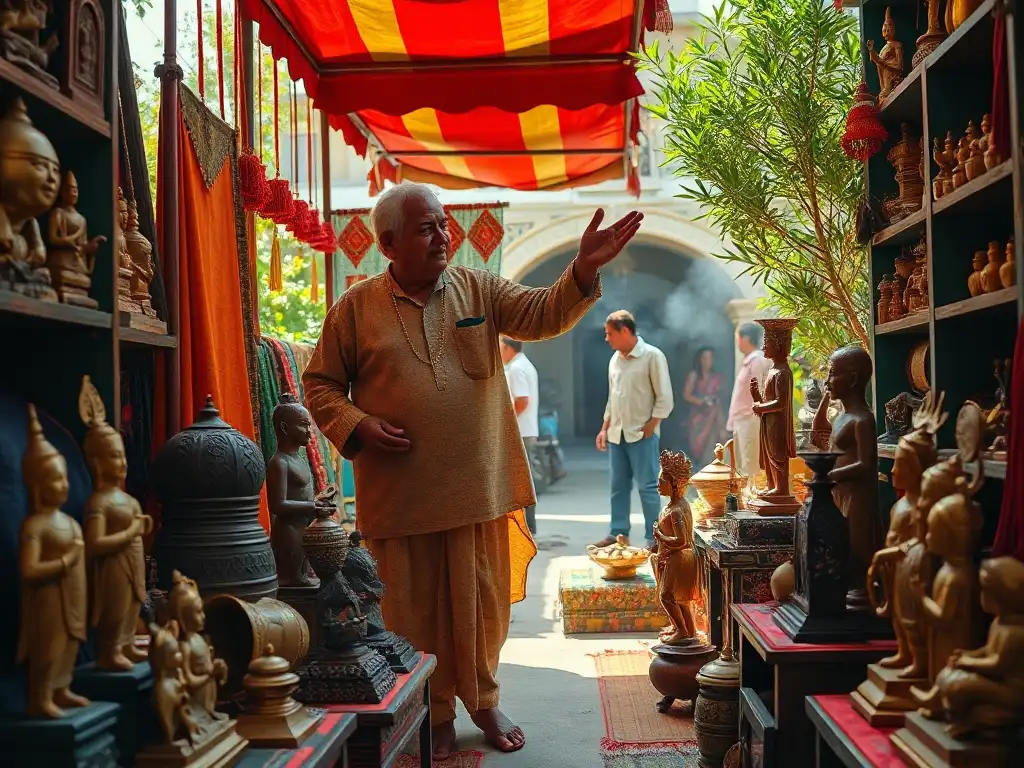
Investing in authentic Indian artifacts can be a rewarding venture, both financially and culturally. As the global market for such artifacts expands, understanding the nuances of authenticity becomes crucial for collectors and investors alike. Investing in these artifacts not only offers potential economic returns but also enriches one's appreciation of India's rich historical and cultural heritage.
Benefits of Investing in Authentic Artifacts
Investing in authentic Indian artifacts presents multiple advantages that extend beyond mere monetary gain. Here are some key benefits:
- Cultural Preservation: By purchasing authentic artifacts, investors contribute to the preservation of India's diverse cultural heritage. This helps in maintaining the historical significance and traditional craftsmanship associated with these items.
- Potential for Appreciation: The value of authentic artifacts tends to appreciate over time. As demand increases in the global market, particularly for rare pieces, investors can see significant returns on their investments.
- Diverse Portfolio: Including authentic Indian artifacts in an investment portfolio adds diversity. This can be a hedge against market volatility, as art and collectibles often behave differently than traditional financial assets.
- Connection to History: Owning authentic artifacts fosters a personal connection to India's historical narratives. Each piece tells a story, enriching the owner's understanding and appreciation of the civilization from which it originated.
- Tax Benefits: In some jurisdictions, investing in cultural artifacts can provide tax advantages. Investors should consult local regulations to explore potential benefits.
Recommended Platforms for Purchasing Authentic Indian Artifacts
Navigating the market for authentic Indian artifacts requires knowledge of reputable platforms. Here are some recommended options for purchasing:
- Auction Houses:
- Sotheby's and Christie's frequently hold auctions featuring Indian artifacts. These prestigious auction houses provide a level of credibility and authentication that is essential for serious investors.
- Specialized Galleries:
- Galleries like Art Heritage and Dharma Art focus on Indian art and artifacts, offering a curated selection of authentic pieces. They often provide provenance and detailed descriptions, ensuring buyers are well-informed.
- Online Marketplaces:
- Platforms such as Artsy and 1stdibs allow collectors to browse a wide range of artifacts from various sellers. It’s crucial to verify the authenticity through seller ratings and reviews.
- Antique Fairs and Exhibitions:
- Events like the India Art Fair or regional antique fairs present opportunities to purchase artifacts directly from vendors. Buyers can often engage in discussions about authenticity and provenance before making a purchase.
- Private Dealers:
- Establishing relationships with private dealers who specialize in Indian artifacts can be beneficial. These dealers often have extensive knowledge and a network that can lead to exclusive opportunities.
By leveraging these platforms, investors can confidently navigate the complexities of valuing Indian artifacts authenticity, ensuring that their investments are both meaningful and profitable.
Frequently Asked Questions
What is the significance of valuing Indian artifacts authenticity?
Valuing Indian artifacts authenticity is crucial for preserving the cultural heritage of India and ensuring that genuine pieces are recognized and respected in the global market.
How can one determine the authenticity of Indian artifacts?
To determine the authenticity of Indian artifacts, one should consult experts, conduct provenance research, and consider the materials and craftsmanship used in the item.
Why is authenticity important in the global market for Indian artifacts?
Authenticity is important because it protects buyers from fraudulent replicas and helps maintain the value and integrity of true cultural expressions.
What role do certifications play in valuing Indian artifacts?
Certifications from recognized authorities can provide assurance of an artifact’s authenticity, thereby enhancing its market value and trustworthiness among collectors and investors.
How does the Gupta Empire contribute to the understanding of Indian artifacts?
The Gupta Empire is known for its artistic and cultural achievements, providing a rich context for understanding the stylistic features and historical significance of Indian artifacts from that era.
Final Reflection: Embracing Authenticity in Valuing Indian Artifacts
In a world increasingly driven by globalization and mass production, the importance of authenticity in valuing Indian artifacts cannot be overstated. As we navigate through a marketplace flooded with replicas and imitations, the true essence of Indian art lies in its rich history, cultural significance, and the stories embedded within each piece. Recognizing and valuing authenticity not only preserves the integrity of these artifacts but also honors the artisans who pour their heart and soul into their creations.
Cultural heritage is not just a relic of the past; it is a living, breathing narrative that shapes our identity. The ongoing dialogue surrounding the authenticity of Indian artifacts has sparked a renewed interest in traditional craftsmanship and sustainable practices. As we witness a growing appreciation for genuine artistry, it becomes clear that our collective efforts to preserve these treasures are vital. > “Art is the most beautiful of all lies.” This quote by Claude Debussy reminds us that while art may be an interpretation, its authenticity is what truly resonates with our souls.
As you reflect on the insights shared in this article, consider how you can contribute to the appreciation of authenticity in your own life. Seek out genuine artifacts, support local artisans, and educate others about the significance of valuing authenticity. By doing so, you not only enrich your own understanding of Indian culture but also play a crucial role in preserving its legacy for future generations. Let us champion the beauty of authenticity and ensure that the stories behind these remarkable artifacts continue to be told and cherished.
Embrace Authenticity: Elevate Your Appreciation for Indian Artifacts!
Thank you for taking the time to delve into the rich world of Indian artifacts! By exploring the importance of authenticity, you’ve unlocked a deeper understanding of cultural heritage and its value in global markets. Now, it's time to take that knowledge a step further and make a difference in the appreciation of these treasures.
- Join a local or online community dedicated to Indian art and heritage to connect with like-minded individuals who share your passion.
- Share your insights with friends and family by discussing the significance of authenticity—your enthusiasm can inspire others!
- Visit an art exhibit or gallery showcasing Indian artifacts to experience their beauty firsthand and contribute to the preservation of cultural history.
What unique perspective or experience do you have regarding the authenticity of artifacts that could enrich the conversation? Your thoughts are valuable and can lead to a deeper appreciation for these cultural treasures.