
Understanding Cultural Differences: A Key to Successful Exporting from India

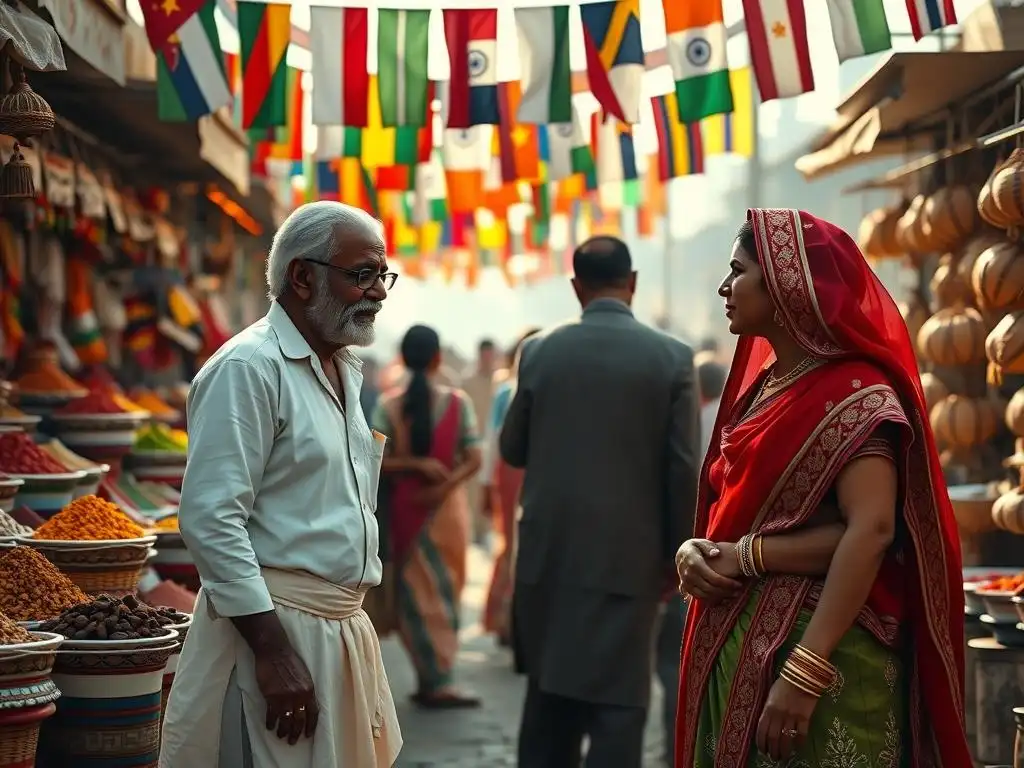
Welcome to Ancient India History, where we embark on a journey through the fascinating tapestry of India's rich heritage and cultural evolution. In our featured article, "Understanding Cultural Differences: A Key to Successful Exporting from India," we delve into the intricate cultural nuances that have shaped Indian exports throughout history. Discover how the diverse traditions and practices of ancient civilizations continue to influence modern business strategies. Join us as we unravel the vital connections between culture and commerce—your exploration of India's profound legacy begins here!
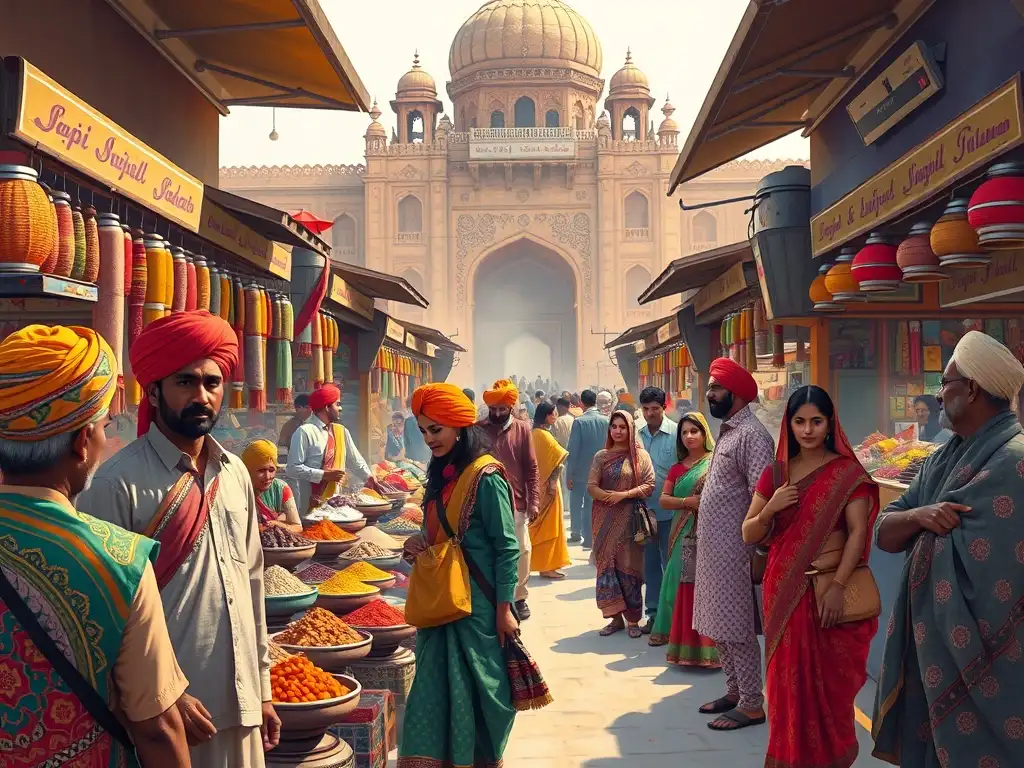
Cultural differences play a pivotal role in the dynamics of international trade, especially in a diverse and multi-faceted country like India. As businesses seek to expand their reach beyond domestic markets, understanding the cultural nuances of potential export destinations becomes essential. The keyword "cultural differences in Indian exports" encapsulates the intricacies that Indian exporters must navigate to ensure their products resonate with foreign consumers. This article delves into the significance of cultural awareness in exporting Indian goods, providing valuable insights and practical tips for businesses aiming to thrive in the global marketplace.
Introduction to Cultural Differences in Indian Exports
India is a tapestry of cultures, languages, traditions, and values, each of which influences consumer behavior and preferences. When exporting goods, it is crucial for Indian businesses to recognize these cultural differences as they can significantly impact marketing strategies, product adaptations, and customer relations.
- Understanding Local Preferences: Different regions and countries have unique tastes and preferences. For instance, food products that are popular in India may not appeal to consumers in Europe or America.
- Communication Styles: The way messages are conveyed varies across cultures. Some cultures may prefer direct communication, while others might value subtlety and context.
- Cultural Norms and Values: Recognizing the cultural norms that govern consumer behavior can lead to more effective marketing strategies. For example, holidays and festivals play a significant role in purchasing decisions.
By acknowledging and respecting these cultural differences, Indian exporters can tailor their approaches, ensuring that their products not only meet market demands but also align with local customs and expectations.
The Role of Culture in Exporting Indian Goods
Culture is not just an abstract concept; it manifests itself in tangible ways that affect how products are perceived and consumed. Understanding the role of culture in the export process can help Indian businesses establish stronger market connections and enhance their competitiveness.
- Product Customization:
- Adapting Designs and Features: Exporters might need to modify product designs to align with local aesthetics. For example, textiles may need to reflect the color preferences of a target market.
- Flavor Profiles: In the food industry, adapting flavors to suit local palates can significantly increase acceptance and sales.
- Marketing Strategies:
- Culturally Relevant Messaging: Crafting marketing messages that resonate with local values can improve brand perception. For instance, highlighting sustainability practices may appeal to environmentally conscious consumers.
- Leveraging Local Influencers: Collaborating with local figures who understand the cultural context can enhance credibility and reach.
- Building Relationships:
- Trust and Rapport: In many cultures, building personal relationships is crucial for successful business transactions. Indian exporters should invest time in establishing trust with local partners.
- Understanding Negotiation Styles: Different cultures have varying negotiation styles, which can impact business dealings. Recognizing whether a culture values assertiveness or collaboration can inform negotiation tactics.
Understanding cultural differences is not merely a strategic advantage for Indian exporters; it is a necessity in today’s globalized economy. By embracing these differences, businesses can foster deeper connections with international customers, leading to successful and sustainable exporting endeavors.
Key Cultural Differences in Indian Exports
Understanding the cultural differences in Indian exports is crucial for businesses aiming to penetrate international markets. These differences can significantly influence how Indian products are perceived and accepted abroad. Key aspects include communication styles, decision-making processes, and the importance of relationship building, all of which contribute to the overall effectiveness of exporting strategies. Recognizing and adapting to these cultural nuances can lead to successful collaborations and sustainable partnerships.
Communication Styles in Indian Business Culture
Communication in Indian business culture often contrasts with more direct styles prevalent in Western countries. It tends to be indirect, with a focus on maintaining harmony and avoiding confrontation. This means that expressions of disagreement may be subtle, and reading between the lines becomes essential. Non-verbal cues, such as body language and tone, carry significant weight in conveying messages.
When engaging in business discussions, it's important to be patient and allow for pauses, as Indians often take their time to formulate responses. Furthermore, showing respect for hierarchy and seniority in conversations can foster positive relations. To navigate these communication differences effectively, consider the following tips:
- Listen Actively: Pay attention to not just words, but also to tone and body language.
- Be Respectful: Acknowledge seniority and show appreciation for differing viewpoints.
- Clarify Intentions: Use open-ended questions to ensure mutual understanding.
Decision-Making Processes
The decision-making processes in Indian businesses can be quite hierarchical, where senior leaders often hold the final say. This contrasts with flatter organizational structures found in many Western companies. Decisions may take longer, as consensus-building is a common practice that involves consultations with various stakeholders.
It's essential for exporters to be patient and understand that building consensus can lead to more robust and accepted business decisions. Here are some key points to consider:
- Hierarchy Matters: Recognize the importance of seniority in decision-making.
- Consensus-Building: Engage with multiple stakeholders to facilitate agreement.
- Long-Term Focus: Be prepared for a longer decision-making cycle that emphasizes relationships and trust.
Relationship Building in Indian Business
In Indian business culture, relationship building is paramount. Trust and personal connections often precede formal transactions. This cultural trait underscores the importance of networking and developing long-term relationships with business partners.
Investing time in building these relationships can yield significant dividends, as they often lead to better negotiation outcomes and smooth collaboration. Consider the following approaches to enhance your relationship-building efforts:
- Socializing: Engage in informal gatherings or meals to strengthen bonds.
- Frequent Communication: Regularly check in with partners to maintain rapport.
- Cultural Understanding: Show interest in local customs and traditions to foster goodwill.
Adapting Marketing Strategies to Cultural Differences

To successfully export goods from India, understanding and adapting marketing strategies to align with cultural differences is essential. This involves recognizing local preferences, values, and consumer behaviors that vary from one market to another.
Tailoring Product Offerings for Different Markets
Customizing product offerings is a strategic approach to meet the diverse needs of international consumers. What works in one market may not resonate in another due to cultural preferences and local trends. For instance, flavors in food products, designs in textiles, and functionality in technology may require adjustments to cater to specific tastes and demands.
Key strategies for tailoring products include:
- Market Research: Conduct thorough research to understand local preferences.
- Local Partnerships: Collaborate with local distributors to gain insights into consumer behavior.
- Flexibility: Be willing to adapt product features based on feedback from target markets.
Culturally Sensitive Advertising Techniques
Culturally sensitive advertising is crucial for resonating with diverse audiences. Messaging, imagery, and even the choice of media channels must align with local customs and values to avoid misunderstandings or offense.
When crafting advertising strategies, consider the following:
- Cultural Symbols: Use symbols and references that are familiar and respected in the target culture.
- Language Nuances: Ensure that translations are not just literal but also contextually relevant.
- Social Norms: Be aware of societal norms and attitudes that may influence consumer perceptions.
By embracing and respecting cultural differences, Indian exporters can enhance their marketing effectiveness and build stronger connections in global markets.
Overcoming Challenges of Cultural Differences
Exporting goods from India to diverse international markets presents unique challenges, particularly in navigating cultural differences. Understanding these cultural nuances is essential for ensuring successful interactions and maintaining strong business relationships. One of the primary challenges is the variation in communication styles. For instance, while Indian business culture may favor indirect communication, Western cultures often prefer directness. This difference can lead to misunderstandings if not addressed properly.
Additionally, decision-making processes can vary significantly across cultures. In many Indian businesses, decisions may be made collectively or require approval from higher-ups, which can contrast with the more individualistic approaches seen in some Western countries. Exporters must be prepared for potentially slower decision-making processes and adjust their expectations accordingly.
Time perception is another critical aspect to consider. In some cultures, punctuality is highly valued, while in others, a more flexible approach to time is commonplace. Being aware of these differences can enhance relationships and ensure smoother transactions.
To successfully overcome these challenges, exporters should embrace cultural sensitivity and adaptability, actively seeking to understand and respect the cultural norms and practices of their trading partners.
Common Misunderstandings in International Trade
Misunderstandings in international trade can arise from cultural differences and often lead to conflicts or failed negotiations. One common misconception is the belief that business practices are universally applicable. For instance, gift-giving customs vary widely; what is acceptable in one culture may be frowned upon in another. In some Asian cultures, gift-giving is a sign of respect and goodwill, while in Western cultures, it may be viewed with suspicion or as an attempt to bribe.
Language barriers can also contribute to misunderstandings. Even when parties speak the same language, idiomatic expressions or cultural references may not translate effectively, leading to confusion. For example, using colloquialisms or humor that is culturally specific can alienate potential partners.
Moreover, the concept of negotiation itself can differ significantly. In some cultures, negotiations may be seen as a competitive process, while in others, they are viewed as a collaborative effort aimed at mutual benefit. Recognizing these differences is vital for establishing successful negotiations and fostering long-lasting business relationships.
Exporters should invest time in understanding the cultural contexts of their target markets to minimize these misunderstandings and enhance communication efficacy.
Tools and Resources for Exporters
To navigate the complexities of cultural differences in exporting, various tools and resources can assist exporters throughout the process. Here are some valuable options:
- Cultural Training Programs: Many organizations offer training that focuses on cross-cultural communication, negotiation styles, and business etiquette specific to various countries.
- Market Research Reports: These reports provide in-depth analyses of cultural trends, consumer behavior, and preferences in target markets, helping exporters tailor their strategies accordingly.
- Networking Events: Participating in international trade fairs, workshops, and networking events can provide insights into cultural practices and establish connections with local business leaders.
- Consultants and Experts: Hiring consultants with expertise in cultural differences can offer tailored advice and strategies for entering specific markets.
- Online Resources: Websites and forums dedicated to international trade and cultural exchange can provide exporters with valuable information and community support.
Utilizing these tools and resources can enhance exporters' understanding of cultural nuances and improve their chances of success in international markets.
Best Practices for Exporting Indian Goods Across Cultures
Successful exporting requires more than just a high-quality product; it demands an understanding of the cultural contexts of the target markets. Here are some best practices to consider for exporting Indian goods across cultures.
Conducting Market Research
Conducting thorough market research is fundamental for understanding cultural differences in potential export markets. This research should encompass:
- Consumer Behavior: Analyze how cultural factors influence consumer preferences and purchasing decisions in different regions.
- Cultural Norms and Values: Understand local customs, traditions, and societal values that may impact product reception.
- Competitor Analysis: Study local competitors to identify successful strategies and cultural adaptations they have employed.
- Regulatory Environment: Be aware of any cultural taboos or legal restrictions that may affect product acceptance or marketing strategies.
By gathering comprehensive data, exporters can make informed decisions and tailor their products and marketing strategies to resonate with local consumers.
Collaborating with Local Partners
Working with local partners can significantly enhance an exporter’s ability to navigate cultural differences. Local partners bring invaluable insights into market dynamics, consumer behavior, and cultural norms. Here are key benefits of collaboration:
- Cultural Expertise: Local partners can provide guidance on effective communication styles, negotiation tactics, and business etiquette.
- Established Networks: They often have established relationships with local distributors, suppliers, and customers, facilitating smoother entry into the market.
- Shared Risk: Partnering with local businesses can help mitigate risks associated with market entry and cultural misalignment.
- Adaptation of Products: Local partners can assist in adapting products to meet local tastes, preferences, and cultural expectations, improving market acceptance.
By leveraging local partnerships, exporters can enhance their market strategies and foster stronger relationships with customers and stakeholders in foreign markets.
Conclusion: Embracing Cultural Differences for Export Success

In the world of international trade, understanding and embracing cultural differences is paramount for the success of Indian exports. The rich tapestry of India's cultural heritage not only shapes the identity of its goods but also influences buyer perceptions, negotiation styles, and marketing strategies. By recognizing the values, traditions, and consumer behaviors of target markets, Indian exporters can tailor their approaches to resonate more effectively with diverse audiences.
For instance, adapting product designs, packaging, and marketing messages to align with local customs can foster stronger connections and enhance brand loyalty. Furthermore, sensitivity to cultural nuances can mitigate misunderstandings and build trust, which is essential for establishing long-term business relationships. Leveraging cultural insights can also provide a competitive edge in saturated markets, allowing exporters to stand out by offering products that genuinely appeal to local tastes and preferences.
Ultimately, embracing cultural differences is not merely an option but a necessity for Indian exporters aiming to thrive in the global marketplace. By fostering cultural intelligence and adaptability, businesses can unlock new opportunities, drive growth, and ensure sustainable success in their export endeavors.
Call to Action
Are you ready to take your exporting ventures to the next level? It's time to delve deeper into understanding cultural differences and how they can enhance your export strategy. Here are a few steps to get started:
- Research Target Markets: Invest time in studying the cultural norms, values, and consumer behavior of your intended markets. Utilize online resources, market reports, and cultural consultants to gain valuable insights.
- Engage with Local Experts: Collaborate with local partners or hire cultural liaisons who can provide guidance on navigating cultural nuances effectively.
- Customize Your Approach: Adapt your products, marketing strategies, and communication styles to align with the cultural preferences of your target audience.
- Learn from Success Stories: Explore case studies of successful Indian exporters who have effectively embraced cultural differences in their strategies.
Take action today to ensure your business not only survives but thrives in the competitive landscape of global trade!
Additional Resources
To further enhance your understanding of cultural differences in Indian exports, consider the following resources:
- Books:
- The Culture Map: Breaking Through the Invisible Boundaries of Global Business by Erin Meyer
- Cross-Cultural Business Behavior: A Guide for Global Management by Richard R. Gesteland
- Websites:
- The Export-Import Bank of India (EXIM Bank) offers valuable reports and resources on exporting practices and market insights.
- The Federation of Indian Export Organisations (FIEO) provides information and support for Indian exporters.
- Workshops and Seminars: Look for local workshops or online webinars focused on cultural intelligence and export strategies.
- Cultural Training Programs: Seek out training programs that specialize in international business etiquette and cultural awareness to strengthen your team's capabilities.
By leveraging these resources, you can gain a more comprehensive understanding of how cultural differences impact Indian exports and enhance your strategies for success in the global market.
- Introduction to Cultural Differences in Indian Exports
- The Role of Culture in Exporting Indian Goods
- Key Cultural Differences in Indian Exports
- Adapting Marketing Strategies to Cultural Differences
- Overcoming Challenges of Cultural Differences
- Best Practices for Exporting Indian Goods Across Cultures
- Conclusion: Embracing Cultural Differences for Export Success
- Call to Action
- Additional Resources
- What are the cultural differences that affect Indian exports?
- How can understanding cultural differences improve export success?
- What role does heritage play in Indian exports?
- Why is it important to consider regional variations in India?
- How can exporters effectively learn about cultural differences?
Frequently Asked Questions
What are the cultural differences that affect Indian exports?
Cultural differences such as communication styles, business etiquette, and consumer preferences play a significant role in shaping how Indian exports are perceived in different markets.
How can understanding cultural differences improve export success?
By being aware of cultural nuances, exporters can tailor their marketing strategies, enhance customer relationships, and improve negotiation outcomes, ultimately leading to increased sales.
What role does heritage play in Indian exports?
India's rich heritage influences the uniqueness of its products, making them appealing in international markets, and helping to create a strong brand identity based on cultural significance.
Why is it important to consider regional variations in India?
India is incredibly diverse, with regional variations in language, customs, and traditions. Understanding these differences can help exporters better cater to the specific needs of diverse markets.
How can exporters effectively learn about cultural differences?
Exporters can engage in market research, attend cultural training, and collaborate with local partners to gain insights into the cultural dynamics of their target markets.
Final Reflection: Embracing Cultural Differences for Global Success
Understanding cultural differences in Indian exports is not just an academic exercise; it is a vital component of thriving in today’s interconnected marketplace. As businesses expand beyond borders, the ability to navigate and respect diverse cultural landscapes becomes paramount. The nuances of communication, negotiation, and relationship-building can make or break an export venture. In a world where globalization is the norm, recognizing and adapting to these cultural differences is no longer optional—it is essential for success.
Cultural differences shape not only business strategies but also the very fabric of international relationships. The ongoing influence of these differences can be seen in how companies engage with foreign markets, tailoring their approaches to resonate with local customs and practices.
As we reflect on the significance of cultural awareness, we are reminded of the words of Mahatma Gandhi: > “A ‘No’ uttered from the deepest conviction is better than a ‘Yes’ merely uttered to please, or worse, to avoid trouble.” This quote encapsulates the essence of understanding and respecting cultural differences, highlighting that authenticity and integrity are crucial in international dealings.
As you consider the insights shared in this article, I invite you to reflect on your own experiences with cultural differences in your personal or professional life. How can you apply these lessons to foster better relationships and enhance your effectiveness in global interactions? Embrace the challenge of understanding diverse perspectives, and let this knowledge guide you toward more successful and meaningful connections in your exporting endeavors. The journey of cultural understanding is ongoing, and each step taken is a step toward greater global harmony and success.
Unlock Global Success Through Cultural Understanding
Thank you for taking the time to explore how understanding cultural differences can enhance your exporting strategies from India. You've gained valuable insights into why cultural awareness is essential in today’s global market. Now, let's turn this knowledge into action!
To elevate your exporting efforts, consider these impactful steps:
- Dive Deeper into the cultures of your target markets. Research unique customs, traditions, and consumer behavior to tailor your approach effectively.
- Connect with Local Experts. Engage with consultants or join trade associations that have hands-on experience in your target countries to gain valuable insights.
- Share Your Insights! Discuss your learnings on social media or forums, helping others while creating a network of individuals passionate about global trade.
What cultural aspect are you most eager to learn about to boost your exporting success? We invite you to share your thoughts in the comments!